
Civilizations & Cultures (Detailed Studies)
From the steppes of Central Asia to the pyramids of Egypt, and from the city-states of the Maya to the maritime empires of the Pacific, our detailed studies in Civilizations & Cultures offer an immersive dive into humanity’s rich past. Each entry provides in-depth analyses of societies, their daily life, belief systems, and material culture, supported by the latest archaeological evidence. Whether you’re exploring the Linear B tablets of the Mycenaeans, the megalithic rituals of Neolithic Europe, or the urban planning of the Indus Valley, you’ll find expert interpretations and accessible narratives. This category is your gateway to understanding how ancient peoples adapted, thrived, and shaped the world—perfect for students, enthusiasts, and researchers seeking authoritative, SEO-rich content on global heritage and archaeological breakthroughs.
 European Prehistory: Late Bronze Age Europe - Urnfield, Nordic Bronze Age
 Ancient Italy: Etruscan Civilization - Art, Religion & Society
 Oceanian & Australian Prehistory: Early Human Occupation of Australia & Megafauna
 Ancient Egypt: Middle Kingdom - Stability & Cultural Flourishing
 Americas (Pre-Columbian): Andean Civilizations - Tiwanaku & Wari Empires
 East Asian Civilizations: Han Dynasty - Expansion, Silk Road & Culture
 Americas (Pre-Columbian): Aztec Empire - Tenochtitlan & Conquest
 East Asian Civilizations: Neolithic China - Yangshao & Longshan Cultures
 Americas (Pre-Columbian): Olmec Civilization - Mother Culture of Mesoamerica
 Ancient Persia: Achaemenid Empire - Cyrus to Darius
 Americas (Pre-Columbian): Inca Empire - Tawantinsuyu & Andean Integration
 Oceanian & Australian Prehistory: Later Australian Prehistory - Technology & Art
 Ancient Greece: Archaic Period - Polis Formation & Colonization
 East Asian Civilizations: Zhou Dynasty - Feudalism, Mandate of Heaven & Philosophies
 African Civilizations: West African Empires (Ghana, Mali, Songhai - Archaeology)
 European Prehistory: Paleolithic Hunter-Gatherers & Art
 Americas (Pre-Columbian): Norte Chico/Caral-Supe - Earliest Andean Civilization
 Ancient Near East: Sumerian Civilization - Ur III, Culture & Legacy
 Ancient Near East: Old Babylonian Period & Hammurabi's Code
 Ancient Near East: Sumerian Civilization - Origins & Early Dynastic
 European Prehistory: Neolithic Europe - Farming, LBK & Early Settlements
 Oceanian & Australian Prehistory: Easter Island (Rapa Nui) Culture & Moai
 European Prehistory: Early & Middle Bronze Age Europe - Unetice, Tumulus
 African Civilizations: Kingdom of Kush & Nubian Dynasties
 East Asian Civilizations: Ancient Japan - Kofun Period & State Formation
 Aegean Civilizations: Minoan Civilization - Art, Religion & Decline
 Ancient Near East: Old & Middle Assyrian Periods, Trade Networks
 Ancient Near East: Akkadian Empire - Society & Expansion
 Central Asian & Steppe Cultures: Xiongnu & Hunnic Confederations
 Aegean Civilizations: Cycladic Cultures - Figurines & Seafaring
 Ancient Rome: Roman Republic - Expansion & Transformation
 Central Asian & Steppe Cultures: Kushan Empire - Crossroads of Eurasia
 African Civilizations: Great Zimbabwe & Southern African States
 Americas (Pre-Columbian): Teotihuacan - Metropolis of Ancient Mesoamerica
 Ancient Mediterranean: Hellenistic World - Alexander's Legacy & Successor Kingdoms
 East Asian Civilizations: Shang Dynasty - Bronzes, Oracle Bones & Capitals
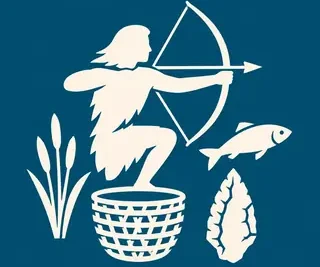 European Prehistory: Mesolithic Adaptations & Innovations
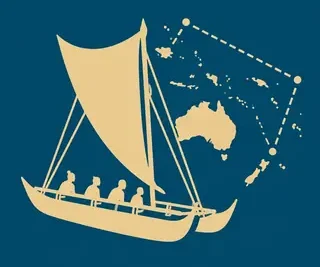 Oceanian & Australian Prehistory: Polynesian Voyaging & Settlement of the Pacific Triangle
 European Prehistory: La Tène Culture & Celtic Societies
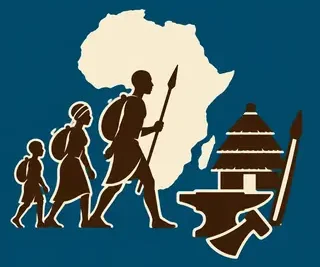 African Civilizations: Bantu Migrations & Early Iron Age Africa
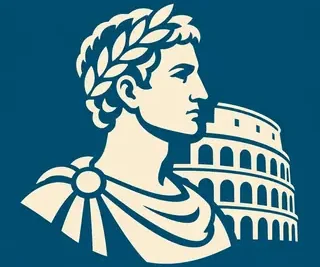 Ancient Rome: Roman Empire - Principate to Crisis of 3rd Century
 Ancient Egypt: Predynastic & Early Dynastic Periods
 East Asian Civilizations: Qin Dynasty - Unification, Legalism & Great Wall
 East Asian Civilizations: Ancient Korea - Gojoseon & Three Kingdoms Period
 Aegean Civilizations: Mycenaean Civilization - Citadels, Warriors & Trade
 Ancient Egypt: Late & Ptolemaic Periods - Foreign Rule & Syncretism
 South Asian Civilizations: Indus Valley Civilization - Urban Planning & Technology
 South Asian Civilizations: Mauryan Empire - Ashoka & Buddhist Influence
 Ancient Egypt: Old Kingdom - Pyramids & Pharaohs
 Americas (Pre-Columbian): Postclassic Maya & Surviving Traditions
 Central Asian & Steppe Cultures: BMAC (Bactria-Margiana Archaeological Complex)
 Ancient Egypt: New Kingdom - Empire & Famous Rulers
 Ancient Persia: Parthian & Sasanian Empires - Culture & Conflict
 African Civilizations: Kingdom of Aksum - Trade & Christianity in Ethiopia
 Ancient Near East: Hittite Civilization - Anatolian Power
 East Asian Civilizations: Prehistoric Japan - Jomon & Yayoi Periods
 Ancient Near East: Neo-Babylonian Empire & Cultural Achievements
 Oceanian & Australian Prehistory: Lapita Pottery & Austronesian Migrations
 South Asian Civilizations: Indus Valley Civilization - Society, Script & Decline
 South Asian Civilizations: Gupta Empire - Golden Age of India
 Central Asian & Steppe Cultures: Sogdian Art, Religion & Diaspora
 Ancient Mediterranean: Phoenician Civilization & Maritime Expansion
 Ancient Greece: Classical Period - Athens, Sparta & Persian Wars
 Central Asian & Steppe Cultures: Sogdian City-States & Merchants
 European Prehistory: Hallstatt Culture & Early Iron Age Chieftains
 Ancient Near East: Neo-Assyrian Empire - Expansion & Military
 Americas (Pre-Columbian): Classic Maya Civilization - City-States & Glyphs
 Aegean Civilizations: Minoan Civilization - Palatial Crete & Thalassocracy
 European Cultures: Viking Age - Seafaring, Raids & Settlements
 East Asian Civilizations: Han Dynasty - Consolidation, Economy & Society
 Americas (Pre-Columbian): Paleo-Indian & Archaic Periods in North America
 Central Asian & Steppe Cultures: Saka & Related Steppe Cultures - East of Scythia
 European Prehistory: Neolithic Europe - Megaliths, Ritual & Social Change
 South Asian Civilizations: Vedic Period & Mahajanapadas
 Americas (Pre-Columbian): Andean Civilizations - Chavin, Moche, Nazca
 Aegean Civilizations: Mycenaean Civilization - Linear B, Society & Collapse
 Central Asian & Steppe Cultures: Scythian Culture - Nomadic Life & Art
Explore Detailed Studies of Civilizations & Cultures
Welcome to ArchaeologyHub.org’s comprehensive encyclopedia of ancient civilizations and cultures. This category offers in-depth, scholarly analyses of societies from every corner of the globe, organized by geographic region and time period. Here, you will uncover detailed timelines, artifact profiles, and interpretive studies that bring the past to life. Whether you are a student, researcher, or history enthusiast, our curated subcategories provide valuable insights into nomadic steppe tribes, monumental empires, and prehistoric innovations, all optimized for deep archaeological exploration.
🏛️ Central Asian & Steppe Cultures: Scythian Culture - Nomadic Life & Art
Dive into the world of the Scythians, famed horse-riding nomads who dominated the Eurasian steppe from the 7th to 3rd centuries BCE. Explore their portable art, including exquisite goldwork and animal-style motifs, alongside insights into their burial mounds (kurgans) and warrior lifestyle. Learn how their economy relied on herding, trade, and raiding, and how their interactions with Greek and Persian neighbors shaped regional dynamics. This subcategory reveals the sophistication of a culture long mislabeled as "barbaric."
🏺 Aegean Civilizations: Mycenaean Civilization - Linear B, Society & Collapse
Uncover the palatial society of the Mycenaeans, the first advanced civilization in mainland Greece. Decipher Linear B tablets to understand administrative systems, economy, and social hierarchy, while investigating their fortified citadels like Mycenae and Tiryns. This section also analyzes the mysterious Bronze Age collapse around 1200 BCE, examining theories from invasions to climate change. Discover how Mycenaean warriors, trade networks, and art influenced later Greek culture and epic poetry.
🌄 Americas (Pre-Columbian): Andean Civilizations - Chavin, Moche, Nazca
Journey through the highlands and coastal deserts of ancient Peru, exploring early Andean cultures. Examine the Chavín religious complex and its influence, then study the Moche's elaborate pottery and irrigation systems, and finally, decode the famous Nazca Lines. These societies thrived without writing, leaving behind monumental architecture and textiles. This subcategory highlights how environmental adaptation and ritual practices shaped distinct yet interconnected civilizations over millennia.
🕉️ South Asian Civilizations: Vedic Period & Mahajanapadas
Trace the evolution of ancient India from the Vedic Age (c. 1500–500 BCE) to the rise of the sixteen Mahajanapadas. Analyze sacred texts like the Rigveda for insights into social structure, pastoral life, and early kingship. Discover archaeological evidence of iron tools, horse sacrifices, and the emergence of urban centers like Kashi and Magadha. This section contextualizes the shift from tribal clans to territorial states, laying groundwork for later empires.
🪨 European Prehistory: Neolithic Europe - Megaliths, Ritual & Social Change
Investigate the transformative Neolithic period (c. 7000–2000 BCE) in Europe, marked by farming, pottery, and monumental stone structures. Study iconic megaliths like Stonehenge and Newgrange as ceremonial and astronomical hubs, alongside long barrows and causewayed enclosures. This subcategory explores how agricultural surpluses led to social stratification, trade in flint and jadeite, and ritual practices that unified communities across vast landscapes.
🐎 Central Asian & Steppe Cultures: Saka & Related Steppe Cultures - East of Scythia
Move eastward to explore the Saka tribes who roamed Central Asia, from the Kazakh steppes to the Tian Shan mountains. Compare their art and burial practices with Western Scythians, focusing on frozen tombs at Pazyryk and gold-rich kurgans at Issyk. Learn about their role in Silk Road exchanges, horse breeding, and conflicts with Achaemenid Persia and Chinese dynasties. This category reveals cultural continuity and innovation across the steppe.
🏹 Americas (Pre-Columbian): Paleo-Indian & Archaic Periods in North America
Begin at the earliest human occupation of North America, from Clovis hunters (c. 13,000 BCE) to the Archaic period's diverse foraging societies. Examine stone tool technologies, megafauna hunting, and environmental adaptations. Discover evidence of plant domestication, shell mounds, and early trade networks. This subcategory documents the transition from nomadic lifeways to sedentary villages, challenging linear narratives of cultural progress.
🏯 East Asian Civilizations: Han Dynasty - Consolidation, Economy & Society
Explore the Han Dynasty (206 BCE–220 CE), a golden age of Chinese statecraft, bureaucracy, and cultural achievement. Analyze reforms in land distribution, salt and iron monopolies, and the Silk Road opening. Delve into social hierarchies, Confucian ideology, and technological innovations like paper and the seismograph. This section also covers the dynasty's expansion into Central Asia and its eventual strife with nomadic Xiongnu, shaping East Asian geopolitics.
⛵ European Cultures: Viking Age - Seafaring, Raids & Settlements
Chart the Norse expansion from Scandinavia through the Viking Age (c. 793–1066 CE). Investigate advanced shipbuilding and navigation that enabled raids on monasteries, trade with Byzantium, and colonization of Iceland and Greenland. Uncover archaeological finds from Oseberg and Gokstad, alongside settlement layouts and runestones. This subcategory reassesses Viking society, highlighting artisanship, legal assemblies (things), and cultural synthesis.
🦁 Aegean Civilizations: Minoan Civilization - Palatial Crete & Thalassocracy
Immerse yourself in the Bronze Age Minoans, Europe's first advanced civilization, centered on Crete. Explore palaces like Knossos with vibrant frescoes, complex drainage systems, and labyrinthine layouts. Understand their maritime empire ("thalassocracy") through harbor towns and imported goods. This section examines the Minoan script Linear A, religious iconography (bull-leaping, goddesses), and their mysterious decline due to volcanic eruptions or Mycenaean invasions.
✨ Americas (Pre-Columbian): Classic Maya Civilization - City-States & Glyphs
Discover the intellectual heights of the Classic Maya (c. 250–900 CE) in Mesoamerica. Decode hieroglyphic texts that reveal dynastic histories, astronomical knowledge, and rituals. Visit major city-states like Tikal, Calakmul, and Copán, featuring towering pyramids and causeways. This subcategory explores agriculture with raised fields, long-distance trade, and political alliance systems, while addressing the collapse's complex causes.
⚔️ Ancient Near East: Neo-Assyrian Empire - Expansion & Military
Witness the rise of the Neo-Assyrian Empire (c. 911–609 BCE), the first true superpower. Analyze advanced siege warfare, cavalry, and intelligence networks that enabled conquest from Egypt to Iran. Examine royal reliefs at Nineveh depicting brutality and tribute, along with imperial administration via provincial governors. This section also discusses deportation policies and the library of Ashurbanipal, which preserved Mesopotamian literature.
⚱️ European Prehistory: Hallstatt Culture & Early Iron Age Chieftains
Study the Hallstatt culture (c. 800–450 BCE), marking early Iron Age Europe's zenith. Unearth elite burial mounds with rich grave goods, including bronze vessels, gold ornaments, and four-wheeled chariots. Originating in Austria, Hallstatt networks spanned from the Alps to the Atlantic, trading salt, iron, and amber. This subcategory reveals chieftain hierarchies, craft specialization, and proto-Celtic identity formation.
🌆 Central Asian & Steppe Cultures: Sogdian City-States & Merchants
Step into the mercantile world of Sogdiana, centered in modern Uzbekistan and Tajikistan. Explore cosmopolitan cities like Samarkand and Panjakent, adorned with vivid murals depicting trade, feasts, and Zoroastrian rituals. Sogdian merchants dominated Silk Road commerce from the 4th to 8th centuries, acting as translators, diplomats, and financiers. This subcategory highlights their unique language, cultural tolerance, and role in transmitting Buddhism and Christianity to China.
🏛️ Ancient Greece: Classical Period - Athens, Sparta & Persian Wars
Revisit the golden age of Greek civilization (c. 480–323 BCE) through two rival models. Compete with Athens' democratic innovations and cultural flourishing—from Parthenon sculptures to tragic theater—against Sparta's militaristic society. Examine the Persian Wars' pivotal battles (Marathon, Thermopylae, Salamis) that galvanized Greek identity. This section also covers the Peloponnesian War's devastating effects and philosophical foundations laid by Socrates and Plato.
🛥️ Ancient Mediterranean: Phoenician Civilization & Maritime Expansion
Set sail with the Phoenicians, master shipbuilders and traders from Lebanon's coast. Track their colonies across the Mediterranean, including Carthage, Cádiz, and Utica, and their famed Tyrian purple dye and cedar exports. Decode their alphabet, the ancestor of Greek and Latin scripts, and explore maritime technology like the bireme. This subcategory reveals how Phoenician enterprise opened routes for classical antiquity.
🎨 Central Asian & Steppe Cultures: Sogdian Art, Religion & Diaspora
Delve deeper into Sogdian creativity and spiritual life beyond commerce. Analyze syncretic art merging Persian, Indian, and Chinese influences, seen in Buddhist murals at Dunhuang and Zoroastrian ossuaries. Explore Manichaean and Nestorian Christian communities, as well as the Sogdian diaspora, establishing communities from Chang'an to the Black Sea. This subcategory emphasizes cultural exchange and identity maintenance in a mobile world.
👑 South Asian Civilizations: Gupta Empire - Golden Age of India
Celebrate the Gupta Empire (c. 320–550 CE), often labeled India's classical age. Appreciate advancements in mathematics (zero, decimals), astronomy (Aryabhata), and metallurgy (Iron Pillar of Delhi). Study literary classics like Kalidasa's works and elaborate temple architecture at Sanchi. This section also analyzes administrative structure, trade in cotton and spices, and gradually declining power due to Hun invasions, which altered India's political landscape.
🏙️ South Asian Civilizations: Indus Valley Civilization - Society, Script & Decline
Unravel the mysteries of the Indus Valley (c. 3300–1300 BCE), covering Harappa and Mohenjo-daro. Probe the undeciphered script etched on seals, while reconstructing urban planning with grid layouts, drainage, and standardized weights. This subcategory discusses theories of egalitarian society, craft industries (beads, pottery); and proposes climate shift, river changes, or Aryan migration theories for its decline, though often without direct evidence.
🌋 Oceanian & Australian Prehistory: Lapita Pottery & Austronesian Migrations
Trace the epic Austronesian expansion through the archaeological signature of Lapita pottery (c. 1500–500 BCE). Identify distinctive dentate-stamped ceramics found from New Guinea to Samoa, signaling inter-island networks. Learn about outrigger canoes, subsistence on pigs, fowl, and tuber cultivation, and their rapid colonization of Remote Oceania. This subcategory explains linguistic and genetic patterns across the Pacific.
🏗️ Ancient Near East: Neo-Babylonian Empire & Cultural Achievements
Marvel at the Neo-Babylonian Empire (c. 626–539 BCE), famous for Nebuchadnezzar II's dramas. Explore the reconstructed Ishtar Gate and Etemenanki ziggurat, which inspired the Tower of Babel. Understand astronomical observations recorded in cuneiform, as well as legal and mathematical advances. This section also narrates the Babylonian Exile of Judeans, enriching Jewish religious development before the Persian conquest.
🍃 East Asian Civilizations: Prehistoric Japan - Jomon & Yayoi Periods
Discover Japan's ancient past, beginning with the hunter-gatherer Jomon culture (c. 14,000–300 BCE), known for early pottery. Examine complex Jomon settlements, dietary diversity, and ceremonial practices involving clay figurines. Then, transition to the Yayoi period (c. 300 BCE–300 CE) featuring wet-rice agriculture, metalworking, and social stratification. This subcategory traces migration from the Korean peninsula and the genesis of Japanese state formation.
🐉 Ancient Near East: Hittite Civilization - Anatolian Power
Uncover the Hittite Empire (c. 1600–1180 BCE), based in central Anatolia. Explore their capital Hattusa with massive stone gates and cuneiform archives detailing treaties and rituals. Analyze ironworking, chariot warfare, and diplomatic marriage alliances with Egypt. This subcategory also examines the empire's collapse during the Bronze Age crisis and its legacy in Neo-Hittite states.
✝️ African Civilizations: Kingdom of Aksum - Trade & Christianity in Ethiopia
Voyage to Aksum, a powerful kingdom in northern Ethiopia and Eritrea (c. 100–940 CE). Inspect massive stele obelisks marking royal tombs and the port of Adulis, a hub for ivory, gold, and frankincense. Learn about the Ge'ez script, and their early adoption of Christianity in the 4th century. This subcategory highlights connections with Rome, India, and Persia, alongside hydraulic engineering like reservoirs.
🗡️ Ancient Persia: Parthian & Sasanian Empires - Culture & Conflict
Examine the Parthians (247 BCE–224 CE) and Sasanians (224–651 CE), who revived Persian glory. Assess Parthian cavalry and art, empire's decentralized structure, and conflict with Rome. Then dive into Sasanian centralization, Zoroastrian clergy power, and monumental rock reliefs at Naqsh-e Rostam. This subcategory discusses urbanism, silk trade, and their eventual fall to Arab Muslim armies.
🏜️ Ancient Egypt: New Kingdom - Empire & Famous Rulers
Enter Egypt's imperial era (c. 1550–1070 BCE) with Pharaohs like Hatshepsut, Akhenaten, Ramesses II. Explore massive temples at Karnak and Abu Simbel, royal tombs in the Valley of the Kings, and international diplomacy through Amarna letters. This section analyzes military campaigns in the Levant, Nubian gold extraction, and the Amarna religious revolution's short-lived monotheism. Discover the rich material culture from Tutankhamun's tomb.
🏜️ Central Asian & Steppe Cultures: BMAC (Bactria-Margiana Archaeological Complex)
Journey to the Oxus civilization (BMAC, c. 2300–1700 BCE) in Turkmenistan and Uzbekistan. Uncover fortified settlements like Gonur-depe with monumental fire temples, sophisticated irrigation, and exotic artifacts (chlorite vessels, bronze stamp seals). This subcategory explores proto-urban societies, trade with Mesopotamia and Indus Valley, and their role in Indo-Iranian language dispersal theories.
🌸 Americas (Pre-Columbian): Postclassic Maya & Surviving Traditions
Follow the Maya through the Postclassic (c. 900–1542 CE), focusing on northern Yucatan centers like Chichen Itza and Mayapan. Investigate Toltec influences, cenote rituals, and mercantile networks for salt, obsidian, and cacao. This section also covers the survival of Maya culture through Spanish conquest, highlighting continuous traditions in language, dress, and ritual among contemporary Maya communities.
🎁 Ancient Egypt: Old Kingdom - Pyramids & Pharaohs
Marvel at the age of pyramid builders (c. 2686–2181 BCE). Decode the Step Pyramid at Saqqara to the Great Pyramid at Giza, examining engineering and labor organization. Understand the divine kingship ideology, mortuary cults, and bureaucracy that mobilized resources. This subcategory also addresses the decentralization and the First Intermediate Period's onset, yet preserves exceptional texts like the Pyramid Texts.
🛠️ South Asian Civilizations: Mauryan Empire - Ashoka & Buddhist Influence
Trace the Mauryan Empire (c. 322–185 BCE), India's first pan-regional state. Examine Chandragupta's administrative machinery from Kautilya's Arthashastra and Ashoka's rock and pillar edicts, which promoted Dhamma. This subcategory highlights state control over agriculture, tax collection, and a standing army, as well as Buddhism's spread to Sri Lanka and beyond. Explore architectural relics like the Sarnath Lion Capital and Barabar caves.
📚 South Asian Civilizations: Indus Valley Civilization - Urban Planning & Technology
Focus specifically on the engineering genius of the Indus Valley. Analyze grid-pattern streets, advanced brick-making, and covered drainage systems beyond ancient standards. Examine standardized weights and measures, seals, and bead-making, indicating mass production. This subcategory explores water management through large baths and wells, suggesting a centralized authority or communal cooperation, reshaping modern urban insights.
🌙 Ancient Egypt: Late & Ptolemaic Periods - Foreign Rule & Syncretism
Delve into Egypt's Late Period (c. 664–332 BCE) and Ptolemaic rule (332–30 BCE). Examine Libyan, Nubian, and Persian pharaohs' cultural archaism, followed by Alexander the Great's conquest and Greek Ptolemaic dynasty with Queen Cleopatra VII. Highlight the serapeum temples, hieroglyphics and Greek administrative bilingualism, and religious syncretism like Serapis. This section narrates gradual Roman annexation after Actium.
🛡️ Aegean Civilizations: Mycenaean Civilization - Citadels, Warriors & Trade
Revisit Mycenaean culture with emphasis on militaristic aspects. Walk the Cyclopean walls and imposing tholos tombs, such as the Treasury of Atreus, while examining warrior burials with panoply. Investigate long-distance trade for tin, amber, and copper through shipwrecks and Aegean pottery. This subcategory offers insight into state economics centered on palaces, but also decentralized elite networks.
🏫 East Asian Civilizations: Ancient Korea - Gojoseon & Three Kingdoms Period
Discover the first Korean states, from legendary Gojoseon (c. 2333–108 BCE) to Goguryeo, Baekje, and Silla (c. 57 BCE–668 CE). Unearth dolmens, bronze daggers, and plain pottery hinting at early hierarchy. This section covers Chinese commanderies, the spread of Buddhism, and unique burial mounds with lavish gold crowns. Explore diplomatic disputes with Chinese dynasties and Japan as Korea's cultural bridge.
📜 East Asian Civilizations: Qin Dynasty - Unification, Legalism & Great Wall
Witness the short but pivotal Qin Dynasty (221–206 BCE). Analyze standardization of script, weights, and axle widths, symbolizing central control. Legalist policies under Li Si involved harsh punishments and burning of Confucian classics. This subcategory explores the construction of the Great Wall using conscript labor, the Terracotta Army in Qin Shi Huang's tomb, and the dynasty's rapid collapse, leaving a blueprint for Han governance.
🏺 Ancient Egypt: Predynastic & Early Dynastic Periods
Time travel to Egypt's origins (c. 6000–2686 BCE). Examine the Naqada cultures' craft specialization, from decorated pottery to cosmetic palettes with iconographic scenes. Discover ceremonial centers at Hierakonpolis and the first hieroglyphs. This subcategory traces unification under Narmer, early royal tombs at Abydos, and the setting of divine kingship and bureaucracy, fueling the pyramid age.
🏛️ Ancient Rome: Roman Empire - Principate to Crisis of 3rd Century
Analyze the Roman Empire from Augustus (27 BCE) to the Crisis of the Third Century (235–284 CE). Explore imperial infrastructure, armies, and vast trade in olive oil, wine, and grain, alongside monumental architecture like the Colosseum. Address social stratification, citizenship expansion, and cult of emperor. This subcategory accesses problems of inflation, military anarchy, and plague challenging state survival.
🌍 African Civilizations: Bantu Migrations & Early Iron Age Africa
Trace the Bantu expansion (c. 3000 BCE–500 CE) across sub-Saharan Africa. Associate iron smelting technology and farming with demographic growth and language dispersal. Explore pottery traditions (Urewe), forest agriculture, and cattle grazing as they spread. This subcategory highlights regional variability, interactions with foragers like Khoisan, and the establishment of early villages that later formed states.
⚜️ European Prehistory: La Tène Culture & Celtic Societies
Immerse in the La Tène culture (c. 450–50 BCE), often linked to continental Celts. Inspect intricate metalwork with flowing motifs on swords, fibulae, and torcs, indicating elite patronage. Oppida, fortified settlements like Manching, signal urbanization and craft hubs. This subcategory examines burial chariots