Central Asian & Steppe Cultures: Scythian Culture – Nomadic Life & Art
Dive into the world of the Scythians, the formidable horse-mounted nomads who dominated the Eurasian steppe from roughly the 9th century BCE to the 2nd century CE. This subcategory on ArchaeologyHub.org unpacks their unique way of life, from mobile encampments and warrior rituals to the breathtaking goldwork and animal-style art that defined their cultural identity. Ideal for students, history buffs, and travelers, here you will find detailed archaeological insights, artifact deep-dives, and vivid reconstructions of a civilization that thrived without cities.
🏹 The Nomadic Way of Life: Mobility & Subsistence
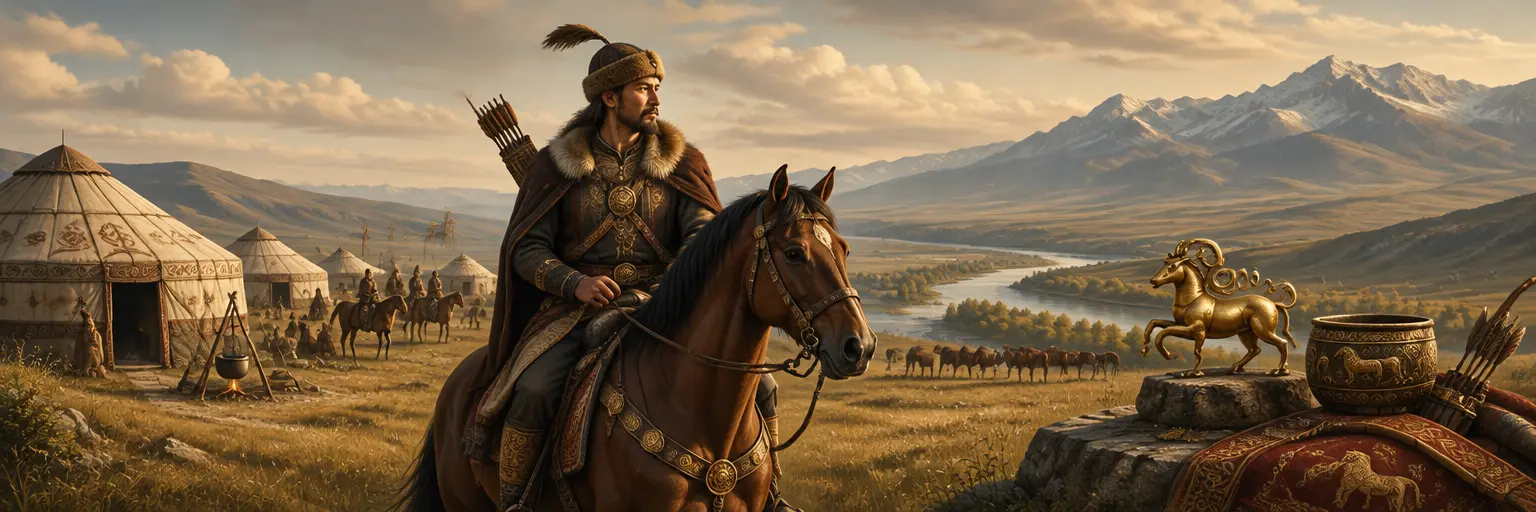
The Scythian economy and society revolved around pastoral nomadism. They moved with their herds of horses, sheep, and cattle across vast grassland territories, following seasonal grazing patterns. This mobility shaped their social structure, which was organized into tribal confederations led by warrior-kings, while women enjoyed relatively high status compared to Greek neighbors. Horses were not just transport but central to their diet, clothing, and warfare, with archaeological evidence from sites like Pazyryk revealing saddles, bridles, and felt gear remarkably preserved in permafrost. For today’s reader, understanding this lifestyle helps explain their resilience and ability to resist Persian and Greek empires.
In this section, you will explore how Scythian encampments, such as those near the Black Sea, were temporary yet sophisticated, featuring portable felt tents called “yurts.” Excavations at kurgan burial mounds provide a snapshot of daily life, including food preparation, weapon maintenance, and craft production. You will also learn about their seasonal rituals, the role of the hearth, and how their diet of milk, meat, and fermented mare’s milk (kumis) sustained long raids. Expect a focus on zooarchaeological data and isotope analysis that reveals migration routes and trade networks connecting China, Persia, and Greece.
⚔️ Warriors, Kings, and Social Hierarchy
Scythian society was fiercely martial, with warfare serving as both economic and symbolic activity. The warrior elite were buried with elaborate weapons, arrowheads, and armor, often accompanied by sacrificed horses and retainers. Herodotus described their practices of drinking from the skulls of enemies and using human skin for quivers, which modern archaeology partially confirms through tomb finds. Social status was reflected in burial goods; royal kurgans like Chertomlyk and Kul-Oba yielded golden pectorals and gorytos (bow cases) that underscore immense wealth and hierarchy.
Here, you will discover how military tactics evolved, from hit-and-run cavalry archery to heavy armored lancers. The Scythians pioneered the use of the composite bow and the trefoil arrowhead, influencing later steppe empires. You will also read about the enigmatic Amazon burials of weapon-bearing women, which provide rare evidence of female warriors. The section connects social stratification with burial rites, detailing how grave goods, funerary tents, and human sacrifice reflected a complex caste system, from royal “scythian kings” to slaves and craftsmen.
✨ Animal Style Art & Golden Masterpieces
The most iconic Scythian legacy is their “animal style” art, characterized by dynamic, contorted beasts—deer, felines, griffins—etched into gold, bronze, and bone. This art was not merely decorative; it carried shamanistic and totemic meaning, representing power, speed, and the spirit world. Masterpieces like the Golden Pectoral from Tovsta Mohyla (a Greek-Scythian hybrid) and the gold stag plaque from Kostromskaya showcase extraordinary craftsmanship, with detailed musculature and intricate filigree. Greek workshops produced many luxury items for Scythian patrons, blending Hellenic realism with steppe motifs.
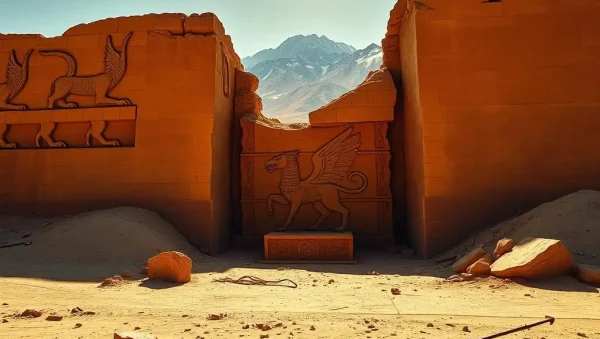
Within this subcategory, you will analyze specific artifacts and their carving techniques, including repoussé, granulation, and inlay. Explore how iconographic motifs—fierce predators attacking prey, standing deer, and winged creatures—served as status symbols and amulets. You will also find discussions on the function of these objects: hairpins, belt buckles, sword scabbards, and drinking vessels. The section highlights recent discoveries from the Siberian “Valley of the Kings” at Arzhan, where 5,000+ gold objects were recovered, reshaping our understanding of early Scythian metalwork and its eastern origins.
🏺 Burial Mounds, Rituals, and the Afterlife
Scythian kurgans are monumental earthen mounds that serve as time capsules for their beliefs about death. The most elaborate, like those at Pazyryk, were built with timber chambers, preserved bodies with elaborate tattoos, and ice-bound offerings. Herodotus’ account of royal funerals—where a king was buried with concubines, horses, and golden treasures—aligns remarkably well with excavated evidence. Ritual practices included the use of cannabis in censers, found in solid gold vessels, suggesting visionary ceremonies for the afterlife journey.
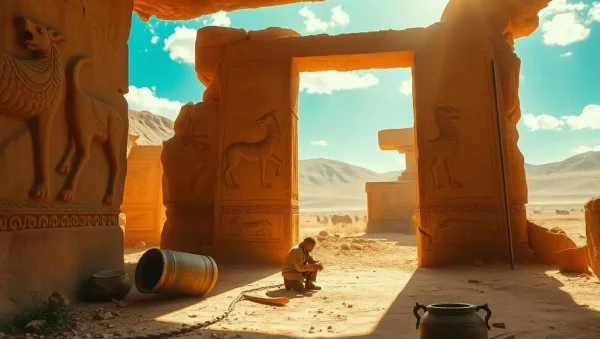
In this part, you will learn how excavation techniques reveal stratigraphy and construction methods, including soil layering and stone covers. Examine the frozen tombs of Altai, where permafrost preserved woolen textiles, leather saddle covers, and even a 2,400-year-old tattooed mummy “Princess Ukok.” You will also understand the meaning of deviant burials—skulls with trepanation, bound skeletons—which point to human sacrifice and social control. This section connects burial architecture to cosmology, showing how mounds mirrored the steppe horizon and served as territorial markers for nomadic groups.
🌍 Interactions with Greeks, Persians, and China
The Scythians were not isolated; they were pivotal players in ancient global trade. Their alliances and conflicts with the Achaemenid Persians (Cyrus the Great died fighting them) and Greek colonies like Olbia shaped their material culture and political fortunes. Greek historians wrote extensively about their customs, while Greek artisans produced luxury goods for Scythian elites, creating a hybrid “Greco-Scythian” style. Simultaneously, trade routes across the steppe connected them to Chinese silk and workshops, as evidenced by Chinese mirrors found in Scythian tombs.
Here, you will explore diplomatic and military exchanges, including Scythian mercenary service in Near Eastern armies and their later absorption into the Sarmatian confederacy. Analyze pottery, bone, and organic residues to trace imports—wine, olive oil, decorative textiles—that arrived via Greek ports. You will also learn about the Necropolis of Nymphaion and other mixed burial sites that show cultural blending. This section underscores how nomadic “barbarians” were complex agents of cross-cultural transmission, not mere raiders, and how their legacy influenced later Turkic and Mongol empires.
Frequently Asked Questions
What did the Scythians look like?
Based on mummies and artwork, Scythians were likely stocky, with broad faces, often with tattoos and long hair. They wore pointed felt hats and loose trousers, with golden jewelry for elites. Isotope studies suggest diverse origins, combining local steppe ancestry with migrations.
How did the Scythians survive without cities?
They relied on pastoralism, moving herds across grasslands. Their economy included horse breeding, hunting, and trade, using portable yurts and wagons. Seasonal camps and large gathering sites, not permanent cities, structured their social life.
What is the “animal style” in Scythian art?
It is a decorative art featuring contorted animals—deer, griffins, felines—in gold or bronze. Motifs symbolized speed and power, often used on weapons, belt plaques, and horse gear. The style originated in Siberia and blended with Greek realism.
How have Scythian tombs survived to present day?
Many kurgans were excavated by Russian and Ukrainian archaeologists. The key is permafrost in the Altai Mountains, which froze organic materials like wood, skin, and textiles. In other regions, looting reduced finds, but rich royal graves remain.
Are Scythians related to modern ethnic groups?
Genomic studies show Scythians had mixed origins—Eastern steppe and Western steppe ancestry—and contributed to the genetic pool of modern Central Asian peoples, including the Tajiks and some Caucasus groups. However, direct descendants no longer exist as a distinct culture.