Water Management Systems in Postclassic Maya Cities and their Relevance Today
🌊 Explore how Postclassic Maya water management systems reveal innovative techniques that can inform the future of sustainable water solutions. This analysis…
Read article
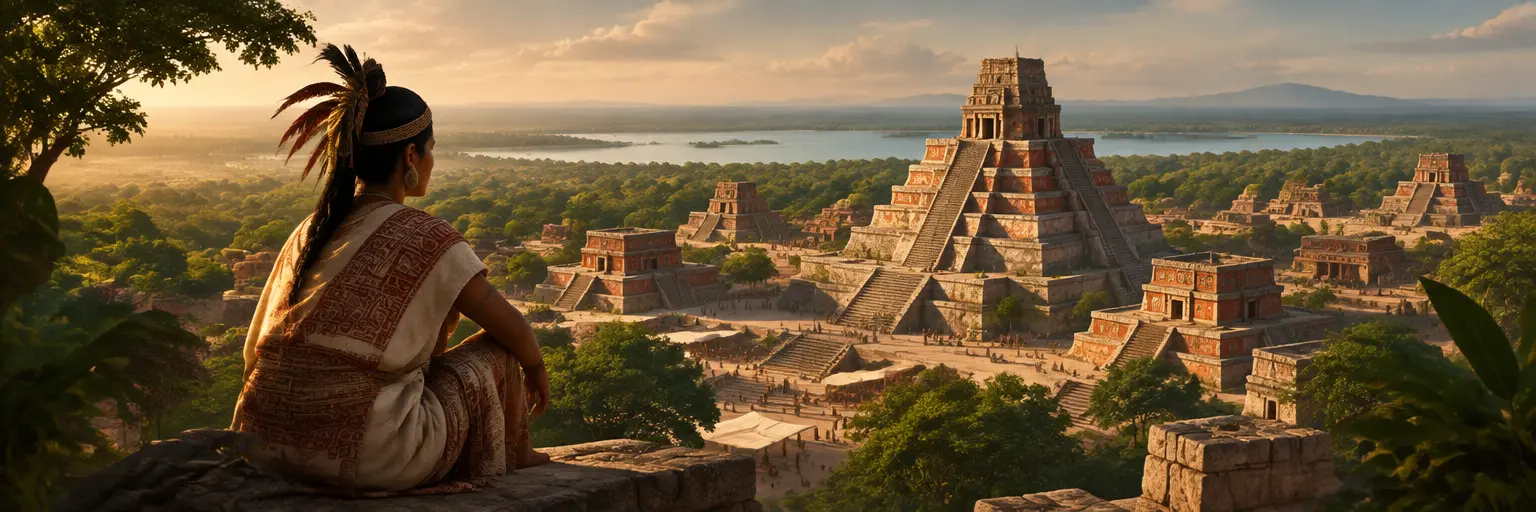
Explore the enduring legacy of the Postclassic Maya and their vibrant surviving traditions, a pivotal chapter in the Americas’ pre-Columbian history. This detailed study delves into the dynamic cultural transformations that followed the Classic Maya collapse, revealing how resilient communities adapted, innovated, and thrived across the Yucatán Peninsula, highlands of Guatemala, and beyond. From the bustling coastal trade hubs of Tulum and Cozumel to the fortified cities of Mayapán and Chichén Itzá, uncover the political realignments, architectural shifts, and religious syncretism that defined this era. More than a historical overview, this exploration highlights the living heritage—contemporary Maya languages, ritual practices, agricultural techniques, and community structures—that persist today, bridging ancient worlds with modern identities. Ideal for archaeology enthusiasts, students, and travelers, this content enriches your understanding of how Postclassic Maya societies navigated change, preserved core beliefs, and influenced later Mesoamerican traditions.
🌊 Explore how Postclassic Maya water management systems reveal innovative techniques that can inform the future of sustainable water solutions. This analysis…
Read article
🌟 Explore how Maya warfare shaped political society, revealing its central role in Postclassic Maya civilization. This article uncovers the intricate connections…
Read articleWelcome to ArchaeologyHub.org’s deep dive into the Americas (Pre-Columbian) subcategory, focusing on the Postclassic Maya (ca. 900–1521 CE) and their living cultural heritage. This period, often overshadowed by the Classic Maya collapse, reveals a resilient civilization that reorganized trade, art, and politics across the Yucatán Peninsula. Here, you’ll uncover how Maya traditions persisted through Spanish conquest and thrive today in communities across Mexico, Guatemala, and Belize. Our content blends archaeological evidence with ethnographic insights, making this a vital resource for students, travelers, and history enthusiasts.
The Postclassic era saw power move from inland dynasties like Tikal to coastal hubs such as Chichén Itzá, Mayapán, and later Utatlán (Qʼumarkaj). Unlike the Classic period’s divine kings, Postclassic rulers relied on council governance and trade alliances. Excavations at Mayapán reveal a walled capital with dense residential clusters, indicating a more secular, mercantile society. This section explains how political fragmentation led to the rise of confederacies, such as the League of Mayapán, and how these structures influenced resistance against Spanish invaders.
For SEO-driven readers, we’ve compiled artifact profiles—like the Chaac mool sculptures and frescoes from Tulum—that illustrate ceremonial shifts. Learn how cenotes (natural sinkholes) became ritual nodes, and why coastal sites like Xel-Há thrived during this period. Our timeline clarifies that the Maya did not “disappear” but adapted, merging traditional calendars with new political realities. This facet is perfect for those searching “Postclassic Maya political organization” or “Mayapán confederacy history.”
Postclassic Maya economy boomed through long-distance maritime trade, connecting the Gulf Coast, Caribbean, and Central Mexico. Items like cacao, obsidian, salt, and cotton textiles traveled via canoe routes, as evidenced by findings at Cozumel and Isla Cerritos. Unlike Classic reliance on jade, the Postclassic elite favored turquoise from the north and gold from Central America. This section profiles key trading ports and the pochteca-like merchants who operated outside royal control, fostering economic independence.
Content here includes interactive maps of trade winds and route simulations, plus artifact analyses of copper bells and Maya-style ceramics found in distant markets. We also discuss the role of the cacao bean as currency and how environmental stress, like prolonged droughts, pushed innovation in resource management. For researchers, focus on keywords like “Maya maritime trade networks” and “Postclassic economy” to unlock downloadable datasets from recent lidar surveys.
Postclassic art shifted from monumental stelae to codices, mural paintings, and effigy censers. The Dresden Codex and Paris Codex are masterpieces of this era, detailing astronomical tables and rituals. Unlike earlier hieroglyphic texts, Postclassic writing became more standardized, focusing on almanacs and prophecy cycles. Our section showcases high-resolution scans of these codices, alongside interpretations of the Maya zodiac and the Tzolkʼin calendar still used today. This is a visual feast for art historians.
We also explore how Spanish friars, like Diego de Landa, inadvertently preserved Maya knowledge by recording it—though often distorted. Surviving traditions, such as the Rabinal Achí dance-drama, offer living links to Postclassic storytelling. Our glossary explains terms like ahkin (priest) and halach uinic (regional ruler). Search terms include “Maya codices analysis” and “Postclassic Maya iconography,” with premium content on symbolism behind the feathered serpent and death gods.
Far from extinct, the Maya of today preserve Postclassic customs through day-keepers (ajqʼij) who conduct calendar ceremonies, and corn-based cosmovision that structures agricultural cycles. In Guatemala’s highlands, towns like Chichicastenango blend Catholic saints with pre-Columbian deities—a process called religious syncretism. Our ethnographic profiles document these living practices, including saumerio (cleansing rituals) and the Voladores ceremony, which archaeologists link to Postclassic Venus worship.
We highlight case studies from Yucatán where the Maya language (with over 30 variants) thrives, and where traditional milpa farming sustains biodiversity. This section addresses cultural appropriation concerns and emphasizes community-led archaeology. Using keywords like “living Maya traditions” or “Maya ritual calendar today,” readers can access oral histories recorded in partnership with local cooperatives. We also provide lesson plans for educators on teaching continuity versus change in indigenous cultures.
Modern technology transforms our understanding of the Postclassic—from lidar revealing dense urban layouts beneath jungle canopies to dron thermography detecting hidden structures. Recent digs at Ekʼ Balam and San Gervasio have unearthed household items that challenge elite-focused narratives. We detail stratigraphic techniques used to date red-on-cream ware and the analysis of paleofeces for dietary reconstruction. This subcategory is invaluable for aspiring archaeologists seeking methodological inspiration.
We also explain how isotope analysis of teeth and bones proves migration patterns from central Mexico to Maya regions, solidifying theories of cultural exchange. For robust SEO, our “Dig Deeper” links cover “Postclassic Maya excavation reports” and “nondestructive archaeology,” while behind-the-scenes videos show conservation of fragile wood-and-lime plaster murals. Ethical debates on repatriation are included, ensuring a balanced perspective.
Climate change, specifically prolonged droughts, alongside social upheaval and overexploitation of resources, made inland centers uninhabitable. Coastal settlements offered access to trade and marine resources, while new political structures better suited decentralized governance. This was a gradual transformation, not a single collapse, with many communities relocating rather than disappearing.
While core elements like the 260-day calendar and corn rituals persist, modern traditions blend Spanish Catholic influences with pre-Columbian beliefs. For example, Day of the Dead syncretizes with Maya ancestor veneration. However, communities maintain authenticity through language and oral history, ensuring continuity despite colonial disruption.
Key museums include the Museo Amparo in Mexico, the British Museum (with Maya codices), and the National Museum of Anthropology in Guatemala City. In situ, visit Tulum and Mayapán. For digital views, our site offers 3D scans of artifacts, but always support local cultural centers.
Traditional hieroglyphs nearly vanished after Spanish conquest, but epigraphers have revived reading via colonial documents and iconography. Today, some Maya communities teach a neo-hieroglyphic script for cultural pride. However, practical writing now uses Latin alphabet adaptations, with Maya-language literature growing.
Excavations at Isla Cerritos and Wild Cane Caye found exotic goods like Central Mexican obsidian and Costa Rican gold. Ancient canoe wrecks—though rare—and murals at Chichen Itza depict seafaring scenes. Historians also cite Spanish chronicles describing coastal trading fleets transporting cacao and feathers.







