Ancient Rome: Roman Republic – Expansion & Transformation
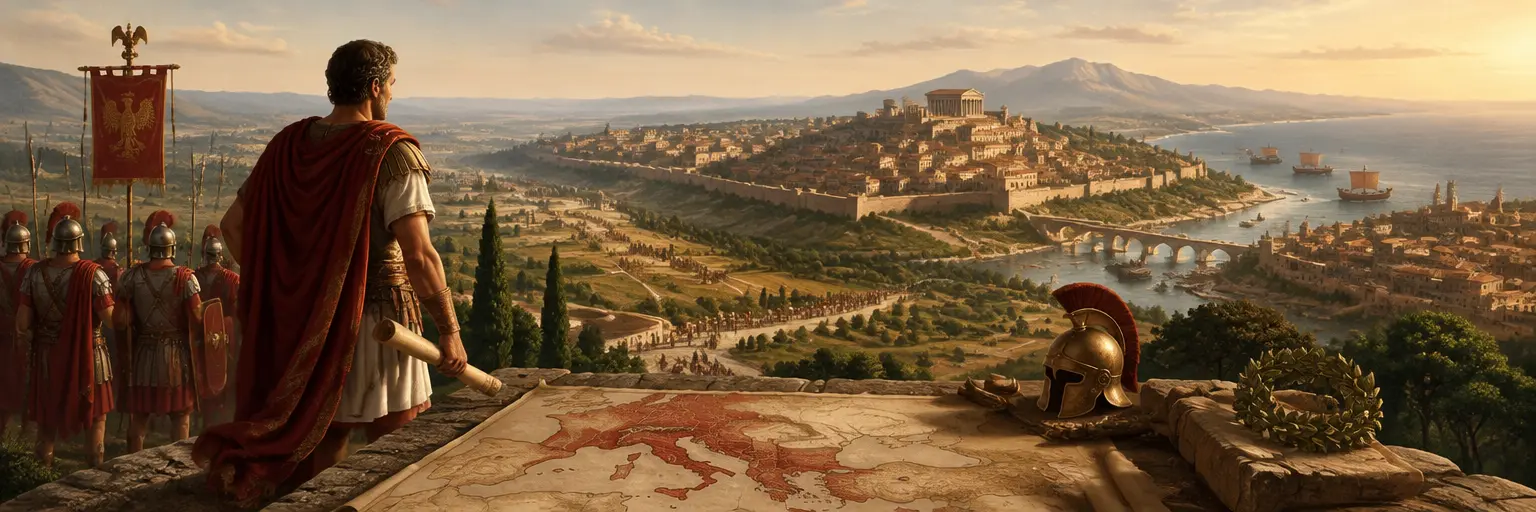
Welcome to ArchaeologyHub.org’s deep dive into the Roman Republic’s remarkable era of expansion and transformation. This subcategory uncovers the archaeological and historical evidence behind Rome’s meteoric rise from a city-state to a Mediterranean superpower, spanning the 5th to 1st centuries BCE. Explore how military conquests, political reforms, and socio-economic shifts reshaped not only Rome but also the entire ancient world. From the Punic Wars to the Gracchi reforms, and from the Via Appia to the sacking of Corinth, we bring you artifact profiles, excavation insights, and interpretive analyses that illuminate this pivotal transformative period.
🏛️ The Machinery of Conquest: Armies, Roads, and Alliances
This section delves into the military infrastructure that powered Roman expansion. Archaeological finds—like the polygonal masonry of Roman forts and the remains of legionary camps—reveal a systematic approach to warfare and logistics. The construction of consular roads such as the Via Appia and Via Flaminia not only facilitated troop movement but also integrated conquered territories into a cohesive economic and administrative network. Discover how the manipular legion evolved into a professional fighting force, and how strategic alliances, marked by treaty stones and shared cults, cemented Roman hegemony across Italy and beyond.
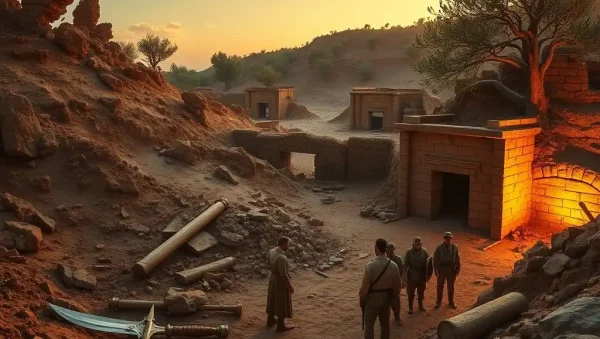
Excavations of battlefield sites, like the siegeworks at Numantia, provide tangible evidence of Rome’s relentless siegecraft and engineering prowess. Artifact analyses of Roman military equipment—from pilum points to scutum bosses—show standardization and adaptation to diverse enemies. These findings help us reconstruct the daily life of a legionary, the command structure, and the role of auxiliary troops. By examining these archaeological layers, you’ll gain a vivid picture of how Rome turned military victories into lasting territorial control, reshaping landscapes with colonies, centuriation, and frontier defenses.
⚔️ The Punic Wars & Mediterranean Hegemony
Focusing on the cataclysmic wars with Carthage, this subsection explores their profound impact on Roman expansion. Archaeological evidence from Carthage’s ports, the tophet sanctuaries, and shipwrecks like the Marsala Punic vessel illustrate Carthaginian maritime power and its eventual collapse. The battles of Cannae, Zama, and the Siege of Syracuse are contextualized through battlefield archaeology and siege machinery remains. These conflicts not only secured Sicily, Sardinia, and Spain for Rome but also triggered a massive influx of slaves, wealth, and Hellenistic cultural influences, transforming Roman society internally.
Beyond military history, we investigate the economic transformation driven by overseas provinces. Amphorae assemblages from Italian workshops, traces of olive oil and wine production, and Roman coin hoards from Iberian and North African sites reveal new trade networks. The introduction of provincial administration under praetors and proconsuls is evidenced by inscriptions and boundary markers. This section also addresses the rise of latifundia—large slave-run estates—which displaced small farmers, setting the stage for social tensions. Through artifacts and site analyses, you’ll understand how victories abroad created unprecedented wealth but also deep internal fractures.
🏺 Social Strife & Political Reforms: The Gracchi to Sulla
This subsection examines the turbulent internal transformation following overseas expansion. Archaeological evidence from the campus Martius, the Roman Forum, and elite villas shows a widening gap between the aristocracy and the urban poor. The reforms of Tiberius and Gaius Gracchus—land redistribution and grain subsidies—are reflected in boundary stones and public granaries. The violent opposition they faced, including their assassinations, is traced through historical sources and forensic analysis of skeletal remains from mass graves, offering glimpses into civil conflict’s human cost.
The rise of military strongmen like Marius and Sulla marks a turning point. Excavations at Pompeii and Ostia reveal the expanding urban population and the patronage networks that fueled political violence. The Social War and the enfranchisement of Italian allies are documented through citizenship tablets and municipal charters. Sulla’s proscriptions and constitutional reforms left tangible traces in the Roman law archives and public inscriptions. By correlating written history with material culture, you’ll appreciate how the Republic’s expansionary success paradoxically sowed the seeds of its own institutional decay, culminating in the transition to empire.
🏗️ Urban Transformation: Building Rome’s Imperial Image
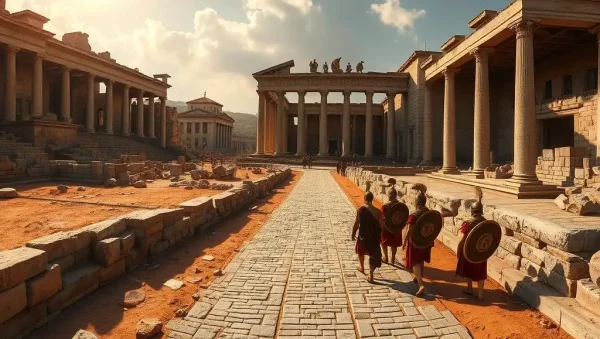
Here we focus on the archaeological evidence of Rome’s physical growth during the Republic. Monumental construction—the Basilica Aemilia, the Temple of Jupiter Optimus Maximus, and the Tabularium—showcases the patronage of victorious generals and statesmen. Quarries, brick stamps, and opus caementicium (Roman concrete) reveal technological innovations that allowed rapid urban expansion. The aqueducts, such as the Aqua Appia and Aqua Marcia, not only supplied water but symbolized civic pride and engineering mastery. Excavations of insulae (apartment blocks) in Ostia and Rome provide insights into urban housing for the masses.
But transformation wasn’t limited to Rome. Provincial cities like Carthage, Corinth, and Ephesus were rebuilt with Roman grids, forums, and amphitheaters, creating a homogeneous cultural landscape. Artefact profiles—from imported Greek statues to local pottery copies—illustrate a complex cultural exchange. This section also addresses the pilgrimage of archaeological methods: how stratigraphy and remote sensing uncover the Republican layers beneath later imperial phases. You’ll see how urbanism served both practical needs and ideological propaganda, making Rome’s power visible to every inhabitant and visitor alike.
📜 Legacy & Material Culture: Everyday Life in an Expanding Republic
Finally, we explore the everyday lives of Romans and conquered peoples through material culture. Domestic archaeology, from the casa del Fauno in Pompeii to humble farmsteads in the countryside, reveals daily routines of dining, worship, and work. Ceramic assemblages—including black-glazed ware and later, terra sigillata—trace trade routes and local production. Numismatic evidence, from silver denarii to bronze asses, offers insights into the economy and political propaganda. Additionally, epigraphic finds like curse tablets and votive dedications illuminate personal beliefs and social anxieties during an era of constant change.
The transformation also affected non-Roman cultures. Celtic oppida, Etruscan cities, and Greek poleis show varied responses to Roman dominance—some resisting, others embracing. Faunal and botanical remains from rural sites indicate changes in agricultural practices due to the expansion of villa economies. By synthesizing these findings, you’ll understand how daily life was both expanded and disrupted by Rome’s imperial project. This subcategory emphasizes that the Republic’s legacy was not just political but deeply material, shaping everything from dining habits to burial customs across the Mediterranean for centuries.
Frequently Asked Questions
What caused the Roman Republic’s expansion?
Expansion was driven by a combination of military aggression, political competition among elites, and economic desires for land, slaves, and trade routes. The Senate’s foreign policies, along with victories in the Punic Wars, secured Mediterranean dominance. Defensive wars often became preemptive conquests, while successful commanders gained immense prestige, fueling further expansion.
How did the Punic Wars transform Roman society?
The Punic Wars brought immense wealth and slaves into Rome, leading to the rise of large estates and the displacement of small farmers. This created a landless urban class reliant on state subsidies. Additionally, exposure to Hellenistic culture transformed Roman art, literature, and religion, while military logistics and administration became more sophisticated.
What are key archaeological sites for studying this period?
Key sites include the Roman Forum and Palatine Hill in Rome, the remains of Carthage in Tunisia, the siegeworks at Numantia in Spain, and the port city of Ostia. Additionally, Pompeii and Herculaneum preserve daily life and urban transformation. Recent excavations at Portus and other harbors provide insights into trade networks.
How did the Gracchi reforms lead to political instability?
The Gracchi attempted to redistribute public land to landless citizens, which directly threatened the wealthy elite’s control. Their use of popular assemblies bypassed the Senate, creating a precedent for populist leaders. Their assassinations escalated political violence, showing that conflicts couldn’t be resolved peacefully, leading to civil wars later.
What role did Roman roads play in expansion?
Roman roads were crucial for rapid troop movement, communication, and trade. They allowed armies to reach frontiers quickly and facilitated the administration of conquered territories. Roads like the Via Appia also promoted cultural unity by enabling travel and commerce, and their archaeological remains show advanced engineering with durable construction.