Ancient Near East: Hittite Civilization – Anatolian Power
Welcome to the definitive guide on the Hittite Civilization, a formidable force that dominated Anatolia (modern Turkey) and challenged Egypt for supremacy during the Late Bronze Age. This subcategory on ArchaeologyHub.org offers a deep dive into the political, military, and cultural achievements of the Hittites, from their capital Hattusa to their revolutionary legal codes. Here, we unravel how this "lost" empire, once thought to be a biblical myth, was rediscovered through archaeology, and how its ironworking and treaty-making shaped the ancient world.
🏛️ Origins and Rise of the Hittite Kingdom
The Hittites emerged around 1650 BCE in central Anatolia, establishing a kingdom under King Hattusili I. Their rise was meteoric, driven by strategic mountain fortresses and the unification of disparate Indo-European-speaking groups. Unlike earlier Mesopotamian powers, their power base was not riverine but highland, which offered natural defenses and rich mineral resources. The Old Kingdom period saw them conquer Aleppo and Babylon, signaling their arrival as a regional juggernaut. This section explores the archaeological evidence from early settlements like Kültepe (Kanesh) and the royal archives that illuminate their swift ascent from tribal confederacy to imperial state.
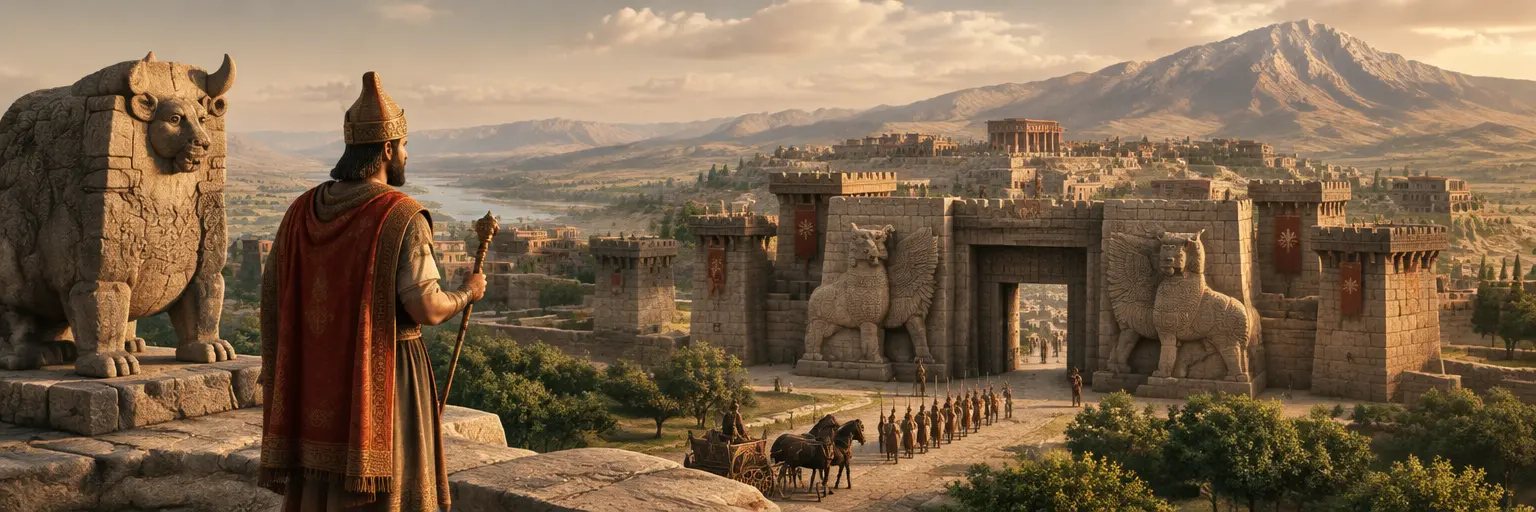
A pivotal factor in their rise was the adoption of cuneiform writing, borrowed from Mesopotamia, which enabled complex administration. The discovery of the Anitta text, the earliest Hittite document, reveals a lineage of warrior-kings who forged alliances through marriage and military might. Excavations at Alaca Höyük, with its royal tombs and sphinx gates, provide tangible artifacts—golden vessels, standards, and bronze weaponry—that underscore their wealth. This era also witnessed the construction of Hattusa as a grand capital, a UNESCO World Heritage site that reflects their urban planning and religious zeal.
⚔️ Military Machine and Chariot Warfare
Hittite military prowess was legendary, particularly in chariot tactics. Unlike Egyptian chariots, which were light and fast, Hittite war chariots were heavier, carrying three men: a driver, a shield-bearer, and a spearman. This design provided superior stability and striking power on uneven Anatolian terrain. The Battle of Kadesh (c. 1274 BCE) against Ramesses II is one of history's best-documented conflicts, thanks to the Hittite treaty archives. This battle, though a tactical stalemate, ended in a historic peace treaty—the first in recorded history—demonstrating their diplomatic acumen.
Their military logistics were equally impressive, with a network of fortified garrisons and supply depots along key routes. The Hittites pioneered the use of iron in weaponry, giving them an edge over bronze-dependent rivals, though iron remained a prestige material. Reliefs at Yazılıkaya and monumental gate lions at Hattusa depict soldiers in horned helmets and scale armor. Archaeological finds of bronze arrowheads, horse harnesses, and siege equipment at sites like Hattusa and Sapinuwa showcase a professional standing army, supported by vassal states that contributed troops and tribute.
📜 Law, Society, and the Hittite Legal Code
The Hittite legal code, preserved on clay tablets, reveals a surprisingly progressive society. Unlike Hammurabi's harsh "eye-for-an-eye" laws, Hittite laws favored restitution over physical punishment. For example, theft was penalized with fines, and homicide often resulted in compensation to the victim's family. This legal pragmatism helped maintain stability across a multi-ethnic empire. The tablets, discovered at Hattusa, also detail property rights, marriage contracts, and labor obligations, offering an intimate glimpse into daily life in Anatolian cities.
Social hierarchy was fluid, with upward mobility possible through military or administrative service. Women held significant rights, including property ownership and the ability to testify in court, a rarity in the ancient world. The queen, titled Tawananna, played a powerful religious and political role, sometimes co-ruling. The Hittite legal system also addressed animal husbandry, agricultural disputes, and ritual purity, reflecting a society deeply connected to its rural hinterland. These records, written in both Hittite and Akkadian, are a treasure trove for comparative legal historians.
🛡️ Religion, Mythology, and the Storm God Teshub
Religious syncretism was central to Hittite identity, as they absorbed and adapted deities from Hurrian, Mesopotamian, and indigenous Anatolian traditions. The chief deity was Teshub, the Storm God, revered as the bringer of rain and victory. The sacred rock sanctuary of Yazılıkaya, with its procession of over 90 carved deities, is a masterpiece of Hittite art and theology, depicting the divine assembly led by Teshub and his consort Hepat. This site functioned as a New Year festival venue, reinforcing royal legitimacy through divine association.
Ritual texts and oracle inquiries dominated Hittite religious practice, with extensive records of animal sacrifice, purification rites, and divination by bird flight or entrails. The Hittites believed in a universe of interconnected gods and spirits, necessitating constant appeasement. Festivals at temples in Hattusa and Nerik involved processions, music, and feasting, as documented in administrative tablets. The sariya rituals, or replacement ceremonies, used symbolic figures to transfer impurity, highlighting their sophisticated theological approach to sin and contamination.
🏺 Economy, Trade, and the Iron Age Transition
The Hittite economy was a mixed system of palace-centered redistribution and vibrant long-distance trade. Central Anatolia was rich in copper, silver, and timber, but lacked essential tin for bronze production. Consequently, they forged alliances to secure trade routes through Assyrian merchant colonies, like Kültepe, where cuneiform tablets record complex commercial transactions. The Hittite palace at Hattusa managed vast agricultural estates, textile workshops, and metalworking facilities, as evidenced by storage jars and kilns. This economic structure allowed them to sustain a large population and a professional army.
Their mastery of iron metallurgy marked a technological watershed. While not mass-produced, Hittite iron swords and ceremonial objects were prized, contributing to the transition from the Bronze to Iron Age after their collapse around 1180 BCE. The Sea Peoples and internal strife led to the empire's fragmentation, but successor states in Syria, like Carchemish, preserved Hittite culture. Post-empire, the Neo-Hittite kingdoms maintained their artistic traditions, as seen in reliefs at Zincirli and Malatya, thus bequeathing a lasting legacy to the wider Near East.
🔍 Key Archaeological Sites and Artifacts
Hattusa, the capital, remains the crown jewel of Hittite archaeology. Its massive fortifications, postern tunnels, and the Great Temple complex have yielded over 30,000 cuneiform tablets. The Sphinx Gate and the Lion Gate are iconic structures, while the Green Stone—a mysterious serpentinite block—continues to intrigue visitors. The nearby rock sanctuary of Yazılıkaya is inseparable from the capital, forming a combined ritual landscape. Excavations at Alaca Höyük have uncovered royal tombs and the King's Gate, rich in bronze standards and jewelry, now showcased in Ankara's Museum of Anatolian Civilizations.
Beyond the capital, sites like Sapinuwa and Şapinuva reveal administrative and military outposts, while the port city of Ugarit, under Hittite influence, yielded archives documenting diplomatic correspondence. The Hittite royal seal of King Muwatalli II and the famous "Silver Treaty" between Hattusili III and Ramesses II are artifacts of global historical significance. Advances in remote sensing and GIS mapping are now discovering new settlement patterns in the Anatolian highlands, promising future insights. Each artifact, from simple pottery to royal treaties, helps reconstruct a civilization that shaped the geopolitical landscape of the ancient world.
Frequently Asked Questions
What is the Hittite civilization best known for?
The Hittites are best known for their military innovations, particularly the use of heavy chariots, and for establishing the first known peace treaty—the Treaty of Kadesh—with Egypt. They also pioneered iron technology and had a remarkably progressive legal system compared to other ancient powers.
Where did the Hittites originally come from?
The Hittites likely migrated to central Anatolia around 2000 BCE, possibly from the Caucasus or the Balkans. They spoke an Indo-European language, distinguishing them from neighboring Semitic populations. Their earliest identifiable city, Kanesh (Kültepe), shows evidence of an Indo-European presence from the early second millennium BCE.
Why did the Hittite Empire collapse?
The Hittite Empire collapsed around 1180 BCE during the Late Bronze Age collapse, a period of widespread upheaval. Contributing factors include the invasion of the Sea Peoples, internal civil strife, and climate-induced famine. The empire fragmented into smaller Neo-Hittite states, which survived for centuries.
Are the Hittites mentioned in the Bible?
Yes, the Hittites are mentioned in the Bible, particularly in the Book of Genesis and the Books of Kings. For centuries, scholars doubted their existence until archaeological discoveries in the 19th century at Hattusa and other sites confirmed their historical reality, validating biblical references.
What language did the Hittites speak?
The Hittites spoke an Indo-European language, now known as Hittite, written in cuneiform script. They also used Akkadian for diplomatic correspondence. Hittite is the oldest attested Indo-European language, making its study crucial for linguists understanding the evolution of European and Indian languages.