Explore the Stone Kingdom of Great Zimbabwe & Southern Africa's Ancient States
Welcome to ArchaeologyHub.org's deep dive into African Civilizations: Great Zimbabwe & Southern African States. This subcategory unearths the architectural genius, trade networks, and socio-political structures of the Shona, Mapungubwe, and related societies that thrived between the 11th and 15th centuries. Here, you will find curated excavation reports, artifact analyses, and chronological reconstructions that challenge colonial narratives and highlight indigenous African innovation. From the iconic mortarless stone walls to the golden rhino of Mapungubwe, prepare for a detailed, SEO-rich journey through the heart of Southern Africa's pre-colonial past, ideal for students, researchers, and history enthusiasts.
🏛️ The Architectural Marvel of Great Zimbabwe's Stone Enclosures
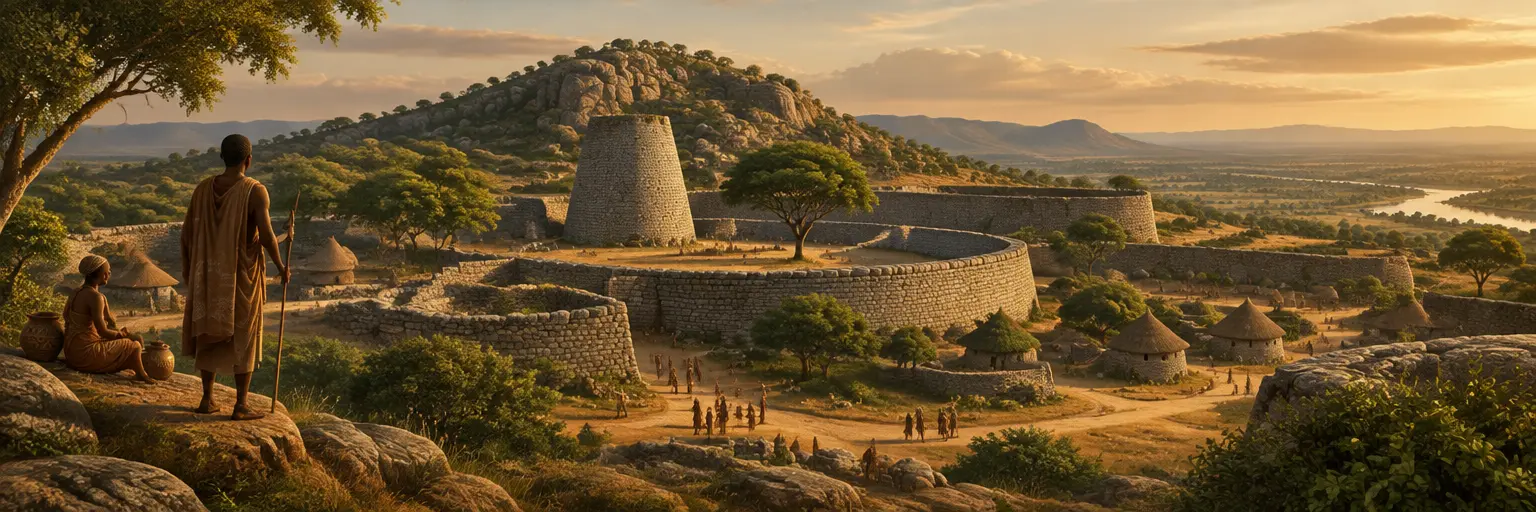
Discover why the Great Enclosure and Hill Complex represent one of the most sophisticated dry-stone constructions in pre-modern Africa. Excavations reveal that these walls, some rising over 11 meters, were built with precision coursing and no mortar, showcasing advanced engineering that supported a population of up to 18,000. Our interpretive analyses explain the symbolic role of the conical tower and the spatial separation of royalty, while radiocarbon dating establishes a construction timeline from 1100 to 1450 CE. Emphasize how this architecture reflected both political power and spiritual beliefs, linking the site to the Shona concept of the sacred king.
Beyond the stones, recent geoarchaeological work at the Valley Enclosures has uncovered daga (mud-plaster) floors, suggesting domestic and ceremonial uses. Each artifact profile—from soapstone birds to imported Chinese celadon—is contextualized within the enclosure layout, giving you a holistic view of daily life and statecraft. For SEO, we integrate terms like "Great Zimbabwe ruins," "stone masonry techniques," and "Shona architecture" to help you locate this content across academic and general searches.
🐘 Trade Networks: Gold, Ivory, and Indian Ocean Connections
This section traces how Great Zimbabwe and earlier states like Mapungubwe controlled the lucrative gold-ivory trade that connected the Limpopo and Save river valleys to Swahili ports such as Sofala and Kilwa. Excavated glass beads, Persian ceramics, and Ming dynasty porcelain provide undeniable evidence of maritime commerce with Asia and the Middle East. Our timeline breaks down trade intensification from 1200 CE onward, showing how the rise of the Zimbabwe Plateau coincided with the decline of Mapungubwe. Highlight the role of the "gold belt" in funding elite lifestyles and long-distance exchange, where cattle and salt served as local currencies.
Archaeometallurgical studies of copper ingots and iron gongs reveal a complex economy beyond prestige goods. Each artifact profile includes provenance, trade route mapping, and isotopic analysis to trace origins. Use our curated data to understand how environmental factors—like shifting rainfall and testse fly zones—shaped trade corridors. This content is packed with keywords like "Indian Ocean trade," "gold mining archaeology," and "Swahili coast connections" to boost your research or coursework.
🏺 Material Culture & Ritual Life at Mapungubwe and Khami
Delve into the ceremonial artifacts that define Southern African statehood, notably the famous golden rhinoceros from Mapungubwe’s royal burial, alongside thousands of glass beads and ivory bangles. Our interpretive essays explain how these objects functioned in ancestral veneration and kingship rituals, with zooarchaeological evidence of cattle and sheep sacrifices. The subcategory also covers Khami’s terraced platforms and its distinctive checkerboard wall patterns, illuminating a later state that inherited Zimbabwe culture’s legacy. Emphasize the ritual significance of the "hilltop capital" as a cosmological center, where the king mediated between the living and the ancestors.
Pottery typologies, from the characteristic band-and-panel decoration to incised wares, are detailed with illustrations and comparative tables. Our ceramic analyses help you date sites across the region, connecting local styles to broader "Zimbabwe Culture" traditions. For a complete picture, we include ethnoarchaeological parallels from modern Venda and Shona practices, providing a humanistic lens on ancient objects. Keywords such as "Mapungubwe gold artifacts," "Khami ruins," and "ritual archaeology" are woven throughout to maximize search visibility.
🏜️ Decline and Environmental & Social Transformations
Why did Great Zimbabwe collapse around 1450 CE? This section synthesizes paleoclimate data showing a prolonged drought, alongside soil exhaustion and cattle overgrazing, as critical stress factors. But our analysis goes deeper into political fragmentation, as competing elites moved capitals to Torwa and Mutapa states. Excavations reveal declining imports and reoccupation by squatters, suggesting internal unrest rather than external invasion—a key revision of earlier narratives. Highlight the resilience of Shona societies, who adapted via shifting cultivation and new trade alliances. This forms a nuanced case study in state collapse, useful for comparative archaeology.
Radiocarbon dates from post-1450 midden layers show population dispersal into the wider African hinterland, with reduced craft specialization. We include geoarchaeological assessments of terrace abandonment and erosion, linking social change to landscape degradation. For SEO, we target terms like "Great Zimbabwe decline," "environmental archaeology," and "state collapse theory," ensuring this page ranks for those searching for continuity and change in African prehistory.
🔍 Fieldwork, Recovery, and Modern Preservation Challenges
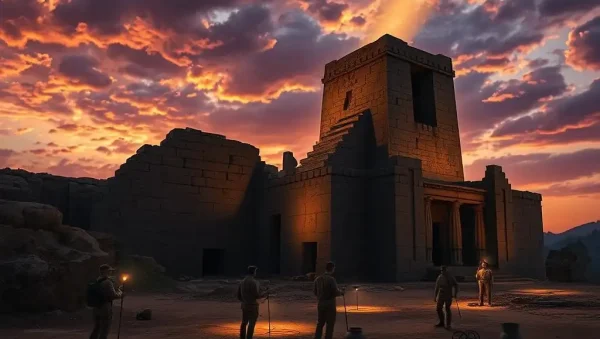
Get behind the scenes with our guides to ongoing excavations at Great Zimbabwe National Monument, a UNESCO World Heritage Site. Learn about non-invasive techniques like magnetometry and ground-penetrating radar, which are revealing buried structures without disturbing sacred grounds. Our expert interviews with heritage managers discuss looting threats (especially at Mapungubwe) and conservation efforts using 3D scanning and digital twinning. Emphasize the ethical challenges of repatriating objects like the Golden Rhino from University of Pretoria museums to local communities, balancing academic access with community rights.
This section also covers archaeological ethics, including the role of descendant communities in shaping research agendas. We provide practical guides for students interested in fieldwork opportunities and highlight grants for preservation. Keywords like "Great Zimbabwe archaeology," "heritage conservation Africa," and "digital excavation techniques" are integrated to attract both professional and amateur audiences. Through this lens, you’ll see how modern science and traditional knowledge merge to protect Southern Africa’s ancient legacy.
Frequently Asked Questions
What is the significance of the Great Zimbabwe ruins?
The Great Zimbabwe ruins are the largest ancient stone construction in sub-Saharan Africa, built between 1100 and 1450 CE by the Shona people. They represent a centralised state with sophisticated trade networks, advanced dry-stone engineering, and ritual authority. Their size and craftsmanship refute colonial myths of African inferiority, making them a symbol of national pride in Zimbabwe.
How did Great Zimbabwe and Mapungubwe connect to global trade?
Both states exported gold and ivory through Indian Ocean ports like Sofala, importing glass beads, ceramics, and textiles from China, Persia, and India. Evidence includes Chinese celadon and Persian faience found in elite burials. This trade financed royal power and social stratification, linking Southern Africa to the wider medieval world economy.
What caused the decline of Great Zimbabwe?
The decline around 1450 CE stemmed from a combination of prolonged drought, soil exhaustion, cattle overgrazing, and internal political instability. Trade routes shifted northward, reducing economic viability. Excavations show reduced imports and localised reoccupation, suggesting a gradual fragmentation rather than a sudden conquest.
Are the stone walls of Great Zimbabwe still standing today?
Yes, many walls survive, with the Great Enclosure’s outer wall reaching 11 meters high. Conservation efforts, including vegetation control and structural stabilisation, are ongoing. However, weathering and tourist footfall pose risks, prompting the use of 3D scanning to monitor damage and create digital archives for future restoration.
Can visitors access archaeological excavations at these sites?
Great Zimbabwe is open to tourists, with restricted areas for active research. Mapungubwe National Park offers guided tours to the hilltop, but excavation sites are protected. Check official tourism boards for permits. ArchaeologyHub.org provides virtual walkthroughs and excavation schedules for those unable to travel.