Exploring the Zhou Dynasty: Feudalism, the Mandate of Heaven, and Enduring Philosophies
Welcome to ArchaeologyHub.org’s detailed study of the Zhou Dynasty (c. 1046–256 BCE), the longest-lasting dynasty in Chinese history. This subcategory delves deep into the political innovations—such as the feudal fengjian system—and the revolutionary concept of the Mandate of Heaven that legitimized rule for millennia. Here, you will uncover how the Zhou era’s fragmentation into warring states sparked the golden age of Chinese philosophy, including Confucianism, Daoism, and Legalism. Perfect for archaeology enthusiasts and history scholars, our interpretive analyses connect material culture—bronze vessels, burial sites, and inscriptions—to the ideological shifts that shaped East Asian civilization.
🏛️ The Feudal System (Fengjian) and Its Archaeological Signatures
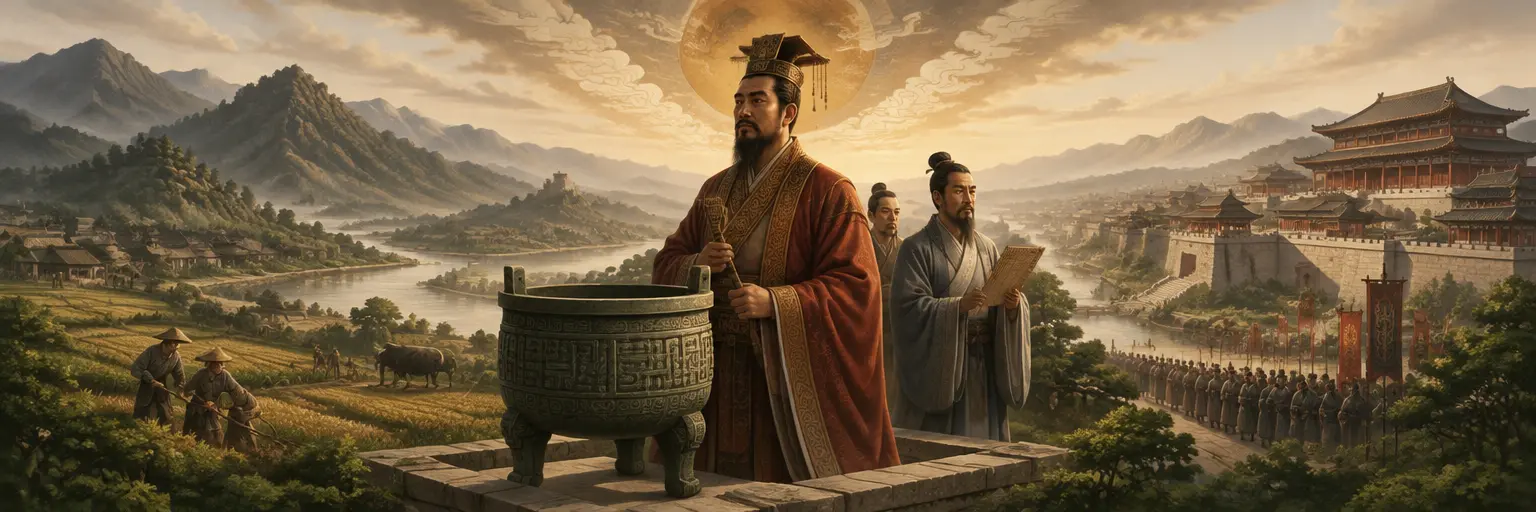
The Zhou feudal structure was a decentralized network of kinship-based lordships, where the king granted land and authority to relatives and allies in exchange for military service and tribute. Archaeological evidence, such as the bronze inscriptions on ritual vessels and the layout of regional capitals, reveals a highly stratified society with standardized rituals. Excavations at sites like Fengxi and Zhouyuan demonstrate how feudal lords replicated royal court practices, creating a material culture that mirrored political hierarchy.
For visitors, expect detailed artifact profiles of ding tripods, gui vessels, and chariot burials that illustrate the power dynamics of Zhou feudalism. We also analyze settlement patterns, showing how fortified cities and ancestral temples reinforced the patrilineal bonds that held the realm together. This section provides a granular look at how a decentralized state functioned, offering comparative insights with European feudalism while highlighting unique Chinese characteristics like the kinship-based investiture system.
📜 The Mandate of Heaven: Political Theology and Rebellion
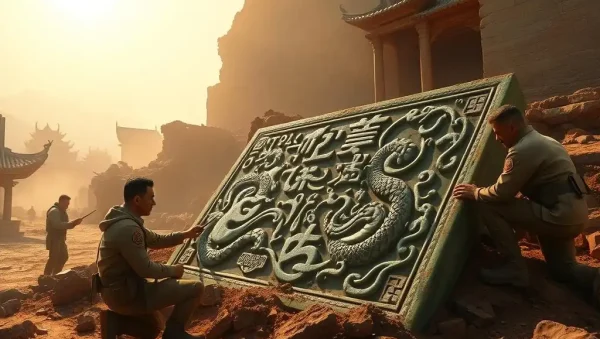
The Mandate of Heaven (Tianming) was a revolutionary doctrine that justified the Zhou overthrow of the Shang by framing it as divine punishment for corruption. It stipulated that heaven granted rule to the virtuous, but could withdraw it due to misrule, natural disasters, or immoral acts. This concept became the bedrock of Chinese political legitimacy, used by every subsequent dynasty to validate conquest. Inscriptions on the He zun vessel and the Shu documents provide primary textual evidence of how the Zhou kings framed their mandate.
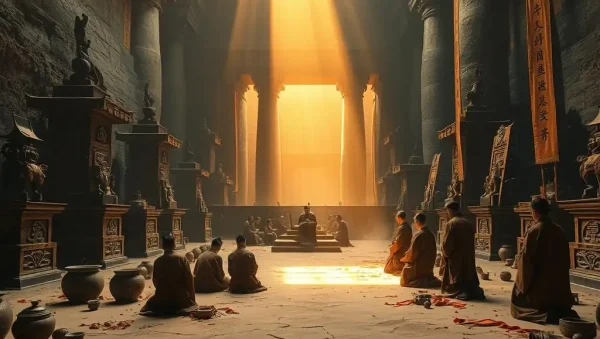
Here, you will find interpretive analyses of how this ideology was materialized in archaeology—through the construction of sacred capitals, royal ancestral temples, and the performance of state rituals. We explore how the mandate was recalculated during the Eastern Zhou when political fragmentation led to competing claims, fueling wars and philosophical debates about rightful governance. This subcategory connects the ideological to the tangible, showing how belief systems leave traces in architecture, pottery, and burial customs.
⚖️ Confucianism, Daoism, and Legalism: The Philosophical Revolution
The later Zhou period, especially the Spring and Autumn and Warring States eras, saw unprecedented intellectual ferment. Confucius (Kongzi) emphasized ren (benevolence), li (ritual propriety), and the cultivation of junzi (exemplary persons). Meanwhile, Laozi’s Daoism advocated wu wei (non-action) and harmony with the Dao, while Legalists like Han Feizi promoted strict laws and centralized power. Archaeology informs these philosophies through bamboo texts, such as the Guodian Chu slips, which reveal pre-Qin versions of Confucian and Daoist writings.
This section offers a synthesis of textual study and material culture, examining how philosophical schools influenced educational practices and elite identity. Discover how the “Hundred Schools of Thought” reflected social change, including urbanization and economic growth. We provide detailed comparisons of philosophical tenets while highlighting their archaeological contexts—from the burial of philosophical texts to the layout of academies and ritual sites. This enrichment helps you understand why these ideas became the foundation of East Asian culture and governance.
🏺 Material Culture and Daily Life in the Zhou Era
Beyond politics and philosophy, archaeological excavations reveal the daily lives of Zhou people, from peasants to nobles. Excavations at Haojing and Luoyang have unearthed residential quarters, kilns, and agricultural tools, illustrating economic activities like bronze casting, pottery production, and farming. The Huangdi Neijing and other medical texts paired with skeletal analyses show health and diet patterns, while grave goods indicate social status and regional variations. Jade ornaments, silk fragments, and lacquerware demonstrate both trade networks and aesthetic values.
Expect detailed artifact profiles, including coin spades (early money), bronze mirrors, and musical instruments like bianzhong bells. We analyze settlement hierarchies, from royal capitals to manorial villages, and discuss how agricultural intensification supported population growth. This subcategory also covers burial practices—from simple pit graves to elaborate multi-chambered tombs—which serve as social biographies. By integrating data from zoology and botany, we reconstruct the Zhou environment, offering a vivid snapshot of everyday life during a transformative epoch.
🗺️ Regional Diversities and Decline: From Western to Eastern Zhou
The Zhou Dynasty is conventionally split into the Western Zhou (c. 1046–771 BCE) and Eastern Zhou (770–256 BCE), the latter further divided into Spring and Autumn and Warring States periods. This subcategory explores how the capital moved eastward due to external invasions and internal strife, leading to a power vacuum filled by regional states. Archaeological differences—such as the distinct bronze styles of the Chu, Qin, and Qi states—showcase cultural diversity under nominal Zhou rule. Sites like Sanxingdui and Mawangdui (though later) challenge monolithic narratives, revealing vibrant local traditions.
Here, we trace the material decline of Zhou central authority, using coinage distribution, walled city construction, and the proliferation of independent currencies as proxies. The Eastern Zhou also witnessed the rise of iron metallurgy and military innovations like crossbows, which changed warfare and society. By comparing regional archaeological sequences, this section illustrates how the dynastic core lost control, yet cultural innovations continued to flourish. This nuanced perspective helps you appreciate the complex legacy of the Zhou beyond simple decline narratives.
Frequently Asked Questions
What is the Mandate of Heaven and how is it evidenced archaeologically?
The Mandate of Heaven is a Zhou doctrine that justified rule by divine approval, withdrawn for misrule. Archaeological evidence includes inscriptions on bronze vessels like the He zun, which record the king’s claim to the mandate, and the construction of new capitals that symbolized heavenly favor.
How did Zhou feudalism differ from European feudalism?
Zhou feudalism (fengjian) was based on kinship and ritual ties to a central king, with lords holding hereditary fiefs. Unlike European feudalism’s contract-based vassalage, Zhou emphasized ancestral worship and shared lineage, making it more ideologically cohesive but less contractual.
What are the main philosophical schools of the Zhou Dynasty and how do they relate to archaeology?
The main schools are Confucianism (ethical governance), Daoism (natural harmony), and Legalism (law-based control). Archaeology relates to them through excavated bamboo texts, ritual sites, and artifacts that show their practical applications, such as schools, legal codes, and meditative practices.
Which key archaeological sites best represent the Zhou Dynasty?
Key sites include Zhouyuan (the ancestral homeland), Fengxi and Haojing (Western Zhou capitals), and Luoyang (Eastern Zhou capital). These sites have yielded palaces, bronze workshops, and tombs that illuminate political, economic, and ritual life.
Why did the Zhou Dynasty ultimately collapse despite its long reign?
The Zhou declined due to weakening central authority as regional lords grew powerful, combined with external invasions and internal philosophical fragmentation. Failures to maintain the Mandate of Heaven became evident in disasters and corruption, leading to the rise of the Qin Dynasty that unified China.