Exploring Aegean Civilizations: The Cycladic World of Figurines and Seafaring
Welcome to ArchaeologyHub.org, your digital encyclopedia for deep dives into ancient worlds. This subcategory focuses on the Cycladic Cultures—a Bronze Age marvel of the Aegean Sea known for its enigmatic marble figurines and masterful maritime networks. Here, we unravel how these island societies shaped Mediterranean prehistory through art, trade, and navigation. Expect artifact profiles, seafaring routes, and cultural interpretations that connect archaeology to modern understanding.
🏺 Iconic Marble Figurines: Art, Symbolism, and Craft
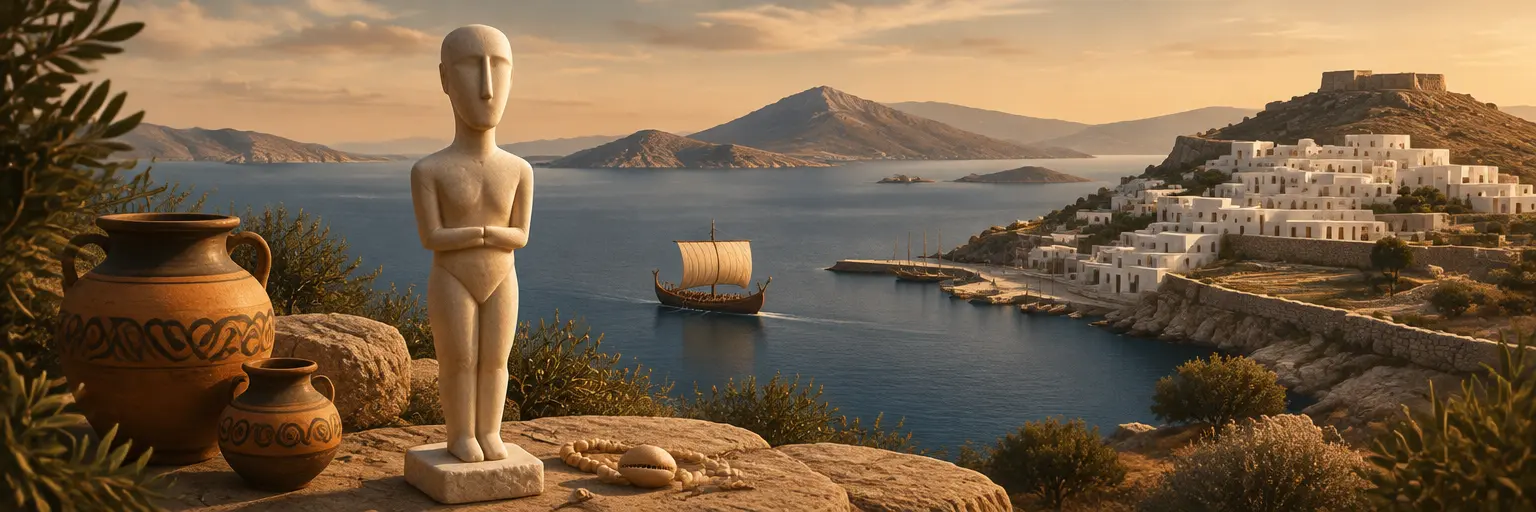
The hallmark of Cycladic civilization is its folded-arm figurines, sleek white marble idols that have fascinated art historians and archaeologists alike. These objects—ranging from palm-sized to life-size—showcase a minimalist aesthetic that echoes in modern sculpture. In this section, you’ll learn about their production techniques, from obsidian tools to emery polishing, and the ongoing debates about their purpose: religious icons, grave goods, or ancestor representations?
We dissect the typology (e.g., Spedos, Keros varieties) and the context of their discovery, particularly from Early Cycladic cemeteries. You’ll also explore how these figurines were once painted with vivid pigments, now faded, and how recent scientific analysis reconstructs their original appearance. This deep dive enhances your appreciation for these objects beyond their sterile museum display, linking them to ritual, identity, and social structure.
⛵ Seafaring Mastery: Routes, Boats, and Island Networks
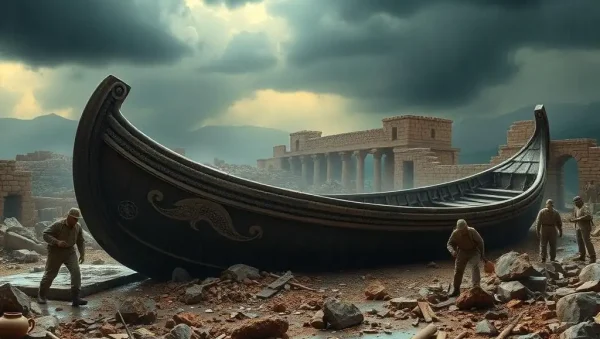
Cycladic cultures were not isolated island dwellers; they were pioneering mariners who connected the Aegean via innovative longboat designs. This section examines evidence of seafaring from frescoes, clay models, and obsidian trade—the latter originating from Milos, proving regular voyages. We map their likely routes: from the Cycladic heartland to Crete, mainland Greece, and even western Anatolia, using seasonal winds and celestial navigation.
You’ll understand how maritime expertise fueled economic power, enabling the exchange of marble, metals, and pottery. We also highlight the role of intermediate islands like Kea or Naxos as hubs for rest and trade. By analyzing shipwreck evidence and harbor geomorphology, we reconstruct daily life at sea, including crew organization and cargo capacity. This maritime focus reveals a society defined not by borders, but by fluid, dynamic connections.
🏛️ Settlement Patterns: Fortified Towns and Sanctuary Sites
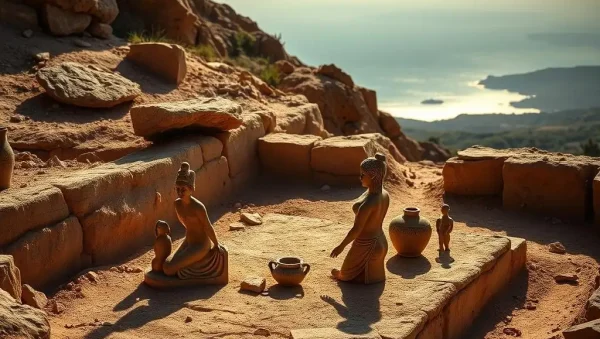
Cycladic settlements, such as Phylakopi on Milos and Akrotiri on Thera (though Minoanized, later), display sophisticated urban planning. This subcategory details the evolution of fortified hilltops and coastal villages, with narrow streets, drainage systems, and multi-roomed houses. We explore sanctuary sites like Dhaskalio (near Keros), where extensive deposits of broken figurines imply large-scale pilgrimage and ritual gatherings.
By analyzing architectural phases, you’ll see how climate, defense, and trade shaped settlement layouts. We also discuss domestic life: hearths for cooking, loom weights for textiles, and storage pits for barley. This archaeological layer provides a tangible sense of everyday existence, contrasting with the ethereal figurines. Understanding these settlements anchors the Cycladic people in a lived, breathing landscape.
🔬 Interconnected Cultures: Trade and External Influences
Cycladic cultures were not isolated; they thrived within a complex interaction sphere involving Minoan Crete, Helladic Greece, and Anatolian neighbors. This section investigates the exchange networks for raw materials: silver from Siphnos, obsidian from Milos, and marble from Naxos. We trace how these goods moved, using chemical fingerprinting of artifacts to pinpoint origins, and show how Cycladic styles influenced Minoan seals and pottery.
Conversely, foreign motifs and technologies—like the potter’s wheel and certain metalworking traditions—entered the islands, leading to hybrid cultural expressions. We also examine the Early Bronze Age “International Spirit”, a period of intense interconnectivity. By viewing the Cyclades through this relational lens, you’ll grasp their role as a bridge, not a periphery, in the emergence of Aegean civilization.
🗿 Ritual and Belief: Mortuary Practices and Symbolic Landscapes
Cycladic burial customs—primarily in stone-built cist graves—offer profound insights into their worldview. This section details the grave goods: figurines, marble vessels, and obsidian blades, reflecting status and identity. We analyze the Keros “Special Deposit” at Kavos, thousands of deliberately broken figurines and bowls, which suggests a ritual of intentional destruction and community gathering. This challenges the simple “funerary” label.
We also explore symbolic landscapes, such as the orientation of graves toward the sea or mountains, linking cosmology to terrain. You’ll see how evidence of feasting and drinking (from residue analysis) reveals ceremonies that bound communities together. This interpretive depth moves beyond artifact lists to reconstruct belief systems, making the Cycladic people relatable in their rituals of life, death, and renewal.
Frequently Asked Questions
What are Cycladic figurines made of?
Most are carved from white marble sourced from Naxos and Paros. Artisans used obsidian blades for initial shaping, then polished with emery and water. The marble’s fine grain allowed for intricate details, and traces of red and blue pigment show some were painted for facial features.
How did the Cycladic people navigate without modern instruments?
They relied on coastal landmarks, star positions, and seasonal wind patterns. The Etesian winds (meltemi) provided predictable north-south travel. They likely used dugout canoes or longboats with sail and oar, as seen in clay models and later frescoes.
What was the purpose of the Keros “Special Deposit”?
Discovered on the islet of Keros, this deposit contains thousands of deliberately broken figurines and marble bowls. Theories suggest it was a sanctuary for ritual offerings, where objects were broken as a symbolic act of “killing” to dedicate them to gods or ancestors, not simple refuse.
Did the Cycladic cultures influence later Greek art?
Yes, their minimalist abstract style inspired early Cycladic sculpture and later influenced modernist artists like Picasso and Brancusi. Their marine trade networks also laid foundations for Minoan and Mycenaean civilizations, whose art and architecture borrowed Cycladic motifs.
How do archaeologists date Cycladic sites without written records?
They use relative dating via pottery typology and stratigraphy, plus radiocarbon dating on organic materials like charcoal and bones. Artifact style changes, especially in figurine types and pottery handles, allow for chronological phases (e.g., Early Cycladic I, II, III) from about 3200–2000 BCE.