Unearthing the Dawn of Japan: The Kofun Period & State Formation
Welcome to ArchaeologyHub.org’s deep dive into the Kofun Period (c. 250–538 CE), a transformative era when Japan evolved from scattered agrarian communities into a centralized, militaristic state. This subcategory explores the monumental keyhole-shaped burial mounds (kofun), the rise of the Yamato polity, and the material culture that defined early Japanese kingship. Here, you’ll find artifact profiles, site analyses, and interpretive studies that connect archaeological evidence to historical narratives. Perfect for students, enthusiasts, and researchers, this archive decodes how tomb construction, iron weaponry, and continental trade forged the foundations of the Japanese imperial line.
🏺 The Architecture of Power: Keyhole Tombs & Ritual Landscapes
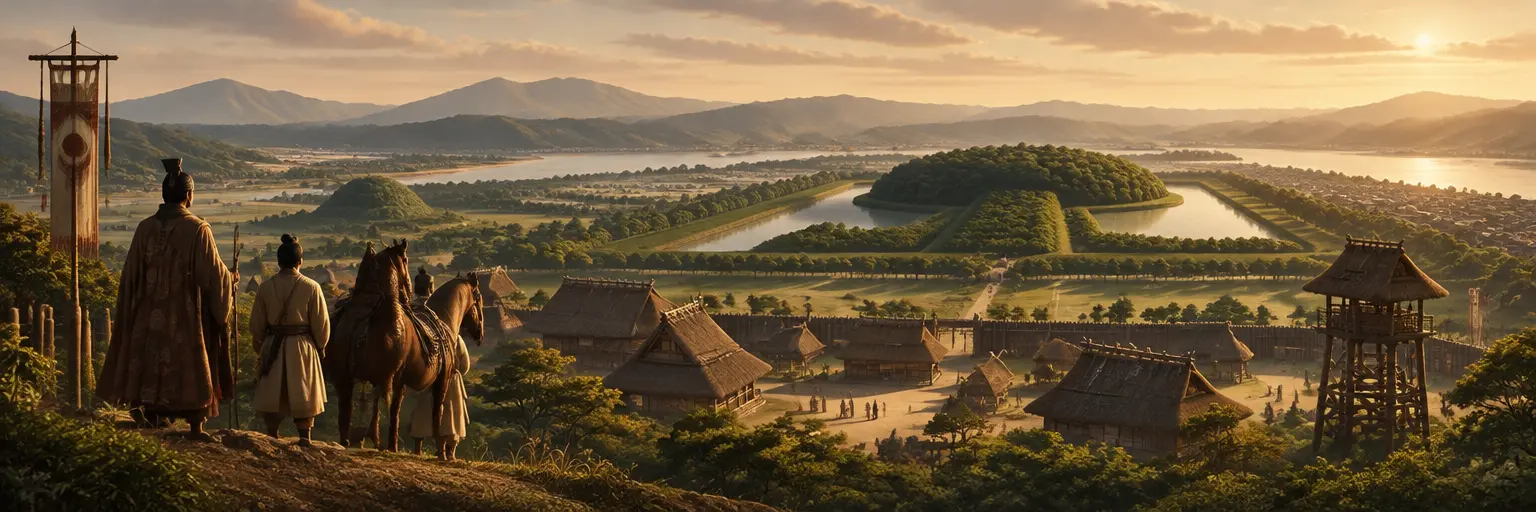
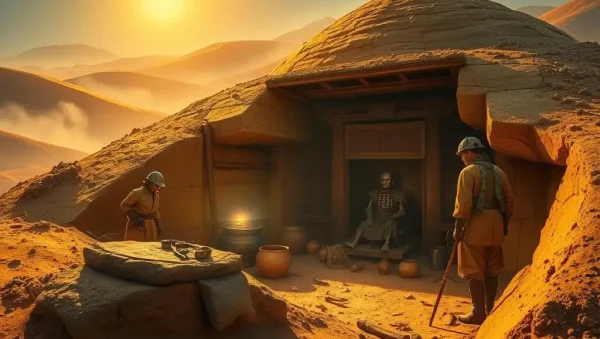
Central to the Kofun period are the colossal zenpō-kōen-fun (keyhole-shaped mounds), some stretching over 400 meters—like the Daisen Kofun in Sakai. These tombs were not mere burials but territorial markers and stages for ancestor worship, often surrounded by moats and clay figures (haniwa) depicting warriors, houses, and animals. Excavations reveal how mound orientation, size, and ritual deposits mirrored political hierarchies, with the largest mounds reserved for the Yamato elite.
Recent lidar surveys and soil core analyses show that these landscapes were engineered to be visible from afar, reinforcing the chieftain’s authority over arable land and trade routes. Grave goods—bronze mirrors, magatama jewels, and iron swords—suggest a complex exchange network with Korea and China. For archaeology buffs, this section offers virtual reconstructions, stratigraphy diagrams, and comparative studies of mound clusters, revealing how burial architecture became a tool for state-building and ideological control.
⚔️ Weapons, Tools & the Rise of a Warrior Aristocracy
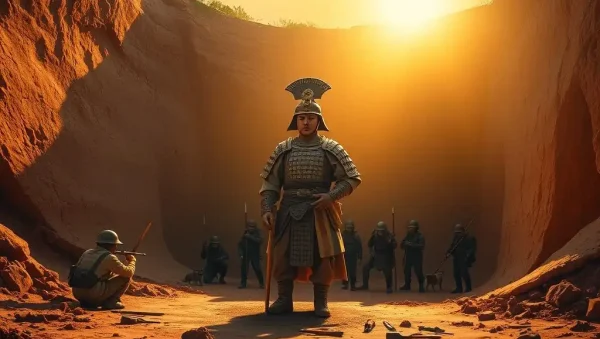
The Kofun period witnessed a dramatic shift from bronze ritual objects to iron weaponry, including tachi swords, arrowheads, and lamellar armor. This transition mirrored the consolidation of military power under local chieftains who competed for resources and alliances. Iron smelting sites, such as those in the Izumo region, highlight localized production, while the distribution of specific sword types indicates standardized manufacturing under Yamato patronage.
Analyses of battle wounds on skeletal remains and horse trappings point to mounted warfare, possibly introduced via Korean mercenaries. This subcategory curates artifact galleries with high-resolution images, metallurgical reports, and replicas, explaining how iron technology boosted agricultural yields (through new plows) and enabled rapid territorial expansion. By studying weapon hoards and fortifications, you’ll gain insight into the social mobility that defined this era—where martial prowess could elevate a commoner to noble status, reshaping governance.
🏯 The Yamato Polity: Kingship, Kinship & Continental Diplomacy
The Yamato court, centered in the Nara Basin, gradually unified regional chieftains through a blend of marriage alliances, military coercion, and ritual supremacy. This section explores key archaeological sites like the Makimuku ruins, often cited as the earliest Yamato capital, and the Miwa clan’s sacred Mount Miwa. Excavated palaces, storehouses, and ceremonial platforms reveal a sophisticated administrative system using wooden tally sticks and storage jars to manage tribute.
Diplomatic gifts—gilt-bronze crowns, glass beads, and Chinese mirrors—found in elite tombs underscore active engagement with the Korean kingdoms (Baekje, Silla) and the Six Dynasties of China. Through translated inscriptions on iron swords (e.g., the Inariyama Sword), you can trace the names of local rulers and their titles, offering a rare textual window into political hierarchies. This subcategory provides chronological charts, diplomatic timelines, and comparative analyses of royal genealogies, demonstrating how Yamato negotiated its identity amid East Asian power struggles.
🏺 Daily Life & Settlement Patterns Beyond the Tombs
While tombs dominate scholarship, this subcategory also illuminates ordinary Kofun life through moat-side villages, pit-houses, and rice paddies. Archaeobotanical studies show a diet rich in rice, millet, and fish, with fermentation techniques for sake and pickling. Pottery types—from coarse Haji ware to fine Sue stoneware—track trade routes and regional potteries, including kiln sites along the Osaka coast.
Residential excavations at sites like Toro (Shizuoka) have exposed granaries, weaving looms, and bronze casting workshops, proving that communities were not merely agrarian but also artisan hubs. This section offers interactive maps of settlement densities, faunal remains analyses, and climate proxy data, explaining how population growth and resource management laid the groundwork for urban centers. You’ll also find comparisons with contemporary Korean and Chinese villages, highlighting both unique adaptations and shared cultural trends.
📜 Decoding Haniwa, Mirrors & the Language of Power
Artifacts are political texts. The haniwa—terracotta cylinders and figures—served as ritual fences and status markers, with their styles evolving from simple tokens to detailed horse riders and shamans. Bronze mirrors, imported from China or locally produced, were symbols of solar worship and royal legitimacy, often inscribed with mystical creatures. This subcategory provides a typology of these objects, complete with provenance data and iconographic analyses.
You’ll explore how mirror designs (e.g., the “Triangular-rimmed” type) and haniwa headdresses encoded rank, while the placement of weapons inside coffins followed strict regional customs. Through 3D scans and experimental archaeology (e.g., recreating mirror casting), you can appreciate the technical skill and symbolic weight of each piece. This section also discusses the “magical” use of stones and crystals, connecting Kofun practices to later Shinto traditions.
Frequently Asked Questions
What exactly defines the start of the Kofun period?
It begins around 250 CE, marked by the sudden emergence of large keyhole-shaped tombs and the proliferation of iron weapons and tools. This shift likely coincided with new political alliances and agricultural surpluses. Unlike the preceding Yayoi period, burial mounds became monumental, suggesting a higher level of social stratification and centralized authority.
How did the Yamato state expand its control?
Through a mix of military campaigns, marriage with local chieftain families, and control over iron and bronze trade routes. By placing loyal allies in key regions and fostering a shared ritual centered on the sun goddess Amaterasu, Yamato gradually absorbed rival clans. Archaeological evidence shows a uniform style of elite tombs spreading across western Japan.
Were there written records during the Kofun period?
Yes, but they are sparse. Chinese chronicles like the Wei Zhi (3rd century) mention “Yamatai,” while later Japanese texts like the Nihon Shoki (720 CE) include mythological and semi-historical accounts. Iron inscriptions, such as the Eta Funayama sword, provide contemporary references to officials, but a full writing system was not widely used until the 6th century.
What role did Korea play in Kofun culture?
Korea was a crucial conduit for continental technologies—iron forging, horseback riding, and new pottery types. Artifacts from Baekje and Silla appear in elite tombs, and Japanese chronicles record alliances and migrations. Some scholars argue that immigrant craftsmen and warriors significantly contributed to Yamato’s military and administrative innovations, though local adaptation was equally important.
Why did the Kofun period end around 538 CE?
It transitioned into the Asuka period due to the official introduction of Buddhism and strengthened diplomatic ties with the Sui and Tang dynasties. New burial customs favored cremation, and the temple became the focus of elite patronage. Political reforms, like the Taika Edicts (645 CE), further centralized power, reducing the importance of individual tomb construction.