The Role of NamazgaTepe in the Context of BMAC Development and Interaction
🌟 Explore how NamazgaTepe exemplifies BMAC development and interactions during the Bronze Age, highlighting its role as a hub of cultural exchange,…
Read article
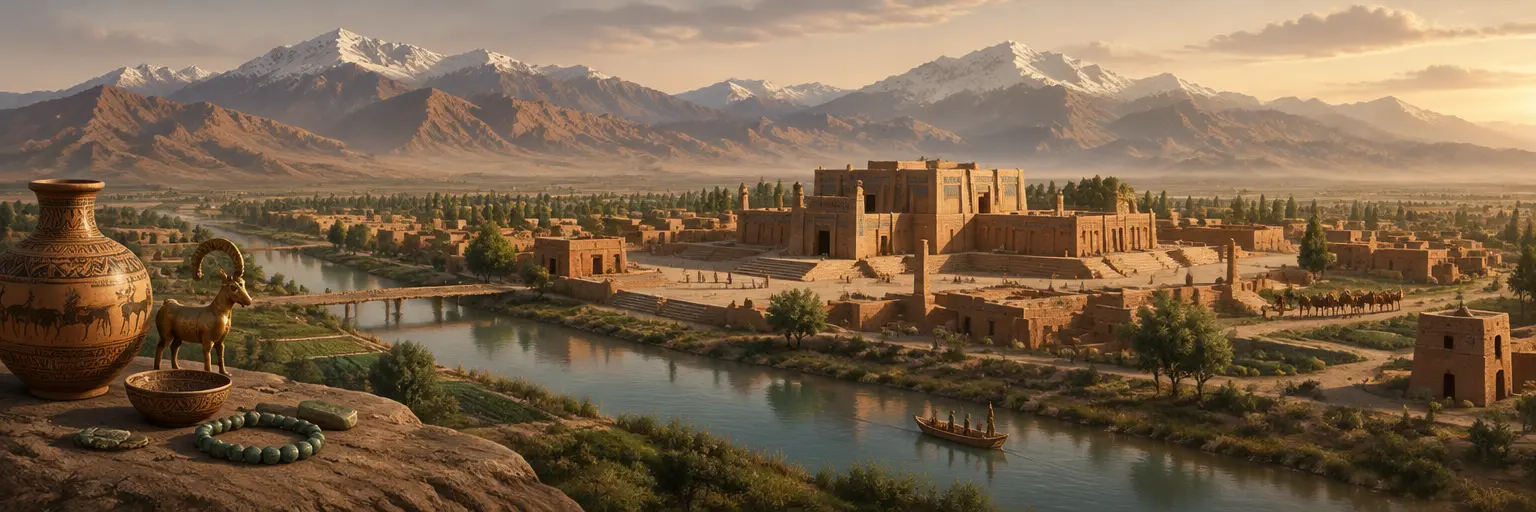
Discover the enigmatic BMAC (Bactria-Margiana Archaeological Complex), a Bronze Age marvel of Central Asia’s steppe cultures that flourished between 2300 and 1700 BCE. Often overshadowed by Mesopotamia and the Indus Valley, this sophisticated civilization thrived in the arid plains of modern-day Turkmenistan, Uzbekistan, and Afghanistan, showcasing advanced urban planning, monumental architecture, and intricate irrigation systems. Dive into the heart of the Oxus civilization, where elite burial mounds reveal exquisite gold artifacts, composite statues, and stamp seals that hint at far-reaching trade networks connecting the steppe to the wider ancient world. Our archaeology hub decodes the distinctive material culture—from chlorite vessels and bronze weaponry to the iconic “Bactrian princess” figurines—illuminating how these agro-pastoral communities adapted to harsh environments while engaging in long-distance exchange. Explore excavation chronicles, radiocarbon timelines, and ongoing debates about their possible role in the spread of Indo-Iranian languages.
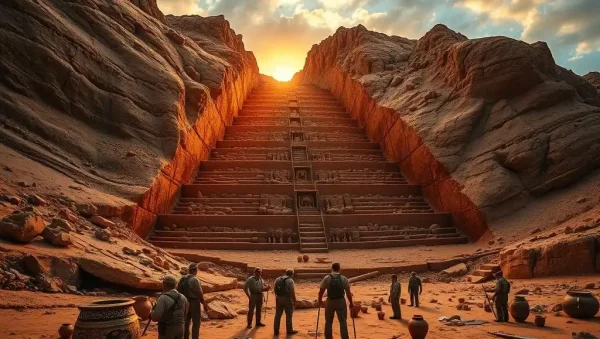
🌟 Explore how NamazgaTepe exemplifies BMAC development and interactions during the Bronze Age, highlighting its role as a hub of cultural exchange,…
Read article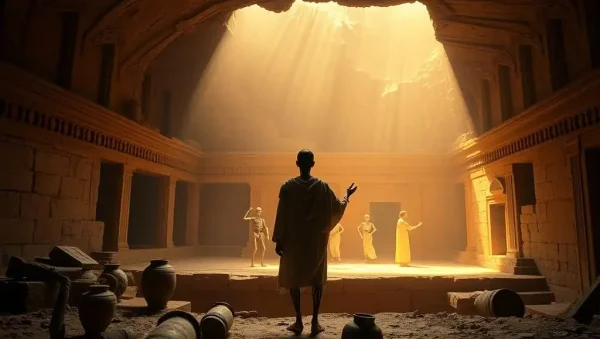
🎶 Explore how archaeologists reconstruct BactriaMargiana music and dance through indirect evidence, shedding light on the vibrant cultural expressions of this ancient…
Read articleWelcome to ArchaeologyHub.org’s deep dive into the Bactria-Margiana Archaeological Complex (BMAC), a Bronze Age civilization that flourished between 2300 and 1700 BCE in the arid deltas of Central Asia. Unlike the riverine empires of Egypt or Mesopotamia, the BMAC was a network of fortified oasis settlements, monumental temples, and sophisticated irrigation systems that bridged the steppe and the settled world. This subcategory explores its unique urbanism, trade networks, and enigmatic artifacts, offering a comprehensive resource for students, researchers, and enthusiasts seeking authoritative insights into this lesser-known but pivotal culture.
Explore the architectural ingenuity of BMAC centers like Gonur Tepe, Togolok, and Kelleli. These sites reveal a distinct urban blueprint featuring towering defensive walls, central monumental platforms, and carefully planned residential quarters. The layout prioritized both ceremonial grandeur and practical defense, reflecting a society organized around elite control and communal labor. Discover how earthen-brick construction and multi-roomed complexes supported a dense population in a challenging desert environment.
The fortress-like design of these settlements suggests frequent interactions—both peaceful and hostile—with mobile pastoralists from the surrounding steppe. Excavations at Gonur Tepe have uncovered palatial structures with intricate corridors and courtyards, indicating a centralized authority. Water management systems, including canals and reservoirs, were integrated into the urban fabric, showcasing advanced hydrology. This section provides detailed site plans, stratigraphic sequences, and comparative analyses, helping you visualize how BMAC cities functioned as hubs of power, ritual, and trade in a dynamic frontier zone.
Delve into the material culture that defines the BMAC, from steatite vessels with incised geometric patterns to the iconic “Bactrian Princess” figurines—female statuettes with exaggerated features and elaborate headdresses. These artifacts, often found in elite graves, reveal a rich symbolic language tied to fertility, status, and cosmological beliefs. The production of chlorite and alabaster objects was highly standardized, suggesting specialized workshops serving a regional elite.
Beyond figurines, BMAC artisans crafted bronze weaponry, composite animal seals, and ornate jewelry featuring lapis lazuli, turquoise, and gold. Seals depict gripping scenes of snakes, eagles, and anthropomorphic figures, hinting at a complex mythology. This section offers high-resolution artifact profiles, contextual descriptions from tomb assemblages, and interpretations of iconographic motifs. You’ll gain insight into how these objects functioned in trade, ritual, and identity expression, and why they are considered hallmarks of a distinctive Central Asian aesthetic that influenced later cultures.
Uncover the economic backbone of the BMAC, which thrived in an environment of scarce rainfall. The civilization developed sophisticated irrigation systems, including branching canals and subterranean channels (qanats), to cultivate wheat, barley, and legumes. Animal husbandry, especially of sheep and goats, supplemented diets and provided wool for textiles. This agricultural surplus supported craft specialization and long-distance trade, making the BMAC a key node in the trans-Eurasian exchange network.
Archaeobotanical evidence from sites like Gonur reveals a diverse crop base and the use of dung as fuel, indicating careful resource management. Storage rooms with large jars and granaries suggest centralized redistribution. Trade links extended to the Indus Valley, Iran, and Mesopotamia, exchanging tin, lapis lazuli, and carnelian. This section examines paleo-environmental data, tool assemblages, and faunal remains, offering a nuanced view of how BMAC societies adapted to and modified their landscape, sustaining a complex economy for nearly a millennium.
Investigate the spiritual world of the BMAC through its temple complexes, fire altars, and burial customs. Sites like Togolok-1 feature monumental platforms with evidence of fire rituals, possibly linked to early Zoroastrian traditions. Temples contained offering chambers with animal bones, ceramic vessels, and bronze artifacts, suggesting a structured priesthood. Burials, often in collective or individual graves within the settlement, were accompanied by elaborate grave goods, including jewelry, weapons, and ornately decorated vessels.
Mortuary analysis reveals social stratification, with elite tombs containing gold and silver items and imported materials. The presence of human and animal sacrifices at some sites indicates complex sacrificial rituals. Iconography on seals and vessels, featuring serpents, bulls, and bird-men, points to a shared mythological framework. This section synthesizes excavation reports, osteological studies, and iconographic analyses, helping you reconstruct the ceremonial life and belief systems that bound BMAC communities together and distinguished them from neighboring cultures.
Examine the dynamic relationships between the BMAC and Andronovo steppe herders, whose migratory patterns intersected with these oasis settlements. Despite initial misconceptions, evidence shows mutual exchange, including pottery styles, metalwork, and possibly intermarriage, rather than simple conquest. However, around 1700 BCE, the BMAC declined, likely due to a combination of climatic aridity, internal social stress, and increased pastoralist integration, leading to a gradual transformation of these urban centers into smaller, less monumental communities.
Trace the post-BMAC period where steppe traditions merged with local cultures, forming new hybrid identities. Isotopic analyses of human remains suggest migration and mixture, while DNA studies indicate a significant genetic contribution from the steppe into the BMAC population. This section explores chronological models, environmental data, and material culture changes, providing a balanced perspective on the end of the BMAC and its lasting legacy in the archaeology of Central Asia, including its influence on later Iron Age cultures like the Saka and Sogdians.
BMAC stands for Bactria-Margiana Archaeological Complex, named after the ancient regions of Bactria and Margiana. It flourished from approximately 2300 to 1700 BCE in present-day Turkmenistan, Uzbekistan, and Afghanistan. This Bronze Age culture is known for its fortified oasis towns, complex irrigation, and distinctive artifacts, bridging the settled and nomadic worlds of Central Asia.
The primary BMAC sites are concentrated in the Murghab River delta in Turkmenistan (Margiana) and the Balkh region in northern Afghanistan (Bactria). Key sites include Gonur Tepe, Togolok, Kelleli, and Adji Kui in Turkmenistan. Excavations have revealed temples, palaces, and residential quarters, many with intact burial complexes, offering valuable insights into this ancient civilization.
The most distinctive artifacts include steatite and chlorite vessels with intricate geometric motifs, bronze camel figurines, and the famous “Bactrian Princess” statuettes—women with large eyes, elaborate headdresses, and folded arms. Additionally, composite animal seals made of stone or metal are iconic. These items were used in trade, ritual, and as markers of elite status.
The BMAC developed advanced irrigation systems, including branching canals and qanats (subterranean channels), to channel river water to fields. They cultivated wheat, barley, and legumes, and practiced animal husbandry. Efficient water management and crop storage allowed them to sustain large populations and support craft specialization, despite limited rainfall.
The decline around 1700 BCE was likely due to multiple factors: severe climatic aridification reducing water resources, internal social pressures, and increased integration with steppe pastoralists. These changes led to the abandonment of monumental centers and a shift to smaller, decentralized communities, eventually blending into local Iron Age cultures.







