Ancient Egypt: Middle Kingdom – Stability & Cultural Flourishing
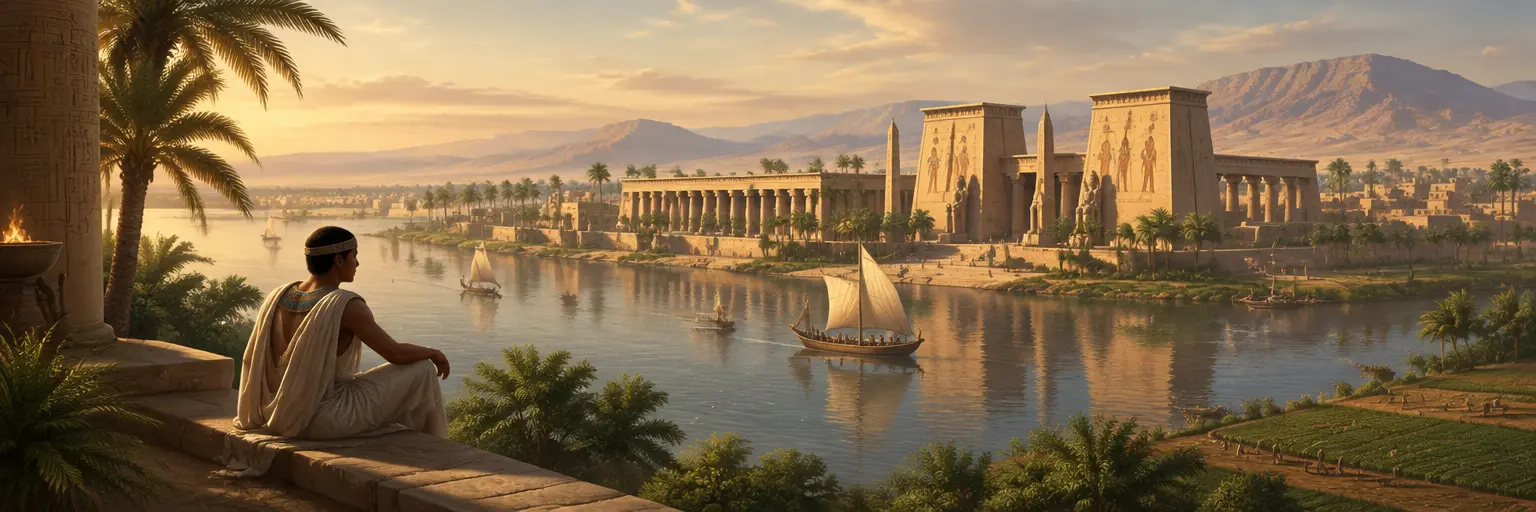
Welcome to ArchaeologyHub.org’s deep dive into the Middle Kingdom (c. 2055–1650 BCE), a period often hailed as ancient Egypt’s classical age. Here, you’ll explore how pharaohs like Mentuhotep II and Amenemhat I reasserted centralized power after the First Intermediate Period, fostering political stability, artistic refinement, and ambitious state projects. This subcategory illuminates the era’s administrative reforms, literary masterpieces, and architectural innovations—from cliff-cut tombs at Beni Hasan to the Fayum’s agricultural reclamation. Whether you’re a student, enthusiast, or researcher, expect rich archaeological context, artifact-driven narratives, and site-specific analyses that reveal why the Middle Kingdom remains a cornerstone of Egyptian civilization studies.
🏛️ Political Consolidation & The Pharaoh’s Divine Role
This section unpacks how the Middle Kingdom’s rulers reshaped kingship after decades of fragmentation. You’ll examine Mentuhotep II’s reunification campaign at Thebes, which reestablished the monarchy, and later Amenemhat I’s shift of the capital to Itjtawy (near modern Lisht) to better control Upper and Lower Egypt. The pharaoh’s image evolved from distant god-king to a shepherd-ruler, actively provisioning the people—seen in royal decrees, stelae, and temple reliefs that emphasize welfare over pure divinity. This political theology underpinned stability, enabling long-distance trade and state-sponsored mining expeditions to Sinai and Nubia.
Archaeologically, this period’s efficacy is visible in massive mudbrick fortresses at Buhen and Semna, erected to secure southern borders and control gold routes. Simultaneously, the king’s power was ritualized through jubilee celebrations (Sed festivals) and monumental building at Karnak, Abydos, and Elephantine. By analyzing royal inscriptions and administrative papyri, such as the Lahun archive, you’ll grasp how bureaucratic efficiency—with viziers, treasurers, and nomarchs—translated royal authority into tangible regional management. This foundation allowed cultural brilliance to flourish without the chaos that preceded it.
📜 Literature, Wisdom Texts & Intellectual Revival
The Middle Kingdom is celebrated as ancient Egypt’s literary golden age, when original works in Middle Egyptian coalesced into canonical texts. Here, you’ll encounter masterpieces like The Story of Sinuhe, a narrative blending adventure and loyalty, and The Instructions of Amenemhat, a wisdom text offering political counsel. These writings were copied into school tablets for centuries, indicating their enduring pedagogical role. Beyond royal praise, this subcategory explores didactic literature (e.g., Instructions of Ptahhotep) and pessimistic discourses like the Dispute of a Man with His Ba, reflecting philosophical inquiry into mortality and justice—a rare introspective dimension.
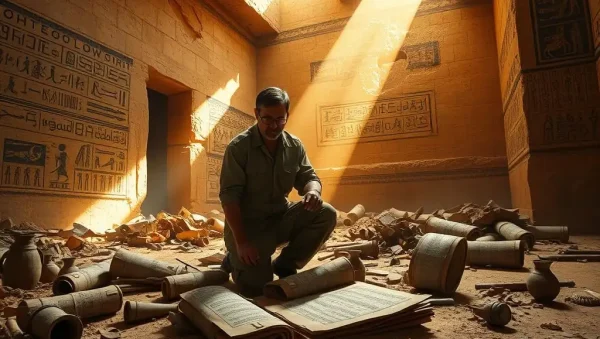
From an archaeological standpoint, literary culture is evidenced through ostraca—limestone flakes with draft copies—and the famous Ramesseum Papyri, a scribe’s private library found in a Middle Kingdom tomb. This intellectual revival coincided with a standardized script, facilitating record-keeping and artistic expression. Readers will discover how poetic parallelism and rhetorical devices shaped later Egyptian literature, while the expansion of literacy beyond priests to bureaucrats and courtiers democratized knowledge. Such texts also inform our understanding of social values, including filial duty, morality, and the fragility of power, offering a humanized view of an often-idealized civilization.
🏺 Art, Craftsmanship & Regional Workshops
Artistically, the Middle Kingdom signaled a break from Old Kingdom rigidity toward more naturalistic and individualistic representation. Expect to analyze royal statues with solemn, aging faces (e.g., Senusret III), which project a weary ruler burdened by responsibility, and exquisite jewelery from princess burials at Dahshur. This era also saw the rise of block statues—compact, seated figures suited for shrines—and vibrant tomb paintings at Beni Hasan depicting daily life, wrestling scenes, and even giraffes, attesting to broad trade contacts. Faience hippopotami and scarab amulets exemplify both aesthetic flair and symbolic protection.
The subcategory probes regional workshops across the Nile Valley, from Aswan granite quarries to Memphis’s metalworking hubs. Discover how artisans used copper alloys, gold inlay, and carnelian to craft jewelry, weaponry, and ceremonial objects, often inscribed with royal names. Excavations at Abydos and Lisht reveal kiln technology and standardized production methods, while tomb models (e.g., funeral boats and brewery scenes) illuminate everyday craft practices. By correlating stylistic shifts with political shifts, you’ll understand how the state patronized artists as ideological messengers, yet allowed regional variation—a delicate balance between centralization and local identity that defines Middle Kingdom material culture.
🌾 Agriculture, Economy & The Fayum Reclamation
Economic resilience underpinned Middle Kingdom stability, and this section details how the state engineered prosperity. Focus lies on the Fayum oasis, where Amenemhat III initiated massive irrigation works—canals, dikes, and land reclamation—to transform marshland into fertile fields. Agricultural productivity surged, supporting dense populations and enabling surplus storage in granaries, as evidenced by the Lahun pyramid town’s administration. The state also taxed harvests through a complex system involving scribes and local magistrates, while royal estates produced flax, grains, and cattle for temple and palace use.
Trade flourished, with expeditions to Punt (likely Eritrea/Somalia) returning myrrh, incense, and leopard skins, as depicted in reliefs at Deir el-Bahri. Nubian gold flowed through fortresses, fueling an economy that funded construction and foreign diplomacy. Archaeological evidence—from amphorae seals to copper ingots—shows a redistribution network linking the Delta to Elephantine. Furthermore, demotic and hieratic documents reveal land ownership patterns, including private plots for officials, indicating a mixed economy beyond state control. This multifaceted array of sources allows you to reconstruct daily labor, market exchange, and the fiscal mechanisms that kept Egypt thriving, demonstrating that stability was not merely political but profoundly economic.
⚱️ Burial Practices & The Evolution of the Afterlife
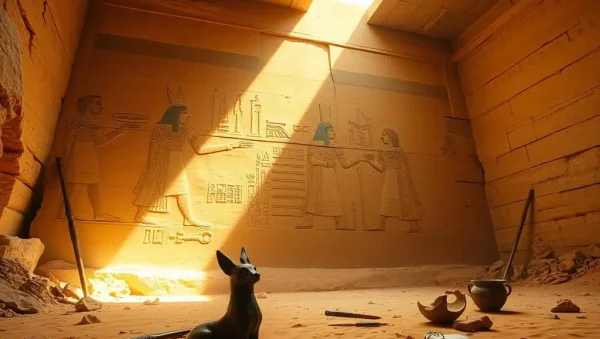
Middle Kingdom mortuary customs blended tradition with innovation, reflecting shifting beliefs in democratized afterlife access. This subcategory examines coffin texts—inscriptions painted on wooden coffins—that replaced exclusive pyramid spells, granting non-royals spiritual safeguards. You’ll also explore rock-cut tombs at Beni Hasan and Assiut, featuring false doors and offering chapels, while royal burials at Dahshur and Lahun introduced new pyramid designs (e.g., Senusret III’s complex chambers). Amulets, shabtis (servant figures), and canopic jars proliferated, each serving a specific protective function for the deceased’s journey.
Archaeological discoveries, such as the undisturbed tomb of Queen Weret at Dahshur, reveal opulent grave goods—gold-hilted daggers, silver vessels, and cedar coffins—indicating wealth transfer into the afterlife. In contrast, provincial burials show simpler provisions, yet still include Coffin Texts and models of daily life, underscoring a more inclusive worldview. The cult of Osiris gained prominence, with Abydos becoming a pilgrimage destination for votive stelae and cenotaphs. By comparing royal and non-royal burial assemblages, you’ll appreciate how the Middle Kingdom codified a personal relationship with the divine, setting the stage for New Kingdom funerary literature like the Book of the Dead. This section ensures you grasp the period’s enduring spiritual legacy.
Frequently Asked Questions
What caused the end of the Middle Kingdom?
The Middle Kingdom’s decline stemmed from internal fragmentation, weak successors, and ecological pressures, culminating in the Second Intermediate Period. Chronological evidence suggests that Amenemhat IV’s short reign preceded a rapid succession crisis, alongside rising Asiatic influence in the Delta and diminished Nile floods that stressed agriculture. By around 1650 BCE, central authority dissolved, enabling Hyksos rule in the north.
Who were the most famous pharaohs of the Middle Kingdom?
Key rulers include Mentuhotep II (reunifier), Amenemhat I (capital founder), Senusret I (expansionist builder), Senusret III (strong administrator and Nubian conqueror), and Amenemhat III (Fayum reclamation project). Their reigns are well-documented via stelae, temple inscriptions, and royal statues, making them central figures in any study of this period.
What are Coffin Texts and why are they significant?
Coffin Texts are a collection of spells and incantations inscribed on wooden coffins during the Middle Kingdom. They evolved from earlier Pyramid Texts, allowing non-royal individuals to access afterlife protection. Their significance lies in democratizing religious knowledge, offering insights into Egyptian cosmology, and serving as precursors to the New Kingdom’s Book of the Dead.
How did the Middle Kingdom influence later Egyptian culture?
The Middle Kingdom set literary precedents, standardized Middle Egyptian (the classical language), and established artistic conventions of naturalism. Its administrative reforms and border fortifications were models for later dynasties, while its theological innovations shaped Osiris worship. Many Middle Kingdom texts were copied and studied for over a millennium, proving its lasting intellectual impact.
What is the best archaeological site to explore Middle Kingdom daily life?
Beni Hasan’s rock-cut tombs offer extraordinary wall paintings depicting daily scenes—agriculture, craftwork, and entertainment. Meanwhile, the Lahun pyramid town provides exceptional evidence of urban planning, housing, and administration via papyri. For royal burial context, Dahshur’s pyramids and tombs, including Queen Weret’s burial, are unrivaled in artifact richness.