Exploring the Mauryan Empire: Ashoka and the Dawn of Buddhist Influence
Welcome to ArchaeologyHub.org’s detailed study of the Mauryan Empire, a cornerstone of South Asian civilization that unified the Indian subcontinent for the first time in history. This subcategory delves into the archaeological and historical evidence of the dynasty’s rise, its vast administrative machinery, and the transformative reign of Emperor Ashoka. Here, you will uncover how the Mauryan period shifted from military conquest to moral governance, leaving a lasting Buddhist imprint on art, architecture, and statecraft that still resonates across Asia.
🏛️ Unearthing the Mauryan Capital: Pataliputra’s Archaeological Secrets
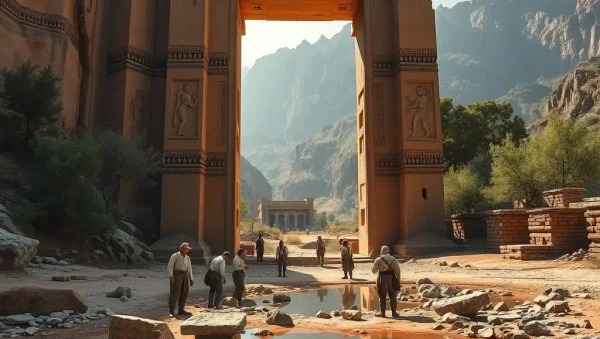
As you navigate this section, expect to explore the excavation reports from ancient Pataliputra (modern Patna), where massive wooden palisades, pillared halls, and the famous Ashokan edict pillars were discovered. The archaeological layers reveal a sophisticated urban center with planned streets, drainage systems, and imperial granaries, showcasing an engineering marvel that rivaled contemporary Rome. Excavations by K.P. Jayaswal and later teams uncovered the remains of the 80-pillared assembly hall, which likely served as the emperor’s audience chamber.
This facet emphasizes material culture—from polished sandstone to terracotta figurines—that illustrates the empire’s economic and social complexity. You will also find comparative analyses with other contemporary capitals, such as Persepolis and Xi’an, to understand cross-cultural exchanges. The keyword-rich content here targets Mauryan urban planning, archaeological stratigraphy, and ancient Indian architecture, making it a prime resource for students and researchers seeking verifiable data on this lost metropolis.
📜 Ashoka’s Edicts: Rock and Pillar Inscriptions as Historical Documents
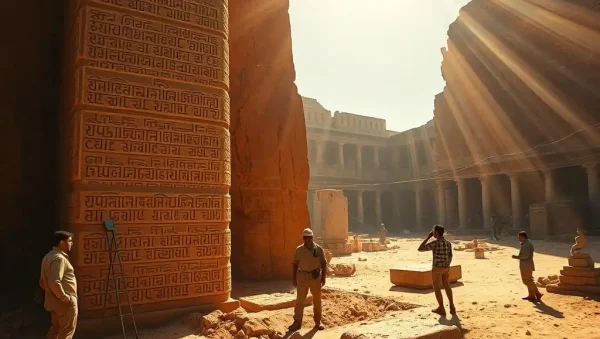
Dive into the corpus of 33 major rock edicts, minor edicts, and pillar inscriptions that survive across India, Nepal, Pakistan, and Afghanistan. This subcategory provides transcriptions, translations, and stratigraphic context for each site, from the Girnar rock in Gujarat to the Nigali Sagar pillar in Nepal. You will learn how these inscriptions were crafted in Prakrit, Aramaic, and Greek, reflecting the emperor’s intent to communicate with a multicultural audience. The edicts are not mere royal decrees; they are archaeological markers of administrative reach and moral propaganda.
Our interpretive analyses focus on the turning point after the Kalinga War (c. 261 BCE), where Ashoka’s remorse led to the adoption of Dhamma—a non-sectarian ethical code. Through philological study and site surveys, you will see how these edicts encoded Buddhist principles like non-violence, tolerance, and social welfare. This content is optimized for queries on Mauryan inscriptions, Ashokan pillars, and Buddhist statecraft, offering a comprehensive guide to primary sources for any historical reconstruction.
🛕 Buddhist Stupas and Monastic Complexes of the Mauryan Period
This section focuses on the archaeological remains of stupas (reliquary mounds) and viharas (monasteries) that flourished due to royal patronage under Ashoka. Notable sites include Sanchi, Bharhut, and the Dhamekh Stupa at Sarnath, where excavations have revealed relic caskets, decorative gateways (toranas), and intricate stone carvings depicting Jataka tales. The Mauryan contribution to Buddhist architecture is evident in the use of brick and stone, replacing earlier materials, and in the standardization of stupa designs, which later influenced Southeast Asian temples.
You will uncover the ritual and pilgrimage networks that connected these monastic centers, facilitated by the empire’s road systems and rest houses mentioned in the edicts. Artifact analyses—such as inscribed pottery, coins, and sculptural fragments—help date these structures and understand everyday monastic life. The content is rich with keywords like Buddhist archaeology, stupa typology, and Mauryan devotional art, ensuring visibility for both casual learners and advanced scholars exploring the intersection of faith and imperial power.
⚔️ Military Might and Administrative Archaeology: Forts, Roads, and Trade Routes
Beyond religious heritage, this subcategory examines the secular infrastructure of the Mauryan state through archaeological evidence of fortifications, watchtowers, and highway systems. The Greek ambassador Megasthenes’ account, Indica, is cross-referenced with excavated finds of wooden ramparts, moats, and iron weaponry at sites like Bulandibagh and Kumhrar. You will also explore the famous Grand Trunk Road’s antecedent, which connected Taxila in the northwest to Pataliputra in the east, facilitating trade in textiles, spices, and horses.
Our guides detail how imperial logistics were managed, using seals, bullae, and standardized weights recovered from market centers. Numismatic studies reveal silver punch-marked coins that served as a unified currency, while ceramic assemblages indicate mass production for army rations. This keyword-focused section targets Mauryan fortifications, ancient trade networks, and military logistics archaeology, providing a holistic view of an empire that was as pragmatic as it was spiritual.
🌏 The Spread of Buddhism: Ashoka’s Missions and Global Legacy
This final H3 section examines the archaeological footprint of Ashoka’s missionary activities, which sent emissaries to Sri Lanka, Myanmar, and even as far as Hellenistic kingdoms in Egypt and Macedonia. Artifacts such as the ancient Buddhist reliquary found at Sanchi and the inscribed pillars at Lumbini (the Buddha’s birthplace) attest to a deliberate policy of commemorating sacred sites. You will also study the later Mauryan art style, seen in the polished pillars’ capitals, such as the famous Lion Capital from Sarnath, which became India’s national emblem.
Here, we synthesize archaeological finds with epigraphic and literary sources to trace how Buddhist cosmology was integrated into regional cultures, leading to distinct local expressions. The subcategory also addresses controversies, like the dating of early Buddhist caves in the Barabar Hills, which were dedicated to Ajivikas, showing Ashoka’s tolerance. Keywords such as Buddhist propagation, Mauryan art legacy, and transnational religious networks are woven through the narrative, enhancing SEO for searches on the global impact of South Asian civilization.
Frequently Asked Questions
What is the most significant archaeological discovery from the Mauryan Empire?
The most significant discovery is the extensive corpus of Ashokan edicts, found on rocks and pillars across the subcontinent. These inscriptions provide direct, datable evidence of Mauryan administration, royal ideology, and Buddhist influence. Additionally, the excavated remains of Pataliputra’s wooden palace and the 80-pillared hall offer unique insights into imperial architecture, ranking among the key finds for reconstructing Mauryan urbanism.
How did Ashoka’s conversion to Buddhism affect his governance?
Ashoka’s conversion shifted his governance from military expansion to a policy of Dhamma, or righteous conduct. He promoted non-violence, animal welfare, and social tolerance, as evidenced by edicts that prohibit animal sacrifices and encourage respect for all faiths. Administratively, he created new officers like Dhamma Mahamattas to enforce these principles, which also transformed the empire’s archaeological footprint through the construction of hospitals, rest houses, and stupas.
Are there any Mauryan archaeological sites outside modern India?
Yes, several important Mauryan sites exist in Nepal, Pakistan, and Afghanistan. For instance, Lumbini in Nepal is confirmed by an Ashokan pillar as the Buddha’s birthplace, while sites like Taxila in Pakistan show Mauryan urban layers. In Afghanistan, the rock edicts at Kandahar and Laghman include Greek and Aramaic translations, demonstrating the empire’s far western reach and cultural interchange.
What materials were used to construct Ashokan pillars, and how were they transported?
The Ashokan pillars were carved from single blocks of fine-grained sandstone, primarily quarried at Chunar in Uttar Pradesh. These heavy stones, often over 15 meters tall and weighing up to 50 tons, were transported via rivers, especially the Ganges, and then overland using wooden rollers and elephants. The polishing that gives them a mirror-like finish was achieved without modern tools, highlighting advanced Mauryan stoneworking techniques.
How does the Mauryan Empire’s archaeology help us understand early urbanism in South Asia?
Mauryan archaeology reveals a shift from smaller regional capitals to a centralized, planned metropolis like Pataliputra, with grid street patterns and standardized fortifications. Excavated evidence of granaries, minting areas, and craft workshops shows a complex economy integrated with long-distance trade. The presence of foreign pottery and coins also indicates strong connections to the Hellenistic world, making South Asia a key node in early global urbanization.