
The Curvilinear Aesthetic: Defining Stylistic Characteristics of Scythian Animal Art

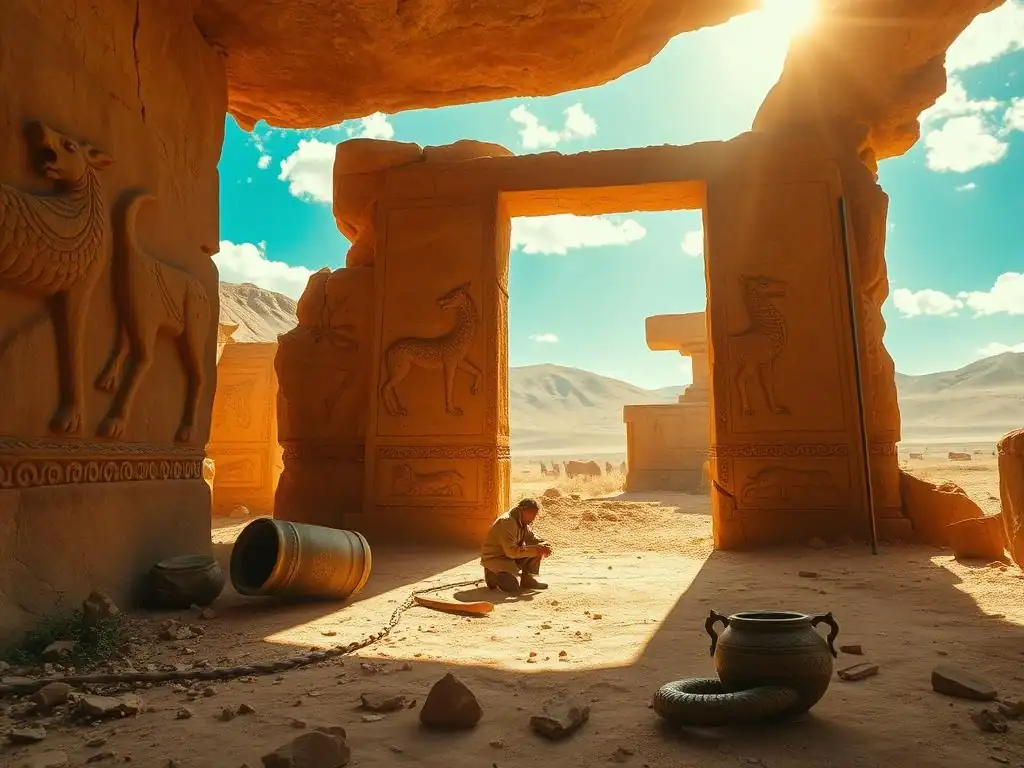
Welcome to ArchaeologyHub.org, your gateway to unraveling the mysteries of the past! Ever wondered how artistic expression can serve as a window into a lost world? Prepare to be captivated as we delve into the intricate and often-overlooked world of ancient civilizations. This journey begins with an exploration into the distinctive characteristics of Scythian animal art styles. Discover the secrets behind their unique curvilinear aesthetic, and how it offers profound insights into their culture and beliefs. Intrigued? Let's unearth the story together…
- Introduction to Scythian Animal Art Styles
- Defining the Curvilinear Style in Scythian Art
- Key Motifs and Iconography in Scythian Animal Art
- Materials and Techniques Used in Creating Scythian Animal Art
- The Evolution of Scythian Animal Art Through Time
- Geographical Distribution of Scythian Animal Art Styles
- The Cultural and Historical Context of Scythian Art
- Interpreting the Stylistic Characteristics of Scythian Animal Art
- Scythian Animal Art in Modern Scholarship and Collections
- Conclusion: The Lasting Impact of the Curvilinear Aesthetic in Scythian Art
-
Frequently Asked Questions
- What are the defining characteristics of Scythian animal art styles?
- How does Scythian animal art reflect their nomadic lifestyle and beliefs?
- What materials were commonly used in creating Scythian animal art?
- Where can I find examples of Scythian animal art within ArchaeologyHub.org?
- What is the significance of the animal combat scenes frequently depicted in Scythian art?
- Final Reflection: The Enduring Echoes of Scythian Curves
- Unearth Your Inner Scythian: Connect with Ancient Art!
Introduction to Scythian Animal Art Styles
Significance of Scythian Art in Understanding Eurasian Nomadic Culture
Scythian art stands as a profound testament to the rich and complex culture of the Scythians, a formidable nomadic people who dominated the Eurasian steppes from approximately the 9th to the 3rd century BC. Unlike many ancient civilizations that left behind monumental architecture or extensive written records, the Scythians primarily communicated their worldview, social hierarchies, and spiritual beliefs through their distinctive artistic expressions, particularly their renowned animal-style art.
This art, largely recovered from elaborate burial mounds known as kurgans, offers unparalleled insights into their daily lives, their deep connection to the natural world, and their extensive interactions with neighboring cultures across vast territories.
The study of Scythian animal art styles is therefore crucial for archaeologists and historians seeking to reconstruct the cultural fabric of these enigmatic nomads. Each intricate gold plaque, bronze weapon, or carved antler piece serves as a primary historical document, revealing not only their aesthetic preferences but also their religious practices, warfare techniques, and sophisticated metalworking capabilities. Without this unique artistic legacy, our understanding of the Scythians' place in ancient history would be significantly diminished, underscoring the profound significance of their artistic output.
Overview of Unique Characteristics in Scythian Animal Art
At the heart of Scythian artistic expression lies a unique "curvilinear aesthetic," which defines many of their animal art styles. This artistic convention is characterized by its dynamic representation of animals, often depicted in stylized, contorted, or composite forms, emphasizing muscularity and a palpable sense of movement. Common motifs include powerful predators like panthers and griffins, as well as majestic herbivores such as deer and horses, all rendered with an extraordinary vitality.
The art typically presents a departure from strict realism, embracing abstraction and symbolic intensity. Figures are frequently depicted with exaggerated anatomical features, such as prominent eyes, curled tails, or spiraling joints, all contributing to a sense of latent energy. This distinct approach contrasts sharply with the more static or naturalistic art forms prevalent in many contemporary settled civilizations, making Scythian animal art styles instantly recognizable and a unique contribution to the global history of art.
Defining the Curvilinear Style in Scythian Art
Role of Curves and Spirals in Depicting Movement and Dynamism
The curvilinear aesthetic in Scythian animal art is not merely a decorative choice; it is a fundamental principle employed to imbue objects with a profound sense of movement and dynamism. Artists masterfully utilized S-curves, C-curves, and tightly wound spirals to create a visual tension that suggests perpetual motion within a static form. For instance, the coiled bodies of predatory felines are often depicted with limbs tucked tightly, creating a spring-like tension, or antlers of stags may swirl into intricate spirals, suggesting both growth and ethereal energy.
This deliberate use of curves allows for the depiction of animals in active, often aggressive, poses—leaping, fighting, or in full flight. The lines flow seamlessly, guiding the viewer's eye around the form and creating an illusion of life and vitality. It is this inherent dynamism, achieved through the sophisticated manipulation of curvilinear elements, that sets Scythian animal art styles apart and reflects the vigorous, mobile lifestyle of its creators.
Importance of Fluid Lines in Conveying Power and Grace
Beyond mere movement, the fluid lines characteristic of Scythian animal art convey a striking sense of both raw power and inherent grace. The contours of the animals are often rendered with an uninterrupted flow, creating a seamless transition from one anatomical feature to another. This fluidity lends an organic unity to the figures, whether depicting the elongated, powerful stride of a panther or the elegant, soaring leap of a deer.
The unbroken, flowing lines contribute to the overall aesthetic appeal while simultaneously emphasizing the inherent strength and agility of the creatures. This approach suggests a deep observation of animal physiology, yet it transcends simple mimesis, transforming natural forms into potent symbols of strength, speed, and refined beauty. The fluid linearity is thus a cornerstone of the Scythian animal art styles, allowing for the simultaneous expression of untamed power and remarkable artistic sophistication.
Key Motifs and Iconography in Scythian Animal Art
Common Animal Representations: Deer, Horses, Panthers, and Griffins
Scythian animal art is dominated by a recurring cast of animal figures, each imbued with specific cultural significance. The deer, particularly the stag with its exaggerated, often tree-like antlers, is one of the most iconic motifs, frequently depicted in a recumbent pose with legs folded beneath its body, or in a dynamic leap. A famous example is the gold stag from the Kostromskaya Kurgan, showcasing the typical stylization and powerful presence. Horses, central to nomadic life, are also prevalent, often adorned with elaborate trappings or shown in dynamic action, reflecting their importance in warfare, hunting, and travel.
Predatory felines, often identified as panthers or lions, appear frequently, typically coiled in aggressive, ready-to-pounce positions, their musculature powerfully rendered with spiraling joints. The gold panthers from the Hermitage Museum collection exemplify this fierce depiction. Mythical creatures like griffins—composite beasts with the head of an eagle and the body of a lion—are also common, often serving as guardians or symbols of formidable power. These specific animal representations form the core vocabulary of Scythian animal art styles, appearing across various media and regions.
Symbolic Meanings: Power, Fertility, Protection, and Cosmic Order
The choice and depiction of animals in Scythian art were deeply imbued with symbolic meanings, reflecting their complex belief systems. Predators like panthers and griffins often symbolized power, ferocity, and martial prowess, qualities highly valued in a warrior society. The stag, with its annually shedding antlers, frequently represented fertility, regeneration, and the cycle of life and death, possibly linked to a revered "Master of Animals" concept. Many animal figures, particularly those on weapons or armor, were believed to offer protection to the wearer.
Furthermore, animals often represented different realms of the cosmos: birds and winged creatures for the sky, terrestrial animals for the earth, and chthonic beasts or fish for the underworld. The composite creatures, such as griffin-headed animals or animal-headed birds, might have symbolized the interconnectedness of these realms or the transformative power of shamans. These layers of symbolism were integral to Scythian beliefs and rituals, making their Scythian animal art styles not just decorative, but profoundly meaningful.
Influence of Nomadic Life: Hunting, Warfare, and Animal Husbandry
The very essence of Scythian animal art styles is inextricably linked to their nomadic way of life, which revolved around hunting, warfare, and animal husbandry. The dynamic poses of animals in pursuit or combat directly reflect the realities of hunting for survival and the constant threat of inter-tribal conflict. Animals embodying speed, aggression, and strength were admired and emulated, leading to their prominent depiction on weaponry, horse trappings, and personal ornaments.
Horses, as the primary mode of transport and warfare, held immense practical and symbolic importance, often depicted with elaborate and richly decorated gear. The economic backbone of the Scythians was their livestock, including horses, cattle, and sheep, fostering a deep respect for animal power and spirit. Thus, the vivid animal motifs in their art are not merely aesthetic choices but are deeply rooted in their daily experiences, serving as a powerful visual narrative of their adaptive and resilient nomadic identity.
Materials and Techniques Used in Creating Scythian Animal Art
Gold, Bronze, Iron, and Antler Materials
Scythian animal art was crafted from a diverse array of materials, each chosen for its inherent properties and symbolic value. Gold was the most prized material, reserved primarily for elite objects found in royal kurgans, such as the exquisite pectoral from Tovsta Mohyla. Its malleability allowed for intricate detailing, while its lustrous quality conveyed wealth and divine connection. Bronze was extensively used for weapons, tools, and smaller ornaments dueable to its durability and ease of casting, making it a common medium for many Scythian animal art styles.
Iron, though less frequently used for purely artistic pieces, was crucial for functional items like swords and spearheads where strength was paramount, sometimes featuring animal-style pommels. Finally, organic materials like antler, bone, and wood were skillfully carved into intricate designs, often for smaller, functional items or decorative elements on larger pieces. The Pazyryk kurgans in the Altai Mountains, due to permafrost preservation, have yielded exceptionally well-preserved examples of wood and felt Scythian animal art, offering a broader perspective than the predominantly metal finds from other regions.
Manufacturing Techniques: Casting, Engraving, Repoussé, and Inlay
Scythian artisans employed sophisticated manufacturing techniques to bring their animal art to life. Casting, particularly the lost-wax method, was commonly used for bronze objects, allowing for the creation of complex, three-dimensional forms. Engraving involved incising detailed lines and textures onto metal or bone surfaces, defining features like fur, feathers, or musculature. Repoussé was a prominent technique for goldwork, where designs were hammered from the reverse side of a thin metal sheet to create a raised relief on the front, as seen in many gold plaques.
Inlay was another technique that added visual richness, involving the embedding of precious or contrasting materials, such as amber, turquoise, or colored glass paste, into recesses on metalwork. This added vibrant color and intricate detail to the animal figures. These diverse and refined techniques underscore the high level of craftsmanship achieved by Scythian artisans, enabling them to produce the distinctive curvilinear forms and detailed animal features that characterize Scythian animal art styles.
Regional Variations in Art Production: Local Materials and Styles
While a unifying "Scythian animal art styles" can be observed across the Eurasian steppe, significant regional variations existed, often influenced by the availability of local materials and distinct cultural interactions. For instance, the rich gold deposits of the Black Sea steppe region, coupled with close contact with Greek colonies, led to an abundance of elaborate goldwork, sometimes exhibiting a blend of Scythian motifs with Hellenic craftsmanship.
In contrast, the Altai Mountains, with their cold, dry conditions, preserved a wealth of organic materials like wood, felt, leather, and even tattoos, revealing a different facet of Scythian artistry that is less apparent in the metal-rich finds from the western steppes.
Furthermore, specific stylistic nuances emerged in different areas. Some regions might emphasize certain animal motifs over others, or display subtle differences in the degree of stylization or anatomical exaggeration. These variations reflect not only differing access to resources but also unique local artistic traditions and the varying intensity of external influences, showcasing the dynamic and adaptable nature of Scythian animal art styles across its vast geographical reach.
The Evolution of Scythian Animal Art Through Time
Early Scythian Art: Influences from the Ancient Near East and Beyond
The earliest phase of Scythian animal art, roughly dating from the 9th to the 7th century BC, shows significant influences from the ancient Near East, particularly from Assyria, Urartu, and the Luristan region. During this formative period, Scythian art often featured more geometric forms and a somewhat simpler stylization compared to later periods. Animal figures, while present, might be depicted in more static profiles, and the emphasis on the contorted, highly dynamic poses that would become characteristic was less pronounced.
Examples from sites like Arzhan in Tuva, one of the earliest large Scythian kurgans, demonstrate this initial phase, with objects showing precursors to the iconic animal style. This early interaction with established artistic traditions of more settled civilizations provided a foundation upon which the Scythians would later build, transforming these influences into their own distinctive and recognizable Scythian animal art styles.
The Golden Age: 7th-3rd Century BC - Development of Distinctive Styles
The period between the 7th and 3rd centuries BC represents the "Golden Age" of Scythian animal art, witnessing the full flourishing and refinement of their distinctive styles. During this era, the iconic curvilinear aesthetic became fully developed, characterized by increased dynamism, complexity, and artistic sophistication. The famous "Scythian stag" motif, the tightly coiled feline, and elaborate composite creatures became widespread and highly refined.
This period saw the peak production of the most elaborate and technically masterful gold artifacts, often found in rich kurgans such as Kul-Oba, Chertomlyk, and Solokha in the Black Sea steppe. The art from this era fully embodies the Scythian identity, demonstrating a unique synthesis of artistic skill, symbolic depth, and cultural expression that cemented the enduring legacy of Scythian animal art styles.
Later Developments and Regional Adaptations: Sarmatian and Saka Influences
From the 3rd century BC onwards, as the Scythian hegemony waned and other nomadic groups like the Sarmatians and Saka rose to prominence, Scythian animal art underwent further developments and regional adaptations. While the core animal motifs persisted, the style sometimes became more stylized, occasionally losing some of the earlier dynamism in favor of different aesthetic principles. Sarmatian art, for example, while clearly influenced by Scythian traditions, often features more fantastical creatures, a greater emphasis on polychromy through inlay, and a distinct approach to geometric patterns.
Similarly, Saka art in Central Asia, though sharing fundamental animal motifs, developed its own regional characteristics, sometimes displaying more massive forms or unique decorative elements. These later developments illustrate the enduring impact and transformative nature of Scythian animal art styles, demonstrating how its foundational principles continued to evolve and inspire subsequent nomadic cultures across the vast Eurasian landmass.
Geographical Distribution of Scythian Animal Art Styles
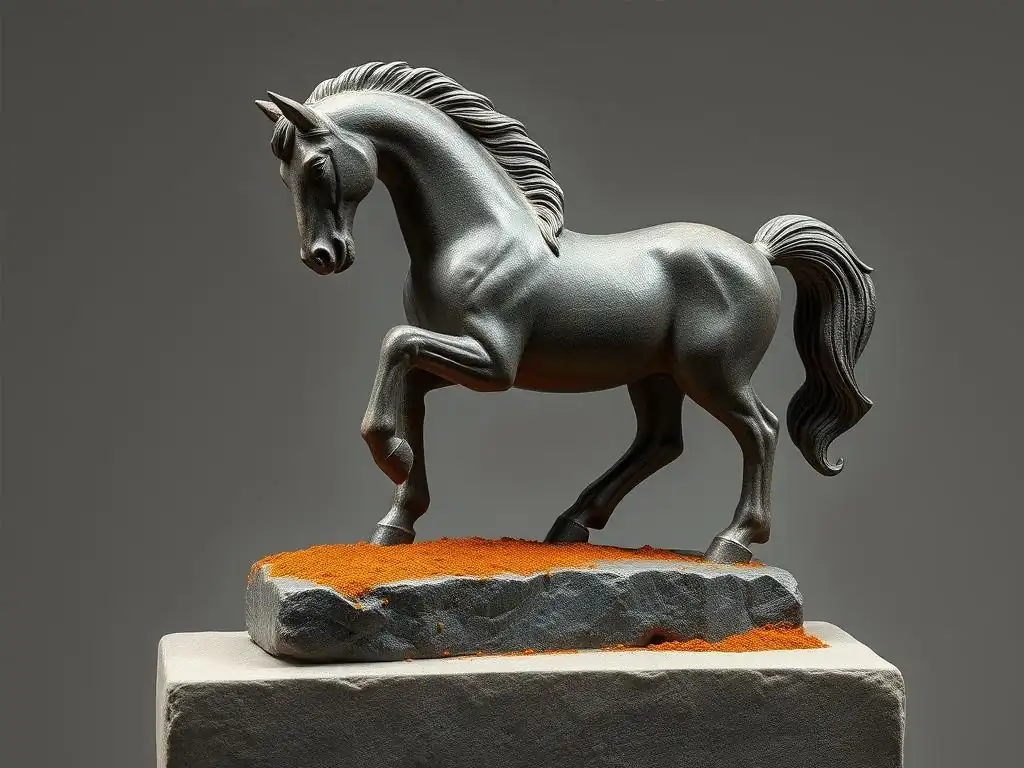
Scythian Art Across the Eurasian Steppe: From Ukraine to the Altai Mountains
The geographical distribution of Scythian animal art styles spans an immense territory, reflecting the vast reach of Scythian influence and their interconnected nomadic lifestyle. From the Pontic Steppe in modern-day Ukraine and Southern Russia in the west, Scythian art extends eastward through Kazakhstan and deep into the Altai Mountains of Siberia. This enormous expanse, stretching over approximately 3,000 kilometers from west to east, underscores the widespread adoption and shared artistic vocabulary among various Scythian and related nomadic groups.
The discovery of remarkably similar artistic motifs and stylistic characteristics across such diverse regions highlights the cultural cohesion and extensive trade networks that existed within the Eurasian steppe. This broad distribution of Scythian animal art styles is a testament to the mobility and cultural exchange inherent in their nomadic existence, making it a truly pan-Eurasian phenomenon.
Regional Variations: Black Sea, Kuban, Altai, and Tuva Regions
Despite its broad distribution, Scythian animal art exhibits distinct regional variations, each contributing unique facets to the overall Scythian animal art styles. The Black Sea Steppe region, with its proximity to Greek colonies, is renowned for its elaborate goldwork, often showcasing a sophisticated blend of Scythian motifs with Hellenic craftsmanship, such as the intricate gold pectoral from Tovsta Mohyla. The Kuban Region in the North Caucasus, home to rich kurgans like Kelermes and Kostromskaya, is known for powerful, often monumental animal figures.
Further east, the Altai Mountains, particularly the Pazyryk culture sites, offer an unparalleled glimpse into organic Scythian animal art styles, with materials like felt, wood, and leather preserved by permafrost, including remarkable textiles and even tattooed human remains. The Tuva region, with early sites like Arzhan, reveals monumental scale and some of the earliest expressions of the animal style. These regional specificities, while adhering to the core curvilinear aesthetic, demonstrate the dynamic interplay of local traditions and external influences shaping Scythian animal art styles.
Spread of Influence: Greek Colonies, Persian Empire, and Chinese Territories
Scythian animal art styles were not confined to the nomadic steppes but exerted considerable influence on neighboring settled civilizations, demonstrating the extensive cultural exchange facilitated by their mobility and trade. Greek colonies established along the Black Sea coast frequently produced Scythian-style objects, often for Scythian patrons, blending Greek technical mastery with Scythian animal motifs, resulting in a unique hybrid art form.
Evidence also suggests Scythian influence on the Achaemenid Persian Empire, particularly in the adoption of certain animal motifs and possibly metalworking techniques. While less direct, interactions along the Silk Road also led to some exchange of artistic ideas with Chinese territories, though the full Scythian animal style was not widely adopted there. This widespread influence underscores the dynamic role of Scythian culture as a conduit for artistic ideas across vast geographical and cultural boundaries, testifying to the enduring appeal and impact of Scythian animal art styles.
The Cultural and Historical Context of Scythian Art
Scythian Beliefs and Rituals Reflected: Funerary Practices and Shamanism
The vast majority of Scythian animal art has been recovered from funerary contexts, specifically elaborate kurgans, which serve as direct reflections of Scythian beliefs and rituals. Grave goods, including weapons, horse gear, jewelry, and ritualistic vessels, were meticulously crafted with animal motifs to accompany the deceased into the afterlife, signifying their status and a belief in a continuity of existence. The animals depicted often held specific roles in their cosmology, acting as spiritual guides or guardians in the transition between worlds.
Furthermore, Scythian animal art styles frequently allude to shamanistic practices, which were central to their spiritual lives. The portrayal of composite creatures or animals in transformative poses could symbolize shamanic journeys into different realms or the ability of shamans to mediate between the human and spirit worlds. The art, therefore, provided a powerful visual language for their complex cosmology, their understanding of life and death, and their deep connection to the spiritual power of animals.
Beyond their spiritual significance, objects featuring Scythian animal art styles served crucial social functions, primarily as symbols of status, power, and potentially clan identity. The possession of meticulously crafted gold or bronze pieces, often found in elite burials, unequivocally indicated wealth and high social standing within the hierarchical nomadic society. These artifacts were not merely decorative but were potent visual markers of an individual's position and influence.
Depictions of fierce predators or victorious hunters on weaponry or personal adornments directly symbolized martial prowess and the authority of the ruling elite. It is also plausible that specific animal motifs or subtle stylistic variations might have served as identifiers for particular clans or tribal groups, reinforcing group cohesion and distinction. In this way, Scythian animal art was an integral part of the social fabric, reinforcing existing power structures and communicating social standing within their mobile communities.
Reflection of Nomadic Identity: Adaptation, Innovation, and Cultural Exchange
Scythian animal art styles are a profound reflection of their nomadic identity, embodying their continuous adaptation, remarkable innovation, and extensive cultural exchange. Their art demonstrates a deep understanding and respect for the natural world, a constant companion in their mobile existence, as seen in the accurate yet stylized depiction of animals. The ability of Scythian artisans to absorb and transform foreign artistic influences—from the Near East to Greece—into something uniquely their own, showcases their innovative spirit and adaptability.
Their art is a testament to their dynamic interactions with neighboring settled civilizations, acting as a visual record of their trade routes and cultural dialogues. Despite lacking permanent settlements, the Scythians forged a cohesive and distinct cultural identity, powerfully expressed through their art. This artistic legacy highlights the sophistication and resilience of nomadic societies, demonstrating their capacity for profound artistic creation and cultural integration, all vividly encapsulated within Scythian animal art styles.
Interpreting the Stylistic Characteristics of Scythian Animal Art
Art Historical Approaches: Formal Analysis, Iconography, and Contextualization
Interpreting the stylistic characteristics of Scythian animal art involves a multi-faceted approach rooted in art historical methodologies. Formal analysis focuses on the visual elements themselves—the prominence of curvilinear lines, the dynamic composition, and the distinctive stylization of animal forms. This involves scrutinizing how artists manipulated shapes and volumes to create a sense of movement and energy, and how consistent these formal qualities are across different objects and regions.
Iconography, on the other hand, delves into the meaning of the animal motifs and composite creatures. It seeks to decipher what a coiled panther or a leaping stag represented within the Scythian worldview, often drawing parallels with their mythological narratives or shamanistic beliefs. Finally, contextualization places the art within its broader historical, social, and cultural framework, examining where each piece was found, its intended function (e.g., funerary, ritual, adornment), and the identity of its creators and users. These approaches collectively provide a comprehensive understanding of Scythian animal art styles.
Semiotics: Deciphering Symbols and Meanings
The application of semiotics provides a powerful lens through which to decipher the deeper symbols and meanings embedded within Scythian animal art styles. By treating the animal figures as 'signs' within a visual language, researchers can explore how specific poses, exaggerations, or combinations of features communicated complex ideas or narratives to the Scythian audience. For instance, the tightly coiled feline might not just represent a panther, but rather a universal symbol of latent power, aggression, or a guardian spirit.
Semiotics allows for an exploration of how the visual vocabulary of Scythian art communicated abstract concepts related to their cosmology, social hierarchy, and understanding of the natural world. This method moves beyond simple identification of animals to understand the cultural codes and symbolic messages that were intrinsically woven into the fabric of Scythian animal art styles, revealing a sophisticated system of non-verbal communication.
Deconstructing the Curvilinear Aesthetic: Tension Between Realism and Abstraction
A key aspect of deconstructing the curvilinear aesthetic in Scythian animal art is understanding the inherent tension between realism and abstraction that defines it. Scythian artists clearly possessed a keen observational eye for animal anatomy, often depicting musculature, bone structure, and movement with remarkable accuracy. This attention to detail lends a tangible quality to their animal figures, rooting them in the natural world.
However, concurrently, they frequently embraced abstraction, stylizing, exaggerating, or even distorting forms for symbolic or aesthetic impact. Examples include the highly elaborate, non-naturalistic antlers of stags, the spiraling joints of felines, or the creation of fantastical composite creatures that defy biological reality. This deliberate interplay between realistic observation and abstract interpretation creates the unique dynamism and profound symbolic resonance of Scythian animal art styles, transforming observed nature into a powerful cultural statement.
Scythian Animal Art in Modern Scholarship and Collections
Major Museum Collections: Hermitage Museum, National Museum of Ukraine, and others
Scythian animal art is a prized possession in many of the world's leading archaeological and art museums, making it accessible for both scholarship and public appreciation. The State Hermitage Museum in St. Petersburg, Russia, houses one of the most extensive and significant collections, particularly rich in gold artifacts from Siberian and Black Sea kurgans, including iconic pieces like the Golden Deer of Kostromskaya and objects from Kul-Oba. The National Museum of Ukraine in Kyiv also holds a vital collection, with numerous finds from kurgans located within Ukrainian steppe regions.
Beyond these, other notable collections featuring significant Scythian animal art styles can be found at the British Museum in London, the Louvre Museum in Paris, and various regional museums across Russia, Kazakhstan, and other Central Asian countries. These institutions play a crucial role in preserving, studying, and exhibiting these ancient treasures, allowing continuous research and public engagement with the distinctive Scythian animal art styles.
Current Research and Ongoing Discoveries: Archaeological Excavations and New Interpretations
The field of Scythian archaeology and art history remains highly dynamic, with current research and ongoing discoveries continually refining our understanding of Scythian animal art styles. Archaeological excavations continue to unearth new Scythian sites and artifacts across the Eurasian steppe, particularly in regions like Tuva (e.g., the Arzhan-2 kurgan, dating to the 7th century BC) and Kazakhstan. These new finds often challenge or corroborate existing theories regarding Scythian chronology, cultural interactions, and the evolution of their artistic expressions.
Modern analytical techniques, such as DNA analysis of human and animal remains, and advanced material analysis (e.g., XRF, SEM) provide unprecedented insights into the provenance of materials, manufacturing processes, and even the diet and health of the Scythians. This continuous influx of new data and innovative methodologies enriches our understanding of the nuances and complexities inherent in Scythian animal art styles.
The Enduring Legacy: Influence on Later Art and Contemporary Appreciation
The unique "curvilinear aesthetic" and powerful animal motifs of Scythian art left an indelible mark on subsequent artistic traditions. Its influence can be traced in the art of later nomadic cultures, such as the Sarmatians and Huns, and even discernible in some early medieval European art, particularly in Germanic animal styles. The dynamic, often abstract animal forms of Scythian art resonate strongly with modern artistic sensibilities, making it a subject of enduring fascination.
Contemporary appreciation for Scythian animal art styles is evident in its prominent display in major museum exhibitions worldwide, dedicated academic studies, and increasing recognition in popular culture. The sheer sophistication, vitality, and symbolic depth of this ancient art form continue to captivate and inspire, firmly establishing its place as a significant contribution to global art history and a testament to the artistic genius of the ancient nomads.
Conclusion: The Lasting Impact of the Curvilinear Aesthetic in Scythian Art
Summarizing Key Characteristics: Dynamic, Symbolic, and Culturally Significant
The curvilinear aesthetic defines Scythian animal art styles, imbuing them with a distinct and powerful identity. This art is characterized by its remarkable dynamism, achieved through the masterful use of curves and spirals that convey a perpetual sense of movement and latent energy. Each animal motif, from the coiled panther to the leaping stag, is laden with deep symbolic meanings, reflecting the Scythians' worldview, their relationship with nature, and their spiritual beliefs. Ultimately, this art is profoundly culturally significant, serving as a primary window into the lives, beliefs, and social structures of a people who left no written records.
The study of Scythian animal art styles is indispensable for a comprehensive understanding of ancient nomadic cultures. It reveals a complex worldview where the natural and spiritual realms were deeply intertwined, and animals served as powerful totems and symbols.
The art also provides crucial insights into their social structure, with elaborate gold and bronze artifacts acting as clear indicators of status and power among the elite. Furthermore, it showcases the remarkable artistic innovation of a mobile people who, despite lacking permanent settlements, developed a sophisticated and influential artistic tradition, capable of absorbing and transforming diverse external influences into a uniquely Scythian expression.
Frequently Asked Questions
What are the defining characteristics of Scythian animal art styles?
Scythian animal art is characterized by its distinctive curvilinear aesthetic, featuring stylized depictions of animals often in dynamic poses. These depictions frequently emphasize exaggerated features and intricate details.
How does Scythian animal art reflect their nomadic lifestyle and beliefs?
The art often reflects the Scythians' nomadic lifestyle through depictions of horses and other mobile animals. It also embodies their animistic beliefs, with animals imbued with symbolic power and spiritual significance.
What materials were commonly used in creating Scythian animal art?
Scythian artisans primarily utilized materials like gold, bronze, iron, and bone to craft their intricate artwork. These materials were readily available and durable, allowing for portable and lasting art.
Where can I find examples of Scythian animal art within ArchaeologyHub.org?
You can explore our site by navigating through the geographic regions associated with Scythian settlements, particularly in the Central Asian and Pontic-Caspian Steppe sections. Look for articles discussing Scythian artifacts and timelines.
What is the significance of the animal combat scenes frequently depicted in Scythian art?
Animal combat scenes are thought to represent cosmological battles or reflect the Scythians' warrior culture. These scenes often depict fierce struggles between predators and prey, symbolizing power and dominance.
Final Reflection: The Enduring Echoes of Scythian Curves
The preceding exploration of Scythian animal art styles reveals more than just historical aesthetics; it underscores the timeless power of artistic expression to transcend cultural boundaries and millennia. The intricate curvilinear forms, once adorning the possessions of nomadic warriors, continue to resonate in contemporary design and artistic inspiration, proving that true artistry possesses an enduring vitality.
The influence of Scythian art extends beyond mere imitation; it speaks to a deeper human connection with nature and the symbolic representation of power and spirituality. Personally, I find the fluidity and dynamism of these ancient forms incredibly captivating, a testament to the Scythians' profound understanding of animal anatomy and their ability to translate it into a visually stunning language. Art is not what you see, but what you make others see.
- Edgar Degas. This quote perfectly encapsulates the Scythian mastery of conveying complex narratives and beliefs through their unique artistic lens.
As we conclude this journey into the world of Scythian animal art, I invite you to consider how these ancient styles can inform our own creative endeavors. Let the flowing lines and symbolic depth of these masterpieces inspire you to find new ways to express your own connection to the world around you, and to appreciate the enduring legacy of artistic innovation that spans across time and cultures.
Unearth Your Inner Scythian: Connect with Ancient Art!
Thank you for exploring the captivating world of Scythian animal art. We hope you've gained a newfound appreciation for its unique curvilinear aesthetic and powerful symbolism. Now, let's bring that connection to life!
Here's how you can further engage with this fascinating artistic heritage:
- Visit a museum that houses Scythian artifacts. Many museums worldwide have collections, and seeing these pieces in person will deepen your understanding and appreciation.
- Share your favourite element of Scythian art on social media, inspiring others to discover this rich artistic tradition. Use the hashtag #ScythianArtRediscovered to connect with fellow enthusiasts.
- Create your own piece of art inspired by the Scythian curvilinear style. Experiment with metal, wood, or even digital media and unleash your inner artisan!
What other ancient art forms spark your curiosity, and how might their unique styles influence modern creativity?