
The Role of NamazgaTepe in the Context of BMAC Development and Interaction

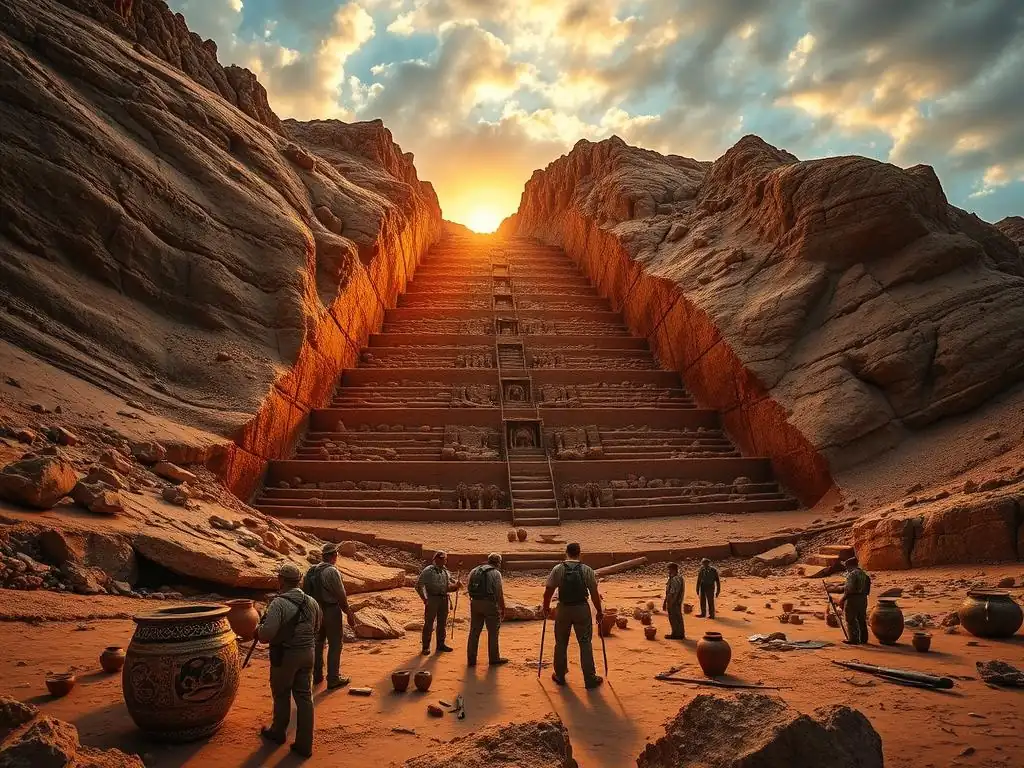
Welcome to ArchaeologyHub.org, your portal to unlocking the mysteries of the past. Delve into a comprehensive exploration of archaeological wonders, excavation strategies, and the stories they tell. Curious about the intricate web of connections that shaped the Bronze Age? Then prepare to journey into the heart of Central Asia as we examine the critical role of NamazgaTepe in understanding the development and interactions within the Bactria–Margiana Archaeological Complex (BMAC). What secrets does this site hold, and how did it influence the course of civilization? Uncover the answers within!
- Introduction: NamazgaTepe and its Significance in Bronze Age Central Asia
- NamazgaTepe's Contribution to Understanding BMAC Development
- NamazgaTepe Bronze Age Interactions: Trade, Exchange, and Cultural Influence
- NamazgaTepe's Social and Economic Structure: Insights from Archaeological Evidence
- The Decline of NamazgaTepe: Factors Contributing to its Abandonment
- Reassessing NamazgaTepe's Legacy: Its Impact on the Development of Central Asian Civilizations
- Conclusion: NamazgaTepe as a Cornerstone of BMAC Studies and Bronze Age Interaction Research
-
Frequently Asked Questions
- What is the significance of Namazga-Tepe in understanding the Bronze Age?
- How does Namazga-Tepe relate to the Bactria–Margiana Archaeological Complex (BMAC)?
- What types of artifacts have been discovered at Namazga-Tepe, and what do they tell us?
- What excavation techniques are being used at Namazga-Tepe to uncover new information?
- How does ArchaeologyHub.org categorize the information it provides about Namazga-Tepe?
- Final Reflection: Unveiling the Threads of Bronze Age Connectivity
- Unearth Your Inner Archaeologist!
Introduction: NamazgaTepe and its Significance in Bronze Age Central Asia
Locating NamazgaTepe: Geographical Context and Archaeological Importance
NamazgaTepe is a monumental archaeological site located in the fertile piedmont zone of the Kopet Dag mountain range in southwestern Turkmenistan. Situated approximately 150 kilometers southeast of Ashgabat, its strategic position allowed it to exploit both mountain resources and the agricultural potential of the alluvial plains. This location was crucial, providing access to perennial water sources from the mountains and facilitating connections with broader Bronze Age trade networks across Central Asia.
The site itself is an impressive tell, a mound formed by centuries of human occupation, spanning an area of roughly 70 hectares and rising over 30 meters above the surrounding plain. Its sheer size and the depth of its archaeological layers testify to a long and continuous occupation, making it one of the most significant sites for understanding the cultural evolution of the region from the Chalcolithic through the Bronze Age. NamazgaTepe's prominence as a major settlement for millennia underscores its pivotal role in the development of early complex societies in Central Asia.
NamazgaTepe's Chronological Framework: Placing it within the Bronze Age Timeline
The archaeological sequence at NamazgaTepe is divided into six main periods, Namazga I through Namazga VI, which collectively span from approximately 4800 BCE to 1800 BCE. While earlier phases (Namazga I-IV) represent Neolithic and Chalcolithic developments, it is the later periods, particularly Namazga V, that are most relevant to the Bronze Age and the rise of the Bactria-Margiana Archaeological Complex (BMAC). Namazga V, broadly dated from around 2800 to 2200 BCE, marks the site's peak as a major urban center.
During the Namazga V period, the settlement reached its greatest extent and population density, exhibiting clear signs of social stratification, advanced craft specialization, and extensive long-distance NamazgaTepe Bronze Age interactions. This phase directly precedes and overlaps with the early development of the BMAC, making NamazgaTepe an essential reference point for understanding the socio-economic and cultural foundations upon which the BMAC later flourished. The site's long occupational history provides an unparalleled chronological anchor for regional studies.
NamazgaTepe's Contribution to Understanding BMAC Development
The BMAC (Bactria-Margiana Archaeological Complex): An Overview
The Bactria-Margiana Archaeological Complex, often referred to as the Oxus Civilization, was a major Bronze Age culture flourishing in Central Asia from approximately 2200 to 1700 BCE. Geographically, it encompassed vast areas of present-day Turkmenistan (Margiana), Uzbekistan, Afghanistan (Bactria), and Tajikistan, centered around the Amu Darya (Oxus River) basin. The BMAC is characterized by large, often fortified, urban or proto-urban settlements such as Gonur Depe and Togolok Depe in Margiana and Dashly in Bactria.
Key features of the BMAC include distinctive wheel-made pottery, elaborate bronze and copper artifacts, carved stone vessels, and a rich array of stamp and cylinder seals often depicting mythological creatures and ritual scenes. Evidence suggests sophisticated irrigation systems supported intensive agriculture, while a robust network of NamazgaTepe Bronze Age interactions facilitated trade in exotic materials like lapis lazuli, turquoise, and carnelian. The BMAC represents a significant chapter in the development of complex societies in the Eurasian steppes and deserts.
NamazgaTepe as a Key Site for Understanding BMAC Origins
NamazgaTepe holds a crucial position in the discourse surrounding the origins and early development of the BMAC. Specifically, the Namazga V period is often considered a direct precursor, or even an early manifestation, of certain BMAC traits. During this phase, NamazgaTepe exhibited characteristics that would become hallmarks of later BMAC sites, including increased population size, evidence of urban planning, specialized craft production, and a more complex social hierarchy.
Archaeological findings from Namazga V demonstrate a trajectory towards the urbanism and sophisticated material culture seen in the mature BMAC. While the core BMAC sites emerged in the desert oases further east, NamazgaTepe's earlier development of complex social structures and long-distance trade networks provided a foundational model. It suggests that the socio-economic innovations observed in the BMAC did not appear in a vacuum but built upon centuries of cultural evolution, with NamazgaTepe being a prime example of this formative process.
Architectural Developments at NamazgaTepe: Insights into Early BMAC Urbanism
The architectural remains at NamazgaTepe, particularly from the Namazga V period, offer valuable insights into the nascent stages of urbanism in Central Asia, foreshadowing patterns seen in later BMAC settlements. Excavations have revealed evidence of substantial, multi-roomed adobe brick structures, indicative of permanent and organized habitation. Some areas suggest a degree of planned layout, with distinct residential and possibly workshop zones, reflecting a more complex societal organization than earlier periods.
While not as heavily fortified as some later BMAC sites like Gonur Depe, NamazgaTepe's sheer scale and the density of its construction demonstrate a significant population concentration and the ability to organize large-scale building projects. The presence of monumental structures and large residential compounds suggests developing social stratification, where certain households commanded greater resources and labor. This architectural evolution at NamazgaTepe provides a tangible link between earlier village cultures and the sophisticated urban centers of the mature BMAC.
Material Culture at NamazgaTepe: Pottery, Metals, and Crafts
The material culture recovered from NamazgaTepe offers a rich tapestry of its technological advancements and aesthetic preferences, particularly during the Namazga V period. Pottery, a ubiquitous artifact, transitioned from hand-made wares to predominantly wheel-made vessels, often featuring distinctive painted geometric designs or burnished surfaces. These highly standardized ceramics suggest specialized production and widespread distribution, indicating economic complexity.
Beyond pottery, NamazgaTepe was a significant center for metallurgy. Archaeological evidence includes numerous copper and bronze artifacts, such as tools (axes, chisels), weapons (daggers), and ornaments (pins, rings). The presence of slag, crucibles, and molds points to local production and a sophisticated understanding of metalworking techniques, including the use of arsenical copper and later, tin bronze. Other crafts, like the production of terracotta figurines, carved stone objects, and seals, further highlight the site's role as a hub for skilled artisans and a participant in extensive NamazgaTepe Bronze Age interactions.
NamazgaTepe Bronze Age Interactions: Trade, Exchange, and Cultural Influence
Evidence for Trade Networks: Identifying Imported Goods at NamazgaTepe
NamazgaTepe's strategic location facilitated its integration into extensive Bronze Age trade networks, evidenced by the discovery of numerous imported goods. Lapis lazuli, a highly prized blue stone, found at the site likely originated from the Badakhshan mines in northeastern Afghanistan, over 1000 kilometers away. Similarly, turquoise, another semi-precious stone, was probably sourced from mines in the Iranian Plateau.
Further evidence of long-distance NamazgaTepe Bronze Age interactions includes carnelian beads, some of which exhibit distinctive etched patterns characteristic of the Indus Valley Civilization. Shells from the Persian Gulf or Indian Ocean have also been recovered, indicating connections to distant maritime trade routes. The presence of these exotic materials underscores NamazgaTepe's role not just as a consumer, but as a central node in the complex web of raw material and finished goods exchange across the ancient Near East and Central Asia.
NamazgaTepe's Role in the Interregional Exchange of Resources
NamazgaTepe functioned as a critical nexus for the interregional exchange of both raw materials and finished products during the Bronze Age. Beyond importing exotic goods, the site likely exported its own specialized products, such as high-quality agricultural surpluses (e.g., grains from its fertile plains) and possibly locally produced metal goods or distinctive pottery. Its position at the foot of the Kopet Dag also meant potential access to local mineral resources, which could have been processed and traded.
The site's substantial population and evidence of specialized craft production suggest it had the capacity to produce goods beyond local consumption, making it an active participant in regional economies. NamazgaTepe's participation in these extensive NamazgaTepe Bronze Age interactions illustrates its economic vitality and its role in connecting diverse cultural zones, facilitating the flow of ideas and technologies alongside material wealth. This exchange was vital for its sustained growth and influence.
Cultural Influences on NamazgaTepe: Tracing Interactions with Neighboring Cultures
NamazgaTepe, as a major hub, absorbed and adapted cultural influences from various neighboring regions, reflecting its dynamic NamazgaTepe Bronze Age interactions. These influences are evident in its material culture, architectural styles, and possibly social practices. The site served as a melting pot where diverse traditions converged and contributed to its unique cultural identity.
Connections with the Iranian Plateau
Evidence of strong connections with the Iranian Plateau is particularly pronounced in the pottery traditions of NamazgaTepe. Specific types of grey wares found at the site show striking similarities to those from sites like Tepe Hissar III in northeastern Iran, suggesting either direct trade in ceramics or the movement of potters and technological ideas. Certain metal artifact forms and seal motifs also echo contemporary styles found across the Iranian Plateau, pointing to sustained cultural exchange and shared artistic trends. This interaction was a significant factor in shaping NamazgaTepe's material culture.
Links to the Indus Valley Civilization
While less direct than its Iranian connections, NamazgaTepe also shows intriguing links to the distant Indus Valley Civilization. The most compelling evidence lies in the discovery of etched carnelian beads, a hallmark product of Indus workshops, which have been found at NamazgaTepe. These items likely arrived through a series of intermediaries, highlighting the vast reach of the Bronze Age trade networks and the complex chain of NamazgaTepe Bronze Age interactions. The presence of such exotic goods underscores the site's participation in a truly intercontinental exchange system.
Evidence of Interaction with Steppe Cultures
Interaction with the nomadic and semi-nomadic steppe cultures to the north is also discernible, albeit sometimes subtly, in the archaeological record of NamazgaTepe. While the core of NamazgaTepe culture was sedentary and agricultural, certain metal types or stylistic elements found at the site may reflect exchanges with groups from the Eurasian steppes, such as the early Sintashta or Andronovo cultures.
The presence of horse bones, though not conclusive of direct cultural adoption, points to potential animal exchange and increasing mobility in the broader region. These interactions could have involved trade in animal products or even the exchange of metallurgical knowledge, further broadening the scope of NamazgaTepe Bronze Age interactions.
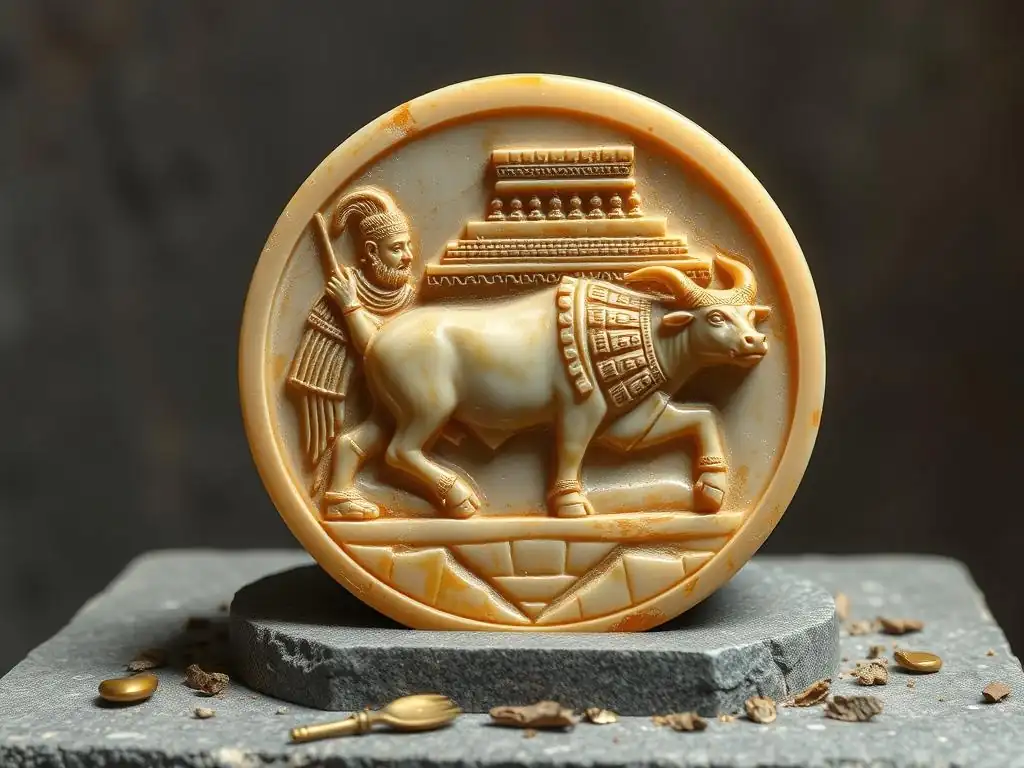
Archaeological evidence from NamazgaTepe points towards a distinct social stratification emerging during its Bronze Age phases, particularly Namazga V. This is primarily inferred from disparities in burial practices; some graves contain rich assemblages of grave goods, including elaborate metal artifacts, imported precious stones like lapis lazuli, and fine pottery, while others are notably simpler with minimal offerings. Such differences suggest varying levels of wealth and status among the population.
Furthermore, the settlement patterns within NamazgaTepe show a differentiation in residential structures. Excavations have revealed larger, more complex architectural units, possibly belonging to elite families, contrasting with smaller, less elaborate dwellings. This spatial segregation, coupled with the varied burial wealth, indicates a hierarchical society where certain individuals or families held greater economic and social power, managing resources and orchestrating aspects of NamazgaTepe Bronze Age interactions.
Economic Activities at NamazgaTepe: Agriculture, Craft Production, and Trade
The economy of NamazgaTepe was multifaceted, built upon a strong agricultural base complemented by specialized craft production and extensive trade networks. Evidence from paleobotanical remains indicates the cultivation of staple crops such as wheat and barley, while zooarchaeological findings confirm the importance of animal husbandry, particularly sheep, goats, and cattle. While direct evidence for large-scale irrigation systems at NamazgaTepe itself is limited, the sheer productivity required to sustain such a large population strongly implies sophisticated water management in the surrounding fertile plains.
Beyond subsistence, NamazgaTepe was a hub for various craft industries. Dedicated workshops for pottery production, evidenced by kilns and large quantities of sherds, indicate a high degree of specialization. Metallurgy, as previously noted, was advanced, with local production of copper and bronze tools and ornaments. These locally manufactured goods, alongside agricultural surpluses, formed the basis for NamazgaTepe's participation in regional and long-distance NamazgaTepe Bronze Age interactions, exchanging goods for exotic materials and fostering economic growth.
The Role of Elites at NamazgaTepe: Power, Control, and Resource Management
The emerging elites at NamazgaTepe played a crucial role in the management of resources, control of production, and the organization of extensive trade networks. Their power was likely derived from their ability to organize labor for agricultural intensification, supervise specialized craft production, and facilitate the movement of goods, including high-value imports like lapis lazuli. The presence of administrative artifacts, such as stamp seals, though less numerous than in later BMAC sites, suggests a system for control over resources and transactions.
These elites likely resided in the larger, more elaborate houses identified in the archaeological record and were accorded more prestigious burials, reflecting their elevated status. Their capacity to accumulate wealth, evidenced by luxury goods in their graves, points to their central role in orchestrating the complex economic and social life of NamazgaTepe. Their involvement was instrumental in driving the flourishing NamazgaTepe Bronze Age interactions and shaping the site's trajectory towards proto-urban complexity.
The Decline of NamazgaTepe: Factors Contributing to its Abandonment
Environmental Changes and their Impact on NamazgaTepe
The decline of NamazgaTepe, particularly after the Namazga V period, appears to be influenced by a combination of factors, including environmental changes. Paleoclimatic data for the wider Central Asian region suggests a period of increasing aridity around the late 3rd and early 2nd millennia BCE. Such shifts in climate could have led to decreased rainfall and changes in the availability of water from the Kopet Dag foothills, putting significant strain on the agricultural productivity that sustained NamazgaTepe's large population.
Reduced water resources would have severely impacted crop yields and pasture for livestock, potentially leading to food shortages and increased pressure on the existing population. While not necessarily a catastrophic event, a gradual desiccation could have rendered large-scale sedentary occupation unsustainable in the long term, prompting a slow abandonment of the site as inhabitants sought more favorable environmental conditions. This environmental stress likely contributed to a shift in regional settlement patterns and the eventual decline of NamazgaTepe.
Socio-Political Instability and its Role in the Decline
Beyond environmental pressures, socio-political instability likely played a significant role in the decline and eventual abandonment of NamazgaTepe. As the site reached its peak during Namazga V, the increasing complexity and scale of its society might have also led to internal tensions or external pressures. The emergence of new, powerful centers further east in the Margiana delta, such as Gonur Depe, could have shifted the regional balance of power, diminishing NamazgaTepe's economic and political influence as a central hub for NamazgaTepe Bronze Age interactions.
Competition for resources, trade routes, or even direct conflict with emerging groups could have destabilized the region. While direct evidence of warfare is limited, the general trend of population shifts and the rise of new dominant centers suggest a dynamic and potentially volatile socio-political landscape. This combination of internal challenges and external competition contributed to the gradual weakening of NamazgaTepe's prominence and its eventual decline as a major urban center.
The Transition from NamazgaTepe to Later Bronze Age Cultures
The decline of NamazgaTepe was not an abrupt collapse but rather a gradual transition, marking a shift in the regional cultural landscape. While the site itself saw a reduction in occupation and eventual abandonment as a major center, its legacy endured and contributed to the subsequent development of Bronze Age cultures, particularly the mature BMAC. Populations from NamazgaTepe and other Kopet Dag settlements likely migrated eastward towards the more fertile and well-watered oases of Margiana and Bactria.
These migrating groups would have carried with them the accumulated knowledge, technologies, and social structures developed over centuries at sites like NamazgaTepe. This demographic and cultural movement contributed directly to the florescence of the BMAC, which adopted and further developed many of the proto-urban characteristics, craft traditions, and long-distance NamazgaTepe Bronze Age interactions that had been pioneered in the Kopet Dag region. Thus, NamazgaTepe's decline was part of a larger regional transformation rather than an isolated collapse.
Reassessing NamazgaTepe's Legacy: Its Impact on the Development of Central Asian Civilizations
NamazgaTepe's Contribution to Understanding Early Urbanism in Central Asia
NamazgaTepe stands as a monumental testament to the early development of urbanism in Central Asia, providing critical insights into the processes that led to complex societies in the region. Its long sequence of occupation, culminating in the vast proto-urban settlement of Namazga V, demonstrates a gradual progression from small agricultural villages to a large, densely populated center with specialized craft production and social stratification. This evolutionary trajectory offers a unique window into how early urban characteristics coalesced over millennia.
The site’s architectural developments, evidence of organized labor, and the management of resources for a substantial population highlight the foundational aspects of urban living that emerged here. NamazgaTepe served as a crucial laboratory for the social, economic, and political innovations that would later characterize the more widespread and well-known BMAC sites. Its study is indispensable for understanding the indigenous roots of Central Asian urbanism, predating and influencing later developments in the region.
The Enduring Influence of NamazgaTepe's Material Culture
The material culture of NamazgaTepe, particularly from the Namazga V period, exerted a significant and enduring influence on subsequent Bronze Age cultures in Central Asia, especially the nascent BMAC. The distinctive wheel-made pottery styles, often featuring specific shapes and decorative motifs, can be traced in later ceramic traditions across the region. Similarly, the advanced metallurgical techniques developed at NamazgaTepe, including the production of specific bronze artifacts, provided a technological blueprint for future metalworking centers.
Even aspects of its iconography, as seen on seals and terracotta figurines, may have contributed to the rich artistic repertoire of the BMAC. This cultural diffusion indicates that the knowledge and skills cultivated at NamazgaTepe were not confined to the site but spread through migration and continued NamazgaTepe Bronze Age interactions, shaping the broader cultural landscape of Bronze Age Central Asia. The site's material legacy underscores its role as a cultural innovator and disseminator.
Future Research Directions: Unanswered Questions and Opportunities for Further Investigation
Despite extensive research, NamazgaTepe continues to present numerous unanswered questions, offering fertile ground for future archaeological investigation. A more precise and refined chronological framework, utilizing advanced dating techniques, could further clarify the exact timing and nature of its interactions with other regions and its role in BMAC formation. Detailed paleobotanical and zooarchaeological studies, focusing on environmental reconstruction and agricultural practices, could shed more light on the environmental factors contributing to its long-term sustainability and eventual decline.
Exploring the peripheral settlements and agricultural hinterlands surrounding NamazgaTepe could provide a more comprehensive understanding of its economic organization and population dynamics. Furthermore, the application of new technologies, such as remote sensing, LiDAR, and isotopic analysis of human and animal remains, holds immense potential to reveal previously hidden architectural features, track population movements, and reconstruct the diet and trade networks involved in NamazgaTepe Bronze Age interactions with unprecedented detail.
Conclusion: NamazgaTepe as a Cornerstone of BMAC Studies and Bronze Age Interaction Research
NamazgaTepe stands as an indispensable archaeological site, serving as a cornerstone for understanding the complex trajectory of Bronze Age Central Asia and the origins of the Bactria-Margiana Archaeological Complex. Its long and rich occupational sequence, particularly the Namazga V period, provides invaluable insights into the indigenous development of proto-urbanism, sophisticated craft production, and complex social structures that laid the groundwork for later civilizations in the region. The site demonstrates a remarkable capacity for innovation and adaptation over millennia.
Crucially, NamazgaTepe's extensive NamazgaTepe Bronze Age interactions, evidenced by the flow of exotic goods and cultural influences, highlight its pivotal role as a nexus within a vast interregional network connecting the Iranian Plateau, the Indus Valley, and the Eurasian steppes. Its study not only illuminates the internal dynamics of a major Bronze Age center but also reveals the interconnectedness of ancient societies across vast distances. Ultimately, NamazgaTepe remains a key to unlocking the broader narrative of cultural development and interaction in Bronze Age Central Asia.
Frequently Asked Questions
What is the significance of Namazga-Tepe in understanding the Bronze Age?
Namazga-Tepe is a crucial site for understanding Bronze Age Central Asian interaction and the development of complex societies. Its remains offer valuable insights into urban planning, trade networks, and social structures.
How does Namazga-Tepe relate to the Bactria–Margiana Archaeological Complex (BMAC)?
Namazga-Tepe provides essential context for understanding the BMAC's formative stages. Archaeological evidence suggests connections through trade and cultural exchange, though the exact nature of their relationship is still debated.
What types of artifacts have been discovered at Namazga-Tepe, and what do they tell us?
Artifacts include pottery, metal tools, and evidence of agricultural practices, showcasing the technological advancements and economic activities of the time. These finds help reconstruct daily life and trade patterns.
What excavation techniques are being used at Namazga-Tepe to uncover new information?
Modern excavation techniques, including stratigraphic analysis and remote sensing, are employed to meticulously document the site. These methods help to reconstruct the chronological sequence of occupation and understand spatial relationships.
How does ArchaeologyHub.org categorize the information it provides about Namazga-Tepe?
ArchaeologyHub.org organizes information about Namazga-Tepe by geographic region (Central Asia) and time period (Bronze Age). This systematic approach allows users to easily access and compare information across different sites and cultures.
Final Reflection: Unveiling the Threads of Bronze Age Connectivity
The preceding exploration of Namazga-Tepe's significance within the Bronze Age Bactria-Margiana Archaeological Complex (BMAC) underscores its enduring relevance. Today, understanding these ancient interactions is not merely an academic exercise; it's about deciphering the roots of cultural exchange and technological diffusion that continue to shape our interconnected world. The story of Namazga-Tepe reminds us that even in the distant past, societies were not isolated entities, but rather vibrant nodes within complex networks of trade, migration, and innovation.
The legacy of Namazga-Tepe, and the BMAC as a whole, profoundly influences our understanding of early urbanism and societal development in Central Asia. Its intricate material culture and evidence of sophisticated social organization challenge simplistic narratives of progress and remind us of the diverse pathways that civilizations have taken. The past is never dead. It's not even past.
- William Faulkner. This quote resonates deeply when considering Namazga-Tepe, as its story continues to inform our perspective on the dynamics of cultural interaction and the enduring power of human ingenuity.
As we conclude this journey through the Bronze Age landscape of Namazga-Tepe, consider the lessons embedded within its ancient walls. Reflect on the intricate web of interactions that connected this site to distant lands and cultures. How can we apply this understanding of interconnectedness to foster greater collaboration and understanding in our own lives and communities? Let the story of Namazga-Tepe inspire you to appreciate the richness of human history and to actively contribute to a future where cultural exchange and mutual respect thrive.
Unearth Your Inner Archaeologist!
Thank you for exploring the mysteries of Namazga-Tepe with us! We hope this journey into the heart of BMAC development has sparked your curiosity about the ancient world. Now, it's time to translate that knowledge into action.
Here's how you can continue the adventure:
- Dive deeper: Embark on a virtual excavation by researching other BMAC sites and comparing their findings to Namazga-Tepe’s unique features.
- Share your newfound knowledge: Spread the word about Namazga-Tepe’s significance by discussing its role within the BMAC with friends, family, or colleagues.
- Explore related topics: Investigate the metallurgy and trade networks of the BMAC to understand how Namazga-Tepe interacted with neighboring cultures.
What single aspect of Namazga-Tepe’s influence on BMAC culture most fascinates you, and why?