Explore the Lost Capitals of the Kushite Empire: Meroe & Beyond
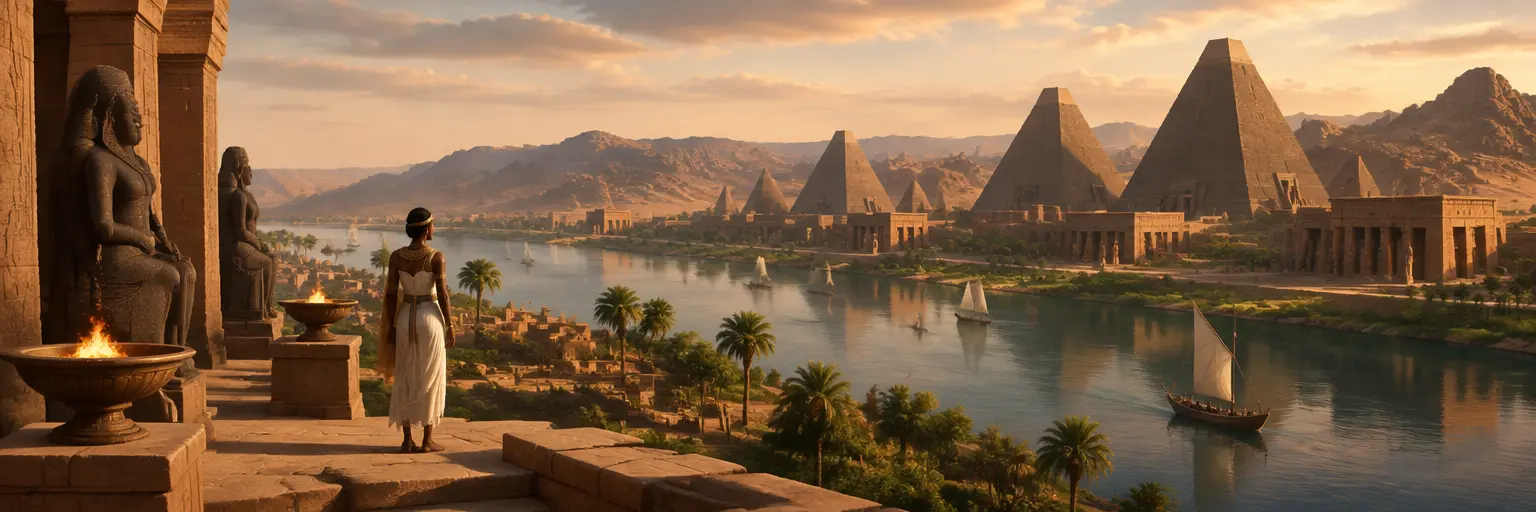
Journey deep into the sands of Nubia with ArchaeologyHub.org’s definitive guide to the African Sites: Meroe & Kushite Capitals subcategory. Here, we unravel the mysteries of the Kingdom of Kush, a powerful ancient civilization that once ruled Egypt and dominated the Nile Valley. From the enigmatic pyramids of Meroe to the religious heartland at Jebel Barkal, this collection offers detailed excavation analyses, artifact profiles, and historical timelines. Perfect for students, historians, and digital explorers, this taxonomy node provides a gateway to understanding how these African capitals shaped the ancient world’s political and cultural landscape.
🏛️ The Rise of Kush: From Napata to Meroe
Discover how the Kushite capitals transitioned from the sacred city of Napata to the industrial and trade hub of Meroe. This section traces the political shifts, royal succession, and economic factors that drove the kingdom’s center of power southward after the Assyrian conquest of Egypt. Expect detailed maps of the Nile’s bend, archival records of royal inscriptions, and analysis of the military and agricultural strategies that sustained Kush for over a millennium. You will also uncover how Meroe’s iron smelting and elephant trade routes made it a nexus of Afro-Mediterranean commerce.
Our interpretive content connects archaeological findings, such as the Amun temples and royal cemeteries, to broader narratives of state formation. Learn how the Kushite kings, known as the "Black Pharaohs," deliberately archaized Egyptian culture while developing a unique script still undeciphered. Each article highlights recent radiocarbon dating and ceramic typology, giving you a data-rich perspective on urban growth and rural hinterlands. Whether you are researching the 25th Dynasty or late-period nomadic interactions, this foundational section is your starting point for all things Kushite.
🔺 Meroe’s Pyramids: Tombs of the Black Pharaohs
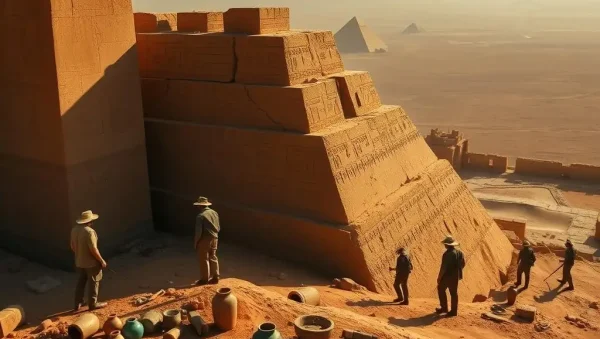
Marvel at over 200 steep-sided pyramids that dot the royal burial grounds of Meroe, a UNESCO World Heritage Site. Unlike Egyptian pyramids, these later structures feature distinctive narrow bases and decorative chapels, reflecting a blend of indigenous Nubian and pharaonic traditions. Here, you will find site plans, 3D reconstruction models, and detailed inventories of grave goods—from gold jewelry and iron weaponry to imported amphorae. This subcategory also highlights the recent excavations by international missions that using ground-penetrating radar to locate unopened tombs beneath the sand.
Our content goes beyond mere tomb descriptions, analyzing the iconography of lion-headed gods (Apedemak) and royal sacrifice practices. Expect expert commentary on how Meroitic rulers used monumental architecture to legitimize power, control religious ideology, and integrate conquered territories. For travel enthusiasts, we offer virtual tour suggestions and conservation updates, making this a perfect resource for pre-visit research or armchair exploration. You will gain a clear understanding of the necropolis’s spatial hierarchy, from the southern royal cemetery to the elite and commoner burials on the eastern slopes.
⚡ Jebel Barkal: The Holy Mountain and Amun’s Throne
Uncover the sacred landscape of Jebel Barkal, a sandstone butte believed to be the dwelling place of the god Amun and the birthplace of kingship for the Kushite state. This topic area focuses on the temple complex, including the Great Amun Temple, the massive natural rock arch, and the associated “Tomb of the Dogs.” You will explore how pilgrimage routes, oracle consultations, and coronation rituals transformed this isolated mountain into the spiritual capital of Kush. Our articles include high-resolution photogrammetry and translated stelae that reveal the royal propaganda of pharaohs like Taharqa and Aspelta.
We also examine the symbology of the cobra (uraeus) carved into the cliff face, which legitimized the Kushite claim to rule all of Egypt. For those interested in comparative religion, this section contrasts Jebel Barkal’s theological role with the temples at Karnak and Amara West. Through excavation diaries and archival photographs from the early 20th century, you will see how Western explorers misinterpreted these sites before modern Sudanese archaeologists reclaimed their heritage. Expect clear timelines connecting Napatan dynastic sequences to Levantine and Persian interactions.
🏺 Artifacts & Daily Life in Kushite Capitals
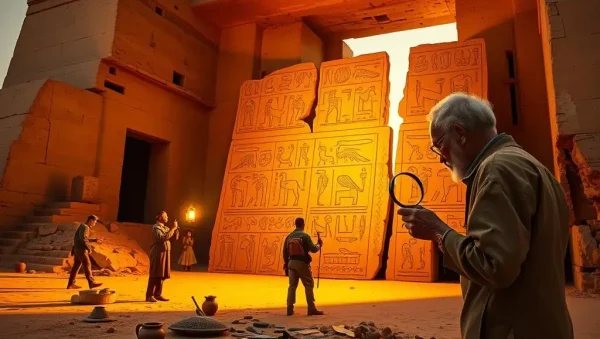
Delve into the material culture of Meroe and Napata through our curated artifact galleries—from polychrome pottery, faience amulets, and bronze oil lamps to graffiti-ostraca and archer’s thumb rings. This section provides artifact-by-artifact breakdowns, including their manufacturing techniques, trade origins, and use in ceremonial or domestic contexts. You will learn how Meroitic script appears on lions’ sculptures and stele, and how iconographic motifs like the elephant, giraffe, and palm frond reflect local ecology. Each entry is linked to excavation unit numbers for easy cross-referencing with published field reports.
Beyond elite objects, we discuss agricultural tools, basketry, and cooking wares recovered from residential quarters, helping you visualize the daily routines of craftsmen, priests, and farmers. Analytical essays address the diet, health, and social stratification revealed through osteological analysis and stable isotope studies. This human-centered approach connects the grand capitals to the ordinary people who sustained them, offering a fresh perspective on urbanism in ancient sub-Saharan Africa. For educators, we provide downloadable teaching kits and activity sheets for classroom use.
📜 Chronology & Global Connections of Kushite Civilizations
This timeline-oriented subcategory places Meroe and other Kushite capitals in a global context, from the first Napatan kings (c. 750 BCE) to the kingdom’s decline around 350 CE after Aksumite invasions. Here, you will find interactive timelines showing political dynasties, climate droughts, and shifts in trade networks with Ptolemaic Egypt, Rome, and the Red Sea ports. We highlight how Meroe’s iron industry, unique architecture, and emerging written language influenced neighboring cultures in East Africa and beyond. Expect comparative tables linking Kushite rulers with contemporaneous Roman emperors and Persian kings.
Our analysis also revisits the decolonization of Nubiology, critiquing early 20th-century frameworks that marginalized African civilizations. By integrating radiocarbon dates, paleobotanical evidence, and numismatic finds, we reconstruct the rise and fall of these capitals within a dynamic system of migration and exchange. You will come away with a nuanced appreciation of how Kushite innovations—such as the waterwheel (saqiya) and barrel-vaulted tombs—later shaped Islamic-era Nubia and Ethiopian kingdoms. This is essential reading for anyone studying Afro-Eurasian connectivity before the rise of Islam.
Frequently Asked Questions
What is the difference between the Kushite capitals of Napata and Meroe?
Napata, located near Jebel Barkal, was the religious and political center from around 750 to 300 BCE, acting as the base for the 25th Dynasty. Meroe, further south, became the capital after 300 BCE, featuring richer iron ore and savanna lands for agriculture, leading to more independent Meroitic culture and a unique script.
Why are Meroe’s pyramids smaller and steeper than Egypt’s?
Meroitic builders used smaller stone blocks and a steeper angle (around 70 degrees) to create a more compact, visually striking silhouette. This likely saved labor and materials while still symbolizing a royal staircase to the sun god, and it also accommodated softer sandstone foundations.
Did the Kushites really conquer Egypt?
Yes, from approximately 747 to 656 BCE, the Kushite kings of Napata conquered and ruled Egypt as the 25th Dynasty, spanning from Nubia to the Nile Delta. They revived Egyptian art, religion, and pyramid-building after a period of fragmentation, but were later driven out by the Assyrian invasions.
What is the Meroitic script and can we read it?
The Meroitic script is an alphanumeric syllabary developed around 200 BCE, derived from Egyptian hieroglyphs. While the signs are deciphered, the underlying language (a Nilo-Saharan or Afro-Asiatic tongue) remains poorly understood due to a lack of bilingual texts and a limited corpus of long inscriptions.
Can I visit the Meroe pyramids today?
Yes, the Meroe pyramids and other Kushite sites are open to the public in Sudan. The pyramids of Meroe, roughly 200 kilometers north of Khartoum, feature accessible chambers, a small museum, and guided camel tours. Always check the latest security and travel advisories from your local government before planning a visit.