
Unveiling Ancient Nubia: The Archaeological Importance of Meroe and Kushite Capitals

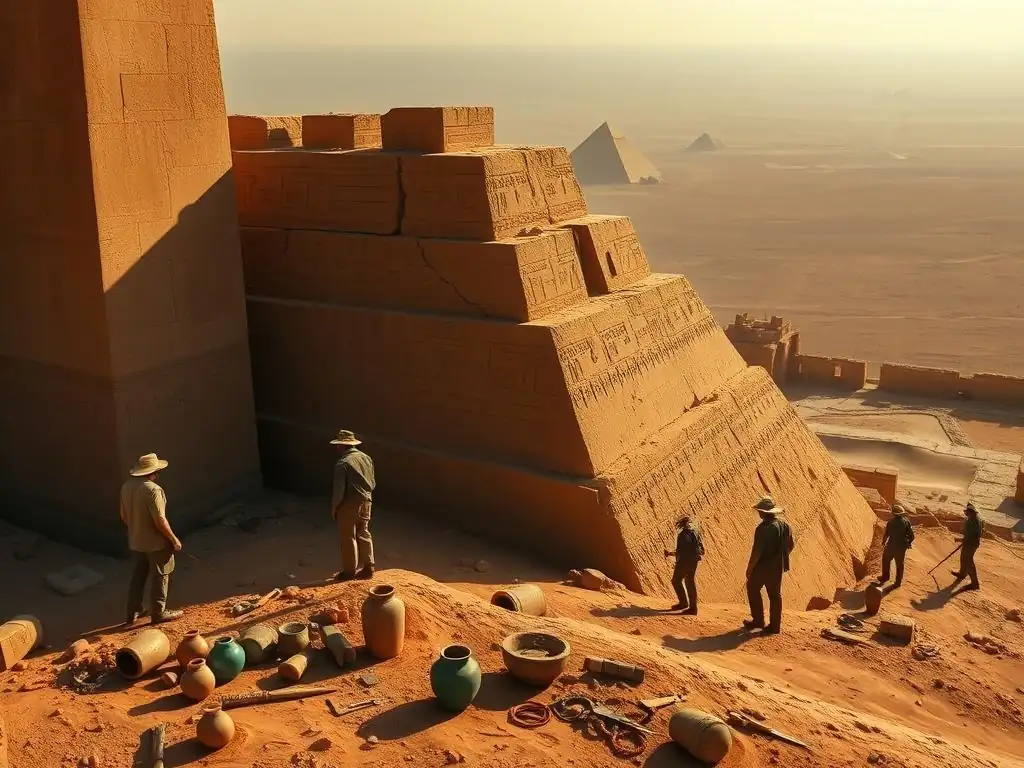
Welcome to ArchaeologyHub.org, your gateway to the world's hidden past! Are you ready to delve into the sands of time? This week, we're shining a spotlight on a fascinating civilization: the Kingdom of Kush. Prepare to be amazed as we explore the significance of Meroe Kushite archaeological discoveries and their profound impact on our understanding of ancient Nubia. What secrets lie buried beneath the pyramids and temples of this forgotten empire? Let's unearth them together and embark on a journey of discovery!
- Introduction to Meroe and the Kingdom of Kush: An Archaeological Overview
- Meroe: A Capital City of Innovation and Power
- Kushite Capitals Beyond Meroe: Napata and Other Key Archaeological Sites
- Key Meroe Kushite Archaeological Discoveries: Unearthing Nubian History
- The Significance of Meroe and Kushite Capitals in African Archaeology
- Meroe Kushite Archaeological Research: Ongoing Projects and Future Directions
- Conclusion: The Enduring Archaeological Value of Meroe and Kushite Capitals
-
Frequently Asked Questions
- What is the significance of Meroe in the context of Kushite history?
- What types of archaeological discoveries have been made at Meroe?
- How do archaeological findings at Meroe contribute to our understanding of the Kushite language and writing system?
- How did the geographic location of Meroe influence its development and interactions with other ancient civilizations?
- What excavation techniques are commonly used to uncover and preserve artifacts at Meroe and other Kushite sites?
- Final Reflection: Echoes of Kush, Whispers of Tomorrow
- Rediscover Nubia: Your Journey Starts Now!
Introduction to Meroe and the Kingdom of Kush: An Archaeological Overview
Locating Meroe: Geographical Significance and Strategic Importance
Meroe, an ancient city of immense archaeological importance, is strategically situated on the east bank of the Nile River, approximately 200 kilometers north-east of Khartoum, Sudan. Its location between the 5th and 6th cataracts of the Nile provided natural defenses and controlled vital north-south riverine trade routes. This geographical advantage allowed Meroe to flourish as a powerful center, connecting the Mediterranean world with Sub-Saharan Africa.
The city's position also granted access to crucial resources, notably extensive iron ore deposits and timber for charcoal, essential for smelting. This resource abundance, combined with its control over trade networks extending to the Red Sea and deep into the African interior, facilitated Meroe's rise as a significant economic and political power. The evidence of these activities is a key aspect of Meroe Kushite archaeological discoveries.
The Kingdom of Kush: A Timeline of Power and Influence in Ancient Nubia
The Kingdom of Kush represents one of Africa's longest-lasting and most influential civilizations, spanning over 1,400 years from roughly 1000 BCE to 350 CE. Its history is typically divided into three main periods: the Napatan period (c. 750–300 BCE), when Kushite kings ruled Egypt as the 25th Dynasty, and the Meroitic period (c. 300 BCE–350 CE), centered at Meroe.
During its zenith, particularly in the 8th and 7th centuries BCE, Kush exerted significant control over Egypt, a testament to its formidable military and cultural prowess. Even after retreating from Egypt, the kingdom maintained its independence and developed a distinctive culture, art, and writing system, which are continually illuminated by Meroe Kushite archaeological discoveries.
The Sudan National Museum and the Study of Ancient Nubia
The Sudan National Museum in Khartoum serves as the principal repository for the vast array of Meroe Kushite archaeological discoveries unearthed across ancient Nubia. Established in 1971, the museum houses artifacts spanning various periods of Sudanese history, with a particular emphasis on the Kingdom of Kush. Its collection includes monumental statues, exquisite jewelry, and intricate pottery from sites like Kerma, Napata, and Meroe.
A significant portion of the museum's collection comprises objects salvaged during the international campaign to save monuments threatened by the construction of the Aswan High Dam in the 1960s. These efforts ensured the preservation of invaluable cultural heritage, providing researchers and the public with unparalleled insights into the rich history and sophisticated achievements of ancient Nubian civilizations.
Meroe: A Capital City of Innovation and Power
Unearthing Meroe's Royal City: Layout and Architectural Marvels
Archaeological excavations at Meroe have revealed a sprawling urban complex, comprising a royal city, a sacred city, and extensive residential areas. The royal city, enclosed by a perimeter wall, features palaces, administrative buildings, and the impressive Royal Baths, which showcase a blend of Egyptian, Hellenistic, and indigenous architectural styles. The layout suggests careful planning and a sophisticated understanding of urban development.
Among the architectural marvels, the Sun Temple (Temple of Amun) stands out, reflecting the enduring influence of Egyptian religious practices while incorporating unique Meroitic elements. The discovery of various workshops, storage facilities, and elaborate residential structures within the city limits provides crucial insights into the daily life, economic activities, and social stratification of Meroitic society, forming a significant part of Meroe Kushite archaeological discoveries.
Meroitic Pyramids: Exploring the Royal Burial Grounds of Meroe
The necropolis of Meroe is famed for its distinctive pyramids, which number over 200 and are grouped into three main cemeteries: the North, South, and West fields. Unlike the massive pyramids of Egypt, Meroitic pyramids are generally smaller, with steeper angles, and often feature small offering chapels at their bases. These structures served as the final resting places for Meroitic kings, queens, and high-ranking officials.
Excavations within these pyramids have yielded a wealth of Meroe Kushite archaeological discoveries, including elaborate burial goods such as gold and silver jewelry, pottery, bronze vessels, and funerary stelae. These artifacts provide invaluable information about Meroitic funerary practices, religious beliefs, and the wealth and status of the ruling elite, confirming the advanced craftsmanship of the civilization.
Iron Production in Meroe: Technological Advancement and Economic Power
Meroe was renowned throughout the ancient world as a major center for iron production, leading some scholars to refer to it as the "Birmingham of Africa." Vast slag heaps, some reaching up to 10 meters high and covering several acres, surround the city, indicating large-scale industrial activity. Estimates suggest millions of tons of iron slag were produced over centuries, demonstrating an impressive level of technological advancement in metallurgy.
This extensive iron production fueled Meroe's economic prosperity and provided the kingdom with military superiority through the manufacture of tools and weaponry. The development of sophisticated smelting techniques, possibly involving natural draft furnaces, allowed Meroitic artisans to produce high-quality iron, which was traded across the region. These iron artifacts and production sites are among the most significant Meroe Kushite archaeological discoveries.
Meroitic Script and Language: Deciphering Ancient Nubian Culture
One of the most intriguing aspects of Meroitic culture is its unique script and language. The Meroitic script, which emerged around the 3rd century BCE, is derived from Egyptian hieroglyphs but evolved into two distinct forms: a monumental hieroglyphic script for formal inscriptions and a cursive script for everyday use. Unlike Egyptian hieroglyphs, Meroitic is an alphabet, with 23 signs representing consonants and vowels.
While the script can be read phonetically, the Meroitic language itself remains largely undeciphered, posing a significant challenge to fully understanding the civilization. However, bilingual inscriptions, though rare, and the sheer volume of Meroitic texts found on stelae, offering tables, and temple walls provide crucial insights into Meroitic administration, religious practices, and historical events. Efforts to decipher the language continue to be a priority in Meroe Kushite archaeological discoveries.
Kushite Capitals Beyond Meroe: Napata and Other Key Archaeological Sites
Napata: The Early Kushite Capital and its Religious Significance
Napata served as the initial capital of the Kingdom of Kush, gaining prominence around 750 BCE. Located near the Fourth Cataract of the Nile, it was the political and religious heartland of Kush during its most powerful phase, including the period when its kings ruled Egypt as the 25th Dynasty. The city's primary religious focus was the cult of Amun, centered at the sacred mountain of Gebel Barkal.
The royal cemeteries of El-Kurru and Nuri, situated near Napata, house the pyramids of early Kushite kings, including Taharqa, one of the most prominent pharaohs of the 25th Dynasty. These burial sites have yielded remarkable Meroe Kushite archaeological discoveries, such as exquisite artifacts and skeletal remains, providing insights into the early Kushite monarchy, its Egyptian connections, and its distinctive funerary traditions.
Gebel Barkal: A Sacred Mountain and a Center of Kushite Power
Gebel Barkal, a prominent sandstone mesa rising dramatically from the desert plain, was revered by the ancient Kushites as the dwelling place of the god Amun. This UNESCO World Heritage site was the spiritual and political nexus of the Napatan kingdom and continued to hold immense significance during the Meroitic period. At its base, numerous temples, palaces, and royal residences were constructed over centuries.
The Great Temple of Amun at Gebel Barkal, carved partly into the natural rock of the mountain, is a testament to Kushite architectural and religious devotion. Excavations at the site have uncovered a wealth of statues, altars, and inscriptions that detail the rituals, kingship, and historical events of the Kushite rulers. The sheer volume and quality of Meroe Kushite archaeological discoveries at Gebel Barkal underscore its central role in ancient Nubian civilization.
Musawwarat es-Sufra: Architectural Complex and Elephant Depictions
Musawwarat es-Sufra, located about 180 kilometers northeast of Khartoum, is one of the most enigmatic Meroe Kushite archaeological discoveries. This vast, sprawling complex, built primarily in the Meroitic period, consists of courtyards, temples, and ramps, connected by a labyrinthine network of passages. Its unique layout, without obvious residential areas, has led to various theories about its function, ranging from a pilgrimage site to a royal training ground or even a zoo.
The site is particularly famous for its numerous and detailed depictions of elephants, suggesting a significant role for these animals in Meroitic culture, possibly related to training for transport, warfare, or religious veneration. The absence of similar sites in the region makes Musawwarat es-Sufra a unique window into specific aspects of Meroitic society and ritual, providing ongoing fascination for archaeologists.
Key Meroe Kushite Archaeological Discoveries: Unearthing Nubian History
Recent Excavations and Discoveries at Meroe: New Insights into Kushite Civilization
Ongoing archaeological missions at Meroe, involving teams from Sudan, Germany, France, and other nations, continue to yield significant insights into Kushite civilization. Recent excavations have focused on understanding the urban fabric of the royal city, uncovering previously unknown residential quarters, workshops, and administrative buildings. For instance, detailed surveys have mapped extensive areas, revealing sophisticated water management systems and street layouts.
Further discoveries include unlooted tombs that provide fresh perspectives on Meroitic burial practices and social stratification. These new Meroe Kushite archaeological discoveries often involve advanced techniques like geophysical surveys, allowing archaeologists to identify buried structures without disruptive excavation. Such findings continually refine our understanding of Meroe's daily life, economic activities, and societal organization.
Artifact Analysis: Interpreting Meroitic Pottery, Jewelry, and Metalwork
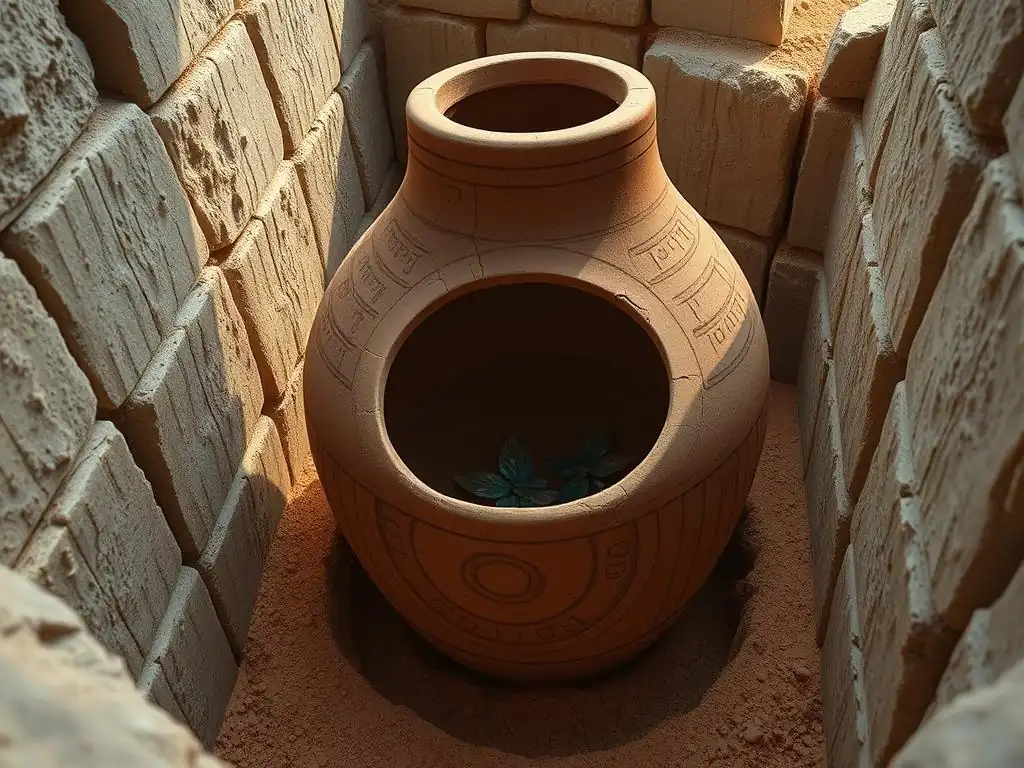
The analysis of artifacts recovered from Meroe and other Kushite sites offers profound insights into the artistic, technological, and cultural achievements of the civilization. Meroitic pottery is particularly distinctive, known for its thin walls, intricate painted decorations featuring geometric patterns, floral motifs, and animal figures. These vessels demonstrate a high level of craftsmanship and reflect cultural exchanges with Egypt and the Hellenistic world.
Jewelry, crafted from gold, faience, carnelian, and other precious materials, showcases elaborate designs and a blend of indigenous and foreign influences. Gold artifacts, in particular, highlight the kingdom's wealth and its access to rich gold mines in the region. Metalwork, especially in bronze and iron, further attests to Meroe's technological prowess, with numerous tools, weapons, and artistic pieces forming vital Meroe Kushite archaeological discoveries that illuminate their daily lives and beliefs.
The Lion Temple of Naqa: Religious Architecture and Cultural Syncretism
The Lion Temple of Naqa, located approximately 50 kilometers south of Meroe, is an outstanding example of Meroitic religious architecture and cultural syncretism. Dedicated to Apedemak, the Meroitic lion-headed war god, the temple's facade features a unique blend of Egyptian, Hellenistic, and indigenous Meroitic artistic styles. Reliefs on its walls depict the Meroitic ruler Natakamani and Queen Amanitore smiting enemies, a motif borrowed from Egyptian pharaonic iconography.
Crucially, the temple walls bear inscriptions in both Egyptian hieroglyphs and Meroitic script, providing invaluable data for the ongoing efforts to decipher the Meroitic language. The vibrant imagery and the architectural fusion at Naqa offer a vivid glimpse into the complex religious beliefs and the sophisticated cultural identity that characterized the Meroitic period, making it a pivotal site for Meroe Kushite archaeological discoveries.
The Significance of Meroe and Kushite Capitals in African Archaeology
Meroe and Kush: Challenging Eurocentric Views of Ancient History
The study of Meroe and the Kingdom of Kush fundamentally challenges Eurocentric narratives that often sideline or underestimate the independent development of complex civilizations in Africa. Kush's long history, its periods of ruling Egypt, its unique cultural innovations (like the Meroitic script), and its advanced metallurgy demonstrate that sophisticated societies flourished in Africa without direct external impetus.
These Meroe Kushite archaeological discoveries provide compelling evidence of a powerful, literate, and artistically rich African civilization that engaged in extensive trade, developed its own distinct political systems, and made significant technological advancements. By highlighting Kush's achievements, archaeologists contribute to a more balanced and comprehensive understanding of global ancient history, acknowledging Africa's central role.
The Legacy of the Kingdom of Kush: Influence on Later African Cultures
The Kingdom of Kush, particularly through its capital Meroe, left a lasting legacy that potentially influenced later African cultures. Its expertise in ironworking, for instance, may have contributed to the spread of advanced metallurgical techniques across the continent. While direct lines of influence are complex to trace, the existence of a powerful, long-lived kingdom in Nubia undoubtedly shaped regional trade networks, cultural exchanges, and political developments.
Elements of Kushite artistic styles, religious practices, and political structures might be discerned in subsequent Nubian kingdoms, such as Makuria and Alodia, and possibly in other parts of Sub-Saharan Africa. The enduring power of Kush serves as a foundational chapter in African history, demonstrating the continent's capacity for sustained political organization and cultural innovation.
Preserving Meroe's Archaeological Heritage: Challenges and Opportunities
Preserving the invaluable archaeological heritage of Meroe and other Kushite capitals faces significant challenges. Natural erosion from wind and infrequent but intense rainfall, coupled with the threat of illegal looting and encroachment from modern development, constantly endangers these fragile sites. Climate change also poses a growing risk, with potential increases in extreme weather events.
Despite these challenges, there are significant opportunities for preservation through international collaboration, advanced conservation techniques, and sustainable tourism initiatives. Projects involving the local Sudanese communities are crucial for long-term protection, fostering a sense of ownership and promoting the economic benefits of heritage tourism. Continued funding and scientific expertise are essential to safeguard these irreplaceable Meroe Kushite archaeological discoveries for future generations.
Meroe Kushite Archaeological Research: Ongoing Projects and Future Directions
Current Archaeological Projects Focused on Meroe and Kush
Numerous international and Sudanese archaeological projects are actively engaged in exploring Meroe and other Kushite sites. The German Archaeological Institute (DAI), for example, has long-standing missions focusing on urban planning and temple complexes at Meroe. French teams are involved in excavations at Naqa and Musawwarat es-Sufra, while various university projects from the US, UK, and Poland contribute to the broader understanding of Kushite civilization.
These collaborative efforts involve systematic surveys, detailed excavations, and artifact analysis, continually adding to the body of Meroe Kushite archaeological discoveries. Current work often targets specific areas like residential zones to understand daily life, or previously unexplored cemeteries to gain insights into social structures and health. The commitment of these diverse teams ensures ongoing progress in unearthing Nubian history.
The Role of Technology in Unearthing Meroitic Secrets: Remote Sensing and Digital Archaeology
Modern technology plays an increasingly vital role in Meroe Kushite archaeological discoveries and research. Remote sensing techniques, such as ground-penetrating radar (GPR), magnetometry, and satellite imagery, allow archaeologists to map buried structures and features without invasive excavation. This non-destructive approach helps in planning excavations more efficiently and preserving sensitive areas.
Digital archaeology, encompassing 3D modeling, photogrammetry, and virtual reality, is transforming documentation and reconstruction efforts. These tools enable precise recording of archaeological contexts, facilitate virtual reconstructions of ancient buildings, and create immersive experiences for public engagement. Such technological advancements are crucial for unlocking more of Meroe's secrets and making its heritage accessible globally.
Future research avenues in Meroitic archaeology hold significant promise, particularly in applying advanced scientific analyses to burial assemblages. Bioarchaeological studies of skeletal remains from Meroitic cemeteries can reveal insights into population health, diet (through isotopic analysis), disease patterns, and even migration routes. DNA analysis, where possible, could shed light on genetic relationships and population movements.
Analyzing burial patterns, including the arrangement of tombs, the types of grave goods, and the demographic profiles of the deceased, can illuminate Meroitic social hierarchies, gender roles, and family structures. These interdisciplinary approaches, combining traditional archaeological methods with cutting-edge scientific techniques, promise to provide a more nuanced and comprehensive understanding of Meroitic daily life and social organization.
Conclusion: The Enduring Archaeological Value of Meroe and Kushite Capitals
The archaeological importance of Meroe and the other Kushite capitals cannot be overstated. These sites offer an unparalleled window into one of Africa's most significant ancient civilizations, a kingdom that maintained its independence and flourished for over a millennium. The Meroe Kushite archaeological discoveries made over the past century have profoundly reshaped our understanding of ancient history, demonstrating the vibrant intellectual, artistic, and technological achievements of African societies.
From the distinctive Meroitic pyramids and their advanced iron production to the enigmatic script and the unique cultural syncretism evident in their temples, Meroe stands as a testament to the ingenuity and resilience of the Kushite people. Ongoing research and future discoveries at these sites will continue to enrich our knowledge, challenging preconceived notions and cementing the Kingdom of Kush's rightful place as a major power in the ancient world.
Frequently Asked Questions
What is the significance of Meroe in the context of Kushite history?
Meroe was the final capital of the Kingdom of Kush, marking a period of distinct cultural and political development following the earlier Napata period. It's significant for its unique pyramid architecture and independent governance.
What types of archaeological discoveries have been made at Meroe?
Discoveries at Meroe include royal pyramids, temples dedicated to local and Egyptian deities, and extensive ironworking sites, indicating a thriving economy. These finds provide insights into Kushite religion, technology, and social structure.
How do archaeological findings at Meroe contribute to our understanding of the Kushite language and writing system?
Inscriptions found on stelae and within pyramids offer valuable data for deciphering the Meroitic language. While the script is understood, the language itself remains partially undeciphered, making each new discovery crucial.
How did the geographic location of Meroe influence its development and interactions with other ancient civilizations?
Meroe's location along the Nile River provided access to trade routes and resources, facilitating interaction with Egypt and other Mediterranean powers. This led to a blending of cultures evident in its art and architecture.
What excavation techniques are commonly used to uncover and preserve artifacts at Meroe and other Kushite sites?
Archaeologists employ techniques such as stratigraphic excavation, remote sensing, and conservation methods to carefully uncover and preserve fragile artifacts. Special attention is given to documenting context to understand the relationships between objects.
Final Reflection: Echoes of Kush, Whispers of Tomorrow
The journey through the sands of time, as we've explored the profound archaeological significance of Meroe and the Kushite capitals, resonates deeply in our modern understanding of African history. The discoveries unveiled are not mere relics; they are vibrant testaments to a sophisticated civilization that thrived for centuries, challenging Eurocentric narratives and demanding a re-evaluation of ancient world history. The legacy of Kush, once obscured, now shines brightly, illuminating the path to a more inclusive and accurate historical record.
The impact of these discoveries extends far beyond academic circles. The rediscovery and appreciation of Kushite culture fosters a sense of pride and identity for people of African descent worldwide, offering a powerful counter-narrative to historical marginalization. The intricate pyramids, the advanced ironworking, and the unique script all speak to a civilization of immense creativity and ingenuity. History, despite its wrenching pain, cannot be unlived, but if faced with courage, need not be lived again.
- Maya Angelou. This quote reminds us that understanding and embracing the full spectrum of human history, including the glorious chapters of Kush, is crucial for building a more equitable future.
As we conclude this exploration of Meroe and the Kushite capitals, I invite you to reflect on the power of archaeological discovery to reshape our understanding of the past and, consequently, our perception of the present. Consider how the unveiling of these ancient wonders challenges preconceived notions and inspires a deeper appreciation for the diversity of human achievement. Let the echoes of Kush resonate within you, prompting a commitment to seeking out and celebrating the untold stories that enrich our shared human heritage.
Rediscover Nubia: Your Journey Starts Now!
Thank you for diving into the fascinating world of Ancient Nubia! We hope you found value in exploring the archaeological importance of Meroe and the Kushite capitals. Now, let's bring that knowledge to life with some actionable steps.
- Become a Nubian Explorer: Delve deeper by researching ongoing excavations in Sudan and contribute to citizen science projects assisting in mapping undiscovered sites.
- Share your newfound knowledge by creating a social media post about your favorite aspect of Nubian history using #NubianArchaeology.
- Surprise a friend! Recommend a book or documentary about Nubia and spark their interest in this incredible civilization.
Ready to take your first step in exploring the legacy of Nubia and its impact on the ancient world?