
Key Archaeological Excavations that Shaped Our Understanding of Silla Gyeongju

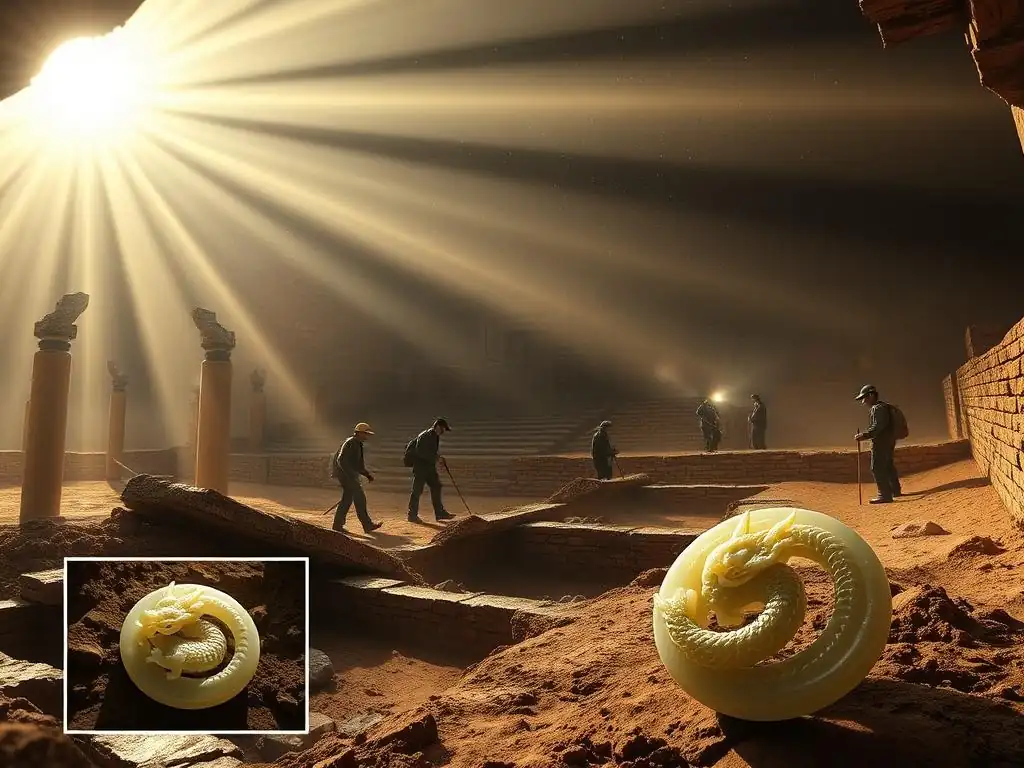
Welcome to ArchaeologyHub.org, your digital portal to the past!
Unearth the secrets of civilizations long gone as we delve into the fascinating world of archaeological discovery. Ever wondered how the mysteries of ancient societies are brought to light? This week, we focus on the Silla Gyeongju excavation techniques details, exploring the pivotal methods used to reveal the treasures and stories of this remarkable Korean kingdom. Prepare to be amazed by the meticulous processes that have shaped our understanding of this historical site. What secrets will you discover?
- Introduction to Silla Gyeongju: Unveiling a Kingdom's Past Through Archaeological Digs
- Major Silla Gyeongju Excavation Sites: A Deep Dive
- Excavation Techniques: Methodology and Innovation
- Key Artifacts Unearthed: Stories from the Silla Kingdom
- The Impact of Excavations on Reconstructing Silla History
- Future Directions in Silla Gyeongju Archaeology
- Conclusion: A Legacy Uncovered
-
Frequently Asked Questions
- How did archaeological excavations in Silla Gyeongju significantly change our understanding of the Silla Kingdom?
- What are some of the key excavation techniques used in Silla Gyeongju sites, and why are they important?
- Can you name a specific archaeological site in Gyeongju that has been particularly influential in understanding Silla burial practices?
- What types of artifacts are commonly found during excavations in Silla Gyeongju, and what do they tell us about the Silla people?
- How do archaeological discoveries in Gyeongju contribute to our broader understanding of Korean history and East Asian interactions?
- Final Reflection: Unearthing the Soul of Silla
- Unearth Your Own Silla Discovery!
Introduction to Silla Gyeongju: Unveiling a Kingdom's Past Through Archaeological Digs
The Significance of Gyeongju as a Historical Capital
Gyeongju, often referred to as "the museum without walls," served as the capital of the Silla Kingdom for nearly a millennium, from 57 BCE to 935 CE. This long tenure as the political, cultural, and spiritual heart of one of Korea's most enduring ancient kingdoms has left an unparalleled archaeological legacy.
The city's landscape is dotted with hundreds of ancient tombs, temple sites, palace grounds, and fortifications, making it a critical hub for understanding early Korean history and culture. The sheer volume and diversity of archaeological remains provide a unique window into the daily lives, beliefs, and power structures of the Silla people.
The strategic importance of Gyeongju's archaeological sites lies in their ability to corroborate, challenge, and expand upon written historical records, many of which were compiled centuries after the events they describe. Systematic Silla Gyeongju excavation techniques have unearthed vast quantities of artifacts, from intricate gold crowns to everyday pottery, offering tangible evidence of sophisticated craftsmanship, international trade networks, and a highly stratified society. These findings are indispensable for reconstructing a comprehensive narrative of Silla's development, its interactions with neighboring states, and its eventual unification of the Korean Peninsula.
Resources for Exploring Silla's Legacy
Exploring the rich legacy of Silla Gyeongju involves delving into a wealth of archaeological reports, museum collections, and academic studies that document decades of intensive fieldwork. Key institutions like the National Museum of Korea, the Gyeongju National Museum, and various university archaeological teams have been instrumental in conducting and disseminating the results of major excavations. These resources collectively provide detailed insights into specific Silla Gyeongju excavation techniques details employed at iconic sites, allowing researchers and enthusiasts to trace the evolution of archaeological methodology in Korea.
Beyond physical collections and scholarly publications, digital archives and online databases offer increasingly accessible platforms for studying Silla's past. Researchers can access detailed stratigraphy, artifact catalogs, and 3D models of excavated structures, providing an immersive experience of the archaeological process. These digital resources are crucial for ongoing research, enabling comparative studies of Silla Gyeongju excavation techniques details and fostering a deeper understanding of the kingdom's extensive material culture and historical trajectory.
Major Silla Gyeongju Excavation Sites: A Deep Dive
Hwangnyongsa Temple Site: Unearthing Buddhist Grandeur
The Hwangnyongsa Temple site, located in the eastern part of Gyeongju, represents one of the most monumental archaeological undertakings in South Korea. Constructed over many years beginning in the 6th century, Hwangnyongsa was intended to be the largest national temple of Silla, housing a massive nine-story wooden pagoda and an equally colossal Buddha statue. Its destruction in the 13th century by Mongol invaders left behind only foundational stones, yet the scale of these remains hinted at its former glory. Archaeological work began in earnest in the 1970s, transforming our understanding of Silla Buddhist architecture and state-sponsored religious practices.
Excavations at Hwangnyongsa have revealed the precise layout of the temple complex, including the locations of the main hall, lecture halls, dormitories, and the central pagoda. The sheer size of the foundational stones for the pagoda, some weighing over 10 tons, underscores the engineering prowess of Silla builders.
Artifacts recovered, such as elaborate roof tiles, bronze Buddhist implements, and fragments of the original Buddha statue, provide crucial evidence of the temple's artistic and spiritual significance. These findings have allowed historians to reconstruct the temple's appearance and better understand its role as a symbol of Silla's power and devotion to Buddhism.
Excavation Details: Architecture and Artifacts at Hwangnyongsa
The archaeological investigation of Hwangnyongsa involved extensive area excavation, meticulously documenting the remaining stone foundations and underground structures. One of the primary challenges was the sheer scale of the site, covering approximately 80,000 square meters. Excavators employed a grid system to map the complex, carefully removing layers of soil to expose the original temple layout. This methodical approach allowed for the identification of multiple construction phases, indicating that the temple underwent significant expansion and modification over centuries.
Among the most significant finds were over 40,000 pieces of roof tiles, many adorned with intricate designs, providing insights into Silla's architectural aesthetics. Additionally, numerous bronze artifacts, including decorative elements from the pagoda and remnants of ritual objects, were unearthed. The discovery of a massive iron cauldron, measuring approximately 1.8 meters in diameter, further illustrates the grandeur and functional scale of the temple. These detailed Silla Gyeongju excavation techniques details at Hwangnyongsa have been pivotal in understanding the full scope of Silla's commitment to Buddhism, from monumental construction to the production of exquisite religious art.
The Impact of Hwangnyongsa Discoveries on Understanding Silla Buddhism
The archaeological discoveries at Hwangnyongsa have profoundly reshaped our understanding of Silla Buddhism, revealing it as a deeply integrated aspect of state identity and power. The temple was not merely a place of worship but a national symbol, built to protect the kingdom and solidify royal authority. The discovery of a sarira reliquary, containing relics of the Buddha, within the pagoda's foundation further emphasizes the sacred role of the structure and the importance of relic worship in Silla Buddhism. This aligns with historical records that describe the pagoda as a spiritual guardian of the kingdom.
Furthermore, the monumental scale and artistic sophistication of Hwangnyongsa's remains demonstrate the peak of Silla's artistic and technological capabilities in the 7th and 8th centuries. The artifacts recovered, particularly the finely crafted Buddhist implements and decorative elements, highlight the advanced metallurgical and ceramic technologies available to Silla artisans. These findings provide concrete evidence that Silla Buddhism was not a passive adoption of foreign ideas but a vibrant, localized tradition that contributed significantly to the kingdom's cultural and political landscape, with detailed Silla Gyeongju excavation techniques illuminating its physical manifestation.
Anapji Pond: Revealing Royal Life and Leisure
Anapji Pond, now known as Donggung Palace and Wolji Pond, was a pleasure garden constructed in 674 CE during the reign of King Munmu. Located within the Wolseong Fortress complex, it served as a royal recreational area, featuring artificial islands, intricate landscaping, and pavilions. For centuries, its exact layout and purpose remained largely speculative based on fragmentary historical texts. However, a major excavation project initiated in 1975 dramatically transformed this understanding, unearthing a wealth of artifacts that painted a vivid picture of Silla aristocratic life and the sophisticated design of royal gardens.
The excavation of Anapji was particularly challenging due to the waterlogged nature of the site, which paradoxically contributed to the exceptional preservation of organic materials. Over 30,000 artifacts were recovered, ranging from everyday items to exquisite works of art. These included intricate bronze figures, ceramic shards, wooden tablets, and even remnants of wooden boats and building materials. The sheer volume and diversity of these finds provided an unprecedented glimpse into the material culture, daily routines, and aesthetic sensibilities of the Silla royal court and nobility, far exceeding what historical texts alone could convey.
Anapji Pond Excavation Techniques: Water Drainage and Artifact Recovery
The excavation of Anapji Pond demanded specialized Silla Gyeongju excavation techniques details due to the presence of water. Before any significant digging could commence, an extensive water drainage system was implemented to lower the water table and allow access to the pond bed. This involved the use of pumps and temporary dams to divert and remove water, a crucial step for preserving fragile organic materials that would otherwise rapidly deteriorate upon exposure to air. Once the water was managed, archaeologists meticulously removed layers of accumulated silt and mud, often employing fine tools and brushes to avoid damaging delicate artifacts.
The recovery process at Anapji was characterized by extreme caution and systematic documentation. Given the excellent preservation conditions, many wooden objects, lacquered wares, and even food remnants were found. Each item was carefully recorded in situ, photographed, and then immediately transported to conservation laboratories for specialized treatment to prevent decay. For instance, wooden pieces were often submerged in water baths or treated with polyethylene glycol (PEG) solutions to stabilize their structure. This meticulous approach to excavation and conservation ensured that the vast collection of artifacts provided maximum information about Silla's royal lifestyle, from dining habits to leisure activities.
Significance of Anapji Findings: Insights into Silla Aristocratic Culture
The findings from Anapji Pond have provided unparalleled insights into the luxurious and sophisticated lifestyle of the Silla aristocracy. The discovery of numerous ceramic vessels, including celadon and tri-color glazed ware, demonstrates the advanced state of Silla pottery and its connections with contemporary Chinese craftsmanship. Intricate bronze Buddhist figures, often small and finely detailed, indicate the personal devotion of the royal family and their access to high-quality religious art. Furthermore, the recovery of various gaming pieces, dice, and musical instruments paints a picture of elaborate entertainment and leisure activities within the royal compound.
Perhaps most revealing were the thousands of wooden tablets (mokgan), which served as administrative documents, poetic verses, and even mundane records. These tablets offer direct textual evidence of court administration, economic transactions, and literary practices, complementing and sometimes correcting information found in traditional historical chronicles.
For example, some mokgan detail the types of fish consumed at royal banquets or the names of flowers cultivated in the garden. Collectively, the Anapji findings, excavated with precise Silla Gyeongju excavation techniques, have transformed our understanding of Silla's elite culture, demonstrating a society of refined tastes, complex governance, and a deep appreciation for beauty and leisure.
Daereungwon Tomb Complex: Exploring Royal Burial Practices
The Daereungwon Tomb Complex, located in the heart of Gyeongju, is the largest cluster of Silla royal tombs, comprising over 20 massive burial mounds. These tombs, characterized by their distinctive "mound" shape, range in size and structure, representing the burial practices of Silla kings, queens, and high-ranking aristocrats over several centuries. Unlike many other ancient tombs that were extensively plundered, several of the Daereungwon tombs remained remarkably intact, offering an unprecedented opportunity to study Silla's funerary customs, social hierarchy, and the wealth accumulated by its ruling elite.
The most famous tombs within Daereungwon are Cheonmachong (Heavenly Horse Tomb) and Hwangnamdaechong (Great Tomb of Hwangnam). The excavation of Cheonmachong in 1973 was a landmark event, as it was the first Silla tomb found largely unplundered, yielding over 11,000 artifacts. Hwangnamdaechong, excavated between 1973 and 1975, is the largest Silla tomb and revealed an even greater treasure trove, including the famous Golden Crown. These excavations provided a wealth of information on Silla's gold craftsmanship, burial rituals, and the symbolic representation of royal power.
Tomb Construction and Contents
Silla royal tombs, particularly those in the Daereungwon complex, are characterized by a unique construction method known as the "mounded tomb with wooden chamber and stone mound" (적석목곽분, jeokseok mokgwakbun). This technique involved digging a large pit, placing a wooden burial chamber within it, and then surrounding the chamber with layers of river stones to form a protective mound.
Finally, a thick layer of earth was piled on top, creating the characteristic large earth mounds visible today. This method, specific to Silla, made the tombs extremely robust and difficult to penetrate by grave robbers, thus preserving their contents for millennia.
The contents of these tombs reflect the immense wealth and status of the interred individuals. Excavations typically reveal a main burial chamber containing the coffin, alongside secondary chambers or compartments for grave goods. Artifacts commonly found include:
- Gold and Gilt-Bronze Regalia: Crowns, belts, earrings, and necklaces.
- Weapons and Armor: Iron swords, helmets, and horse fittings.
- Pottery and Ceramics: Various vessels for food and drink.
- Glassware: Often imported, indicating trade networks.
- Lacquerware: Bowls, boxes, and other ornate containers.
- Jade and Stone Ornaments: Including comma-shaped gogok.
- Wooden and Silk Remains: Though often disintegrated, traces provide clues.
The careful application of Silla Gyeongju excavation techniques details in these tombs, including meticulous stratigraphic recording and individual artifact recovery, allowed archaeologists to reconstruct the burial process and the symbolic arrangement of grave goods, offering profound insights into Silla's beliefs about the afterlife and the material expressions of power.
The Golden Crown and Other Treasures: What Daereungwon Tells Us About Silla Power
The discovery of several exquisite golden crowns from tombs like Cheonmachong and Hwangnamdaechong is arguably the most iconic contribution of the Daereungwon excavations. The Golden Crown of Silla, typically fashioned from thin sheets of pure gold with intricate tree-like and antler-like motifs, is not merely an ornament but a powerful symbol. Its design elements are believed to represent shamanistic beliefs, connecting the wearer to the spiritual realm and the tree of life. The presence of multiple such crowns, each unique, suggests a lineage of powerful rulers and a highly centralized authority.
Beyond the crowns, the immense quantity and quality of other grave goods—such as the golden belts adorned with jade comma-shaped jewels, the ornate horse trappings, and the array of imported glassware—underscore the vast resources controlled by the Silla monarchy. These treasures demonstrate a sophisticated craftsmanship within Silla itself, as well as extensive trade networks that brought exotic materials and goods from as far as Central Asia.
The Daereungwon finds, meticulously documented through specific Silla Gyeongju excavation techniques, provide undeniable evidence of a powerful, wealthy, and culturally rich kingdom, whose rulers commanded both spiritual and temporal authority, clearly expressed through their opulent burial practices.
Cheomseongdae Observatory: Deciphering Ancient Astronomy
Cheomseongdae, a stone structure located in Gyeongju, is widely recognized as the oldest surviving astronomical observatory in East Asia, dating back to the 7th century CE, likely constructed during the reign of Queen Seondeok. Its unique bottle-shaped structure, built from 362 dressed granite blocks, has long fascinated scholars and the public alike. While its primary function as an observatory is generally accepted, archaeological analysis and scientific study have been crucial in deciphering the precise methods and purposes of ancient Silla astronomy and its technological capabilities.
Unlike other sites that involve extensive digging, the archaeological "excavation" of Cheomseongdae primarily involves architectural analysis, structural integrity studies, and astronomical alignment calculations. Researchers examine the precise number of stones, their arrangement, and the orientation of the structure to understand its design principles and observational functions. This detailed scrutiny has revealed not only Silla's advanced knowledge of celestial mechanics but also the potential ceremonial or ritualistic significance embedded within the structure itself, linking science with spiritual or political authority.
Archaeological Analysis of Cheomseongdae's Structure and Purpose
Archaeological analysis of Cheomseongdae focuses on its precise construction and its potential astronomical alignments. The structure consists of 27 layers of stones, representing the 27 constellations in the East Asian traditional system, and a total of 362 stones, potentially symbolizing the 362 days of the lunar year. The square base and circular top are thought to represent the traditional East Asian concept of a square earth and a round heaven. A rectangular window on the south side, positioned at the 12th layer, is believed to have served as an entrance or a vantage point for observation.
Furthermore, studies have examined the precise orientation of the structure, which is aligned with cardinal directions, and the angles of its internal and external surfaces. Some theories suggest that the window and the internal space allowed for the observation of specific celestial events, such as solstices and equinoxes, or the passage of certain stars.
While no instruments were found within the structure itself, the careful design and symbolic numerical relationships embedded in Cheomseongdae's construction underscore a sophisticated understanding of mathematics and astronomy in Silla. These Silla Gyeongju excavation techniques details for Cheomseongdae are more about structural analysis and interpretation than traditional digging.
Cheomseongdae's Role in Silla Science and Technology
Cheomseongdae stands as a testament to the advanced state of Silla science and technology, particularly in the fields of astronomy and civil engineering. Its construction demonstrates a mastery of stone cutting, masonry, and structural stability, allowing a tall, slender structure to withstand centuries of earthquakes and weather. The precise number of stones and layers, if indeed symbolic of astronomical cycles, points to a deep, integrated knowledge of the cosmos that went beyond mere observation to include calendrical calculations and possibly astrological interpretations.
The observatory's existence also implies the presence of trained astronomers and a court system that supported scientific inquiry. Such astronomical observations were crucial for agriculture (determining planting and harvesting times), for state rituals (aligning ceremonies with auspicious celestial events), and for legitimizing royal authority, as accurate predictions of celestial phenomena were often seen as a sign of heavenly mandate. Thus, Cheomseongdae represents not just an architectural marvel, but a key piece of evidence for the intellectual and technological sophistication of the Silla Kingdom, showcasing how Silla Gyeongju excavation techniques extend to detailed architectural and scientific analysis.
Excavation Techniques: Methodology and Innovation
The Evolution of Archaeological Methods in Gyeongju
The archaeological methods employed in Gyeongju have undergone a significant evolution since the early 20th century, mirroring global advancements in the field. Initial Japanese colonial-era excavations, primarily focused on large tombs, often prioritized artifact recovery for display over meticulous stratigraphic recording. While valuable artifacts were unearthed, the detailed contextual information essential for comprehensive historical reconstruction was sometimes overlooked. This early phase laid the groundwork but lacked the systematic rigor that would later define Korean archaeology.
The post-Korean War era, particularly from the 1970s onwards, saw a dramatic shift towards more scientific and systematic Silla Gyeongju excavation techniques. Inspired by international best practices, Korean archaeologists adopted stratigraphic excavation, grid systems, and comprehensive documentation, emphasizing the relationship between artifacts and their depositional layers. Major projects at Hwangnyongsa, Anapji, and the Daereungwon tombs exemplify this shift, generating vast amounts of contextual data that revolutionized understanding of Silla culture. This methodological evolution continues today, incorporating cutting-edge technologies to enhance precision and data recovery.
Challenges and Innovations in Excavating Silla Sites
Excavating Silla sites presents unique challenges, primarily due to the sheer density of cultural remains, the varying preservation conditions, and the need to balance academic research with heritage preservation in a modern urban environment. Gyeongju, being a continuously inhabited city, often requires rescue archaeology ahead of urban development, adding time pressure to complex digs. Furthermore, the diverse types of Silla sites—ranging from massive stone-mounded tombs to waterlogged palace gardens and deeply stratified urban areas—necessitate a flexible and adaptive approach to excavation.
Innovation in Silla Gyeongju excavation techniques has been crucial in overcoming these hurdles. For waterlogged sites like Anapji, advanced dewatering systems and specialized conservation protocols for organic materials were developed. For large, complex urban sites such as Wolseong Fortress, multi-year, phased excavations have become standard, allowing for systematic exploration of vast areas. The integration of interdisciplinary teams, including geologists, botanists, and forensic anthropologists, has also become common, providing a holistic understanding of the past environment and human activities.
Preserving Fragile Artifacts: Conservation Strategies in Gyeongju
The preservation of fragile artifacts unearthed during Silla Gyeongju excavations is a critical aspect of archaeological practice. Many materials, such as wood, lacquerware, textiles, and iron, are highly susceptible to deterioration once exposed to atmospheric changes after centuries of burial. For instance, waterlogged wooden artifacts from Anapji Pond would rapidly shrink and crack if allowed to dry naturally, losing all structural integrity and valuable information.
To counteract this, specialized conservation strategies are immediately implemented upon recovery. Organic materials are often kept in a controlled environment, sometimes submerged in distilled water, before being treated with stabilizing agents like polyethylene glycol (PEG) solutions. Iron artifacts, prone to corrosion, undergo electrolytic reduction or chemical stabilization. These meticulous post-excavation treatments, a vital part of Silla Gyeongju excavation techniques details, ensure that the physical integrity of these invaluable objects is maintained, allowing for their long-term study, display, and preservation for future generations.
Utilizing Technology: GIS and Remote Sensing in Silla Archaeology
Modern Silla archaeology increasingly leverages advanced technologies like Geographic Information Systems (GIS) and remote sensing to enhance excavation efficiency and data analysis. GIS allows archaeologists to create comprehensive spatial databases, integrating maps, excavation grids, artifact distribution patterns, and environmental data. This provides a powerful tool for visualizing and analyzing complex relationships between different archaeological features and findings across a large landscape, such as the entire Gyeongju basin.
Remote sensing techniques, including Ground Penetrating Radar (GPR), Magnetometry, and Electrical Resistivity Tomography (ERT), are employed for non-invasive subsurface prospection. These methods can detect buried structures, tomb chambers, or ancient roadways without disturbing the ground, allowing archaeologists to strategically plan excavations and prioritize areas with high archaeological potential. For example, GPR has been used to identify potential unexcavated tombs within the Daereungwon complex. These technological advancements are transforming Silla Gyeongju excavation techniques, making them more precise, efficient, and less destructive, while maximizing the retrieval of valuable historical information.
Key Artifacts Unearthed: Stories from the Silla Kingdom
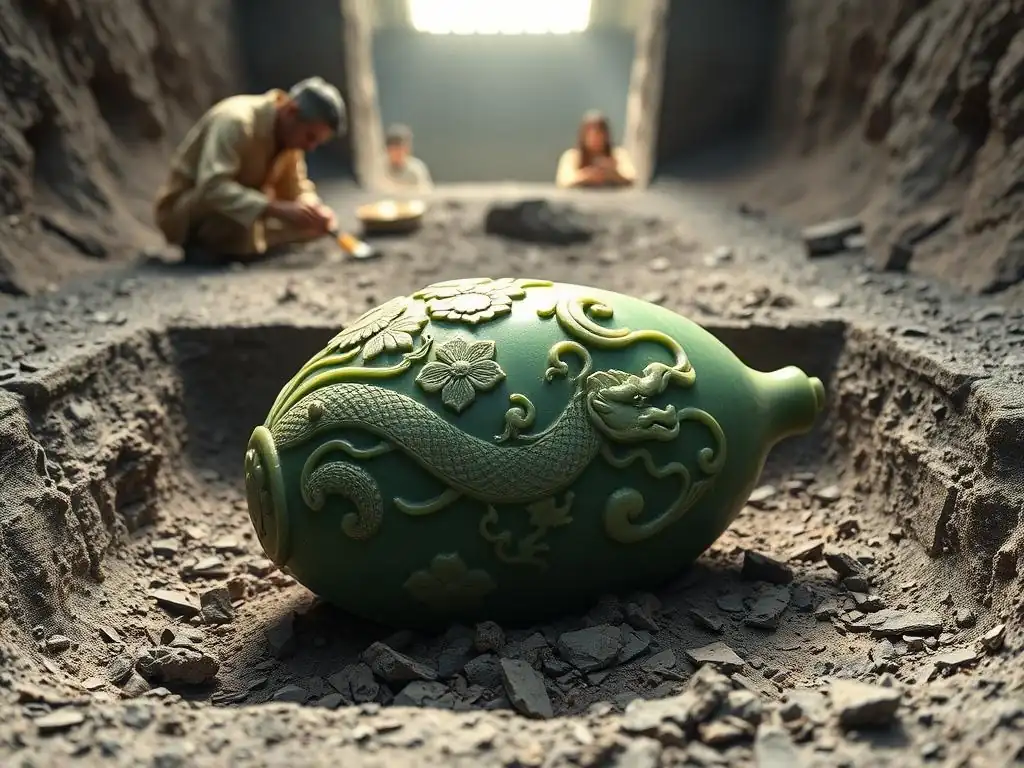
The Golden Crown of Silla, specifically those recovered from the Cheonmachong and Geumgwanchong tombs, is perhaps the most iconic artifact group from the Silla Kingdom. Crafted from pure gold, these crowns are characterized by their distinctive tree-like (出-shaped) and antler-like (鹿-shaped) uprights, often adorned with comma-shaped jade (gogok) and tiny golden spangles. These intricate designs are not merely decorative; they are believed to hold deep shamanistic and symbolic meanings, representing the tree of life, the connection to the heavens, and the power of the wearer to mediate between the earthly and spiritual realms.
The presence of multiple golden crowns, each unique in its specific design but sharing core motifs, underscores the wealth and centralized power of the Silla monarchy. These crowns were not everyday wear but ceremonial regalia, likely used in important state rituals or as symbols of divine right. Their discovery, meticulously documented through Silla Gyeongju excavation techniques, provides tangible evidence of the Silla elite's material culture, sophisticated metallurgy, and the ideological underpinnings of their rule, offering a direct link to the kingdom's most powerful figures.
Silla Pottery and Ceramics: Insights into Daily Life and Craftsmanship
Silla pottery and ceramics constitute a vast and diverse category of artifacts, offering invaluable insights into the daily lives, economic activities, and artistic development of the Silla people. The dominant form is a distinctive grey stoneware, typically unglazed, fired at high temperatures (around 1000-1200°C), resulting in durable, hard vessels. These include various types of bowls, cups, plates, and storage jars, often characterized by simple, elegant forms and sometimes adorned with incised patterns or applied decorations.
Beyond utilitarian wares, specific forms like the "horse-shaped" or "duck-shaped" vessels, often found in tombs, suggest ritualistic or funerary purposes. The later Silla period also saw the introduction of glazed ceramics, influenced by Chinese traditions, including celadon and three-color glazed wares, particularly evident at sites like Anapji Pond. The study of Silla ceramics, from their production techniques to their distribution patterns identified through precise Silla Gyeongju excavation techniques details, reveals information about Silla's technological capabilities, its trade relationships, and the evolving aesthetic tastes of its society, from commoners to royalty.
Buddhist Sculptures and Relics: Reflecting Silla's Spiritual Beliefs
Buddhist sculptures and relics unearthed in Gyeongju are profound testaments to Silla's deep spiritual beliefs and its embrace of Buddhism as a state religion. These artifacts range from monumental stone Buddha statues found at temple sites like Hwangnyongsa and Bulguksa, to small, intricately cast bronze figures, and precious sarira (relic) containers. The early Silla Buddhist art shows strong influences from Chinese and Indian styles, which gradually evolved into a distinctive Silla aesthetic characterized by serene expressions and robust forms.
The discovery of sarira reliquaries within pagodas, such as the one found at Hwangnyongsa, is particularly significant. These elaborate containers, often made of gold, silver, or bronze and adorned with jewels, housed the cremated remains or symbolic relics of the Buddha or revered monks. Their presence signifies the centrality of relic worship in Silla Buddhism and the devotion of the royal family and populace. The detailed study of these artifacts, through specific Silla Gyeongju excavation techniques, illuminates the religious practices, artistic patronage, and spiritual landscape of the Silla Kingdom, demonstrating how deeply Buddhism permeated all levels of society.
The Impact of Excavations on Reconstructing Silla History
Reinterpreting Historical Texts Through Archaeological Evidence
Archaeological excavations in Silla Gyeongju have profoundly impacted the interpretation of existing historical texts, often providing concrete evidence that corroborates, challenges, or expands upon written records. For centuries, texts like the Samguk Sagi (History of the Three Kingdoms) and Samguk Yusa (Memorabilia of the Three Kingdoms) were the primary sources for Silla history. However, these texts were compiled centuries after the Silla period, and their accuracy or completeness could be questioned. Archaeology offers an independent, tangible source of information.
For example, the scale and grandeur of the Hwangnyongsa Temple site, revealed through extensive Silla Gyeongju excavation techniques, directly support and give substance to the textual descriptions of the temple as a national architectural marvel. Similarly, the vast array of luxury goods found in royal tombs at Daereungwon provides material proof of the wealth and power attributed to Silla monarchs in historical accounts. Conversely, the specific details gleaned from wooden tablets at Anapji Pond offer granular insights into daily court life and administrative practices that are rarely detailed in grand historical narratives, thus enriching and correcting previous understandings.
Filling Gaps in Our Knowledge of Silla Society and Politics
Beyond reinterpretation, archaeological discoveries have been instrumental in filling significant gaps in our knowledge of Silla society and politics, particularly regarding aspects not extensively covered in traditional historical texts. For instance, the excavation of commoner dwellings and village sites, though less publicized than royal tombs, provides crucial data on the living conditions, diet, and social organization of the general populace. Analysis of pottery, tools, and refuse pits reveals agricultural practices, craft production, and consumption patterns across different social strata.
Furthermore, the detailed investigation of fortifications like Wolseong Fortress offers insights into Silla's defense strategies, urban planning, and the daily lives of those within its walls, including soldiers and administrators. The spatial distribution of different types of artifacts and structures within the capital, revealed through comprehensive Silla Gyeongju excavation techniques, helps to reconstruct the social geography of Silla society, identifying distinct residential, commercial, and religious zones. These archaeological contributions are vital for building a more nuanced and complete picture of the complex social and political fabric of the Silla Kingdom.
The Discovery of Human Remains at Wolseong Fortress and Implications for Understanding Silla Diet
The ongoing excavation of Wolseong Fortress, the primary royal palace site of Silla, has yielded significant discoveries, including human remains that offer unprecedented insights into the diet and health of Silla inhabitants. Within the palace walls, particularly near defensive structures and residential areas, several human skeletons have been unearthed. These discoveries are meticulously documented using forensic archaeological methods, which are a specialized part of Silla Gyeongju excavation techniques.
Subsequent analysis of these remains, including stable isotope analysis of bone collagen, has provided direct evidence of dietary habits. For example, preliminary findings indicate a mixed diet of terrestrial resources, potentially including millet and rice, alongside some consumption of marine resources, even for individuals living inland. These analyses can also reveal information about health conditions, pathologies, and even migration patterns of individuals within the Silla capital. Such bioarchaeological data complements artifactual evidence, offering a more personal and scientifically grounded understanding of the lives and sustenance of the people who inhabited Silla Gyeongju.
Future Directions in Silla Gyeongju Archaeology
Ongoing Excavation Projects and Their Potential
Silla Gyeongju remains a vibrant center for archaeological research, with several ongoing excavation projects promising to further deepen our understanding of the ancient kingdom. Key areas of focus include the continued systematic investigation of the Wolseong Fortress palace complex, which is a multi-decade endeavor due to its vast size and deep stratigraphy. Other important projects involve exploring peripheral Silla sites outside the immediate capital, such as industrial areas, smaller village settlements, and additional burial grounds, which can provide comparative data and reveal regional variations in Silla culture.
The potential of these ongoing projects is immense. They are expected to uncover new structures, additional artifact assemblages, and further human remains that can shed light on previously unknown aspects of Silla daily life, political organization, and cultural practices. The application of advanced Silla Gyeongju excavation techniques details in these projects, including refined stratigraphic methods and cutting-edge scientific analyses, ensures that future discoveries will yield maximum information, continuously enriching the digital encyclopedia of Silla history.
Wolseong Fortress Excavation: A Case Study
The Wolseong Fortress excavation serves as a prime case study for the future directions of Silla Gyeongju archaeology. This sprawling royal palace site, surrounded by an earthen wall, is being systematically excavated in phases, revealing layers of Silla history from its earliest construction to its later abandonment. Unlike single-period tombs, Wolseong offers a complex stratigraphic record of continuous occupation and transformation over centuries, providing a unique opportunity to study the evolution of Silla's urban planning, architecture, and daily life within the royal precinct.
Recent findings at Wolseong include the discovery of a sophisticated drainage system, remnants of various palace buildings, and a large number of artifacts, from roof tiles and pottery to wooden tablets and animal bones. The meticulous application of Silla Gyeongju excavation techniques at this site, including detailed environmental sampling and osteological analysis, is providing unprecedented insights into the palace's functionality, the diet of its inhabitants, and the environmental conditions of ancient Gyeongju. The sheer scale and complexity of Wolseong ensure that it will remain a critical focus for Silla archaeology for decades to come, promising continuous groundbreaking discoveries.
The Importance of Continued Research and Preservation
The continued research and preservation of Silla Gyeongju's archaeological heritage are of paramount importance for both academic advancement and cultural legacy. Each new excavation, supported by refined Silla Gyeongju excavation techniques, contributes to a more complete and nuanced understanding of one of Korea's most significant ancient kingdoms. This ongoing research is not just about unearthing artifacts; it's about reconstructing past societies, understanding human adaptation, and interpreting the complex interplay of culture, environment, and power.
Furthermore, the preservation of these sites and artifacts is crucial for future generations. As Gyeongju continues to develop, balancing urban growth with archaeological preservation requires careful planning and significant resources. Effective conservation strategies for unearthed artifacts, alongside the long-term management of archaeological sites, ensure that the tangible remnants of Silla's glorious past remain accessible for study and public appreciation. This commitment to both discovery and stewardship guarantees that the legacy of Silla Gyeongju will continue to inspire and educate.
Conclusion: A Legacy Uncovered
The Enduring Significance of Archaeological Discoveries in Gyeongju
The archaeological discoveries in Gyeongju have been nothing short of transformative, fundamentally reshaping our understanding of the Silla Kingdom. From the awe-inspiring scale of Hwangnyongsa Temple to the intimate details of royal life revealed at Anapji Pond, and the profound insights into power and belief gleaned from the Daereungwon tombs, each excavation has unveiled a crucial piece of Silla's intricate mosaic. These findings transcend mere artifact collection; they provide tangible proof of sophisticated craftsmanship, advanced engineering, complex social structures, and profound spiritual beliefs that characterized this ancient Korean civilization.
The systematic application of advanced Silla Gyeongju excavation techniques details has allowed archaeologists to move beyond anecdotal historical accounts, offering empirical evidence that corroborates, challenges, and significantly expands upon textual records. The ability to reconstruct daily life, analyze dietary habits, and understand political and religious practices through material culture has created a far richer and more accurate narrative of Silla's millennium-long reign, underscoring the enduring significance of archaeological inquiry in piecing together the human past.
Preserving and Sharing Silla's Heritage for Future Generations
The immense archaeological heritage of Silla Gyeongju carries a profound responsibility: to preserve it for future generations and to share its stories with the world. This involves not only the meticulous conservation of unearthed artifacts and the careful management of excavation sites but also the continuous dissemination of research findings. Institutions like ArchaeologyHub.org play a vital role in making this complex historical and archaeological information accessible to a global audience, fostering a deeper appreciation for Silla's contributions to East Asian and world history.
By continuing to refine Silla Gyeongju excavation techniques, investing in long-term preservation efforts, and fostering international collaboration, the legacy of this remarkable kingdom will remain vibrant and informative. The ongoing work in Gyeongju ensures that the echoes of Silla's past will continue to resonate, offering invaluable lessons about human ingenuity, cultural development, and the enduring power of archaeological discovery to connect us with the civilizations that shaped our world.
Frequently Asked Questions
How did archaeological excavations in Silla Gyeongju significantly change our understanding of the Silla Kingdom?
Excavations provided tangible evidence of Silla's advanced culture, social structure, and trade networks. These discoveries challenged previously held assumptions based solely on historical texts. The artifacts uncovered gave a more complete picture of life in Silla.
What are some of the key excavation techniques used in Silla Gyeongju sites, and why are they important?
Careful stratigraphy is crucial to understanding the chronological layering of the sites. Advanced surveying techniques like LiDAR help map the complex landscape. Detailed documentation is essential for recording finds and preserving context.
Can you name a specific archaeological site in Gyeongju that has been particularly influential in understanding Silla burial practices?
The Daereungwon Tomb Complex, including the Cheonmachong (Heavenly Horse Tomb), is exceptionally important. It revealed elaborate burial customs, including the use of mound tombs and the inclusion of valuable grave goods. These items give insight into Silla beliefs about the afterlife.
What types of artifacts are commonly found during excavations in Silla Gyeongju, and what do they tell us about the Silla people?
Typical finds include gold crowns, pottery, weapons, and tools. These objects demonstrate the Silla's skilled craftsmanship, military power, and daily life. They also highlight the kingdom's complex social hierarchy.
How do archaeological discoveries in Gyeongju contribute to our broader understanding of Korean history and East Asian interactions?
Gyeongju excavations offer crucial insight into the formation of Korean identity and the influence of neighboring cultures. They show the connections between Silla and other East Asian kingdoms, such as China and Japan. This reveals the complex exchange of ideas and technologies in the region.
Okay, here's a final reflection designed to close your article on key archaeological excavations in Silla Gyeongju, optimized for emotional impact and relevance, while keeping your keyword in mind:
Final Reflection: Unearthing the Soul of Silla
The journey through the archaeological landscape of Silla Gyeongju, as we've explored, is far from a mere academic exercise; it's a vibrant conversation with the past that resonates profoundly today. The meticulous Silla Gyeongju excavation techniques details revealed in these sites offer not just historical data, but a tangible connection to the ingenuity and artistry of a civilization that shaped the Korean peninsula. These discoveries continue to inform our understanding of Korean identity and cultural heritage, reminding us of the enduring power of history.
The influence of these excavations extends beyond academic circles, subtly shaping our understanding of Korean art, architecture, and societal structures. The painstaking work of archaeologists allows us to glimpse the daily lives, beliefs, and ambitions of the Silla people, fostering a deeper appreciation for our shared human story. History is who we are and why we are the way we are.
- David McCullough. This quote encapsulates the profound impact of these excavations, reminding us that understanding the past is crucial for navigating the present and shaping the future.
As we conclude this exploration of Silla Gyeongju, I invite you to consider the lessons unearthed from these ancient sites. Reflect on the dedication and precision required to uncover these historical treasures, and ask yourself: how can we, in our own lives, approach our endeavors with the same care, curiosity, and commitment to preserving the stories that shape us? Let the spirit of Silla Gyeongju inspire you to delve deeper into your own heritage, to appreciate the beauty of the past, and to build a future worthy of the legacy we inherit.
Unearth Your Own Silla Discovery!
Thank you for delving into the captivating world of Silla archaeology in Gyeongju. We hope you've found new appreciation for the treasures hidden beneath our feet. Now, let's turn that newfound knowledge into action!
Here are a few ways you can continue your Silla journey:
- Plan your own visit to Gyeongju and explore the tumuli parks firsthand. Immerse yourself in the landscape that holds centuries of history.
- Dive deeper: Research less-known Silla artifacts and share your findings on social media using #SillaSecrets.
- Support local archaeological initiatives through volunteering or donations, helping to ensure these treasures are preserved for future generations.
What lesser-known aspect of Silla history sparks your curiosity most?