
Ancestral Puebloan Mortuary Practices in Chaco Canyon and their Social Implications

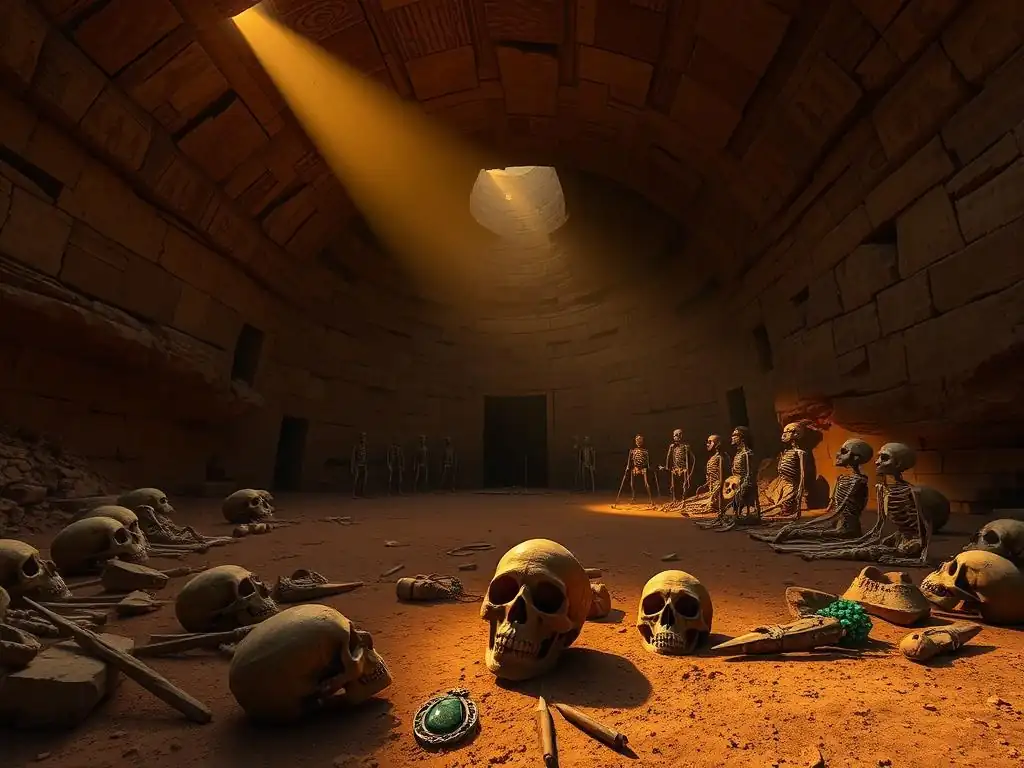
Welcome to ArchaeologyHub.org, your digital gateway to unraveling the past.
Delve into the mysteries of ancient civilizations as we explore the world's most significant archaeological discoveries. Are you ready to unearth the secrets hidden within the arid landscapes of the American Southwest? Our featured article examines the fascinating and complex world of Chaco Canyon mortuary rituals, revealing profound insights into Ancestral Puebloan society. What can these ancient burial practices tell us about their beliefs, social structures, and the very fabric of their lives? Discover more and begin your exploration now!
- Introduction to Mortuary Rituals in Chaco Canyon
- Overview of Ancestral Puebloan Mortuary Practices
- Detailed Examination of Chaco Canyon Mortuary Rites
- The Social Implications of Chaco Canyon Mortuary Practices
- Comparative Analysis of Chaco Canyon Mortuary Rituals with Other Ancestral Puebloan Sites
- Skeletal Analysis and Insights into Ancestral Puebloan Life
- The Role of Ritual Specialists in Chaco Canyon Mortuary Events
- Interpreting the Symbolism of Chaco Canyon Mortuary Offerings
- Challenges in Interpreting Ancestral Puebloan Mortuary Data
- Conclusion: Chaco Canyon Mortuary Rituals and the Ancestral Puebloan World
-
Frequently Asked Questions
- What were the primary mortuary practices observed in Chaco Canyon, according to ArchaeologyHub.org?
- How does ArchaeologyHub.org describe the social implications of Chaco Canyon mortuary rituals?
- What kind of artifacts are typically found in Chaco Canyon burials, as described on ArchaeologyHub.org?
- Does ArchaeologyHub.org provide any insights into the potential reasons for variations in mortuary practices within Chaco Canyon?
- According to ArchaeologyHub.org, what is the significance of the Great Houses in relation to Chaco Canyon mortuary practices?
- Final Reflection: Echoes of Ancestry in the Canyon Walls
- Unearth Your Own Connection to the Past
Introduction to Mortuary Rituals in Chaco Canyon
Understanding Ancestral Puebloan Culture Through Burial Practices
Mortuary archaeology offers a profound lens through which to understand the complexities of ancient societies, and the Ancestral Puebloans are no exception. The manner in which a culture treats its dead—from body preparation and burial location to associated grave goods—provides invaluable insights into their social structure, economic systems, spiritual beliefs, and daily lives. For the Ancestral Puebloans, a sophisticated agricultural society thriving in the challenging Four Corners region, their burial practices reflect a rich tapestry of cultural evolution and adaptation.
Examining Ancestral Puebloan mortuary traditions allows researchers to trace changes over time, from the earlier Basketmaker periods, characterized by simpler pit burials, to the later Puebloan eras with more formalized interments within or near architectural structures. These evolving practices shed light on shifts in social organization, the emergence of hierarchical structures, and the increasing complexity of their ceremonial life. The meticulous study of these burial contexts is fundamental to reconstructing the Ancestral Puebloan worldview.
The Significance of Chaco Canyon as a Mortuary Landscape
Chaco Canyon, located in northwestern New Mexico, stands as a monumental testament to Ancestral Puebloan ingenuity and organization, renowned for its massive masonry Great Houses, intricate road network, and sophisticated water management systems. However, its significance extends far beyond its architectural grandeur; Chaco Canyon also served as a pivotal mortuary landscape, offering critical insights into the social fabric of this ancient civilization. The concentration of burials within and around these monumental structures suggests a deliberate and highly organized approach to death and remembrance.
The unique mortuary landscape of Chaco Canyon indicates it was not merely a habitation site but a central node for ritual and pilgrimage, potentially drawing Ancestral Puebloans from a broad geographic sphere for significant life events, including death. The substantial investment of labor and resources into constructing elaborate burial contexts underscores the profound importance of Chaco Canyon mortuary rituals to the community's spiritual and social identity, making it a key area for understanding regional Ancestral Puebloan dynamics.
Overview of Ancestral Puebloan Mortuary Practices
Common Burial Methods Among the Ancestral Puebloans
Ancestral Puebloan burial methods generally involved inhumation, with cremation being rare in most periods. The deceased were typically interred in a flexed or semi-flexed position, often placed directly into earthen pits, cists lined with stone slabs, or sometimes within abandoned pit structures or rooms of masonry dwellings. While specific orientations varied regionally and temporally, many burials, particularly in later periods, showed a preference for an east-west alignment, possibly reflecting solar or cosmological beliefs.
The preparation of the body before interment also varied; evidence suggests bodies were sometimes wrapped in woven mats, textiles, or animal hides, though preservation of such organic materials is often poor. While not always present, the inclusion of personal belongings or offerings with the deceased was a common practice, reflecting a belief in an afterlife or a continued connection between the living and the dead. These practices provide a foundational understanding for examining Chaco Canyon mortuary rituals.
Grave Goods and Their Symbolic Meanings
Grave goods, items interred with the deceased, are crucial for interpreting Ancestral Puebloan social and spiritual practices. Common offerings included pottery vessels—ranging from utilitarian wares to finely crafted ceremonial pieces—shell ornaments, turquoise beads and pendants, bone tools, and projectile points. These items were not merely possessions but often carried deep symbolic meanings, reflecting the individual's status, gender, age, or connection to specific social or ritual groups.
For instance, turquoise, often sourced from distant locations like the Cerrillos Hills, approximately 150 kilometers southeast of Chaco Canyon, held immense symbolic and economic value, frequently associated with water, sky, and high status. The presence of specific pottery types could indicate trade networks, group affiliation, or the deceased's role in a specialized craft. The quantity and quality of these grave goods are powerful indicators of social differentiation, with more elaborate offerings often accompanying individuals of higher social standing, a pattern particularly evident in Chaco Canyon mortuary rituals.
Variations in Mortuary Rituals Across the Ancestral Puebloan Region
While there are overarching similarities, Ancestral Puebloan mortuary rituals were far from uniform across their vast geographic domain. Significant variations existed between distinct regional centers such as Mesa Verde, Canyon de Chelly, the Mimbres Valley, and Chaco Canyon itself. These differences could manifest in burial locations—from open-air sites and caves to cliff dwellings—the specific preparation of the body, and the types and quantities of associated grave goods.
These regional disparities likely stemmed from a combination of factors, including local environmental conditions, unique cultural traditions, differing social structures, and varying levels of interaction with neighboring groups. For example, while Chaco Canyon exhibits evidence of highly stratified burials with abundant exotic goods, other areas might show more egalitarian burial patterns or different emphases in their mortuary offerings, highlighting the diverse expressions of Ancestral Puebloan culture and their unique Chaco Canyon mortuary rituals.
Detailed Examination of Chaco Canyon Mortuary Rites
Burial Locations within Chaco Canyon: Great Houses and Beyond
Within Chaco Canyon, Ancestral Puebloan burials are found in diverse contexts, ranging from informal interments in smaller habitation sites to highly formalized burials within the monumental Great Houses. The concentration of burials within the Great Houses, particularly in designated rooms or kivas, underscores their significance as central places not only for living and ceremony but also for the veneration of the dead. This pattern suggests a deliberate placement of key individuals within the symbolic heart of the community.
Notable examples include burials found at Chetro Ketl and the extensive mortuary complex at Pueblo Bonito. While hundreds of burials have been identified across the canyon, the most elaborate and well-documented are often associated with these large, multi-story structures. This selective placement of individuals, particularly those with elaborate grave goods, provides direct evidence for social differentiation within Chacoan society and the unique nature of Chaco Canyon mortuary rituals.
Specific Mortuary Rituals Observed at Pueblo Bonito
Pueblo Bonito, the largest and most iconic of the Chacoan Great Houses, offers some of the most compelling evidence for elaborate Chaco Canyon mortuary rituals. The most famous example is the burial crypt in Room 33, which contained the remains of at least 14 individuals, including two adult males interred with an extraordinary wealth of grave goods. One of these individuals was accompanied by approximately 56,000 pieces of turquoise, along with shell beads, highly decorated pottery, and other exotic items, making it one of the richest pre-Columbian burials in North America.
Further analysis of these burials at Pueblo Bonito reveals complex funerary practices, including evidence of sequential interments and possibly ritualistic body manipulation. The presence of multiple individuals in certain contexts, sometimes in layers, suggests a long-term use of specific areas for burial or perhaps mass events. The sheer scale and opulence of these burials at Pueblo Bonito strongly indicate a highly stratified society with a powerful elite who commanded vast resources for their Chaco Canyon mortuary rituals.
Skeletal analysis of Ancestral Puebloan human remains from Chaco Canyon provides invaluable data on the population's health, diet, and even social status. Common health indicators observed include dental caries, indicative of a diet heavily reliant on maize, and osteoarthritis, suggesting a physically demanding lifestyle. Evidence of infectious diseases, though less direct, can sometimes be inferred from skeletal lesions.
Crucially, these analyses often reveal disparities linked to social standing. For example, some individuals, particularly those associated with elaborate burials, show signs of better nutritional status or fewer stress markers compared to others. This differential health profile, combined with the presence of rich grave goods, reinforces the interpretation of a socially stratified society where access to resources and perhaps even quality of life varied significantly, influencing the nature of their Chaco Canyon mortuary rituals.
The differential treatment of the dead stands as one of the most compelling lines of evidence for social hierarchy in ancient societies, and Chaco Canyon mortuary rituals vividly illustrate this principle. The stark contrasts in burial location, the quantity and quality of grave goods, and the effort invested in funerary preparations directly reflect an individual's status, power, and prestige during their lifetime. Elite individuals were often interred in prominent locations with an abundance of valuable items, while others received simpler burials.
This pattern suggests that access to resources and the ability to command labor were not uniform across Chacoan society. The elaborate burials, requiring significant investment in exotic materials and labor, served to visually reinforce and legitimize the existing social order. The very act of conducting these complex Chaco Canyon mortuary rituals underscored the distinct social strata present within the community.
The evidence for social stratification in Chaco Canyon burials is particularly robust. The estimated 200,000 pieces of turquoise recovered from Chaco Canyon, much of it from mortuary contexts, represents an enormous accumulation of wealth. This material, largely sourced from distant mines, signifies an economy capable of acquiring and distributing vast quantities of valuable goods, and its differential distribution among burials highlights clear social divisions.
Furthermore, the presence of elaborate grave goods with children, such as the infant burial found with hundreds of turquoise beads in Pueblo Bonito, suggests that status was not solely achieved but could be ascribed at birth. This pattern points to the existence of hereditary elites or powerful lineages within Chacoan society, where social standing was passed down through generations, profoundly influencing their Chaco Canyon mortuary rituals.
Beyond reflecting existing hierarchies, Chaco Canyon mortuary rituals likely played an active role in maintaining and reinforcing social order. Elaborate public ceremonies associated with elite burials, the display of immense wealth, and the veneration of ancestors could have served to strengthen the authority and legitimacy of the ruling lineages or ritual specialists. These rituals provided a powerful platform for demonstrating wealth and power.
The collective effort required to construct monumental Great Houses and prepare elite burials also fostered a sense of communal identity while simultaneously asserting the power of those who could organize and direct such large-scale labor. By participating in these grand funerary events, the wider population might have reaffirmed their place within the social structure, contributing to the stability and perpetuation of the Chacoan social system through their Chaco Canyon mortuary rituals.
Comparative Analysis of Chaco Canyon Mortuary Rituals with Other Ancestral Puebloan Sites
Contrasting Burial Practices in Mesa Verde and Chaco Canyon
A comparison of Chaco Canyon mortuary rituals with those at Mesa Verde, another significant Ancestral Puebloan center, reveals notable differences. While both regions practiced inhumation, burials at Mesa Verde tend to be less ostentatious, often found in smaller, more dispersed groups within cliff dwellings or mesa top sites. Grave goods, though present, are generally less abundant and include fewer exotic, high-value items compared to the immense wealth found in Chaco Canyon.
These contrasts suggest differing social structures and expressions of status. While Mesa Verde communities appear to have been more egalitarian or had different mechanisms for demonstrating status, Chaco Canyon exhibits clear evidence of a highly stratified society with a powerful elite. The distinct mortuary patterns underscore the regional variability within the broader Ancestral Puebloan world.
Similarities and Differences in Grave Goods Across Regions
Across the Ancestral Puebloan region, certain grave goods were common, such as utilitarian pottery vessels, simple shell beads, and stone tools, reflecting shared cultural practices. However, the differences in the quantity and type of exotic materials are striking. Chaco Canyon stands out for its unparalleled abundance of turquoise, sourced from locations up to 150 kilometers away, and marine shell, traded from the Pacific coast (over 800 kilometers away) or the Gulf of California.
These distinctions highlight Chaco Canyon's unique position as a major node in long-distance trade networks and its ability to accumulate and control vast amounts of valuable resources. While other regions had access to some exotic goods, none demonstrate the sheer scale of wealth concentrated in Chaco Canyon mortuary rituals, suggesting a unique economic and political structure.
Implications for Understanding Regional Cultural Exchange
The comparative analysis of mortuary data provides crucial insights into regional cultural exchange and interaction. The presence of non-local pottery styles or exotic materials in burials across different Ancestral Puebloan sites indicates extensive trade networks that facilitated the movement of goods and ideas. Chaco Canyon, with its vast collection of non-local items in mortuary contexts, clearly played a central role in these exchanges.
Furthermore, the similarities in some basic burial practices suggest a shared cultural heritage, while the differences point to regional adaptations and unique developments. Understanding how Chaco Canyon mortuary rituals diverged or converged with those of surrounding communities helps to map out the complex web of social, economic, and ceremonial relationships that characterized the Ancestral Puebloan world.
Skeletal Analysis and Insights into Ancestral Puebloan Life
Paleopathological Studies of Chaco Canyon Remains
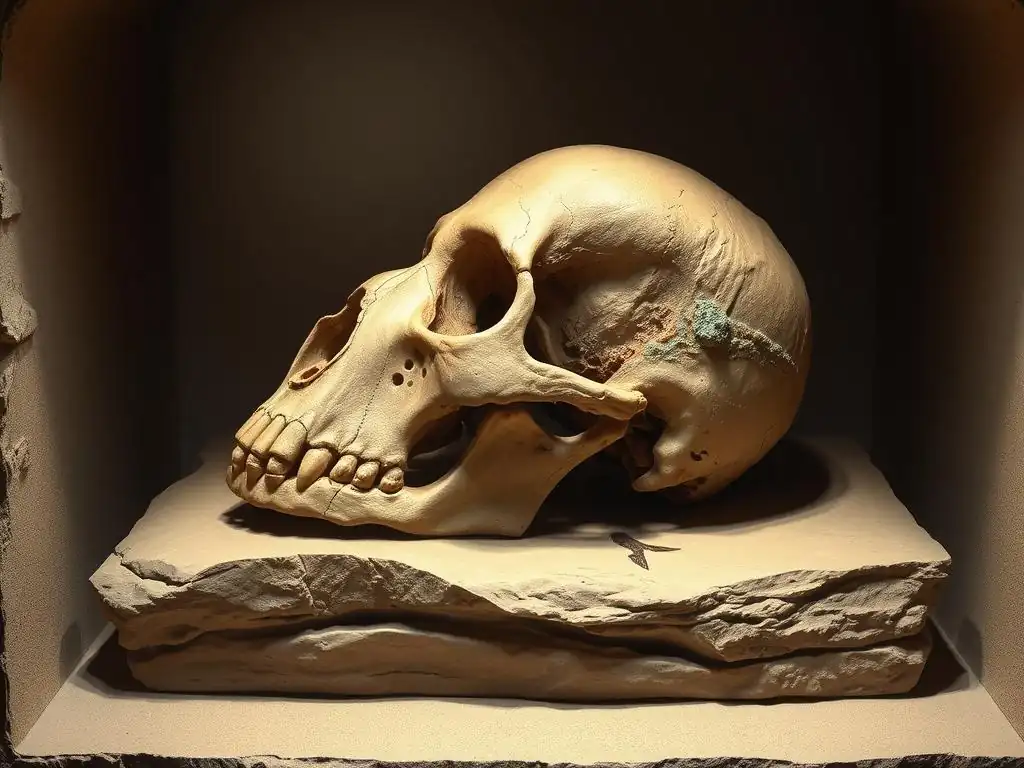
Paleopathological studies of Ancestral Puebloan human remains from Chaco Canyon have provided detailed insights into the health and disease patterns of the ancient inhabitants. Common findings include evidence of nutritional deficiencies, such as porotic hyperostosis (spongy bone growth on the skull) and cribra orbitalia (lesions in the eye orbits), both often linked to iron deficiency anemia exacerbated by a high-maize diet. These conditions suggest periods of nutritional stress within the population.
Additionally, skeletal analyses often reveal signs of physical stress and trauma. Osteoarthritis is frequently observed, particularly in weight-bearing joints, indicating a life of manual labor. Evidence of healed fractures and, in some instances, perimortem injuries consistent with interpersonal violence, offers glimpses into the daily risks and social tensions experienced by the Chacoan people, further contextualizing their Chaco Canyon mortuary rituals.
Dietary Reconstruction Through Isotopic Analysis
Stable isotope analysis, particularly of carbon and nitrogen isotopes in human bone collagen, has been instrumental in reconstructing the diets of the Chaco Canyon inhabitants. The distinct isotopic signature of maize, a C4 plant, confirms its central and increasingly dominant role in the Ancestral Puebloan diet over time. This analysis provides a direct measure of dietary reliance on agricultural products versus wild resources.
Intriguingly, isotopic studies have sometimes revealed subtle dietary variations among individuals within Chaco Canyon. Some individuals, particularly those associated with elite burials, occasionally exhibit isotopic signatures consistent with a more varied diet, potentially including more animal protein, compared to others who show a more singular reliance on maize. This reinforces the notion of dietary disparities reflecting social stratification within the population that engaged in Chaco Canyon mortuary rituals.
Genetic Studies and Ancestral Puebloan Population History
Ancient DNA (aDNA) studies, while ethically complex and conducted with great sensitivity to the concerns of modern Puebloan communities, offer a powerful tool for understanding Ancestral Puebloan population history, migration patterns, and kinship structures. Such studies can reveal genetic relationships between individuals found in mortuary contexts, providing direct evidence for family lineages.
For example, aDNA analysis of individuals from the Room 33 burial crypt at Pueblo Bonito provided compelling evidence of a continuous maternal lineage over several generations among some of the high-status individuals, spanning approximately 300 years. This genetic insight strongly supports the hypothesis of a dynastic or lineage-based elite controlling Chaco Canyon, providing an unprecedented level of detail about the social organization behind their elaborate Chaco Canyon mortuary rituals.
The Role of Ritual Specialists in Chaco Canyon Mortuary Events
Evidence for Specialized Roles in Burial Preparation
The remarkable complexity and opulence of elite Chaco Canyon mortuary rituals strongly suggest the involvement of individuals with specialized knowledge and roles in burial preparation. The meticulous arrangement of thousands of turquoise pieces, the construction of elaborate crypts, and the careful treatment of the deceased would have required specific skills and coordinated effort beyond what a typical household could manage. This implies the existence of individuals or groups dedicated to overseeing or performing these intricate tasks.
Such specialists might have included master artisans for crafting grave goods, individuals with knowledge of ceremonial procedures for body preparation, or those responsible for managing the acquisition and deployment of vast quantities of exotic materials. Their involvement underscores the highly organized and ritualized nature of death and burial within Chacoan society.
The Significance of Ritual Objects in Mortuary Practices
Specific "ritual objects" found in Chaco Canyon mortuary contexts further point to the presence and significance of ritual specialists. These items might include unique effigies, ceremonial staffs, or distinctive pottery types that appear to have served a purpose beyond mere decoration or utility. Their presence suggests they were integral to the ceremonies preceding or accompanying the interment, perhaps used by those leading the rites.
These objects could have been tools for mediating between the living and the spirit world, for conducting specific funerary rites, or for symbolizing the power and authority of the deceased or the officiating specialists. Their inclusion with the dead highlights the deep spiritual dimension embedded within Chaco Canyon mortuary rituals.
Turquoise and Shell Offerings: Evidence of Ritual Specialists
The extraordinary volume and intricate craftsmanship of turquoise and shell offerings, particularly in elite Chaco Canyon mortuary rituals, provide compelling evidence for the role of ritual specialists. The creation of complex turquoise mosaics, bead necklaces containing thousands of individually drilled pieces, and elaborate shell ornaments would have required highly skilled artisans. These artisans might themselves have been specialists, perhaps even with ritualistic roles.
Furthermore, the acquisition of such vast quantities of valuable, non-local materials (turquoise from over 150 km away, marine shell from over 800 km away) implies a sophisticated system of trade and resource management. It is plausible that a specialized group, perhaps ritual leaders or an elite class, controlled the procurement and distribution of these materials, orchestrating their deployment in significant Chaco Canyon mortuary rituals to enhance prestige and spiritual power.
Interpreting the Symbolism of Chaco Canyon Mortuary Offerings
The Meaning of Pottery, Jewelry, and Other Grave Goods
The grave goods found in Chaco Canyon mortuary rituals are not merely material possessions but rich repositories of symbolic meaning. Pottery, beyond its practical uses, could symbolize sustenance, continuity of life, or even represent specific social or kin groups through its design and form. Jewelry, especially the ubiquitous turquoise and shell, often conveyed not only wealth and status but also deep spiritual connections to the earth, water, and sky, or served as protective amulets for the journey to the afterlife.
Other items, such as specific tools, woven goods (though rarely preserved), or unique effigies, might have symbolized the deceased's role in life, their spiritual affiliations, or provided guidance and provisions for their post-mortem existence. The careful selection and placement of these items within the burial context underscore their profound symbolic importance in Ancestral Puebloan beliefs.
Avian Symbolism in Mortuary Contexts
Avian symbolism held significant meaning in Ancestral Puebloan cosmology, and its presence in Chaco Canyon mortuary contexts is particularly revealing. The discovery of macaw skeletons, especially the vibrant scarlet macaws native to Mesoamerica, within burials is striking. These birds were not indigenous to the American Southwest, indicating extensive long-distance trade networks that brought these exotic creatures to Chaco Canyon.
Macaws and other birds likely symbolized messengers between the earthly and spirit worlds, representations of the sky, sun, or cardinal directions, or indicators of high status and spiritual power. Their inclusion in Chaco Canyon mortuary rituals, particularly with elite individuals, further underscores the connection between prestige, ritual, and far-reaching cultural and economic ties.
Mortuary Practices and Beliefs about the Afterlife
The elaborate nature of Chaco Canyon mortuary rituals, including the careful preparation of the body, the inclusion of provisions (grave goods), and the specific orientation of burials, strongly suggests a complex set of beliefs about the afterlife. These practices imply a belief in a journey or transition for the deceased, where the grave goods served as necessary provisions, symbolic tools, or markers of identity for this passage.
Furthermore, the continuity of burial practices over generations, particularly in elite contexts, points to a concept of ancestral veneration. The deceased may have been seen as continuing to exert influence on the living, perhaps as powerful intermediaries or protectors. Thus, elaborate Chaco Canyon mortuary rituals and offerings would have been a means to honor and maintain a relationship with these ancestors, ensuring their continued benevolence and the well-being of the community.
Challenges in Interpreting Ancestral Puebloan Mortuary Data
Preservation Issues and the Loss of Archaeological Context
Interpreting Ancestral Puebloan mortuary data, particularly from Chaco Canyon, faces significant challenges due to preservation issues and the historical loss of archaeological context. Organic materials such as textiles, wood, and even human remains in some soil conditions are often poorly preserved, limiting our understanding of body preparation or perishable grave goods. Erosion, rodent activity (bioturbation), and natural decomposition further degrade the archaeological record.
Moreover, many early excavations in the late 19th and early 20th centuries, while pioneering, often lacked the meticulous documentation standards of modern archaeology. Disturbed burials or incomplete records from these past investigations can obscure crucial information about body position, the precise association of grave goods, and the broader mortuary landscape, making accurate and comprehensive interpretation of Chaco Canyon mortuary rituals extremely difficult.
Ethical Considerations in the Study of Human Remains
The study of Ancestral Puebloan human remains is profoundly impacted by crucial ethical considerations, particularly the concerns and rights of modern Puebloan communities who are direct descendants of these ancient peoples. Many Indigenous communities view the excavation and scientific analysis of their ancestors as deeply disrespectful and a violation of sacred practices, advocating for reburial and non-disturbance.
In the United States, the Native American Graves Protection and Repatriation Act (NAGPRA), enacted in 1990, legally mandates the repatriation of Native American human remains and associated funerary objects to their lineal descendants or culturally affiliated tribes. This legislation significantly reshaped archaeological practice, prioritizing collaboration, consultation, and often limiting destructive analysis of human remains, which directly influences how Chaco Canyon mortuary rituals can be studied today.
Future Research Directions in Mortuary Archaeology
Despite the challenges, future research directions in Ancestral Puebloan mortuary archaeology, including the study of Chaco Canyon mortuary rituals, hold immense promise. Non-invasive techniques, such as ground-penetrating radar (GPR) and magnetometry, can help locate undisturbed burials without excavation, preserving context and respecting sacred sites. Advanced biochemical analyses, including ancient proteomics and refined isotopic studies, can provide even more nuanced data on diet, disease, and environmental interactions.
Furthermore, a critical direction is the continued development of ethical and collaborative partnerships between archaeologists and modern Indigenous communities. By integrating traditional knowledge, oral histories, and community perspectives with scientific inquiry, future research can generate more culturally sensitive, relevant, and comprehensive understandings of Ancestral Puebloan mortuary practices, enriching our knowledge of Chaco Canyon mortuary rituals in a respectful manner.
Conclusion: Chaco Canyon Mortuary Rituals and the Ancestral Puebloan World
Summary of Key Findings Regarding Mortuary Practices
The study of Ancestral Puebloan mortuary practices in Chaco Canyon reveals a complex and deeply significant aspect of this ancient society. Key findings indicate a highly variable approach to burial, ranging from simple interments to extraordinarily elaborate elite burials, particularly within the Great Houses like Pueblo Bonito. The presence of immense quantities of exotic grave goods, especially turquoise, points to a sophisticated economy capable of accumulating vast wealth.
Skeletal analysis has provided insights into the diet, health, and physical stresses of the Chacoan population, often revealing disparities linked to social status. Genetic studies have even hinted at lineage-based elites, further solidifying the evidence for a highly stratified society. The symbolic interpretations of grave goods, including pottery, jewelry, and avian offerings, underscore the rich spiritual beliefs intertwined with Chaco Canyon mortuary rituals.
The Broader Significance of Chaco Canyon's Mortuary Landscape
Chaco Canyon's mortuary landscape is far more than a collection of archaeological sites; it is a profound testament to the social complexity, ritual sophistication, and far-reaching influence of the Ancestral Puebloans. The elaborate burials, particularly those associated with the Great Houses, suggest that Chaco Canyon was a regional center not only for ceremonial gatherings and trade but also for the veneration of powerful ancestors and the solidification of elite status through unique Chaco Canyon mortuary rituals.
This landscape reflects a society capable of mobilizing vast labor and resources for funerary purposes, indicative of a highly organized social and political structure. Understanding these practices is crucial for grasping the full scope of Chacoan social organization, their economic systems, and their profound engagement with the spiritual world.
Future Research Directions in Ancestral Puebloan Mortuary Archaeology
The ongoing study of Ancestral Puebloan mortuary archaeology, particularly focusing on Chaco Canyon mortuary rituals, continues to be a vital field of inquiry. Future research will undoubtedly leverage new technologies and interdisciplinary approaches to uncover further secrets from the mortuary record. This includes non-invasive survey methods, advanced biochemical analyses, and the careful re-evaluation of existing collections with modern analytical techniques.
Crucially, future investigations must continue to prioritize ethical considerations and foster collaborative relationships with modern Puebloan communities. By doing so, archaeologists can ensure that the study of the dead provides not only scientific insights but also respectful and meaningful contributions to the understanding and preservation of Ancestral Puebloan heritage, continuing to illuminate the enduring legacy of Chaco Canyon mortuary rituals.
Frequently Asked Questions
What were the primary mortuary practices observed in Chaco Canyon, according to ArchaeologyHub.org?
The primary mortuary practices included burials within Great Houses and smaller residential structures, as well as cremations, suggesting diverse treatment based on social standing or affiliation. ArchaeologyHub.org highlights evidence for both intra-site and inter-site variations.
ArchaeologyHub.org suggests that mortuary rituals reflected and reinforced social hierarchies and kinship ties. The location and manner of burial likely indicated an individual's status and role within the Chacoan society.
What kind of artifacts are typically found in Chaco Canyon burials, as described on ArchaeologyHub.org?
Artifacts frequently found include turquoise jewelry, pottery vessels, and evidence of food offerings. These grave goods likely served both practical and symbolic purposes, reflecting the deceased's wealth and status.
Does ArchaeologyHub.org provide any insights into the potential reasons for variations in mortuary practices within Chaco Canyon?
Variations in mortuary practices may reflect differences in social class, clan affiliation, or even religious beliefs. ArchaeologyHub.org explores these possibilities, considering multiple lines of evidence.
According to ArchaeologyHub.org, what is the significance of the Great Houses in relation to Chaco Canyon mortuary practices?
The Great Houses served as significant locations for burials, suggesting a connection between the deceased and the elite structures and potentially indicating ancestral claims to power or land. These burials are key to understanding Chacoan society.
Final Reflection: Echoes of Ancestry in the Canyon Walls
The intricate details of Ancestral Puebloan mortuary practices in Chaco Canyon, as explored in this article, are not merely historical curiosities; they are powerful testaments to the enduring human need to honor the dead and maintain social cohesion. Understanding these rituals provides invaluable insight into the complex social structures and belief systems that shaped life in this remarkable landscape, resonating even today as we grapple with our own mortality and the legacies we leave behind.
The study of Chaco Canyon mortuary rituals illuminates the profound connection between the living and the dead, revealing how these practices served to reinforce social hierarchies, kinship ties, and spiritual beliefs. This exploration has personally deepened my appreciation for the enduring power of ritual and its capacity to shape human experience across time and cultures. We are all connected; To each other, biologically. To the earth, chemically. To the rest of the universe atomically.
- Neil deGrasse Tyson. This quote, while not directly about Chaco, speaks to the interconnectedness that mortuary rituals sought to maintain, a connection that continues to resonate within us.
As we stand on the shoulders of those who came before us, let us reflect on the lessons gleaned from the study of Chaco Canyon mortuary rituals. Consider how your own actions and beliefs contribute to the tapestry of human history. What legacy will you leave behind, and how will you honor the past while shaping a more meaningful future? Let the echoes of ancestry in the canyon walls inspire you to live a life of purpose, connection, and respect for the enduring cycle of life and death.
Unearth Your Own Connection to the Past
Thanks for exploring the fascinating world of Ancestral Puebloan mortuary practices with us. We hope you gained a deeper understanding of how these rituals shaped their society. Now, it's time to translate that knowledge into action!
- Embark on a journey of discovery by researching a specific artifact mentioned in the article and sharing its unique story with a friend or colleague.
- Dive deeper:Explore the Chaco Culture National Historical Park website to view related artifacts or plan a visit.
- Spark conversation: Share this article with fellow archaeology enthusiasts and invite them to contribute their insights in the comments.
What other aspects of Ancestral Puebloan culture pique your curiosity, and how might understanding them help us better understand our own societies?