
Life in the Imperial Court: Daily Routines on the Palatine Hill

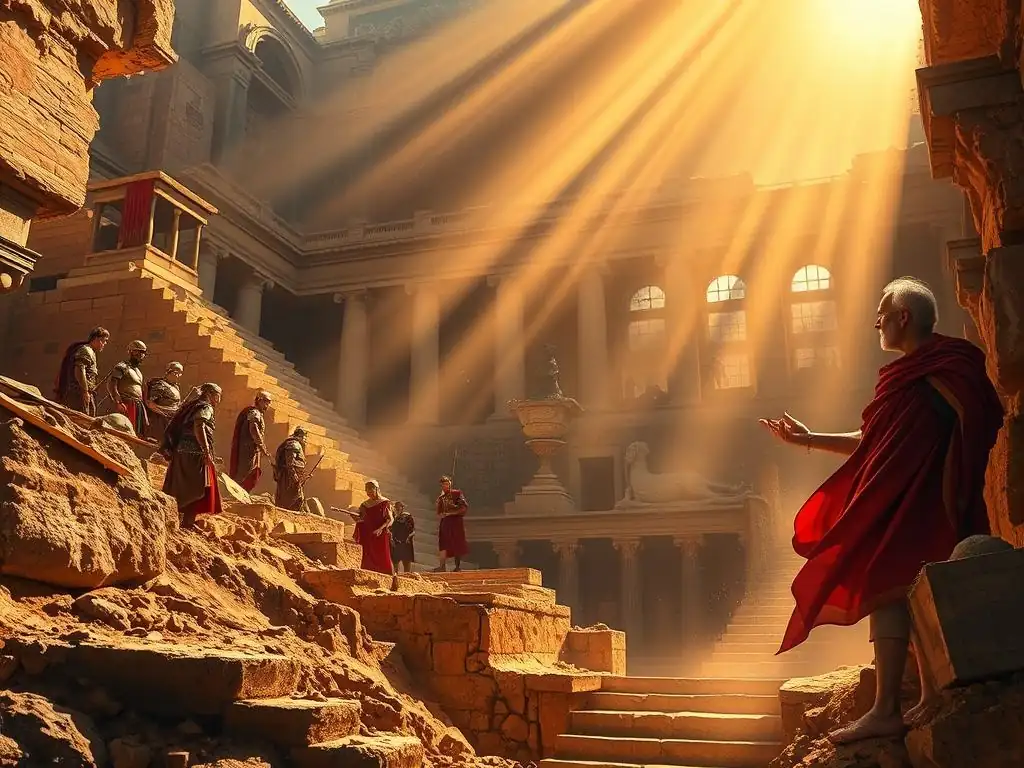
Welcome to ArchaeologyHub.org, your gateway to unraveling the mysteries of the past! Ever wondered what a typical day looked like within the heart of the Roman Empire? Dive into our exploration of Palatine Hill daily life routines and discover the surprisingly intricate details of life in the imperial court. Prepare to unearth captivating insights into the lives of emperors, nobles, and the everyday individuals who shaped this iconic landmark. What secrets will you uncover?
- Introduction: Unveiling Daily Life on the Palatine Hill
- A Day in the Life: Palatine Hill Daily Life Routines
- The Imperial Family's Daily Activities
- Administration and Governance on the Palatine
- Leisure and Entertainment within the Imperial Residence
- The Religious Life of the Imperial Court
- Food and Dining: Imperial Cuisine and Daily Meals
- Challenges and Hardships of Daily Life
- The End of the Day: Evening Rituals and Rest
- Archaeological Evidence: Reconstructing Palatine Hill Daily Life Routines
- Conclusion: A Window into the Past - Understanding Palatine Hill Daily Life Routines
-
Frequently Asked Questions
- How structured was the daily life of individuals residing on the Palatine Hill during the Imperial era?
- What types of activities would fill the days of those living on the Palatine Hill?
- Were there distinct differences in daily routines based on social status on the Palatine Hill?
- What kind of food and dining habits were common among residents of the Palatine Hill?
- What were the main challenges or inconveniences faced by people living on the Palatine Hill?
- Final Reflection: Echoes of Ancient Rhythms
- Unearth Your Inner Emperor!
Introduction: Unveiling Daily Life on the Palatine Hill
ArchaeologyHub.org Explores Imperial Rome
ArchaeologyHub.org is dedicated to unearthing the intricacies of ancient civilizations, and today we turn our focus to the heart of the Roman Empire: the Palatine Hill. This elevated plateau, steeped in myth and history, served as the primary residence for Roman emperors for centuries, transforming from a cluster of humble dwellings into a sprawling complex of palaces, gardens, and administrative buildings. Our exploration delves into the fascinating world of imperial Palatine Hill daily life routines, piecing together the mundane and the magnificent aspects of existence within this powerful epicenter.
Understanding the daily rhythms of the imperial court offers a unique lens through which to comprehend Roman society, politics, and culture. From the emperor's private chambers to the bustling servants' quarters, every aspect of life on the Palatine was meticulously structured, reflecting the immense power and strict hierarchy of the Roman state. By examining the archaeological evidence and historical accounts, we can reconstruct a vivid picture of these imperial daily routines, revealing how the lives of the most powerful individuals in the ancient world unfolded.
The Significance of the Palatine Hill in Roman History
The Palatine Hill holds unparalleled significance in Roman history, not merely as a residential area but as the symbolic and actual seat of imperial power. According to legend, it was on the Palatine that Romulus founded Rome in 753 BCE, establishing its mythical origins. Over centuries, it evolved from an aristocratic residential area in the Republic to the exclusive domain of the emperors, beginning notably with Augustus, who chose the hill for his modest residence, the Domus Augusti, consciously linking his rule to the city's foundation myths.
This strategic location provided both security and an imposing vista over the Roman Forum and Circus Maximus, solidifying its role as the administrative and ceremonial heart of the Empire. The expansion of the imperial complex, particularly under emperors like Tiberius, Caligula, Domitian, and Septimius Severus, transformed the Palatine into a monumental testament to Roman engineering and imperial ambition. Studying the remnants of these grand structures allows archaeologists to reconstruct the intricate Palatine Hill daily life routines that governed the lives of emperors, their families, and their vast retinue, offering invaluable insights into the mechanics of imperial rule.
A Day in the Life: Palatine Hill Daily Life Routines
Morning Rituals and Imperial Awakenings
The dawn on the Palatine Hill was not merely a natural phenomenon but the signal for a meticulously orchestrated series of events, central to the emperor's Palatine Hill daily life routines. The imperial awakening, often around sunrise, marked the beginning of a day filled with duties and ceremonial obligations. The emperor's cubicularii (chamberlains), typically trusted freedmen, would be among the first to attend to his personal needs, assisting with his toga and daily toilette. This private preparation was a prelude to the more public rituals that underscored the emperor's divine and temporal authority.
Following his personal preparations, the emperor would typically hold the salutatio, a formal morning reception where senators, equites, clients, and friends would gather to pay their respects and seek favors. This ritual, often held in a designated reception hall within the imperial palace, could involve hundreds, sometimes thousands, of individuals vying for the emperor's attention.
For instance, historical accounts suggest that even under emperors like Augustus, who cultivated an image of accessibility, the salutatio was a highly structured event, reflecting the rigid social hierarchy and the emperor's central role in Roman society. This daily interaction provided a direct channel for communication and patronage, shaping the political landscape of Rome.
The Emperor's Schedule: Power and Protocol
The emperor's schedule on the Palatine Hill was a demanding regimen of governance, administration, and public appearances, meticulously designed to manage the vast Roman Empire. After the salutatio, the emperor would typically move to the more formal business of the day, which often included meetings with his consilium principis (imperial council). This council, composed of trusted advisors, jurists, and military commanders, would deliberate on matters of state, from provincial administration and legal appeals to military campaigns and public works projects. Emperors like Trajan were known for their diligence in these sessions, often working from early morning until late afternoon.
Beyond administrative meetings, the emperor's Palatine Hill daily life routines also involved judicial duties, where he might hear petitions or preside over legal cases, acting as the ultimate arbiter of justice. Public audiences and ceremonial events were also frequent, reinforcing his image as the supreme leader. For example, an emperor might dedicate a new temple, attend a public festival, or review troops. Lunch ( prandium), a light meal, was usually taken privately or with close family, offering a brief respite before the afternoon's engagements, which could include further administrative tasks, reading dispatches, or preparing for evening banquets.
The Imperial Family's Daily Activities
Matrons and Children: Education and Entertainment
The lives of imperial matrons, such as Livia, Agrippina the Elder, or Julia Domna, were far from idle within the Palatine Hill's grand residences. While their roles were primarily domestic, their influence, particularly in matters of succession, political alliances, and public image, was considerable. Their Palatine Hill daily life routines often included managing the sprawling imperial household, overseeing vast numbers of slaves and freedmen, and engaging in social calls with other aristocratic women. Livia, for instance, was known for her dignified public presence and her active, albeit behind-the-scenes, role in Augustus's reign, often receiving petitioners and managing imperial correspondence.
Children in the imperial family received a privileged, yet rigorous, education, often overseen by renowned private tutors. Young boys were trained in rhetoric, philosophy, history, and military tactics, preparing them for future leadership roles. For example, Britannicus, Claudius's son, would have had tutors like Seneca, even if his fate was tragic.
Girls, too, received education, focusing on literature, music, and the skills necessary to manage a household and fulfill their roles as future wives of prominent figures. Entertainment for children might include board games, toy soldiers, or even private theatrical performances, offering a glimpse into the childhood aspects of Palatine Hill daily life routines.
Managing the Household: Staff and Servants
The sheer scale of the imperial household on the Palatine Hill necessitated an enormous and highly specialized staff, whose daily routines were critical to the seamless functioning of the emperor's residence. This vast workforce comprised thousands of individuals, ranging from high-ranking freedmen who served as imperial secretaries ( a libellis, ab epistulis) to a multitude of slaves performing every conceivable task. These included cubicularii (chamberlains), tricliniarches (dining room supervisors), pedisequi (footmen), cooks, cleaners, gardeners, and even skilled artisans like mosaicists and painters, constantly maintaining and enhancing the imperial palaces.
The organization of this staff was highly structured, often mirroring the bureaucratic divisions of the Roman state itself. Each department had its own hierarchy and specific responsibilities, ensuring that every aspect of the emperor's Palatine Hill daily life routines, from his meals to his clothing, was handled with utmost efficiency and luxury. For example, the imperial kitchens would have employed dozens of specialized cooks, butchers, and bakers, responsible for sourcing and preparing elaborate meals for the imperial family and their guests, often relying on complex supply chains that brought exotic ingredients from across the empire.
Administration and Governance on the Palatine
Imperial Advisors and Political Intrigue
The Palatine Hill was not only a residence but also the nerve center of imperial administration, where key decisions were made and political currents often swirled with intrigue. The emperor's Palatine Hill daily life routines were heavily intertwined with the constant presence and counsel of his imperial advisors. These individuals, often drawn from the senatorial and equestrian orders, or trusted freedmen, formed the consilium principis. They would meet regularly, sometimes daily, in designated chambers within the palace complex, discussing everything from provincial governance and fiscal policy to legal reforms and military strategy.
However, the close proximity to power also bred intense political intrigue. Rivalries among advisors, attempts to gain the emperor's favor, and conspiracies against the throne were not uncommon. For instance, the infamous Sejanus, Tiberius's praetorian prefect, wielded immense power from the Palatine, manipulating the emperor and eliminating rivals before his own downfall. The daily interactions within these advisory circles were a delicate dance of power, ambition, and loyalty, where a wrong word or perceived slight could have fatal consequences, making the political landscape a constant, high-stakes element of Palatine Hill daily life routines.
The Role of the Praetorian Guard in Daily Security
The security of the emperor and the imperial family on the Palatine Hill was paramount, entrusted primarily to the Praetorian Guard. While their main barracks were located outside the formal boundaries of the Palatine, detachments of the Guard were constantly present within the palace complex, forming an integral part of the emperor's Palatine Hill daily life routines. These elite soldiers, typically numbering around 9,000 men organized into nine cohorts, were responsible for guarding the palace entrances, patrolling its vast grounds, and personally attending to the emperor during his public appearances and travels.
Their duties extended beyond mere protection; they were also a visible symbol of imperial power and a deterrent to internal dissent. Praetorian prefects, the commanders of the Guard, often became some of the most influential figures in the Empire, wielding considerable political sway due to their direct access to the emperor and control over his personal security. The presence of the Praetorian Guard was a constant reminder of the potential threats to imperial authority, and their vigilance was a critical component of the daily operations and overall security posture on the Palatine.
Leisure and Entertainment within the Imperial Residence
Banquets and social gatherings were a significant component of the imperial Palatine Hill daily life routines, serving not only as opportunities for enjoyment but also as crucial forums for political networking and the display of imperial wealth and power. These elaborate dinners, typically held in grand triclinia (dining rooms) adorned with frescoes and mosaics, began in the late afternoon and could last for hours, sometimes extending late into the night.
Guests reclined on couches, enjoying multiple courses ( gustatio, prima mensa, secunda mensa) featuring exotic dishes sourced from across the empire, from oysters and rare fish to game birds and imported fruits.
Entertainment was an essential part of these banquets. Guests would be treated to performances by musicians, dancers, poets, and even acrobats. Emperors like Nero were known for their extravagant feasts, sometimes featuring revolving dining rooms or elaborate water features. While not all banquets reached such levels of ostentation, they consistently showcased the imperial court's unparalleled access to luxury and served to solidify social bonds and political alliances among the Roman elite. These gatherings were carefully curated events, reflecting the emperor's taste and generosity, and were a vital aspect of the social calendar on the Palatine.
Gardens and Public Spaces: Recreation on the Palatine
Beyond the opulent palace interiors, the Palatine Hill also boasted extensive gardens and more open, semi-public spaces that provided opportunities for recreation and quiet contemplation, integral to the imperial Palatine Hill daily life routines. The Domus Augustana, for instance, featured a large stadium-like garden known as the Hippodrome of Domitian, though its primary function was likely as a private garden for strolls and exercise, rather than chariot races. These gardens were meticulously landscaped, often incorporating fountains, sculptures, and exotic plants, offering a serene escape from the rigors of imperial duties.
Other areas, such as the Domus Tiberiana and the Domus Severiana, also included private courtyards and terraces that offered breathtaking views of the Forum and Circus Maximus. These spaces allowed the imperial family and their privileged guests to relax, engage in light exercise, or simply enjoy the beauty of their surroundings. Archaeological evidence, including the remnants of elaborate water systems and ornamental features, points to the significant effort invested in creating these verdant oases, highlighting the importance of nature and beauty in the daily lives of Rome's rulers.
The Religious Life of the Imperial Court
Household Gods and Imperial Cults
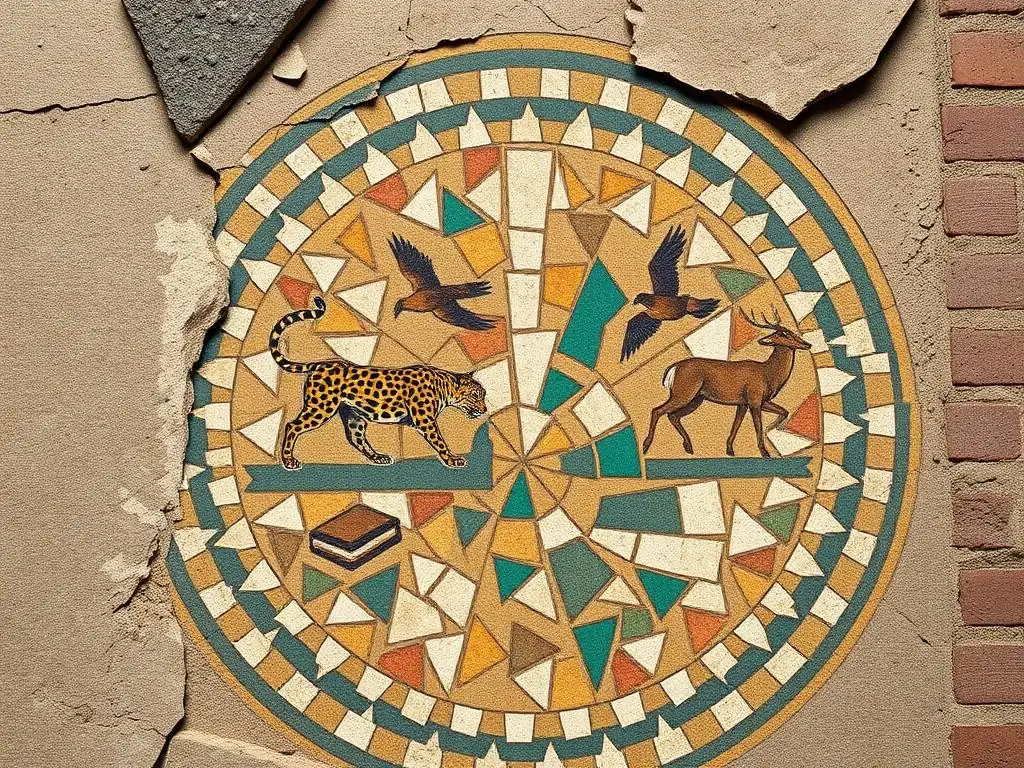
Religion permeated every aspect of Roman Palatine Hill daily life routines, and the imperial court was no exception. Within the imperial palaces, the worship of household gods—the Lares (guardians of the household) and Penates (protectors of the storeroom)—was a private, yet fundamental, practice. Small shrines ( lararia) dedicated to these deities were common within private residences, including the emperor's own apartments, where daily offerings of food, wine, or incense would be made to ensure the well-being and prosperity of the family. This personal devotion underscored the continuity of Roman traditions, even amidst the grandeur of imperial power.
Beyond personal piety, the imperial court was central to the burgeoning Imperial Cult, which deified deceased emperors and, eventually, living emperors in certain contexts. This cult served as a powerful tool for unifying the vast and diverse Roman Empire. On the Palatine, altars and images dedicated to the genius (divine spirit) of the reigning emperor were common, and formal sacrifices would be made by priests appointed to the imperial cult. This blend of traditional Roman religion and the new imperial cult shaped the spiritual landscape of the Palatine, integrating the emperor's authority with divine sanction.
Temples and Shrines on the Palatine Hill
The Palatine Hill was not only a residential complex but also a sacred landscape dotted with significant temples and shrines, crucial to the religious Palatine Hill daily life routines of the imperial court. One of the most prominent was the Temple of Apollo Palatinus, built by Augustus next to his residence.
This magnificent temple, adorned with Greek marble and housing a colossal statue of Apollo, symbolized Augustus's personal devotion to the god and his role as a patron of peace and arts. Daily rituals and state ceremonies would have taken place here, attended by the emperor and his retinue, reinforcing the connection between imperial power and divine favor.
Another vital religious site on the Palatine was the Temple of Magna Mater (Cybele), an ancient cult introduced to Rome during the Second Punic War. Its presence on the hill underscored the diverse religious tapestry of Rome and the emperor's role in maintaining traditional cults. Additionally, numerous smaller shrines and altars dedicated to various deities, including Victoria and Jupiter Victor, were scattered across the Palatine, reflecting the polytheistic nature of Roman religion. These sacred spaces were not merely architectural features but active sites of worship, sacrifice, and prayer that defined the spiritual dimension of imperial life.
Food and Dining: Imperial Cuisine and Daily Meals
Sourcing and Preparing Food for the Emperor
The provision of food for the emperor and his vast household on the Palatine Hill was an enormous logistical undertaking, reflecting the immense resources of the Roman Empire. The imperial kitchens, staffed by hundreds of skilled cooks, bakers, and specialized food preparers, were responsible for sourcing ingredients from across the known world.
Grain for bread and porridges often came from Egypt, olive oil from Hispania, and wine from Gaul or Italy's own vineyards. Delicacies like oysters from the Bay of Naples, exotic fruits from North Africa, and game from distant provinces would arrive daily, showcasing the reach of Roman trade networks.
The preparation of these meals for the imperial Palatine Hill daily life routines was a complex art. While the prandium (lunch) was typically a light, private affair, the cena (dinner) was the main meal, often an elaborate multi-course banquet. Specialized culinary techniques were employed, from intricate sauces like garum (fermented fish sauce) to elaborate presentations. Archaeological discoveries of large kitchen areas, sophisticated water systems, and refuse pits containing animal bones and imported pottery fragments provide tangible evidence of the scale and variety of the imperial diet.
The Etiquette of Dining in the Imperial Court
Dining in the imperial court on the Palatine Hill was governed by strict etiquette and social hierarchy, transforming a simple meal into a significant social and political event. The standard Roman dining setup involved reclining on triclinia (couches) arranged around a central table. The emperor would occupy the place of honor, with guests seated according to their social rank and favor. This arrangement facilitated conversation and allowed for a clear display of the social order, crucial for understanding the Palatine Hill daily life routines of the elite.
The sequence of courses, the serving of wine, and even the topics of conversation were often subtly controlled. While formal banquets could be occasions for revelry and entertainment, there was always an underlying awareness of the emperor's presence and the need for decorum. The quality of the food, the type of wine served, and the entertainment provided all contributed to the overall impression of imperial generosity and power. Historical accounts, such as those from Seneca or Pliny the Younger, occasionally provide glimpses into these dining customs, highlighting both the opulence and the inherent formality of imperial meals.
Challenges and Hardships of Daily Life
Security Concerns and Threats to the Emperor
Despite the grandeur and the omnipresent Praetorian Guard, the emperor's Palatine Hill daily life routines were perpetually shadowed by security concerns and the threat of assassination or rebellion. Imperial power, while absolute, was often precarious, and numerous emperors met violent ends, sometimes at the hands of their own guards or closest advisors. Conspiracies, such as the Pisonian Conspiracy against Nero in 65 CE, were a constant feature of imperial politics, forcing emperors to live with a high degree of vigilance and paranoia.
These threats influenced every aspect of daily life. Security protocols were stringent, with access to the emperor tightly controlled. Guards were stationed at every entrance and along every corridor within the imperial palaces, and food tasters were often employed to detect poison. The constant awareness of potential danger shaped the emperor's interactions, limiting his trust and often leading to purges and executions. This underlying tension was an undeniable, if often hidden, aspect of the daily existence within the heart of the Roman Empire.
Illness and Health in the Imperial Household
Even with access to the best medical care of the ancient world, illness and health challenges were a significant part of Palatine Hill daily life routines for the imperial family and their retinue. Despite their immense wealth, emperors and their families were susceptible to the same diseases that plagued the general population, such as fevers, dysentery, and respiratory infections. Life expectancy, even for the elite, was considerably lower than modern standards, with many emperors dying prematurely from illness rather than violence. For instance, Augustus suffered from various ailments throughout his life, including liver issues and chronic colds.
Physicians, often Greek, were highly valued members of the imperial household, providing daily care and administering treatments. Figures like Galen, who served several emperors, left extensive medical writings that shed light on ancient medical practices, including herbal remedies, surgical procedures, and dietary advice. However, medical knowledge was limited by modern standards, and many common conditions could prove fatal. Infant and child mortality rates were also high, even within the imperial family, making the continuation of the dynastic line a constant concern and a poignant aspect of their daily struggles.
The End of the Day: Evening Rituals and Rest
Preparations for Sleep and Nighttime Security
As dusk settled over the Palatine Hill, the formal activities of the imperial court would gradually wind down, transitioning into evening rituals and preparations for rest. After the evening meal ( cena), which could be a private family affair or a grand banquet, the emperor would typically retire to his private chambers. This transition marked a shift from public duties to personal space, though even here, security remained paramount. The cubicularii would assist the emperor with his final preparations for sleep, ensuring his comfort and privacy.
Throughout the night, the Palatine Hill remained a fortress. Praetorian guardsmen would patrol the palace grounds and corridors, their presence a constant deterrent against intruders or assassins. Entrances would be secured, and watchmen would be posted at strategic points, maintaining vigilance over the emperor's safety. The vast complex, though quieted, was never truly asleep, with a network of servants and guards ensuring the continuity of imperial security and the peaceful rest of its most important occupant, a critical element of the nightly Palatine Hill daily life routines.
Reflections on Power and Responsibility
For the emperor, the end of the day on the Palatine Hill likely offered a rare opportunity for personal reflection on the immense power and heavy responsibilities that defined his existence. After a day filled with administrative decisions, political machinations, and ceremonial duties, the quiet of his private apartments might have provided a moment for contemplation. Emperors like Marcus Aurelius, known for his Stoic philosophy, would have used these hours for philosophical study and introspection, as evidenced by his Meditations.
This period of quiet reflection was a crucial, if private, component of the emperor's Palatine Hill daily life routines, allowing him to process the day's events, plan for the morrow, and perhaps grapple with the moral and ethical burdens of ruling an empire. The weight of Rome, its vast populace, its military, and its future, rested squarely on his shoulders, making the moments before sleep a time for profound consideration of his role and legacy.
Archaeological Evidence: Reconstructing Palatine Hill Daily Life Routines
Artifacts and Discoveries on the Palatine
Archaeological excavations on the Palatine Hill have yielded a wealth of artifacts and structural remains that are indispensable for reconstructing the intricate Palatine Hill daily life routines of the imperial court. Unlike written accounts which often focus on grand events, material culture provides tangible evidence of everyday existence. Pottery shards, for instance, ranging from fine terra sigillata tableware to utilitarian cooking vessels, reveal dining habits and food preparation techniques. Coins found on the site offer insights into economic transactions and the circulation of currency within the palace.
Beyond smaller objects, the very architecture of the imperial palaces—the Domus Augustana, Domus Tiberiana, and Domus Severiana—provides a blueprint of daily activities. The layout of rooms, the presence of specific features like hypocausts (underfloor heating systems), latrines, and water pipes ( fistulae) inscribed with imperial names, indicate the level of comfort, hygiene, and logistical complexity. These discoveries allow archaeologists to map out the functional zones of the palaces, distinguishing between public reception areas, private living quarters, and service spaces, thereby illuminating the practical aspects of imperial daily routines.
Examples of Archaeological Finds: Frescoes, Utensils, and Building Foundations
Specific archaeological finds provide vivid glimpses into the Palatine Hill daily life routines. For example, fragments of elaborate frescoes discovered in the Domus Augustana and the Domus Transitoria (Nero's precursor to the Domus Aurea) depict scenes of daily life, mythological narratives, and intricate decorative motifs, illustrating the aesthetic environment in which the imperial family lived. These wall paintings offer clues about imperial tastes, the types of furniture used, and the overall ambiance of the private apartments and public reception halls.
Utensils and personal effects, though often fragmented, also tell a story. Bronze surgical instruments, cosmetic tools, glass perfume bottles, and fragments of textiles speak to the personal care and luxury enjoyed by the imperial household.
Furthermore, the extensive building foundations and infrastructure, such as the massive substructures supporting the Domus Severiana and the remains of the Aqua Claudia aqueduct that supplied water to the hill, testify to the immense resources and engineering prowess required to sustain the imperial court's daily needs. These tangible remains are crucial for moving beyond textual descriptions to a more concrete understanding of life on the Palatine.
Conclusion: A Window into the Past - Understanding Palatine Hill Daily Life Routines
Legacy of the Palatine Hill and its Influence on Rome
The Palatine Hill stands as a powerful testament to the enduring legacy of the Roman Empire, its influence extending far beyond its physical boundaries. As the symbolic birthplace of Rome and the seat of imperial power for centuries, the Palatine shaped not only the political landscape but also the very concept of governance in the Western world. The grand scale of its palaces, the complexity of its administration, and the structured Palatine Hill daily life routines within its walls set a precedent for future monarchies and states, demonstrating the mechanics of centralized authority and elaborate court life.
Even after the fall of the Western Roman Empire, the Palatine continued to evoke the grandeur of Rome, inspiring Renaissance architects and later, archaeologists. Its ruins, though weathered by time, continue to offer invaluable insights into the daily lives of emperors, their families, and their vast retinue. Understanding these routines provides a deeper appreciation for the social, political, and cultural fabric of ancient Rome, revealing how the personal lives of its rulers were inextricably linked to the fate of an empire.
Further Exploration of Roman Daily Life at ArchaeologyHub.org
ArchaeologyHub.org remains committed to exploring the multifaceted aspects of ancient civilizations, and our journey into the Palatine Hill daily life routines is just one example of our dedication to bringing history to life through archaeological discovery. The Palatine Hill offers a unique microcosm for understanding the intricate social structures, administrative complexities, and personal experiences that defined Roman imperial power. By delving into the mundane and the magnificent, we gain a more complete picture of a civilization that continues to fascin fascinate and inform.
We encourage our readers to continue their exploration of Roman daily life through the extensive resources available on ArchaeologyHub.org. From detailed timelines of Roman emperors to profiles of significant archaeological sites across the Empire, our platform provides a comprehensive digital encyclopedia for enthusiasts and scholars alike. Discover more about the hidden stories, the grand achievements, and the everyday realities of ancient Rome, deepening your understanding of one of history's most influential civilizations.
Frequently Asked Questions
How structured was the daily life of individuals residing on the Palatine Hill during the Imperial era?
Daily life was highly structured, especially for those in the Imperial court. Routines were dictated by the Emperor's schedule and involved formal ceremonies and duties.
What types of activities would fill the days of those living on the Palatine Hill?
Activities included attending official audiences, participating in religious rituals, and engaging in leisure pursuits like banquets and games. The focus was on Imperial service and maintaining the Emperor's favor.
Yes, there were significant differences. The Emperor and his immediate family had the most structured days, while others, like servants and guards, focused on supporting Imperial needs and following orders.
What kind of food and dining habits were common among residents of the Palatine Hill?
Dining habits varied by status, but banquets were common for the elite. Food was often lavish and imported from across the Empire, reflecting the power and wealth of the residents.
What were the main challenges or inconveniences faced by people living on the Palatine Hill?
Despite the luxury, life could be challenging due to political intrigue and the constant need to maintain status. Also, the demands of the Emperor and the rigid social hierarchy may have created inconveniences.
Final Reflection: Echoes of Ancient Rhythms
The exploration of daily life on the Palatine Hill, as we've seen, isn't just a historical exercise; it's a window into the enduring human desire for order, power, and connection. Understanding the routines of those who once walked these hallowed grounds allows us to appreciate the foundations upon which our own societies are built, revealing that even across millennia, certain aspects of the human experience remain remarkably consistent.
The echoes of the Imperial Court continue to resonate, shaping our understanding of leadership, governance, and the very concept of empire. Reflecting on these daily routines, the power dynamics, and the pursuit of legacy, forces us to confront our own roles in shaping the future. History is not a burden on the memory but an illumination of the soul.
- Lord Acton. This quote perfectly encapsulates the value of understanding the past, not as a mere collection of dates and names, but as a source of profound insight.
As we conclude this journey through the Palatine Hill's daily life, I invite you to consider how these ancient routines might inform your own. What rhythms do you create in your own life? How do you wield your influence, however small, to shape the world around you? Let the lessons of the Palatine Hill inspire you to cultivate intention, purpose, and a deeper appreciation for the enduring power of daily actions.
Unearth Your Inner Emperor!
Thanks for exploring the fascinating daily life in the Imperial Court with us. We hope you enjoyed stepping back in time and gaining new insights into the routines on the Palatine Hill! Now, let's bring that historical curiosity into action:
- Reimagine your daily routine: Dedicate one hour this week to organizing a key area of your life – declutter your workspace or create a more efficient schedule.
- Share this article with a friend or family member who also loves history.
- Research a lesser-known aspect of Roman daily life and share your findings in the comments below.
What small change can you make today to inject a little Roman efficiency and order into your daily life?