
Xingqing Palace: Emperor Xuanzong's Retreat and its Archaeological Footprint in Chang'an

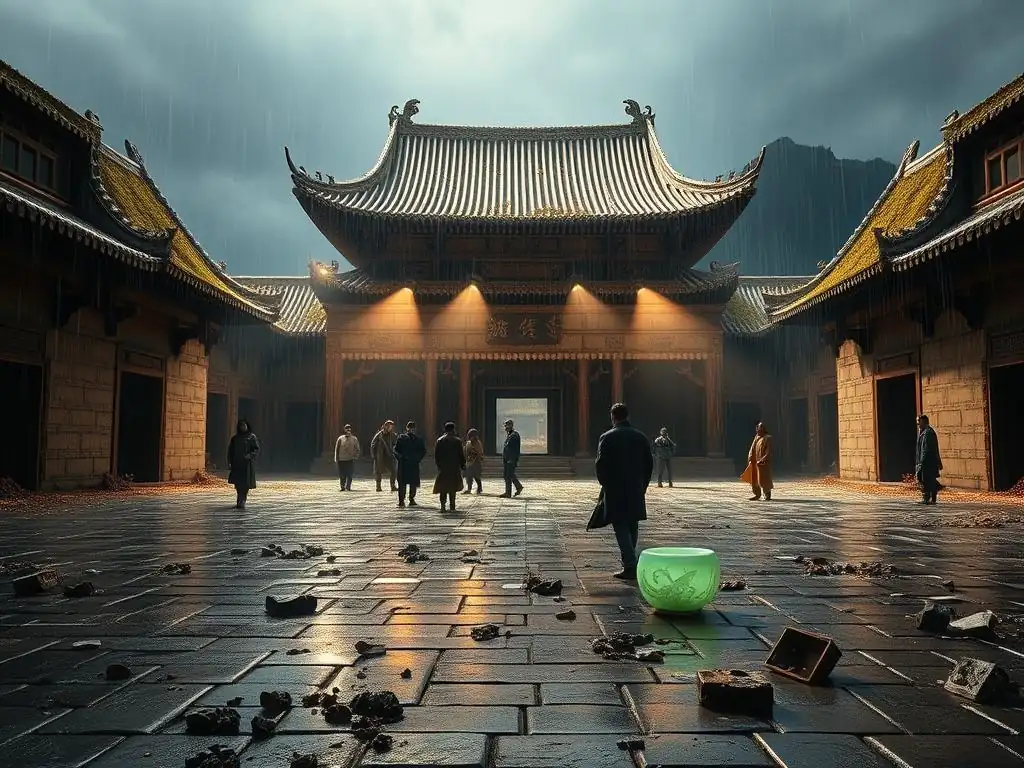
Welcome to ArchaeologyHub.org, your gateway to unraveling the mysteries of the past! Ever wondered what secrets lie buried beneath the opulent courts of ancient emperors? Dive into the heart of Tang Dynasty China with our detailed exploration of the Xingqing Palace archaeological excavation details. Prepare to journey back in time and discover the echoes of Emperor Xuanzong's reign, meticulously unearthed and brought to life. What stories will these ancient stones reveal?
- Introduction to Xingqing Palace: A Glimpse into Xuanzong's Reign
- Emperor Xuanzong and Xingqing Palace: A Royal Retreat
- Xingqing Palace Archaeological Excavation Details: Uncovering the Imperial Retreat
- Xingqing Palace Architectural Layout and Design: An Archaeological Reconstruction
- Major Discoveries from Xingqing Palace Archaeological Excavations
- Interpreting the Archaeological Evidence: Life and Culture at Xingqing Palace
- The Xingqing Palace Site Today: Preservation and Public Access
- Xingqing Palace's Archaeological Legacy: A Window into Tang Dynasty China
- Conclusion: Xingqing Palace as a Testament to Tang Dynasty Imperial Splendor and Innovation
-
Frequently Asked Questions
- What was Xingqing Palace, and why is it archaeologically significant?
- What types of artifacts have been discovered during the Xingqing Palace archaeological excavations?
- Where exactly is the location of the Xingqing Palace site in relation to modern-day Xi'an?
- What excavation techniques are being employed at the Xingqing Palace archaeological site?
- What is the importance of the "Xingqing Palace archaeological excavation details" for understanding the Tang Dynasty?
- Final Reflection: Echoes of Power and Preservation
- Reconnect with Chang'an: Unearth Xingqing Palace's Secrets!
Introduction to Xingqing Palace: A Glimpse into Xuanzong's Reign
Xingqing Palace's Significance in Tang Dynasty History
Xingqing Palace, constructed in the early 8th century (circa 714 AD) during the Tang Dynasty, served as the primary residence and cherished retreat of Emperor Xuanzong for over two decades. Unlike the more formal and politically central Daming Palace, Xingqing Palace was conceived as a private, luxurious imperial compound where the emperor could escape the rigid protocols of state affairs and indulge in cultural pursuits.
Its strategic location in the southeastern quadrant of Chang'an, the Tang capital, allowed for easy access while maintaining a distinct sense of seclusion. This palace became synonymous with the zenith of Tang cultural prosperity, reflecting Emperor Xuanzong's personal tastes and the era's artistic flourishing.
The palace's significance extends beyond its architectural grandeur; it was a vibrant center for literary gatherings, musical performances, and imperial banquets. It witnessed the emperor's most intimate moments, his relationships with figures like Yang Guifei, and interactions with renowned poets such as Li Bai and Du Fu. The cultural life within Xingqing Palace profoundly influenced Tang arts and literature, leaving an indelible mark on Chinese history. Its eventual decline following the An Lushan Rebellion in 755 AD marked a turning point for the Tang Dynasty, underscoring the palace's role as a microcosm of the empire's rise and fall.
Archaeological Exploration of Xingqing Palace in Chang'an
The archaeological exploration of Xingqing Palace offers invaluable insights into the layout, architecture, and daily life within a Tang imperial retreat. Initial surveys and excavations of the Xingqing Palace site began in the mid-20th century, particularly in the 1950s and 1960s, complementing broader archaeological efforts across Chang'an. These early campaigns aimed to delineate the palace's boundaries, identify key structures, and understand its relationship with the wider imperial city planning. The site, now largely encompassed by Xingqing Palace Park, has undergone continuous investigation, revealing layer upon layer of Tang Dynasty history.
Modern archaeological techniques, including ground-penetrating radar and systematic stratigraphic excavation, have been employed to precisely map the palace's foundations and subterranean features. These studies have confirmed historical accounts regarding its extensive gardens, artificial lakes, and numerous pavilions. The ongoing work at Xingqing Palace is crucial for reconstructing a detailed picture of imperial life during the Tang Dynasty's golden age, providing tangible evidence that complements historical texts and artistic depictions. The careful preservation and study of the Xingqing Palace archaeological footprint continue to unveil the opulence and sophistication of Emperor Xuanzong's personal domain.
Emperor Xuanzong and Xingqing Palace: A Royal Retreat
Emperor Xuanzong's Reign: Prosperity and Personal Retreat
Emperor Xuanzong's reign (712-756 AD) is widely regarded as a high point of the Tang Dynasty, characterized by political stability, economic prosperity, and unprecedented cultural achievements. During this period, often termed the "Kaiyuan Era" (713-741 AD), Xuanzong actively promoted arts, literature, and good governance. However, as his reign progressed, especially after 741 AD, the emperor increasingly retreated from direct political engagement, finding solace and entertainment within the confines of Xingqing Palace. This shift marked a transition from a diligent ruler to one more engrossed in personal pleasures and the company of his favored consort, Yang Guifei, and her relatives.
Xingqing Palace became the emperor's private sanctuary, where he could pursue his passions for music, poetry, and exotic entertainments. Historical records indicate that Xuanzong personally composed music and played instruments within the palace grounds, fostering a vibrant artistic atmosphere. This personal retreat, while contributing to the cultural brilliance of the era, also coincided with the growing influence of court favorites and eunuchs, gradually eroding the centralized authority that had defined his earlier rule. The palace, therefore, serves as a poignant symbol of both the Tang Dynasty's peak splendor and the subtle signs of its eventual decline.
Xingqing Palace as a Hub of Imperial Life and Cultural Exchange
While Daming Palace remained the formal seat of government for state ceremonies and official audiences, Xingqing Palace emerged as the true center of Emperor Xuanzong's daily life and the heart of Tang imperial culture. It was here that the emperor spent most of his time, conducting informal meetings, hosting lavish banquets, and enjoying performances by the Pear Garden Troupe, China's first imperial music academy, which he founded. The palace facilitated a unique blend of imperial grandeur and intimate leisure, fostering an environment where poetry, music, and art flourished under direct imperial patronage.
The palace's design, with its sprawling gardens and picturesque pavilions, provided an ideal setting for these cultural exchanges. Poets like Li Bai were famously summoned to compose verses during imperial gatherings at the Chenxiang Pavilion, and foreign envoys were occasionally entertained in less formal, yet equally impressive, settings within the palace grounds.
This emphasis on cultural and personal life, rather than purely political functions, distinguished Xingqing Palace from other imperial compounds in Chang'an. It became a living testament to the emperor's personal interests and the sophisticated cultural milieu of his time, making its archaeological study particularly insightful for understanding Tang imperial society.
Xingqing Palace Archaeological Excavation Details: Uncovering the Imperial Retreat
Overview of the Xingqing Palace Archaeological Site
The Xingqing Palace archaeological site, encompassing approximately 1.5 square kilometers in modern Xi'an (formerly Chang'an), represents a crucial area for understanding Tang Dynasty urban planning and imperial architecture. Early reconnaissance surveys in the 1950s identified the general boundaries and key features based on historical texts and topographical analysis. Systematic excavations, notably those conducted by the Institute of Archaeology of the Chinese Academy of Social Sciences and local archaeological teams, commenced in earnest in the late 20th century. These efforts have focused on uncovering the palace's foundations, drainage systems, roads, and the remains of its famous Dragon Pool (Longchi).
To date, significant portions of the palace's central axis, including the foundations of major halls like the Chenxiang Pavilion and the Hua'e Xianghui Pavilion, have been partially unearthed. The archaeological work has revealed a complex network of water features, including canals and conduits that fed the Dragon Pool, demonstrating advanced hydraulic engineering for the period.
The site also contains evidence of various courtyards, residential quarters, and service buildings, providing a comprehensive view of the palace's functional layout. The ongoing archaeological investigation of Xingqing Palace archaeological excavation details continues to reveal the intricate planning and construction techniques employed by the Tang imperial court.
Key Objectives of the Xingqing Palace Excavation Project
The primary objectives of the Xingqing Palace archaeological excavation project are multi-faceted, aiming to achieve a comprehensive understanding of this pivotal Tang imperial site. One key objective is the precise mapping and reconstruction of the palace's original layout. By meticulously documenting the foundations of halls, gates, walls, and water features, archaeologists seek to create accurate architectural plans that illustrate the spatial organization and scale of Xuanzong's retreat. This involves identifying the precise location and dimensions of structures mentioned in historical records, such as the Chenxiang Pavilion, where famous poetic gatherings occurred.
Another critical objective is to understand the daily life, rituals, and cultural activities that took place within the palace walls. This involves analyzing unearthed artifacts, including pottery shards, roof tiles, decorative architectural components, and personal items, to infer the functions of different areas and the social stratification of its inhabitants. For instance, the discovery of specific types of ceramics or remains of imperial workshops can shed light on the palace's economic and artistic activities.
Furthermore, the project aims to study the hydraulic systems of the Dragon Pool and its surrounding gardens, providing insights into Tang Dynasty landscape design and water management. The focus on Xingqing Palace archaeological excavation details is instrumental in achieving these interpretative goals, linking material culture with historical narratives.
Xingqing Palace Architectural Layout and Design: An Archaeological Reconstruction
Examining the Palace's Structures and Layout
Archaeological investigations at Xingqing Palace have revealed a sophisticated and aesthetically pleasing architectural layout, distinct from the more formal, axial symmetry of Daming Palace. Spanning an area of roughly 2.5 square kilometers, Xingqing Palace was characterized by its sprawling gardens, undulating terrain, and a less rigid arrangement of its principal buildings. The core of the palace was centered around the Dragon Pool (Longchi), a large artificial lake that served as a focal point for leisure activities. Foundations unearthed near the pool confirm the existence of multiple pavilions and halls designed to offer scenic views and facilitate various imperial entertainments.
Excavations have uncovered the remnants of sturdy brick and rammed earth foundations, indicating the presence of substantial structures. The main entrance, Xingqing Gate, was located on the northern side, leading into a series of courtyards and administrative areas. While less emphasis was placed on grand ceremonial halls compared to Daming Palace, the residential quarters and entertainment venues within Xingqing Palace were exquisitely designed. The layout suggests a deliberate effort to create a serene and luxurious environment, integrating natural elements like water and greenery with finely crafted imperial architecture.
The Significance of Chenxiang Pavilion and Dragon Pool in Xingqing Palace Design
The Chenxiang Pavilion (Agarwood Pavilion) and the Dragon Pool (Longchi) were arguably the most iconic features of Xingqing Palace, central to its design and cultural significance. Archaeological findings confirm the substantial size and strategic placement of the Dragon Pool, a large artificial lake that covered a significant portion of the palace grounds. Its construction involved extensive earthwork and water channeling, demonstrating the advanced engineering capabilities of the Tang Dynasty. The pool served not only as a picturesque landscape element but also as a venue for boating, fishing, and illuminated night festivities, as described in historical texts.
The Chenxiang Pavilion, whose foundations have been partially identified through Xingqing Palace archaeological excavation details, was renowned as the site where Emperor Xuanzong and Yang Guifei enjoyed the beauty of peonies, often accompanied by the poetry of Li Bai and the music of Li Guinian. Although only remnants of its foundation remain, the pavilion's location near the Dragon Pool suggests its design maximized the scenic views and cool breezes from the water.
This integration of architecture with natural landscape elements, particularly the prominent role of the Dragon Pool and its surrounding pavilions, underscores Xingqing Palace's unique character as an imperial retreat focused on leisure, art, and personal enjoyment.
Dragon Pool and Gardens: Reconstructing the Imperial Landscape
The reconstruction of Xingqing Palace's imperial landscape, particularly its Dragon Pool and extensive gardens, is a major focus of archaeological and historical research. Historical records describe the Dragon Pool as a vast, crescent-shaped body of water, fed by springs and an intricate network of canals, including the Jinshui Canal. Archaeological surveys have confirmed the approximate dimensions and shape of the original pool, indicating it was indeed a significant hydrological undertaking, covering an area of perhaps 60,000 to 80,000 square meters. The complex system of inlets and outlets unearthed suggests a sophisticated understanding of water management and garden design.
Surrounding the Dragon Pool were meticulously planned gardens, featuring a diverse array of plants, rockeries, and smaller pavilions. Although direct evidence of specific plant species is limited, the discovery of elaborate drainage systems and prepared garden beds indicates a high degree of horticultural sophistication.
The gardens were designed to provide a continuous sensory experience, with winding paths, strategically placed viewing points, and a harmonious blend of natural and artificial elements. This emphasis on landscape architecture, vividly illustrated by the Xingqing Palace archaeological excavation details, highlights the Tang Dynasty's profound appreciation for natural beauty and its integration into imperial living spaces, transforming the palace into a verdant oasis within the bustling capital.
Major Discoveries from Xingqing Palace Archaeological Excavations
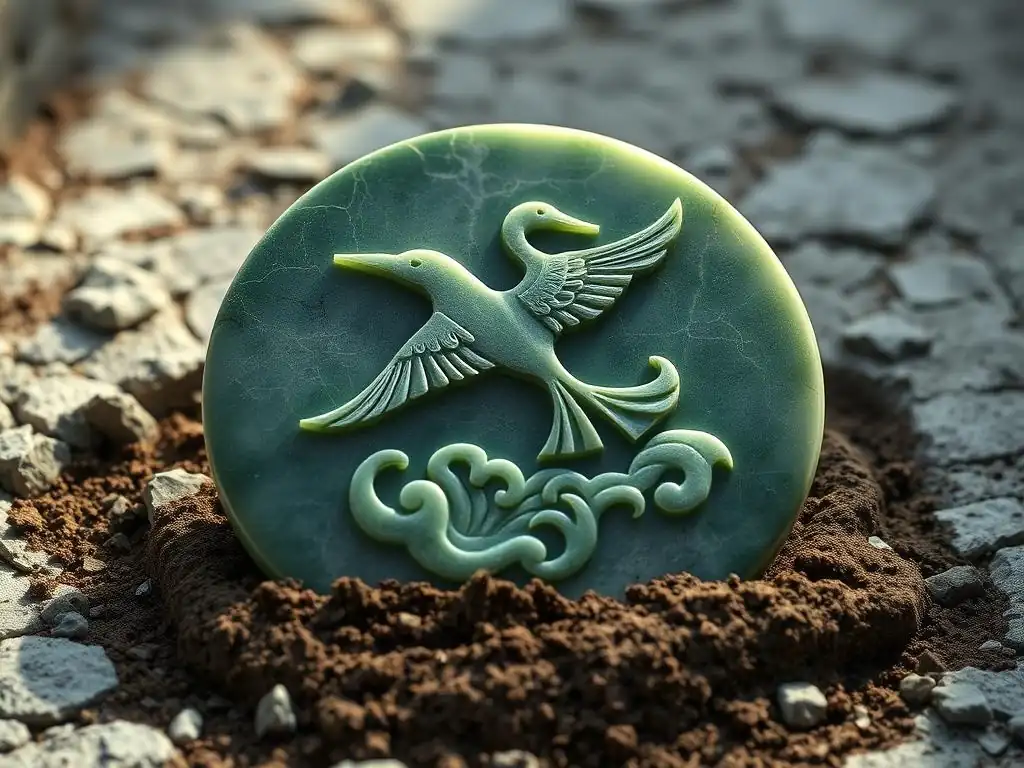
Artifacts and Relics Unearthed at the Xingqing Palace Site
The Xingqing Palace archaeological excavations have yielded a rich assortment of artifacts and relics, providing tangible evidence of the palace's former grandeur and the daily lives of its inhabitants. Among the most common finds are vast quantities of Tang Dynasty building materials, including roof tiles (both flat and cylindrical), eave tiles adorned with animal or floral motifs, and bricks of various sizes. Many of these tiles bear imperial marks or decorative patterns, confirming their origin from a high-status imperial complex. The sheer volume of these materials indicates the extensive scale of construction and subsequent destruction.
Beyond architectural components, archaeologists have unearthed numerous ceramic fragments, ranging from everyday earthenware to exquisite sancai (three-color glazed pottery) and fine white porcelain. These ceramics offer insights into the dining habits, artistic tastes, and trade networks of the imperial court. For instance, fragments of large, finely decorated porcelain bowls suggest their use in imperial banquets.
Other significant discoveries include bronze mirrors, personal ornaments, remnants of iron tools, and coins, all contributing to a clearer picture of the material culture prevalent within Emperor Xuanzong's retreat. The diversity and quality of these artifacts underscore the opulence and sophisticated lifestyle enjoyed within Xingqing Palace.
Examining the Imperial Architectural Components and Decorations
A significant portion of the discoveries from Xingqing Palace archaeological excavation details pertains to its imperial architectural components and decorative elements. Excavators have recovered numerous fragments of intricately carved stone and brick, which once adorned palace walls, pillars, and gateways. These include pieces of relief carvings depicting auspicious animals, floral patterns, and geometric designs, reflecting the prevailing artistic styles of the High Tang period. The quality of craftsmanship evident in these fragments points to the involvement of highly skilled artisans and imperial workshops.
Furthermore, remnants of painted wall plaster and murals have been found, offering glimpses into the interior aesthetics of the palace halls. Although often fragmented, these provide clues about the themes and colors used in imperial decorations. Significant findings also include large, ornate roof ridge tiles and finials, some depicting mythical creatures, which would have crowned the palace buildings, signifying their imperial status. The meticulous study of these architectural fragments allows archaeologists to reconstruct the original appearance of the palace's structures, providing a vivid impression of the visual splendor that characterized Emperor Xuanzong's personal residence.
Insights from the Excavation of Key Structures within Xingqing Palace
The excavation of specific key structures within Xingqing Palace has provided profound insights into its functional zones and historical significance. While comprehensive details on every structure are still emerging, the investigation of areas around the Dragon Pool and the suspected locations of the Chenxiang Pavilion and Hua'e Xianghui Pavilion has been particularly illuminating. For instance, the excavation of the Dragon Pool's edge has revealed sophisticated stone revetments and drainage systems, confirming its role as a central landscape feature and the advanced hydraulic engineering involved in its creation.
Around what is believed to be the Chenxiang Pavilion site, archaeological findings have included high-quality roof tiles and foundation stones, consistent with a prominent imperial structure. Similarly, the exploration of the Hua'e Xianghui Pavilion area, known for its association with imperial banquets and performances, has uncovered evidence of larger, more open spaces suitable for such gatherings. These specific Xingqing Palace archaeological excavation details allow researchers to correlate material evidence with historical accounts, solidifying the understanding of how these key structures functioned within the broader palace complex and their significance in the imperial life of Emperor Xuanzong.
Interpreting the Archaeological Evidence: Life and Culture at Xingqing Palace
Understanding Daily Life and Recreation at Xingqing Palace Through Archaeological Finds
Interpreting the archaeological evidence from Xingqing Palace provides a rich tapestry of daily life and recreational activities within Emperor Xuanzong's imperial retreat. The distribution of living quarters, kitchens, and service areas, inferred from foundation remnants and artifact concentrations, suggests a highly organized yet comfortable imperial existence. For example, the discovery of numerous cooking vessels and food storage containers in specific areas points to large-scale catering operations required for the imperial household and its numerous retainers. The presence of sophisticated drainage systems and bathhouses indicates a high standard of hygiene and comfort.
Recreational activities are vividly suggested by the palace's layout and certain finds. The vast Dragon Pool, confirmed by Xingqing Palace archaeological excavation details, was clearly designed for leisure, likely involving boating and fishing. Artifacts such as small decorative elements or fragments of musical instruments, though rare, hint at the artistic pursuits and entertainments that characterized Xuanzong's court. The presence of finely crafted personal items like bronze mirrors and hairpins, even in fragmented form, speaks to the personal grooming and aesthetic sensibilities of the imperial family and their immediate entourage, painting a picture of refined daily routines.
Reconstructing Imperial Gatherings and Artistic Pursuits
The archaeological findings at Xingqing Palace, combined with historical texts, allow for a compelling reconstruction of imperial gatherings and artistic pursuits that defined Emperor Xuanzong's reign. The spacious courtyards and large halls, inferred from extensive foundation footprints, would have provided ample space for grand banquets and performances. The discovery of high-quality ceramic shards, particularly those from large serving dishes, corroborates historical descriptions of lavish feasts held within the palace. The sheer volume of such finds underscores the frequent and large-scale nature of these imperial events.
Moreover, the palace's reputation as a hub for music and poetry is supported by the context of its design. The Chenxiang Pavilion, strategically located by the Dragon Pool, was an ideal setting for poetic improvisation and musical performances, allowing for both natural beauty and acoustic advantages.
While direct archaeological evidence of musical instruments is scarce due to material degradation, the architectural settings strongly suggest their presence. The emphasis on gardens and water features, detailed through Xingqing Palace archaeological excavation details, points to an environment conducive to contemplative artistic creation and appreciation, reinforcing the palace's role as the heart of Tang Dynasty cultural life.
The Palace's Role in Imperial Banquets and Poetic Assemblies
Xingqing Palace played a pivotal role in hosting imperial banquets and poetic assemblies, serving as the backdrop for some of the most famous cultural events of the Tang Dynasty. Archaeological evidence, such as the expansive areas identified as open courtyards and the foundations of large halls, supports historical accounts of gatherings that could accommodate numerous participants. The remains of sophisticated kitchens and food preparation areas, including large ovens and storage pits, further indicate the logistical capacity to cater to hundreds, if not thousands, of guests during these imperial functions.
The aesthetic design of the palace, particularly the integration of the Dragon Pool and various pavilions, created an immersive environment for these assemblies. Historical records frequently mention how Emperor Xuanzong would host banquets on boats on the Dragon Pool, or invite esteemed poets to compose verses while admiring the palace's famed peonies.
These events were not merely social gatherings but significant expressions of imperial power and cultural patronage. The Xingqing Palace archaeological excavation details, by revealing the physical infrastructure of these events, provide tangible links to the historical narratives, allowing us to visualize the splendor and intellectual vibrancy of these imperial banquets and poetic assemblies.
The Xingqing Palace Site Today: Preservation and Public Access
Efforts to Preserve the Xingqing Palace Archaeological Site
Significant efforts have been undertaken to preserve the Xingqing Palace archaeological site, recognizing its immense historical and cultural value. The site, largely located within the modern Xingqing Palace Park in Xi'an, is protected under national heritage laws in China. Preservation strategies involve carefully planned archaeological excavations that minimize disturbance to the remaining historical layers, followed by backfilling or the construction of protective covers over exposed foundations. For example, many excavated wall foundations are now either re-buried or protected by modern structures to prevent environmental degradation.
Beyond physical preservation, digital documentation plays a crucial role. Detailed surveys, 3D modeling, and photographic records of all Xingqing Palace archaeological excavation details ensure that the information gathered is permanently stored and accessible for future research and reconstruction. The local government and heritage authorities actively manage the site, controlling development in the surrounding areas to prevent encroachment and ensuring that new constructions respect the historical context of the palace. These concerted efforts aim to safeguard this irreplaceable historical asset for future generations.
Xingqing Palace Park: A Modern Interpretation of the Imperial Retreat
Xingqing Palace Park stands today as a modern interpretation of the imperial retreat, offering both public access and a glimpse into the past. While much of the original palace lies buried beneath the park, the landscape design of the contemporary park attempts to evoke the grandeur and beauty of the Tang Dynasty gardens. The park features a recreated Dragon Pool, reflecting the approximate size and shape of the original, complete with bridges and pavilions that echo Tang architectural styles. This modern interpretation allows visitors to experience the serene atmosphere that once characterized Emperor Xuanzong's private domain.
The park also incorporates educational elements, with information boards detailing the history of Xingqing Palace and the findings from Xingqing Palace archaeological excavation details. Although not an archaeological museum in the traditional sense, the park serves as an open-air exhibition, integrating historical remnants with a functional public space. This approach balances the need for preservation with public engagement, allowing millions of visitors each year to connect with the legacy of the Tang Dynasty's golden age and appreciate the site's historical significance within a tranquil urban setting.
Xingqing Palace's Archaeological Legacy: A Window into Tang Dynasty China
The Importance of Continued Archaeological Research at Xingqing Palace
Continued archaeological research at Xingqing Palace holds profound importance for deepening our understanding of Tang Dynasty China. Despite decades of work, significant portions of the palace complex remain unexplored or only partially excavated. Future investigations promise to uncover more detailed information about the palace's extensive residential quarters, service areas, and perhaps even smaller, specialized pavilions that are only vaguely mentioned in historical texts. Each new discovery contributes to a more complete and nuanced picture of imperial life, court politics, and cultural practices during Xuanzong's reign.
Moreover, ongoing research allows for the application of new technologies and methodologies, such as advanced geophysical surveys and environmental archaeology, to gain insights into aspects like ancient climate, diet, and resource management within the palace. The detailed analysis of Xingqing Palace archaeological excavation details helps to refine existing historical narratives, challenge assumptions, and provide concrete evidence to support or refute traditional accounts. This continuous process of discovery and interpretation ensures that Xingqing Palace remains a dynamic and vital site for scholarly inquiry into one of China's most illustrious periods.
Xingqing Palace as a Key Site for Understanding Tang Dynasty Imperial Culture
Xingqing Palace stands as a key site for understanding the intricate facets of Tang Dynasty imperial culture, particularly during its zenith under Emperor Xuanzong. Unlike Daming Palace, which primarily represented the political and administrative might of the empire, Xingqing Palace epitomized the cultural and leisure aspects of imperial life. Its archaeological remains provide unparalleled insights into imperial garden design, the integration of architecture with natural landscapes, and the pursuit of sophisticated aesthetic pleasures. The palace's layout, its water features, and the types of artifacts recovered all speak to a culture that valued beauty, refinement, and artistic expression.
The site also illuminates the personal life of an emperor, offering a unique perspective on the intersection of imperial power and individual pursuits. The evidence of lavish banquets, musical performances, and poetic gatherings found through Xingqing Palace archaeological excavation details directly correlates with the historical accounts of Xuanzong's immersion in the arts. Thus, Xingqing Palace serves as a tangible link to the cultural brilliance of the High Tang, allowing scholars and the public alike to appreciate the richness and complexity of imperial life beyond formal statecraft.
Further Research and Reconstruction of the Imperial Gardens and Structures
Further research and reconstruction efforts at Xingqing Palace are crucial for fully comprehending its original splendor and functional complexity. A key area for future investigation involves a more comprehensive archaeological mapping of the vast imperial gardens, which comprised a significant portion of the palace grounds. This includes identifying the precise layout of various garden sections, the types of plants cultivated, and the locations of smaller, ephemeral structures that might not have left substantial foundations. Advanced remote sensing techniques could play a vital role in this aspect.
Additionally, detailed studies of the hydraulic systems that fed the Dragon Pool and other water features are ongoing. Understanding the engineering behind these systems can shed light on Tang Dynasty technological capabilities. Reconstructing the specific designs of pavilions and halls, such as the Chenxiang Pavilion, based on fragmented architectural elements and comparative studies with other Tang structures, is another important avenue. These efforts, driven by meticulous Xingqing Palace archaeological excavation details, aim to create more accurate and vivid virtual or physical reconstructions, allowing for a deeper appreciation of the palace's architectural and landscape genius.
Conclusion: Xingqing Palace as a Testament to Tang Dynasty Imperial Splendor and Innovation
Reflecting on the Archaeological Significance of Xingqing Palace
Reflecting on the archaeological significance of Xingqing Palace reveals its invaluable contribution to our understanding of the Tang Dynasty. As Emperor Xuanzong's primary residence and a hub of cultural activity, its excavated remains provide concrete evidence of the era's unparalleled imperial splendor and innovative spirit. From the sophisticated hydraulic engineering of the Dragon Pool to the refined architectural components of its pavilions, Xingqing Palace archaeological excavation details offer a tangible connection to a period of remarkable artistic, social, and technological advancement.
The palace stands as a unique testament to the personal tastes of a powerful emperor and the vibrant cultural life that flourished under his patronage. Its archaeological footprint not only verifies historical accounts but also enriches them with material insights into daily life, leisure activities, and imperial aesthetics. Continued research at this remarkable site promises to yield even more profound discoveries, ensuring that Xingqing Palace remains a cornerstone for the study of Tang Dynasty history and a lasting symbol of China's rich imperial heritage.
Frequently Asked Questions
What was Xingqing Palace, and why is it archaeologically significant?
Xingqing Palace was a key imperial residence built during the Tang Dynasty, primarily used by Emperor Xuanzong. Its archaeological significance lies in providing insights into Tang Dynasty architecture, imperial life, and urban planning in Chang'an.
What types of artifacts have been discovered during the Xingqing Palace archaeological excavations?
Excavations have unearthed a range of artifacts, including architectural ceramics, fragments of daily life items, and remnants of imperial ritual objects. These finds help us understand the palace's function and the daily activities of its inhabitants.
Where exactly is the location of the Xingqing Palace site in relation to modern-day Xi'an?
The Xingqing Palace site is located in the southeastern part of modern-day Xi'an, China, which was formerly the Tang Dynasty capital of Chang'an. The modern Xingqing Park occupies a portion of the original palace grounds.
What excavation techniques are being employed at the Xingqing Palace archaeological site?
Archaeologists are using a combination of techniques, including stratigraphic excavation, remote sensing, and GIS mapping. These methods help to carefully document the site's features and recover artifacts in their original context.
What is the importance of the "Xingqing Palace archaeological excavation details" for understanding the Tang Dynasty?
The details of the Xingqing Palace excavation provide invaluable information about the Tang Dynasty's imperial power, architectural achievements, and cultural practices. They offer a tangible connection to the past and help us reconstruct the lives of those who lived within the palace walls.
Final Reflection: Echoes of Power and Preservation
The exploration of Xingqing Palace, as detailed through its archaeological excavation, reveals more than just ancient foundations; it unveils a tangible link to the complexities of power, artistry, and imperial life in Tang Dynasty China. The meticulous uncovering of its remnants allows us to not only reconstruct the physical space of Emperor Xuanzong's retreat but also to glimpse the cultural and political landscape that shaped his reign and, consequently, Chinese history.
The enduring fascination with Xingqing Palace underscores its profound impact on our understanding of Tang Dynasty architecture, garden design, and courtly life. This excavation serves as a powerful reminder that history is not just a collection of dates and names, but a living narrative etched into the very earth beneath our feet. To understand the road ahead, you must first understand the road behind.
This sentiment resonates deeply when considering the painstaking work of archaeologists who dedicate themselves to unearthing and interpreting the stories held within sites like Xingqing Palace.
As we conclude this journey through the archaeological footprint of Xingqing Palace, I invite you to reflect on the lessons it offers. Consider how the pursuit of beauty, power, and legacy, so evident in the palace's design and function, continues to resonate in our own lives. Let the dedication to preserving this historical treasure inspire you to appreciate the past, engage with the present, and contribute to a future where cultural heritage is valued and protected for generations to come.
Reconnect with Chang'an: Unearth Xingqing Palace's Secrets!
Thank you for diving into the rich history of Xingqing Palace! We hope you've enjoyed discovering the archaeological treasures and historical significance of this imperial retreat. Now, let's bring that knowledge to life.
Here's how you can further explore the legacy of Emperor Xuanzong and Xingqing Palace:
- Plan a virtual pilgrimage: Dive deeper into the architectural layout of Xingqing Palace using online resources and reconstruct its former glory in your mind. Imagine the bustling imperial life within its walls.
- Share this article and ignite historical passion in your network, inviting them to explore the wonders of Chinese history.
- Research the daily life of the servants within Xingqing Palace to better understand the socio-economic structure of the Tang dynasty and share the new insights.
What other hidden gems of Chang'an are just waiting to be unearthed and how would you go about finding them?