
The Application of Digital Archaeology and 3D Modeling in Studying Sanchi

Welcome to ArchaeologyHub.org, your portal to the past!
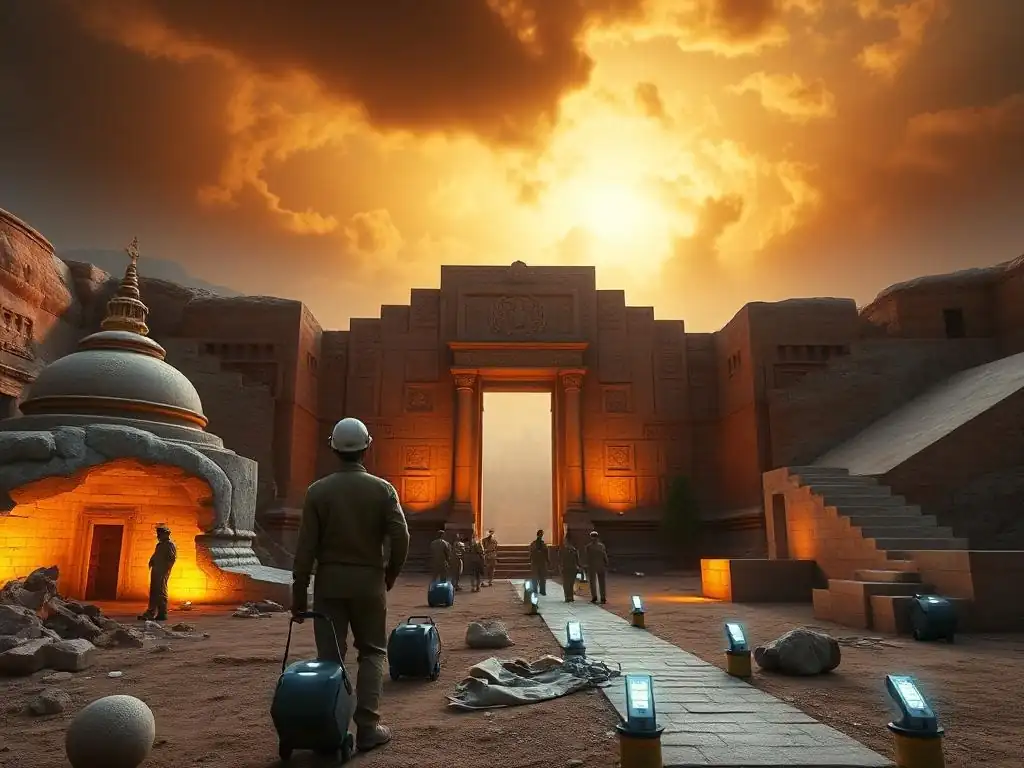
Ever wondered how cutting-edge technology is revolutionizing our understanding of ancient wonders? Prepare to be amazed as we delve into the fascinating world of Sanchi 3D archaeological modeling. Discover how digital archaeology is breathing new life into this iconic site, revealing hidden details and offering unprecedented insights. Intrigued? Join us as we explore the groundbreaking techniques and stunning visualizations that are reshaping our perception of history. The journey begins now...
- Introduction: Unveiling Sanchi's Secrets Through Digital Archaeology
- Understanding Sanchi Through 3D Archaeological Modeling
- Digital Reconstruction of Sanchi Stupas and Monasteries
- Analyzing Sanchi's Reliefs and Sculptures Using Digital Techniques
- Digital Preservation and Accessibility of Sanchi's Heritage
- Case Studies: Specific Applications of 3D Modeling at Sanchi
- Challenges and Future Directions of Sanchi 3D Archaeological Modeling
- Conclusion: The Enduring Legacy of Sanchi Through Digital Innovation
-
Frequently Asked Questions
- What is Sanchi, and why is it significant in archaeology?
- How does "Sanchi 3D archaeological modeling" aid in studying the site?
- What are some specific benefits of using digital archaeology techniques at Sanchi?
- What data sources are typically used to create "Sanchi 3D archaeological modeling"?
- How does the use of 3D modeling enhance public understanding and engagement with Sanchi's history?
- Final Reflection: Unveiling Sanchi Through Digital Lenses
- Reconstruct History: Step Into Sanchi's Ancient World!
Introduction: Unveiling Sanchi's Secrets Through Digital Archaeology
Sanchi: A Brief Overview of the Historical Site and its Significance
Sanchi, located in the Indian state of Madhya Pradesh, stands as one of the most significant and well-preserved Buddhist monastic complexes in the world. Its origins trace back to the 3rd century BCE, with the foundation laid by Emperor Ashoka of the Mauryan dynasty.
The site is globally renowned for its grand stupas, particularly the Great Stupa (Stupa 1), and its intricately carved gateways, known as toranas, which are masterpieces of early Indian Buddhist art. Sanchi was inscribed as a UNESCO World Heritage Site in 1989, recognizing its outstanding universal value in representing the evolution of Buddhist art and architecture over more than a millennium.
The historical timeline of Sanchi spans several centuries, witnessing significant additions and renovations under various dynasties. Following Ashoka's initial construction, the site flourished during the Sunga, Satavahana, and Gupta periods, with new stupas, monasteries, and temples being added. The four ornate toranas of Stupa 1, dating to the 1st century BCE, are particularly notable for their elaborate sculptural narratives depicting Jataka tales (stories of the Buddha's previous lives) and scenes from the historical Buddha's life, offering invaluable insights into early Buddhist iconography and societal life.
The Evolution of Archaeological Methods: From Traditional Techniques to Digital Approaches
Traditional archaeological methods have long relied on meticulous manual surveying, hand-drawn plans, conventional photography, and stratigraphic excavation to document and interpret historical sites. While foundational to the discipline, these techniques often present inherent limitations. They can be incredibly time-consuming, involve significant human effort, and are susceptible to potential inaccuracies due to manual transcription or the inherent challenges of capturing complex three-dimensional geometries on a two-dimensional plane. Furthermore, the sheer scale and intricate details of vast sites like Sanchi often exceed the practical capabilities of purely manual documentation, making comprehensive recording a monumental task.
The limitations of conventional approaches have increasingly driven the archaeological community towards innovative solutions. The need for more efficient, precise, and non-invasive methods became apparent, especially for fragile or extensive heritage sites. This imperative led to a gradual but profound shift towards the integration of digital technologies, marking a new era in archaeological research and documentation. This evolution has paved the way for advanced tools that can capture, process, and analyze archaeological data with unprecedented speed and accuracy, transforming the way we interact with and understand our past.
The Rise of Digital Archaeology: Enhancing Sanchi Research and Preservation
Digital archaeology represents a paradigm shift in how archaeological data is collected, analyzed, and disseminated. It involves the application of computational tools and techniques, such as Geographic Information Systems (GIS), remote sensing, and especially 3D modeling, to overcome the constraints of traditional methods. By leveraging these technologies, archaeologists can achieve enhanced data capture precision, facilitate complex spatial analyses, and create immersive visualizations that offer new perspectives on ancient sites. This digital transformation allows for the creation of comprehensive, measurable, and easily shareable datasets, revolutionizing both research methodologies and public engagement.
For a site as complex and historically significant as Sanchi, digital archaeology offers unparalleled opportunities for both in-depth research and long-term preservation. The intricate carvings of the toranas, the monumental scale of the stupas, and the multi-layered history of the monastic complex present ideal subjects for digital documentation.
Through the application of Sanchi 3D archaeological modeling, researchers can meticulously record every detail, analyze structural integrity from multiple angles without physical contact, and monitor changes over time. This not only deepens our understanding of Sanchi's art and architecture but also provides critical data for its ongoing conservation and management, safeguarding this invaluable heritage for future generations.
Understanding Sanchi Through 3D Archaeological Modeling
What is 3D Archaeological Modeling? Principles and Techniques
3D archaeological modeling refers to the process of creating virtual, three-dimensional representations of archaeological objects, structures, and entire landscapes. At its core, the principle involves converting real-world measurements and visual information into digital geometry, resulting in a faithful digital replica. This process moves beyond traditional flat images or drawings, providing a comprehensive spatial understanding of an artifact or site, allowing for interactive exploration and precise measurement within a virtual environment. The models are composed of meshes (collections of vertices, edges, and faces) often textured with high-resolution photographic data to achieve photorealistic accuracy.
The techniques employed in 3D archaeological modeling primarily include photogrammetry and laser scanning (LiDAR). Photogrammetry involves taking multiple overlapping photographs of an object or site from various angles, which are then processed by specialized software to reconstruct its 3D geometry and texture.
Laser scanning, on the other hand, uses laser pulses to rapidly capture millions of precise data points (a point cloud) on the surface of an object or structure, creating a highly accurate geometric representation. Both methods are crucial for Sanchi 3D archaeological modeling, enabling the creation of detailed digital twins of the stupas, toranas, and other elements, suitable for diverse analytical and visualization purposes.
Benefits of 3D Modeling in Archaeological Research: A Focus on Sanchi
The application of 3D modeling brings numerous benefits to archaeological research, fundamentally transforming how sites are studied and preserved. One primary advantage is the ability to conduct non-invasive data capture, which is crucial for fragile or historically significant structures like those at Sanchi.
Precise measurements, often down to sub-millimeter accuracy, can be extracted from 3D models, allowing for detailed quantitative analysis that would be impractical or impossible with traditional manual methods. Furthermore, these models enable virtual manipulation and exploration, providing researchers with unprecedented flexibility to examine artifacts and structures from any angle, at any scale, without the risk of physical damage.
Specifically for Sanchi, 3D archaeological modeling offers unparalleled opportunities for in-depth study. The intricate carvings on the four toranas of Stupa 1, for instance, can be examined in extraordinary detail, allowing scholars to discern faint artistic nuances, chisel marks, or weathered iconography that might be missed in conventional photography.
The ability to create a comprehensive digital record of the entire site, including the monumental Stupa 1 (approximately 36.5 meters in diameter and 16.46 meters high), allows for detailed structural analysis and monitoring of its condition over time. This digital precision is invaluable for conservation planning, helping to safeguard a site that has stood for over two millennia against the ravages of time and environmental factors.
Data Acquisition Methods for 3D Modeling of Sanchi: Laser Scanning and Photogrammetry
Laser scanning, particularly Terrestrial Laser Scanning (TLS) and handheld scanners, is a powerful method for acquiring highly accurate 3D data of archaeological sites. This technique involves emitting millions of laser pulses per second and measuring the time it takes for each pulse to return, thereby calculating distances and generating a dense "point cloud" of the scanned object's surface.
For Sanchi, TLS has proven invaluable for capturing the large-scale geometry of the stupas and monastic buildings with exceptional precision, often achieving sub-millimeter accuracy for close-range scans. Its speed allows for rapid documentation of vast areas, capturing the overall form and structural elements of monuments like Stupa 1 efficiently.
Photogrammetry, on the other hand, offers a more flexible and often more cost-effective approach to 3D data acquisition, particularly for capturing detailed texture and color information. This method relies on taking numerous overlapping photographs from various angles around an object or structure. Specialized software then uses these images to triangulate points in space, reconstructing the 3D geometry and mapping the photographic textures onto the model.
For Sanchi 3D archaeological modeling, photogrammetry is extensively used for the intricate carved reliefs on the toranas and smaller sculptures, where capturing rich visual detail is paramount. Drone-based photogrammetry can also provide comprehensive aerial views for site mapping, complementing ground-based scanning efforts to create a complete digital representation of the entire complex.
Digital Reconstruction of Sanchi Stupas and Monasteries
Creating Accurate 3D Models of Sanchi Stupas: A Step-by-Step Process
The creation of accurate 3D models of Sanchi's stupas, particularly the iconic Stupa 1, involves a meticulous multi-stage process. Initially, thorough planning is essential, including site assessment, establishing control points, and selecting appropriate data acquisition equipment (e.g., high-resolution laser scanners and digital cameras). This is followed by the data capture phase, where hundreds or even thousands of scans and photographs are systematically collected from various vantage points to ensure complete coverage of the stupa's complex geometry, including its dome, harmika, chhatravali, and surrounding vedika (railing) and toranas.
Once data acquisition is complete, the extensive processing phase begins. This involves registering and aligning all individual scans or photographic datasets into a single, cohesive point cloud or mesh. Sophisticated software is used to clean the data, remove noise, and generate a high-quality polygonal mesh. This mesh is then textured using the high-resolution photographic data, creating a photorealistic 3D model. The final step involves rigorous quality control and validation, comparing the digital model against real-world measurements to ensure its accuracy and fidelity, a critical aspect of reliable Sanchi 3D archaeological modeling.
Reconstructing Lost Elements: Virtual Restoration of Damaged Structures at Sanchi
One of the most powerful applications of 3D modeling in archaeology is the capability for virtual restoration, allowing researchers to digitally reconstruct lost or severely damaged elements of ancient structures. At Sanchi, while many structures are well-preserved, centuries of exposure and past events have led to some deterioration and loss of original components. By leveraging existing fragments, historical documentation (such as 19th-century drawings by archaeologists like Sir Alexander Cunningham), and comparative analysis with intact sections or similar structures from the same period, 3D artists and archaeologists can digitally propose plausible reconstructions.
For instance, if a section of a vedika railing or a specific sculptural panel on a torana is missing or heavily eroded, a virtual model can be created to illustrate its likely original appearance. This process does not involve physical intervention on the monument itself but provides invaluable insights into its original design and aesthetic. These virtual restorations are crucial for academic study, helping scholars understand the complete architectural and artistic context of Sanchi, and serve as visual aids for public education, allowing visitors to envision the site as it once stood in its full glory.
Visualizing Sanchi's Architectural Evolution Through Time with 3D Models
3D modeling offers a dynamic way to visualize the architectural evolution of archaeological sites, illustrating how they changed and grew over centuries. For Sanchi, a site that developed continuously from the 3rd century BCE through the Gupta period (c. 4th-6th century CE), this capability is particularly insightful. By creating distinct 3D models or layers representing different historical phases, researchers can overlay and transition between them, effectively demonstrating the site's transformation from a simple brick stupa built by Ashoka to a sprawling complex of stupas, temples, and monasteries.
This temporal visualization allows for a deeper understanding of the site's growth patterns, the integration of new structures with existing ones, and the stylistic changes in architecture and art over time. For example, one can visualize the addition of the stone casing and the magnificent toranas to Stupa 1 centuries after its initial construction, or the development of smaller stupas and monastic cells around the main complex. This dynamic exploration of Sanchi's architectural history, facilitated by Sanchi 3D archaeological modeling, provides a compelling narrative of its enduring significance and adaptation through various historical periods.
Analyzing Sanchi's Reliefs and Sculptures Using Digital Techniques
Digitizing Sanchi's Carved Reliefs: Capturing Intricate Details
The toranas of Sanchi's Stupa 1 are adorned with thousands of square feet of intricately carved reliefs, depicting a vast array of Buddhist narratives, symbols, and daily life scenes. Digitizing these carved reliefs is a monumental task that requires capturing every minute detail. High-resolution techniques such as close-range laser scanning or structured light scanning are employed, capable of capturing surface geometry down to fractions of a millimeter. This level of detail allows for the precise recording of chisel marks, tool traces, and subtle artistic nuances that are often imperceptible to the naked eye or through standard photography.
The sheer volume and complexity of these carvings necessitate a systematic digital approach. Each of the four toranas features multiple horizontal architraves and vertical posts, densely covered with narrative panels. A comprehensive digital capture ensures that every panel, every figure, and every symbolic motif is meticulously documented. This extensive digital dataset not only preserves the visual information but also creates a measurable archive, enabling future research into the craftsmanship, material properties, and specific iconographic elements of Sanchi's unparalleled sculptural heritage.
3D Modeling for Studying Iconography and Narrative Scenes at Sanchi
3D models revolutionize the study of iconography and narrative scenes found on Sanchi's toranas. Unlike traditional photographs that offer a fixed perspective, 3D models allow researchers to virtually "rotate," "zoom," and "pan" around figures and compositions from any desired angle.
This capability is crucial for analyzing the intricate details of gestures ( mudras), attributes (objects held by figures), and costumes, which are essential for interpreting the meaning and symbolism within the Buddhist narratives. Scholars can examine the interplay of light and shadow on the carved surfaces, gaining new insights into the sculptor's original intention and the visual impact of the reliefs.
Furthermore, Sanchi's toranas are famed for their depictions of Jataka tales and events from the life of the Buddha, often presented in continuous narrative form across multiple panels. 3D models facilitate the meticulous tracing of these storylines, allowing researchers to follow the sequence of events and understand the spatial relationships between figures and settings. By creating digital "storyboards" from the 3D data, art historians can analyze the narrative flow, compare artistic styles across different gateways or even between individual panels, and identify regional variations in sculptural representation, enriching our understanding of early Buddhist art.
The weathered surfaces and intricate overlapping elements of Sanchi's sculptures often obscure details, making thorough analysis challenging. 3D modeling offers a "virtual unveiling" capability, allowing researchers to digitally enhance or manipulate the models to reveal hidden information. For instance, advanced rendering techniques can virtually "clean" the surfaces, minimizing the appearance of erosion or discoloration, thereby making original carving lines and delicate features more discernible. This non-destructive approach provides a clearer view of the sculptures' original state and allows for the recovery of previously missed iconographic elements.
Beyond revealing hidden details, 3D models significantly enhance art historical analysis. By virtually comparing 3D models of sculptures from Sanchi with those from other contemporary Buddhist sites in India, such as Bharhut or Amaravati, scholars can conduct precise comparative studies. This enables the identification of stylistic influences, regional schools of art, and the broader evolution of Buddhist art motifs across ancient India. The ability to measure and analyze proportions, depths, and spatial arrangements within the 3D environment provides a quantitative basis for art historical arguments, contributing to a more nuanced and evidence-based understanding of Sanchi's artistic legacy.
Digital Preservation and Accessibility of Sanchi's Heritage
Creating a Digital Archive of Sanchi: Ensuring Long-Term Preservation
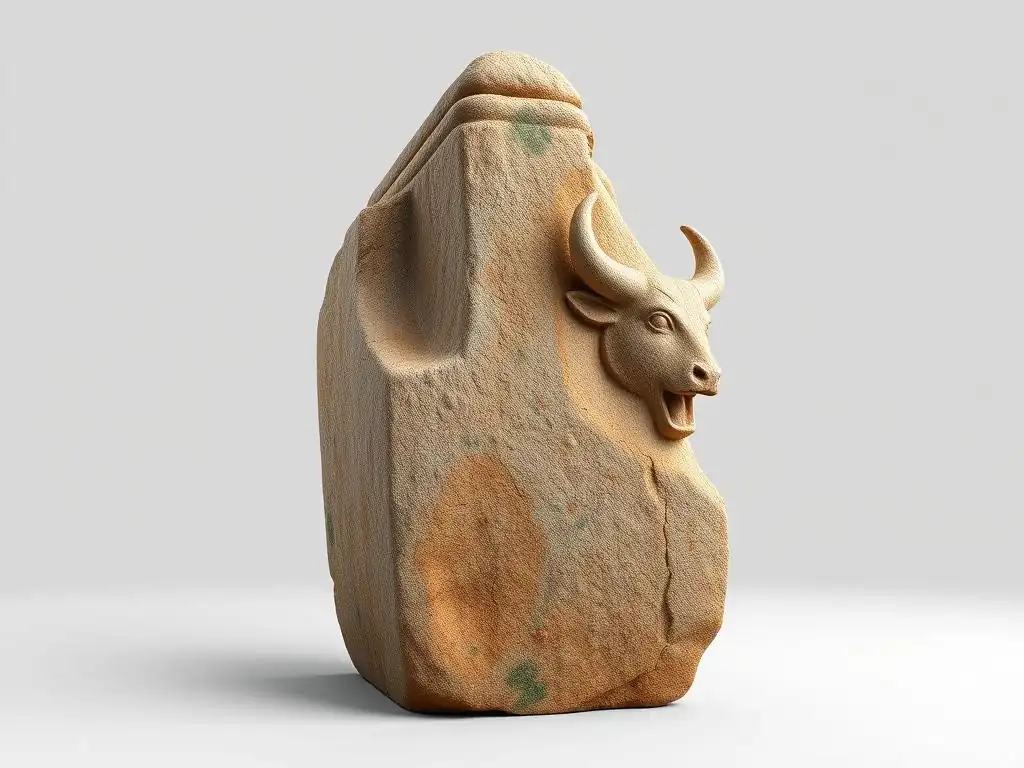
One of the most critical contributions of Sanchi 3D archaeological modeling is the creation of a comprehensive digital archive of the site. This archive comprises vast datasets of high-resolution 3D models, dense point clouds, and photorealistic textures, effectively forming a "digital twin" of Sanchi.
This digital record serves as an invaluable permanent repository, providing an exact snapshot of the site's condition at the time of documentation. Such an archive is crucial for mitigating risks associated with natural disasters, environmental degradation, or unforeseen human impact, ensuring that a precise and detailed representation of Sanchi exists even if the physical structures were to suffer damage.
The long-term preservation of this digital archive necessitates robust data management strategies, including secure storage solutions, regular backups, and adherence to international standards for digital heritage documentation. This ensures data integrity and accessibility for future generations of researchers and conservators. By maintaining this comprehensive digital record, the archaeological community guarantees that the intricate details of Sanchi's stupas, toranas, and monasteries will remain available for study and appreciation, serving as a resilient safeguard for this irreplaceable cultural heritage.
Virtual Tourism and Educational Resources: Making Sanchi Accessible Worldwide
3D models of Sanchi have revolutionized its accessibility, enabling virtual tourism and the creation of rich educational resources that transcend geographical barriers. Through interactive 3D environments, individuals anywhere in the world can embark on virtual tours of the Sanchi complex, exploring the Great Stupa, its gateways, and surrounding monastic structures from multiple perspectives. This is particularly beneficial for those with physical disabilities, limited travel opportunities, or simply a desire to experience the site without the need for physical presence, thus democratizing access to this UNESCO World Heritage Site.
Furthermore, these immersive 3D models are invaluable for educational purposes. They can be integrated into online courses, digital museum exhibits, and interactive learning platforms, offering students and enthusiasts a dynamic way to learn about ancient Indian history, Buddhist art, and archaeological methodologies. The ability to virtually "walk through" the site, zoom into specific carvings, and understand the spatial relationships of its components provides a far more engaging and informative experience than traditional static images or texts, significantly broadening the educational reach and impact of Sanchi's heritage.
3D Models as a Tool for Conservation and Management of the Sanchi Site
Beyond documentation and accessibility, 3D models serve as powerful practical tools for the ongoing conservation and management of the Sanchi site. They provide an accurate baseline dataset against which future changes can be precisely monitored. Conservationists can use the models to identify and track areas of deterioration, such as cracks, material loss due to weathering, or biological growth, often down to sub-millimeter precision. This allows for proactive and targeted interventions, ensuring that conservation efforts are efficient and effective. For example, a 3D model can highlight a specific section of a torana architrave experiencing accelerated erosion, prompting focused protective measures.
Moreover, 3D models aid in broader site management. They can be used to plan visitor pathways to minimize impact on fragile areas, assess the effects of environmental factors like water runoff on monument stability, and visualize potential risks. They also facilitate the accurate inventorying of archaeological elements and serve as a crucial reference for any future restoration or reconstruction planning, ensuring that all interventions are based on precise digital documentation. This integration of Sanchi 3D archaeological modeling into conservation workflows contributes significantly to the sustainable preservation of the site's invaluable monuments.
Case Studies: Specific Applications of 3D Modeling at Sanchi
Case Study 1: 3D Modeling of Stupa 1 for Structural Analysis and Conservation
The Great Stupa (Stupa 1) at Sanchi is a colossal structure, approximately 36.5 meters in diameter and 16.46 meters high, built over centuries with various additions. Comprehensive 3D laser scanning of Stupa 1 has provided an exceptionally precise geometric model of its entire form, including its spherical dome, harmika, chhatravali, and the surrounding vedika and toranas.
This highly accurate digital replica is then utilized by structural engineers and conservation architects for detailed structural analysis. They can virtually examine stress points, identify potential areas of material fatigue, or analyze how load is distributed across the ancient masonry, all without any physical, invasive testing of the monument itself.
For instance, if visual inspections reveal a minor crack or displacement in the dome's surface or the stone casing, repeat 3D scans taken over a period of years can precisely quantify the extent and rate of its propagation. This data is critical for determining the urgency and nature of conservation interventions.
By understanding the structural behavior through these 3D models, conservators can develop targeted reinforcement strategies or material repair plans, ensuring the long-term stability and integrity of this over 2,000-year-old monument. This proactive approach, driven by Sanchi 3D archaeological modeling, is vital for the enduring preservation of such a monumental structure.
Case Study 2: Analyzing the Jataka Tales on the Toranas Through 3D Replicas
The four toranas (gateways) of Stupa 1 are renowned for their elaborate sculptural narratives, primarily depicting Jataka tales (stories of the Buddha's previous lives) and events from the historical Buddha's life, though the Buddha himself is represented aniconically. Using high-resolution 3D models of these gateways, scholars can undertake an unprecedented level of analysis of these complex narratives. Each panel, sometimes comprising dozens of figures and intricate settings, can be virtually isolated and examined from every angle, allowing for a detailed study of composition, iconography, and narrative sequence.
For example, the famous "Great Departure" scene on the East Gateway, depicting Prince Siddhartha leaving his palace, can be meticulously analyzed in 3D. Researchers can zoom into individual figures, observe their gestures and expressions, and trace the spatial flow of the narrative across the panel. This allows for new interpretations of the artists' storytelling techniques, the symbolic representations used, and the specific iconographic conventions of the Satavahana period. By creating digital "storyboards" from these 3D replicas, art historians gain deeper insights into the didactic and artistic purposes of these magnificent carvings, significantly advancing the study of Sanchi's art history.
Case Study 3: Using 3D Models to Simulate Environmental Impact on Sanchi's Monuments
Sanchi's monuments, primarily constructed from sandstone, are susceptible to environmental degradation over centuries due to natural weathering processes, including rainfall, wind erosion, and temperature fluctuations. 3D models provide a powerful platform for simulating and understanding these environmental impacts. By integrating a precise 3D model of a monument, such as Stupa 1 or one of its toranas, with long-term meteorological data (e.g., rainfall intensity, prevailing wind directions, temperature extremes), researchers can create simulations that predict areas most vulnerable to erosion or material decay.
For instance, a simulation might reveal how rainwater flows over the dome of Stupa 1, identifying specific channels where water accumulation or runoff could accelerate erosion of the stone surface or leach minerals over time. This predictive capability allows conservationists to implement preventative measures, such as improving drainage systems around the stupas or applying protective treatments to specific vulnerable sections of the carvings. This application of Sanchi 3D archaeological modeling is crucial for developing proactive, data-driven conservation strategies that mitigate the long-term effects of climate and environment on this irreplaceable heritage site.
Challenges and Future Directions of Sanchi 3D Archaeological Modeling
Overcoming Challenges in Data Acquisition and Processing
Despite its immense benefits, Sanchi 3D archaeological modeling faces several inherent challenges, particularly in the stages of data acquisition and processing. The sheer scale of the Sanchi complex, encompassing multiple large stupas, monasteries, and intricate gateways, requires extensive fieldwork and significant logistical planning.
Varying surface textures, from smooth polished stone to deeply carved reliefs, and challenging outdoor lighting conditions (e.g., harsh sunlight, deep shadows) can complicate uniform data capture and affect the quality of scans and photographs. Furthermore, capturing minute details on the toranas while simultaneously modeling the overall monumental structures demands a combination of different scanning resolutions and techniques, leading to massive datasets (often in the terabytes).
Processing these enormous datasets presents its own set of hurdles, including the computational power required for point cloud registration, mesh generation, and texturing. Data cleaning, which involves removing noise and artifacts, can be time-consuming and labor-intensive. Future advancements will likely focus on more automated processing algorithms, leveraging cloud computing for distributed processing, and developing more robust field workflows that can handle diverse environmental conditions. Collaborative efforts among institutions, sharing expertise and resources, are also crucial for overcoming these technical and logistical complexities inherent in large-scale Sanchi 3D archaeological modeling projects.
The Future of Digital Archaeology at Sanchi: Emerging Technologies and Research Opportunities
The future of digital archaeology at Sanchi is poised for exciting advancements, driven by emerging technologies and expanding research opportunities. Drone-based photogrammetry and LiDAR are becoming increasingly sophisticated, offering rapid and high-resolution mapping of the entire site from aerial perspectives, complementing ground-based scans. Multispectral and hyperspectral imaging could provide non-invasive insights into the material composition of the stone, identifying different types of weathering or original pigmentation, if any. The integration of Artificial Intelligence (AI) and Machine Learning (ML) holds potential for automated object recognition and classification of the countless figures and symbols on the toranas, significantly accelerating iconographic studies.
New research opportunities will emerge from the ability to integrate these 3D models with other forms of archaeological data. This includes combining surface 3D models with geophysical survey data to understand subsurface features and the site's underlying geology. Developing augmented reality (AR) and virtual reality (VR) experiences on-site could offer visitors dynamic overlays of virtual reconstructions onto the physical monuments. Furthermore, predictive modeling, using 3D data alongside environmental information, could forecast future deterioration patterns, enabling proactive conservation strategies. These advancements promise to deepen our understanding of Sanchi and its place in ancient Indian history.
Integrating 3D Models with Other Archaeological Data: Creating a Comprehensive Understanding of Sanchi
For Sanchi 3D archaeological modeling to yield its fullest potential, it is imperative that the generated 3D models are not treated as isolated entities but are seamlessly integrated with other diverse archaeological datasets. This includes linking the precise 3D geometry and texture of the monuments with traditional excavation reports, artifact databases (e.g., pottery, coins, inscriptions found at the site), historical texts, and environmental data. The goal is to move towards a holistic digital ecosystem for Sanchi, where all forms of information are interconnected and cross-referencing is made intuitive and efficient.
Such an integrated approach enables researchers to ask complex questions and derive richer interpretations of Sanchi's history, construction phases, and cultural context. For example, a 3D model of a stupa could be linked to information about the specific stone quarries from which its materials were sourced, or to details about the tools used by its sculptors, based on analysis of tool marks captured in the 3D data.
This multidisciplinary integration allows for a comprehensive understanding of Sanchi, moving beyond mere visual documentation to a dynamic, interconnected knowledge base that supports in-depth research, education, and long-term stewardship of this invaluable heritage.
Conclusion: The Enduring Legacy of Sanchi Through Digital Innovation
Sanchi 3D Archaeological Modeling: Transforming Research and Preservation
The application of Sanchi 3D archaeological modeling has profoundly transformed the way this iconic Buddhist site is researched, documented, and preserved. Moving far beyond the limitations of traditional methods, digital archaeology offers unparalleled precision, detail, and analytical capabilities. It has enabled scholars to delve deeper into the intricate narratives of the toranas, analyze the structural integrity of the monumental stupas, and visualize the architectural evolution of the complex over centuries with unprecedented clarity. This digital revolution has not only enriched academic understanding but also provided critical tools for proactive conservation.
Ultimately, 3D modeling serves as a powerful twin engine for both research and preservation. It allows for the creation of immutable digital archives, safeguarding Sanchi's heritage against physical decay or unforeseen events. Simultaneously, it empowers researchers with new avenues for analysis, revealing previously unseen details and fostering a more nuanced appreciation of Sanchi's artistic and historical significance. The enduring legacy of Sanchi is now inextricably linked with these digital innovations, ensuring its continued study and protection for generations to come.
The Importance of Digital Archaeology for Understanding South Asian Heritage Sites
Sanchi stands as a compelling case study illustrating the indispensable importance of digital archaeology for understanding and preserving the vast and diverse heritage sites across South Asia. The region is home to countless ancient complexes, many of which are extensive, intricately detailed, and face significant challenges from environmental factors, population pressure, and the sheer scale of their historical layers. Digital archaeology, with its capabilities for precise documentation, non-invasive analysis, and comprehensive archiving, offers scalable solutions to these challenges.
By applying techniques such as Sanchi 3D archaeological modeling to other South Asian sites, researchers can create a network of digitally documented heritage. This fosters comparative studies, allowing scholars to identify regional artistic trends, understand the spread of cultural ideas, and piece together a more comprehensive narrative of the subcontinent's rich archaeological landscape. The digital transformation ensures that the unique stories embedded within these ancient stones can be meticulously recorded, analyzed, and shared globally, elevating the profile and understanding of South Asian heritage on a worldwide scale.
Call to Action: Supporting Digital Archaeology Initiatives at Sanchi and Beyond
The remarkable progress made in understanding and preserving Sanchi through digital archaeology underscores the critical need for continued investment and support for such initiatives. This call to action extends beyond Sanchi itself, urging sustained funding for advanced equipment, rigorous training programs for archaeologists and conservators in digital methodologies, and fostering international collaborations. These resources are essential to expand the reach of digital archaeology to other vulnerable and significant heritage sites globally, ensuring that their invaluable records are captured before they are lost to time or decay.
Supporting digital archaeology means investing in the future of heritage preservation. It ensures that future generations will have access to detailed, accurate, and interactive representations of our shared past. By embracing and championing these digital efforts at Sanchi and similar sites worldwide, we contribute to the enduring legacy of human history, safeguarding cultural memory and fostering a deeper appreciation for the ancient world through the power of modern innovation.
Frequently Asked Questions
What is Sanchi, and why is it significant in archaeology?
Sanchi is an ancient Buddhist complex, most famous for its Great Stupa. It's significant due to its well-preserved architecture and its representation of early Buddhist art and history.
How does "Sanchi 3D archaeological modeling" aid in studying the site?
3D modeling allows researchers to create interactive and detailed virtual reconstructions of Sanchi. This provides new insights into the site's structure, evolution, and potential restoration efforts.
What are some specific benefits of using digital archaeology techniques at Sanchi?
Digital archaeology helps with non-destructive investigation, preservation of fragile remains, and creation of accessible resources for researchers and the public. It enables detailed analysis that would be impossible through traditional methods alone.
What data sources are typically used to create "Sanchi 3D archaeological modeling"?
Data sources include laser scanning, photogrammetry, and existing architectural plans. These are combined to generate accurate and comprehensive 3D models of the site's features.
How does the use of 3D modeling enhance public understanding and engagement with Sanchi's history?
3D models can be used to create virtual tours and interactive exhibits, making the site more accessible to a global audience. This fosters greater appreciation of Sanchi's cultural and historical significance.
Okay, here's a final reflection tailored for your article "The Application of Digital Archaeology and 3D Modeling in Studying Sanchi," designed to resonate with readers and encourage further exploration of the topic, while also incorporating your specified Markdown formatting and keyword focus:
Final Reflection: Unveiling Sanchi Through Digital Lenses
The journey through Sanchi, as illuminated by digital archaeology and 3D modeling, underscores the transformative power of technology in preserving and understanding our shared heritage. While the physical stones of Sanchi stand as silent witnesses to history, these innovative techniques breathe new life into the past, allowing us to interact with and interpret the site in unprecedented ways. This is not merely about creating pretty pictures; it's about democratizing access to knowledge and fostering a deeper connection with the stories embedded within the ancient landscape.
The impact of Sanchi 3D archaeological modeling extends far beyond the academic realm. It allows us to visualize the site's evolution, to understand the intricate details of its architecture, and to share these insights with a global audience. This accessibility is crucial for fostering cultural understanding and promoting the preservation of such invaluable sites for future generations. As the renowned archaeologist Mortimer Wheeler once said, Archaeology is not digging up things. It is digging up people.
This sentiment is amplified by digital tools, allowing us to connect with the people who shaped Sanchi, not just the structures they left behind.
Now, consider how you can contribute to this ongoing narrative. Reflect on the potential of digital tools to unlock the secrets of other historical sites, to bridge the gap between the past and the present, and to inspire a new generation of archaeologists and historians. Embrace the possibilities that Sanchi 3D archaeological modeling and similar technologies offer, and let us collectively work towards a future where our shared heritage is not only preserved but also celebrated and understood by all.
Reconstruct History: Step Into Sanchi's Ancient World!
Thank you for journeying with us to Sanchi and exploring the fascinating applications of digital archaeology. Now, let's turn that newfound knowledge into action!
- Digitally Reconstruct a Section of the Sanchi Stupa: Using free 3D modeling software, try your hand at recreating a small portion of the stupa based on the architectural details discussed.
- Delve deeper by exploring virtual tours of other significant archaeological sites.
- Share this article with fellow history enthusiasts and spark a conversation about the future of digital archaeology!
What section of the Sanchi Stupa would you most like to digitally bring back to life, and why?