The Role of Animals in Daily Life and Economy: Evidence from Pompeii and Herculaneum
🌟 Explore the vital role of animals in daily life and economy in Pompeii and Herculaneum, highlighting how their economic significance shaped…
Read article
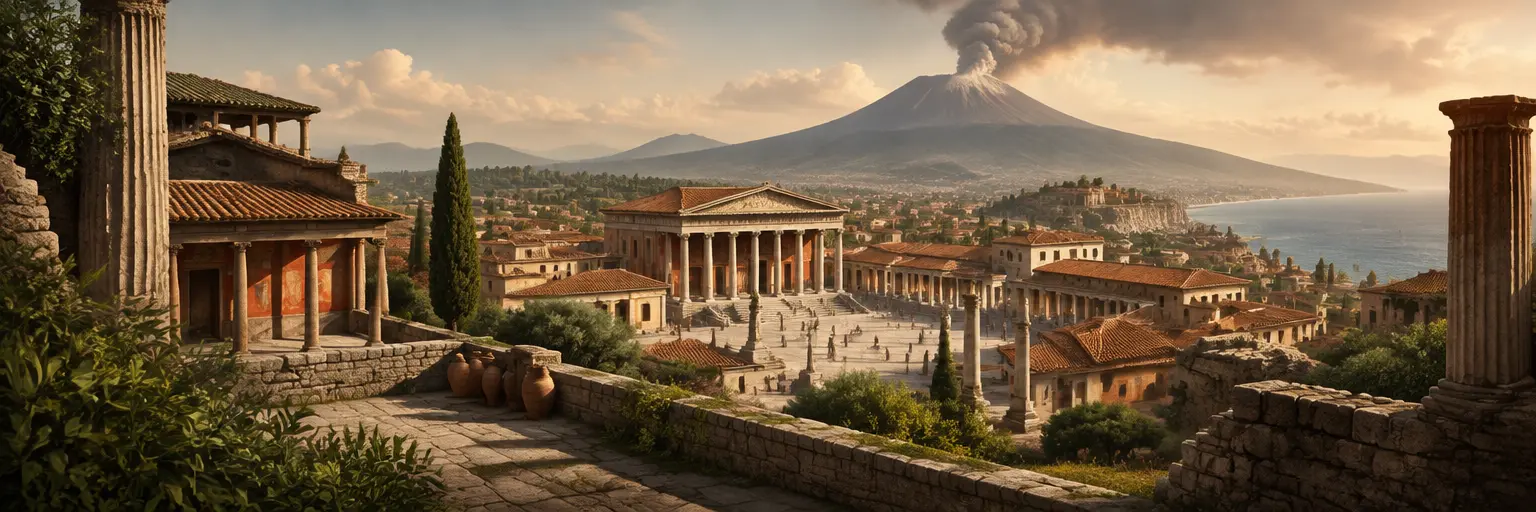
Step into a world where time stands still, and history is preserved in breathtaking, haunting detail. Pompeii and Herculaneum are not just archaeological sites—they are cities frozen in time, buried under volcanic ash and pyroclastic flows from the catastrophic eruption of Mount Vesuvius in 79 AD. These ancient Roman towns offer an unparalleled window into daily life, from vibrant frescoes and intricate mosaics to carbonized bread still sitting in ovens and poignant plaster casts of victims caught mid-moment. Explore the well-preserved streets, bathhouses, theaters, and villas that reveal the social, economic, and cultural fabric of the Roman Empire. Herculaneum, smaller and wealthier, preserves even more delicate organic materials—wooden furniture, textiles, and even food—thanks to the unique conditions of its burial. Whether you are a history enthusiast, a student of archaeology, or a curious traveler, these UNESCO World Heritage sites provide an immersive experience unlike any other, blending tragedy with timeless beauty.
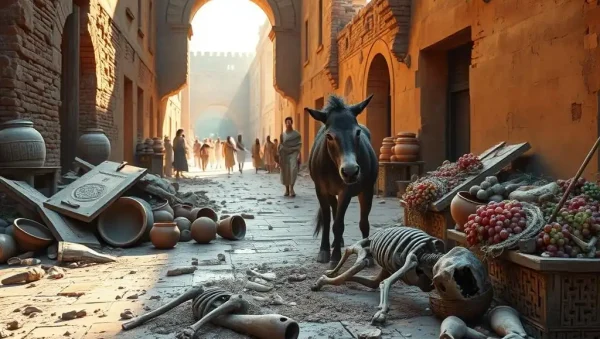
🌟 Explore the vital role of animals in daily life and economy in Pompeii and Herculaneum, highlighting how their economic significance shaped…
Read article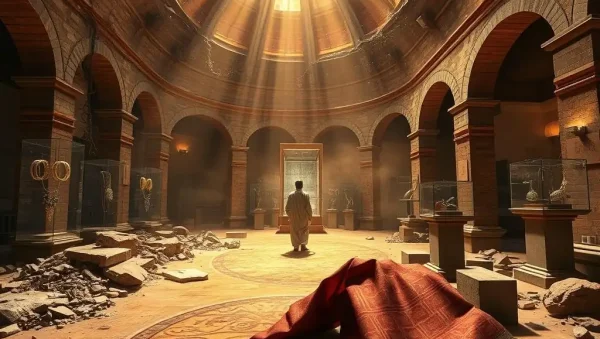
✨ Discover how Pompeii jewelry status symbols reveal social hierarchy, wealth, and fashion trends in ancient Roman society. This article explores personal…
Read articleStep back to 79 AD, when Mount Vesuvius erupted with catastrophic force, burying two thriving Roman cities under meters of ash and pyroclastic flow. Pompeii and Herculaneum are not merely ruins—they are time capsules preserving everyday Roman life in astonishing detail. This subcategory on ArchaeologyHub.org explores their urban grids, frescoes, carbonized wooden furniture, and even plaster casts of victims. For travelers, historians, or armchair archaeologists, these UNESCO World Heritage Sites offer the most complete window into an ancient civilization anywhere on Earth. Explore our curated guides, excavation timelines, and interpretive analyses below.
Walk virtually through Pompeii’s grid of decumani and cardines, where stepping stones, bakery ovens, and thermopolia (fast-food counters) reveal a bustling commercial culture. Herculaneum, wealthier and more compact, boasts intact multi-story houses with balconies, mosaic floors, and private bath complexes. Our content breaks down room-by-room functions—from atrium courtyards to triclinia dining rooms—highlighting how social status shaped architecture. Expect detailed floor plans, 3D reconstructions, and comparisons of elite villas versus modest worker quarters, with keywords like Roman urbanism, domus, and insula for deeper search visibility.
Archaeological evidence shows stark contrasts: Pompeii’s streets were chaotic and crowded, while Herculaneum’s wider avenues and sewer systems suggest deliberate planning. Our guides emphasize daily routines—morning markets, public fountains, and bathing rituals—supported by artifacts like amphorae, oil lamps, and graffiti. We also analyze the social hierarchy visible in housing: atrium houses for elites versus rented upper-floor apartments (cenacula) for the poor. This section is ideal for understanding how ordinary Romans lived, worked, and interacted, making it a cornerstone for SEO queries like “Pompeii street layout” or “Herculaneum houses explained.”
No other site yields such vibrant wall paintings and mosaic masterpieces in situ. From the Villa of the Mysteries’ enigmatic Dionysiac frieze to the Alexander Mosaic in the House of the Faun, our articles decode iconography, pigments, and painting techniques (First through Fourth Styles). We highlight how artists used trompe-l’oeil to expand small rooms, and how mythological scenes served both religious and decorative purposes. Expect keyword-rich content on Roman fresco techniques, mosaic tessellation, and Pompeian color palette, with high-resolution imagery and restoration updates.
Herculaneum offers even rarer finds: carbonized wooden furniture, bronze statues, and delicate glassware preserved by the pyroclastic surge. Our deep dives examine the House of the Neptune Mosaic and the Papyrus Villa, home to a library of carbonized scrolls being read via X-ray technology. We discuss how art reflected social status, political propaganda, and personal taste, using examples from both cities. For those fascinated by ancient aesthetics, this section provides scholarly yet accessible analysis, plus practical tips on visiting museum collections in Naples that house these treasures.
Understand the catastrophic event itself through our multi-disciplinary lens. We reconstruct the timeline: Plinian eruption phases, pyroclastic surges, and the difference in preservation between Pompeii (ash fall) and Herculaneum (mud and heat). Our content includes survivor stories from Pliny the Younger’s letters, geological soil profiles, and modern vulcanological risk assessments. Keywords like Vesuvius eruption sequence, pyroclastic flow damage, and archaeological stratigraphy are woven into practical explanations, helping readers grasp why some bodies were preserved as hollow casts while others vanished.
We also examine the human dimension: plaster casts capture final poses—mothers shielding children, slaves chained in stocks, fleeing families. Recent excavations at Herculaneum’s beach revealed hundreds of skeletons in boat houses, offering poignant evidence of last-minute evacuation attempts. Our articles balance scientific rigor with respectful storytelling, covering ethical debates about displaying human remains. For educators and curious minds, this section provides maps of eruption dispersal, interactive timelines, and ongoing research updates from volcanologists and archaeologists, making it a primary resource for understanding this defining disaster.
From 18th-century treasure hunting to today’s non-invasive tech, trace how Pompeii and Herculaneum have been unearthed. Learn about early Bourbon-era tunnels, Giuseppe Fiorelli’s plaster cast method, and the site’s fragile conservation battles. Our articles document modern tools: ground-penetrating radar, LiDAR scanning, and drones that map undiscovered areas without digging. We highlight the “Grand Pompeii Project” stabilization efforts and recent finds like the Regio V snack bar, using SEO-rich phrasing such as archaeological survey methods, cultural heritage management, and non-destructive archaeology.
Herculaneum faces unique challenges due to its deeper burial—harder to excavate but yielding organic materials. Our content covers and structural conservation, controlled excavation of the ancient shoreline, and the Herculaneum Conservation Project’s successes in preserving timber and plaster. We also discuss looting history and current legal protections. Expect interviews with site directors, before-and-after restoration visuals, and practical guides for volunteering or following live excavations. This section bridges past and future, appealing to archaeology students and tech enthusiasts alike.
Planning a visit? Our comprehensive guides cover ticket booking, guided tours, and post-COVID regulations for both sites. We recommend itineraries—from half-day highlights to full immersive walks—including the Villa of Mysteries, the Forum, and the Amphitheater. For Herculaneum, we highlight the termal baths and the reopened boat sheds. We provide logistics on getting there from Naples or Sorrento, accessibility for wheelchairs, and seasonal crowd patterns. Keywords like Pompeii tour tips, Herculaneum tickets online, and best time to visit archaeological sites are optimized for travel search queries.
We also offer cultural context: what to wear, how to avoid sunstroke, and ethical photography guidelines. Our articles include budget-friendly options (free days, combo passes), hidden gems like lesser-known houses, and nearby museums such as the Naples National Archaeological Museum. For families, we suggest interactive trails and audio-guides in multiple languages. We emphasize sustainable tourism—staying on marked paths and respecting fragile mosaics—plus legal restrictions on drones and touching artifacts. This section ensures your journey is memorable, safe, and enriching.
We recommend at least 4–5 full hours for Pompeii to cover main highlights, or 2–3 hours for a focused tour. Herculaneum is smaller but dense; 2–3 hours suffice for its key houses and baths. If possible, visit both on separate days—the differences in preservation and scale justify a second trip. For first-timers, a guided tour helps prioritize, but self-guided audio apps are excellent for flexibility.
Yes, they are precise plaster casts of voids left by decomposed bodies in hardened ash. The original skeletons were removed during casting, though some casts contain bone fragments. Modern ethics debates consider their respectful display, and recent improvements in lighting and narration aim to honor the victims. Herculaneum’s skeletons, however, are displayed as actual bones, not casts, offering different scientific insights.
No, climbing, touching walls, or entering roped-off areas is strictly prohibited to protect fragile structures and preserve stratigraphy. Violations carry heavy fines. However, some sites like the Villa of Mysteries have designated walkways. Always follow posted signs and guide instructions. For deeper access, consider special “open excavation” tours offered occasionally by official park archaeologists.
Spring (April–June) and autumn (September–October) offer mild weather, fewer crowds, and pleasant light for photos. Summer (July–August) is hot, overcrowded, and can be uncomfortable; mornings are best. Winter (November–February) is quiet and cooler, but some houses may close for maintenance. Always check official calendars for temporary closures or guided visits.
Pompeii was accidentally rediscovered in 1599 during a water channel dig, but serious excavation began in 1748 under King Charles III of Spain. Herculaneum was found even earlier in 1709 during well-digging, revealing statues and columns. The 18th-century tunnels caused damage, but systematic archaeology improved through Fiorelli’s methods in 1860s, leading to the modern practices we use today.







