Exploring Babylon: The City and Its Excavations
Welcome to ArchaeologyHub.org’s dedicated section on Near East Sites: Babylon, where we unravel the layered history of one of antiquity’s most fabled cities. This subcategory focuses on the physical remains, archaeological campaigns, and the modern challenges of excavating a site that has captured human imagination for millennia. Here, you will find detailed accounts of stratigraphy, artifact typologies, and the evolving methodologies that have shaped our understanding of this Mesopotamian marvel, from its Old Babylonian splendor to its Neo-Babylonian revival under Nebuchadnezzar II.
🏛️ The Urban Layout and Monumental Architecture
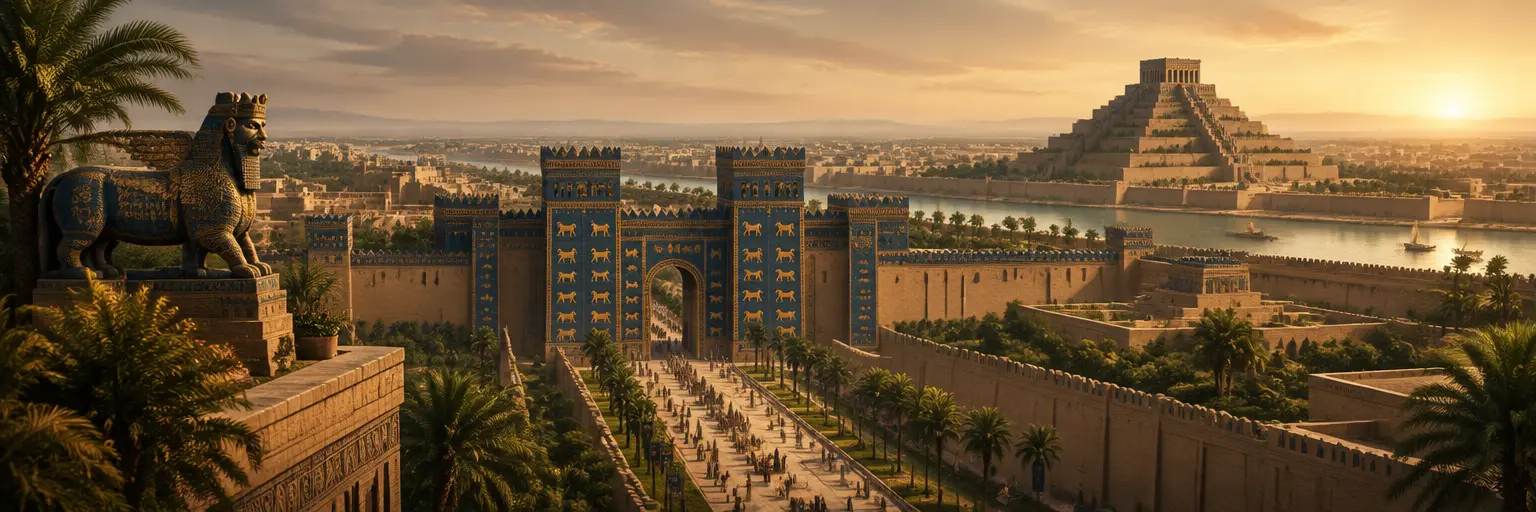
Expect a deep dive into Babylon’s physical footprint, including the famed Ishtar Gate, Processional Way, and the ziggurat Etemenanki—often linked to the Tower of Babel. We cover the city’s double fortification walls, palace complexes, and residential quarters, using excavation plans and aerial photography to reconstruct spatial organization. This section emphasizes how German archaeologist Robert Koldewey’s late-19th-century work first revealed the city’s grid, later refined by Iraqi teams, highlighting the interplay between written cuneiform records and archaeological ground-truthing.
Our analysis goes beyond mere descriptions, interpreting social hierarchy, religious processions, and water management systems visible in the urban fabric. You’ll learn how mudbrick conservation techniques have preserved fragile walls and how modern remote sensing has uncovered buried structures without intrusive digging. This facet is critical for understanding Babylon not as a static ruin but as a living, breathing metropolis that evolved over 2,000 years, each layer adding nuance to its political and cultural narrative.
🔍 Major Excavation Campaigns and Key Findings
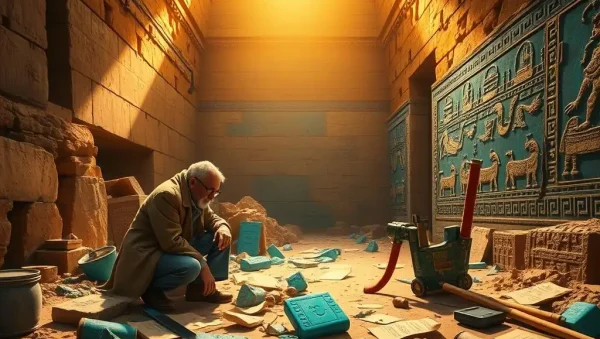
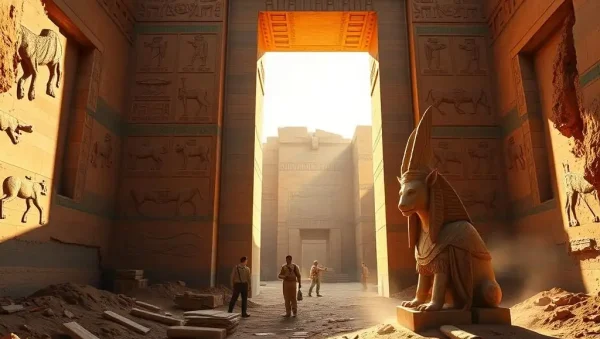
From Koldewey’s pioneering digs (1899–1917) to the Iraqi State Board’s post-war restorations, this section chronicles each major effort’s objectives, discoveries, and controversies. You’ll explore the unearthing of the Lion of Babylon, thousands of cuneiform tablets detailing temple economies, and the dramatic clearance of the Southern Palace. We also address the impact of political upheaval—such as Saddam Hussein’s reconstruction projects—which both facilitated and compromised archaeological integrity, offering a balanced perspective on heritage management under authoritarian regimes.
Critical to this narrative is the looting crisis following the 2003 invasion, which forced a reassessment of site protection protocols. We detail how international collaborations, including the World Monuments Fund, have since implemented emergency stabilization and documentation programs. This content is invaluable for students of archaeological ethics, showing how excavation is never neutral but deeply embedded in contemporary geopolitics, and how every shard recovered tells multiple stories—the ancient past and the modern custodians who strive to preserve it.
📜 Artifacts and Inscribed Materials from Babylon
This subcategory showcases the tangible relics—cylinder seals, pottery, jewelry, and monumental inscriptions—that provide a material culture backdrop to Babylonian history. You’ll find detailed profiles of the Cyrus Cylinder’s Babylonian context, though its main text was found elsewhere, and the famous Esagila Tablet describing the city’s temple layout. Our artifact typologies help you distinguish between Kassite, Chaldean, and Persian-period ceramics, using radiocarbon dating and petrographic analysis to refine chronologies.
Moreover, we decode administrative and literary texts recovered from private houses, revealing everything from beer recipes to legal disputes over slave sales. This engagement with epigraphy allows a firsthand understanding of daily life, economic fluctuations, and religious practices. Each artifact entry includes provenance, excavation locus, and current museum location, fostering transparency in provenance research and aiding scholars in tracing looted items—a crucial resource in today’s fight against illicit antiquities trafficking.
🌧️ Environmental and Stratigraphic Contexts
Understanding Babylon’s excavations requires attention to the Euphrates’ shifting course, salinity issues, and windblown silt deposits that bury and protect archaeological layers. Here, we explain the stratigraphic sequence—from the Old Babylonian foundation levels to the Parthian-era squatter occupations—using Harris matrices and soil micromorphology. This section teaches you how paleobotanical remains (seeds, charred wood) and faunal bones reconstruct ancient climate and diet, directly linking excavation data to broader environmental archaeology debates.
Notably, we feature case studies of dig pits revealing flood deposits that may correlate with the “Great Deluge” myths, demonstrating how biblical or legendary narratives are tested against empirical evidence. Additionally, we cover the impact of rising groundwater on preservation, a critical issue as modern irrigation raises water tables. By integrating geophysical surveys with invasive trenching, you’ll see a model for sustainable research in waterlogged, saline environments—essential knowledge for any Near Eastern archaeologist facing similar challenges in Iraq or Syria.
🏺 Heritage Conservation and Modern Threats
This segment addresses the ongoing battle for Babylon’s survival, from military encampments that disturbed ancient mounds to tourism pressure on fragile paving stones. We explore conservation treatments such as consolidating damaged mudbrick with lime injections and creating protective shelters over exposed reliefs. You’ll also learn about UNESCO’s tentative listing of Babylon as a World Heritage Site, successfully inscribed in 2019, and the subsequent management plan that balances excavation, restoration, and local community engagement.
We provide critical reviews of previous reconstruction efforts—like the infamous “Disneyland” restorations—and advocate for minimal intervention, favoring in situ preservation. This content is tailored for heritage professionals and students, offering practical checklists for site risk assessment and emergency stabilization after conflict or natural disasters. By foregrounding these issues, we aim to foster a generation of archaeologists who see preservation as inseparable from excavation, ensuring Babylon’s stories endure for future generations through responsible stewardship.
Frequently Asked Questions
What is the most famous artifact discovered in Babylon?
The most iconic find is the reconstructed Ishtar Gate, featuring vivid blue glazed bricks with dragons and bulls, excavated by Robert Koldewey and now partially rebuilt in Berlin’s Pergamon Museum. However, singular artifacts like the Lion of Babylon statue and numerous cuneiform tablets are equally treasured for their historical depth.
Why is Babylon’s excavation so politically sensitive?
Because Babylon lies in modern Iraq, its archaeology is entangled with national identity, religious heritage, and colonial legacies. Past leaders like Saddam Hussein exploited the site for legitimacy, while recent military bases and looting have raised international concerns, making every dig a diplomatic act rather than purely academic research.
Can visitors see ongoing excavations at Babylon today?
Yes, the site is open to tourists, but active trenches are often restricted to permit-holding archaeologists due to conservation concerns. Visitors can explore restored monuments, the ancient city walls, and a museum displaying select finds, though access to sensitive areas requires prior arrangement with Iraqi authorities.
How do modern techniques aid Babylon’s excavation?
Ground-penetrating radar, satellite imagery, and drone-based photogrammetry allow archaeologists to map subsurface features without disturbance. Additionally, DNA analysis on human remains and isotope studies on teeth help trace population mobility, while 3D scanning preserves fragile surfaces digitally before any physical touching occurs.
What happens to artifacts excavated from Babylon?
Legally, they remain the property of the Iraqi state, deposited in the National Museum of Iraq in Baghdad or regional museums. However, historical divisions from the early 20th century mean many significant pieces, like parts of the Ishtar Gate, reside in European collections, fueling ongoing repatriation debates.