Exploring Mesoamerican Sites: Chichen Itza & Postclassic Maya Cities
Welcome to ArchaeologyHub.org’s deep dive into the vibrant world of Postclassic Maya civilization, where the iconic city of Chichen Itza stands as a testament to cultural fusion, architectural genius, and enduring mystery. This subcategory unpacks the political shifts, trade networks, and ritual practices that defined the Yucatán Peninsula from roughly 900 to 1500 CE. Whether you are a student, traveler, or history enthusiast, you’ll find actionable insights into site layouts, artifact typologies, and recent excavations—all optimized for clear navigation and scholarly depth.
🏛️ Architectural Marvels of Chichen Itza
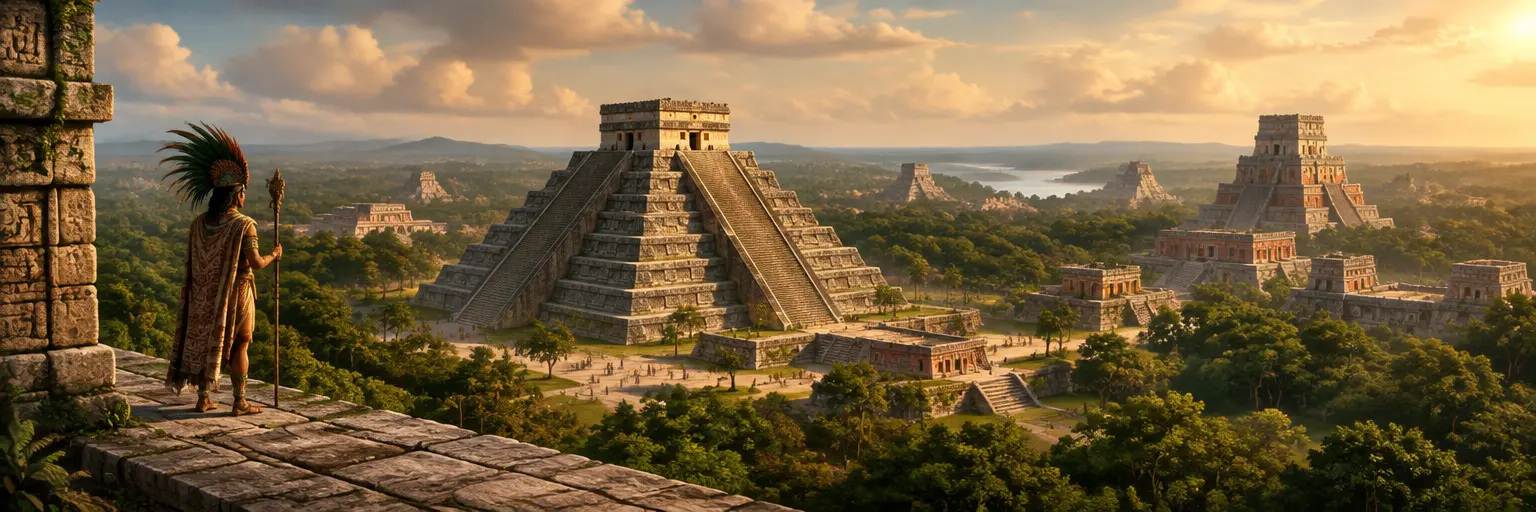
Chichen Itza is far more than El Castillo; it is a sprawling urban center blending Maya and Toltec influences. Expect detailed breakdowns of the Caracol observatory, the Great Ball Court, and the Temple of the Warriors, each with purpose-built symbolism tied to solar calendars and warfare. Our content explains how talud-tablero construction and acoustic effects reflect astronomical precision, supported by 3D reconstructions and conservation reports.
Visitors often overlook the Sacred Cenote, a natural sinkhole used for offerings and presumed human sacrifice. We provide artifact analyses of jade, gold, and ceramic deposits recovered from its depths, linking them to regional trade in obsidian and turquoise. You’ll also learn about the tzompantli (skull rack) and its role in public ritual, giving you a holistic grasp of how architecture shaped daily life and state ideology.
🗺️ Postclassic Maya City-States Beyond the Peninsula
While Chichen Itza dominates popular memory, Postclassic Maya cities like Mayapán, Tulum, and Coba reveal decentralized power and coastal trade. Our guides compare their defensive walls, circular shrines, and open plazas, showing how political fragmentation after the Classic collapse led to fortified settlements and maritime commerce. Expect detailed maps and chronological tables that trace the rise and fall of each polity.
We emphasize recent lidar surveys that have uncovered sprawling residential zones and causeways, challenging old assumptions about urban decline. You’ll find excavation summaries from sites like Ichkabal and Ek’ Balam, including pottery typologies and obsidian hydration dating. This section is perfect for understanding how Postclassic Maya adapted to environmental stress and shifting trade routes without losing cultural continuity.
🔮 Religion, Ritual, and the Maya Cosmos
Postclassic rituals at Chichen Itza and its peers revolved around Kukulkan, the feathered serpent deity, and the Maya rain god Chaac. Our interpretive essays decode iconography on stelae, murals, and codices, explaining how rulers used divine kingship to legitimize tribute and warfare. You’ll explore the New Fire Ceremony and pan-Mesoamerican ballgame symbolism, connecting regional tales to broader Mesoamerican mythology.
We also analyze human remains from chultuns and burial mounds, offering balanced perspectives on sacrifice as both cosmological necessity and political tool. Ethical considerations are front and center—how modern Maya communities view these practices—so you can appreciate the site’s living heritage. For educators, we include discussion prompts and visual glossaries of deity attributes, making complex theological concepts accessible.
🛠️ Excavation Techniques and Preservation Challenges
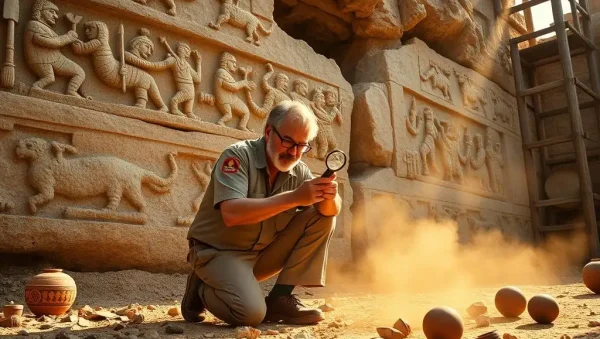
Behind every artifact lies a meticulous process: stratigraphic digging, ground-penetrating radar, and 3D photogrammetry are standard at these sites. Our guides explain how modern archaeologists distinguish construction phases at Chichen Itza, using ceramic seriation and radiocarbon dating to refine its timeline. You’ll also learn about conservation ethics, including how to stabilize limestone facades without altering original surfaces.
Climate change and mass tourism pose serious risks—rising humidity, erosion from foot traffic, and looting. We highlight collaborative efforts with Mexican INAH and international teams to implement drone monitoring and virtual reality tours, reducing physical impact. Understanding these techniques not only enriches your visit but also arms you with knowledge to support sustainable heritage practices, whether you’re a volunteer or an armchair archaeologist.
📜 Artifact Profiles and Interpretive Analyses
This subcategory’s artifact database features hundreds of items, from intricately carved Pacal-style jade plaques to utilitarian Mama Red ware pots. Each profile includes high-resolution images, context of discovery, and cross-references to similar finds across Mesoamerica. We emphasize iconographic interpretation—how a glyph or motif encodes calendar names, political alliances, or mythological events—so you learn to “read” objects like a specialist.
Beyond visual analysis, we delve into provenance studies using neutron activation and strontium isotope analysis, tracing raw materials to specific quarries and coastal trading hubs. This data illuminates long-distance exchange networks, from Gulf Coast salt to highland jade. For hobbyists, we offer printable fact sheets and comparative tables, while academic users will appreciate cited primary sources and recently published theses.
Frequently Asked Questions
Why is Chichen Itza considered a Postclassic Maya city?
Chichen Itza flourished between 900–1200 CE, after the Classic Maya collapse, a period marked by political fragmentation and new cultural influences. Its architecture and artifacts blend Puuc Maya styles with central Mexican Toltec traits, signaling a transitional phase. Scholars now debate its exact political organization, but the site remains a textbook example of Postclassic urbanism.
What is the difference between Tulum and Chichen Itza?
Tulum is a coastal fortress city, built later (1200–1450 CE), with defensive walls and smaller temples, focused on maritime trade and perhaps surveillance. Chichen Itza is larger, earlier, and inland, featuring grand ceremonial pyramids and a massive ball court. Both share Postclassic traits like colonnaded halls but served distinct political and economic roles.
How were the cenotes at Chichen Itza used in rituals?
The Sacred Cenote served as a primary offering site, where pilgrims threw jade, gold, and occasionally human victims to appease rain gods. Divers have recovered thousands of artifacts, confirming a long tradition from the Classic through Postclassic periods. The cenote also functioned as a water source, blending utilitarian and sacred roles.
Are there any unexcavated Postclassic Maya cities?
Yes, many remain unexcavated or only partially mapped, especially in dense jungle regions. Sites like Ichkabal and Xkipché are emerging via lidar surveys, revealing extensive settlements. Political instability and funding constraints limit archaeological access, but remote sensing continues to uncover new structures, promising future discoveries.
What caused the decline of Chichen Itza and other Postclassic cities?
Multiple factors likely combined: prolonged droughts, overexploitation of resources, internal revolt, and shifts in trade routes toward the Gulf Coast. Mayapán rose after Chichen’s fall, but it too declined by the 15th century. European contact later disrupted remaining city-states, but Maya communities sustained cultural practices into modern times.