Explore the Timeless Wonders of Giza & Saqqara
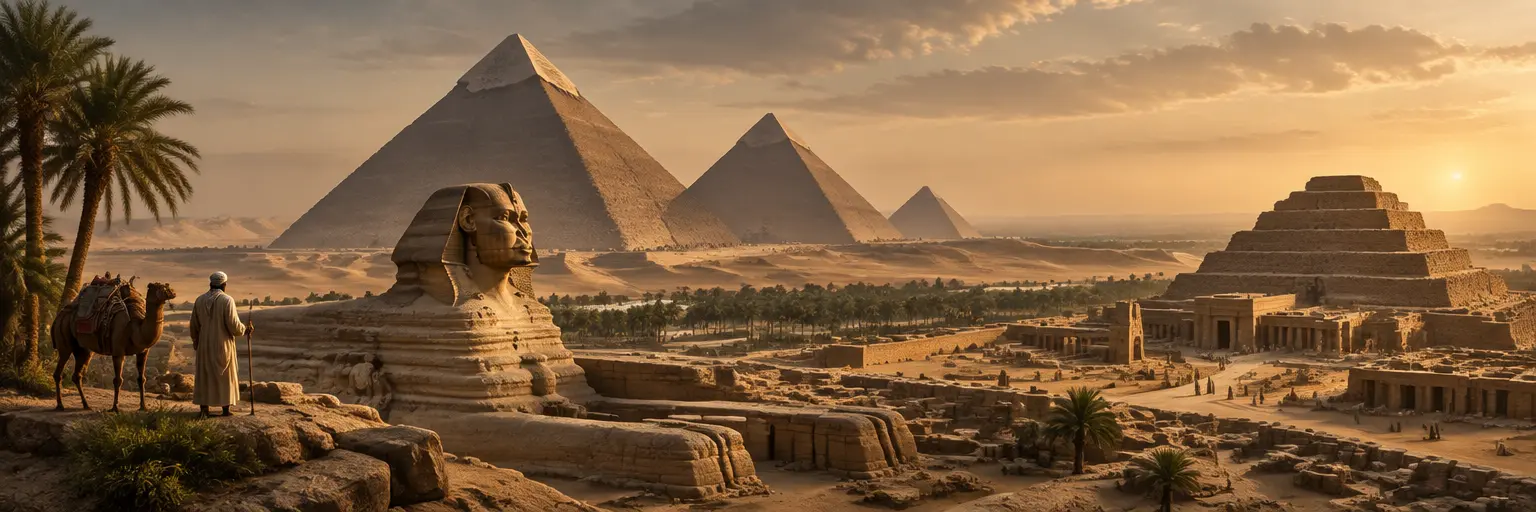
Dive into the heart of ancient Egyptian civilization with our dedicated coverage of the Giza Plateau and Saqqara necropolis. This subcategory on ArchaeologyHub.org offers a comprehensive digital encyclopedia of the pyramids, mastabas, and burial complexes that defined the Old Kingdom and beyond. From the iconic Great Pyramid of Khufu to the step pyramid of Djoser, we provide detailed archaeological timelines, artifact profiles, and interpretive analyses. Whether you are a student, researcher, or passionate traveler, this resource is meticulously structured to help you navigate the evolution of pyramid construction, funerary practices, and the lives of the workers and royalty who shaped these monumental landscapes. Explore meticulously researched content that brings these ancient wonders to life with modern excavation insights.
🏛️ The Great Pyramid Complex: Engineering Marvels
The Great Pyramid of Giza, the last standing wonder of the ancient world, is more than just a tomb. In this section, we dissect its precise astronomical alignments, internal chambers, and the massive logistical effort behind its construction. Expect to learn about the latest non-invasive scanning techniques like muon tomography that are revealing hidden voids, as well as the complex system of boat pits and satellite pyramids that surrounded the main structure. Our analysis covers the reign of Pharaoh Khufu and the administrative genius that coordinated thousands of skilled laborers, debunking myths of slave labor with evidence of organized worker villages.
For those interested in archaeological science, we provide detailed breakdowns of the pyramid’s limestone casing, granite internal supports, and the mysterious “air shafts” pointing toward Orion and Sirius. We also explore the Giza Solar Boat Museum and the painstaking restoration of the Khufu ship. By examining recent discoveries from the Giza Plateau Mapping Project, this section offers a factual, up-to-date perspective on how the ancient Egyptians achieved such enduring precision. You’ll leave with a deep appreciation for the mathematical and engineering knowledge embedded in every stone block.
⚰️ Saqqara’s Step Pyramid: The Birth of Stone Architecture
Saqqara, the vast necropolis serving Memphis, holds the key to understanding the transition from mudbrick mastabas to monumental stone pyramids. Our focus here is on the Step Pyramid of Djoser, designed by the visionary architect Imhotep. This section explains the six-stepped terraces, the intricate network of underground galleries, and the elaborate jubilee court used for royal rituals. We contextualize why this design revolutionized royal burials and established a template for later pyramid complexes, making it a cornerstone of global archaeological heritage.
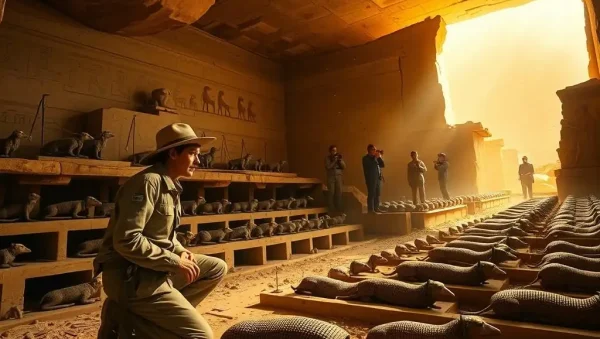
Beyond Djoser, Saqqara is a treasure trove of Old Kingdom tombs, including the famous Mastaba of Ti with its vibrant reliefs depicting daily life. We profile recent excavations, such as the discovery of the tomb of Wahtye and the hundreds of animal mummies in the sacred animal catacombs. Each article here highlights how stratigraphy and pottery analysis help date these structures, offering clear timelines for visitors and scholars. Expect thorough examinations of the Serapeum, the burial place of sacred Apis bulls, and the ongoing conservation efforts to preserve these fragile painted surfaces against modern environmental threats.
👷 The Giza Necropolis: Beyond the Pharaohs
The Giza Plateau is not only about the three main pyramids; it is a complete necropolis with queens’ pyramids, mastabas, and the enigmatic Great Sphinx. In this section, we explore the cemetery of the workmen and the “Lost City” of the pyramid builders, complete with bakeries, breweries, and medical facilities. You will understand how settlement archaeology at Giza has reconstructed the daily diets, health, and social organization of the labor force, proving that this was a national project with a complex bureaucracy. We also cover the geological analysis of the Sphinx’s erosion, debating age-old theories with modern sedimentology.
From the satellite pyramids of Queen Hetepheres to the rock-cut tombs of high officials like Hemiunu, we detail the hierarchy of burial placement. Our content includes digital reconstructions that show how the causeways and valley temples functioned as processional routes. You will find interpretive guides on the decorative programs in these tombs, which served as magical blueprints for the afterlife. By synthesizing excavation reports and architectural surveys, this subcategory ensures you grasp the full extent of Giza as an operational sacred landscape, not just a cluster of royal monuments.
🔍 Excavation Techniques & Fieldwork Insights
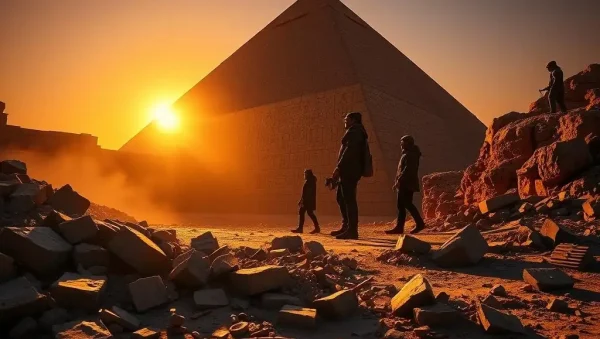
How do archaeologists uncover secrets at Giza and Saqqara amid shifting sands and modern encroachment? This section demystifies the methodology behind our knowledge. We provide detailed accounts of stratigraphic excavation, grid mapping, and the use of ground-penetrating radar and magnetometry to detect subterranean features without digging. Learn about the ethical frameworks guiding artifact recovery, documentation, and the repatriation debates that affect these sites globally. Our profiles highlight the work of legendary Egyptologists like Flinders Petrie and Zahi Hawass, juxtaposed with the younger generation of Egyptian archaeologists leading new fieldwork.
We also explain the critical role of pottery seriation, radiocarbon dating, and ancient DNA analysis in building chronological frameworks for these necropolises. Discover how conservation scientists stabilize flaking plaster and limestone, using weather monitoring to protect open-air museums. For aspiring students, we outline typical field school routines, artifact cataloging protocols, and the digital tools—such as photogrammetry and 3D scanning—now standard in documentation. This behind-the-scenes perspective enriches your overall comprehension of how archaeological knowledge about Giza and Saqqara is continuously refined and revised.
📜 Contextualizing Funerary Beliefs & Afterlife Rituals
To truly understand these pyramids, one must explore the religious worldview that inspired them. This segment examines the Pyramid Texts, the oldest religious writings in the world, found within the walls of Unas’ pyramid at Saqqara. We break down spells for resurrection, protection, and the king’s journey to the stars. You will learn how the architecture itself mirrored celestial metaphors, with the pyramid symbolizing the primordial mound and the causeway representing the path of the sun god Ra. Our interpretive articles connect these beliefs to daily rituals, mortuary cults, and the priesthoods responsible for maintaining the pharaoh’s legacy.
We also analyze the evolution of tomb decorations, from simple offering niches to complex scenes of the afterlife’s judgment. Explore the significance of false doors, serdab statues, and the ushabti figurines designed to serve the deceased. By placing Giza and Saqqara within the broader Egyptian cosmos, this section illuminates how the living and dead remained connected through feast days and processions. Our content not only describes the artifacts but also provides comparative analysis with other Old Kingdom sites like Meidum and Dashur, ensuring a nuanced understanding of regional variations in burial practice.
🔭 Modern Research & Future Discoveries at Giza & Saqqara
Archaeology is a dynamic field, and new technologies are constantly reshaping our knowledge of these ancient sites. This section keeps you updated on recent expeditions, including the ScanPyramids project and small robotic cameras exploring the Great Pyramid’s mysterious northern shaft. We report on newly unearthed tombs in Saqqara, such as the 2023 discovery of a 4,300-year-old priest’s burial complex, and what these findings imply about the social strata of the Old Kingdom. Expect critical evaluations of controversial claims, like papers suggesting a lost branch of the Nile near Giza, and how geological coring bears evidence.
Moreover, we discuss the pressing challenges of urban encroachment, groundwater damage, and overtourism. Our articles highlight sustainable management plans, digital preservation initiatives, and the role of UNESCO World Heritage status in protecting these sites. We also feature interviews with lead archaeologists and conservators who share unpublished fieldwork anecdotes. By following this section, you’ll stay at the forefront of archaeological science while understanding the delicate balance between preservation and public engagement. This is the go-to resource for anyone anticipating tomorrow’s headline-breaking discoveries in the sands of Egypt.
Frequently Asked Questions
What is the difference between the Giza Plateau and Saqqara?
Giza is a separate plateau northwest of Cairo, dominated by the Great Pyramid, Khafre, Menkaure, and the Sphinx, housing the main royal necropolis of the Fourth Dynasty. Saqqara, located further south near Memphis, served as the primary burial ground for the Old Kingdom’s capital, featuring the Step Pyramid of Djoser and numerous elite tombs. Both are UNESCO sites but distinct in architectural evolution and historical function.
Are there any undiscovered pyramids at Giza or Saqqara?
Possibly, but most likely as smaller subsidiary pyramids or buried mastabas. Geophysical surveys have indicated anomalies, such as the famous “void” above the Grand Gallery, but no fully intact new pyramid has been confirmed. Excavations at Saqqara often reveal new shaft tombs and chapels each season, yet a complete pyramid discovery remains rare, with the last major find being a 4,300-year-old complex in 2023.
Can tourists visit the interior of the pyramids today?
Yes, visitors can enter the Great Pyramid’s Grand Gallery and King’s Chamber, though tickets are limited and the climb is steep and humid. The Step Pyramid’s internal galleries are currently closed for restoration but have been open intermittently. Ongoing conservation means access changes frequently, so always check official Egyptian tourism guidelines before your visit.
How were the giant stone blocks transported to build the pyramids?
Most scholars agree they were quarried locally, moved on wooden sleds over wet sand to reduce friction, and then hauled up ramps. Limestone casing came from Tura across the Nile, while granite from Aswan traveled over 800 kilometers by boat. Experiments have proven that a team of 20 could move a 2.5-ton block using such methods, though precise ramp designs remain debated.
Why do archaeologists focus so much on Saqqara’s animal mummies?
Saqqara contains enormous catacombs for sacred animals (ibis, baboons, falcons, and bulls) that were votive offerings to deities like Thoth and Apis. These mummies provide insight into temple economies, pilgrimage, and ritual practice. Recent DNA analysis reveals not all are sacrificed; some were already dead, indicating a complex veterinary and embalming industry that thrived for centuries. This evidence is vital for understanding Late Period religious life.