
Tetitla Compound Murals: Art and Ideology in an Elite Teotihuacan Residence

Welcome to ArchaeologyHub.org, your gateway to the past!
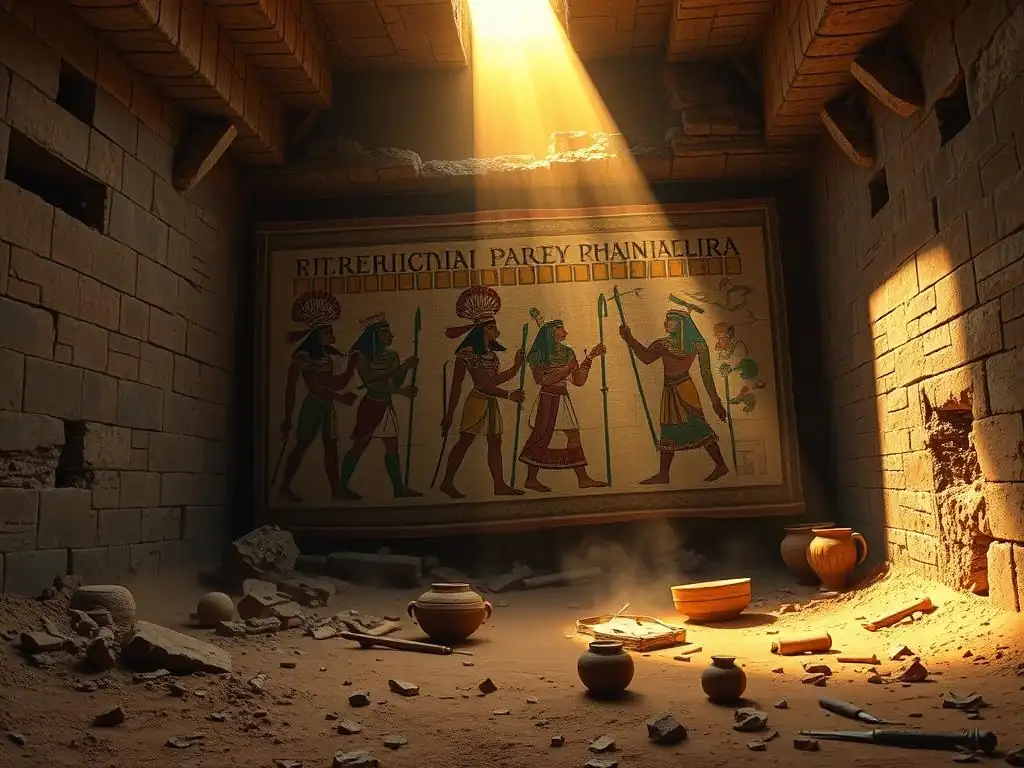
Uncover the secrets of lost civilizations and groundbreaking discoveries. This week, we delve into the fascinating world of Teotihuacan with an in-depth look at elite residences. Have you ever wondered what the vibrant murals of the Tetitla Compound can tell us about Teotihuacan society? Join us as we explore the art and ideology embedded within these breathtaking works – revealing new insights through our Teotihuacan elite mural analysis. Prepare to be captivated by the stories painted on ancient walls.
- Introduction to Tetitla and Teotihuacan Mural Art
- Unveiling the Murals of the Tetitla Compound: A Detailed Analysis
- Teotihuacan Elite Mural Analysis: Art as a Reflection of Social Stratification
- Ideology and Propaganda in Tetitla's Mural Program
- Dating and Chronological Placement of the Tetitla Murals
- Conservation and Preservation of Tetitla's Mural Heritage
- The Legacy of Teotihuacan Mural Painting: Influences and Connections
- Conclusion: Tetitla Murals as a Window into Teotihuacan Elite Life and Ideology
- References and Further Reading on Teotihuacan Archaeology and Art History
-
Frequently Asked Questions
- What is the significance of the Tetitla compound murals in understanding Teotihuacan society?
- How does the mural analysis contribute to our understanding of Teotihuacan ideology?
- What excavation techniques are used to preserve and analyze the Tetitla murals?
- Where does the Tetitla compound murals site fit within the broader geographical and chronological context of Teotihuacan?
- How do these murals relate to other archaeological discoveries in Teotihuacan and other Mesoamerican sites?
- Final Reflection: Echoes of Power and Belief
- Unveil the Secrets: Continue Your Journey into Teotihuacan!
Introduction to Tetitla and Teotihuacan Mural Art
The Significance of Tetitla within Teotihuacan's Urban Landscape
Tetitla stands as a pivotal archaeological site within the sprawling urban fabric of ancient Teotihuacan, a metropolis that flourished in the Basin of Mexico from approximately 100 to 650 CE. Located in the northwestern part of the city, Tetitla is recognized as one of the best-preserved examples of a multi-family apartment compound, a distinctive architectural feature of Teotihuacan's elite residential zones. Its discovery and excavation have provided invaluable insights into the daily lives, social structures, and religious practices of the city's upper echelons.
Unlike the grand public architecture of the Avenue of the Dead, compounds like Tetitla represent the private, yet highly structured, living arrangements of Teotihuacan's ruling and priestly classes. The complex covers an area of roughly 2,500 square meters, featuring numerous rooms, patios, and corridors arranged around central courtyards, indicative of a planned and organized residential community. The wealth of artifacts, including finely crafted pottery, obsidian tools, and, most notably, an extensive array of vibrant murals, underscores Tetitla's significance as a window into the artistic and ideological expressions of Teotihuacan's elite.
Teotihuacan Mural Art: An Overview of Style and Subject Matter
Teotihuacan mural art represents a pinnacle of Mesoamerican artistic achievement, characterized by its distinctive style, rich symbolism, and vibrant palette. The dominant technique employed was al fresco, where pigments were applied to wet lime plaster, allowing the colors to chemically bond with the wall surface, ensuring remarkable durability. This technique, coupled with the use of mineral pigments, created murals that retained their striking hues, ranging from deep reds and ochres to bright blues and greens, even after centuries of burial.
Stylistically, Teotihuacan murals are known for their two-dimensional, flat perspective, strong outlines, and a focus on symbolic representation rather than naturalistic depiction. Common subjects include anthropomorphic deities, ritual scenes, processions of figures, and a rich array of animal and plant motifs. These themes are not merely decorative; they are deeply imbued with religious, cosmological, and social significance, serving as visual narratives that communicated core Teotihuacan beliefs and reinforced societal norms. The widespread presence of murals in both public and elite residential contexts, such as Tetitla, highlights their integral role in the city's cultural and ideological landscape.
Unveiling the Murals of the Tetitla Compound: A Detailed Analysis
Location and Architectural Context of Tetitla's Murals
The murals of Tetitla are not randomly distributed but are strategically integrated into the architectural fabric of the compound, reflecting both the functional and symbolic importance of the spaces they adorn. They are predominantly found lining the walls of porticos, open courtyards, and some of the more private residential rooms, particularly those associated with ritual activities or high-status residents. The placement often corresponds to areas of congregation or transitional spaces, suggesting their role in guiding movement, decorating shared areas, and visually reinforcing the status of the compound's inhabitants.
For instance, the main patio areas, which would have served as central gathering points for the compound's residents, often feature the most elaborate and extensive mural programs. These large-scale compositions would have been visible to multiple families residing within the complex, serving as a collective visual statement. The architectural layout, with its series of interconnected rooms and courtyards, created a sequential viewing experience for visitors and residents, allowing the murals to unfold a narrative or a series of related themes as one moved through the elite residence.
Detailed Iconographic Analysis of Key Tetitla Murals
The Tetitla compound boasts some of the most iconic and well-preserved examples of Teotihuacan mural art, offering a profound glimpse into the city's cosmology, rituals, and social hierarchies. The iconographic elements are complex, often layered with multiple symbolic meanings, reflecting a sophisticated belief system. A comprehensive Teotihuacan elite mural analysis reveals recurring motifs that speak to agricultural fertility, water symbolism, and divine authority.
The "Great Goddess" Mural: Iconographic Interpretation and Symbolic Meaning
Among the most celebrated murals at Tetitla is the depiction often interpreted as the "Great Goddess" of Teotihuacan, a central deity in the city's pantheon. This particular mural, found in a prominent corridor, portrays a large, frontal figure adorned with an elaborate headdress and rich regalia, including a bird pectoral. From her outstretched hands, streams of water, often containing marine life like fish or seashells, flow downwards, symbolizing abundance and fertility.
The Great Goddess is frequently associated with water, agriculture, and the underworld, embodying life-giving forces crucial to an agrarian society like Teotihuacan. The presence of spider monkeys, birds, and other animals within the composition further reinforces her connection to nature and the cyclical renewal of life. This powerful image would have served not only as a religious focal point for the elite residents but also as a visual affirmation of their reliance on and reverence for the natural forces controlled by this significant deity.
Procession Scenes: Depictions of Ritual and Social Hierarchy
Procession scenes are another pervasive theme in Tetitla's murals, offering valuable insights into Teotihuacan ritual practices and social stratification. These murals typically depict rows of figures, often adorned with elaborate costumes, feathered headdresses, and carrying various offerings or ritual paraphernalia. The figures usually move in a uniform direction, suggesting a collective action or a ritualistic journey.
One notable procession scene in Tetitla features individuals, possibly priests or high-ranking officials, engaged in a ritual act, perhaps scattering seeds or performing a bloodletting rite. The meticulous detail in their attire and the specific objects they hold provide clues about their roles and the nature of the ceremonies. These scenes serve as a visual testament to the structured ritual life of Teotihuacan's elite, reinforcing their privileged position within the social and religious order through their participation in sacred rites.
Animal and Plant Motifs: Exploring Teotihuacan Natural Symbolism
Beyond anthropomorphic figures, Tetitla's murals are rich with a diverse array of animal and plant motifs, each laden with symbolic meaning. Jaguars, coyotes, serpents, and various birds are common animal depictions, often rendered with stylized ferocity or grace. Jaguars, for instance, frequently symbolize power, warfare, and the underworld, while serpents can represent fertility, water, or the earth.
Plant motifs, particularly maize stalks, flowers, and aquatic plants, are equally prevalent, underscoring the vital importance of agriculture and water to Teotihuacan society. The depiction of specific plants often correlates with the Great Goddess, emphasizing her role as a bringer of sustenance. These natural elements are not merely decorative but are integral components of the larger iconographic narratives, reflecting a deep understanding and reverence for the natural world and its cycles, which were inextricably linked to the spiritual and material well-being of the Teotihuacan people.
Murals as Markers of Elite Status and Power within Teotihuacan Society
The creation and display of elaborate murals within residential compounds like Tetitla served as unmistakable markers of elite status and power in Teotihuacan society. The sheer scale and artistic sophistication of these murals required significant resources, including the acquisition of rare pigments, the specialized skills of trained artists, and the labor involved in preparing and executing the plaster work. Only the wealthiest and most influential families could afford such extensive artistic programs, transforming their homes into visual statements of their prestige and authority.
Furthermore, the content of the murals often reinforced the elite's connection to powerful deities, sacred rituals, and the city's cosmological order. By depicting themselves or their ancestral figures participating in religious ceremonies, or by adorning their homes with images of life-giving deities, the elite visually legitimized their social standing and their perceived divine favor. This makes Teotihuacan elite mural analysis a crucial tool for understanding the hierarchical structure and ideological underpinnings of the ancient city.
Comparing Tetitla Murals with Other Elite Residences in Teotihuacan
A comparative Teotihuacan elite mural analysis across different residential compounds reveals both shared iconographic traditions and subtle variations that might reflect distinct lineage identities or specific cultic affiliations. While compounds like Tetitla, Atetelco, and Tepantitla all feature themes such as the Great Goddess, procession scenes, and water symbolism, the specific artistic interpretations and the prominence of certain motifs can differ. For instance, Tepantitla is famous for its "Paradise of Tlaloc" mural, depicting a joyful scene of figures playing in a watery paradise, a theme less emphasized but still present in Tetitla.
These variations suggest that while a core Teotihuacan ideology was widely shared, elite families or occupational groups might have emphasized particular aspects of this ideology or patronized artists with distinct stylistic preferences. The consistency in the overall quality and complexity of the mural programs across these elite residences, however, underscores the pervasive role of art in projecting and reinforcing the collective identity and power of Teotihuacan's ruling class.
The Role of Artists and Craftspeople in Creating Elite Murals
The creation of Teotihuacan murals was a highly specialized craft, indicating the presence of professional artists and workshops within the city. These artists were likely organized into guilds or specialized groups, passing down techniques and iconographic conventions through generations. The consistency in artistic style and technical execution across various sites suggests a centralized training system or at least a shared artistic tradition.
The status of these artists, while not explicitly documented, was likely significant, given the importance of their work in reinforcing elite power and religious beliefs. They would have possessed not only technical skill in fresco painting but also a deep understanding of Teotihuacan cosmology and iconography. Their ability to translate complex ideological messages into compelling visual narratives was indispensable to the elite, making them crucial contributors to the city's cultural and political landscape.
Ideology and Propaganda in Tetitla's Mural Program
Interpreting the Ideological Messages Conveyed Through the Murals
The murals of Tetitla are far more than mere decorations; they are sophisticated visual narratives imbued with profound ideological messages. Through their carefully chosen iconography and thematic compositions, these murals communicated core Teotihuacan beliefs about the cosmos, the sacred nature of agriculture, and the interconnectedness of human society with divine forces. The pervasive presence of water, maize, and fertility symbols, for example, underscored the city's reliance on successful harvests and the spiritual significance of life-giving resources.
Beyond overt religious themes, the murals also conveyed messages about social order and the legitimacy of elite rule. By depicting deities in their full splendor or elaborate ritual scenes, the murals implicitly suggested that the elite residents, through their association with these divine powers and their participation in sacred rites, held a privileged position in mediating between the human and supernatural realms. This made the murals powerful tools for social cohesion and ideological reinforcement within the compound and, by extension, the broader Teotihuacan society.
In an urban center like Teotihuacan, which lacked a clear dynastic iconography or extensive written records, visual art played a critical role in reinforcing social order and religious beliefs. The murals in elite residences like Tetitla served as constant reminders of the established hierarchy and the shared cosmological framework that underpinned Teotihuacan society. For the residents, these images would have instilled a sense of collective identity and adherence to common religious practices.
For visitors, the murals would have presented a powerful visual statement of the compound's inhabitants' piety and authority. The consistent portrayal of specific deities and ritual acts across different elite compounds suggests a deliberate and widespread program to disseminate and reinforce a unified state ideology. This visual language was accessible to a broad populace, transcending linguistic barriers and ensuring that fundamental beliefs and social norms were deeply ingrained.
The Relationship Between Mural Art and State Power in Teotihuacan
The extensive and standardized nature of Teotihuacan mural art, particularly in elite and public contexts, suggests a strong relationship between artistic production and state power. While there is no direct evidence of a state-controlled "ministry of art," it is highly probable that the ruling elite, potentially through priestly orders or a centralized administration, influenced the themes and styles of mural painting. This influence would have ensured that the art promoted a cohesive ideology beneficial to the state's stability and legitimacy.
The investment required for such widespread mural programs also points to a highly organized society capable of mobilizing resources and specialized labor on a grand scale. The murals, therefore, were not just artistic expressions but integral components of Teotihuacan's governance, serving as a powerful medium for social control, religious instruction, and the projection of state authority throughout the city.
Dating and Chronological Placement of the Tetitla Murals
Archaeological Evidence and Dating Techniques Used to Determine Mural Age
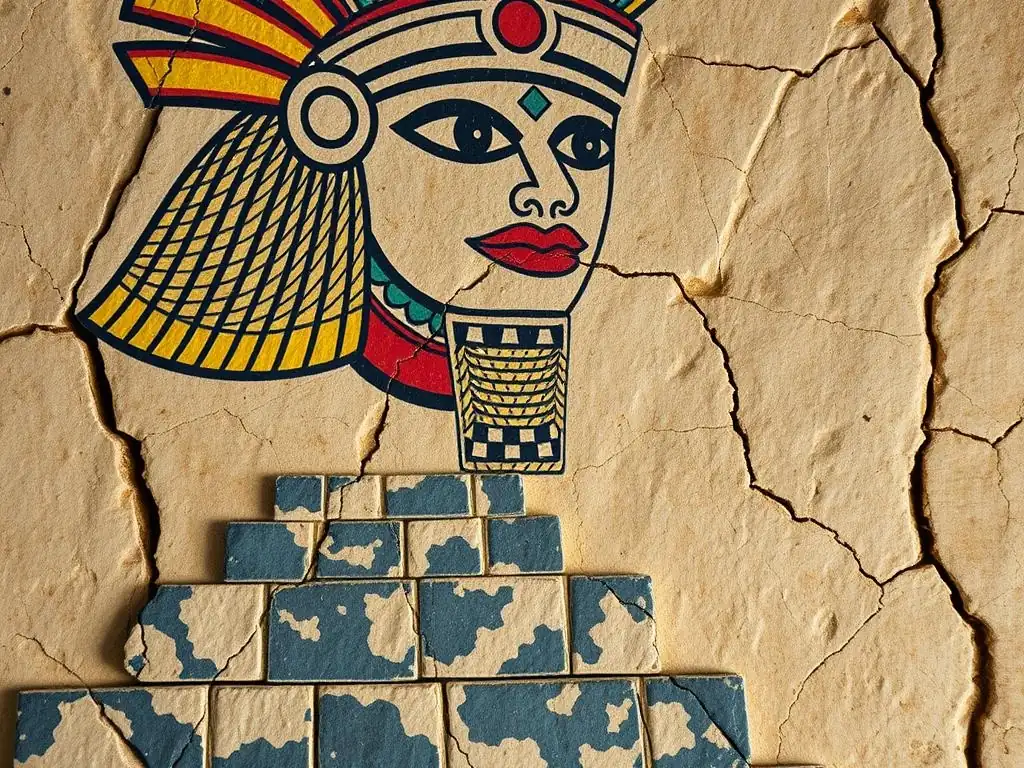
Determining the precise age of ancient murals like those at Tetitla involves a combination of archaeological evidence and scientific dating techniques. Stratigraphic analysis is a primary method; by examining the layers of soil and architectural remains above and below the mural plaster, archaeologists can establish a relative chronology. If the mural is found on a wall built during a specific construction phase, its age can be linked to that phase.
Furthermore, the association of murals with datable artifacts, particularly ceramic types, provides crucial chronological markers. For instance, the presence of diagnostic pottery forms from the Xolalpan or Metepec phases (circa 450-650 CE) within the same archaeological contexts as the murals strongly suggests their contemporaneity. While direct radiocarbon dating of pigments or plaster is challenging due to their inorganic nature, organic materials mixed within plaster or found contextually can sometimes be dated, offering more precise absolute dates for the construction and decoration of the elite residences.
Placing Tetitla Murals within the Broader Chronological Context of Teotihuacan Art
Based on archaeological findings and stylistic analysis, the murals of Tetitla are generally dated to the Late Xolalpan to Metepec phases of Teotihuacan's history, roughly spanning from 450 CE to 650 CE. This period represents the zenith of Teotihuacan's power and influence, characterized by extensive urban planning, monumental construction, and a flourishing artistic tradition. The sophisticated iconography and technical mastery evident in Tetitla's murals are consistent with this peak period of artistic production.
The Tetitla murals are therefore considered representative of the mature Teotihuacan artistic style, showcasing the full development of its distinctive iconographic repertoire and painting techniques. Their chronological placement within this vital period highlights their significance as primary sources for understanding the city at its most powerful and culturally vibrant, providing invaluable data for any comprehensive Teotihuacan elite mural analysis.
Conservation and Preservation of Tetitla's Mural Heritage
Challenges in Preserving Ancient Murals in Archaeological Sites
The preservation of ancient murals like those at Tetitla presents numerous formidable challenges. Exposed to the elements after centuries of burial, the delicate painted surfaces are highly susceptible to deterioration. Environmental factors such as fluctuating humidity and temperature, direct sunlight, and rainfall can cause pigments to fade, plaster to crack, and the entire mural to detach from its support wall. Biological threats, including mold, algae, and insect infestations, can also cause significant damage.
Human impact poses another serious threat. Looting, vandalism, and even the vibrations from nearby construction or heavy foot traffic from tourism can accelerate the degradation process. The sheer scale of mural art within Teotihuacan, with thousands of square meters identified, means that comprehensive, continuous conservation is a monumental task, requiring substantial resources and specialized expertise.
Conservation Efforts and Ongoing Research at the Tetitla Compound
Recognizing the immense cultural and historical value of the Tetitla murals, the Instituto Nacional de Antropología e Historia (INAH) of Mexico, alongside international partners, has undertaken significant conservation efforts. These initiatives typically involve a multi-faceted approach, beginning with careful documentation and mapping of the murals. Conservation techniques include the consolidation of friable plaster, reattachment of detached fragments, and the stabilization of the wall structures themselves.
In some cases, protective shelters are constructed over the murals to shield them from direct exposure to the elements, while microclimatic controls may be implemented to regulate humidity and temperature. Ongoing research at Tetitla also focuses on understanding the original materials and techniques used by the Teotihuacan artists, including pigment analysis and plaster composition studies, which in turn inform more effective and less invasive conservation strategies for this invaluable Teotihuacan elite mural analysis resource.
The Legacy of Teotihuacan Mural Painting: Influences and Connections
The Influence of Teotihuacan Mural Art on Later Mesoamerican Cultures
The artistic achievements of Teotihuacan, particularly its distinctive mural painting style, exerted a profound and lasting influence on later Mesoamerican cultures. As Teotihuacan's political and economic sphere expanded, so too did its artistic conventions.
Evidence of Teotihuacan influence can be seen in sites far beyond the Basin of Mexico, including the Maya region, Oaxaca, and the Gulf Coast. For instance, the murals at Cacaxtla in Puebla, dating to the Epiclassic period (700-900 CE), display a remarkable synthesis of Teotihuacan, Maya, and local artistic traditions, with clear echoes of Teotihuacan's flat perspective, strong outlines, and specific iconographic elements like the feathered serpent.
This widespread artistic diffusion suggests that Teotihuacan served as a cultural lodestar, transmitting its aesthetic principles and symbolic vocabulary through trade, political alliances, and the movement of artists and ideas. The enduring legacy of Teotihuacan's murals lies not only in their intrinsic beauty and ideological depth but also in their seminal role in shaping the visual arts of subsequent Mesoamerican civilizations, laying foundational artistic grammar for centuries to come.
Understanding the Enduring Significance of Tetitla's Murals for Teotihuacan Studies
The murals of Tetitla hold enduring significance for Teotihuacan studies, serving as one of the most vital primary sources for understanding this enigmatic ancient city. Unlike civilizations with extensive written records, Teotihuacan's history and belief systems must be largely reconstructed from its material culture, and the murals provide unparalleled visual narratives that fill many gaps. They offer direct insights into religious practices, social structures, and the daily lives of the elite, information that is often unavailable from other archaeological finds.
Furthermore, the detailed Teotihuacan elite mural analysis from Tetitla helps scholars decipher the complex iconography that permeates all aspects of Teotihuacan art, from pottery to sculpture. By understanding the symbolic language of these murals, researchers can better interpret other artifacts and architectural features throughout the city. Thus, Tetitla's murals remain an indispensable key to unlocking the mysteries of Teotihuacan's society, ideology, and artistic genius.
Conclusion: Tetitla Murals as a Window into Teotihuacan Elite Life and Ideology
Summarizing the Key Findings from the Tetitla Mural Analysis
The in-depth Teotihuacan elite mural analysis of the Tetitla compound reveals a sophisticated artistic program deeply intertwined with the social, religious, and political life of Teotihuacan's upper class. The murals, executed with remarkable technical skill and a vibrant palette, are strategically placed within the residential complex, transforming elite homes into powerful visual statements. They depict a rich pantheon of deities, notably the Great Goddess, alongside intricate procession scenes and abundant natural motifs, all imbued with profound symbolic meaning related to fertility, water, and cosmic order.
These artworks served not only as aesthetic enhancements but also as crucial markers of elite status, reinforcing the residents' prestige and their perceived divine connections. Through their consistent iconography and widespread presence, the murals played a vital role in transmitting and reinforcing the dominant ideology of Teotihuacan, contributing to social cohesion and the legitimation of state power. The dating of these murals to the city's zenith further underscores their importance as a reflection of Teotihuacan at its cultural and political peak.
Future Directions for Research on Teotihuacan Mural Art and Elite Residences
Despite extensive study, the murals of Tetitla, and Teotihuacan mural art in general, continue to offer fertile ground for future research. Ongoing and prospective studies could delve deeper into the precise composition of pigments and plasters, employing advanced scientific techniques to understand artistic practices and material sourcing. Further comparative analyses with newly discovered mural fragments from other elite residences could refine our understanding of regional variations, workshop affiliations, and the social organization of artists within the city.
Moreover, interdisciplinary approaches, combining archaeological data with ethnographic parallels and cognitive science, might offer new insights into how these complex visual narratives were perceived and interpreted by the ancient Teotihuacanos. Continued conservation efforts, supported by cutting-edge technology, will also be crucial to ensure that these invaluable testaments to Teotihuacan's artistic and ideological prowess are preserved for future generations, allowing for even more nuanced Teotihuacan elite mural analysis in the years to come.
References and Further Reading on Teotihuacan Archaeology and Art History
Frequently Asked Questions
What is the significance of the Tetitla compound murals in understanding Teotihuacan society?
The Tetitla murals provide valuable insights into the lives and beliefs of the Teotihuacan elite. Their imagery reveals information about their social status, religious practices, and cosmological worldview. They offer a glimpse beyond the grand pyramids and into the daily experiences of the ruling class.
How does the mural analysis contribute to our understanding of Teotihuacan ideology?
By analyzing the recurring motifs and symbolic representations in the Tetitla murals, archaeologists can reconstruct aspects of the Teotihuacan state ideology. This includes understanding their political power structures, religious doctrines, and concepts of rulership.
What excavation techniques are used to preserve and analyze the Tetitla murals?
Archaeologists employ a range of techniques, including photogrammetry to create 3D models, non-destructive analysis to identify pigments, and meticulous documentation to preserve the murals' fragile state. This ensures their long-term preservation and study.
Where does the Tetitla compound murals site fit within the broader geographical and chronological context of Teotihuacan?
The Tetitla compound is a significant residential complex located within the ancient city of Teotihuacan, which flourished between the 1st and 8th centuries CE in the Valley of Mexico. Its murals reflect the artistic and cultural developments during Teotihuacan's peak period.
How do these murals relate to other archaeological discoveries in Teotihuacan and other Mesoamerican sites?
The Tetitla murals share stylistic and iconographic similarities with other murals found in Teotihuacan, such as those at Tepantitla, and also exhibit connections to artistic traditions of other Mesoamerican cultures like the Maya, indicating shared cultural influences and exchanges.
Final Reflection: Echoes of Power and Belief
The intricate murals of the Tetitla compound, once vibrant expressions of Teotihuacan elite life, now offer a powerful lens through which to understand the complex interplay of art and ideology. Their enduring presence reminds us that even in the absence of written language, visual narratives can effectively communicate power structures, religious beliefs, and social hierarchies. The analysis of these murals allows us to glimpse the world of the Teotihuacan elite, a world meticulously crafted and carefully projected through artistic expression.
This exploration into the Tetitla murals has underscored the profound impact of art as a tool for shaping and reinforcing societal norms. It highlights the enduring human need to create meaning and communicate values through visual representation, a need that transcends time and culture. Art is not what you see, but what you make others see.
- Edgar Degas. This quote resonates deeply when considering the deliberate construction of meaning within the Tetitla murals, designed to convey specific messages to both residents and visitors, solidifying the elite's position within Teotihuacan society.
As we conclude this journey through the painted walls of Tetitla, let us consider the power of visual narratives in our own lives. How do the images we consume and create shape our understanding of the world? What messages are we consciously or unconsciously projecting? Take a moment to reflect on the "murals" of your own life – the stories you tell, the images you share – and consider how they contribute to the broader tapestry of human experience. Let the echoes of Teotihuacan inspire you to create with intention and to interpret with discernment.
Unveil the Secrets: Continue Your Journey into Teotihuacan!
Thank you for exploring the captivating world of Teotihuacan murals with us. We hope you've gained a deeper appreciation for the art and ideology woven into these ancient walls. Now, let's bring that knowledge to life!
- Dive Deeper: Visit a local museum with a Mesoamerican art exhibit, paying special attention to mural fragments or representations of Teotihuacan art. See if you can identify similar symbolic elements discussed in the article.
- Share your insights: Start a conversation in your social media about how art can reflect a society's beliefs and power structures, using the Tetitla murals as a prime example.
- Challenge yourself: Research the potential interpretations of a specific symbol found in the Tetitla murals and share your findings in the comments section below.
What single artistic element from the Tetitla murals resonated most with you, and why?