Explore the Ancient Capital of Gyeongju: A Window into Korea’s Royal Past
Step into the heart of the Silla Kingdom, one of Asia’s most enduring dynasties, through the Major Korean Kingdom Sites in Gyeongju. This subcategory on ArchaeologyHub.org dives deep into the UNESCO-listed monuments, royal tombs, and temple ruins that defined Korean civilization for nearly a millennium. From the star-gazing observatory of Cheomseongdae to the golden treasures of Hwangnamdaechong, you’ll uncover how archaeology reconstructs a world of kings, monks, and artisans. Perfect for history buffs, students, and travelers, this guide blends expert excavation insights, artifact spotlights, and practical visiting tips to bring Gyeongju’s stone and soil to life.
🏛️ The Royal Tombs of Gyeongju: Mounds of Gold and Power
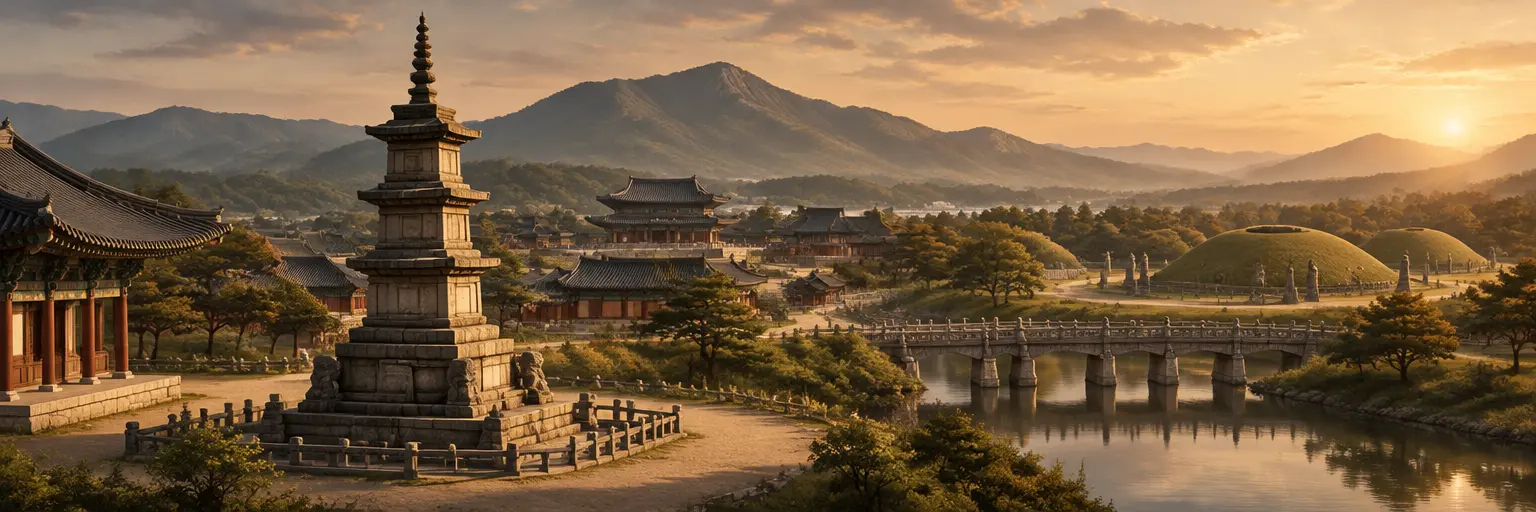
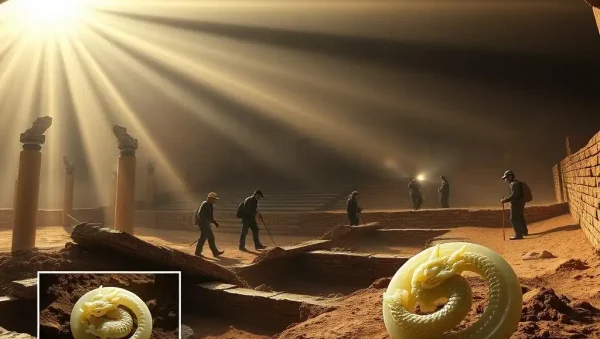
Gyeongju’s landscape is dotted with over 200 large burial mounds, known as *gobundong*, which once held Silla’s elite. These earthen tumuli, such as the famous Cheonmachong and Hwangnamdaechong, have yielded stunning finds—gold crowns, jade ornaments, and iron weaponry—that reveal the kingdom’s wealth and trade networks. Excavations here use stratigraphic analysis to date layers of soil and wooden coffins, offering a timeline of royal succession.
Visitors can explore the interior of Cheonmachong, a rare chance to stand inside a reconstructed tomb chamber. The artifacts, now displayed at the Gyeongju National Museum, show intricate craftsmanship influenced by Silk Road exchanges with Persia and China. This section highlights key grave goods, burial customs, and restoration ethics, helping you understand why these mounds are considered the “Tutankhamun of Korea.”
🛕 Buddhist Heritage: Bulguksa Temple and Seokguram Grotto
No visit to Gyeongju is complete without the eighth-century Bulguksa Temple and the granite Seokguram Grotto, both UNESCO World Heritage sites. These structures exemplify Silla’s fusion of indigenous beliefs with Mahayana Buddhism, using precise engineering to harmonize with nature. The grotto’s central Buddha, gazing out to sea, is a masterpiece of mathematical proportion and spiritual symbolism, while Bulguksa’s twin pagodas—Seokgatap and Dabotap—represent stability and abundance.
Archaeologists have used ground-penetrating radar to map hidden foundation stones beneath the temple’s courtyard, revealing earlier wooden buildings. This subcategory also covers the restoration debates around these sites, as modern materials sometimes mix with ancient ones. You’ll learn about monk-architect collaborations, pilgrimage routes, and the daily rituals that kept these spaces alive for centuries, offering a sensory journey through incense, stone, and chanting.
🔭 Cheomseongdae and Banwolseong: Science and Sovereignty
The Cheomseongdae observatory, built in the seventh century, is one of Asia’s oldest surviving astronomical towers. Its cylindrical stone design, with 27 visible tiers, was used to track stars for agricultural calendars and royal prophecy. Meanwhile, the nearby Banwolseong (“Half-Moon Palace”) served as Silla’s main royal complex, with sprawling gardens, defensive walls, and a lotus pond. Excavations have uncovered roof tiles with dragon motifs, bronze bells, and a sophisticated water drainage system.
This section explains how archaeoastronomy—the study of ancient skies—helps date these structures, and how palatial waste layers reveal diet and trade. You’ll also explore the Anapji Pond, a reconstructed artificial lake where kings held banquets, and discover how modern 3D scanning recreates vanished pavilions for virtual tours. Ideal for those fascinated by ancient engineering and royal daily life.
🏺 Artifact Treasures: Gold, Glass, and Everyday Objects
Gyeongju’s museums overflow with finds that range from opulent royal regalia to humble pottery. The gold crowns, with their tree-like branches and jade drops, are iconic, but equally compelling are glass vessels imported from the Roman Empire, proving Silla’s long-distance connections. This subcategory profiles artifact conservation techniques, including the use of X-ray fluorescence to identify metal alloys without damaging relics, and pottery typologies that help date excavation layers.
You’ll also encounter everyday items—cooking pots, farming tools, and inkstones—that paint a picture of commoners’ lives. Interactive maps show trade routes from Gyeongju to Japan and Central Asia, while case studies highlight looting prevention and museum ethics. Whether you’re a collector, scholar, or curious reader, this section turns dusty artifacts into vivid stories of innovation and exchange.
🗺️ Modern Exploration: Mapping Gyeongju’s Hidden Layers
Technology is rewriting Gyeongju’s history. Recent LiDAR surveys have detected buried villages and road networks beneath forested hills, while drone photography reveals crop marks that indicate ancient field boundaries. This subcategory details how geographic information systems (GIS) integrate these data to create digital reconstructions, allowing you to “fly over” Silla’s capital as it appeared in 800 CE. It also covers community archaeology, where local residents participate in digs and oral history projects.
For travelers, this section offers self-guided trail itineraries, best times to visit for soft light and fewer crowds, and virtual reality previews of sites under restoration. You’ll learn about climate threats, such as erosion and typhoons, and how heritage managers balance tourism with preservation. This is your practical yet scholarly companion to experiencing Gyeongju like an archaeologist.
Frequently Asked Questions
What is the best time of year to visit Gyeongju’s archaeological sites?
Visit in April to June or September to November for mild weather and clear skies. Cherry blossoms in spring and autumn foliage enhance tomb views, while summer’s humidity can make outdoor exploration tiring. Winter offers fewer crowds but some outdoor areas may be slippery.
Are the royal tombs open to the public for interior viewing?
Most tombs are sealed to protect contents, but Cheonmachong is an exception—it has a reconstructed interior chamber with replicas of grave goods. The actual artifacts are housed in the Gyeongju National Museum, where you can see originals under climate-controlled glass.
How were the gold crowns of Silla discovered, and why are they so unique?
Excavations in the 1920s and 1970s, particularly at Seobongchong and Hwangnamdaechong, uncovered crowns made of sheet gold with antler-like branches and jade comma-shaped ornaments. Their designs reflect shamanistic and steppe influences, distinct from Chinese or Japanese royal regalia, making them globally iconic.
Can I take photographs inside Bulguksa Temple and Seokguram Grotto?
Photography is allowed in most temple courtyards, but inside Seokguram’s grotto it’s often prohibited to prevent flash damage to the Buddha and wall reliefs. Always check signage—drones are banned in all heritage zones. For personal use, smartphone photos without flash are usually fine.
What other Korean kingdom sites can I explore beyond Gyeongju?
For broader context, visit Gongju and Buyeo—capitals of the Baekje Kingdom—which feature royal tombs and fortress ruins. Also see the Gaya tumuli in Gimhae and the UNESCO-listed Hwaseong Fortress in Suwon (Joseon era). These sites complement Gyeongju’s Silla focus for a fuller Korean history.