
Exploring the Smaller Buddhist Sites and Hermitages of Upper Swat Valley

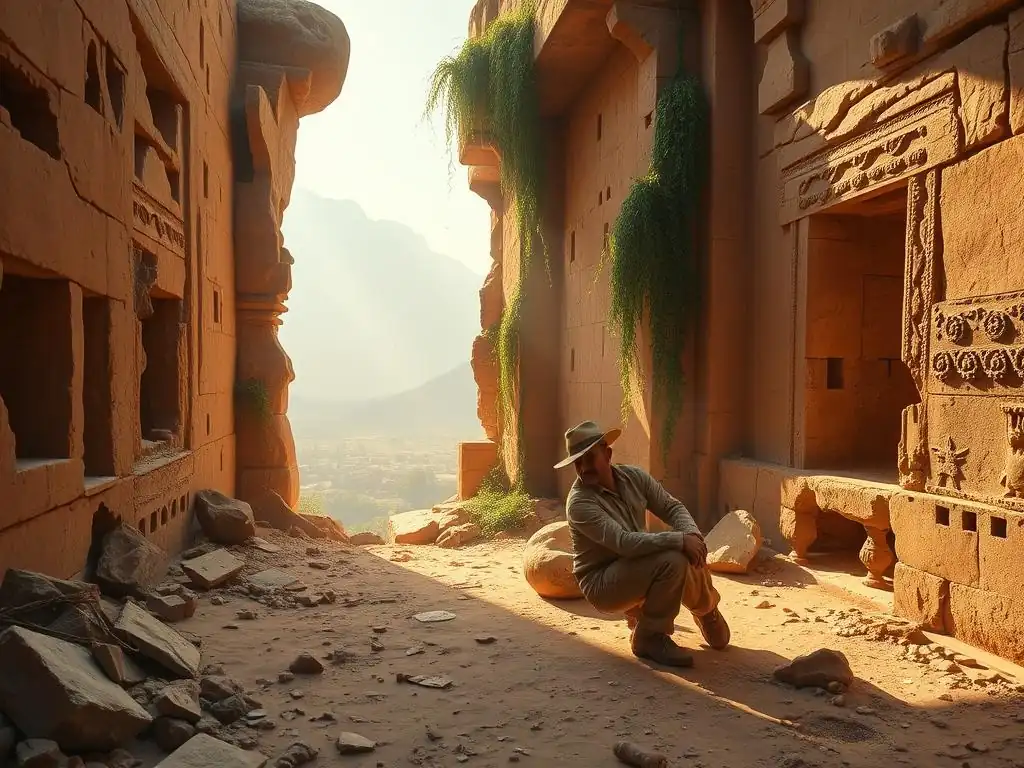
Welcome to ArchaeologyHub.org, your gateway to unearthing the past! Ever wondered about the hidden stories etched into the landscapes of ancient civilizations? This comprehensive digital encyclopedia invites you to delve into the world of archaeological discoveries, from groundbreaking excavations to detailed artifact analyses. Today, we journey to the Upper Swat Valley, exploring the fascinating world of its lesser-known Buddhist sites and hermitages. Join us as we unravel the mysteries and spiritual significance of these often-overlooked treasures... and discover why Upper Swat Valley hermitage tours are offering a unique perspective on this historical region.
- Unveiling the Hidden Buddhist Heritage of Upper Swat Valley
- Upper Swat Valley Hermitage Tours: A Journey Through Sacred Spaces
- Key Buddhist Sites and Hermitages in Upper Swat Valley
- Gandharan Buddhist Art and Architecture in Upper Swat's Hermitages
- Archaeological Research and Preservation Efforts in Upper Swat
- The Spiritual Significance of Hermitages in Upper Swat Valley's Buddhist Tradition
- Experiencing the Upper Swat Valley: A Guide for Visitors
-
Frequently Asked Questions
- How accessible are the smaller Buddhist sites and hermitages in the Upper Swat Valley?
- What kind of artifacts can visitors expect to see at these sites?
- What is the best time of year to go on Upper Swat Valley hermitage tours?
- Are there any restrictions or permits required to visit these archaeological sites?
- What makes the Upper Swat Valley important for Buddhist history?
- Final Reflection: Finding Stillness in the Heights
- Unearth Your Next Adventure: Dive Deeper into Swat's Hidden Buddhist Heritage!
Beyond the Major Monasteries: Discovering Upper Swat's Lesser-Known Buddhist Gems
While the Swat Valley is renowned for its grand monastic complexes like Butkara I and II, which have yielded thousands of artifacts and provided monumental insights into Gandharan Buddhism, a rich tapestry of smaller, often overlooked Buddhist sites and hermitages lies scattered across its upper reaches. These less prominent locations, numbering in the hundreds across the broader Swat region, offer a unique perspective on the daily lives of monks, the spread of Buddhist influence beyond urban centers, and the diverse forms of religious practice that flourished from the 2nd century BCE to the 10th century CE.
They represent a significant, yet often underappreciated, component of the region's archaeological wealth.
These smaller sites, ranging from isolated meditation caves to compact monastic settlements, often served as retreats for monks seeking solitude and deeper spiritual practice away from the bustling major monasteries. Unlike their larger counterparts, which were heavily endowed and served as educational hubs, these hermitages highlight a more ascetic and contemplative aspect of Buddhist life. Exploring these hidden gems on Upper Swat Valley hermitage tours provides an intimate connection to the ancient past, revealing how Buddhism permeated the landscape at every level of society, not just among the elite patrons.
The Significance of Small Buddhist Sites in Swat's Archaeological Landscape
The small Buddhist sites and hermitages of Upper Swat Valley are profoundly significant for several reasons. Firstly, they provide crucial data points for understanding the topographical distribution and density of Buddhist settlements, indicating a widespread presence of the faith throughout the valley, even in remote areas. Archaeological surveys have identified over 400 Buddhist sites in Swat, with a substantial portion being smaller complexes or individual stupas and monastic cells, which collectively paint a comprehensive picture of the region's religious demography.
Secondly, these sites often reveal unique regional variations in Gandharan art and architecture, reflecting local craftsmanship and adaptations of broader stylistic trends. While major sites might showcase imperial patronage, smaller hermitages often exhibit a more rustic, yet equally profound, artistic expression. Studying these sites on Upper Swat Valley hermitage tours allows researchers and visitors alike to appreciate the full spectrum of Buddhist archaeological heritage, from monumental stupas to humble meditation chambers, enriching our understanding of Gandharan civilization's spiritual and artistic dimensions.
Upper Swat Valley Hermitage Tours: A Journey Through Sacred Spaces
Planning Your Upper Swat Valley Hermitage Tour: Practical Considerations
Embarking on Upper Swat Valley hermitage tours requires careful planning due to the often remote and rugged nature of many sites. The ideal seasons for visiting are spring (March to May) and autumn (September to November), when the weather is mild and the landscape is most accessible. Visitors should be prepared for varying terrain, from accessible roads to challenging hikes. It is highly recommended to engage a local guide who possesses knowledge of the sites, local customs, and safety protocols, especially for off-the-beaten-path locations.
Logistical considerations include transportation, which often involves hiring a private vehicle or utilizing local jeeps to reach trailheads. Accommodation is primarily available in larger towns like Mingora or Saidu Sharif, with more basic guesthouses found in some smaller villages. Essential items for any Upper Swat Valley hermitage tour include sturdy hiking boots, sufficient water, sun protection, and a first-aid kit. Moreover, obtaining any necessary permits or permissions for specific protected areas should be arranged in advance through local authorities or tour operators.
The Allure of Hermitage Tours: Experiencing Buddhist Spirituality in Swat
The allure of Upper Swat Valley hermitage tours lies in the profound opportunity they offer to connect with the spiritual essence of ancient Buddhism in a setting of unparalleled natural beauty and tranquility. Unlike the bustling major archaeological parks, these smaller sites often provide a sense of intimate discovery and solitude, allowing visitors to imagine the contemplative lives of the monks who once inhabited these sacred spaces. The quietude of these remote locations fosters an environment conducive to reflection and a deeper appreciation of the ascetic traditions that shaped early Buddhist practice.
Visitors on these tours can experience the unique blend of history, culture, and spirituality that defines the Swat Valley. Witnessing the remnants of meditation cells carved into cliffsides or small stupas nestled amongst ancient trees evokes a powerful sense of timelessness. These immersive experiences go beyond mere sightseeing, offering a chance to understand the profound spiritual journey that these hermitages facilitated for centuries, making each Upper Swat Valley hermitage tour a truly transformative experience for those seeking both historical insight and spiritual resonance.
Key Buddhist Sites and Hermitages in Upper Swat Valley
Shingardar Stupa: A Well-Preserved Landmark of Buddhist Art
The Shingardar Stupa, located near Barikot in the Upper Swat Valley, stands as a remarkable testament to Gandharan Buddhist art and architecture. Dating back to approximately the 2nd to 3rd century CE, this stupa is distinguished by its substantial size and relatively well-preserved dome, making it one of the most prominent individual stupas in the region. Its strategic location, commanding views of the surrounding landscape, suggests its importance not only as a religious monument but possibly also as a landmark for travelers along ancient trade routes.
Archaeological investigations at Shingardar have revealed intricate stucco decorations and schist stone carvings, although much of the original artistic embellishment has succumbed to time and environmental factors. The stupa's design reflects the classic Gandharan style, characterized by a drum-shaped base, a hemispherical dome, and a square harmika, topped by a spire (chattravali). It serves as a prime example of the architectural prowess and devotion that characterized the Buddhist period in Swat, attracting visitors on Upper Swat Valley hermitage tours keen to explore significant historical landmarks.
Najigram Stupa: Exploring Ancient Buddhist Architecture
The Najigram Stupa, situated in the vicinity of Saidu Sharif, offers another fascinating glimpse into ancient Buddhist architecture in the Upper Swat Valley. This site is particularly noteworthy for its unique architectural plan, which suggests multiple phases of construction and possibly a more complex monastic arrangement than a simple solitary stupa. Excavations have indicated its active period spanned from the 1st to the 4th century CE, showcasing evolving construction techniques and artistic influences over several centuries.
The architectural remains at Najigram provide valuable insights into the daily lives of the monks who resided there, with remnants of monastic cells and assembly halls surrounding the main stupa. Its layout implies a community-oriented monastic complex, albeit on a smaller scale compared to colossal sites. The site's distinct features contribute significantly to the understanding of regional variations in Gandharan building practices, making it a key stop for those interested in the intricacies of ancient structures during their Upper Swat Valley hermitage tours.
Amluk-Dara Stupa: A Serene Site Overlooking the Valley
Perched on a hilltop, Amluk-Dara offers panoramic views and features a well-preserved stupa surrounded by monastic remains, showcasing the integration of nature and spirituality. This serene site, often dated to the 2nd to 3rd century CE, exemplifies the Gandharan tradition of situating religious structures in naturally elevated and picturesque locations, fostering an atmosphere conducive to meditation and contemplation. The stupa itself, while not as grand as some others, maintains a graceful form, its base still clearly visible, indicating a substantial structure in its prime.
The monastic complex surrounding the Amluk-Dara Stupa includes remnants of monks' cells and communal areas, suggesting it functioned as a small, self-sufficient hermitage. The strategic placement of the site not only provided breathtaking vistas but also offered a degree of natural protection, allowing its inhabitants to pursue their spiritual practices in relative peace. Visitors on Upper Swat Valley hermitage tours often find Amluk-Dara particularly captivating for its harmonious blend of historical architecture and breathtaking natural scenery, offering a moment of quiet reflection amidst ancient ruins.
Abba Sahib Cheena: A Complex of Caves and Stupas
Abba Sahib Cheena represents a distinct type of Buddhist site in the Upper Swat Valley, comprising a network of caves used for meditation and small stupas, representing a more intimate and personal form of Buddhist practice. These natural rock shelters, often enhanced with carved niches and simple architectural modifications, served as individual or small group retreats for monks seeking extreme solitude and intensive meditation, embodying the very essence of a hermitic lifestyle. The presence of numerous small, votive stupas within and around the caves suggests a focus on personal devotion and merit-making.
The archaeological significance of Abba Sahib Cheena lies in its illustration of the diverse ways in which Buddhism manifested in the region, ranging from large communal monasteries to solitary ascetic retreats. The simplicity of these cave dwellings and the modest scale of the stupas provide a stark contrast to the grandeur of major monastic universities, offering insights into the practices of monks who prioritized contemplation over communal living. For those on Upper Swat Valley hermitage tours interested in the ascetic dimensions of Buddhist tradition, Abba Sahib Cheena offers a profound and unique experience.
Gumbat Valley: Remote Hermitage with Unique Architectural Features
Located in a remote valley, Gumbat features a distinct architectural style in its stupas and monastic structures, reflecting regional variations in Gandharan art. This secluded hermitage, less frequently visited due to its challenging accessibility, is a treasure trove for understanding the localized expressions of Buddhist architecture and art in the Swat region. The site's remoteness has also contributed to the relatively better preservation of some of its features, allowing for a clearer study of its unique characteristics, which may date to a slightly later period, perhaps the 4th to 6th century CE, indicating the continued flourishing of Buddhism.
The architectural elements at Gumbat, including the construction materials and decorative motifs, suggest a blend of established Gandharan conventions with local building traditions, setting it apart from some of the more standardized designs found in central Swat. The monastic complex, though modest in scale, includes evidence of residential units and perhaps a small assembly hall, indicating a functional hermitage that supported a small community of monks. A visit to Gumbat Valley on an Upper Swat Valley hermitage tour is an adventurous endeavor, rewarding intrepid explorers with a glimpse into a rarely seen facet of Gandharan Buddhist heritage.
Gandharan Buddhist Art and Architecture in Upper Swat's Hermitages
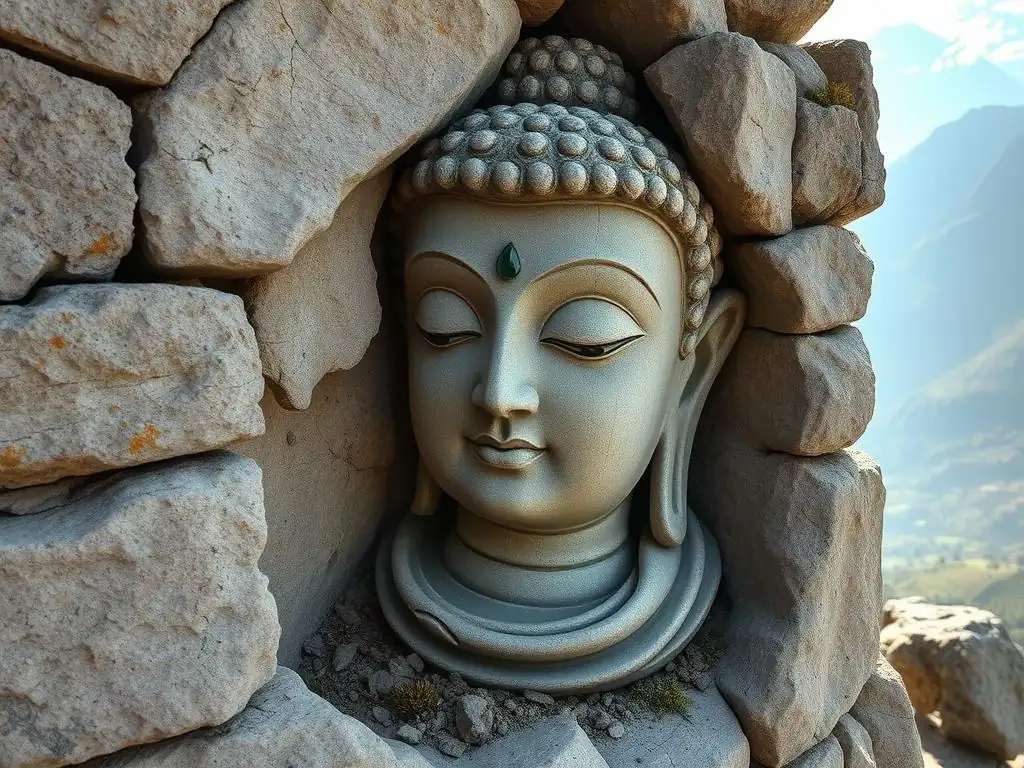
The Influence of Gandharan Art on Upper Swat Valley Hermitages
The influence of Gandharan art is profoundly evident throughout the smaller Buddhist sites and hermitages of Upper Swat Valley, shaping their aesthetic and iconographic programs. This syncretic art style, blending Greco-Roman classical forms with indigenous Buddhist themes, manifested primarily through stucco and schist stone sculptures depicting the Buddha, Bodhisattvas, and scenes from Buddhist narratives. Even in the more modest settings of hermitages, the distinctive Gandharan drapery, facial features, and haloed figures are recognizable, albeit sometimes executed with a simpler, more localized craftsmanship compared to the grander monastery productions.
These hermitages often feature votive stupas adorned with relief carvings or stucco figures, serving as focal points for devotion. The presence of Buddha images, even in small meditation cells, underscores the widespread acceptance and visual propagation of Buddhist teachings. While the scale of artistic production might have been smaller, the commitment to artistic expression remained consistent, allowing archaeologists to trace the evolution and regional variations of Gandharan art across the Upper Swat Valley through these numerous, dispersed sites.
Architectural Features of Buddhist Hermitages in Upper Swat
The architectural features of Buddhist hermitages in Upper Swat Valley typically emphasize functionality, simplicity, and integration with the natural environment, distinct from the expansive and elaborate designs of major monastic complexes. Common elements include:
- Small Stupas: Often simpler in design than their larger counterparts, these stupas served as reliquaries or commemorative monuments, ranging from modest votive stupas to slightly larger structures that were still considerably smaller than the stupas at Butkara or Takht-i-Bahi.
- Meditation Cells (Viharas): These are perhaps the most defining feature of hermitages, often carved directly into rock faces or constructed as small, isolated chambers, designed for individual or small group meditation. They provided a secluded space for monks to practice introspection and attain spiritual insight.
- Natural Caves: Many hermitages utilized existing natural caves, modifying them with minimal architectural additions such as carved niches for images, benches, or simple doorways. This adaptation of the landscape reflects a pragmatic and often ascetic approach to monastic living.
- Water Management Systems: Despite their remote locations, many hermitages show evidence of rudimentary water collection and storage systems, such as cisterns or channels, crucial for sustaining monastic life in isolated settings.
These features, observable on Upper Swat Valley hermitage tours, highlight the practical considerations and spiritual aspirations that guided the construction and daily life within these sacred retreats.
Archaeological Research and Preservation Efforts in Upper Swat
Challenges in Preserving Upper Swat's Buddhist Heritage
Preserving the vast Buddhist heritage of Upper Swat Valley, especially its numerous smaller sites and hermitages, presents significant challenges. Environmental factors, such as erosion, seismic activity, and extreme weather conditions, continuously threaten the structural integrity of ancient ruins. Human-induced pressures are equally formidable, including:
- Illicit Excavation and Looting: The high demand for Gandharan artifacts fuels illegal digging, leading to the irreversible loss of historical context and material culture.
- Encroachment and Development: Expanding agricultural lands, infrastructure projects, and unregulated urban growth often encroach upon or even destroy archaeological sites.
- Lack of Awareness and Resources: Limited public awareness about the fragility and importance of these sites, coupled with insufficient funding and trained personnel for conservation, exacerbates the preservation crisis.
These multifaceted challenges necessitate a concerted and sustained effort from local communities, governmental bodies, and international organizations to safeguard these invaluable historical assets for future generations.
Ongoing Archaeological Projects and Discoveries
Despite the challenges, significant archaeological projects and discoveries continue to enrich our understanding of Upper Swat's Buddhist heritage. The Italian Archaeological Mission in Pakistan (ISMEO, now IsIAO), active since 1956, has been instrumental in excavating, documenting, and conserving many key sites, including major monasteries and numerous smaller complexes. Their work has yielded thousands of artifacts, including sculptures, coins, and pottery, providing crucial chronological and cultural data.
Recent initiatives often involve collaborations between Pakistani Department of Archaeology and Museums and international partners, focusing on:
- Systematic Surveys: Identifying and mapping previously undocumented sites, particularly the smaller hermitages and rock shelters, which are vital for understanding the full extent of Buddhist presence.
- Conservation and Site Management: Implementing sustainable conservation practices, including structural stabilization and environmental protection measures, to mitigate decay.
- Community Engagement: Involving local communities in heritage protection efforts through awareness programs and promoting responsible tourism, such as Upper Swat Valley hermitage tours, to create a sense of ownership and economic benefit.
These ongoing efforts are crucial for revealing new insights and ensuring the long-term preservation of Swat's unparalleled Buddhist legacy.
The Spiritual Significance of Hermitages in Upper Swat Valley's Buddhist Tradition
Meditation and Solitude: The Role of Hermitages in Buddhist Practice
In the Buddhist tradition, especially within the Gandharan context, hermitages played a pivotal role in fostering deeper spiritual practice through meditation and solitude. These secluded retreats, often nestled in the tranquil landscapes of the Upper Swat Valley, provided an ideal environment for monks to detach from worldly distractions and focus on intensive introspection. The quietude and natural beauty offered by these sites were considered conducive to cultivating mindfulness, developing concentration, and ultimately achieving higher states of consciousness.
Monks would retreat to these hermitages for extended periods, sometimes for years, to engage in rigorous meditation practices, study scriptures, and live a simplified, ascetic life. This emphasis on solitude was rooted in the early teachings of the Buddha, who himself sought enlightenment in isolated settings. The architectural simplicity of these hermitages, featuring basic cells and small stupas, reflects this focus on spiritual discipline over material comfort, making them central to the contemplative aspect of Buddhist practice in ancient Swat.
The Legacy of Buddhist Hermitages in Upper Swat Today
The legacy of Buddhist hermitages in Upper Swat Valley continues to resonate today, offering tangible links to a vibrant past and a profound spiritual tradition. These sites serve as enduring testaments to the deep-rooted presence of Buddhism in the region for over a millennium, from the 2nd century BCE to its eventual decline around the 10th-11th century CE. Their continued existence, despite centuries of environmental decay and human activity, speaks to the resilience and spiritual importance they once held.
For contemporary visitors, especially those undertaking Upper Swat Valley hermitage tours, these ruins are more than just archaeological remains; they are places of contemplation and historical reflection. They provide a unique window into the ascetic life of ancient Buddhist monks and the spiritual landscape that shaped their world. The preservation of these hermitages ensures that future generations can connect with this rich heritage, fostering an appreciation for the cultural diversity and spiritual depth that characterized the Gandharan civilization in the Swat Valley.
Experiencing the Upper Swat Valley: A Guide for Visitors
Reaching Upper Swat Valley: Transportation and Accommodation
Reaching the Upper Swat Valley is now more accessible than ever, primarily via the Swat Motorway (M-1), which connects directly from Peshawar and further links to Pakistan's major cities. From the motorway's end, well-maintained roads lead to major towns like Mingora and Saidu Sharif, which serve as primary hubs for visitors. Public transportation, including intercity buses and shared vans, operates regularly from larger cities, while local taxis and jeeps are readily available in Swat for travel to more remote areas and archaeological sites.
Accommodation options in Upper Swat Valley range from comfortable hotels and guesthouses in Mingora and Saidu Sharif to more basic, locally-run lodgings in smaller villages like Kalam or Bahrain. For those planning Upper Swat Valley hermitage tours that venture into very remote areas, it is advisable to arrange lodging in advance or consider camping with proper permits and guidance. It is important to note that facilities might be limited outside the main towns, so planning accordingly for food and water is essential.
Respecting Local Culture and Traditions During Your Visit
When visiting Upper Swat Valley, especially during Upper Swat Valley hermitage tours that take you into local communities and near archaeological sites, it is crucial to show respect for local culture and traditions. Swat is predominantly a conservative region, and adhering to local customs enhances the visitor experience while ensuring positive interactions. Key considerations include:
- Dress Modestly: Both men and women should wear modest clothing that covers shoulders and knees. For women, a headscarf is advisable, especially when visiting religious sites or entering villages.
- Photography Etiquette: Always ask for permission before photographing individuals, particularly women and children. Be mindful of local sensitivities.
- Cultural Norms: Greet locals with respect, and be aware of customs such as removing shoes before entering certain homes or mosques. Avoid public displays of affection.
- Environmental Responsibility: Do not litter and dispose of waste responsibly. Help keep the archaeological sites and natural environment clean.
By observing these simple guidelines, visitors can ensure a respectful and enriching experience while contributing positively to the local community and the preservation of heritage.
Responsible Tourism in Upper Swat: Preserving Archaeological Sites
Responsible tourism is paramount when exploring the archaeological sites and hermitages of Upper Swat Valley, ensuring that these invaluable historical assets are preserved for future generations. Visitors on Upper Swat Valley hermitage tours should adhere to a "leave no trace" philosophy, which includes:
- Do Not Touch or Remove Artifacts: All archaeological remains, including pottery shards, stones, and sculptures, are part of the historical record and must not be disturbed or taken.
- Stay on Marked Paths: Wandering off designated trails can damage fragile structures, vegetation, and potentially undiscovered archaeological features.
- Support Local Economy Responsibly: Patronize local businesses and guides who are committed to sustainable practices and contribute to the well-being of the community.
- Report Concerns: If you observe any illegal activities, such as looting or vandalism, report them to your guide or local authorities.
By practicing responsible tourism, visitors become active participants in the conservation efforts, helping to protect the delicate balance between cultural heritage, natural environment, and local livelihoods in the Upper Swat Valley.
Frequently Asked Questions
How accessible are the smaller Buddhist sites and hermitages in the Upper Swat Valley?
Access can vary greatly. Some sites are accessible by well-maintained roads, while others require hiking on challenging trails. Tour operators specializing in the Upper Swat Valley can provide detailed accessibility information.
What kind of artifacts can visitors expect to see at these sites?
Visitors might find fragments of stucco sculptures, terracotta figurines, and architectural elements. Most significant artifacts are usually housed in local museums or have been relocated for preservation.
What is the best time of year to go on Upper Swat Valley hermitage tours?
The spring and autumn months are generally considered the best times to visit, offering pleasant weather for hiking and exploring. Avoid the peak summer heat and the harsh winter conditions.
Are there any restrictions or permits required to visit these archaeological sites?
It's advisable to check with local authorities or tour operators regarding any required permits or restrictions. Some sites may have specific visiting hours or require permission from local communities.
What makes the Upper Swat Valley important for Buddhist history?
The Upper Swat Valley was a significant center of Buddhist activity for centuries, as evidenced by the numerous monasteries, stupas, and hermitages. It played a crucial role in the spread of Buddhism along the Silk Road.
Final Reflection: Finding Stillness in the Heights
The journey through the lesser-known Buddhist sites and hermitages of the Upper Swat Valley, as we've explored, isn't just a historical excavation; it's a rediscovery of a profound connection to peace and contemplation that resonates deeply in our frenetic modern world. The echoes of ancient monks and their quest for enlightenment still linger in those remote valleys, offering a potent antidote to the noise and distraction that defines so much of contemporary life.
This exploration has underscored how the search for meaning and inner peace is a timeless human endeavor. The enduring appeal of these secluded spaces lies not just in their historical significance, but in their capacity to inspire a sense of tranquility and introspection within us. Look within. The secret is inside you.
- Hui Neng, Sixth Patriarch of Zen Buddhism. This quote encapsulates the essence of what these hermitages represent: a journey inward, facilitated by the serenity of the surrounding landscape.
As you consider the images and stories shared, I invite you to reflect on the potential for your own "Upper Swat Valley hermitage tour," whether literal or metaphorical. Seek out those quiet spaces, both within and around you, where you can disconnect from the external world and reconnect with your inner self. Embrace the stillness, listen to the whispers of your own heart, and discover the profound wisdom that awaits you in the silence.
Thank you for joining us on this journey through the lesser-known Buddhist sites of Upper Swat Valley. We hope you've gained a newfound appreciation for the rich tapestry of history woven into this remarkable region. Now, let's turn that inspiration into action!
Here are a few ways to continue exploring:
- Plan Your Own Pilgrimage: Research and design a personalized itinerary focusing on visiting at least three of the smaller sites we discussed. Experience the serenity and historical depth firsthand.
- Delve further into academic resources! Check out research papers, local libraries, and archives to expand your knowledge and enrich your upcoming trip.
- Share this article with fellow history enthusiasts. Spark conversations and help others discover the hidden gems of Swat Valley!
What's one small step you can take this week to bring the history of Upper Swat Valley to life in your own world?