
Key Archaeological Excavations at Stonehenge: A Historical Review

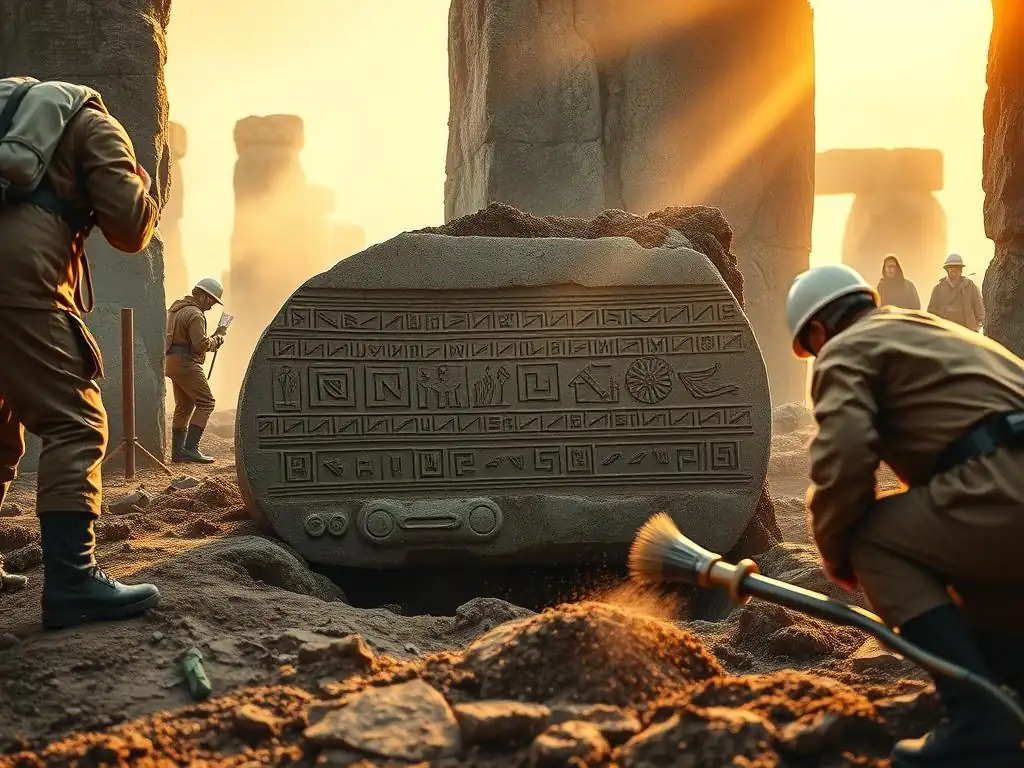
Welcome to ArchaeologyHub.org, your gateway to unearthing the past. Ever wondered how archaeologists meticulously peel back layers of time to reveal the secrets of ancient civilizations? Dive into our comprehensive exploration of archaeological discoveries, starting with a captivating look at key Stonehenge excavation techniques. This article offers an in-depth historical review, but it's just the tip of the iceberg. What other groundbreaking methods have shaped our understanding of this iconic monument? Read on to discover more and begin your journey through the vast and fascinating world of archaeology!
- Introduction to Stonehenge Excavations: Unveiling the Past
- Landmark Excavations at Stonehenge: A Chronological Overview
- Modern Stonehenge Excavation Techniques and Discoveries
- Analyzing Stonehenge Artifacts: Insights from Excavated Materials
- Reinterpreting Stonehenge: The Impact of Excavations on Our Understanding
- The Future of Stonehenge Archaeology: Preservation and Research
- Conclusion: The Enduring Legacy of Archaeological Excavations at Stonehenge
-
Frequently Asked Questions
- What are some of the key archaeological excavation techniques used at Stonehenge?
- Why is understanding the Stonehenge excavation techniques important for interpreting the site?
- Can you provide details on how excavation techniques have evolved at Stonehenge over time?
- What archaeological discoveries have been made at Stonehenge due to advancements in excavation techniques?
- Where can I find more detailed information on specific Stonehenge excavation techniques details and archaeological discoveries?
- Final Reflection: Echoes of the Past, Footprints of the Future
- Unearth Your Inner Explorer!
Introduction to Stonehenge Excavations: Unveiling the Past
The Significance of Archaeological Investigations at Stonehenge
Archaeological investigations at Stonehenge represent a cornerstone of our understanding of prehistoric Britain and the broader European Neolithic. These meticulous studies have been instrumental in peeling back layers of time, revealing not only the monument's complex construction phases but also the intricate social structures, beliefs, and engineering prowess of the ancient societies that conceived and built it. Each spadeful of earth, every carefully documented artifact, contributes to a more complete picture of one of the world's most enigmatic and globally significant UNESCO World Heritage sites.
The enduring allure of Stonehenge stems from its monumental scale and the persistent questions surrounding its purpose, construction methods, and the people who built it. Through systematic archaeological inquiry, researchers have transformed initial speculative theories into evidence-based interpretations, detailing the monument's evolution over millennia. This rigorous approach, employing diverse Stonehenge excavation techniques details, has illuminated the lives of the early Britons, their ceremonial practices, and their profound connection to the landscape.
Early Interpretations and the Dawn of Stonehenge Archaeology
The fascination with Stonehenge dates back centuries, long before the advent of modern archaeology. Early antiquarians, such as John Aubrey in the 17th century and William Stukeley in the 18th century, conducted the first systematic observations and surveys, though their methods lacked the scientific rigor of later periods. Stukeley, for instance, meticulously mapped the monument and its surrounding features, yet his interpretations were heavily influenced by his belief that Stonehenge was a Druid temple, a theory that persisted for many years despite a lack of direct evidence.
These early endeavors, while foundational, often involved disruptive digging without adequate recording, driven more by curiosity and treasure-hunting than by scientific inquiry. It was not until the late 19th and early 20th centuries that the systematic application of archaeological principles began to take hold. This shift marked the true dawn of Stonehenge archaeology, moving from speculative antiquarianism towards a more methodical and evidence-driven approach to understanding the monument's origins and purpose, thereby setting the stage for future, more refined Stonehenge excavation techniques details.
Landmark Excavations at Stonehenge: A Chronological Overview
1901-1926: The Hawley Excavations and Early Stonehenge Chronology
The early 20th century saw the first truly large-scale, systematic archaeological campaign at Stonehenge, led by William Hawley from 1919 to 1926, following a smaller initial intervention in 1901 by William Gowland. Hawley's work was unprecedented in its scale and ambition, involving the removal of thousands of tons of earth and the meticulous recording of stratigraphy and features, a significant step forward in Stonehenge excavation techniques details. His primary objective was to stabilize the monument, which was in danger of collapse, but he also seized the opportunity to conduct extensive archaeological investigation.
Hawley's excavations laid crucial groundwork for understanding Stonehenge's construction sequence, even if his dating methods were rudimentary by modern standards. He was the first to properly identify and record the Aubrey Holes, a circle of 56 pits just inside the bank and ditch, and also discovered the Y and Z Holes, two concentric rings of pits outside the sarsen circle. While his interpretations were later refined, Hawley's painstaking efforts to record findings marked a pivotal moment in the development of systematic archaeology at the site.
Focus on the Aubrey Holes and Bluestone Origins
Hawley's investigation of the Aubrey Holes provided the first tangible evidence of their existence and arrangement. Although their precise function remains debated, the presence of human cremated remains within some of the holes suggested a funerary or ceremonial purpose in the earliest phase of the monument's use. His detailed recording of these features was essential for subsequent re-evaluations and continues to inform current theories about Stonehenge I.
Furthermore, Hawley's team focused on the bluestones, recognizing their distinct geological composition and confirming their foreign origin, though the exact source was not pinpointed at the time. His careful excavation around these stones helped to understand their placement and the immense effort involved in transporting them from distant locations. These early insights into the bluestones' provenance were crucial for later research into the monument's wider connections and the advanced Stonehenge excavation techniques details employed by its builders.
1950s-1960s: Atkinson's Excavations and a Revised Stonehenge Timeline
Richard Atkinson's extensive excavations at Stonehenge between 1950 and 1964 represented a significant leap forward in understanding the monument, largely due to his adoption of emerging radiocarbon dating technology. Atkinson meticulously re-examined previous findings and conducted new excavations, refining the chronological framework into the now-famous three main phases: Stonehenge I (the earthwork enclosure), Stonehenge II (the bluestone settings), and Stonehenge III (the sarsen circle and trilithons). His systematic approach and detailed publication of results became a benchmark for Stonehenge excavation techniques details of the era.
Atkinson's work was instrumental in providing the first scientifically robust timeline for Stonehenge's construction, placing its origins around 3000 BC for the earthwork and the main sarsen construction around 2500 BC. He also uncovered new features and clarified the relationship between existing ones, offering a coherent narrative of the monument's development over approximately 1500 years. His comprehensive synthesis, "Stonehenge," published in 1956, remained the definitive work for decades.
Uncovering the Heel Stone Socket and Posthole Patterns
Among Atkinson's notable discoveries was the excavation of the Heel Stone socket, which provided definitive evidence that the stone had once stood upright and was deliberately placed. This excavation revealed the engineering challenges involved in positioning such a massive stone, estimated to weigh around 35 tons, and offered insights into the sophisticated Stonehenge excavation techniques details used by the builders. The discovery helped to confirm the stone's integral role in the monument's design and astronomical alignments.
Atkinson also identified and interpreted various patterns of postholes across the site, suggesting the presence of earlier timber structures or additional features that predated or coexisted with the stone circles. These postholes, particularly those around the Heel Stone and within the enclosure, provided clues about the monument's earliest phases, indicating a complex sequence of timber and stone construction. His careful recording of these ephemeral features was crucial for understanding the evolving use of the site.
1978: The Rescue Archaeology Project at Stonehenge
In 1978, a targeted rescue archaeology project was initiated at Stonehenge, driven by the urgent need to address the significant erosion and damage caused by millions of visitors over the decades, as well as natural weathering. This project, undertaken by the Department of the Environment (now English Heritage), involved precise, limited interventions designed to stabilize vulnerable areas of the monument. Unlike earlier large-scale exploratory digs, this effort focused on conservation and mitigation, employing specific Stonehenge excavation techniques details tailored to minimize further impact while gathering essential data.
The project involved careful excavation around the base of several leaning sarsen stones and trilithons, particularly those at risk of collapse, to assess their stability and to facilitate re-erection where necessary. This work provided invaluable opportunities to examine previously undisturbed deposits directly beneath the monumental stones, offering rare insights into the original ground preparation and construction methods. The findings reinforced the understanding of the builders' ingenuity in handling such immense weights.
Addressing Erosion and Visitor Impact on the Monument
The primary goal of the 1978 rescue project was to combat the severe erosion, particularly from foot traffic, which had compacted the soil, exposed vulnerable archaeological layers, and destabilized some of the stones. Archaeologists carefully documented the extent of the damage and employed specialized Stonehenge excavation techniques details such as micro-excavation around the stone bases to understand the precise nature of the original packing and bedding. This informed the engineering solutions used to re-set and stabilize stones like the Great Trilithon.
Beyond immediate stabilization, the project highlighted the critical challenge of balancing public access with the long-term preservation of a fragile archaeological monument. The findings directly influenced subsequent management policies, leading to improved visitor pathways, restricted access to the immediate stone circle, and ongoing monitoring of the site's condition. This demonstrated how archaeological investigation can directly contribute to effective heritage management, ensuring the monument's integrity for future generations and continued research.
Modern Stonehenge Excavation Techniques and Discoveries
Geophysical Surveys and Non-Invasive Archaeological Methods at Stonehenge
The last few decades have witnessed a revolutionary shift in Stonehenge excavation techniques details, with a strong emphasis on non-invasive geophysical surveys. These methods allow archaeologists to "see" beneath the ground without disturbing it, providing a comprehensive understanding of subsurface features across vast areas. Techniques like magnetometry, resistivity, and ground-penetrating radar (GPR) have become standard practice, enabling the mapping of buried ditches, pits, postholes, and even entire structures with remarkable precision.
The benefits of these non-invasive approaches are manifold: they preserve the archaeological resource for future generations, are significantly less destructive and often more cost-effective than traditional digging, and allow for rapid reconnaissance of extensive landscapes. At Stonehenge, these surveys have transformed our understanding of the monument's wider setting, revealing that it is merely one component of a far larger and more complex prehistoric ceremonial landscape, full of previously unknown features awaiting further investigation.
Mapping Subsurface Features with Ground-Penetrating Radar (GPR)
Ground-Penetrating Radar (GPR) has proven particularly effective at Stonehenge, allowing archaeologists to create detailed 3D maps of buried archaeological features. GPR works by emitting electromagnetic pulses into the ground and measuring the reflections, which vary based on changes in soil composition, buried objects, or structures. This creates a profile of the subsurface, detecting anomalies that indicate archaeological remains, from subtle soil disturbances to substantial buried stone or timber features.
At Stonehenge, GPR has been instrumental in identifying numerous previously unknown features within the monument's immediate vicinity and across its wider landscape. For example, it has revealed evidence of extensive prehistoric activity, including a dense concentration of pits and postholes, some of which may represent earlier timber structures or ceremonial features directly associated with the stone circles. These detailed GPR maps have guided subsequent targeted excavations, maximizing scientific return while minimizing disturbance, demonstrating the evolution of Stonehenge excavation techniques details.
The Stonehenge Riverside Project (2003-2009): Exploring the Avon Connection
The Stonehenge Riverside Project, led by Professor Mike Parker Pearson from 2003 to 2009, marked a pivotal moment in Stonehenge archaeology by shifting focus from the monument itself to its broader ritual landscape. The project aimed to understand Stonehenge not as an isolated structure, but as part of an interconnected complex, particularly exploring its relationship with the River Avon and the massive Neolithic henge enclosure of Durrington Walls. This multidisciplinary project employed a range of Stonehenge excavation techniques details, from large-scale open-area excavations to environmental sampling, to reconstruct the lives of the monument builders.
The project's central hypothesis was that Stonehenge was a monument to the dead, connected by the River Avon to Durrington Walls, a massive settlement and feasting site representing the domain of the living. This interpretation was supported by extensive evidence uncovered during the excavations, linking the two sites through ceremonial avenues and a shared ritualistic landscape. The project fundamentally changed the prevailing narrative of Stonehenge, emphasizing its integral role within a much larger ritual system.
Excavations at Durrington Walls and the Greater Stonehenge Landscape
Key to the Stonehenge Riverside Project were the extensive excavations at Durrington Walls, located approximately 3.2 kilometers northeast of Stonehenge. Here, archaeologists uncovered evidence of a vast Neolithic settlement, including numerous timber houses, hearths, and enormous quantities of animal bones, particularly pig and cattle, indicative of large-scale feasting events. Radiocarbon dating of these remains placed the activity at Durrington Walls contemporaneously with the main construction phases of Stonehenge around 2500 BC.
The project also investigated the "Avenue" that connects Durrington Walls to the River Avon, demonstrating its use as a ceremonial pathway. This, coupled with the discovery of a similar Avenue linking Stonehenge to the Avon, suggested a ritualistic journey between the two sites, perhaps representing a passage between life and death. The findings at Durrington Walls profoundly reshaped our understanding of the social organization and daily lives of the people who built and used Stonehenge, highlighting the importance of landscape-scale Stonehenge excavation techniques details.
Building upon the insights from the Stonehenge Riverside Project, the Stonehenge Hidden Landscapes Project (2010-2019), a collaboration between the University of Birmingham and the Ludwig Boltzmann Institute for Archaeological Prospection and Virtual Archaeology, undertook an unprecedented large-scale non-invasive survey of the Stonehenge World Heritage Site. Covering an area of approximately 10 square kilometers, this project utilized cutting-edge remote sensing Stonehenge excavation techniques details, including high-resolution GPR, magnetometry, and lidar, to create a detailed digital map of the buried archaeology without disturbing the ground.
The project's primary goal was to reveal the full extent and complexity of the prehistoric landscape surrounding Stonehenge, identifying previously unknown monuments and features that had remained hidden for millennia. This systematic, non-destructive approach allowed for an unparalleled understanding of the spatial relationships between Stonehenge and its numerous satellite sites, offering a holistic view of the ceremonial landscape. The sheer volume of data collected transformed the archaeological understanding of the area.
Discoveries of New Monuments and Features around Stonehenge
The Stonehenge Hidden Landscapes Project yielded a series of groundbreaking discoveries that significantly expanded the known archaeological record of the area. Perhaps the most sensational find was the "Durrington Shafts," a massive circle of at least 20 enormous prehistoric shafts, each over 10 meters in diameter and 5 meters deep, forming a 2-kilometer diameter circle around Durrington Walls. These shafts, thought to have been dug around 2500 BC, represent the largest prehistoric structure found in Britain and suggest an even more complex ritual landscape than previously imagined.
Other significant discoveries included several new shrines, burial mounds, and hundreds of other features, such as pits, ditches, and pathways, all mapped in unprecedented detail. These findings demonstrated that Stonehenge was not an isolated monument but the focal point of a vast, interconnected ceremonial complex, actively managed and modified over many centuries. These discoveries underscore the power of modern non-invasive Stonehenge excavation techniques details to reveal the true scale of human activity in prehistoric landscapes.
Analyzing Stonehenge Artifacts: Insights from Excavated Materials
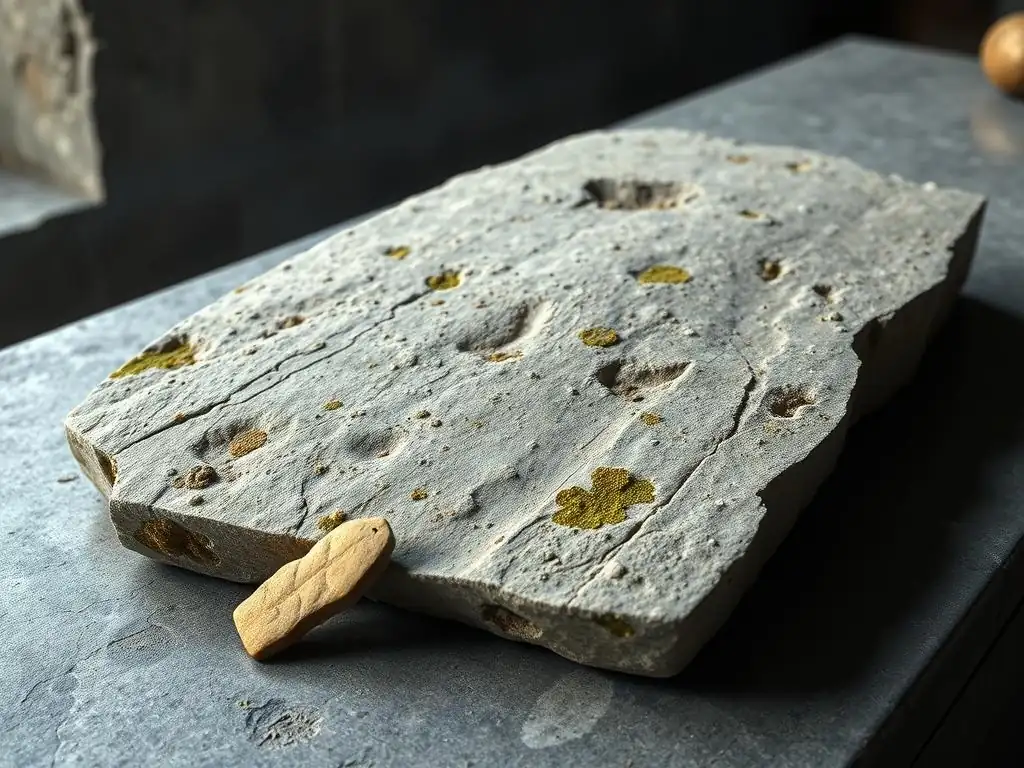
Examining Pottery, Tools, and Human Remains Uncovered at Stonehenge
The rich array of artifacts unearthed during Stonehenge excavations provides invaluable insights into the daily lives, beliefs, and technological capabilities of its builders. Pottery fragments, particularly those of Beaker ware, found at the site and surrounding settlements like Durrington Walls, indicate cultural connections across Europe and help to date specific phases of activity. Tools made from flint, antler, and bone, such as antler picks used for digging the massive ditches and sarsen stone holes, offer direct evidence of the ingenious Stonehenge excavation techniques details employed in its construction.
Human remains, primarily cremated bone, have also been a crucial source of information. Analysis of these remains, particularly from the Aubrey Holes and other burial features, suggests that Stonehenge served as a significant burial ground for elites or important individuals, especially during its early phases. Bioarchaeological studies, including strontium isotope analysis on dental enamel, have revealed that some individuals buried at Stonehenge came from as far away as West Wales, the source region of the bluestones, indicating significant mobility and distant connections within Neolithic society.
Dating Stonehenge: Radiocarbon Analysis and Chronological Refinement
The development and application of radiocarbon dating have revolutionized the chronology of Stonehenge, transforming speculative timelines into precise, scientifically grounded dates. Early radiocarbon dating in the mid-20th century, notably by Richard Atkinson, provided the first robust chronological framework, establishing the construction of the initial earthwork enclosure around 3000 BC and the main sarsen stone settings around 2500 BC. This was a critical step in understanding the multi-phase evolution of the monument.
Further advancements, particularly Accelerator Mass Spectrometry (AMS) dating, have allowed for even greater precision and the dating of much smaller samples of organic material. This has enabled archaeologists to refine the timeline of various construction episodes, confirming, for example, that the bluestones were brought to Stonehenge around 2500 BC, slightly before or concurrently with the sarsens. Continuous chronological refinement through radiocarbon analysis has been fundamental to understanding the long period of human endeavor at the site and the sequence of Stonehenge excavation techniques details over millennia.
Reinterpreting Stonehenge: The Impact of Excavations on Our Understanding
Evolving Theories on Stonehenge's Purpose and Construction
Archaeological excavations at Stonehenge have continually reshaped our understanding of its purpose and the methods of its construction, moving far beyond simplistic early theories. Initially viewed primarily as an astronomical observatory, subsequent research, particularly the landscape-scale Stonehenge excavation techniques details of the 21st century, has fostered more complex interpretations. It is now widely accepted that Stonehenge served multiple functions, likely encompassing a spiritual or ceremonial center, a burial ground for ancestors, a place of healing, and a symbol of unity for diverse Neolithic communities across Britain.
The understanding of construction techniques has also evolved dramatically. While early theories often underestimated the sophistication of Neolithic engineering, excavations have revealed evidence of incredibly precise surveying, the use of complex timber scaffolding, and ingenious methods for moving and erecting the colossal stones. For instance, the discovery of a "sliding track" for moving sarsens into position, or the immense effort involved in transporting bluestones over 200 kilometers, highlights the advanced planning and collective labor required, all illuminated by detailed archaeological investigation.
The Role of Ritual and Ceremony at Stonehenge: Archaeological Evidence
The extensive archaeological evidence uncovered at Stonehenge and its surrounding landscape strongly indicates its profound role in ritual and ceremony. The discovery of large quantities of feasting remains, particularly pig bones, at Durrington Walls, suggests massive communal gatherings and celebratory events. The processional "Avenues" linking Stonehenge to the River Avon and Durrington Walls strongly imply ritualistic journeys, perhaps symbolizing passages between the worlds of the living and the dead.
Furthermore, the presence of numerous human burials, especially cremations within the Aubrey Holes and other features, points to Stonehenge as a significant ancestral burial ground. The very act of constructing and moving the stones, particularly the bluestones from distant lands, may have been a ritualistic endeavor in itself, imbuing the monument with spiritual power. The alignment of the monument with solstices further reinforces its connection to cosmic cycles and ceremonial observations, demonstrating how Stonehenge excavation techniques details reveal the deeply embedded ritual practices of its builders.
The Future of Stonehenge Archaeology: Preservation and Research
Challenges in Preserving Stonehenge for Future Excavations
The future of Stonehenge archaeology faces significant challenges, primarily revolving around the delicate balance between preserving the monument and allowing for continued research. As a globally recognized heritage site attracting millions of visitors annually, the physical integrity of Stonehenge is constantly under threat from environmental factors like erosion and the cumulative impact of human presence. Every excavation, no matter how carefully planned, is inherently destructive, consuming a finite archaeological resource. Therefore, decisions about future Stonehenge excavation techniques details must be weighed against the imperative of long-term preservation.
Conservation efforts are paramount, focusing on stabilizing the stones, managing visitor access, and protecting the fragile subsurface archaeology from further damage. The ethical considerations of disturbing a site of such immense cultural and historical value mean that future excavations are likely to be highly targeted, justified by specific research questions, and preceded by extensive non-invasive surveys. This ensures that the monument's archaeological potential is preserved for future generations, who will undoubtedly possess even more advanced research tools and methods.
New Technologies and Approaches to Stonehenge Research
Despite centuries of inquiry, Stonehenge continues to yield new secrets, largely thanks to the emergence of innovative technologies and interdisciplinary approaches. Future Stonehenge research will undoubtedly leverage advancements in remote sensing, such as ultra-high-resolution GPR and drone-based lidar, to create even more detailed 3D models of the subsurface without direct intervention. Beyond mapping, new analytical techniques, including ancient DNA analysis of human and animal remains, refined isotopic studies, and advanced materials science, will provide unprecedented insights into the diet, health, origins, and even genetic relationships of the people who built and used Stonehenge.
Furthermore, the integration of artificial intelligence and machine learning could revolutionize the processing and interpretation of the vast datasets generated by non-invasive surveys, identifying patterns and features undetectable by human eyes. Collaborative projects involving archaeologists, geologists, environmental scientists, and computer specialists will be crucial for unlocking the monument's remaining mysteries. These evolving Stonehenge excavation techniques details and analytical methods promise to deepen our understanding of this iconic prehistoric landscape for decades to come.
Conclusion: The Enduring Legacy of Archaeological Excavations at Stonehenge
The history of archaeological excavations at Stonehenge is a testament to humanity's enduring quest to understand its past. From the early antiquarian inquiries to the rigorous scientific campaigns of the 20th century and the groundbreaking non-invasive surveys of today, each phase of research has peeled back layers of mystery, transforming Stonehenge from a enigmatic ruin into a deeply understood, multi-phase monument. These detailed Stonehenge excavation techniques details have revealed not only its complex construction over millennia but also the sophisticated beliefs, social structures, and engineering ingenuity of its Neolithic and Bronze Age builders.
The legacy of these excavations is profound: a chronological framework spanning millennia, an understanding of the monument's diverse purposes—from burial ground to ceremonial center—and a recognition of its place within a vast, interconnected ritual landscape. Yet, Stonehenge continues to inspire new questions and discoveries. The ongoing commitment to scientific inquiry, coupled with advanced technologies and a dedication to preservation, ensures that this iconic site will continue to offer unparalleled insights into our shared human heritage, reminding us of the enduring power of archaeological investigation to illuminate the distant past.
Frequently Asked Questions
What are some of the key archaeological excavation techniques used at Stonehenge?
Archaeological excavations at Stonehenge have employed a range of techniques, including meticulous soil analysis, careful stratigraphic recording, and the use of remote sensing technologies to understand the site's complex history.
Why is understanding the Stonehenge excavation techniques important for interpreting the site?
Understanding the methods used to excavate Stonehenge is crucial because it helps us assess the reliability of the data and the validity of interpretations about the monument's construction, use, and significance.
Can you provide details on how excavation techniques have evolved at Stonehenge over time?
Early excavations often focused on recovering artifacts, whereas modern techniques emphasize precise documentation, preservation of context, and interdisciplinary collaboration to gain a holistic understanding.
What archaeological discoveries have been made at Stonehenge due to advancements in excavation techniques?
Improved techniques have led to discoveries such as the identification of cremation burials, the mapping of henge earthworks, and the dating of bluestone origins, providing new insights into Stonehenge's purpose.
Where can I find more detailed information on specific Stonehenge excavation techniques details and archaeological discoveries?
ArchaeologyHub.org offers a digital encyclopedia with detailed timelines, artifact profiles, and interpretive analyses of ancient civilizations, including in-depth information on Stonehenge and its excavation history.
Final Reflection: Echoes of the Past, Footprints of the Future
The journey through the key archaeological excavations at Stonehenge, as detailed in this historical review, underscores the enduring power of curiosity and the relentless pursuit of understanding our origins. The meticulous application of Stonehenge excavation techniques, from early, rudimentary methods to the sophisticated technologies employed today, reveals not just the physical structure of this ancient monument, but also the evolving story of humanity's relationship with its past. This relevance extends far beyond academic circles, touching upon our collective identity and the very essence of what it means to be human.
The impact of these excavations resonates deeply within the cultural landscape, shaping our perceptions of prehistory and fueling ongoing debates about the purpose and meaning of Stonehenge. Personally, I find it profoundly moving to consider the generations of archaeologists who have dedicated their lives to unraveling its mysteries, each leaving their own mark on the narrative. Archaeology is the search for fact… not truth. If it’s truth you’re interested in, Dr. Tyree’s philosophy class is right down the hall.
- Indiana Jones, a fictional character, but one that captures the spirit of adventure and discovery inherent in archaeological pursuits. This quote, while from a film, highlights the distinction between objective data and subjective interpretation, a tension that lies at the heart of understanding Stonehenge.
As we stand on the shoulders of these archaeological giants, armed with ever-more advanced tools and techniques, let us not forget the human element at the core of this endeavor. Consider the dedication, the patience, and the sheer intellectual curiosity that has driven the exploration of Stonehenge for centuries. What mysteries in your own life, in your own community, or even within yourself, are waiting to be unearthed? Embrace the spirit of inquiry, and dare to dig deeper, for within the layers of the unknown lie the seeds of profound understanding and growth.
Unearth Your Inner Explorer!
Thanks for delving into the fascinating history of Stonehenge's excavations! We hope you've enjoyed uncovering the layers of history at this iconic site. Now, it's your turn to engage with archaeology!
Here are a few ways to continue your journey:
- Plan a visit to Stonehenge! Experience the monument firsthand and connect with its history.
- Explore ArchaeologyHub.org's interactive map to discover other archaeological sites near you and across the globe.
- Share your favorite fact from the article with a fellow history enthusiast and spark a captivating conversation.
What other ancient mysteries are you eager to explore next?