
Ceramic Sequences of Tikal: Chronology and Cultural Connections Revealed

Welcome to ArchaeologyHub.org, your gateway to the past!
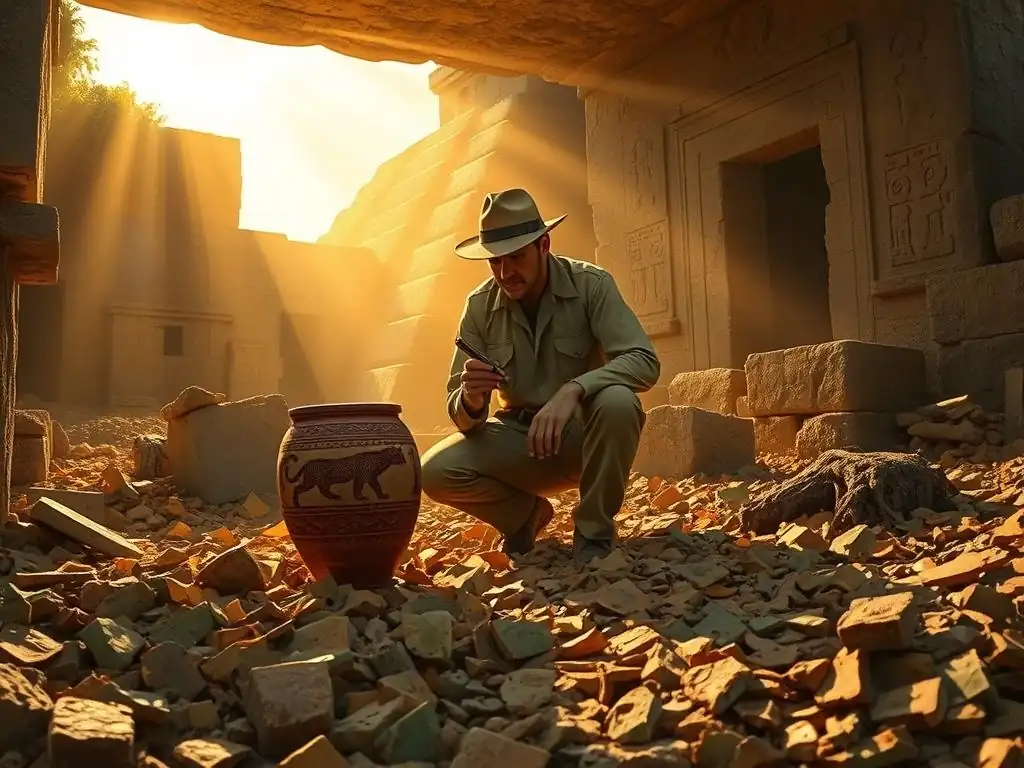
Delve into the fascinating world of archaeological discovery. Ever wondered how archaeologists piece together the stories of lost civilizations? Prepare to uncover the secrets held within ancient pottery. This article embarks on a journey through Tikal ceramic sequence analysis, revealing invaluable insights into the chronology and cultural connections of this magnificent Mayan city. What stories do these fragments tell, and how do they reshape our understanding of Tikal's history? Explore further and unlock the mysteries of the past!
- Introduction to Tikal Ceramic Sequence Analysis
- Establishing the Tikal Ceramic Chronology: A Historical Overview
-
Key Ceramic Complexes in Tikal's History
- The Eb Complex: Insights into Tikal's Formative Period
- The Manik Complex: Unveiling Classic Period Developments
- The Imix Complex: Exploring the Late Classic Transformation
- The Eznab Complex: Evidence of Terminal Classic Changes and Influences
- The Tohil Complex: Postclassic Ceramic Traditions at Tikal
- Tikal Ceramic Sequence Analysis: Methods and Techniques
- Ceramic Evidence and Cultural Connections: Tikal and the Maya World
- Case Studies: Specific Ceramic Assemblages and Their Significance
- Challenges and Future Directions in Tikal Ceramic Research
- Conclusion: The Enduring Value of Tikal Ceramic Sequence Analysis
-
Frequently Asked Questions
- What is Tikal ceramic sequence analysis, and why is it important?
- How does the ceramic sequence at Tikal help us understand the city's timeline?
- What kind of cultural connections can be revealed through Tikal ceramic analysis?
- What are some of the key ceramic types used to define the Tikal ceramic sequence?
- Where can I find more information about the methodology used in Tikal ceramic sequence analysis?
- Final Reflection: Unearthing the Past, Shaping the Future
- Unearth Your Inner Archaeologist!
Introduction to Tikal Ceramic Sequence Analysis
Understanding the Importance of Ceramic Chronology in Tikal Research
Ceramic chronology forms the bedrock of archaeological understanding at Tikal, providing a robust framework for dating contexts and interpreting the site's long occupational history. The meticulous Tikal ceramic sequence analysis allows archaeologists to establish a relative timeline for architectural construction, ritual activities, and daily life, as pottery styles and manufacturing techniques evolved predictably over centuries. This detailed chronological framework is indispensable for reconstructing the ebb and flow of Tikal's power, its interactions with neighboring polities, and the internal societal changes that shaped this prominent Maya city.
Beyond simple dating, the study of ceramic sequences offers profound insights into Tikal's cultural landscape. Variations in vessel forms, decorative motifs, and clay compositions reflect shifts in artistic expression, technological innovation, and even economic networks. By analyzing these changes, researchers can identify periods of prosperity, political upheaval, and cultural exchange, painting a dynamic picture of Tikal from its early village settlements to its eventual decline.
Exploring Tikal's Archaeological Record
Tikal, located in the Petén Basin of Guatemala, boasts an archaeological record spanning over 1,500 years, from the Middle Preclassic period (around 900 BCE) through the Postclassic era (after 900 CE). The sheer volume of ceramic material recovered from excavations – estimated to be in the hundreds of thousands of sherds – makes Tikal ceramic sequence analysis a monumental but rewarding task. This vast collection includes everything from simple, utilitarian cooking vessels and storage jars to elaborately painted polychrome vases and effigy censers, each piece contributing to the intricate mosaic of Tikal's past.
The archaeological context of these ceramics is equally vital. Sherds found in residential middens provide clues about domestic life and diet, while those from royal burials and temple caches illuminate elite rituals, social stratification, and political alliances. The stratigraphic layering of these finds, combined with their stylistic attributes, allows archaeologists to precisely place them within the established ceramic chronology, thereby anchoring events and structures to specific periods in Tikal's rich history.
Establishing the Tikal Ceramic Chronology: A Historical Overview
Early Archaeological Investigations and Initial Ceramic Typologies
The systematic study of Tikal ceramics began in earnest with the University of Pennsylvania Museum's Tikal Project, which commenced in 1956. Prior to this, early explorers and archaeologists had noted the presence of pottery but lacked a comprehensive framework for its classification. The pioneering work of archaeologists like Robert E. Smith, who had previously developed ceramic typologies for Uaxactún, a nearby Maya site, was instrumental in laying the groundwork for Tikal. Smith's initial classifications were based on broad stylistic similarities and stratigraphic observations, identifying major ceramic groups and wares.
These early investigations focused on establishing a relative chronology through the analysis of pottery found in undisturbed stratigraphic contexts, particularly in refuse deposits and burial chambers. Smith's "Type-Variety" system, which classifies pottery based on consistent attributes of paste, surface treatment, and form, became the standard for Tikal ceramic sequence analysis. This foundational work allowed for the initial differentiation of major chronological periods, such as the Early Classic, Late Classic, and Terminal Classic, providing a crucial first step in understanding Tikal's long developmental trajectory.
The Development of Refined Ceramic Sequences
Following Robert E. Smith's initial contributions, the Tikal ceramic sequence analysis was further refined and expanded upon by subsequent researchers, most notably by the comprehensive work documented in the Tikal Reports series. This continuous refinement involved analyzing larger and more diverse ceramic assemblages from various contexts across the site, including elite burials, residential compounds, and public ceremonial structures. The goal was to establish tighter chronological controls and to identify finer temporal distinctions within the broader periods.
This ongoing process led to the definition of specific "ceramic complexes," such as Eb, Manik, Imix, and Eznab, each representing a distinct temporal phase characterized by a unique suite of ceramic types. For instance, the transition from Manik to Imix complex ceramics signaled significant shifts in Tikal's political and social landscape. The detailed characterization of these complexes, including their diagnostic forms, decoration, and paste compositions, has provided an invaluable tool for dating archaeological features with remarkable precision, allowing for a granular understanding of Tikal's development over approximately 1,000 years of continuous occupation.
Key Ceramic Complexes in Tikal's History
The Eb Complex: Insights into Tikal's Formative Period
The Eb Complex represents the earliest well-defined ceramic assemblage at Tikal, dating back to the Middle Preclassic period, roughly 900-600 BCE. This complex is characterized by relatively simple, utilitarian wares, often unslipped or with basic red or orange slips. Common forms include jars with everted rims, shallow bowls, and simple plates. The paste is typically coarse, reflecting early manufacturing techniques.
The discovery of Eb Complex ceramics, primarily from deep stratigraphic contexts beneath later monumental constructions, provides crucial evidence for Tikal's initial establishment as a sedentary agricultural community. Finds from areas like the North Acropolis and Mundo Perdido have revealed small, early settlements, indicating that Tikal began as a modest village before its eventual rise to a powerful city-state. The presence of these early ceramics underscores the long continuity of occupation at the site, setting the stage for the dramatic growth that would follow.
The Manik Complex: Unveiling Classic Period Developments
The Manik Complex marks the beginning of the Early Classic period at Tikal, spanning approximately 250-550 CE. This era witnessed a significant increase in ceramic sophistication and diversity, reflecting Tikal's growing political and economic power. Diagnostic types include the emergence of polychrome pottery, often featuring geometric designs or simple glyphs, and the widespread use of Petén Gloss Ware, characterized by its lustrous slip. Notable forms include tripod plates with basal flanges and mammiform supports, as well as cylindrical vases.
Tikal ceramic sequence analysis of the Manik Complex reveals strong influences from Teotihuacan, a powerful city in Central Mexico, particularly during the fourth and fifth centuries CE. The presence of "Tzakol 3" phase ceramics, often associated with Teotihuacan-style iconography like the "Storm God" or "Tlaloc," suggests intense interaction, possibly including direct political intervention. This period saw the construction of major temples and palaces, and the elaborate Manik ceramics found in royal burials, such as Burial 10 in the North Acropolis, attest to the burgeoning elite class and formalized ritual practices.
The Imix Complex: Exploring the Late Classic Transformation
The Imix Complex defines the Late Classic period (circa 600-900 CE), representing the zenith of Tikal's power and artistic achievement. This complex is renowned for its exquisite polychrome pottery, which reached unprecedented levels of artistic complexity and technical mastery. Characteristic types include "Tepeu 2" and "Tepeu 3" phase ceramics, featuring narrative scenes, dynastic histories, and elaborate mythological imagery, often rendered in multiple colors against cream or orange backgrounds. Forms are highly varied, encompassing cylindrical vessels, bowls, plates, and effigy censers.
The widespread distribution and high quality of Imix Complex ceramics throughout Tikal and beyond illustrate the city's extensive trade networks and cultural influence. Analysis of these ceramics contributes significantly to understanding the sociopolitical landscape of the Late Classic, reflecting the prosperity of the ruling elite and the increasing demand for luxury goods. The presence of these vessels in elite burials and caches, such as those associated with Ruler A (Jasaw Chan K'awiil I) and Ruler B (Yik'in Chan K'awiil), underscores their role in royal legitimization and ceremonial life during Tikal's peak.
The Eznab Complex: Evidence of Terminal Classic Changes and Influences
The Eznab Complex characterizes the Terminal Classic period at Tikal, roughly 800-900 CE, a time marked by significant societal shifts and the eventual abandonment of the city. Ceramics from this complex show a noticeable decline in the elaborate polychrome tradition of the Imix Complex, with a shift towards simpler designs, often featuring fewer colors and less intricate iconography. There is also an increase in the proportion of utilitarian wares and a greater presence of non-local ceramic types, signaling disruptions to established trade routes and potentially new external influences.
Tikal ceramic sequence analysis of the Eznab Complex reveals the waning influence of the centralized authority and the onset of the Classic Maya collapse. While some high-quality vessels still appear, the overall trend points to a fragmentation of specialized production and a decrease in elite patronage. The appearance of "Fine Orange Ware" and "Thin Orange Ware," originating from regions outside the central Maya lowlands, indicates changing economic relationships and the movement of people or goods during this tumultuous period.
The Tohil Complex: Postclassic Ceramic Traditions at Tikal
The Tohil Complex represents the Postclassic period at Tikal, dating from approximately 900-1200 CE, following the collapse of the Classic Maya civilization and the abandonment of the major ceremonial centers. This complex is characterized by a stark contrast to the earlier Classic period ceramics, dominated by new forms and decorative styles, often with clear ties to highland Guatemala or the Gulf Coast. Diagnostic types include "Tohil Plumbate," a distinctive metallic-looking ware, and various effigy censers.
While Tikal was largely depopulated by the Postclassic, the presence of Tohil Complex ceramics indicates continued, albeit limited, activity at the site, likely by small groups of people using the ancient ruins for pilgrimage, ritual, or temporary settlement. These ceramics are typically found in superficial deposits or in association with small, informal structures, rather than the grand architectural contexts of earlier periods. Their study provides valuable insights into the Postclassic re-use of the site and the broader patterns of interaction across Mesoamerica following the Classic Maya collapse.
Tikal Ceramic Sequence Analysis: Methods and Techniques
Stratigraphic Analysis and Ceramic Seriation
Stratigraphic analysis is a fundamental method in Tikal ceramic sequence analysis, relying on the principle that deeper archaeological layers generally contain older artifacts. By meticulously excavating and documenting the distinct layers of soil and cultural deposits, archaeologists can establish a relative chronological order for the ceramics found within them. For instance, pottery from a refuse pit sealed beneath a temple floor can be confidently dated as older than ceramics found in later fills above that floor.
Complementing stratigraphic analysis is ceramic seriation, a technique used to arrange assemblages of artifacts in a chronological order based on changes in their stylistic frequencies. If a particular ceramic type or decorative motif becomes more popular over time, then less popular, seriation can order different archaeological contexts (e.g., house floors, burial offerings) based on the proportion of that type present. This method was crucial for refining the relative sequence of ceramic complexes at Tikal, allowing researchers to perceive subtle shifts in pottery production and consumption that stratigraphic layers alone might not always clearly delineate.
Petrographic Analysis: Understanding Ceramic Composition and Origin
Petrographic analysis is a powerful scientific technique employed in Tikal ceramic sequence analysis to determine the geological composition of pottery. This involves preparing thin sections of ceramic sherds, typically 30 micrometers thick, which are then examined under a polarized light microscope. By identifying the types, sizes, and proportions of mineral inclusions (temper) and clay minerals within the ceramic paste, researchers can infer the geological source of the raw materials used.
For Tikal, petrographic analysis has been instrumental in distinguishing locally produced wares from imported pottery. For example, the identification of volcanic ash temper, characteristic of highland Guatemala, in certain Tikal ceramics indicates long-distance trade or the movement of potters. Conversely, the presence of specific limestone or chert inclusions, common to the Petén Basin, confirms local production. This level of detail allows archaeologists to reconstruct ancient trade networks, understand the movement of goods and ideas, and even identify specific workshops or production centers that supplied Tikal's vast population.
Stylistic Analysis: Tracing Decoration and Form Changes Over Time
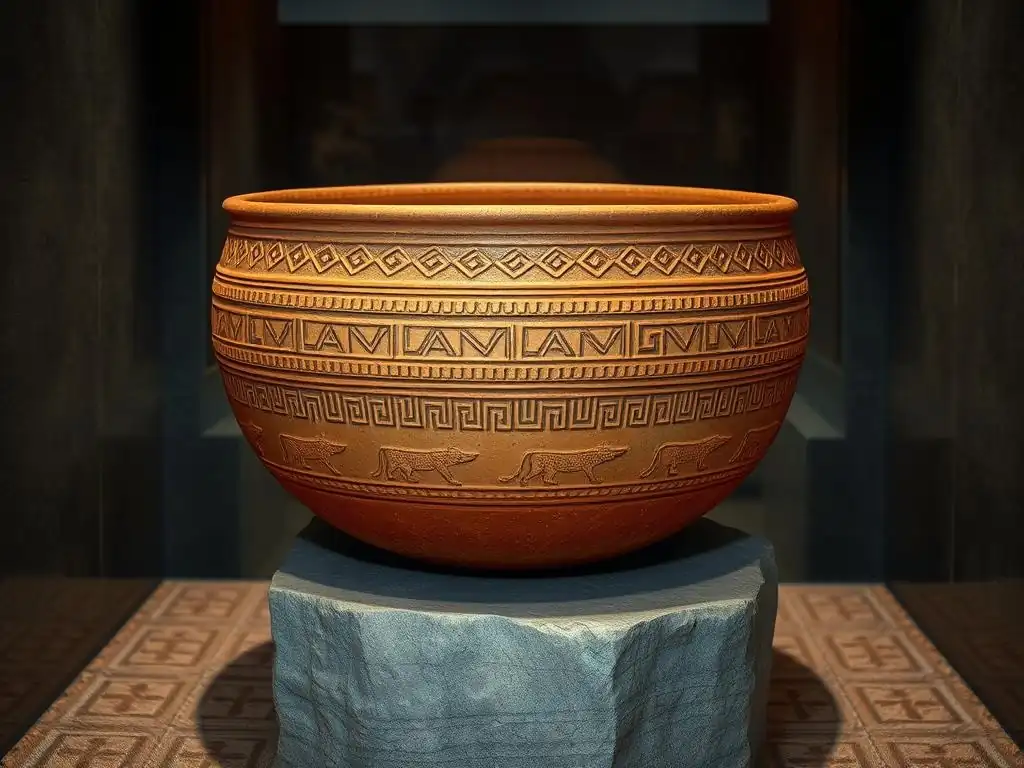
Stylistic analysis is a cornerstone of Tikal ceramic sequence analysis, focusing on the evolution of pottery forms, surface treatments, and decorative motifs. This method involves meticulously documenting attributes such as rim profiles, base shapes, vessel dimensions, slip colors, and the iconography painted or incised onto the pottery. Over time, these stylistic elements change, often reflecting cultural trends, technological innovations, or external influences.
At Tikal, stylistic analysis has been critical for defining the diagnostic features of each ceramic complex. For instance, the transition from the simple, unslipped wares of the Eb Complex to the elaborate polychromes of the Imix Complex vividly illustrates the site's cultural trajectory.
The study of specific motifs, such as the "pop mat" design or specific glyphic sequences on Late Classic vessels, can reveal connections to other Maya sites or even provide clues about the social status of the vessel's owner. This method allows archaeologists to not only date artifacts but also to interpret the cultural meanings embedded within ancient pottery.
Radiocarbon Dating and Absolute Chronological Anchors for Tikal Ceramics
While stratigraphic and stylistic analyses establish a relative chronology, radiocarbon dating provides the crucial absolute chronological anchors for Tikal ceramic sequence analysis. This scientific method measures the decay of carbon-14 isotopes in organic materials (such as charcoal, bone, or wood) found in direct association with ceramic deposits. By obtaining radiocarbon dates from contexts containing specific ceramic types, archaeologists can assign calendar years to the beginning and end of ceramic complexes.
For example, charcoal samples recovered from a refuse layer containing diagnostic Manik Complex pottery can provide a calibrated date range, allowing researchers to confidently state that the Manik Complex flourished roughly between 250 and 550 CE. At Tikal, hundreds of radiocarbon dates have been obtained from various contexts, including hearths, burials, and construction fills. These dates have been instrumental in refining the temporal boundaries of the Eb, Manik, Imix, and Eznab complexes, ensuring that the relative ceramic sequence is firmly grounded in an absolute timescale.
Ceramic Evidence and Cultural Connections: Tikal and the Maya World
Evidence of Trade and Exchange: Ceramic Imports and Exports
Tikal ceramic sequence analysis provides compelling evidence of extensive trade and exchange networks that connected Tikal with diverse regions across Mesoamerica. The presence of non-local ceramic types within Tikal's archaeological record indicates a vibrant import economy. For example, "Fine Orange Ware," originating from the Usumacinta region or the Gulf Coast, and "Tohil Plumbate," produced in the Guatemalan highlands or Pacific coastal plain, are frequently found at Tikal, particularly during the Terminal Classic and Postclassic periods. These imports suggest established long-distance trade routes, perhaps involving canoe-borne commerce along rivers and coasts, or overland routes.
Conversely, the distinctive polychrome pottery of the Late Classic Imix Complex, with its unique iconography and high technical quality, has been found at other Maya sites, although less frequently than Tikal's imports. This suggests that while Tikal was a major consumer of exotic goods, its own specialized ceramic production might have been primarily for internal elite consumption or as gifts within a more limited sphere of influence. The study of these ceramic flows offers critical insights into Tikal's economic relationships, its access to resources, and its position within the broader Mesoamerican interaction sphere.
Ceramic Styles and Iconography: Reflecting Cultural Influences
The stylistic features and iconography depicted on Tikal's ceramics serve as powerful indicators of cultural influences and interregional connections. During the Early Classic period, Tikal ceramic sequence analysis reveals a strong "Teotihuacan effect," particularly evident in the Manik Complex. Vessels often feature motifs associated with the Central Mexican metropolis, such as feathered serpents, warrior figures with spearthrowers (atlatls), and the "Storm God" (Tlaloc) imagery. This suggests direct interaction, possibly through diplomatic missions, trade, or even political alliances that profoundly shaped Tikal's early Classic trajectory.
Later, during the Late Classic Imix Complex, while Tikal developed its own distinctive Maya artistic traditions, there are still subtle echoes of shared iconographic themes with other major lowland Maya centers like Dos Pilas or Naranjo, reflecting a broader Maya cultural sphere. The common use of specific glyphic phrases on polychrome vessels, often related to royal lineage or ritual events, underscores a shared elite culture across the Maya lowlands. The evolution of these styles and symbols on Tikal's pottery thus mirrors the city's changing political alliances and cultural interactions over centuries.
Ceramics played a multifaceted role in the ritual and social life of ancient Tikal, extending far beyond their utilitarian functions. Tikal ceramic sequence analysis of specific assemblages provides profound insights into these contexts. Elaborate polychrome vessels, often depicting mythological scenes or dynastic narratives, were frequently placed as grave goods in elite burials, such as those of Ruler A (Jasaw Chan K'awiil I) in Temple I or Ruler B (Yik'in Chan K'awiil) in Temple IV. These vessels served as prestige items, accompanying the deceased into the afterlife and symbolizing their high social status and connection to the divine.
Furthermore, specialized ceramic forms like incensarios (censers) and effigy vessels were integral to public and private rituals. Incensarios, often found in temple caches or on altars, were used to burn copal incense, facilitating communication with deities. The varying forms and decorative elements of these ritual vessels across different ceramic complexes reflect evolving religious practices and belief systems over time. The careful study of ceramics found in specific contexts—whether in elite tombs, commoner residences, or ceremonial precincts—allows archaeologists to reconstruct the intricate tapestry of Tikal's social hierarchy, religious practices, and daily existence.
Case Studies: Specific Ceramic Assemblages and Their Significance
Analysis of Ceramics from the North Acropolis: Royal Burials and Offerings
The North Acropolis at Tikal, a complex of superimposed temples and shrines, has yielded some of the most significant ceramic assemblages, particularly from royal burials and dedicatory offerings. Tikal ceramic sequence analysis of these contexts has been crucial for establishing the absolute chronology of the site's dynastic rulers. For instance, Burial 48, located beneath Temple 33, contained a rich array of Manik Complex ceramics, including tripod vessels with basal flanges and effigy jars, providing direct evidence for the Early Classic period's elite material culture.
Even more famously, Burial 116, the tomb of Ruler A (Jasaw Chan K'awiil I) beneath Temple I, yielded an extraordinary collection of Imix Complex ceramics. This assemblage included exquisitely painted polychrome vessels depicting mythological scenes, dynastic portraits, and ritual activities, often accompanied by jade, shell, and obsidian artifacts. The precise dating of these ceramics, alongside associated radiocarbon samples, helped confirm the reign of Jasaw Chan K'awiil I in the late 7th to early 8th century CE, solidifying a key anchor point in Tikal's dynastic history and providing unparalleled insights into royal funerary practices.
While royal burials offer glimpses into elite life, the ceramics recovered from residential areas at Tikal provide a window into the daily lives of its diverse population and insights into social stratification. Tikal ceramic sequence analysis from these domestic contexts reveals a predominance of utilitarian wares such as cooking pots (ollas), storage jars, and serving bowls, often plain or with simple slips and minimal decoration. These common wares, while less aesthetically striking than elite polychromes, offer crucial data on dietary practices, food preparation techniques, and household organization.
Studies of ceramic distribution within residential compounds have also shed light on social hierarchies. Larger, more elaborate residential complexes, presumably inhabited by higher-status families, often contain a greater proportion of finer serving wares, imported ceramics, and specialized vessels, even if utilitarian types still dominate. Conversely, smaller, simpler dwellings tend to yield a higher percentage of basic, locally produced pottery. This differential distribution of ceramic types underscores the varied access to resources and the material expressions of social status across Tikal's vast urban landscape.
Investigating Ceramics from Temple Structures: Ritual Practices and Belief Systems
Ceramics recovered from temple structures, plazas, and ceremonial platforms at Tikal are primarily associated with ritual practices and belief systems. Tikal ceramic sequence analysis of these assemblages frequently reveals specialized forms not commonly found in domestic contexts. A prime example is the abundance of incensarios (censers), often found in caches beneath stelae, altars, or within temple architecture. These range from simple bowls to elaborate effigy censers depicting deities or mythological creatures, reflecting the evolving pantheon and ritual paraphernalia over time.
Additionally, vessels used for offerings, such as those containing jade, shell, or other precious materials, are often found in dedicatory caches within temple foundations. These include finely made polychrome bowls or cylindrical vases, similar to those found in elite burials, suggesting their high ritual value. The specific types of ceramics found in these ritual contexts, and their chronological placement, offer invaluable data for understanding the changing nature of Tikal's religious practices, the deities worshipped, and the ceremonies performed to legitimize rulers and maintain cosmic order throughout its long history.
Challenges and Future Directions in Tikal Ceramic Research
Addressing Gaps in the Ceramic Chronology
Despite decades of intensive Tikal ceramic sequence analysis, certain gaps and areas of imprecision still exist within the established chronology. One notable challenge lies in the earliest periods, particularly the Middle and Late Preclassic. While the Eb Complex provides initial insights, the transition from early village life to more complex societal structures, and the ceramic developments during this formative era, remain less thoroughly understood compared to the Classic period. The scarcity of deeply stratified, undisturbed contexts from these early phases makes it difficult to refine the sequence with the same precision.
Future research aims to address these gaps by targeting specific areas of the site with deep Preclassic deposits that have not been fully explored, or by re-examining existing collections with new analytical techniques. Furthermore, refining the chronological boundaries between the major complexes, especially the transition from Late Classic to Terminal Classic (Imix to Eznab), is an ongoing effort, as these periods represent significant societal shifts. Continued excavation in areas with clear stratigraphic transitions will be crucial for achieving a more granular understanding of these crucial periods.
Integrating Ceramic Data with Other Archaeological Evidence
A significant challenge and a vital future direction in Tikal archaeology is the more comprehensive integration of ceramic data with other forms of archaeological evidence. While Tikal ceramic sequence analysis provides the primary chronological framework, its full interpretive potential is realized when combined with information from architectural styles, epigraphic records (hieroglyphic texts), iconographic studies (from murals, sculptures), and environmental data (pollen, faunal remains). For instance, understanding a shift in ceramic production might be more fully explained when correlated with evidence of population change or shifts in agricultural practices.
Future research will increasingly focus on multi-proxy analyses, using Geographic Information Systems (GIS) to overlay ceramic distribution maps with architectural phases, settlement patterns, and resource availability. This holistic approach allows researchers to build more robust models of Tikal's past, exploring complex interrelationships between material culture, social organization, political economy, and environmental factors. For example, correlating the presence of specific ceramic types with evidence of specific food remains in domestic contexts can provide a richer picture of ancient Maya diet and subsistence strategies.
The Potential of New Technologies in Ceramic Analysis
The field of ceramic analysis is continually being revolutionized by new technologies, offering immense potential for future Tikal ceramic sequence analysis. Non-destructive analytical techniques, such as X-ray Fluorescence (XRF) and Neutron Activation Analysis (NAA), can provide detailed elemental compositions of ceramic pastes and slips without damaging the artifacts. These methods can more precisely pinpoint clay sources, distinguish between local and imported wares, and even potentially identify specific workshops or production loci, significantly enhancing petrographic analysis.
Furthermore, advanced imaging techniques, including Reflectance Transformation Imaging (RTI) and 3D scanning, allow for the precise documentation of subtle surface features, decorative details, and vessel forms that might be difficult to capture with traditional methods. These digital models can be shared globally, facilitating comparative studies and collaborative research without the need to physically handle fragile artifacts. The application of these cutting-edge technologies will undoubtedly lead to new discoveries, refine existing chronologies, and deepen our understanding of Tikal's intricate ceramic history.
Conclusion: The Enduring Value of Tikal Ceramic Sequence Analysis
Summarizing Key Insights into Tikal's History and Cultural Connections
Tikal ceramic sequence analysis stands as an indispensable cornerstone of archaeological research at this iconic Maya site. From the utilitarian wares of the early Eb Complex, signaling Tikal's modest origins around 900 BCE, to the sophisticated polychromes of the Imix Complex that defined its Late Classic zenith (600-900 CE), and finally to the varied ceramics of the Eznab and Tohil complexes reflecting its decline and post-collapse interactions, the pottery provides a continuous, tangible record of Tikal's long and complex history.
Through meticulous stratigraphic, stylistic, and scientific analyses, ceramics have illuminated Tikal's growth from a small settlement into a powerful urban center, its dynamic interactions with other Mesoamerican polities (like Teotihuacan), and the profound social, economic, and ritual dimensions of its ancient society. The enduring value of this specialized study lies in its ability to provide both the precise chronological framework for dating archaeological events and the rich cultural data for interpreting the lives of the ancient Maya who inhabited this magnificent city.
Further Research and Conservation Efforts at Tikal
While significant progress has been made in Tikal ceramic sequence analysis, the vastness of the site and the complexity of its archaeological record ensure that further research remains vital. Future efforts will likely focus on refining the chronological boundaries, particularly for the lesser-understood Preclassic and Terminal Classic periods, and on integrating ceramic data with an ever-expanding array of interdisciplinary studies. The application of new scientific technologies will undoubtedly unlock deeper insights into ceramic production, trade, and consumption patterns.
Equally important are ongoing conservation efforts. The millions of ceramic sherds and complete vessels recovered from Tikal represent an irreplaceable cultural heritage. Proper curation, documentation, and preservation of these artifacts are essential to ensure their availability for future generations of scholars and for the continued public understanding of Tikal's profound contribution to ancient Maya civilization. The enduring legacy of Tikal, revealed piece by ceramic piece, continues to inform and inspire.
Frequently Asked Questions
What is Tikal ceramic sequence analysis, and why is it important?
Tikal ceramic sequence analysis is the study of pottery styles found at the ancient Mayan city of Tikal. It's important because it helps archaeologists establish a chronology of occupation and understand cultural influences over time.
How does the ceramic sequence at Tikal help us understand the city's timeline?
By analyzing the changes in ceramic styles over different layers of excavation, archaeologists can create a relative timeline. The presence of specific styles helps to date layers and understand the sequence of building and occupation at Tikal.
What kind of cultural connections can be revealed through Tikal ceramic analysis?
The presence of distinct ceramic styles originating from other regions suggests trade or cultural exchange. This analysis can reveal connections between Tikal and other Mayan cities, or even distant civilizations.
What are some of the key ceramic types used to define the Tikal ceramic sequence?
Specific ceramic types, like Usulutan wares or Tepeu style ceramics, are diagnostic markers for certain periods. These identifiable styles help define the different phases within the Tikal ceramic sequence.
Where can I find more information about the methodology used in Tikal ceramic sequence analysis?
ArchaeologyHub.org provides detailed information on excavation techniques and artifact analysis. Search the site for specifics on ceramic typology and the methods used to date and classify pottery from Tikal.
Final Reflection: Unearthing the Past, Shaping the Future
The intricate tapestry woven through Tikal ceramic sequence analysis reveals not just the evolution of pottery, but the very heartbeat of a lost civilization. The chronological framework we've established, connecting ceramic styles with specific periods, provides a vital lens through which to understand Tikal's rise, its interactions with neighboring cultures, and ultimately, its decline. This understanding is profoundly relevant today, offering invaluable insights into the dynamics of complex societies and the enduring power of cultural exchange.
This journey into the past has profoundly impacted our understanding of the Maya world, and continues to shape archaeological research. The meticulous work of piecing together fragmented shards to reconstruct a narrative of daily life, ritual, and artistic expression underscores the enduring power of human creativity and resilience. The past is never dead. It's not even past.
- William Faulkner. This quote resonates deeply as we consider how the echoes of Tikal's ceramic traditions continue to inform our understanding of Mesoamerican history and cultural identity.
Now, as we close this chapter on Tikal's ceramic sequences, I invite you to reflect on the broader implications of this research. Consider how the lessons learned from studying the past can illuminate the challenges and opportunities of the present. Let the dedication to detail, the pursuit of knowledge, and the appreciation for cultural heritage inspire you to become a steward of history, ensuring that the stories of civilizations like Tikal continue to resonate for generations to come.
Unearth Your Inner Archaeologist!
Thank you for delving into the ceramic sequences of Tikal. We hope you found the insights into its chronology and cultural connections as fascinating as we do! Now, it's time to translate that newfound knowledge into action.
Here are a few ways to keep the exploration alive:
- Start mapping your own family history. What "ceramic sequences" of objects and heirlooms tell the story of your own cultural connections?
- Dive deeper! Research another Mesoamerican civilization's pottery traditions and compare their techniques and symbolism to those of Tikal.
- Share this article with fellow history buffs and spark a conversation about the importance of pottery in understanding ancient cultures.
What's one artifact from your own life that tells a captivating story about the past?