
Reconstructing the Process of Attaching Pukao to Moai Statues

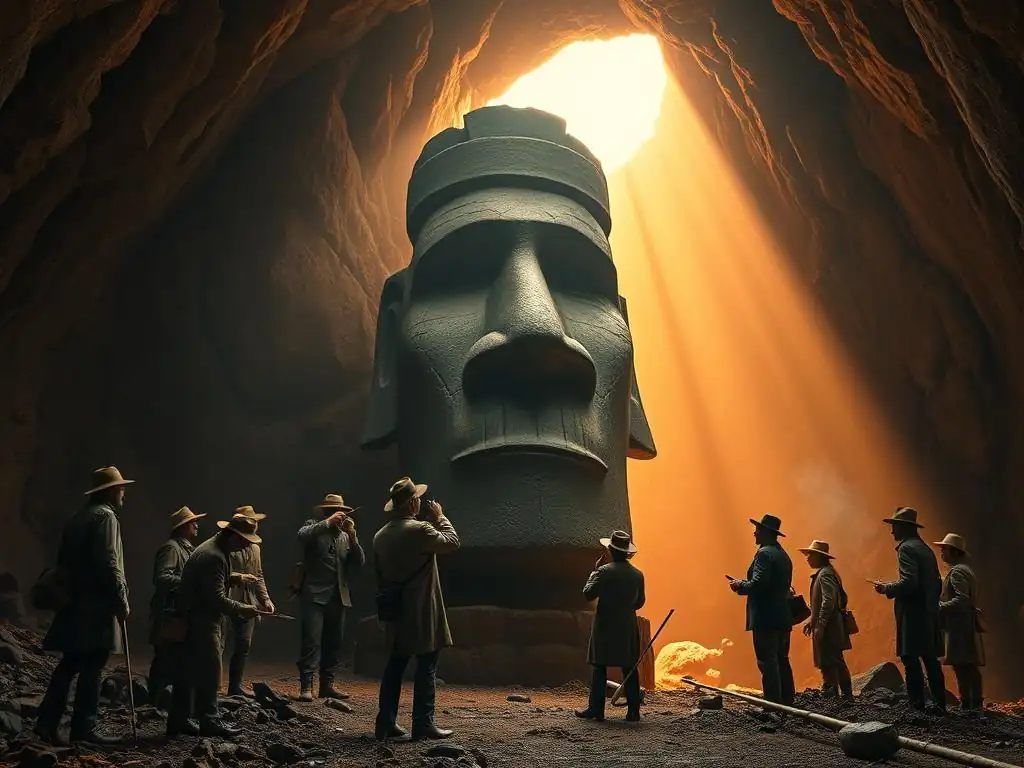
Welcome to ArchaeologyHub.org, your gateway to unraveling the mysteries of the past! Ever wondered how the monumental moai of Easter Island were adorned with their distinctive pukao? Dive into our exploration of archaeological sites across the globe and discover insights into ancient civilizations. This article delves into the fascinating process of how to attach moai pukao, offering a detailed look at reconstruction theories and the ingenuity behind these iconic statues. Prepare to uncover the secrets hidden in stone and embark on a journey through time!
- Reconstructing the Process of Attaching Pukao to Moai Statues: An Archaeological Investigation
- Introduction: Unveiling the Mystery of the Pukao on Easter Island's Moai
- Understanding the Pukao: Materials and Construction
- Archaeological Evidence: Clues to Moai Pukao Attachment Techniques
- Reconstructing the Attachment Process: Proposed Methods
- Experimental Archaeology: Testing Attachment Theories
- Challenges and Considerations in Pukao Attachment
- Alternative Theories and Interpretations of Pukao Attachment
- Conclusion: A Continuing Archaeological Investigation of Moai Pukao Installation
-
Frequently Asked Questions
- How were Pukao, the distinctive red stone "hats," attached to Moai statues?
- What materials were used to create both the Moai statues and the Pukao?
- Did all Moai statues have Pukao, and if not, why?
- How did the Rapa Nui people transport such large and heavy Pukao to the Moai sites?
- What is the significance of the red color of the Pukao?
- Final Reflection: Echoes of Ingenuity
- Unveil the Secrets: Bring the Moai to Life!
Reconstructing the Process of Attaching Pukao to Moai Statues: An Archaeological Investigation
Introduction: Unveiling the Mystery of the Pukao on Easter Island's Moai
The Significance of Pukao: More Than Just Hairstyles or Headdresses
The pukao, massive red cylindrical stone objects perched atop the heads of many Moai statues on Rapa Nui (Easter Island), represent one of the island's most intriguing archaeological puzzles. Initially, they were often interpreted simply as hats or headdresses, adding a distinctive visual element to the already imposing monolithic figures.
However, archaeological and ethnohistorical research suggests a deeper symbolic meaning, likely representing the hau (topknot or hair bun) common in traditional Polynesian male hairstyles, which signified status, spiritual power, or chieftainship. Their distinct reddish hue, contrasting with the grey volcanic tuff of the Moai, further emphasized their importance as unique adornments, signifying the elevated status of the individuals or clans they represented.
Beyond mere aesthetics, the pukao are believed to have conveyed significant social and ritualistic meaning within ancient Rapanui society. Their presence on Moai statues, particularly those erected on prominent ahu (ceremonial platforms), could have symbolized the mana (spiritual authority) of the ancestral chiefs or deities they embodied. The sheer effort required to quarry, transport, and install these heavy additions suggests a profound cultural value attributed to them, making the question of how to attach Moai headpieces a critical aspect of understanding Rapanui societal organization and beliefs.
Archaeological Research on Rapa Nui: Contextualizing the Moai and Their Pukao
Rapa Nui, a remote Polynesian island in the southeastern Pacific, is world-renowned for its monumental Moai statues, carved primarily from volcanic tuff found at the Rano Raraku quarry. The island's archaeological landscape is dominated by these statues, numbering over 1,000, with approximately 250 of them having been successfully erected on ahu platforms. Understanding the entire process of Moai creation, from quarrying and transport to erection and the final placement of pukao, has been a central focus of archaeological inquiry for decades. This comprehensive research provides the essential context for investigating the specific challenge of how to attach Moai pukao.
Extensive archaeological projects, such as the Easter Island Statue Project (EISP) led by Jo Anne Van Tilburg, have meticulously documented the dimensions, locations, and conditions of hundreds of Moai and their associated pukao. This detailed mapping and analysis have yielded crucial data on the distribution patterns of pukao, their varying sizes, and their relationship to specific ahu and settlement areas. Such systematic investigations are foundational to proposing and testing theories regarding the logistical and engineering feats involved in the monumental task of Moai construction and, specifically, the methods employed for Moai pukao installation.
Understanding the Pukao: Materials and Construction
Puna Pau Quarry: The Source of the Red Scoria Pukao Material
The pukao are distinct from the Moai themselves not only in purpose but also in material. They were exclusively carved from a reddish volcanic rock known as scoria, sourced from a single, specialized quarry located at Puna Pau, an inland crater near the modern-day town of Hanga Roa.
This quarry is notable for its vibrant red material, which offered a striking visual contrast to the greyish-yellow tuff of the Moai bodies. Archaeological surveys at Puna Pau have identified numerous unfinished pukao still in various stages of carving, along with evidence of the basalt tools used by the ancient Rapanui sculptors.
The selection of red scoria from Puna Pau was deliberate, likely due to its distinct color and its relative softness compared to other volcanic rocks on the island, making it more amenable to carving with stone tools. Approximately 70 to 100 pukao are known to have been quarried from this site, with some still partially embedded in the rock face, providing direct insights into the initial stages of their creation.
This centralized production point for all pukao underscores the organized and specialized nature of Rapanui society, which managed the entire complex process of Moai and pukao construction from quarry to final placement, answering the question of how to attach Moai with a logistical chain starting at the source.
Pukao Size and Weight: Engineering Challenges of Ancient Rapa Nui
The dimensions and sheer weight of the pukao present one of the most formidable engineering challenges for archaeologists attempting to reconstruct their placement. These cylindrical stones vary significantly in size, typically ranging from 1.5 meters to over 2.5 meters in diameter, with heights often exceeding 1.5 meters.
Their weight is equally impressive, with estimates ranging from 5 to 15 tons, and the largest known pukao potentially weighing up to 12 tons. To put this into perspective, lifting an object weighing as much as two large elephants onto a statue that could be over 10 meters tall, without the aid of modern machinery, demanded extraordinary ingenuity and collective effort.
The logistical difficulties associated with moving and lifting such massive stones cannot be overstated. Consider a 10-ton pukao that had to be transported several kilometers from Puna Pau to coastal ahu platforms, and then hoisted onto the top of a Moai that might stand 8 to 10 meters high.
This required not only immense physical strength from a large workforce but also a sophisticated understanding of leverage, friction, and stability. The success of the Rapanui in completing this task for numerous Moai across the island is a testament to their advanced engineering skills and highly organized societal structure, making the study of how to attach Moai pukao a deep dive into ancient mechanical principles.
Archaeological Evidence: Clues to Moai Pukao Attachment Techniques
Studying the Basal Surfaces of Pukao: Identifying Attachment Points
Archaeological examination of the basal (bottom) surfaces of pukao, both those still in situ and those that have fallen, provides crucial insights into their intended method of attachment. Many pukao exhibit a carefully flattened or slightly concave base, suggesting a prepared seating area designed to rest securely on the flattened top of the Moai head. This precise shaping indicates that the final placement was not haphazard but involved careful alignment and stability considerations.
Furthermore, some pukao bases show distinctive wear patterns, striations, or even small, shallow depressions. These marks could be indicative of the methods used to maneuver the pukao into their final position. For instance, rotational marks might suggest a parbuckling technique involving ropes, while linear scratches could point to dragging or sliding. The presence of subtle features like small ridges or grooves on the base might also suggest a specific interlocking or stabilizing mechanism, providing direct physical evidence for how to attach Moai headdresses.
Analyzing Moai Heads: Evidence of Pukao Placement and Support
Just as the pukao bases offer clues, the top surfaces of Moai heads that once bore these heavy adornments also provide significant archaeological evidence. Many Moai heads exhibit a distinctive flattened or slightly concave top, perfectly matching the prepared base of the pukao. This reciprocal shaping highlights the deliberate engineering involved in ensuring a stable and secure fit for the massive stone topknots.
In some instances, archaeologists have observed signs of stress or minor damage on the Moai heads directly beneath where the pukao would have rested. This could include slight chipping, erosion patterns consistent with heavy load bearing, or even subtle indentations. Such physical alterations, while sometimes subtle, offer direct insights into the immense pressure exerted by the pukao and the forces involved during their placement. Analyzing these interaction points is fundamental to understanding the mechanics of how to attach Moai pukao and the structural considerations of the ancient builders.
Excavation Findings: Recovering Pukao Fragments and Their Context
Excavation findings across Rapa Nui have yielded valuable contextual information regarding pukao transport and placement. The discovery of pukao fragments, or even entire pukao, in various states of completion or abandonment, provides a chronological and spatial narrative of the attachment process. For example, a complete pukao discovered lying near an ahu platform but not on a Moai suggests it was in the final stages of installation before an event, such as the collapse of the Moai or the abandonment of the site, interrupted the process.
The precise location and orientation of these finds, often alongside other archaeological features like stone tools, postholes, or remnants of ramps, are critical. For instance, the presence of a pukao fragment within an area identified as a possible ramp structure would lend strong support to the "ramp theory." Similarly, clusters of stone tools or evidence of specific ground modifications near fallen pukao can illuminate the immediate environment and techniques employed during the attachment phase. These contextual clues are vital for reconstructing the sequential steps and challenges involved in how to attach Moai pukao to their monumental hosts.
Reconstructing the Attachment Process: Proposed Methods
The "Rolling" Hypothesis: Moving Pukao into Position
The "rolling" hypothesis posits that pukao were transported from Puna Pau quarry to their respective ahu sites by being rolled over logs or along prepared earth tracks. Given their somewhat cylindrical shape, this method would have been relatively efficient for horizontal movement across the island's terrain. Teams of workers could have used ropes to pull and guide the massive stones, similar to proposed methods for Moai transport.
However, the rolling method primarily addresses the horizontal movement of the pukao to the base of the Moai. Once at the ahu, a different technique would have been required to lift the heavy pukao vertically onto the Moai's head, which could stand many meters high. While an effective transport solution, rolling alone does not fully explain how to attach Moai topknots to their final elevated position. It would have served as an essential preliminary step, bringing the pukao within proximity for the final, more complex lifting operation.
The "Ramp" Theory: Constructing Inclines for Pukao Placement
One of the most widely discussed theories for pukao attachment is the "ramp" theory. This method suggests that a massive earthen or stone ramp would have been constructed against the back of the Moai after it was erected on its ahu. The pukao would then be slowly pulled or rolled up this incline using ropes and levers, until it reached the top of the Moai's head. Once positioned, the ramp material would then be systematically removed.
While ramps were certainly employed for the initial erection of the Moai themselves, building a ramp to a height of 5 to 10 meters on top of an already standing Moai for pukao placement would have been a monumental undertaking. It would require vast quantities of earth and stone, and its construction and deconstruction would leave significant archaeological traces, which have been difficult to definitively identify in all ahu contexts. Despite these challenges, the ramp theory remains a strong contender for how to attach Moai pukao, as it leverages known ancient construction techniques for heavy objects.
The "Parbuckling" Method: Utilizing Ropes and Leverage to Raise the Pukao
The "parbuckling" method, also known as the "rocking" or "levering" method, is another highly plausible theory for the final vertical placement of pukao. This technique involves wrapping strong ropes (likely made from local plant fibers such as hau tree bark or totora reeds) around the cylindrical pukao and passing them over the top of the Moai's head. As teams of workers pull on the ropes from the ground, the pukao would be slowly rolled or lifted upwards along the Moai's back or a temporary support structure.
This method is particularly attractive because it minimizes the need for massive temporary structures like ramps, instead relying on the strength of ropes, human power, and the Moai itself as a fulcrum. The relatively flat backs of many Moai would have provided a suitable surface for the pukao to roll or slide against. Parbuckling represents an elegant solution to the challenge of how to attach Moai headpieces, requiring precise coordination and a significant workforce, but fewer raw materials than a full ramp.
Experimental Archaeology: Testing Attachment Theories
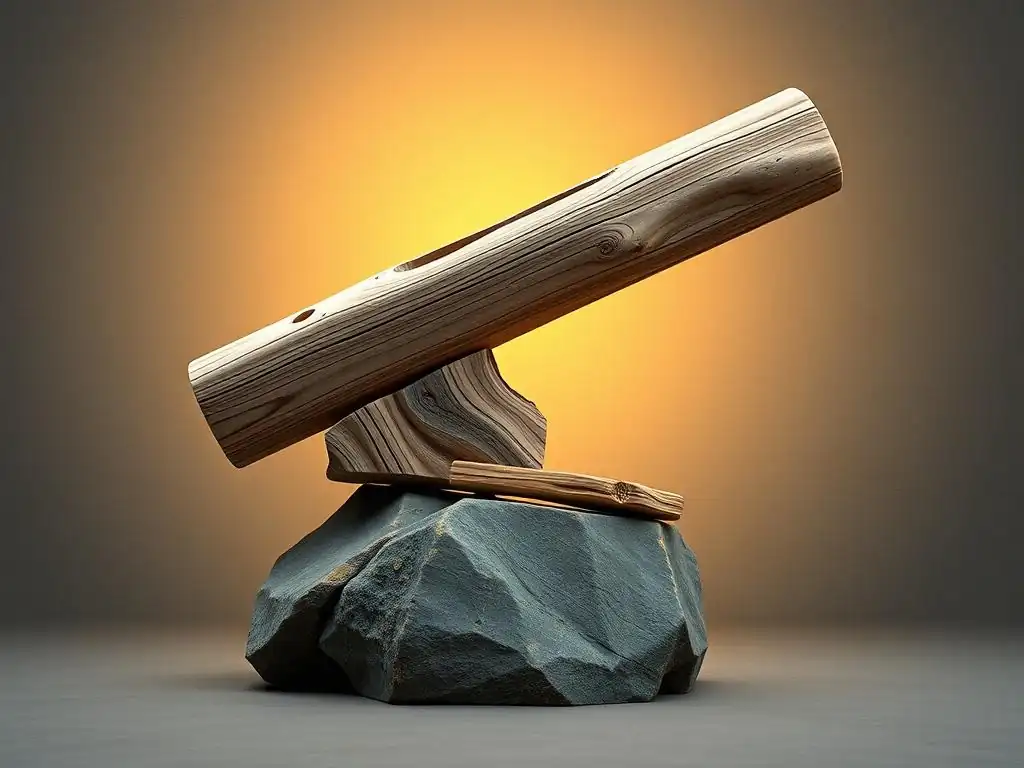
Building Replica Pukao: Scaling Down the Challenge
Experimental archaeology has played a crucial role in testing the feasibility of proposed pukao attachment methods. Researchers have undertaken projects to carve replica pukao using traditional basalt adzes, mirroring the techniques of the ancient Rapanui. While often scaled down (e.g., 1/4 or 1/2 scale) for practicality, these replicas provide invaluable data on the time, effort, and tools required for the initial carving process. For instance, a 2-ton replica pukao might take a team of 10-15 skilled carvers several weeks to complete.
These experiments not only illuminate the manufacturing process but also provide tangible objects for testing transport and lifting theories. Understanding the material properties of the red scoria when carved and handled helps validate the historical accounts and archaeological inferences. By engaging directly with the raw materials and tools, researchers gain a deeper appreciation for the skill and dedication of the ancient Rapanui, providing foundational knowledge for how to attach Moai pukao.
Simulating Ancient Techniques: Re-enacting the Attachment Process
Numerous experimental archaeology projects have attempted to re-enact the pukao attachment process using various proposed methods. Teams of volunteers, employing only ropes, levers, and human strength, have tried to lift replica pukao onto replica Moai heads. For example, a notable experiment conducted in 2005 for the PBS series "NOVA" successfully used a parbuckling method to raise a 1-ton replica pukao onto a Moai replica. This involved a coordinated team of approximately 25 people pulling on ropes, demonstrating the method's efficiency.
These simulations meticulously record metrics such as the number of people required, the force exerted, the time taken, and any challenges encountered. By systematically testing the ramp, rolling, and parbuckling theories in a practical setting, researchers can evaluate their plausibility and identify potential limitations. Such hands-on re-enactments provide empirical data that complements archaeological findings, offering concrete insights into how to attach Moai headpieces with the technology available to ancient societies.
Evaluating the Effectiveness of Different Attachment Methods
The results from experimental archaeology consistently indicate that the parbuckling method, often in combination with initial rolling or dragging for transport to the ahu, appears to be the most efficient and least resource-intensive solution for the final vertical lift of pukao. While the ramp theory is plausible, the sheer volume of material required for a ramp tall enough to reach the Moai's head often makes it less practical in an island environment with limited resources.
However, it is important to acknowledge that experimental archaeology, while highly informative, is still a simulation. Factors such as the exact strength of ancient ropes, the precise number of available workers, and the specific geological conditions of ancient Rapa Nui cannot be perfectly replicated. Nevertheless, these experiments undeniably demonstrate that the attachment of pukao was entirely feasible with the tools and techniques known to have been available to the ancient Rapanui. They provide strong empirical answers to the long-standing question of how to attach Moai pukao, reinforcing the ingenuity of the island's ancient inhabitants.
Challenges and Considerations in Pukao Attachment
The Role of Manpower: Organizing Labor for Pukao Installation
The successful attachment of pukao to Moai statues required an immense concentration of human labor and sophisticated social organization. Lifting a pukao weighing 10 tons, for instance, would have demanded a coordinated effort from potentially hundreds of individuals. Estimates suggest that pulling ropes for a large pukao lift could have required 150-200 people, in addition to overseers, guides, and those managing levers or temporary supports.
This level of coordinated effort implies a highly structured society with effective leadership and the ability to mobilize and sustain a large workforce over extended periods. The logistical challenges would have included not only the physical exertion but also the provision of food, water, and shelter for the workers, as well as maintaining discipline and safety. The sheer scale of the labor force needed to answer the question of how to attach Moai pukao highlights the political and social complexity of ancient Rapanui chiefdoms.
The Impact of Ahu Platform Design: Integrating Pukao into the Overall Structure
The design and construction of the ahu platforms, upon which many Moai with pukao were erected, played a significant role in the overall pukao attachment process. Most Moai were first erected on their respective ahu, which themselves represented massive construction efforts involving the movement of large quantities of stone. The height and specific configuration of the ahu would have influenced the approach and methods used for the final pukao placement.
It is generally understood that pukao were added after the Moai had been successfully raised onto the ahu. This sequence means that the attachment process had to contend with the existing structure of the ahu and its immediate surroundings. Temporary scaffolding or earthworks might have been built directly onto or around the ahu to facilitate the lift, requiring careful integration with the platform's design. Understanding this multi-stage construction process is crucial for comprehending how to attach Moai pukao within the broader context of ahu building.
Environmental Factors: Adapting to the Rapa Nui Landscape
The unique environmental conditions of Rapa Nui profoundly influenced the methods available for pukao transport and attachment. The island's remote location and eventual deforestation in later periods meant a scarcity of large timber, which would have been critical for rollers, levers, or substantial temporary structures. The volcanic terrain, characterized by undulating hills and rocky outcrops, also presented challenges for moving heavy objects across long distances.
The Rapanui people would have had to adapt their techniques to these environmental constraints, making efficient use of available resources. This might have involved maximizing the use of natural inclines, leveraging existing rock formations, or developing highly efficient rope-based systems that minimized the need for large timber. The ingenuity of their solutions, developed within the confines of their isolated island environment, is a testament to their resourcefulness in figuring out how to attach Moai pukao with limited materials.
Alternative Theories and Interpretations of Pukao Attachment
The Symbolic Meaning of Pukao: Considering Clan Affiliation and Status
Beyond the practicalities of pukao attachment, their symbolic meaning offers another layer of interpretation. Pukao are strongly associated with high status and chieftainship, suggesting that their placement was not merely a construction task but a ritualistic act affirming the power and prestige of the clan or lineage responsible for the Moai. The effort and resources invested in adding a pukao likely reflected the importance of the ancestral figure and the status of its patrons.
Variations in pukao size, the quality of their carving, or even subtle differences in their reddish hue might have conveyed specific messages about the clan affiliation or the particular chief being honored. The fact that not all Moai received pukao further emphasizes their selective and symbolic significance. Understanding these cultural dimensions helps to contextualize why the Rapanui undertook such a monumental task and how to attach Moai pukao became a central part of their ritual landscape.
Differing Perspectives on Construction Techniques: Ongoing Debates
Despite extensive archaeological research and experimental archaeology, a single, universally accepted method for pukao attachment remains elusive. While the parbuckling method, often combined with rolling, has gained significant traction due to its empirical success in experiments, other theories and variations continue to be debated among scholars. Disagreements often center on the precise scale of temporary structures, the specific type and strength of ropes available, and the exact number of people that could have been effectively coordinated.
Some researchers propose more elaborate systems of levers and counterweights, while others emphasize the possibility of unique, site-specific adaptations. The lack of definitive written records or detailed oral traditions regarding these specific engineering feats means that much of our understanding relies on interpretation of material culture and inference. This ongoing scholarly discussion highlights the complexity of reconstructing ancient technologies and the continuous evolution of our understanding of how to attach Moai pukao.
Addressing Misconceptions About Pukao Transport and Placement
It is important to address and clarify common misconceptions surrounding pukao transport and placement. One pervasive myth, often fueled by popular culture, suggests the involvement of extraterrestrial beings or the use of lost, inexplicable technologies. However, archaeological and experimental evidence strongly supports the conclusion that the pukao were moved and placed using only human ingenuity, labor, and the principles of physics known to ancient societies.
Another misconception is that the pukao were carved in situ on the Moai's head. The existence of the Puna Pau quarry, with its numerous unfinished pukao still embedded in the rock, definitively refutes this idea. The entire process, from quarrying at Puna Pau, to transporting the massive stones across the island, and finally lifting them onto the Moai, was a complex, multi-stage operation. Dispelling these myths is crucial for accurately appreciating the remarkable achievements and the sophisticated understanding of how to attach Moai pukao that the ancient Rapanui possessed.
Conclusion: A Continuing Archaeological Investigation of Moai Pukao Installation
Summarizing Current Understanding of Pukao Installation
Current archaeological understanding, significantly bolstered by insights from experimental archaeology, suggests that the process of pukao installation was a sophisticated, multi-stage operation. It likely involved the quarrying of red scoria at Puna Pau, followed by the horizontal transport of the massive, cylindrical pukao across the island, possibly by rolling them on logs or dragging them along prepared tracks. The most plausible method for the final vertical lift onto the Moai's head appears to be a form of parbuckling, using strong ropes and levers, potentially aided by temporary earth ramps or scaffolding.
While no single "smoking gun" archaeological find has definitively revealed the exact sequence for every pukao, the convergence of material evidence and successful experimental simulations provides a robust framework for understanding this ancient engineering feat. The successful placement of hundreds of pukao on towering Moai statues across Rapa Nui stands as a profound testament to the ingenuity, organizational skills, and collective effort of the ancient Rapanui people, demonstrating their mastery in answering the question of how to attach Moai pukao.
Future Research Directions: Unanswered Questions and Potential Discoveries
Despite significant progress, several questions regarding pukao installation remain subjects for future archaeological investigation. More detailed geophysical surveys around ahu platforms could potentially reveal subtle traces of temporary earthworks, postholes for scaffolding, or even remnants of ancient rope material. Further analysis of the precise fit and wear patterns between pukao bases and Moai heads could yield additional clues about the final positioning techniques.
Interdisciplinary approaches, combining archaeological findings with advanced engineering simulations, ethnographic studies of other Polynesian heavy-lifting traditions, and even paleoenvironmental data, could offer new perspectives. For instance, understanding the availability and properties of ancient plant fibers for ropes could refine our estimates of workforce requirements. Continued research promises to deepen our appreciation for the Rapanui's remarkable achievements and further illuminate the specific methods for how to attach Moai pukao.
Preserving Rapa Nui's Heritage: Protecting the Moai and Pukao for Future Generations
The Moai and their pukao are not merely archaeological curiosities; they are irreplaceable cultural heritage sites that offer profound insights into the engineering prowess, social organization, and spiritual beliefs of the ancient Rapanui people. However, these monumental statues are vulnerable to natural erosion, seismic activity, and the impacts of human visitation. Ongoing preservation efforts, including stabilization projects and careful site management, are crucial for safeguarding these unique artifacts.
Understanding the intricate processes involved in their creation and placement, particularly the complex task of how to attach Moai pukao, fosters a deeper appreciation for this extraordinary cultural legacy. By continuing to study, protect, and interpret these monumental achievements, we ensure that the story of the Rapanui people and their remarkable ingenuity continues to inspire and inform future generations of archaeologists, engineers, and enthusiasts worldwide.
Frequently Asked Questions
How were Pukao, the distinctive red stone "hats," attached to Moai statues?
The precise method remains debated, but evidence suggests the Pukao were likely rolled or levered up the Moai's back using ramps and ropes. Once in position, they were secured with a precise interlocking fit and possibly a small amount of adhesive.
What materials were used to create both the Moai statues and the Pukao?
Moai were primarily carved from volcanic tuff, a relatively soft rock easily worked with stone tools. Pukao were made of red scoria, a lighter and more porous volcanic rock sourced from a specific quarry on Rapa Nui (Easter Island).
Did all Moai statues have Pukao, and if not, why?
Not all Moai had Pukao. Their presence likely indicated higher status or held symbolic significance. The reasons some Moai lacked Pukao are still debated, potentially related to resource limitations, time constraints, or specific clan affiliations.
How did the Rapa Nui people transport such large and heavy Pukao to the Moai sites?
The Rapa Nui people likely used a combination of sledges, rollers, and ropes to transport the Pukao. Evidence suggests they created pathways and ramps to facilitate the movement of these massive stones across the island.
What is the significance of the red color of the Pukao?
The red color of the scoria used for the Pukao is believed to have held sacred or symbolic meaning for the Rapa Nui people. Red often represented mana (spiritual power) or was associated with royalty and leadership.
Final Reflection: Echoes of Ingenuity
The journey to understand how to attach pukao to Moai statues isn't just an archaeological puzzle; it's a testament to human ingenuity and collaborative spirit, resonating even today. By reconstructing this ancient process, we gain a profound appreciation for the resourcefulness and engineering prowess of the Rapa Nui people, a skill that allowed them to create enduring symbols of their culture. This exploration reminds us that innovation often stems from necessity and a deep connection to one's environment.
This investigation into the Moai and their pukao has profoundly influenced my perspective on the power of collective effort and the enduring legacy of cultural heritage. It underscores the importance of preserving and understanding the past, not just as a historical record, but as a source of inspiration and wisdom for the present and future. As the saying goes, We are not makers of history. We are made by history.
This applies perfectly to the Moai, as they continue to shape our understanding of human potential and cultural expression.
Now, consider the lessons learned from the Rapa Nui people. How can their ingenuity and collaborative spirit inspire your own endeavors? Let us all strive to approach challenges with the same resourcefulness and dedication, building our own enduring legacies, not in stone, but in the positive impact we have on the world around us. Embrace the spirit of innovation and collaboration, and let the echoes of the Moai guide you toward a future shaped by ingenuity and respect for our shared human heritage.
Unveil the Secrets: Bring the Moai to Life!
Thank you for exploring the fascinating journey of how pukao were attached to the majestic Moai statues. Now that you've gained insight into this ancient engineering feat, it's time to become part of the story.
Here's how you can continue your exploration:
- Design your own pukao concept! Sketch a unique pukao design, considering the materials and methods discussed, and share your creation online.
- Delve deeper: Research other Polynesian megalithic structures and compare their construction techniques to those used on Easter Island.
- Start a discussion: What modern engineering marvels mirror the ingenuity displayed in attaching the pukao?
What unique theory can you develop about the role of the pukao in Moai construction?