
The Temple of Victory at Himera: Commemorating a Decisive Conflict

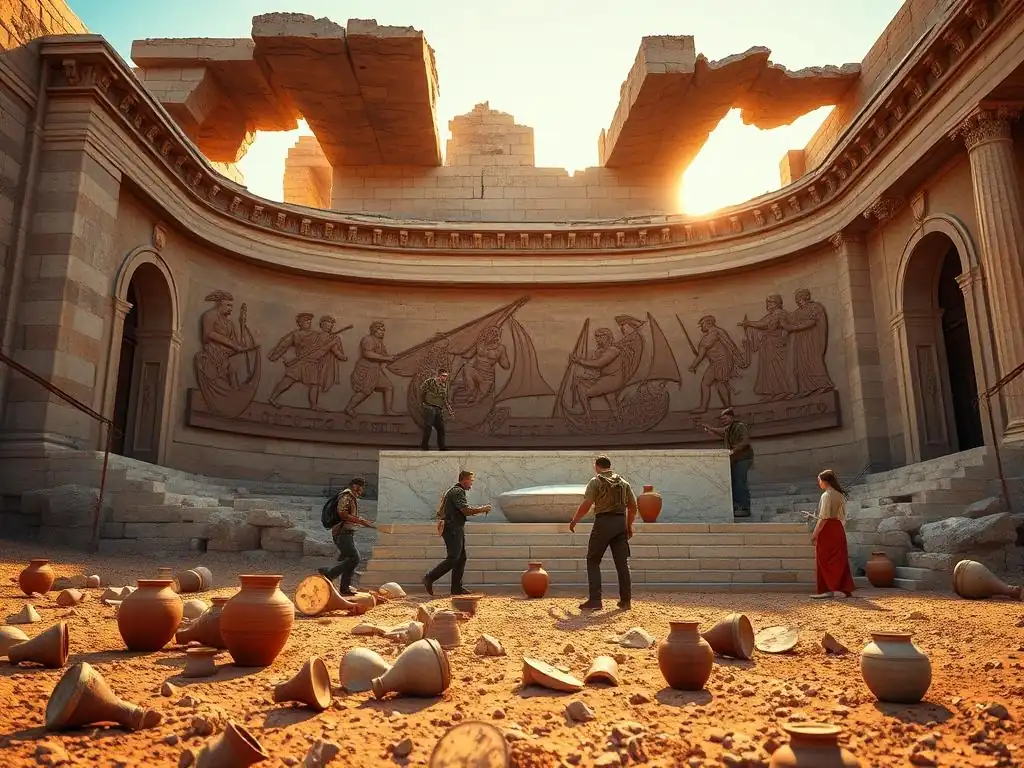
Welcome to ArchaeologyHub.org, your comprehensive guide to the world's most fascinating historical sites and discoveries. Ever wondered how a single temple could encapsulate the turning point of an ancient civilization? Delve into our detailed exploration of the Temple of Victory at Himera, a monument etched in history, and uncover the profound significance of the Himera Temple Victory History. What secrets lie within its ruins and how did this decisive conflict shape the course of history? Read on to explore.
- Introduction: Unveiling the Significance of Himera's Victory Temple
- Historical Context: The Battle of Himera (480 BC)
- Architectural Features of the Victory Temple
- The Temple as a Symbol of Greek Victory
- Excavations and Archaeological Discoveries at the Temple Site
- The Temple's Legacy: Preservation and Interpretation
- The Temple of Victory in Relation to Other Sicilian Greek Temples
- Himera Temple Victory History: A Summary of Key Takeaways
-
Frequently Asked Questions
- ### What was the significance of the Temple of Victory at Himera?
- ### Where was the Temple of Victory at Himera located, and why was that location important?
- ### What archaeological evidence supports the historical accounts of the Battle of Himera?
- ### How does the Temple of Victory contribute to our understanding of ancient Greek religious practices?
- ### What is the "Himera Temple Victory History" and why is it important for archaeological studies?
- Final Reflection: Echoes of Triumph and Enduring Lessons
- Claim Your Piece of History: Explore Ancient Victory!
Introduction: Unveiling the Significance of Himera's Victory Temple
ArchaeologyHub.org: Exploring Ancient Greek Sicily
ArchaeologyHub.org serves as a comprehensive digital encyclopedia, dedicated to illuminating the rich tapestry of archaeological discoveries and historical sites across the globe. Our focus extends to the intricate details of excavation techniques, artifact analyses, and the interpretive frameworks that bring ancient civilizations to life. Within this vast taxonomic structure, the ancient Greek colonies of Sicily and Southern Italy represent a particularly vibrant area of study, offering profound insights into classical antiquity.
This platform aims to provide an unparalleled resource for understanding the nuances of ancient Mediterranean societies, from their urban planning to their religious practices and military endeavors. The exploration of sites like Himera, with its compelling Himera Temple Victory History, is central to our mission of mapping out the historical narratives embedded within archaeological remains.
Himera: A Strategic Greek Colony and Battleground
Himera, founded around 648 BC by colonists from Zancle (modern Messina) and Syracuse, emerged as a crucial Greek outpost on the northern coast of Sicily. Its strategic location, commanding the mouth of the Himera River and lying on vital trade routes, made it a significant economic and military power in the western Greek world. The city's prosperity was evident in its impressive urban layout and public buildings, reflecting a vibrant cultural and political life.
The city's geopolitical importance, however, also rendered it a frequent flashpoint in the conflicts between the Greek city-states and the expanding Carthaginian Empire. The most pivotal of these confrontations, the Battle of Himera in 480 BC, indelibly shaped the city's destiny and left an enduring mark on its archaeological landscape, particularly through the construction of the Temple of Victory.
The Temple of Victory: A Monument to Triumph
The Temple of Victory at Himera stands as a profound testament to one of the most decisive military engagements in ancient Mediterranean history. Erected following the monumental Greek victory over the Carthaginians in 480 BC, this Doric peripteral temple was conceived not merely as a place of worship but as a grand commemorative monument. Its very existence encapsulated the collective relief and triumph of the Greek forces, symbolizing their resilience against a formidable foreign power.
This architectural marvel served as a tangible expression of gratitude to the gods and a permanent reminder of the city's deliverance. The Himera Temple Victory History is intrinsically linked to this structure, which embodied the spirit of a community that had faced existential threat and emerged victorious, solidifying its identity and influence in Magna Graecia.
Historical Context: The Battle of Himera (480 BC)
The Carthaginian Threat to Greek Sicily
By the early 5th century BC, the Carthaginian Empire had established a formidable presence in western Sicily, controlling key cities like Motya, Soluntum, and Panormus (Palermo). Their expansionist ambitions inevitably brought them into direct conflict with the powerful Greek city-states of the island, particularly Syracuse and Akragas (Agrigento). The year 480 BC marked a significant escalation, as Carthage, under the command of Hamilcar Mago, launched a massive invasion force aimed at conquering the entirety of Greek Sicily.
This Carthaginian expedition, reportedly numbering in the tens of thousands of soldiers and hundreds of ships, represented an unprecedented threat to Greek sovereignty in the region. The primary target for this invasion was Himera, a strategically vital city that served as a bulwark against Carthaginian encroachment into the eastern parts of the island. The scale of this military undertaking underscored the existential nature of the conflict for the Greek colonies.
Gelon of Syracuse and the Defense of Himera
In response to the dire Carthaginian threat, the leading Greek tyrants of Sicily, Gelon of Syracuse and Theron of Akragas, forged a powerful alliance. Gelon, a shrewd military leader and the most dominant figure in Greek Sicily, marshaled a significant portion of his formidable land and naval forces to confront Hamilcar's army at Himera. His strategic acumen and decisive leadership were pivotal in uniting the disparate Greek contingents against the common enemy.
Theron, who was Himera's tyrant at the time and Gelon's father-in-law, played a crucial role in the initial defense of the city before Gelon's arrival. The combined Greek forces, estimated to be around 50,000 men, meticulously prepared for the impending confrontation, recognizing that the outcome of this battle would determine the future of Greek civilization in Sicily. This collaboration exemplifies the necessity of unity in the face of overwhelming odds, a key chapter in Himera Temple Victory History.
The Scale and Impact of the Battle of Himera
The Battle of Himera, fought in the spring of 480 BC, was a monumental clash, often paralleled with the Battle of Salamis and Thermopylae in its historical significance. Accounts, notably by Herodotus and Diodorus Siculus, describe a fierce and prolonged engagement that saw the Carthaginian forces suffer a catastrophic defeat. Hamilcar himself was reportedly killed during the battle, either in the fighting or by suicide. The Greek victory was comprehensive, leading to the destruction of the Carthaginian fleet and army, and effectively halting Punic expansion in Sicily for nearly 70 years.
The aftermath saw immense spoils of war for the victors and a period of unprecedented prosperity for Syracuse and Akragas. Himera, though the site of the brutal conflict, was spared from destruction and subsequently flourished. The victory at Himera not only secured Greek dominance in Sicily but also had profound psychological and cultural impacts, reinforcing a sense of collective identity and divine favor among the Sicilian Greeks. It set the stage for the construction of the Temple of Victory, a lasting emblem of this pivotal moment in Himera Temple Victory History.
Architectural Features of the Victory Temple
Identifying the Temple: Location and Excavation History
The Temple of Victory, also known as Temple A, is situated on the eastern hill of ancient Himera, outside the city walls but strategically positioned to overlook the battle site and the surrounding plain. Its prominent location would have made it a highly visible landmark for both residents and seafarers approaching the city. The identification of this specific temple as the "Temple of Victory" is largely based on historical accounts, particularly those of Diodorus Siculus, who explicitly mentions its construction following the 480 BC triumph.
Systematic archaeological excavations at Himera, primarily conducted by the University of Palermo's mission, have unearthed significant portions of the temple's foundations and architectural fragments since the mid-20th century. These campaigns, notably those in the 1960s and 1970s, meticulously documented the temple's layout and recovered numerous elements that provided crucial insights into its design and construction, corroborating the historical narratives surrounding its purpose.
Doric Order Architecture: Characteristics and Significance
The Temple of Victory at Himera is a quintessential example of Doric order architecture, reflecting the dominant style of monumental temple building in archaic and classical Greece. Characterized by its robust and austere aesthetic, the Doric order is defined by fluted columns lacking a base, topped by a simple capital (echinus and abacus), supporting a triglyph-metope frieze and a plain cornice. The temple was built using local limestone, likely covered with a fine layer of stucco and painted in vibrant colors, a common practice in ancient Greek architecture to enhance its visual impact and protect the stone.
The choice of the Doric order for such a significant commemorative structure underscored its connection to mainland Greek traditions and ideals. This architectural style conveyed a sense of timelessness, strength, and civic virtue, perfectly aligning with the message of enduring victory and divine favor that the temple was intended to communicate. Its adherence to established canonical proportions further solidified its status as a paragon of Greek artistic and engineering prowess.
Dimensions and Layout of the Temple Structure
Archaeological surveys and the surviving foundation remains indicate that the Temple of Victory was a substantial peripteral temple, featuring a colonnade surrounding its central cella. While precise measurements can vary slightly based on interpretation of the ruins, it is generally estimated to have measured approximately 55-56 meters in length and around 22-23 meters in width at the stylobate level. This scale positioned it among the larger temples of its time in Sicily.
Its typical Doric layout included a pronaos (front porch), a naos or cella (main cult room), and an opisthodomos (rear porch), all enclosed by a peristyle of columns. Based on the foundation evidence, it is believed to have had 6 columns across the front and rear (hexastyle) and likely 14 columns along its flanks, making it a 6x14 peripteral temple. This grand scale and classic layout reinforced its prominence as a major civic and religious monument commemorating a pivotal event in Himera Temple Victory History.
Decorative Elements: Sculpture, Metopes, and Friezes
While the Temple of Victory at Himera is not as well-preserved as some other Sicilian temples, archaeological finds have provided glimpses into its decorative program. Like most Doric temples, it would have featured a frieze composed of alternating triglyphs and metopes above the colonnade. Though no complete metopes have been recovered, fragments suggest the presence of sculpted reliefs, likely depicting mythological scenes or heroic narratives that resonated with the theme of victory and divine intervention.
Typical subjects for such temples included Gigantomachy (battle between gods and giants), Amazonomachy (battle between Greeks and Amazons), or Trojan War cycles, all symbolic of order triumphing over chaos or civilization over barbarism. The pediments, the triangular spaces at the ends of the roof, would also have housed elaborate sculptural groups, though their specific themes at Himera remain largely speculative due to the paucity of remains. These decorative elements would have significantly contributed to the temple's visual impact, reinforcing its narrative of triumph and the profound Himera Temple Victory History.
The Temple as a Symbol of Greek Victory
Dedicatory Inscriptions and Their Meaning
While no complete dedicatory inscriptions from the Temple of Victory at Himera have been found in situ that explicitly name the temple or its precise dedication, historical sources and the context of its construction strongly support its function. Ancient historians like Diodorus Siculus explicitly state that the temple was built by Gelon and Theron to commemorate the victory over the Carthaginians. This historical consensus serves as the primary "inscription" of its purpose.
Furthermore, the practice of dedicating temples and treasuries from war spoils was a common and deeply significant act in the Greek world. Such dedications served not only as acts of piety to the gods who granted victory but also as powerful public declarations of triumph and a warning to future adversaries. The very act of constructing such a grand monument, regardless of a specific stone inscription, functioned as a monumental dedicatory statement of the Greeks' gratitude and pride in their decisive triumph.
Religious Significance: Who Was the Temple Dedicated To?
The specific deity to whom the Temple of Victory was dedicated is a subject of scholarly discussion, as no definitive evidence has emerged from the excavations. However, based on common Greek practices for temples commemorating military victories, several deities are strong candidates. Athena, the goddess of wisdom, warfare, and strategic battle, was a frequent recipient of victory temples and votive offerings. Her association with military success makes her a highly plausible patron deity for the Himera temple.
Alternatively, Zeus, the king of the gods and the ultimate guarantor of order and justice, could also have been the primary dedicatee. Temples to Zeus were often erected after significant military achievements, acknowledging his supreme power and his role in ensuring Greek triumph. The precise identity of the deity, while not definitively known, does not diminish the temple's overarching religious significance as an expression of profound gratitude and piety for divine intervention in the Battle of Himera, a cornerstone of Himera Temple Victory History.
The Temple's Role in Civic Identity and Propaganda
Beyond its religious function, the Temple of Victory played a crucial role in shaping the civic identity of Himera and served as a powerful tool of political propaganda for the Greek tyrants, particularly Gelon of Syracuse and Theron of Akragas. Its monumental scale and prominent location were designed to impress upon both citizens and visitors the strength and piety of the Greek rulers and the divine favor bestowed upon their cause. The temple visually reinforced the narrative of Greek superiority and resilience against foreign invaders.
For the citizens of Himera, the temple would have been a constant reminder of their deliverance and a source of collective pride. It symbolized unity, shared sacrifice, and the enduring power of the Greek spirit. In a broader sense, it projected an image of formidable power and unwavering resolve to other Greek city-states and, crucially, to the defeated Carthaginians, solidifying the narrative of Greek dominance in Sicily for decades to come and embedding this narrative firmly into Himera Temple Victory History.
Excavations and Archaeological Discoveries at the Temple Site
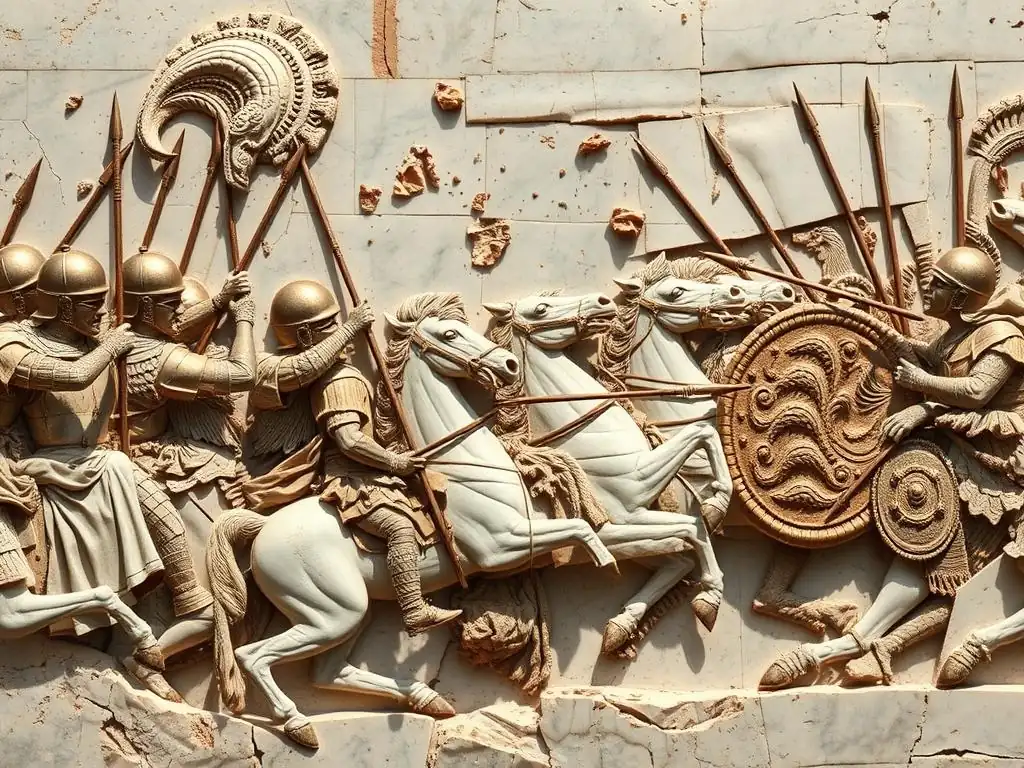
Major Archaeological Campaigns and Findings
The archaeological exploration of the Temple of Victory at Himera has been primarily spearheaded by the archaeological mission of the University of Palermo. Beginning in the mid-20th century, particularly from the 1960s onwards, these campaigns systematically uncovered the temple's foundations, architectural fragments, and surrounding votive deposits. Professor Nereo Alfieri and later Professor Nicola Bonacasa were instrumental in directing these significant excavations.
Their work involved extensive stratigraphic analysis and careful documentation, leading to the identification of the temple's precise dimensions, its orientation, and the materials used in its construction. Key findings include numerous limestone blocks from the stylobate, column drums, fragments of the entablature (triglyphs and metopes), and portions of the cella walls. These architectural elements, though often fragmentary, have allowed scholars to reconstruct the temple's original appearance and confirm its dedication as a victory monument.
Artifacts Unearthed: Pottery, Votive Offerings, and More
Beyond the architectural remains, the excavations at the Temple of Victory site have yielded a wealth of smaller artifacts that provide insights into its use and the religious practices associated with it. Among the most common finds are fragments of pottery, ranging from fine Attic ware to local ceramic types, which shed light on the daily life and trade networks of ancient Himera. Many of these fragments date to the 5th century BC, consistent with the temple's period of construction and active use.
Crucially, numerous votive offerings have been discovered, indicating the temple's function as a significant cult site. These include terracotta figurines, often depicting deities, worshippers, or animals, which were dedicated as expressions of piety or in fulfillment of vows. Small bronze objects, coins, and other personal items have also been recovered, all contributing to a richer understanding of the ritual activities performed at the temple and solidifying the narrative of Himera Temple Victory History through tangible evidence.
Insights Gained from Stratigraphic Analysis
Stratigraphic analysis, the study of the layers of archaeological deposits, has been fundamental in understanding the construction sequence, periods of use, and eventual decline of the Temple of Victory. By meticulously recording the different soil layers and the artifacts contained within them, archaeologists have been able to establish a precise chronology for the temple. For example, the earliest layers directly associated with the temple's construction confirm its rapid erection shortly after the 480 BC victory.
Later strata reveal evidence of maintenance, alterations, and eventual abandonment or destruction, possibly related to the city's final destruction by the Carthaginians in 409 BC. The absence of certain types of later material within the temple's immediate vicinity, compared to other parts of the Himera archaeological park, helps to delineate its specific period of active use and its ultimate fate. This detailed stratigraphic record is vital for constructing an accurate and nuanced Himera Temple Victory History.
The Temple's Legacy: Preservation and Interpretation
Current State of the Temple Ruins
Today, the Temple of Victory at Himera stands largely as a ruin, with only its foundations and scattered architectural elements remaining visible on the eastern hill. Unlike some other well-preserved temples in Sicily, such as the Temple of Concordia at Agrigento, Himera's temple suffered significant destruction, likely during the Carthaginian sack of 409 BC and subsequent centuries of neglect and spoliation. The visible remains consist primarily of the stone crepidoma (platform) and parts of the cella walls, allowing visitors to trace the temple's original footprint.
Despite its fragmentary state, the sheer scale of the foundations still conveys the monumental ambition of its original builders. The site provides a stark yet powerful visual representation of a significant historical event, inviting contemplation on the passage of time and the fragility of ancient structures. Its location within the broader archaeological park of Himera allows for a comprehensive understanding of its urban and strategic context.
Conservation Efforts and Challenges
The preservation of the Temple of Victory at Himera faces numerous challenges. Exposure to natural elements—wind, rain, and seismic activity—continually threatens the integrity of the remaining limestone structures. The porous nature of the stone makes it susceptible to weathering and erosion, requiring ongoing monitoring and stabilization efforts by the regional archaeological authorities. Additionally, the challenge of protecting such an extensive open-air site from human impact, including unauthorized access or vandalism, is constant.
Conservation initiatives often involve consolidation of crumbling stones, drainage management to prevent water damage, and the careful re-placement of fallen blocks where appropriate for structural stability and interpretive clarity. These efforts are crucial to ensure that the physical remains of this historically significant monument continue to be accessible for future generations of scholars and the public, safeguarding the tangible aspects of Himera Temple Victory History.
The Temple of Victory in Archaeological Scholarship
The Temple of Victory holds a significant place in archaeological scholarship, particularly within the study of Greek architecture in Sicily and the broader Mediterranean. Its early date, immediately following the pivotal Battle of Himera, makes it a critical case study for understanding the development of the Doric order in Magna Graecia during the early Classical period. Scholars analyze its design, proportions, and construction techniques to trace architectural influences and innovations.
Furthermore, the temple is central to discussions about the intersection of politics, religion, and monumental art in ancient Greek society. Its explicit commemorative function provides valuable insights into how military victories were celebrated and integrated into civic identity. Researchers continue to examine the temple's relationship to historical accounts, its role in the urban fabric of Himera, and its broader significance within the narrative of Greek-Carthaginian relations, constantly enriching the understanding of Himera Temple Victory History.
The Temple of Victory in Relation to Other Sicilian Greek Temples
Comparison with other Doric Temples in Sicily
The Temple of Victory at Himera shares fundamental architectural characteristics with many other Doric temples found across Sicily, reflecting a common heritage and established building practices. Prominent examples include the temples at Agrigento (Akragas), Selinunte, Segesta, and Syracuse. Like these, Himera's temple employed the standard Doric order, featuring a stylobate, fluted columns with simple capitals, and an entablature with triglyphs and metopes. Its peripteral plan, with columns surrounding the cella, was also typical of major Greek temples of the period.
However, each site often presents unique variations in scale, proportion, and specific construction details. Himera's temple, dating to the early 5th century BC, stands as an important example of the transition from the Archaic to the Early Classical style, showcasing a growing refinement in Doric proportions and execution compared to earlier, more robust structures. Its immediate post-victory construction also gives it a distinct historical context not shared by all Sicilian temples.
Architectural Similarities and Differences
In terms of similarities, the Temple of Victory would have shared the characteristic Doric emphasis on mathematical harmony and optical refinements, such as entasis (a slight bulge in the columns) and subtle curvature of the stylobate, though these are harder to discern in its current ruined state. The use of local limestone, often stuccoed and painted, was also a shared practice across most Sicilian temple sites, as seen vividly at Agrigento. The general layout, with a pronaos, cella, and opisthodomos, was a standard feature.
Differences often lie in the specific column counts and overall dimensions. While Himera's temple is believed to be hexastyle (6 columns on the short ends), other major Sicilian temples vary; for example, the Temple of Olympian Zeus at Agrigento was heptastyle (7 columns) and colossal in scale. The decorative programs, particularly the themes of metopes and pedimental sculptures, would also have varied significantly, reflecting the specific cult or commemorative purpose of each temple. The Himera Temple Victory History specifically mandates a narrative of triumph, influencing its decorative choices.
Significance of Himera Temple's Victory Theme within the Context of Other Temples
What truly sets the Temple of Victory at Himera apart within the pantheon of Sicilian Greek temples is its explicit and singular dedication to commemorating a specific, decisive military victory. While many temples might have been built with spoils of war or subtly alluded to military success, Himera's temple was conceived and constructed as a monument to triumph, a direct consequence of the Battle of Himera in 480 BC. This makes its Himera Temple Victory History unique.
In contrast, many other grand Sicilian temples, such as the Temple of Concordia at Agrigento or Temple E at Selinunte (dedicated to Hera), primarily served as cult centers for specific deities, without such a direct and immediate link to a singular military event. The Temple of Victory at Himera thus offers a rare and powerful insight into how a major historical turning point was physically embodied and permanently etched into the landscape through monumental architecture, making it an invaluable site for understanding the interrelationship between war, religion, and civic identity in ancient Greek Sicily.
Himera Temple Victory History: A Summary of Key Takeaways
The Enduring Importance of the Battle of Himera
The Battle of Himera in 480 BC stands as a pivotal moment in ancient Mediterranean history, a decisive clash that secured Greek dominance in Sicily for decades and averted a potential Carthaginian conquest of the island. This monumental victory, achieved through the combined forces of Gelon of Syracuse and Theron of Akragas, not only demonstrated the military prowess of the Sicilian Greeks but also fostered a profound sense of shared identity and resilience against a powerful foreign adversary. The battle's outcome profoundly shaped the geopolitical landscape of the region, allowing Greek culture and influence to flourish.
The enduring importance of this conflict is underscored by the very existence of the Temple of Victory, a permanent architectural record of the triumph. The Himera Temple Victory History is inseparable from this battle, serving as a tangible reminder of the immense stakes involved and the strategic brilliance that led to Greek success.
The Temple as a Testament to Greek Resilience
The Temple of Victory at Himera serves as an eloquent testament to the resilience and determination of the ancient Greeks in Sicily. Erected in the immediate aftermath of the 480 BC battle, its construction was a monumental undertaking, symbolizing gratitude to the gods and a powerful declaration of sovereignty. Despite suffering significant destruction over the centuries, its surviving foundations and architectural fragments continue to convey the grandeur and symbolic weight it once held.
This Doric temple, though now largely in ruins, embodies the spirit of a civilization that faced existential threats and emerged stronger. It stands as a silent witness to the ebb and flow of power in the ancient world, representing not just a single victory but the broader capacity of the Greek city-states to defend their way of life. The Himera Temple Victory History is a narrative of endurance, strategic foresight, and unwavering commitment to freedom.
Further Research and Exploration of the Site
Despite extensive archaeological work, the Himera site, and particularly the Temple of Victory, continues to offer rich opportunities for further research and exploration. Modern non-invasive techniques, such as ground-penetrating radar and remote sensing, could potentially reveal undiscovered features or provide more detailed insights into the temple's substructures and surrounding areas without further excavation. Continued analysis of existing artifact collections and architectural fragments may also yield new interpretations regarding its decorative program or specific dedications.
Furthermore, comparative studies with newly discovered sites or re-evaluations of historical texts can continually refine our understanding of the temple's role within the broader context of Sicilian Greek history and its unique contribution to the Himera Temple Victory History. The site remains a dynamic canvas for archaeological inquiry, promising ongoing discoveries that will further illuminate this significant chapter of antiquity.
Frequently Asked Questions
### What was the significance of the Temple of Victory at Himera?
The Temple of Victory at Himera was built to commemorate the Greek victory over the Carthaginians in 480 BC. It served as a potent symbol of Greek power and divine favor.
### Where was the Temple of Victory at Himera located, and why was that location important?
The temple was located in Himera, a Greek colony on the northern coast of Sicily. Its location was strategically important as Himera was a focal point of conflict between the Greeks and Carthaginians for control of the island.
### What archaeological evidence supports the historical accounts of the Battle of Himera?
Excavations at the site have revealed burnt layers and war debris, providing tangible evidence of the battle. Artifacts discovered near the temple, such as weapons and votive offerings, further corroborate the historical narrative.
### How does the Temple of Victory contribute to our understanding of ancient Greek religious practices?
The temple's architecture and dedications offer insights into Greek religious beliefs and the practice of votive offerings to the gods for military success. The temple also highlights the connection between religion and warfare in ancient Greece.
### What is the "Himera Temple Victory History" and why is it important for archaeological studies?
"Himera Temple Victory History" refers to the interconnected narrative of the temple's construction, the victory it celebrated, and its subsequent role in the city's history. Studying this interconnected history is crucial for understanding the political, religious, and military landscape of ancient Sicily.
Final Reflection: Echoes of Triumph and Enduring Lessons
The narrative of the Temple of Victory at Himera, as we've explored, isn't just a historical account; it's a potent reminder of the fragility of peace and the enduring power of collective resilience. The echoes of that decisive conflict, reverberating through the stones of the temple, still resonate today, urging us to remember the sacrifices made and the victories hard-won in the face of adversity.
The impact of the Temple's history extends far beyond the archaeological site itself. It serves as a tangible link to a pivotal moment in Sicilian history, reminding us of the constant interplay between cultures and the enduring human desire for freedom and self-determination. History, despite its wrenching pain, cannot be unlived, but if faced with courage, need not be lived again.
- Maya Angelou. This quote encapsulates the importance of understanding the Himera Temple Victory History, not just as a record of the past, but as a guide for navigating the challenges of the present.
As we conclude this exploration of the Temple of Victory at Himera, I invite you to consider the lessons embedded within its stones. How can we apply the spirit of resilience and unity displayed by the people of Himera to the challenges we face today? Let the story of this ancient temple inspire you to strive for peace, to value cultural exchange, and to remember that even in the face of seemingly insurmountable odds, victory is possible.
Claim Your Piece of History: Explore Ancient Victory!
Thanks for diving into the fascinating story of the Temple of Victory at Himera! We hope you’ve enjoyed uncovering the layers of history and strategy behind this ancient landmark. Now, let's translate that inspiration into action.
Here are a few ways you can continue your journey:
- Delve deeper: Research the broader context of the Punic Wars and understand the intricate political landscape of the time. Uncover more about the players who shaped the destiny of Sicily!
- Share your newfound knowledge: Discuss the Temple of Victory with friends or fellow history enthusiasts. Start a conversation and spark curiosity about ancient battles and their lasting impact.
- Unearth hidden gems: Explore other archaeological sites in Sicily. Beyond Himera, many other sites tell incredible stories of past civilizations; plan your next trip!
What aspects of ancient warfare or archaeological discoveries captivate you the most, and how will you explore them further?