
InterCity Trade Networks in Sogdiana: Beyond Samarkand's Central Role

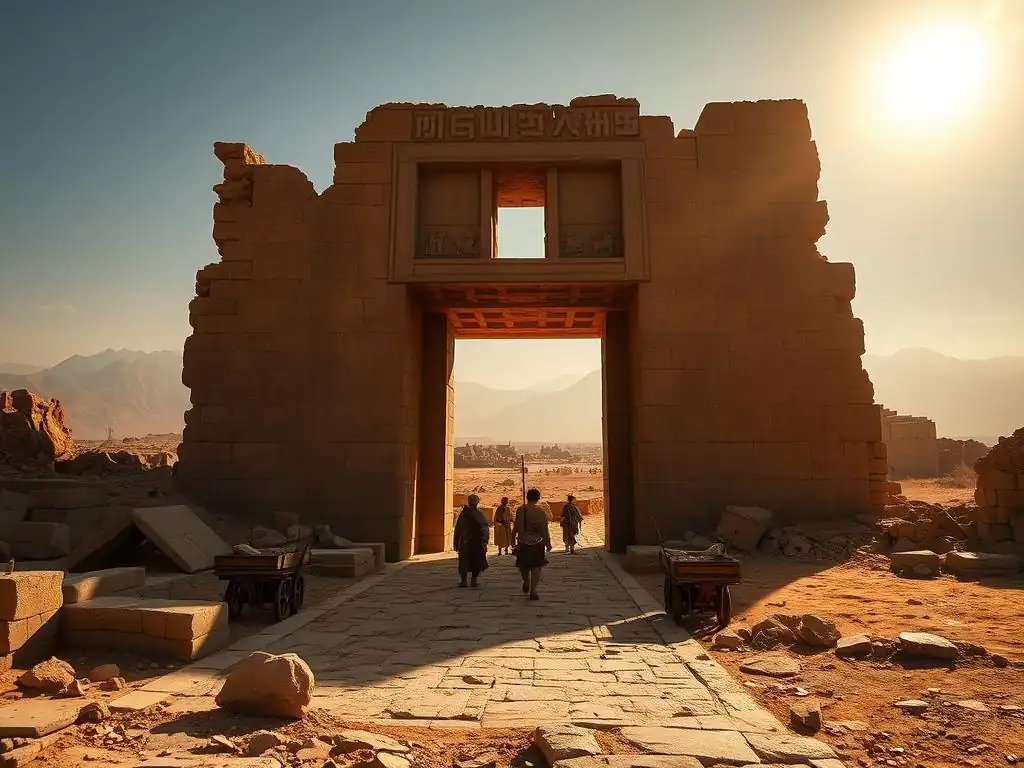
Welcome to ArchaeologyHub.org, your gateway to the past!
Uncover the intricate tapestry of history and explore the secrets buried beneath our feet. Did you know that the famed Silk Road's influence extended far beyond what we often imagine? Dive into our exploration of InterCity Trade Networks in Sogdiana, and prepare to challenge your understanding of the Sogdian trade routes history. Discover the vital, yet often overlooked, roles played by cities beyond Samarkand in shaping this vibrant era. What untold stories await within these ancient pathways? Let's begin the journey...
- Understanding Sogdian Trade: An Archaeological Perspective
- Samarkand: A Major Hub in the Sogdian Trade Network
- Beyond Samarkand: Exploring Other Key Sogdian Cities and Their Trade Roles
- The Structure of Sogdian Intercity Trade Networks
- Sogdian Trade Routes History: Challenging the "Silk Road" Narrative
- Economic and Cultural Impacts of Sogdian Intercity Trade
- The Decline of Sogdian Trade and Its Contributing Factors
- Future Research Directions in Sogdian Trade History
-
Frequently Asked Questions
- How significant were cities other than Samarkand in the Sogdian trade routes history?
- What types of goods were commonly traded along the Sogdian trade routes?
- How did the Sogdian trade routes impact the cultural landscape of Central Asia?
- What were the key challenges faced by merchants traveling along the Sogdian trade routes?
- How did the Sogdian trade routes history contribute to our understanding of ancient civilizations?
- Final Reflection: Unveiling the Threads of Sogdian Commerce
- Uncover Sogdiana's Hidden Trade Secrets!
Understanding Sogdian Trade: An Archaeological Perspective
Sogdiana's Strategic Location in Ancient Trade
Sogdiana, a historical region located in present-day Uzbekistan and Tajikistan, held an unparalleled strategic position at the crossroads of ancient Eurasia. Situated primarily within the fertile Zarafshan and Kashka-Darya river valleys, it served as a crucial geographical bridge connecting the powerful empires of China to the east, Persia and the Mediterranean world to the west, and the nomadic steppes to the north. This central location naturally positioned Sogdian cities as vital intermediaries in the long-distance trade that would eventually coalesce into the legendary Silk Road, long before its formal naming.
This unique geopolitical placement allowed Sogdian merchants to effectively control and profit from key segments of the transcontinental trade routes. The region's oases provided essential water and provisions for caravans traversing the arid landscapes, making it an indispensable stopping point. The ability to navigate and connect diverse cultural and economic spheres was fundamental to the development of Sogdian trade routes history, enabling the flow of goods, technologies, and ideas across vast distances.
The Importance of Archaeological Evidence for Reconstructing Sogdian Trade Routes
Archaeological excavations provide the most tangible and direct evidence for reconstructing the intricate Sogdian trade routes history. Discoveries of foreign artifacts in Sogdian urban centers and rural settlements offer irrefutable proof of extensive commercial exchanges. For instance, fragments of Chinese pottery, particularly Tang Dynasty sancai ware, found in sites like Afrasiab (ancient Samarkand) and Panjikent, clearly indicate robust trade links with the East, dating from the 6th to 8th centuries CE. Similarly, Sasanian silver plates, Byzantine gold coins, and Roman glass fragments unearthed in these same locations attest to strong connections with the Western world.
Beyond portable goods, the very infrastructure and urban planning revealed by archaeology underscore Sogdiana's mercantile focus. The remains of large market squares, specialized artisan quarters, and extensive defensive walls at sites like Paykent speak to economies designed to support and protect trade. The presence of sophisticated irrigation systems, which sustained the agricultural base necessary for urban populations and caravan provisions, further illuminates the economic underpinnings of Sogdian commerce, providing deep insights into the practicalities of Sogdian trade routes history.
Samarkand: A Major Hub in the Sogdian Trade Network
Samarkand's Geographical Advantages for Trade
Samarkand, known in antiquity as Marakanda, derived immense commercial advantage from its exceptional geographical position within the fertile Zarafshan River valley. This oasis, blessed with abundant water resources and rich agricultural land, served as a natural and essential stopping point for caravans traversing the vast, often hostile, terrains of Central Asia. Its location directly on the primary east-west axis of the burgeoning Silk Road, linking the Persian Empire with the Chinese dynasties, was arguably its most significant asset, establishing it as a preeminent hub in Sogdian trade routes history.
Furthermore, Samarkand functioned as a critical nexus for secondary trade routes, connecting the nomadic steppes to the north with the Indian subcontinent to the south. This confluence of major transcontinental and regional arteries solidified its status as a vital transshipment point, where goods from diverse geographical origins converged, were exchanged, and then redistributed. This unique position allowed Samarkand to become a truly cosmopolitan center, facilitating a vibrant exchange of goods and cultures that underpinned its economic prosperity.
Archaeological Finds in Samarkand Illuminating Trade Connections
Archaeological excavations at Afrasiab, the ancient site of Samarkand, have unearthed a remarkable array of artifacts that vividly illustrate the city's extensive trade connections and its central role in Sogdian trade routes history. Among the most compelling finds are numerous coins originating from various empires, including Sasanian Persia, the Byzantine Empire, and Chinese Tang Dynasty, with significant quantities dating from the 6th to 8th centuries CE. The sheer diversity and volume of these foreign currencies not only attest to the presence of merchants from distant lands but also indicate the wide-ranging economic ties maintained by Samarkand.
Beyond numismatic evidence, archaeologists have discovered fragments of Chinese porcelain and silk, Indian textiles, and glassware from the Roman and Byzantine empires in considerable quantities across Afrasiab. For example, specific types of fine white and green-glazed Chinese ceramics, identifiable as products of Tang kilns, have been found, confirming direct commercial links with China. These discoveries provide concrete material evidence of the vast array of luxury goods and everyday commodities that flowed through Samarkand, underscoring its pivotal position in the intricate web of ancient trade.
The Role of Afrasiab in Samarkand's Trade History
Afrasiab, the sprawling ancient city mound that represents the historical core of Samarkand, stands as a testament to the city's commercial power during the Sogdian period. Extensive archaeological work has revealed a highly organized urban layout featuring distinct residential, administrative, and commercial quarters. The presence of large market squares and numerous workshops dedicated to various crafts, particularly metalwork, pottery, and textile production, points to a vibrant and diversified economy geared towards both local consumption and extensive long-distance trade.
The impressive fortifications and sophisticated water management systems, including intricate canal networks, found at Afrasiab further underscore its importance as a secure and self-sustaining trade hub. Perhaps the most iconic visual evidence of Samarkand's cosmopolitan trade status is the famous "Ambassadors' Painting" from the 7th-century palace at Afrasiab. This mural depicts foreign dignitaries, including envoys from China, Turkic rulers, and possibly India, presenting gifts, visually confirming Samarkand's role as a major center of diplomacy and commerce, deeply embedded in the intricate Sogdian trade routes history.
Beyond Samarkand: Exploring Other Key Sogdian Cities and Their Trade Roles
Panjikent: Art, Culture, and Commercial Activity on the Sogdian Trade Routes
Panjikent, located further east along the Zarafshan River valley, emerged as another highly significant Sogdian city, renowned for its remarkably preserved artistic and cultural output, which was inextricably linked to its commercial vitality. While typically smaller in scale than Samarkand or Bukhara, its strategic position on a branch of the main trade route facilitated its growth as a vibrant urban center, particularly flourishing between the 5th and 8th centuries CE. It acted as a key secondary hub for Sogdian trade routes history.
Archaeological excavations at ancient Panjikent have revealed a sophisticated urban layout, complete with multi-storied houses, richly decorated temples, and a fortified citadel. The city's evident economic prosperity, reflected in the scale and elaborate decoration of its public and private buildings, was largely sustained by its active involvement in both regional and inter-regional trade. This makes Panjikent a crucial case study for understanding the diversified nature of Sogdian commerce beyond the largest metropolises.
Panjikent's Murals as Evidence of Trade and Cultural Exchange
The exquisite murals discovered in the elite houses and temples of Panjikent provide an unparalleled visual archive of the city's commercial and cultural interactions. These frescoes depict a rich tapestry of daily life, religious rituals, and epic narratives, but crucially, they also include direct and indirect representations of foreign goods, attire, and even mythological creatures from distant lands. For instance, the depiction of individuals wearing Chinese silk patterns, or scenes featuring elements reminiscent of Indian or Persian iconography, strongly suggests the pervasive flow of products and ideas along the Sogdian trade routes.
More specifically, some murals portray scenes that implicitly or explicitly relate to long-distance travel and trade, such as figures who appear to be merchants or travelers. The distinct blend of artistic styles—incorporating Persian Sasanian, Indian, and Chinese influences—unequivocally demonstrates the profound cultural exchange fostered by Panjikent's extensive commercial connections. These murals are not merely beautiful artworks but serve as invaluable primary sources, offering unique insights into the cosmopolitan nature of Sogdian society and the cultural impacts of Sogdian trade routes history.
Bukhara: A Rival Center of Commerce in Sogdiana
Bukhara, situated in the fertile oasis of the Lower Zarafshan, developed into a powerful commercial and cultural center that often rivaled Samarkand in prominence. Its strategic location, commanding routes leading north to the Eurasian steppe and west towards Khorezm and the Caspian Sea, gave it distinct advantages in regional trade networks from an early period, possibly even predating Samarkand's peak as a major hub. This unique positioning allowed it to forge its own significant chapter in Sogdian trade routes history.
The city's early development as a major administrative and religious center also contributed significantly to its economic prominence. Archaeological evidence suggests extensive craft production, particularly of high-quality textiles (such as the famed zandani cloth, known throughout the Islamic world) and intricate metalwork, which were key exports along the Sogdian trade routes. This robust local industry, combined with its crucial role as a transit point for goods moving across different axes, solidified Bukhara's position as a multifaceted commercial hub within Sogdiana.
Investigating Bukhara's Role in Regional Trade Dynamics
Archaeological investigations in Bukhara have uncovered compelling evidence of extensive regional trade networks that were distinct from, though often overlapping with, Samarkand's primary east-west connections. Finds of pottery styles unique to Khorezm, for example, indicate strong commercial ties with the areas to its west, highlighting Bukhara's significant role in facilitating trade across the Aral Sea region and with the steppes. This suggests a more diversified and geographically expansive network, extending beyond the conventional Silk Road axis.
Furthermore, historical accounts, often corroborated by archaeological findings, point to Bukhara's significant involvement in the trade of specific commodities, including the export of high-quality textiles and, in later periods, a notable role in the slave trade. The city's sophisticated water management systems, visible in its ancient canals and reservoirs, supported intensive agriculture and craft production, which in turn fueled its commercial prowess. This unique economic profile underscores Bukhara's distinct contribution to Sogdian trade routes history, showcasing its importance as a versatile and enduring trade hub.
Other Notable Sogdian Cities and Their Contributions to Intercity Trade
While Samarkand, Panjikent, and Bukhara often dominate discussions of Sogdian commerce, numerous other smaller cities and fortified settlements played crucial, albeit specialized, roles in the intricate intercity trade networks. These lesser-known sites frequently served as caravanserai, agricultural supply centers, or strategic border posts, collectively forming the resilient and distributed backbone of Sogdian trade routes history. Their individual contributions were vital for the overall functioning and security of the broader system.
For example, sites like Varakhsha, located west of Bukhara, were significant for their agricultural output and local crafts, contributing essential provisions and goods to passing caravans. The discovery of local coinage and distinct pottery styles at these smaller sites further illustrates their deep integration into the broader economic system. This demonstrates that Sogdian trade was not solely concentrated in a few major metropolises but was a diffuse and interconnected network, relying on a multitude of nodes for its success.
Paykent: A Fortified Trading Post and its Role in Border Security and Commerce
Paykent, situated on the western frontier of Sogdiana, near the Amu Darya River, served a unique and vital function as a fortified trading post and a significant border city. Its strategic position allowed it to effectively control access to Sogdiana from the west, making it a critical checkpoint for both goods and travelers entering or leaving the region. Archaeological excavations have revealed impressive defensive walls, a well-planned urban layout, and evidence of a substantial garrison, reflecting its dual role as a military stronghold and a bustling commercial hub.
The discovery of numerous foreign coins, particularly from Sasanian Persia and the Byzantine Empire, along with evidence of extensive craft production within the city, highlights Paykent's importance as an entrepôt. It was a place where goods were exchanged, customs duties levied, and security ensured for caravans before they ventured deeper into Sogdian territory or departed for western markets. Its role in protecting the western flank of the Sogdian trade routes underscores the sophisticated organization and defensive measures employed to safeguard the flow of commerce, providing crucial insights into Sogdian trade routes history.
The Structure of Sogdian Intercity Trade Networks
Caravan Routes and Infrastructure Supporting Sogdian Commerce
The intricate backbone of Sogdian intercity trade networks consisted of an elaborate system of caravan routes, which, while often following ancient tracks, were actively maintained and secured by Sogdian efforts. These routes were not merely paths but frequently featured rudimentary infrastructure essential for long-distance travel across vast, often arid, landscapes. This included strategically placed wells, cisterns, and occasional watchtowers designed to ensure the safety and sustenance of merchants, their animals, and their valuable cargo.
Crucially, a well-developed network of caravanserai, or rabats, dotted these Sogdian trade routes, typically located at regular intervals corresponding to a day's journey (approximately 25-30 kilometers). These fortified inns provided essential shelter, fresh water, provisions, and security for travelers and their goods, facilitating efficient and relatively safe transit through Sogdiana and beyond. While often modest in their archaeological remains, the widespread distribution of these structures underscores the organized nature of Sogdian commerce and its contribution to Sogdian trade routes history.
Sogdian Merchant Communities and Their Business Practices
Sogdian merchants were the preeminent drivers of these intercity trade networks, renowned across Asia for their unparalleled entrepreneurial spirit, linguistic prowess, and remarkable resilience. They formed highly organized communities, often establishing extensive diasporas in distant lands such as Dunhuang and Chang'an in China, where they maintained their cultural identity while facilitating intricate trade operations. Their mastery of multiple languages, including Sogdian as a lingua franca, Persian, and Chinese, was a key asset in their diverse commercial dealings.
Their business practices were remarkably sophisticated for the era, involving complex partnerships, credit systems, and possibly even early forms of letters of credit, as suggested by later Islamic sources that built upon Sogdian traditions. The strong cohesion of these merchant groups, often bound by kinship ties or shared religious beliefs (such as Manichaeism or Nestorian Christianity), fostered trust and enabled the management of complex, long-distance transactions across vast geographical distances. This unique organizational structure played a pivotal role in shaping Sogdian trade routes history.
The Exchange of Goods: What Was Traded Along Sogdian Routes?
The Sogdian intercity trade networks facilitated the exchange of an astonishing variety of goods, ranging from high-value luxury items to essential commodities, reflecting diverse regional demands and available resources. While Chinese silk is often highlighted as the most iconic commodity, it was far from the only or even the most voluminous item traded. Sogdian merchants dealt in a diverse portfolio that included raw materials, manufactured goods, and even livestock, forming a complex economy of exchange.
Beyond the exotic, more prosaic but equally vital goods formed a significant part of regional and long-distance trade. Agricultural products, local crafts, and livestock formed a substantial portion of the commerce, ensuring the sustenance of urban centers and caravan provisions. Crucially, the exchange was not unidirectional; Sogdiana itself produced valuable goods like fine textiles (e.g., Bukhara's famed zandani cloth), paper (after its introduction from China), and metals, which were then actively exported, demonstrating a reciprocal flow of commerce along the Sogdian trade routes.
Key Commodities in Sogdian Trade: Silk, Spices, Metals, and More
Silk from China was undoubtedly a prized commodity, often exchanged for gold, silver, and other precious metals from the West. However, the Sogdian trade routes also saw significant traffic in spices from India and Southeast Asia (e.g., pepper, cinnamon, cloves), which were highly valued in Western markets. Glassware from the Roman and Byzantine Empires, often found in archaeological sites across Sogdiana, represents a notable import, indicating a demand for Western luxury items.
From Central Asia, key exports included high-quality horses and camels, which were crucial for military and transport purposes across Eurasia. Metals, particularly silver from the mines of Central Asia (such as those in the Panjshir valley in Afghanistan and the Tashkent region), were significant exports. Other valuable commodities included furs from the northern steppes, aromatic resins, and specific types of paper and fine textiles produced in Sogdian cities themselves, enriching the tapestry of goods that defined Sogdian trade routes history.
Sogdian Trade Routes History: Challenging the "Silk Road" Narrative
The Sogdian Contribution to the Broader Silk Road Trade
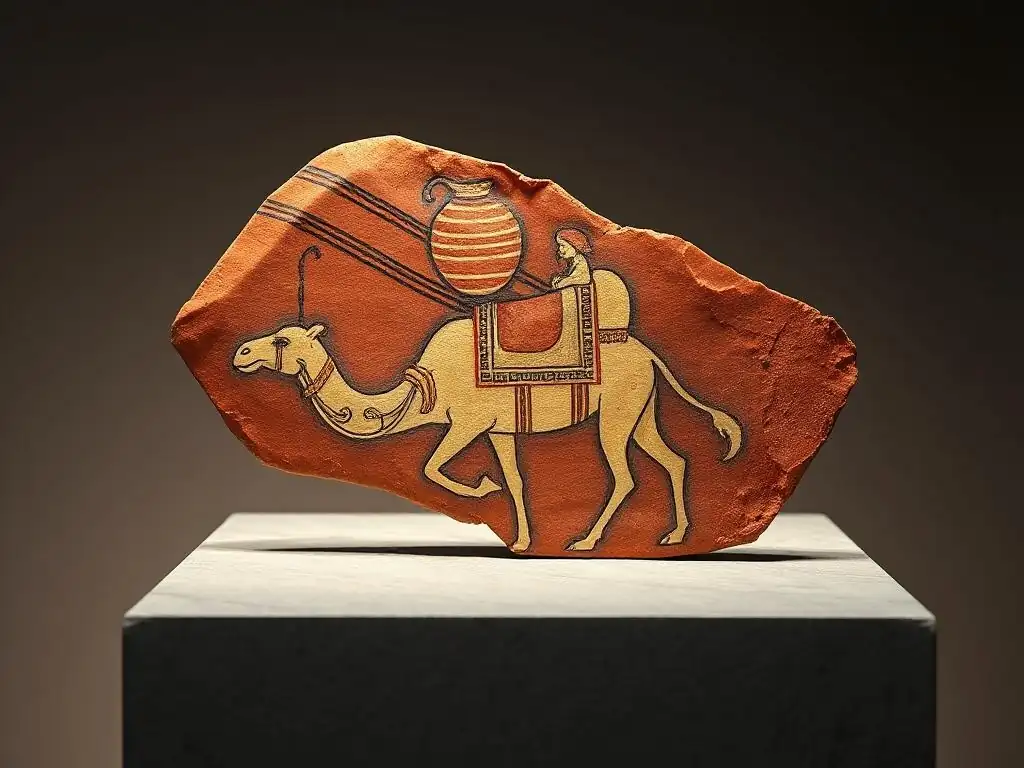
While the popular term "Silk Road" often conjures an image of a single, unified conduit, archaeological and historical evidence increasingly emphasizes that it was, in reality, a complex and dynamic web of interconnected routes. Within this intricate system, the Sogdians played a disproportionately significant and active role, particularly from the 5th to the 8th centuries CE. They were not merely passive intermediaries but pioneering agents who actively established, maintained, and often dominated vital segments of these transcontinental arteries, fundamentally shaping the flow of goods and ideas.
Sogdian merchants effectively controlled the bulk of the trade between China and Central Asia, extending their commercial reach deep into Persia and even as far west as Byzantium. Their extensive network of trading posts, their unique business acumen, and their unparalleled linguistic skills allowed them to integrate diverse economic zones across Eurasia. This active and pervasive involvement fundamentally shaped the nature, volume, and direction of exchanges, making their contribution indispensable to the overall Sogdian trade routes history and the effective functioning of the broader Silk Road network.
The Distinctive Features of Sogdian Intercity Trade Networks
The Sogdian intercity trade networks were characterized by their decentralized yet highly effective structure, relying heavily on individual merchant initiatives and resilient family-based enterprises rather than large state-sponsored expeditions. Unlike the more episodic and often politically motivated state-led missions of the Chinese or Roman empires, Sogdian trade was a continuous, year-round endeavor, driven primarily by private commercial interests and the pursuit of profit. This private enterprise model allowed for greater flexibility and adaptability.
Another distinctive feature was the Sogdians' remarkable ability to adapt and thrive amidst shifting political landscapes. They maintained their extensive commercial activities across various empires and ruling powers, demonstrating exceptional diplomatic skill and resilience in navigating complex geopolitical environments. Their sophisticated financial instruments, such as credit systems, and their strategic establishment of diasporic merchant communities in foreign lands also set them apart, contributing to a unique and highly successful chapter in Sogdian trade routes history.
Local and Regional Trade Dynamics Within Sogdiana
Beyond the grand scale of transcontinental commerce, the Sogdian intercity trade networks also encompassed a vibrant and essential local and regional exchange. This internal trade was crucial for sustaining the Sogdian cities themselves, ensuring the consistent flow of agricultural products from the fertile oases to urban centers, and distributing manufactured goods from city workshops to surrounding rural areas. This localized commerce formed the foundational economic base upon which the more famous long-distance trade could flourish.
Archaeological finds, such as specific types of pottery or tools found predominantly within a certain region of Sogdiana, underscore the importance of these more localized economic interactions. This regional trade facilitated the specialization of different cities (e.g., Bukhara for textiles, Samarkand for its strategic position and diverse goods) and ensured a robust internal market that both supported and complemented the long-distance Sogdian trade routes history. This symbiotic relationship between local and international trade was key to their enduring prosperity.
Economic and Cultural Impacts of Sogdian Intercity Trade
The Spread of Ideas and Technologies Through Sogdian Trade Routes
The Sogdian intercity trade networks were far more than mere conduits for goods; they were vital arteries for the profound transmission of ideas, technologies, and religious beliefs across the vast expanse of Eurasia. As Sogdian merchants journeyed across continents, they carried with them not only their wares but also cultural concepts, distinctive artistic motifs, and groundbreaking technological innovations, fostering a dynamic and pervasive intellectual exchange between disparate civilizations. This cultural diffusion is a cornerstone of Sogdian trade routes history.
A prime example of this technological transfer is the westward transmission of papermaking technology from China, which is widely believed to have been significantly facilitated by Sogdian intermediaries, reaching the Islamic world by the 8th century CE. Similarly, the widespread dissemination of Buddhism into China, and the expansion of Manichaeism and Nestorian Christianity across Central Asia, were significantly aided by Sogdian merchants who adopted and actively propagated these faiths along their extensive trade routes, leaving an indelible mark on the religious landscape of the region.
The Economic Prosperity of Sogdian Cities Due to Trade
The immense wealth generated by their dominance of intercity trade routes manifested directly and visibly in the remarkable economic prosperity of Sogdian cities. This affluence is abundantly evident in the archaeological record through the construction of monumental public buildings, lavishly decorated private residences, and sophisticated urban infrastructure. The sheer volume of precious metals, luxury goods, and diverse foreign artifacts unearthed at sites like Panjikent and Afrasiab speaks volumes about the considerable fortunes accumulated by the Sogdian elites and merchant class.
The existence of highly specialized craft industries, producing high-quality goods specifically for export, further points to a robust and diversified economy fueled by their commercial prowess. The extensive use of coinage, including locally minted issues that often imitated foreign currencies, also signifies a complex and thriving monetary system indicative of a sophisticated commercial economy, deeply intertwined with the prosperity derived from Sogdian trade routes history.
The Influence of Trade on Sogdian Art and Culture
The constant flow of goods, people, and ideas along the Sogdian trade routes profoundly influenced Sogdian art and culture, giving rise to a unique and vibrant syncretic style. This cultural amalgamation is most strikingly visible in the murals of Panjikent, where scenes from Persian epics, Indian fables, and local Sogdian folklore are depicted alongside motifs clearly inspired by Chinese art (e.g., cloud patterns, specific animal representations) and Sasanian metallurgy (e.g., specific decorative elements on clothing and vessels).
Architectural elements, textile designs, and even religious iconography found in Sogdian sites frequently display a fascinating fusion of foreign influences. For instance, the use of stucco and specific decorative patterns in Samarkand's Afrasiab shows clear Sasanian inspiration, while figures dressed in Chinese silks are depicted in Panjikent murals. This rich artistic synthesis is a direct testament to the cultural vibrancy and openness fostered by their extensive commercial engagement, making Sogdian trade routes history a compelling story of cross-cultural exchange.
The Decline of Sogdian Trade and Its Contributing Factors
Political Instability and the Rise of New Powers
The gradual decline of Sogdian dominance over intercity trade routes was largely precipitated by a series of profound political shifts in Central Asia, most notably the Arab conquests of the 8th century CE. While the initial conquest did not immediately halt trade, the imposition of new political and religious structures, including increased taxation and a shift in administrative control, significantly disrupted the established Sogdian commercial order and the independence of their city-states. This created an environment of uncertainty for merchants.
Prior to and during the Arab incursions, Turkic migrations and the rise of powerful Turkic Khaganates also played a role in reshaping the region's political landscape. While some Turkic groups initially partnered with Sogdian merchants, the shifting power dynamics and occasional conflicts introduced an element of instability that gradually eroded the security and predictability essential for long-distance commerce. This confluence of new political powers fundamentally altered the landscape of Sogdian trade routes history.
Changes in Trade Patterns and Economic Shifts
Beyond political upheaval, significant changes in global trade patterns also contributed to the eventual decline of Sogdian preeminence. The increasing prominence of maritime trade routes, particularly those connecting the Persian Gulf and the Red Sea with China, offered a potentially safer, more reliable, and often more cost-effective alternative for transporting bulk goods compared to the arduous and time-consuming overland journeys. This gradual shift began to divert a substantial portion of long-distance traffic away from the traditional Central Asian routes.
Furthermore, changes in demand for certain commodities and the emergence of new production centers influenced the economic viability of the Sogdian network. While Chinese silk remained important, the diversification of Chinese exports and the rise of new manufacturing hubs within the burgeoning Islamic world meant less reliance on Sogdian intermediaries for certain goods. This gradual erosion of their unique competitive edge in specific markets contributed to the diminishing returns and eventual decline in the overall importance of Sogdian trade routes history.
The Legacy of Sogdian Trade Networks in Central Asian History
Despite their eventual decline as the preeminent traders, the legacy of Sogdian trade networks in Central Asian history is profound and enduring. They laid much of the groundwork for subsequent commercial and cultural exchanges in the region, significantly influencing the development of later Islamic trade practices, financial instruments, and established trade routes. Many of the urban centers they fostered, like Samarkand and Bukhara, continued to thrive as major hubs for centuries, albeit under different political and economic systems, directly inheriting the infrastructure and commercial traditions established by the Sogdians.
The deep cultural synthesis fostered by Sogdian trade also left an indelible mark, contributing to the rich tapestry of Central Asian art, architecture, and religious traditions. Their linguistic contributions, particularly the Sogdian language serving as a lingua franca across vast stretches of the Silk Road, influenced later Turkic and Persian administrative and commercial terminology. Thus, the Sogdian trade routes history remains a foundational and critically important chapter in the broader narrative of Central Asian development and its global connections.
Future Research Directions in Sogdian Trade History
The Potential of New Archaeological Discoveries to Enhance Our Understanding
The vast archaeological potential of Central Asia means that new discoveries continue to emerge with remarkable frequency, offering unprecedented opportunities to enhance our understanding of Sogdian trade routes history. Many sites, particularly those outside the major, well-known cities, remain largely unexplored or have only undergone preliminary surveys. Future systematic excavations, especially in lesser-known towns, rural settlements, and caravan stations along suspected trade arteries, could reveal critical missing pieces of the intricate trade network puzzle, providing more granular data.
Furthermore, the increasing application of new archaeological techniques promises to yield more precise and comprehensive data. Methods such as remote sensing (e.g., satellite imagery, LiDAR) can be used to identify ancient routes and previously undetected settlements from above, while advanced material analysis (e.g., archaeometallurgy to trace metal origins, isotopic analysis of food remains to understand diets and mobility) can offer deeper insights into trade volumes, directions, and the daily lives of those involved in Sogdian commerce.
Integrating Historical Texts with Archaeological Evidence
A crucial and highly promising direction for future research lies in the more comprehensive and nuanced integration of historical textual sources with archaeological evidence. While Chinese, Persian, and later Arabic texts offer invaluable narratives about Sogdian merchants, their activities, and their communities, these accounts are often generalized, politically biased, or focused on specific interactions. Systematically cross-referencing these written records with the material culture unearthed at specific sites can validate, challenge, or significantly expand existing interpretations of Sogdian trade routes history.
For example, comparing the descriptions of goods mentioned in historical chronicles with the types and quantities of artifacts found in contemporary archaeological layers can provide a more accurate picture of trade compositions and volumes, revealing discrepancies or confirming trends. Similarly, textual references to specific trade routes, merchant communities, or even individual traders can guide targeted archaeological investigations, leading to a richer, more holistic, and empirically grounded understanding of Sogdian commerce.
Using Advanced Technologies to Analyze Sogdian Trade Networks
The application of advanced technologies, particularly within the realm of digital humanities, offers exciting new avenues for analyzing the complex and extensive Sogdian trade networks. Geographic Information Systems (GIS) can be powerfully utilized to map ancient routes, calculate approximate travel times between cities, and visualize the spatial distribution of archaeological finds. This allows for the creation of dynamic and interactive representations of the network's geographical reach and its evolution over time.
Furthermore, network analysis techniques, borrowed from social sciences and computer science, can be applied to both archaeological and textual data to identify central nodes, analyze the flow of goods and information, and understand the connectivity patterns within the Sogdian commercial system. This quantitative approach can reveal previously unseen structures, identify critical junctures, and provide deeper insights into the resilience, reach, and overall evolution of Sogdian trade routes history, pushing the boundaries of traditional historical and archaeological inquiry.
Frequently Asked Questions
How significant were cities other than Samarkand in the Sogdian trade routes history?
While Samarkand was undeniably a crucial hub, other Sogdian cities played vitally important roles in facilitating trade. These cities acted as critical nodes, connecting Samarkand to various regions.
What types of goods were commonly traded along the Sogdian trade routes?
The Sogdian trade routes saw a diverse array of goods exchanged, including silk, spices, textiles, and precious metals. Also, cultural ideas and religious beliefs traveled along these routes.
How did the Sogdian trade routes impact the cultural landscape of Central Asia?
The Sogdian trade routes fostered extensive cultural exchange, leading to the blending of traditions. This resulted in a vibrant and cosmopolitan society across Central Asia.
What were the key challenges faced by merchants traveling along the Sogdian trade routes?
Merchants faced numerous challenges including banditry, harsh weather conditions, and political instability along the Sogdian trade routes. Navigating complex political landscapes was also crucial for success.
How did the Sogdian trade routes history contribute to our understanding of ancient civilizations?
Studying the Sogdian trade routes history provides valuable insights into the economic, social, and cultural interactions of ancient civilizations. It helps us understand the interconnectedness of the ancient world.
Final Reflection: Unveiling the Threads of Sogdian Commerce
The intricate web of Sogdian trade routes, as explored in this article, isn't just a historical curiosity; it's a testament to the enduring power of human connection and economic exchange. By looking beyond the well-trodden narrative of Samarkand's dominance, we uncover a vibrant network of smaller cities and communities that played crucial roles in shaping the Silk Road's dynamism and resilience. This understanding challenges simplistic views of history and highlights the importance of decentralized networks in fostering innovation and cultural exchange, a lesson profoundly relevant in our interconnected world today.
The exploration of these lesser-known Sogdian trade routes has profoundly influenced my understanding of the Silk Road's complexity. It underscores the vital role of peripheral actors in shaping historical narratives and reminds us that history is rarely a monolithic story, but rather a tapestry woven from countless individual threads. The Silk Road was not a single road, but a network of routes, a system of connections that allowed for the exchange of goods, ideas, and cultures across vast distances.
This quote encapsulates the essence of our exploration, emphasizing the importance of understanding the interconnectedness of various communities in shaping the historical landscape.
As we conclude this journey through the Sogdian trade routes history, I invite you to reflect on the lessons learned. Consider how the principles of decentralized networks, adaptability, and cultural exchange, so evident in the Sogdian example, can inform our own approaches to building resilient and interconnected communities in the 21st century. Let us strive to see beyond the dominant narratives and appreciate the contributions of all actors, great and small, in shaping the world we inhabit.
Thank you for exploring the fascinating world of Sogdian intercity trade networks with us. We hope this exploration has broadened your understanding of Sogdiana beyond the familiar image of Samarkand. Now it's time to take your engagement further and delve deeper into this captivating subject.
Here are a few ways you can continue your journey:
- Digitally reconstruct a lesser-known Sogdian trading post using available archaeological data and 3D modeling software. Share your reconstruction with the ArchaeologyHub community!
- Explore online archives and libraries to identify and translate previously untranslated Sogdian trade documents or letters.
- Start a discussion in our ArchaeologyHub forum proposing alternative interpretations of the archaeological evidence related to Sogdian trade routes. What other factors might have influenced these networks?
What surprising connection did you uncover between these lesser-known trading hubs and the broader Silk Road network? Share your thoughts in the comments below!