
Artifact & Material Culture Studies (Thematic)
Delve into the tangible past with our comprehensive exploration of Artifact & Material Culture Studies, where every object tells a story of human ingenuity and daily life. From the evolution of ancient weaponry and the transformative impact of metallurgy in bronze and iron, to the delicate craftsmanship of bone, ivory, and organic textiles, we decode the technologies and traditions behind the things people made and used. Uncover the symbolic power of iconography and personal adornment, trace the typological development of pottery and ceramics, and follow the progression of lithic tool technology from Paleolithic flints to Neolithic precision. This thematic hub offers rich, interpretive analyses that bridge raw excavation with the living cultures that shaped them—perfect for enthusiasts and researchers seeking a deeper understanding of how material remains inform our knowledge of ancient civilizations.
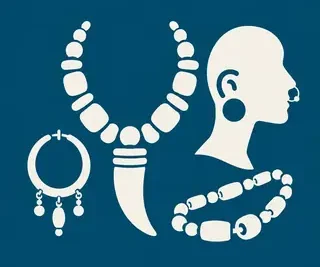 Personal Adornment: Jewelry, Beads & Body Modification
 Lithics & Stone Tool Technology: From Paleolithic to Neolithic
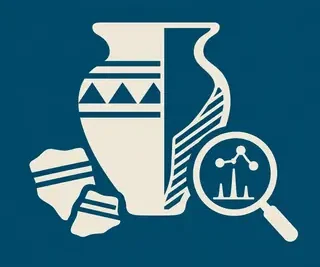 Pottery & Ceramics: Typology, Technology & Analysis
 Ancient Weaponry & Armor: Evolution and Use
 Art, Iconography & Symbolism in Material Culture
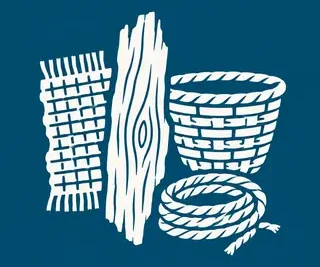 Organic Remains: Textiles, Wood, Basketry & Cordage
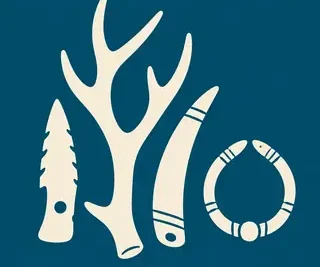 Bone, Antler & Ivory Artifacts: Tools, Art & Ornaments
 Metallurgy & Metal Artifacts: Bronze, Iron & Precious Metals
Artifact & Material Culture Studies (Thematic) at ArchaeologyHub.org
Delve into the physical remnants of ancient life through our thematic hub on artifact and material culture studies. Here, we analyze how objects—from humble tools to opulent treasures—were crafted, used, and symbolically charged across civilizations. Each subcategory offers peer-reviewed interpretations, technological breakdowns, and cross-regional comparisons, enriching your understanding of human ingenuity and societal evolution. Explore the materials that shaped history.
🔨 Metallurgy & Metal Artifacts: Bronze, Iron & Precious Metals
This section investigates the revolutionary impact of metalworking, tracing the transition from copper-base alloys to iron and the prized use of gold and silver. Expect detailed case studies on smelting techniques, alloy ratios (e.g., tin-bronze composition), and casting methods like lost-wax. Highlighted artifacts include Anatolian daggers, Roman silver denarii, and Viking iron axes, with geo-chemical sourcing data to reveal trade networks. Explore how metallurgy fueled warfare, status, and ritual economies.
🦴 Bone, Antler & Ivory Artifacts: Tools, Art & Ornaments
Explore the versatility of skeletal materials, used for both utilitarian and symbolic purposes. This subcategory covers manufacture processes—sawing, carving, polishing—and typologies such as harpoons, needles, combs, and figurative art. Key examples include Paleolithic Venus figurines in ivory, medieval bone dice, and antler projectile points. We also discuss preservation biases, identification of animal species, and the cultural significance of ivory in trade networks across Africa and Asia.
🧵 Organic Remains: Textiles, Wood, Basketry & Cordage
Rarely preserved, organic artifacts offer intimate glimpses into daily life. Here, read about waterlogged and desiccated discoveries like Egyptian linen, Andean cotton textiles, and prehistoric birch-bark canoes. Analytical techniques include microfossil pollen analysis for plant fibers and isotopic tracing for origin. Expect discussions on weaving technologies, cordage strength for fishing nets, and basketry motifs that encode ethnic identity. This section highlights experimental archaeology’s role in replication.
🎨 Art, Iconography & Symbolism in Material Culture
Unpack the meaning behind archaeological images, motifs, and forms. This subcategory decodes iconographic programs on pottery, frescos, stelae, and seals, linking them to mythologies and political propaganda. Methodological approaches include semiotic analysis and cross-cultural comparison—e.g., the sun motif in Minoan and Aztec contexts. We examine how color symbolism (purple dye, cinnabar) and animal representations (bull, eagle) conveyed power. Expect richly illustrated profiles of iconic artifacts.
⚔️ Ancient Weaponry & Armor: Evolution and Use
Trace the technological and tactical development of arms from early bronze spears to Roman lorica segmentata and medieval swords. This section provides typologies (e.g., gladius vs. spatha), metallographic analyses of blade hardening, and experimental combat testing. Contextual studies reveal distribution in burials and hoards, indicating warrior identity. We also cover projectile weaponry (sling stones, arrowheads) and defensive gear, plus the psychological impact of armor in battle.
🏺 Pottery & Ceramics: Typology, Technology & Analysis
As the most abundant artifact class, ceramics are key for dating and cultural inference. This subcategory covers classification by fabric, form, and decoration; manufacturing techniques (coiling, wheel-throwing); and firing atmospheres. Analytical methods include petrography, XRF, and residue analysis for food storage. Expect regional overviews—Greek black-figure, Chinese porcelain, Native American pueblo wares—and how ceramic styles spread through trade or migration. Learn to read a potsherd’s story.
🪨 Lithics & Stone Tool Technology: From Paleolithic to Neolithic
Discover the oldest surviving human technology, from simple Oldowan flakes to polished Neolithic axes. This subcategory details knapping techniques (Levallois, blade core reduction), raw material sourcing (flint, obsidian), and use-wear analysis to infer function. Key debates include the role of handaxes and the transition to ground stone. We present experimental flintknapping videos and case studies from sites like Olduvai Gorge and Çatalhöyük, highlighting cognitive evolution and craft specialization.
💍 Personal Adornment: Jewelry, Beads & Body Modification
Investigate how humans have adorned bodies to signal status, ethnicity, or spirituality. This section covers bead technologies (shell, stone, faience), metal jewelry (torcs, rings), and evidence for tattooing, scarification, and cranial modification. Social analyses link adornment to gender roles and exchange systems, e.g., Indus Valley carnelian beads. We also address the sensory experience—sound, weight, and movement—of wearing these ornaments. Explore funerary contexts where adornment reflects afterlife beliefs.
Frequently Asked Questions
What is the difference between artifact typology and technology?
Typology classifies artifacts based on shape, style, and decoration to establish chronological and cultural sequences—e.g., a “bell-beaker” type. Technology focuses on the manufacturing process, including raw material choice, techniques (flintknapping, potting), and thermal treatments. Both complement each other: typology tells you “what and when,” while technology explains “how and why,” revealing skill levels and cultural knowledge transmission.
Why are organic artifacts rare in archaeological contexts?
Organic materials like wood, leather, and textiles decay rapidly due to microbial activity and environmental exposure. They survive only under exceptional conditions: waterlogged (anaerobic) sites like the Oseberg ship burial, extremely arid deserts of Egypt, frozen contexts (Ötzi the Iceman), or charred deposits from fires. These “wet and dry” preserves allow us to study technologies otherwise invisible, providing a fuller picture of ancient lifeways.
How do archaeologists determine the provenance of metal artifacts?
They use geochemical fingerprinting, mainly lead-isotope analysis (LIA) and trace-element composition (e.g., arsenic, antimony) measured via mass spectrometry. These signatures are compared to known ore deposits—such as the Taurus Mountains for Anatolian silver or Cornish tin. This technique maps trade networks and can identify recycled metals, revealing economic shifts, territorial control, and long-distance maritime exchange in antiquity.
What can pottery sherds tell us beyond dating?
Beyond age, sherds reveal diet through lipid residue analysis (traces of olive oil, dairy), trade via non-local temper (e.g., volcanic sand), and manufacturing tradition via clay sources (petrographic thin sections). Decoration and form indicate cultural identity and function (storage vs. cooking). Metric analysis of rim diameters helps estimate pot volumes, essential for understanding rationing systems in palatial economies.
How is use-wear analysis performed on stone tools?
Use-wear analysts examine microscopic traces—edge rounding, striations, polish—on flaked or ground stone under high-powered microscopes (up to 200×). Different materials cause distinct polish (e.g., wood gives a bright, smooth sheen; bone yields a greasy texture). Experimental archaeology creates reference collections by replicating actions like cutting meat or sawing plant stems, allowing blind tests to interpret ancient tool functions accurately.