
The Economic Powerhouse of Jorvik: Industry, Craftsmanship, and International Trade

Welcome to ArchaeologyHub.org, your gateway to unraveling the past!
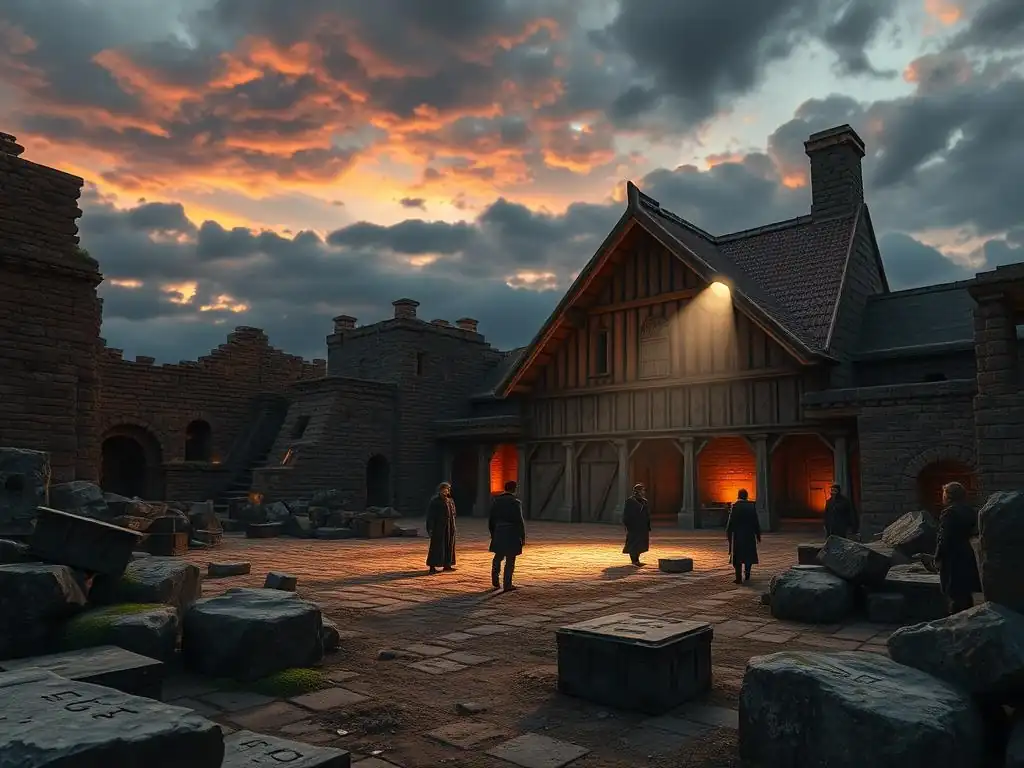
Delve into the fascinating world of archaeological discoveries and prepare to embark on a journey through time. This site is dedicated to providing in-depth knowledge of historical sites, excavation techniques, and the intricate stories behind ancient civilizations. Today, we're exploring the vibrant heart of Viking-age York, better known as Jorvik, and uncovering the secrets of its influence through Jorvik’s economic trade routes. How did this bustling city become a pivotal hub connecting the North Sea to the wider world? Join us as we excavate the evidence and piece together the tale of its remarkable prosperity.
- Introduction: Unveiling Jorvik's Economic Significance in the Viking Age
- Jorvik's Strategic Location and its Impact on Trade
- Craftsmanship in Jorvik: The Engine of Economic Growth
- Jorvik's International Trade Network: Routes and Commodities
- Archaeological Evidence of Trade in Jorvik
- The Impact of Trade on Jorvik's Urban Development
- Decline and Legacy of Jorvik's Economic Power
- Conclusion: Jorvik – A Testament to Viking Economic Prowess
-
Frequently Asked Questions
- How did Jorvik's geographical location influence its trade routes?
- What were the primary industries that fueled Jorvik's economy?
- What types of goods were commonly traded into and out of Jorvik?
- How did the discovery of artifacts contribute to understanding Jorvik's trade networks?
- What evidence suggests Jorvik's economic power and influence in the Viking Age?
- Final Reflection: Echoes of Jorvik's Prosperity
- Unleash Your Inner Viking Trader!
Introduction: Unveiling Jorvik's Economic Significance in the Viking Age
Jorvik: A Key Viking Age Trading Hub in England
Jorvik, the Viking Age iteration of modern-day York, emerged as a pivotal urban center and a dominant economic force in England following its capture by the Great Heathen Army in 866 AD. This strategic takeover transformed the former Anglo-Saxon settlement of Eoforwic into a bustling Scandinavian hub, rapidly integrating it into the extensive Viking trade networks that spanned across Northern Europe. Its unique position as a significant inland port and administrative center allowed it to flourish, attracting settlers, merchants, and artisans from across the Viking world and beyond.
At its zenith, Jorvik was not merely a military stronghold but a vibrant city with an estimated population reaching several thousand, making it one of the largest settlements in Viking Age Britain. This substantial population supported a complex economy, moving beyond subsistence agriculture to embrace specialized crafts, extensive manufacturing, and sophisticated trade practices. The city's growth was intrinsically linked to its economic vitality, serving as a magnet for wealth and innovation within the Danelaw and the wider Anglo-Scandinavian sphere.
Archaeological Evidence: Exploring Viking Age Economics and Trade
The economic life of Viking Age Jorvik has been meticulously reconstructed through extensive archaeological excavations, most notably the groundbreaking work at Coppergate by the York Archaeological Trust. The waterlogged conditions of the site provided exceptional preservation of organic materials, offering an unparalleled window into the daily lives, industries, and commercial activities of its inhabitants. This rich archaeological record encompasses everything from the remains of workshops and tools to vast quantities of raw materials, finished products, and an astonishing array of trade goods.
These material remains provide concrete evidence of Jorvik's multifaceted economy, illustrating a society deeply engaged in both local production and international commerce. The analysis of artifacts, such as animal bones, timber structures, leather goods, and textiles, alongside more exotic imports like amber and foreign pottery, allows archaeologists to piece together the intricate web of economic interactions. This tangible evidence challenges simplistic notions of Viking society, revealing a highly organized and economically sophisticated urban center that thrived on trade and skilled craftsmanship.
Jorvik's Strategic Location and its Impact on Trade
The River Ouse: Jorvik's Lifeline for Commerce
The River Ouse was undeniably Jorvik's most crucial natural asset, serving as the city's primary artery for commerce and communication. Its navigability allowed seagoing vessels, though of relatively shallow draft, to travel inland from the Humber Estuary, directly reaching the heart of Jorvik. This direct access to the North Sea connected Jorvik to the vast maritime highways of the Viking world, enabling the efficient transport of bulk goods, raw materials, and finished products both to and from the city's quaysides.
Archaeological investigations along the Ouse have uncovered evidence of extensive waterfront activity, including timber revetments, jetties, and wharves, indicating a bustling port infrastructure. While complete boat remains are rare, fragments and associated maritime tools underscore the river's constant use for trade. The river not only facilitated long-distance international trade but also served as a vital conduit for distributing goods inland across the rich agricultural plains of Yorkshire, solidifying Jorvik's role as a central redistribution point.
Geographic Advantages: Connecting Jorvik to Wider Trade Networks
Beyond the immediate advantage of the River Ouse, Jorvik's broader geographic position in northern England provided significant strategic benefits for its economic ascendancy. Situated at the convergence of several natural routes and ancient Roman roads, the city acted as a natural nexus for overland trade within Britain. This allowed goods to be efficiently moved between the fertile agricultural regions of the Midlands, the mineral-rich areas of the Pennines, and the coastal trading posts.
This advantageous location positioned Jorvik as a critical node in Jorvik's economic trade routes, linking the British Isles with Scandinavia, Ireland, and continental Europe. Merchants could readily access both maritime and terrestrial networks, ensuring a steady flow of diverse commodities. This interconnectedness was a cornerstone of Jorvik's prosperity, enabling it to function as a major transshipment point where goods from various regions converged, were processed, and then redistributed, fostering a dynamic and profitable commercial environment.
Craftsmanship in Jorvik: The Engine of Economic Growth
The Thriving Industries of Viking Age Jorvik
Jorvik's economic power was not solely reliant on its role as a trading hub; it was equally underpinned by a vibrant and highly specialized industrial base. The city was a significant center for manufacturing, where raw materials were transformed into valuable goods, both for local consumption and for export. This internal economic engine provided a stable foundation for the broader commercial activities, ensuring that Jorvik was not just a marketplace but also a producer of high-quality merchandise.
The scale of production in Jorvik suggests a sophisticated organization of labor and resources. Evidence points to the existence of distinct craft quarters, where artisans specializing in particular trades operated in close proximity. This concentration of expertise fostered innovation and efficiency, allowing for mass production of certain items. The diverse range of industries, from textiles and leatherworking to metalworking and bone carving, ensured a resilient economy capable of adapting to varying market demands.
Evidence of Specialized Craft Production: Workshops and Artifacts
Archaeological excavations at Coppergate have provided compelling evidence for the systematic and specialized nature of craft production in Jorvik. The remains of numerous workshops have been identified, characterized by specific tools, raw material offcuts, and waste products associated with particular crafts. For instance, areas with large quantities of antler and bone fragments, alongside saws and awls, clearly indicate comb-making or bone-working workshops. Similarly, crucibles, slag, and metal fragments point to metalworking activities.
These findings allow archaeologists to reconstruct the production processes and estimate the output of these industries. The sheer volume of certain types of artifacts, such as combs, pins, and leather shoes, suggests a level of production far exceeding the needs of the local population alone, indicating a significant surplus for trade. This tangible evidence underscores the sophisticated industrial capacity that fueled Jorvik's economic growth and its prominence within Jorvik's economic trade routes.
Metalworking, Amber Carving, and Comb Making
Metalworking was a cornerstone of Jorvik's industrial output. Artisans worked with iron to produce a range of tools, weapons, and domestic implements, essential for daily life and warfare. Evidence includes smithing hearths, slag heaps, and a variety of iron objects. Bronze and silver were also extensively worked, primarily for jewelry, ornaments, and coinage. Finds of molds, crucibles, and finely crafted brooches, rings, and pendants attest to a high level of skill and artistic sophistication among Jorvik's metalworkers.
Amber carving was another significant industry, with raw amber imported from the Baltic region and transformed into beads, rings, and intricate pendants. Thousands of amber fragments and unfinished pieces indicate large-scale production. Equally prominent was comb making from bone and antler. The discovery of tens of thousands of comb fragments and manufacturing waste at Coppergate demonstrates an industrial-scale operation. These combs, often decorated, were highly sought after and likely formed a significant export commodity within Jorvik's economic trade routes, showcasing the city's mastery of specialized crafts.
Jorvik's International Trade Network: Routes and Commodities
Jorvik’s Economic Trade Routes: A Detailed Overview
Jorvik's strategic location and well-developed port facilities enabled it to become a central node in an extensive network of Jorvik's economic trade routes that stretched across Northern Europe. The primary maritime routes connected Jorvik directly to Scandinavia, particularly Norway and Denmark, via the North Sea. Merchants navigated these waters, bringing goods from distant lands and distributing local products. Further connections extended to the Baltic Sea, often indirectly through major trading centers like Hedeby and Birka, allowing access to resources from Eastern Europe.
The Irish Sea routes were equally vital, linking Jorvik with the flourishing Viking settlements in Ireland, most notably Dublin, which was another major hub. These routes facilitated the exchange of goods and cultural influences across the Irish Sea. Beyond these maritime connections, overland routes allowed for internal trade within Britain, ensuring that Jorvik could both collect and distribute commodities efficiently. These diverse and well-established routes were fundamental to Jorvik's prosperity, ensuring a constant flow of valuable goods.
Tracing the Flow of Goods: Imports and Exports in Jorvik
The archaeological record of Jorvik provides a detailed picture of the commodities that flowed through its markets. Key imports included valuable raw materials like amber from the Baltic, honestone (whetstones) from Norway, and walrus ivory from the Arctic regions. Furs, a staple of Scandinavian trade, also arrived in Jorvik. Finished goods included pottery, such as Pingsdorf ware from the Rhineland, quernstones for grinding grain, and even exotic items like silk fragments from as far as Byzantium or the Islamic world, testament to the far-reaching nature of Jorvik's economic trade routes.
In terms of exports, Jorvik likely traded in significant quantities of wool and textiles, given England's strong agricultural base. Agricultural produce, such as grains and livestock, would have been traded with less fertile regions. A grim, but undeniable, export was enslaved people, a common commodity in Viking Age trade. Additionally, Jorvik's own high-quality crafts, particularly metalwork, amber carvings, and bone combs, would have found markets abroad, complementing the transshipment of goods brought from other parts of England.
Scandinavia represented Jorvik's most significant trading partner, a relationship evidenced by the striking similarities in material culture, architectural styles, and the sheer volume of Scandinavian-origin artifacts found in Jorvik. Trade links with Norway and Denmark were particularly strong, facilitating the exchange of goods like soapstone vessels, honestones, and furs for English wool and other commodities. This close relationship was a cornerstone of Jorvik's economic trade routes.
Ireland, especially the Viking city of Dublin, was another crucial partner. The Irish Sea provided a direct conduit for trade, with Jorvik importing goods like Irish silver and perhaps some livestock, while exporting English produce and manufactured items. This reciprocal trade strengthened the economic ties across the Irish Sea. Beyond these immediate Viking spheres, Jorvik also maintained commercial links with Continental Europe, primarily through the Rhineland, as indicated by the presence of distinctive Rhenish pottery. These connections underscore Jorvik's integration into a truly international mercantile system.
Archaeological Evidence of Trade in Jorvik
Material Culture as Indicators of Trade Connections
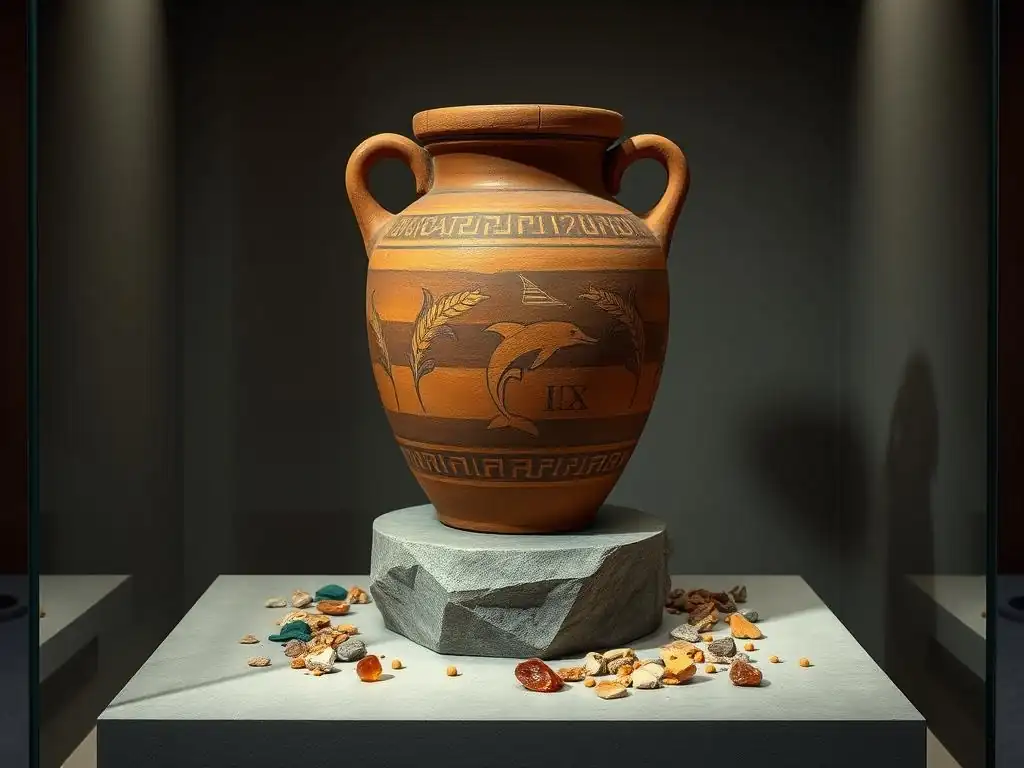
The archaeological findings in Jorvik offer tangible proof of its extensive trade connections through the analysis of material culture. The presence of non-local artifacts, particularly those with distinct geographical origins, serves as direct evidence of imports. For example, large quantities of honestone from Eidsborg in Norway, a specific type of fine-grained schist, have been identified, indicating regular trade with Scandinavia. Similarly, amber, found in abundance, points to Baltic sources, while soapstone vessels also confirm Norwegian origins.
The distribution of specific pottery types, such as Pingsdorf ware from the Rhineland and various types of Anglo-Saxon and imported wares, further illustrates the breadth of Jorvik's trade network. These finds, often alongside local crafts, paint a vivid picture of a city where goods from across Europe and beyond converged. The sheer diversity and volume of these imported items underscore Jorvik's role as a major hub within Jorvik's economic trade routes, a place where goods were not only consumed but also likely re-exported.
Coinage and Currency: Insights into Jorvik's Economic Activity
The discovery of numerous coins and coin hoards provides invaluable insights into Jorvik's sophisticated monetary economy. Jorvik itself minted its own coinage, particularly under its Viking kings, such as King Cnut, demonstrating a degree of economic autonomy and control. These coins circulated alongside a wide array of foreign currency, reflecting the city's international trade links. Finds include Anglo-Saxon pennies, Carolingian deniers from Francia, and, most notably, large numbers of Islamic dirhams.
The presence of over 300 Islamic dirhams across Viking Age England, many likely passing through major centers like Jorvik, highlights the vast reach of Viking trade, extending as far as the Middle East through the Volga and Dnieper river systems. While these dirhams were often used as bullion (hack silver) rather than currency, their presence signifies the wealth and global connections of Jorvik's merchants. The use of both local coinage and foreign currency, alongside hack silver, points to a flexible and adaptable economic system capable of facilitating complex transactions across Jorvik's economic trade routes.
Weights, Scales, and Exotic Goods
The widespread discovery of weights and scales in Jorvik further emphasizes the importance of standardized measurement in its commercial activities. These tools, varying in size and material from lead to bronze, were essential for ensuring fair exchange in a bullion-based economy where goods were often valued by weight. Their presence in various contexts, from workshops to domestic settings, indicates a pervasive culture of trade and precise economic transactions.
Beyond everyday commodities, the archaeological record also yields evidence of truly exotic goods, showcasing the far-reaching nature of Jorvik's economic trade routes. Fragments of silk, originating from distant Byzantine or Islamic lands, and highly decorative glass beads from various European and Eastern production centers, attest to the luxury goods that found their way to Jorvik. These rare and valuable items not only signify the wealth of certain inhabitants but also confirm Jorvik's position as a significant terminus and redistribution point for long-distance luxury trade, reflecting its status as a major international emporium.
The Impact of Trade on Jorvik's Urban Development
Population Growth and Urban Expansion Driven by Trade
The economic prosperity generated by Jorvik's thriving trade and industry directly fueled significant population growth and subsequent urban expansion. As a magnet for merchants, artisans, and laborers, the city's population swelled considerably during the Viking Age. Estimates suggest that at its peak, Jorvik could have housed between 10,000 and 15,000 inhabitants, making it one of the largest and most densely populated urban centers in Britain at the time. This demographic boom was a direct consequence of the economic opportunities available within the city.
This rapid growth necessitated a substantial expansion of the urban fabric. Archaeological evidence reveals the systematic development of new residential and commercial areas, often characterized by tightly packed timber-framed buildings along well-defined streets and alleyways. The waterfront infrastructure, including wharves and jetties, was continually improved and extended to handle the increasing volume of goods. This urban development was a testament to the economic dynamism that transformed Jorvik from a regional center into a major international trading hub, deeply intertwined with Jorvik's economic trade routes.
The wealth generated by trade and specialized craftsmanship in Jorvik led to a more pronounced social stratification within its urban society. While the Viking Age is often associated with warriors and farmers, Jorvik's economy fostered the rise of a distinct merchant class (known as kaupmenn), as well as highly skilled artisans and craftsmen. These groups accumulated wealth and influence, creating a more complex social hierarchy than might be found in purely agrarian settlements.
Archaeological evidence supports this stratification through variations in the size and quality of housing, as well as the richness of burial goods. While many residents lived in relatively modest timber dwellings, some larger, more elaborate structures have been identified, potentially belonging to wealthier merchants or elite craftsmen. This growing economic disparity shaped the social landscape of Jorvik, with access to trade networks and control over valuable commodities becoming key determinants of status and power within the city.
Housing and Burial Goods
Excavations in Jorvik have revealed a fascinating array of housing types, predominantly timber-framed structures, which reflect the social and economic diversity of its inhabitants. While the typical dwelling was a rectangular, single-room building with a central hearth, variations in size, construction quality, and associated finds suggest differing levels of prosperity. Some buildings show evidence of more elaborate internal fittings or greater access to imported materials, indicating a higher status. The close proximity of domestic spaces and workshops further highlights the city's integrated economic and social life.
The analysis of burial goods provides another powerful insight into Jorvik's social stratification and its connection to trade. Graves excavated in and around Jorvik have yielded a range of grave goods, from simple personal adornments to elaborate weaponry, tools, and imported luxury items. Richer burials often contain exotic materials such as amber beads, silver ornaments, and foreign coins, directly linking the deceased's status to their access to the extensive Jorvik's economic trade routes. These finds underscore how economic success and participation in trade directly influenced social standing and cultural display in Viking Age Jorvik.
Decline and Legacy of Jorvik's Economic Power
Factors Contributing to the Decline of Jorvik's Trade Dominance
The eventual decline of Jorvik's independent Viking trade dominance was primarily influenced by shifting political landscapes rather than a sudden economic collapse. The re-establishment of Anglo-Saxon control over Jorvik in 954 AD, culminating in the expulsion of the last Viking king, Eric Bloodaxe, marked a significant turning point. While York remained an important regional center, its unique status as an independent Viking trading emporium diminished under Anglo-Saxon rule, potentially leading to a gradual reorientation of trade patterns within England.
Furthermore, the rise of other competing urban centers, particularly London, which increasingly consolidated its position as England's primary economic hub in the later Anglo-Saxon period, might have drawn away some of Jorvik's long-distance trade. While York certainly retained its economic importance for centuries thereafter, the peak of its distinct Viking Age economic prowess, fueled by its unique position within the Scandinavian sphere, began to wane as England unified under a single crown and new trade dynamics emerged.
The Enduring Legacy of Jorvik as a Viking Age Trading Center
Despite the political changes that eventually led to the end of its independent Viking rule, Jorvik's legacy as a major Viking Age trading center remains profound. Its established infrastructure, including its riverine port and its network of internal and external trade connections, ensured that York continued to be a significant economic player for centuries. The city's strategic location and its rich agricultural hinterland provided a strong foundation that persisted beyond the Viking Age.
More importantly, the archaeological record of Jorvik provides an unparalleled wealth of information about Viking Age urbanism, industry, and commerce. The exceptional preservation at sites like Coppergate has allowed historians and archaeologists to reconstruct in vivid detail the daily lives of its inhabitants, their sophisticated craftsmanship, and the intricate web of Jorvik's economic trade routes. This enduring legacy continues to inform our understanding of the economic sophistication of the Viking world, presenting a nuanced view that goes far beyond traditional perceptions of raiding and conquest.
Conclusion: Jorvik – A Testament to Viking Economic Prowess
The Importance of Understanding Jorvik's Economic History
Understanding the economic history of Jorvik is crucial for a comprehensive appreciation of the Viking Age. It challenges the simplistic, often one-dimensional, portrayal of Vikings solely as raiders and warriors, revealing instead a highly sophisticated and entrepreneurial people deeply engaged in international trade, urban development, and advanced craftsmanship. Jorvik stands as a prime example of a thriving Viking Age city that leveraged its strategic location and industrial capacity to become a major economic powerhouse in Northern Europe.
Jorvik's story demonstrates the complex interplay between political power, geographic advantage, technological innovation, and human ingenuity in fostering economic growth. It highlights how urban centers like Jorvik served as vital nodes in a vast, interconnected mercantile system that spanned continents, moving goods, ideas, and people across great distances. The detailed archaeological record offers a unique and invaluable window into these intricate economic systems, proving that Viking expansion was as much about trade and settlement as it was about conquest.
Future Research Directions in Jorvik's Archaeological Record
Despite the extensive archaeological work conducted in Jorvik, particularly at Coppergate, the city's economic history continues to offer fertile ground for future research. Ongoing analysis of existing collections, utilizing new scientific techniques such as isotope analysis for pinpointing the origin of materials or residue analysis for understanding craft processes, promises to yield even more nuanced insights into Jorvik's economic trade routes and industrial output. Further excavations in previously unexplored areas of the city could uncover additional workshops, market areas, or residential zones, broadening our understanding of its spatial economic organization.
Moreover, comparative studies with other major Viking Age trading centers, such as Dublin, Birka, or Hedeby, could illuminate broader patterns and unique characteristics of Jorvik's economy within the wider Viking world. Research focusing on the environmental impact of Jorvik's industries, the social dynamics of its merchant class, or the specific types of vessels used for riverine and maritime trade could also contribute significantly. The archaeological record of Jorvik is a dynamic resource, continually offering new avenues for exploring the profound economic prowess of the Viking Age.
Frequently Asked Questions
How did Jorvik's geographical location influence its trade routes?
Jorvik's strategic location on the River Ouse provided easy access to the North Sea, making it a crucial port for international trade. This facilitated connections with other Viking settlements and beyond.
What were the primary industries that fueled Jorvik's economy?
Key industries included craftsmanship in metalworking, particularly in silver and copper, and wool production. These goods were highly sought after and traded extensively.
What types of goods were commonly traded into and out of Jorvik?
Jorvik exported crafted goods and raw materials like wool and lead. Imports included luxury items, spices, and silver from across Europe and the Middle East.
How did the discovery of artifacts contribute to understanding Jorvik's trade networks?
The discovery of imported artifacts, such as Samian ware pottery and Frankish swords, provides direct evidence of Jorvik's extensive trading connections. These finds illuminate the scope of its international reach.
What evidence suggests Jorvik's economic power and influence in the Viking Age?
The sheer volume and variety of goods unearthed in Jorvik, coupled with its organized urban layout and infrastructure, attest to its status as a major economic hub in the Viking world.
Final Reflection: Echoes of Jorvik's Prosperity
The exploration of Jorvik's economic prowess, particularly its intricate network of Jorvik's economic trade routes, reveals more than just historical data; it underscores the enduring principles of successful economic ecosystems. The lessons learned from Jorvik's ability to leverage industry, craftsmanship, and international trade resonate powerfully today, reminding us that diversification and strategic partnerships are crucial for sustained growth in any era.
The story of Jorvik is not just a tale of the past; it's a mirror reflecting our present and future economic challenges and opportunities. The resilience and adaptability demonstrated by the people of Jorvik, their willingness to embrace innovation and engage in global exchange, continue to inspire. The wealth of nations is derived not from the abundance of resources, but from the ingenuity and industry of its people.
This sentiment, though timeless, finds a particularly poignant echo in the bustling streets and thriving markets of Viking-age Jorvik.
As we close this chapter on Jorvik's economic legacy, let us carry forward the spirit of innovation and collaboration that defined its success. Consider how you can apply these principles in your own endeavors, fostering connections, embracing new ideas, and building a future as vibrant and prosperous as the one forged centuries ago along Jorvik's economic trade routes.
Unleash Your Inner Viking Trader!
Thanks for delving into the vibrant economy of Jorvik! We hope you've enjoyed discovering the industrial might and craftsmanship that fueled this Viking Age hub. Now it's time to channel that knowledge into action.
Here are a few ways to further explore the legacy of Jorvik:
- Visit your local museum and discover Viking artifacts from your area. You never know what traces of Viking trade you might uncover!
- Dive deeper! Research a specific craft mentioned in the article, like comb-making or metalworking, and find modern artisans who carry on those traditions.
- Share your favorite fact from this article with a friend and spark a conversation about the global connections of the Viking Age.
What modern innovation do you think would most impress a Jorvik trader?