
Saidu Sharif Stupa and Monastery: Archaeological Discoveries and Significance in Swat

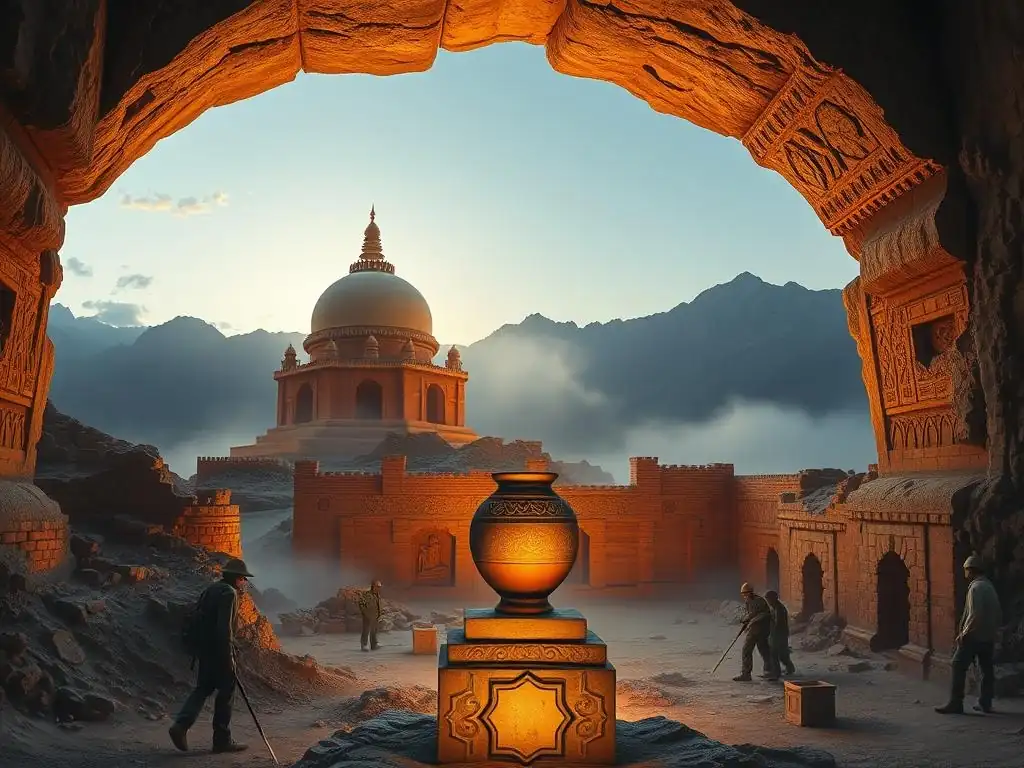
Welcome to ArchaeologyHub.org, your digital gateway to the past!
Unearth the secrets of ancient civilizations as we delve into a world of archaeological wonders. Are you ready to explore the rich tapestry of history hidden beneath our feet? Our latest discovery takes us to the Swat Valley, where we unravel the intriguing Saidu Sharif Stupa History. This isn't just about stones and relics; it's a journey through time, offering a unique perspective on the Buddhist legacy in the region.
Discover the stories etched into every brick and artifact, and uncover the significance of this remarkable site. But what makes Saidu Sharif so historically important, and what secrets are still waiting to be revealed? Keep reading to find out...
- Introduction to Saidu Sharif: A Crossroads of Ancient Buddhist Influence
- Archaeological Excavations at Saidu Sharif: Unveiling the Past
- The Architecture of Saidu Sharif: A Study in Gandharan Influences
- Saidu Sharif Stupa History: Tracing its Development Through Time
- Religious Art and Iconography at Saidu Sharif: Insights into Buddhist Practices
- Artifacts Unearthed at Saidu Sharif: A Glimpse into Monastic Life and Devotion
- The Importance of Saidu Sharif for Understanding Ancient Gandharan History
- Preservation and Conservation Efforts at Saidu Sharif
- Saidu Sharif: A Legacy of Ancient Buddhist Civilizations
-
Frequently Asked Questions
- ### What is the Saidu Sharif Stupa, and where is it located?
- ### What is the historical significance of the Saidu Sharif Stupa?
- ### What types of archaeological discoveries have been made at the Saidu Sharif Stupa site?
- ### How does the Saidu Sharif Stupa contribute to our understanding of ancient civilizations in the Swat Valley?
- ### What excavation techniques were used at Saidu Sharif, and how have they contributed to our knowledge of the site?
- Final Reflection: Echoes of Enlightenment in the Swat Valley
- Unearth Your Inner Explorer!
Introduction to Saidu Sharif: A Crossroads of Ancient Buddhist Influence
Locating Saidu Sharif: Context within Ancient Buddhist Routes
The archaeological site of Saidu Sharif, nestled in the picturesque Swat Valley of present-day Khyber Pakhtunkhwa, Pakistan, represents a pivotal point in the ancient Buddhist landscape of Gandhara. Situated approximately 5 kilometers from Mingora, the region's main city, Saidu Sharif's strategic location along ancient trade routes facilitated its growth as a significant religious and cultural hub. These routes, connecting Central Asia with the Indian subcontinent, were instrumental in the dissemination of Buddhist thought and art, making sites like Saidu Sharif vital conduits for cultural exchange.
The Swat Valley, known in antiquity as Uddiyana, was a renowned center for Buddhist learning and pilgrimage, celebrated in the accounts of Chinese pilgrims like Faxian and Xuanzang, who visited the region between the 5th and 7th centuries CE. Their writings describe numerous monasteries and stupas, hinting at the valley's spiritual vibrancy. Saidu Sharif, with its prominent stupa and extensive monastic complex, stands as a tangible testament to this rich Saidu Sharif Stupa history and its profound impact on the region's religious fabric, drawing pilgrims and scholars alike.
The Historical Significance of Saidu Sharif in Gandharan Buddhism
Saidu Sharif holds immense historical significance as one of the most well-preserved and extensively excavated Buddhist sites in Gandhara. Its origins trace back to the Kushan period, a time when Buddhism flourished under imperial patronage and Gandharan art reached its zenith. The site's continuous occupation and development over several centuries provide invaluable insights into the evolution of Buddhist architecture, monastic life, and religious practices in the region.
The importance of Saidu Sharif extends beyond its architectural grandeur; it serves as a critical window into the socio-economic and spiritual landscape of ancient Swat. The artifacts unearthed here, ranging from votive offerings to daily implements, paint a vivid picture of the community that thrived around this sacred center. Understanding the Saidu Sharif Stupa history helps scholars reconstruct the broader narrative of Buddhism's spread and adaptation in diverse cultural contexts, highlighting its role as a spiritual beacon for centuries.
Archaeological Excavations at Saidu Sharif: Unveiling the Past
Early Excavation Efforts and Key Discoveries
The formal archaeological exploration of Saidu Sharif began in the mid-20th century, particularly driven by the Italian Archaeological Mission (ISMEO, later IsIAO) to Pakistan, led by Professor Giuseppe Tucci. Initial surveys and preliminary excavations in the 1950s and 60s brought to light the sheer scale and importance of the site, revealing the main stupa and portions of the surrounding monastic complex. These early efforts focused on establishing the site's layout and chronological sequence, confirming its Gandharan Buddhist affiliation.
Key early discoveries included a multitude of stucco and stone sculptures, which provided crucial evidence of the Gandharan artistic style prevalent at Saidu Sharif. These artifacts often depicted Buddha and Bodhisattvas, alongside scenes from the Jataka tales, offering insights into the religious narratives popular at the time. The meticulous documentation of these finds laid the groundwork for a deeper understanding of Saidu Sharif Stupa history and its place within the broader Gandharan artistic tradition.
Italian Archaeological Mission's Contributions to Saidu Sharif's Understanding
The Italian Archaeological Mission's sustained efforts, spanning several decades from the 1960s onwards, have been instrumental in the comprehensive understanding of Saidu Sharif. Under the leadership of scholars like Domenico Faccenna, the mission undertook systematic and extensive excavations, meticulously documenting the architectural phases and uncovering the full extent of the monastic complex, including numerous cells, assembly halls, and subsidiary stupas. Their work established a detailed stratigraphic sequence, allowing for precise dating of different construction periods.
The Italian mission's detailed reports and publications have become foundational texts for the study of Gandharan archaeology. They not only cataloged thousands of artifacts but also provided sophisticated analyses of the site's urban planning, religious practices, and socio-economic context. This rigorous approach significantly advanced the understanding of Saidu Sharif Stupa history, detailing its evolution from a modest shrine to a sprawling monastic university, and solidifying its status as a premier archaeological site.
Layers of Religious Development: Stratigraphic Analysis of the Site
The stratigraphic analysis conducted at Saidu Sharif has revealed a complex history of construction, destruction, and reconstruction, reflecting centuries of religious activity and external influences. Excavators identified multiple distinct building phases, primarily dating from the 1st century CE through the 5th-6th centuries CE, with evidence of earlier and later occupation. The earliest structures are typically associated with the Kushan period, characterized by monumental stupa construction, while later phases show modifications and additions to the monastic quarters.
This layered development provides a chronological framework for tracing the site's growth and adaptation. For instance, the main stupa underwent several enlargements and renovations, indicating continuous veneration and investment. The accumulation of votive deposits and the stylistic evolution of sculptures within different strata offer a tangible timeline of the site's religious practices and artistic trends, enriching our understanding of Saidu Sharif Stupa history and the broader trajectory of Buddhism in Gandhara.
The Architecture of Saidu Sharif: A Study in Gandharan Influences
Architectural Features of the Saidu Sharif Stupa: Design and Evolution
The main stupa at Saidu Sharif is a quintessential example of Gandharan stupa architecture, characterized by its impressive scale and intricate decorative elements. It features a high cylindrical drum, surmounted by a hemispherical dome, and topped with a harmika and chhatravalis (honorific umbrellas). The stupa is set upon a square or rectangular plinth, which often includes multiple terraces for circumambulation (pradakshina). The plinth and drum surfaces were originally adorned with stucco and schist sculptures depicting Buddhist narratives and figures.
Over its long Saidu Sharif Stupa history, the stupa underwent several phases of enlargement and embellishment, reflecting changing architectural tastes and increased patronage. For instance, early phases might have featured simpler designs, while later additions incorporated more elaborate sculptural programs and architectural refinements, such as multiple staircases and additional chapels. This evolution showcases the dynamic nature of Gandharan architectural practice and the continuous effort to enhance the sacred space.
The Monastery Complex: Layout and Functionality
Adjacent to the main stupa lies the extensive monastic complex, designed to accommodate a large community of monks and pilgrims. The layout typically follows a quadrangular plan, with rows of monastic cells (viharas) arranged around a central courtyard. This courtyard often contained a smaller votive stupa or a shrine, serving as a focal point for communal activities and meditation. Other essential structures within the complex included assembly halls (uposathagharas), refectories, kitchens, and possibly libraries.
The meticulous planning of the Saidu Sharif monastery reflects the highly organized nature of Buddhist monastic life. The arrangement of cells provided private quarters for individual monks, while the larger communal spaces facilitated teaching, rituals, and shared meals. The complex's design optimized for both spiritual contemplation and practical living, illustrating the sophisticated understanding of monastic needs that developed over the long Saidu Sharif Stupa history.
Decorative Elements: Sculptures, Reliefs, and Building Materials
The architectural components of Saidu Sharif were richly embellished with a combination of schist stone carvings and stucco sculptures. Schist, a locally available stone, was primarily used for more formal, robust reliefs, often depicting scenes from the life of Buddha or Jataka tales. These panels adorned the plinth and drum of the stupa, as well as the walls of chapels and shrines within the monastic complex.
Stucco, on the other hand, allowed for greater artistic fluidity and detail, often used for figures of Buddha, Bodhisattvas, and other divine beings. These stucco figures were frequently painted in vibrant colors, adding to the visual splendor of the site. The extensive use of both materials demonstrates the diverse artistic techniques employed by Gandharan craftsmen throughout the Saidu Sharif Stupa history, creating a visually stunning and spiritually evocative environment for devotees.
Saidu Sharif Stupa History: Tracing its Development Through Time
The Kushan Period and Early Phases of Construction
The earliest and most significant phase of construction at Saidu Sharif dates back to the Kushan period, primarily from the 1st to 3rd centuries CE. This era witnessed the flourishing of Buddhism in Gandhara under the patronage of Kushan emperors like Kanishka. During this time, the foundational structures of the main stupa and the initial monastic complex were established. The architecture and art from this period show strong Gandharan characteristics, blending Hellenistic influences with indigenous Buddhist themes.
This period marks the true genesis of the Saidu Sharif Stupa history as a major pilgrimage and monastic center. The scale of the initial construction suggests substantial resources and a dedicated community, indicating the site's rapid ascent in importance within the Buddhist network of Gandhara. The strategic location and the spiritual fervor of the time contributed to its early prosperity and expansion.
Periods of Later Buddhist Influence: Evidence from Inscriptions and Artifacts
Following the Kushan period, Saidu Sharif continued to thrive, albeit with periods of change and adaptation. Archaeological evidence suggests continuous occupation and renovation through the 4th, 5th, and possibly even 6th centuries CE, corresponding to the decline of the Kushans and the rise of later regional powers. Inscriptions, though relatively few compared to Taxila, and stylistic changes in later artifacts provide clues about these subsequent phases of Saidu Sharif Stupa history.
For example, certain stucco figures exhibit stylistic developments that suggest later artistic trends, possibly influenced by Gupta art from India, indicating ongoing cultural exchange. The presence of later pottery types and the remodelling of monastic cells also point to sustained activity and evolving needs of the monastic community, even as the political landscape of Gandhara shifted.
Decline and Abandonment: Factors Contributing to its Demise
The eventual decline and abandonment of Saidu Sharif, like many other Gandharan sites, is attributed to a combination of factors. The most prominent among these was the invasion of the Huns (Hephthalites) in the late 5th and early 6th centuries CE. These invaders, often hostile to Buddhist institutions, caused widespread destruction across Gandhara, leading to the abandonment of many monasteries and stupas.
While some sites might have seen partial revival, Saidu Sharif appears to have suffered significant damage, leading to its eventual desertion as a major religious center. Over centuries, natural processes like erosion and silting, combined with human activities such as stone robbing, further contributed to its burial and preservation until modern archaeological efforts brought its rich Saidu Sharif Stupa history back to light.
Religious Art and Iconography at Saidu Sharif: Insights into Buddhist Practices
Depictions of Buddhist Deities and Jataka Tales
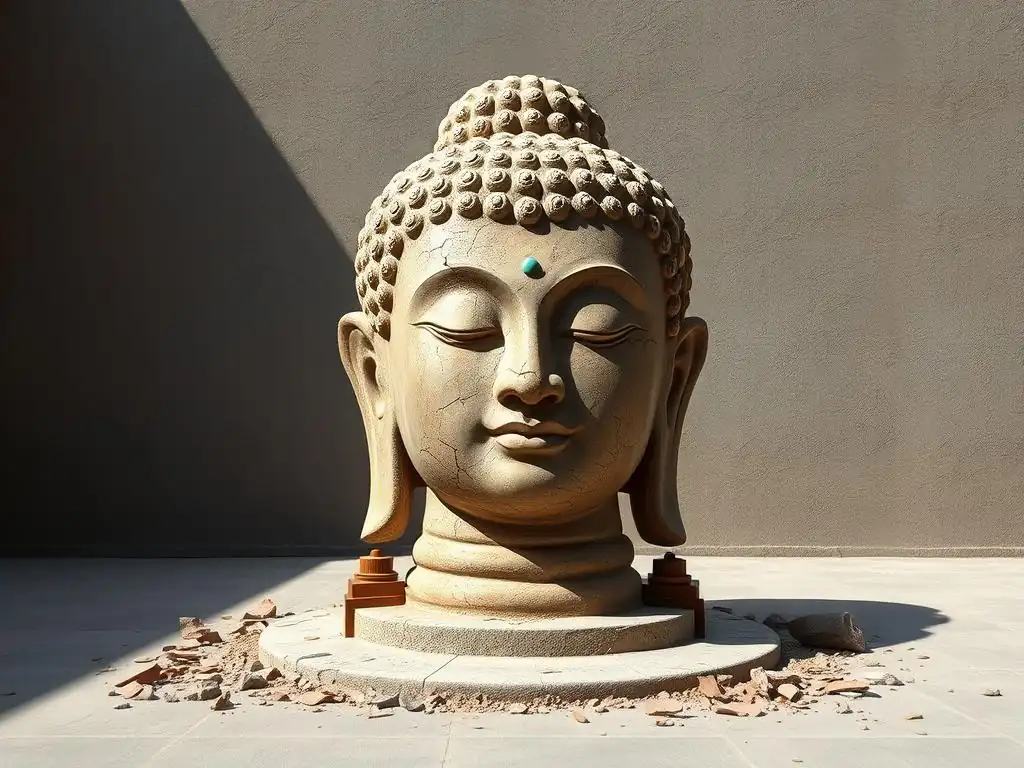
The art of Saidu Sharif is predominantly Buddhist, showcasing a rich repertoire of images and narratives. The most common depictions include various forms of Buddha, such as the teaching Buddha, the meditating Buddha, and the ascetic Buddha. Bodhisattvas, particularly Avalokiteshvara and Maitreya, are also frequently portrayed, often with elaborate jewelry and serene expressions, reflecting their compassionate nature. These figures were rendered in both schist and stucco, adorning the stupa and monastic chapels.
Beyond individual figures, the walls of the stupa and monastic shrines were often embellished with narrative reliefs illustrating the Jataka tales—stories of Buddha's previous lives—and significant events from his final life, such as the Great Departure, the Enlightenment, and the First Sermon. These visual narratives served an educational purpose, conveying moral lessons and reinforcing Buddhist doctrines for the monastic community and pilgrims, thereby enriching the understanding of Saidu Sharif Stupa history as a center of religious instruction.
Absence/Limited Depictions of Other Deities
Unlike some other Gandharan sites, such as Taxila, which show a more pronounced syncretism with Greek and other local deities, the art at Saidu Sharif appears to be almost exclusively Buddhist in its iconography. While Gandharan art, in general, integrated Hellenistic artistic conventions (e.g., drapery, anatomical realism), the pantheon depicted at Saidu Sharif remains focused on the Buddhist cosmos. There is a notable absence or very limited presence of non-Buddhist deities like Hercules, Apollo, or other figures from the classical Greek or Roman pantheons.
This focus suggests a strong, perhaps more orthodox, adherence to Buddhist themes at Saidu Sharif, distinguishing its religious artistic program from more eclectic sites. This pure Buddhist iconographic program offers a specific lens through which to view Saidu Sharif Stupa history and the religious practices of its inhabitants, emphasizing dedication to the core tenets of the faith.
Symbolism and Meaning in the Art of Saidu Sharif
The art of Saidu Sharif is imbued with profound symbolism, reflecting the core tenets of Buddhist philosophy. The mudras (hand gestures) of Buddha figures convey specific meanings, such as teaching (dharmachakra mudra) or meditation (dhyana mudra). The lotus flower, frequently depicted, symbolizes purity and spiritual awakening, while the Bodhi tree represents enlightenment. The wheel (dharmachakra) signifies the turning of the Wheel of Dharma, representing Buddha's teachings.
Every element, from the arrangement of figures in a narrative panel to the specific attributes held by a Bodhisattva, carried deep spiritual meaning for the devotees. This rich symbolic language transformed the monastery into a visual encyclopedia of Buddhist wisdom, guiding practitioners on their spiritual journey. Understanding these symbols is crucial for fully appreciating the religious context and the Saidu Sharif Stupa history as a sacred space.
Artifacts Unearthed at Saidu Sharif: A Glimpse into Monastic Life and Devotion
Pottery and Ceramics: Dating and Cultural Significance
The archaeological excavations at Saidu Sharif have yielded a substantial collection of pottery and ceramic artifacts, providing crucial insights into the daily life, economic activities, and chronological sequence of the site. These include utilitarian wares such as cooking pots, storage jars, and bowls, alongside finer, sometimes decorated, vessels. The stylistic variations and manufacturing techniques observed in the pottery help archaeologists date different layers of occupation.
For example, specific types of red ware or grey ware can be indicative of certain periods, allowing scholars to correlate the ceramic evidence with the architectural phases of the stupa and monastery. The presence of imported pottery, though less common, also hints at trade connections and cultural exchanges that influenced the site's inhabitants throughout Saidu Sharif Stupa history.
Coins and Numismatic Evidence: Regional Trade and Patronage
Numismatic finds at Saidu Sharif, though not as abundant as at major trade centers, offer valuable information about the economic activities and political affiliations of the region. Coins discovered at the site typically belong to the Kushan rulers, such as Kanishka, Huvishka, and Vasudeva I, confirming the site's prominence during their reign. These coins often depict Buddhist or Zoroastrian deities alongside the portraits of the kings, reflecting the syncretic nature of the Kushan empire.
The presence of these coins indicates that Saidu Sharif was integrated into the broader regional economy, facilitating transactions and possibly receiving royal patronage. The chronological range of the coins helps to corroborate the dating of the various construction phases and provides a tangible link to the political powers that shaped Saidu Sharif Stupa history.
Reliquaries and Votive Offerings: Spiritual Practices
Among the most significant artifacts unearthed at Saidu Sharif are reliquaries and a vast array of votive offerings. Reliquaries, often small caskets made of stone, metal, or clay, were used to house sacred relics of the Buddha or revered monks, typically interred within the stupa or subsidiary chapels. These objects underscore the central role of relic worship in Buddhist practice.
Votive offerings, ranging from miniature stupas and Buddha figures to personal ornaments and inscribed plaques, were left by pilgrims and devotees as acts of piety and merit-making. The sheer quantity and diversity of these offerings reflect the widespread devotion and the site's importance as a pilgrimage destination throughout Saidu Sharif Stupa history. These artifacts provide intimate glimpses into the spiritual lives of the individuals who visited or resided at this sacred complex.
The Importance of Saidu Sharif for Understanding Ancient Gandharan History
Saidu Sharif as a Center of Buddhist Learning and Pilgrimage
Saidu Sharif stands as a prime example of a major Buddhist monastic complex that functioned as both a center for learning and a destination for pilgrimage in ancient Gandhara. The extensive monastic quarters suggest a large resident community of monks engaged in study, meditation, and the dissemination of Buddhist teachings. The presence of numerous chapels and votive stupas within the complex further indicates its role as a sacred site for devotees seeking spiritual merit.
The architectural grandeur of the main stupa and the rich artistic program would have attracted pilgrims from across the region and beyond, solidifying its reputation as a significant spiritual hub. The continuous development and embellishment of the site over centuries, as revealed by Saidu Sharif Stupa history, underscore its enduring importance in the Buddhist world.
Comparing Saidu Sharif with Other Gandharan Buddhist Sites
While sharing many common features with other prominent Gandharan Buddhist sites like Taxila (Dharmarajika Stupa, Jaulian) or Takht-i-Bahi, Saidu Sharif offers unique insights. Unlike the multi-layered urban complexities of Taxila, which integrated diverse religious and secular structures over millennia, Saidu Sharif is primarily a Buddhist monastic complex, allowing for a more focused study of Buddhist architecture and monastic life in Gandhara.
Its well-preserved state and the detailed documentation by the Italian Archaeological Mission provide a clearer picture of a Gandharan monastery's layout and evolution. The distinct stylistic characteristics of its art, particularly its emphasis on stucco sculpture, also differentiate it, offering a valuable comparative dataset for understanding regional variations within Gandharan art and the nuanced Saidu Sharif Stupa history specific to the Swat Valley.
Saidu Sharif's Role in the Spread of Gandharan Buddhism
Saidu Sharif played a crucial role in the dissemination of Gandharan Buddhism, both within the Swat Valley and potentially beyond. As a significant monastic center, it would have served as a training ground for monks who then traveled to spread the Dharma. The art and architecture of the site, embodying the distinctive Gandharan style, would have influenced other regional centers.
The pilgrimage routes that converged on Saidu Sharif also facilitated the exchange of ideas, artistic styles, and religious practices across Gandhara and into Central Asia. Thus, Saidu Sharif was not merely a passive recipient of Buddhist traditions but an active participant in their development and propagation, leaving an indelible mark on the Saidu Sharif Stupa history and the broader Buddhist world.
Preservation and Conservation Efforts at Saidu Sharif
Challenges in Preserving the Site: Environmental Factors and Human Impact
The preservation of Saidu Sharif faces significant challenges, primarily from environmental factors and human impact. The natural environment of the Swat Valley, with its seasonal heavy rains and seismic activity, poses a constant threat to the ancient structures. Water infiltration can lead to erosion and structural instability, while earthquakes, though infrequent, can cause significant damage to fragile archaeological remains.
Human impact also plays a role, including uncontrolled tourism, encroachment, and, historically, illicit digging or stone robbing, which can degrade the site's integrity. Ensuring the long-term survival of this invaluable heritage requires constant vigilance and robust protective measures, especially given the delicate nature of the stucco and stone structures that define much of Saidu Sharif Stupa history.
Conservation Strategies and Ongoing Projects
To address these challenges, various conservation strategies and ongoing projects have been implemented at Saidu Sharif. The Italian Archaeological Mission, in collaboration with the Department of Archaeology and Museums, Government of Pakistan, has been at the forefront of these efforts. Their work includes structural stabilization of the stupa and monastic walls, consolidation of fragile stucco and stone sculptures, and improved drainage systems to mitigate water damage.
Regular monitoring of the site's condition, detailed documentation of deterioration, and the application of appropriate conservation techniques are crucial. These projects aim not only to preserve the physical remains but also to maintain the historical authenticity of the site for future generations, safeguarding the rich Saidu Sharif Stupa history.
Promoting Sustainable Tourism and Cultural Heritage Management
Promoting sustainable tourism is vital for the long-term preservation of Saidu Sharif. This involves developing infrastructure that minimizes impact on the site, regulating visitor access, and educating tourists about the importance of respectful engagement with cultural heritage. Initiatives to train local communities in heritage management and to involve them in tourism activities can also create a sense of ownership and provide economic incentives for preservation.
Effective cultural heritage management at Saidu Sharif involves a multi-faceted approach that balances accessibility with protection, ensuring that the site remains an educational and spiritual resource. By fostering a sustainable relationship between visitors, local communities, and the archaeological remains, the enduring legacy of Saidu Sharif Stupa history can be secured.
Saidu Sharif: A Legacy of Ancient Buddhist Civilizations
The Enduring Importance of Saidu Sharif for Archaeological Research
Saidu Sharif continues to be a site of enduring importance for archaeological research, offering a wealth of information about Gandharan Buddhism and the broader history of the region. Its comprehensive excavation and meticulous documentation provide a valuable dataset for comparative studies with other sites across South and Central Asia. Future research can delve deeper into specific aspects, such as the daily lives of the monastic community, the evolution of artistic styles, or the site's environmental history.
The potential for new discoveries, particularly in unexplored areas of the complex or through advanced non-invasive techniques, remains high. Each new piece of evidence contributes to a more complete understanding of Saidu Sharif Stupa history and its place within the intricate tapestry of ancient civilizations.
Saidu Sharif as a Cultural Heritage Site for Future Generations
As a designated cultural heritage site, Saidu Sharif serves as a tangible link to the rich Buddhist past of the Swat Valley and the wider Gandharan region. It offers invaluable educational opportunities for students, scholars, and the general public to learn about ancient architecture, art, religion, and daily life. Its preservation ensures that future generations can directly engage with and appreciate this significant chapter of human history.
The site is not just a collection of ruins but a powerful reminder of the intellectual and spiritual achievements of ancient Buddhist civilizations. Its continued existence as a preserved heritage site allows for ongoing cultural and historical dialogue, ensuring that Saidu Sharif Stupa history remains accessible and inspiring.
Unresolved Questions in Saidu Sharif Stupa History
Despite extensive research, several unresolved questions remain concerning Saidu Sharif Stupa history. For instance, the exact circumstances of its final abandonment and whether there were attempts at revival after the Hephthalite invasions could benefit from further investigation. The precise nature of its relationship with other contemporary Buddhist sites in the Swat Valley, and whether it held a hierarchical position, is also an area for continued scholarly debate.
Further, the socio-economic structure of the communities that supported the monastery, beyond the monastic order itself, could be explored in greater depth. These lingering questions continue to fuel archaeological and historical inquiry, promising new discoveries and a deeper understanding of this remarkable ancient site.
Frequently Asked Questions
### What is the Saidu Sharif Stupa, and where is it located?
The Saidu Sharif Stupa is an ancient Buddhist monument. It's located in the Swat Valley of Pakistan, a region rich in archaeological history.
### What is the historical significance of the Saidu Sharif Stupa?
The stupa provides significant insight into the spread of Buddhism in the region. Archaeological evidence suggests it was a major religious center.
### What types of archaeological discoveries have been made at the Saidu Sharif Stupa site?
Discoveries include numerous Buddhist sculptures, relics, and architectural remains. These artifacts help us understand the artistic and religious practices of the time.
### How does the Saidu Sharif Stupa contribute to our understanding of ancient civilizations in the Swat Valley?
The Stupa offers invaluable information about the Gandhara civilization and its unique blend of Greco-Buddhist art and culture. It highlights the region's role as a crossroads of civilizations.
### What excavation techniques were used at Saidu Sharif, and how have they contributed to our knowledge of the site?
Modern excavation techniques have been crucial in uncovering the Stupa's layers of history. These techniques have allowed for careful documentation and preservation of artifacts, revealing the Stupa's construction phases.
Final Reflection: Echoes of Enlightenment in the Swat Valley
The journey through the archaeological discoveries at Saidu Sharif Stupa and Monastery reveals more than just ancient ruins; it unveils a vibrant tapestry of Buddhist influence that continues to resonate in the Swat Valley today. The meticulous excavation and analysis of these sites, as we've explored, underscore the enduring power of cultural heritage to connect us to the past and inform our present. This is particularly poignant in a region often associated with conflict, reminding us of a rich history of peace, learning, and artistic expression.
The impact of Saidu Sharif extends far beyond its physical remains. It serves as a powerful reminder of the interconnectedness of cultures and the enduring legacy of Buddhism in shaping the social and artistic landscape of the region. The intricate carvings, the architectural grandeur, and the sheer scale of the monastic complex speak volumes about the devotion and skill of the artisans and monks who once thrived there. As the Dalai Lama wisely stated, The purpose of life is to be happy. Being kind, compassionate, and helpful are the best ways to achieve happiness.
This sentiment, deeply embedded in Buddhist philosophy, is palpable in the very stones of Saidu Sharif, urging us to consider the values that truly endure.
As we conclude this exploration of Saidu Sharif's history, I invite you to reflect on the lessons gleaned from these ancient stones. Consider how the principles of compassion, learning, and artistic expression, so evident in the ruins, can inform your own life and contribute to a more peaceful and understanding world. Let the echoes of enlightenment from the Swat Valley inspire you to cultivate inner peace and contribute to the preservation of our shared human heritage, ensuring that the story of Saidu Sharif continues to resonate for generations to come.
Unearth Your Inner Explorer!
Thank you for delving into the rich history of Saidu Sharif and its archaeological wonders. We hope you've gained a deeper appreciation for this fascinating site and its cultural significance. Now, let's translate that knowledge into action.
Here are a few ways you can continue your journey:
- Plan a virtual visit: Use online resources and virtual tours to explore Saidu Sharif Stupa and Monastery in detail. Immerse yourself in its history and architecture from the comfort of your home.
- Share this article with your friends and family on social media! Help spread awareness about the importance of preserving archaeological sites.
- Research similar archaeological sites in your area or around the world. Expand your understanding of human history and connect with cultures near and far.
What other ancient sites are you now inspired to explore? Share your thoughts in the comments below!