
Artifact Assemblages from Lake Mungo: Typology, Function, and Technological Change

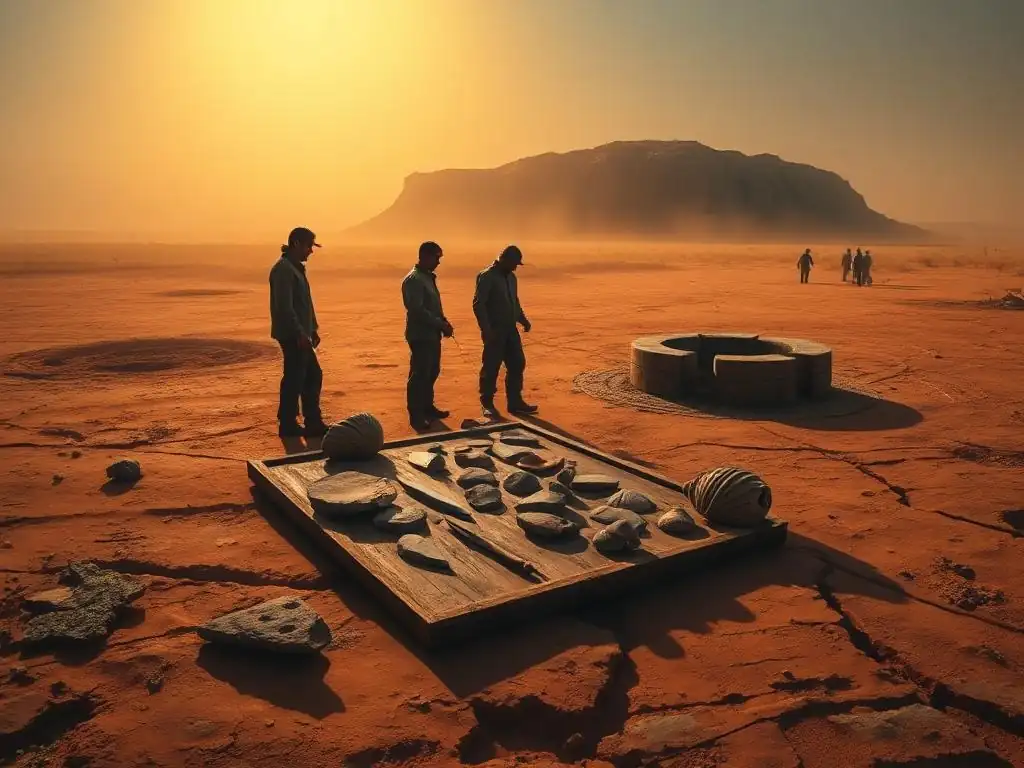
Welcome to ArchaeologyHub.org, your gateway to uncovering the past. Delve into the captivating world of archaeological discoveries, from groundbreaking excavation techniques to the secrets held within historical sites. Ever wondered what the artifacts unearthed at Lake Mungo can truly tell us? Our latest article explores Lake Mungo artifact analysis, revealing insights into their typology, function, and technological evolution. Join us as we unlock the stories these ancient assemblages hold, and discover how they reshape our understanding of early human history. What will these artifacts reveal about life tens of thousands of years ago?
- Introduction to Lake Mungo Archaeology and Artifact Analysis
-
Frequently Asked Questions
- ### What makes Lake Mungo significant in the context of archaeological discoveries?
- ### What types of artifacts are commonly found at Lake Mungo?
- ### How does ArchaeologyHub.org categorize the artifacts from Lake Mungo?
- ### What are the key challenges in conducting Lake Mungo artifact analysis?
- ### How can Lake Mungo artifact analysis inform our understanding of ancient civilizations?
- Final Reflection: Echoes of Innovation on Ancient Shores
- Unearth Your Inner Archaeologist!
Introduction to Lake Mungo Archaeology and Artifact Analysis
The Significance of Lake Mungo in Australian Prehistory
Lake Mungo, part of the Willandra Lakes Region in New South Wales, Australia, stands as an unparalleled archaeological landscape, offering profound insights into the continent's deep past and the earliest human occupation. This arid region, once a thriving system of freshwater lakes, has yielded some of the most significant evidence of Aboriginal presence, dating back tens of thousands of years.
The discoveries here, notably the remains of Mungo Man (WLH 3) and Mungo Lady (WLH 1), dated to approximately 42,000 years Before Present (BP) and 40,000-42,000 years BP respectively, represent some of the oldest anatomically modern human remains found outside Africa, challenging previous timelines for human migration and adaptation.
Beyond skeletal remains, the archaeological record at Lake Mungo encompasses a rich tapestry of cultural material, including hearths, middens, and a diverse range of implements. The meticulous Lake Mungo artifact analysis conducted over decades has revealed early examples of sophisticated human behaviors, such as ritual burial and cremation, evidenced by Mungo Lady's cremated remains, which stand as the world's oldest known cremation. This site's global significance is underscored by its designation as a UNESCO World Heritage area, recognizing its outstanding universal value in understanding human evolution and cultural development on a global scale.
Understanding Artifact Assemblages: A Window into Ancient Lives
An artifact assemblage refers to the collection of all archaeological remains found within a specific site or stratigraphic layer, comprising tools, ornaments, food remains, and other indicators of human activity. The comprehensive study of these assemblages allows archaeologists to reconstruct various facets of ancient lifeways, from technological capabilities and subsistence strategies to social organization and symbolic practices. By examining the types, quantities, distribution, and manufacturing techniques of artifacts, researchers can infer how ancient populations interacted with their environment and with each other.
For Lake Mungo, the systematic Lake Mungo artifact analysis of entire assemblages provides a holistic view of the early inhabitants' adaptability and ingenuity. Rather than focusing on isolated finds, analyzing the collective array of stone tools, bone implements, and shell ornaments alongside environmental data enables a detailed understanding of daily routines, resource utilization, and the evolution of cultural practices over millennia. This approach allows for the identification of patterns and changes in human behavior that individual artifacts alone cannot reveal, offering a more complete narrative of life in this ancient landscape.
Scope of This Article: Typology, Function, and Technological Evolution
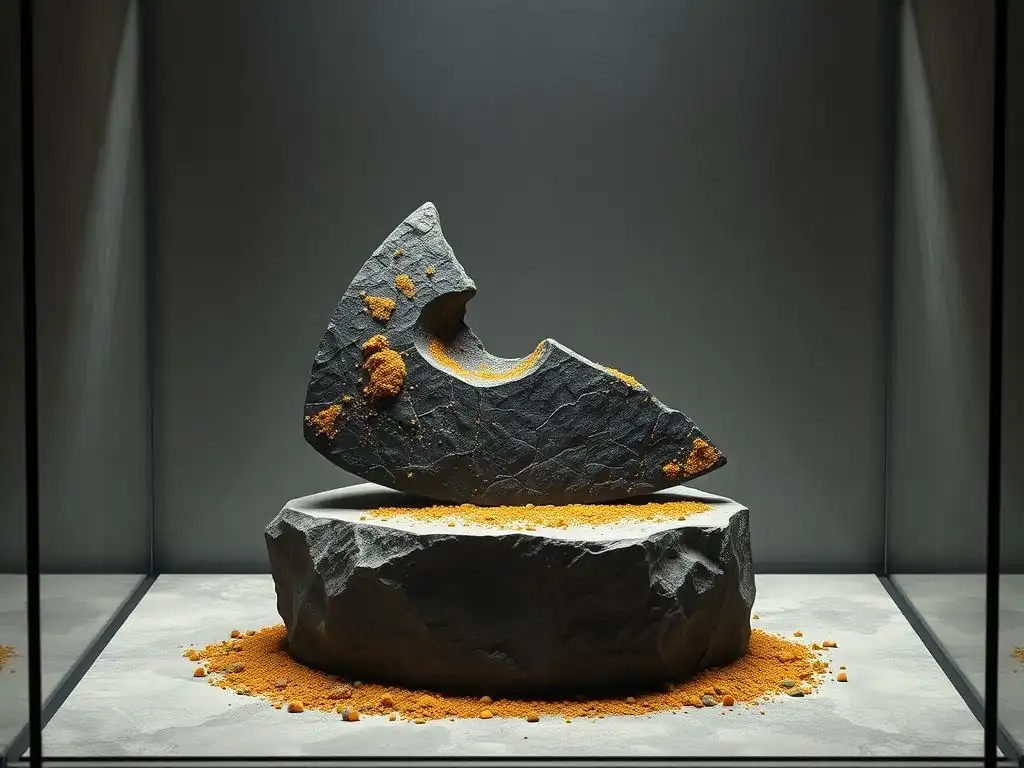
This article delves into the rich archaeological record of Lake Mungo by focusing on the typology, functional analysis, and technological evolution of its artifact assemblages. We will systematically categorize the diverse range of artifacts recovered from the site, from various forms of stone tools to more ephemeral organic materials, establishing a clear classification system based on their morphological characteristics and presumed manufacturing processes. This typological approach forms the foundational step in understanding the material culture of Lake Mungo's ancient inhabitants.
Building upon typology, the article will then explore the functional aspects of these artifacts, interpreting their intended uses and roles in daily life, subsistence strategies, and ritual practices. This functional Lake Mungo artifact analysis aims to reconstruct aspects of ancient economies, domestic routines, and symbolic expressions. Finally, we will trace the technological changes observed in the Lake Mungo artifact record over time, identifying periods of innovation, adaptation, and specialization, and discussing the potential environmental and social factors that may have driven these evolutionary shifts in toolkits and material culture.
Frequently Asked Questions
### What makes Lake Mungo significant in the context of archaeological discoveries?
Lake Mungo is significant because it's one of the oldest known sites of human habitation in Australia, providing evidence of early Homo sapiens and their cultural practices. It's particularly known for the discovery of Mungo Man and Mungo Lady.
### What types of artifacts are commonly found at Lake Mungo?
Artifacts found at Lake Mungo include stone tools, such as scrapers and points, as well as hearths and burial sites. Organic materials like bone and shell are also found, although their preservation can be challenging.
### How does ArchaeologyHub.org categorize the artifacts from Lake Mungo?
ArchaeologyHub.org categorizes Lake Mungo artifacts based on typology (form and style), function (intended use), and technological changes observed over time. This allows for a detailed analysis of the site's history.
### What are the key challenges in conducting Lake Mungo artifact analysis?
Key challenges include the age of the artifacts, which can lead to degradation and difficulty in dating. Also, contextual interpretation is crucial, as the original environment has changed significantly since the artifacts were deposited.
### How can Lake Mungo artifact analysis inform our understanding of ancient civilizations?
By studying the artifacts, researchers can gain insights into the subsistence strategies, social structures, and technological advancements of the people who lived at Lake Mungo. This contributes to a broader understanding of early human migration and adaptation.
Final Reflection: Echoes of Innovation on Ancient Shores
The analysis presented throughout this article underscores the enduring significance of Lake Mungo artifact analysis in understanding the ingenuity and adaptability of early humans. The meticulous examination of these assemblages not only provides a glimpse into the daily lives of those who inhabited this now-arid landscape tens of thousands of years ago, but also highlights the profound capacity for innovation that has always defined our species. These artifacts, silent witnesses to a bygone era, speak volumes about the technological advancements and cultural practices that shaped the very foundations of human civilization.
The impact of Lake Mungo's archaeological treasures extends far beyond the academic realm. The study of these artifacts allows us to connect with our shared human ancestry and appreciate the resilience of those who faced environmental challenges with remarkable resourcefulness. We are all connected; To each other, biologically. To the earth, chemically. To the rest of the universe atomically.
- Neil deGrasse Tyson. This quote encapsulates the profound interconnectedness revealed through archaeological discoveries like those at Lake Mungo, reminding us that our present is inextricably linked to the past.
As we conclude this exploration of Lake Mungo's artifact assemblages, I invite you to consider the lessons embedded within these ancient tools and technologies. How can we, like our ancestors, embrace innovation and adapt to the challenges of our own time? Let the ingenuity and resilience displayed by the early inhabitants of Lake Mungo inspire you to approach the future with creativity, determination, and a deep appreciation for the enduring power of the human spirit.
Unearth Your Inner Archaeologist!
Thanks for delving into the fascinating world of Lake Mungo's artifact assemblages! Now that you've gained insights into the tools and technologies of the past, it's time to connect with archaeology in a tangible way. Ready to dig deeper?
- Visit a local museum with an archaeology exhibit to see real artifacts and reflect on the skills and knowledge that created them.
- Explore online resources, such as university archaeology department websites, to discover ongoing research projects related to early human tool use and technological innovation.
- Share this article with a friend or colleague who shares your passion for uncovering the mysteries of the past!
What artifact technology, discussed in the article, do you think most significantly impacted early human survival and adaptation?