
Exploring the Variability of Pleistocene Toolkits Across the Willandra Lakes Sites

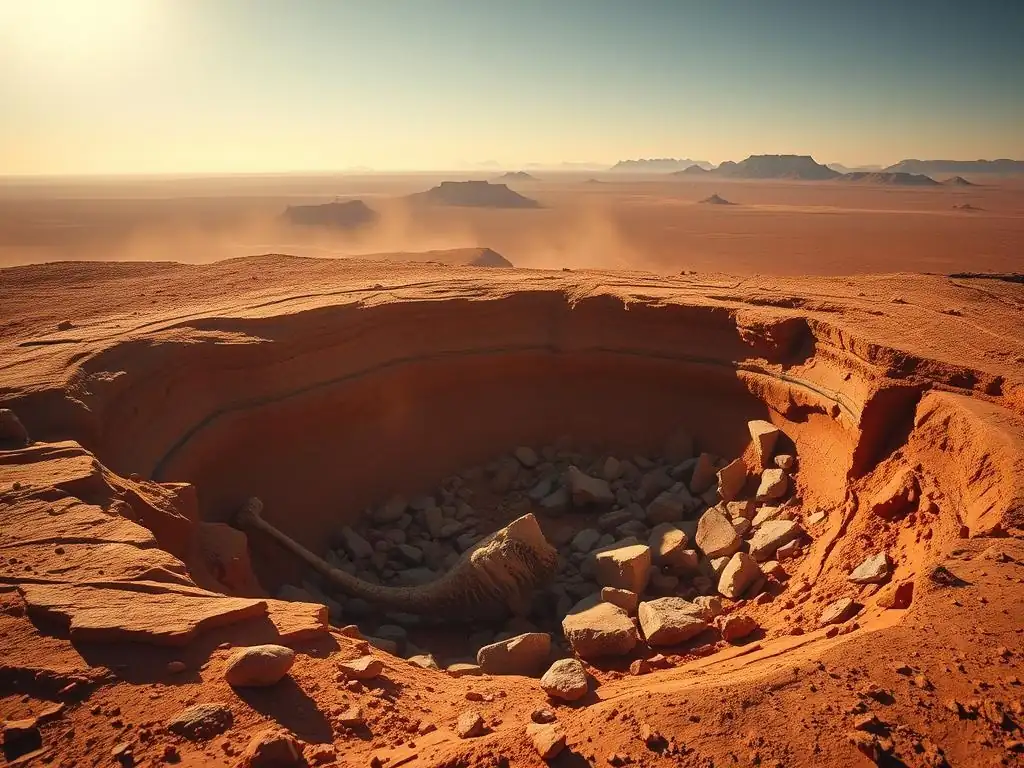
Welcome to ArchaeologyHub.org, your gateway to the past! Delve into the fascinating world of ancient civilizations and uncover the secrets they left behind. Ever wondered what the Pleistocene toolkits Willandra Lakes sites reveal about early human ingenuity and adaptation? Prepare to embark on a journey of discovery as we explore the subtle yet significant variations found across these remarkable Australian archaeological sites. Intrigued? Keep reading to unravel the mysteries held within these ancient artifacts!
- Introduction: Unveiling Pleistocene Toolkits at the Willandra Lakes
- The Willandra Lakes Region: A Paleolithic Landscape
- Analyzing Pleistocene Toolkits: Methods and Approaches
- Variability in Toolkits: Regional and Temporal Differences
- Specific Tool Types and their Distribution
- Functionality and Adaptation: Interpreting Tool Use
- Pleistocene Toolkits and Human Adaptation: A Broader Perspective
- Challenges and Future Research Directions
- Conclusion: The Enduring Legacy of Pleistocene Toolkits at Willandra Lakes
- References
-
Frequently Asked Questions
- What makes the Pleistocene toolkits found at the Willandra Lakes sites archaeologically significant?
- Can the toolkits found at Willandra Lakes help understand the migration patterns of early humans into Australia?
- How does the variability in Pleistocene toolkits across the Willandra Lakes sites inform our understanding of adaptation?
- What specific excavation techniques are used to recover and analyze these Pleistocene toolkits?
- What types of artifacts, besides stone tools, are typically found alongside these Pleistocene toolkits at the Willandra Lakes?
- Final Reflection: Unearthing Echoes of Innovation
- Unearth Your Inner Archaeologist: Act Now!
Introduction: Unveiling Pleistocene Toolkits at the Willandra Lakes
The Significance of Willandra Lakes in Understanding Early Human Occupation in Australia
The Willandra Lakes Region, inscribed as a UNESCO World Heritage Area in 1981, stands as a pivotal site for unraveling the deep history of human occupation in Australia. This ancient landscape, located in semi-arid southwestern New South Wales, preserves an extraordinary record of Aboriginal life spanning back over 50,000 years. Discoveries such as the cremated remains of "Mungo Lady" (WLH1), dated to approximately 40,000 years Before Present (BP), and the ochre-covered burial of "Mungo Man" (WLH3), estimated to be around 42,000 years old, provide the earliest evidence of ritual burial and symbolic behavior in Australia.
Beyond human remains, the Willandra Lakes sites offer a rich archaeological archive, including hearths, middens, and a diverse array of stone tools. These Pleistocene toolkits Willandra Lakes sites are crucial for understanding the adaptive strategies and technological capabilities of Australia's first inhabitants. The sustained human presence across fluctuating environmental conditions demonstrates remarkable resilience and ingenuity, making Willandra Lakes indispensable to global narratives of human dispersal and adaptation during the Late Pleistocene.
Pleistocene Archaeological Discoveries: A Window into Ancient Human Behavior
Archaeological finds from the Pleistocene epoch, particularly the remnants of human-made tools, serve as tangible windows into the behaviors, subsistence strategies, and cognitive capacities of ancient populations. At the Willandra Lakes, the extensive collection of stone artefacts provides direct evidence of how early Australians interacted with their environment, procured food, and processed resources. The sheer volume and chronological depth of these discoveries allow researchers to trace technological evolution and cultural continuity over millennia.
The study of Pleistocene toolkits Willandra Lakes sites goes beyond mere classification; it involves detailed analysis to infer how these tools were manufactured, used, and discarded. This approach reveals patterns of mobility, resource exploitation, and even social organization. By examining the types of stone used, the techniques employed in their creation, and the wear patterns on their surfaces, archaeologists reconstruct a vivid picture of daily life and adaptation in a dynamic Pleistocene landscape.
The Willandra Lakes Region: A Paleolithic Landscape
Geographical Context of the Willandra Lakes World Heritage Area
The Willandra Lakes World Heritage Area encompasses a series of ancient lake beds and associated dune systems (lunettes) within the Murray-Darling Basin of New South Wales, Australia. While currently dry, these lakes, including Lake Mungo, Lake Arumpo, and Lake Garnpung, were once active freshwater systems during wetter phases of the Pleistocene. The distinctive lunettes, formed by wind-blown sands and sediments, served as prime locations for early human settlement, offering elevated vantage points and often preserving archaeological deposits in stratified layers.
The geomorphological processes that shaped the Willandra Lakes played a critical role in preserving its archaeological treasures. The fluctuating lake levels and subsequent aridification buried and protected ancient campsites, allowing for exceptional preservation of organic materials, such as shell middens and fossilized human footprints, alongside the more durable stone tools. This unique geographical setting provides an unparalleled context for studying the long-term human occupation of an inland Australian environment.
Environmental Reconstruction: Pleistocene Climates and Landscapes of Willandra Lakes
During the Pleistocene, the Willandra Lakes region experienced dramatic climatic fluctuations, shifting between periods of abundant water and prolonged aridity. Approximately 50,000 to 20,000 years ago, the lakes were typically full, supporting diverse aquatic life, including large fish, mussels, and waterfowl. This rich lacustrine environment attracted a variety of terrestrial fauna, such as megafauna like the giant kangaroo (Procoptodon goliah) and Diprotodon optatum, alongside smaller marsupials and reptiles, all of which would have been potential food sources for early humans.
As the Last Glacial Maximum (around 20,000 years BP) approached, the climate became progressively colder and drier, leading to the desiccation of the lakes. This environmental transformation significantly altered the available resources and necessitated adaptive responses from the human populations. Understanding these environmental shifts is crucial for interpreting the variability observed in the Pleistocene toolkits Willandra Lakes sites, as technological choices and subsistence strategies would have directly reflected the prevailing ecological conditions.
Analyzing Pleistocene Toolkits: Methods and Approaches
Lithic Analysis: Identifying and Classifying Stone Tools
Lithic analysis forms the cornerstone of studying Pleistocene toolkits Willandra Lakes sites, involving the systematic identification and classification of stone artefacts. Archaeologists meticulously examine attributes such as raw material type (e.g., silcrete, quartz, chert), size, shape, and the presence of specific flake scars. Tools are categorized into broad functional classes like scrapers, choppers, points, and flakes, based on their morphology and inferred purpose.
This process often begins with macroscopic observation, but can extend to microscopic examination to discern finer details of manufacture and use. For instance, the characteristic conchoidal fracture patterns on flaked tools provide clues about the force and direction applied during their creation. By documenting these attributes across thousands of artefacts from different stratigraphic layers, researchers can establish typological sequences and trace technological changes over time within the Willandra Lakes region.
Technological Analysis: Reconstructing Tool Production Techniques
Technological analysis delves deeper than mere classification, aiming to reconstruct the entire reduction sequence—the series of steps involved in transforming a raw stone nodule into a finished tool. This involves identifying evidence of core preparation, various flaking methods (e.g., direct percussion, bipolar reduction), and subsequent modification or retouching of the tool's edges. For example, the presence of specific platforms and bulb of percussion features on flakes can indicate the use of hard hammer or soft hammer percussion.
At Willandra Lakes, technological analysis of the Pleistocene toolkits Willandra Lakes sites has revealed both generalized and specialized production strategies. While many early tools exhibit expedient, opportunistic flaking, later assemblages might show more deliberate core reduction for producing specific flake types. Understanding these production techniques provides insights into the cognitive planning, manual dexterity, and resourcefulness of the toolmakers.
Use-Wear Analysis: Deciphering Tool Functionality
Use-wear analysis, also known as microwear analysis, employs high-power microscopy to identify microscopic polishes, striations, and edge damage on stone tool surfaces. These microscopic traces are unique signatures left by contact with different materials during tool use. For instance, a glossy polish might indicate contact with plant material, while a duller, rougher polish could suggest working hide or bone. Similarly, specific patterns of micro-fractures along an edge can reveal whether a tool was used for cutting, scraping, or piercing.
Applying use-wear analysis to Pleistocene toolkits Willandra Lakes sites allows archaeologists to move beyond inferred function based on shape, providing direct evidence of how tools were actually employed. This method has been instrumental in confirming the use of tools for processing plant foods, butchering animals, and working wood or other organic materials, thus offering a more precise understanding of ancient subsistence and economic activities.
Variability in Toolkits: Regional and Temporal Differences
Comparing Tool Assemblages Across Different Willandra Lakes Sites (Lake Mungo, Lake Arumpo, Lake Garnpung)
While Lake Mungo is the most extensively studied site within the Willandra Lakes system, archaeological investigations at other ancient lake beds, such as Lake Arumpo and Lake Garnpung, also contribute to understanding Pleistocene toolkits Willandra Lakes sites. Although the overall technological repertoire across these sites shows general similarities, variations can exist, potentially reflecting localized resource availability, specific activity areas, or slight chronological differences in occupation. For example, a site near a reliable water source might yield more tools related to aquatic resource processing, whereas a terrestrial hunting ground might produce more projectile points or butchery tools.
Differences in the dominant raw material exploited, even within the same broad region, can also influence toolkit composition. While silcrete and quartz are common across the Willandra Lakes, localized outcrops of higher quality chert or chalcedony might lead to the production of finer, more specialized tools at certain locations. These regional comparisons are vital for building a comprehensive picture of human adaptation across the entire Willandra Lakes landscape.
Chronological Changes in Tool Technology: From Early to Late Pleistocene
The long occupational sequence at Willandra Lakes, spanning tens of thousands of years, provides a unique opportunity to observe chronological changes in Pleistocene toolkits Willandra Lakes sites. The earliest assemblages, dating back over 40,000 years, are generally characterized by relatively simple core-and-flake technologies, often expediently produced with minimal retouch. These include large flakes and choppers, suggesting a focus on heavy-duty processing tasks.
As the Pleistocene progressed, particularly into the late Pleistocene (e.g., post-30,000 BP), there is evidence for the emergence of more refined techniques, although the core-and-flake tradition largely persisted. While not as pronounced as the "Small Tool Tradition" of the Holocene, some Willandra assemblages show a tendency towards smaller, more standardized tools and the occasional presence of specific artefact types. This evolution, though subtle, reflects gradual technological adjustments by early Australians to their changing environments and subsistence needs.
Raw Material Sourcing and its Influence on Toolkit Composition
The availability and quality of lithic raw materials significantly influenced the composition and morphology of Pleistocene toolkits Willandra Lakes sites. The primary raw materials exploited by early inhabitants were locally available silcrete and quartz, found as pebbles and cobbles in the ancient lake beds and surrounding gravels. Silcrete, a highly variable material, allowed for the production of durable but often less refined tools, while quartz, though abundant, often fractured unpredictably.
Archaeological analysis reveals that most tools were made from immediately accessible local sources, indicating a largely expedient strategy. However, there is some evidence for the transport of higher-quality raw materials over short distances, suggesting a degree of planning and resource management. The limitations or abundance of specific stone types would have directly impacted the size, shape, and overall design of the tools manufactured, influencing the technological choices made by the early inhabitants of the Willandra Lakes.
Specific Tool Types and their Distribution
The Occurrence of Backed Artefacts in Willandra Lakes Pleistocene Deposits
Backed artefacts are a distinctive category of stone tools characterized by one edge intentionally blunted (backed) through steep retouch, making them safer to handle or haft into composite tools. While most prevalent in the Australian Holocene "Small Tool Tradition," their presence in Pleistocene toolkits Willandra Lakes sites is noteworthy, though relatively rare and typically in later Pleistocene contexts (e.g., post-20,000 BP). These small, often crescent-shaped or triangular tools are thought to have functioned as components of spears, barbs, or cutting inserts in a variety of composite implements.
Their limited occurrence in the deep Pleistocene layers at Willandra Lakes suggests either an early, sporadic appearance of this technology or potential issues with preservation and identification in older deposits. When found, they signify a technological advancement towards more efficient and specialized tools, potentially indicating changes in hunting practices or the processing of specific resources. Understanding their precise chronological context at Willandra Lakes is crucial for tracking the diffusion and development of this important Australian tool type.
Core Tool Technology and its Role in Pleistocene Toolkits
Core tool technology represents a fundamental component of Pleistocene toolkits Willandra Lakes sites, particularly in the older assemblages. Core tools are implements where the core itself, rather than a detached flake, is shaped and used as the primary tool. These often include choppers, hand-axes (though less common in Australia), and heavy scrapers, typically made from robust silcrete or quartz cobbles. Their production involves striking large flakes from a core to create a sharp working edge.
These tools were likely used for heavy-duty tasks such as breaking bones to extract marrow, chopping wood for fuel or shelter, or processing large animal carcasses. Their prevalence throughout the long occupational sequence at Willandra Lakes underscores their enduring utility and adaptability for a wide range of subsistence activities, highlighting a persistent, fundamental aspect of early Australian technology.
The Presence and Absence of Bone Tools
While stone tools dominate the archaeological record at Willandra Lakes due to their durability, the presence of bone tools offers rare but significant insights into the full range of early human technology. The preservation of bone tools is highly dependent on specific environmental conditions, and they are generally far less common than stone artefacts. At Willandra Lakes, some bone points and awls have been identified, particularly in deposits where preservation conditions were favorable, such as within lakebed sediments.
These bone tools, though few, indicate a broader technological repertoire beyond lithics, suggesting the use of organic materials for tasks like piercing hides, sewing, or crafting other implements. Their relative scarcity, however, means that the Pleistocene toolkits Willandra Lakes sites largely reflect the stone-based economy, and the full extent of organic tool use by these early populations remains an area of ongoing research and discovery.
Functionality and Adaptation: Interpreting Tool Use
Hunting and Gathering Strategies Reflected in the Toolkits
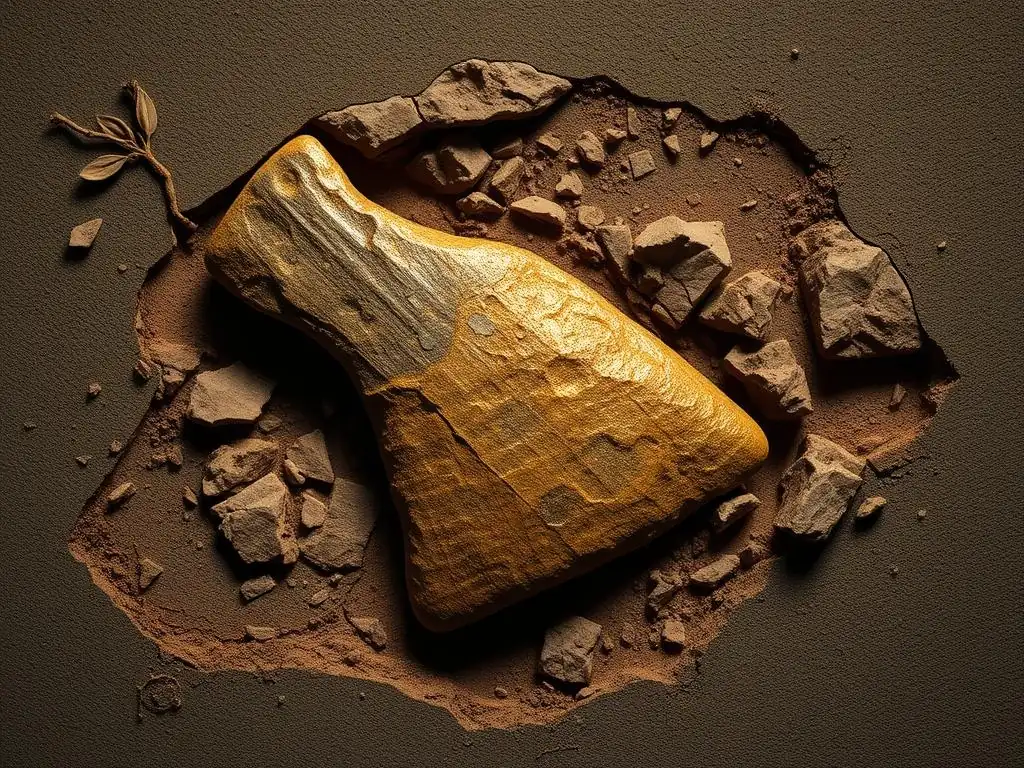
The Pleistocene toolkits Willandra Lakes sites provide tangible evidence of the hunting and gathering strategies employed by early Australians. Stone scrapers, for instance, were likely used for processing animal hides, preparing furs for clothing or shelter, and defleshing carcasses. Sharp flakes would have served as cutting implements for butchering game, from large megafauna to smaller marsupials and birds. While direct evidence of projectile points is scarce in the earliest layers, the presence of specific flake types and the inferred use of composite tools suggest the development of hunting technologies.
Beyond hunting, the toolkits also point to diverse gathering activities. Heavy choppers could have been used to break open shellfish or excavate roots and tubers. The overall composition of the Pleistocene toolkits Willandra Lakes sites indicates a flexible and opportunistic subsistence strategy, adapting to the rich and varied resources available in the lacustrine and terrestrial environments of the Willandra Lakes during periods of higher rainfall.
Processing Plant Resources with Pleistocene Tools
The processing of plant resources was undoubtedly a crucial component of the early Australian diet, and the Pleistocene toolkits Willandra Lakes sites offer clues to these activities. While grinding stones, common in later periods, are less frequent or absent in the deep Pleistocene layers, other tools would have been vital. Heavy-duty choppers and large flakes could have been used for breaking open hard-shelled fruits, processing fibrous plants, or stripping bark.
Microscopic use-wear analysis on certain stone tools has revealed polishes consistent with working plant materials, indicating their role in preparing a variety of vegetation for consumption or other uses. The presence of hearths alongside these tools further supports the notion of plant cooking and processing. This evidence highlights the comprehensive use of available resources and the technological ingenuity required to exploit diverse plant foods in the ancient Willandra Lakes landscape.
Evidence for Symbolic or Ritual Use of Tools
While most Pleistocene toolkits Willandra Lakes sites are interpreted through a utilitarian lens, some archaeological finds hint at the symbolic or ritualistic dimensions of early human life. The most compelling evidence from Willandra Lakes is the use of ochre, a natural pigment, found in association with burials like Mungo Man. Tools used for grinding and preparing ochre, though functionally utilitarian in their production, become symbolically charged through their association with ritual practices.
The careful preparation of ochre, its transport, and its application to human remains suggest a complex belief system and a capacity for abstract thought beyond mere survival. While not a direct "tool" in the conventional sense, the implements used in these symbolic processes demonstrate that early Australians at Willandra Lakes engaged with their environment and materials in ways that transcended immediate practical needs, reflecting a rich inner world.
Pleistocene Toolkits and Human Adaptation: A Broader Perspective
Understanding Human Mobility and Settlement Patterns
The analysis of Pleistocene toolkits Willandra Lakes sites, particularly through raw material sourcing and the distribution of artefact types, provides insights into early human mobility and settlement patterns. The predominance of locally sourced stone suggests that inhabitants primarily exploited resources within their immediate vicinity, indicating a relatively localized foraging range for daily activities. However, the occasional presence of exotic raw materials, or tools made from them, points to broader movements or exchange networks.
The repeated occupation of lunette edges and lake shores over tens of thousands of years indicates a strategic understanding of the landscape and its resources. These areas offered access to water, diverse food sources, and elevated, well-drained camping spots. The variability in toolkits across different sites within the Willandra Lakes system might also reflect shifts in seasonal occupation or specialized activity areas, providing a nuanced view of how early humans utilized and moved through their environment.
The Role of Technology in Human Survival and Adaptation to Changing Environments
The Pleistocene toolkits Willandra Lakes sites stand as a testament to the crucial role of technology in human survival and adaptation to dramatically changing environments. From periods of lush lacustrine abundance to increasing aridity, the consistent presence of human occupation at Willandra Lakes demonstrates a remarkable technological flexibility. The ability to fashion effective tools from locally available stone allowed early Australians to exploit a wide array of resources, from megafauna to fish, and to process both animal and plant foods.
This technological adaptability enabled populations to persist through significant climatic shifts, including the onset of the Last Glacial Maximum. The relatively stable, yet adaptable, core-and-flake technology provided a robust foundation for subsistence, allowing early humans to successfully navigate environmental challenges and establish a deep and enduring presence on the Australian continent.
Comparing Willandra Lakes Toolkits with Other Australian Pleistocene Sites (Nauwalabila I, Devil's Lair)
Comparing Pleistocene toolkits Willandra Lakes sites with those from other significant early Australian archaeological locations, such as Nauwalabila I in Arnhem Land (Northern Territory) and Devil's Lair in southwestern Western Australia, reveals both shared characteristics and regional distinctions. Nauwalabila I, with its deep occupational sequence extending back possibly 65,000 years, also features early generalized core-and-flake technologies, highlighting a widespread foundational toolkit across the continent. Similarly, Devil's Lair, dating back over 48,000 years, presents a comparable lithic industry focused on locally available quartz and chert.
While all these sites demonstrate early expedient technologies, differences emerge in the specific raw materials used and the relative proportions of various tool types, reflecting localized environmental adaptations and resource availability. For instance, the humid environment of Arnhem Land might have led to different organic material processing needs compared to the semi-arid Willandra Lakes. These comparisons underscore the broad technological similarities of early Australian populations, while also recognizing the nuanced regional adaptations that developed over millennia.
Challenges and Future Research Directions
Limitations of the Archaeological Record and Data Interpretation
Despite the richness of the Willandra Lakes archaeological record, significant limitations exist in data interpretation. The preservation bias, where organic materials like wood, bone (beyond limited cases), and plant fibers rarely survive, means that the Pleistocene toolkits Willandra Lakes sites primarily represent the stone component of ancient technology. This inevitably provides an incomplete picture of the full range of tools used by early Australians. Furthermore, the effects of erosion, deposition, and post-depositional processes can disturb archaeological contexts, making precise chronological and spatial interpretations challenging.
Inferring behavior solely from stone tools also presents difficulties; a single tool type can have multiple functions, and the absence of a tool type does not necessarily mean the absence of the activity. Researchers must continually apply rigorous methodologies and contextual understanding to overcome these inherent limitations and avoid oversimplification of complex ancient behaviors.
New Technologies and Methodologies for Analyzing Pleistocene Toolkits
Advancements in scientific technologies and analytical methodologies are continuously enhancing our ability to study Pleistocene toolkits Willandra Lakes sites. High-resolution 3D scanning and photogrammetry allow for detailed digital preservation and analysis of artefact morphology without direct handling, facilitating comparative studies across vast collections. Geochemical sourcing techniques, such as X-ray fluorescence (XRF) or neutron activation analysis (NAA), can more precisely identify the geological origins of raw materials, improving our understanding of ancient mobility and exchange networks.
Microscopic analysis techniques, including advanced use-wear studies and residue analysis (identifying microscopic organic residues on tool surfaces), are becoming more refined, offering unprecedented insights into tool function. These new approaches promise to unlock further secrets from the Willandra Lakes assemblages, providing a more granular and accurate understanding of early human technological adaptation.
Future Research Questions and Priorities for Willandra Lakes Archaeology
Future research at Willandra Lakes should prioritize addressing several key questions to further illuminate the Pleistocene toolkits Willandra Lakes sites and their significance. A crucial area is the refinement of chronological sequences, particularly for the earliest layers, through improved dating techniques, to establish a more precise timeline for technological changes. Further systematic excavation at less-explored lake beds within the World Heritage Area could reveal regional variations in tool use and subsistence strategies.
Additionally, a greater focus on integrating environmental data with archaeological findings is needed to understand the precise adaptive responses to specific climatic events. Investigating the potential for early symbolic behavior, beyond ochre use, through nuanced analysis of tool modification or non-utilitarian artefacts, also remains a high priority. Collaborative research with Indigenous communities, drawing on their deep knowledge of the landscape and cultural heritage, is also essential for future investigations at Willandra Lakes.
Conclusion: The Enduring Legacy of Pleistocene Toolkits at Willandra Lakes
Summarizing the Variability and Significance of Pleistocene Tool Technologies
The Pleistocene toolkits Willandra Lakes sites represent an invaluable archive of early human technological ingenuity and adaptation in Australia. From the earliest expedient flake and core tools, reflecting a robust and versatile subsistence strategy, to the subtle emergence of more specialized forms, these assemblages demonstrate a long history of human interaction with a dynamic environment. The variability observed across different time periods and potentially different activity areas underscores the flexibility and resourcefulness of Australia's first inhabitants.
These toolkits are not merely inert objects; they are tangible expressions of ancient minds at work, revealing how humans procured food, processed resources, and navigated a challenging yet bountiful landscape. Their study offers profound insights into the evolution of human technology and the enduring legacy of early populations.
Implications for Understanding Early Human Life in Australia
The archaeological record from Willandra Lakes, particularly its Pleistocene toolkits Willandra Lakes sites, has profound implications for understanding early human life across the Australian continent. It provides compelling evidence for the deep antiquity of human presence in Australia, pushing back timelines for colonization and demonstrating sophisticated adaptive capabilities far earlier than previously thought. The consistent occupation over tens of thousands of years, despite dramatic environmental shifts, highlights the resilience and success of these early populations.
Furthermore, the tools illuminate the diverse subsistence strategies employed, from the exploitation of aquatic resources to the hunting of terrestrial fauna and the processing of various plant foods. The Willandra Lakes sites paint a picture of highly adaptable, technologically capable people who laid the foundations for the rich and diverse Aboriginal cultures that continue to thrive today.
The Importance of Preserving and Protecting the Willandra Lakes Archaeological Heritage
The Willandra Lakes World Heritage Area is a site of immense global significance, and the Pleistocene toolkits Willandra Lakes sites within it are irreplaceable. The fragile nature of the ancient lake beds and lunettes makes them vulnerable to natural erosion and human impact. Continued preservation and protection efforts are paramount to ensure that this extraordinary archaeological heritage remains intact for future generations of researchers and the public.
Responsible management, ethical research practices, and collaborative partnerships with the Traditional Owners, the Barkandji, Mutthi Mutthi, and Ngyampaa peoples, are essential. By safeguarding these ancient sites, we preserve a crucial chapter in the story of human dispersal and adaptation, ensuring that the enduring legacy of the Pleistocene toolkits Willandra Lakes sites continues to inform and inspire.
References
Frequently Asked Questions
What makes the Pleistocene toolkits found at the Willandra Lakes sites archaeologically significant?
The Pleistocene toolkits are significant because they provide direct evidence of early human technological adaptations to the Australian landscape during a critical period of climate change. They offer insight into the behavior and capabilities of early Australians.
Can the toolkits found at Willandra Lakes help understand the migration patterns of early humans into Australia?
Yes, the toolkits' specific technologies and raw material sources can be compared to those found in other regions. This helps trace potential migration routes and understand the cultural connections of early Australians.
How does the variability in Pleistocene toolkits across the Willandra Lakes sites inform our understanding of adaptation?
The differences in the tools suggest that early humans were adapting to different ecological niches within the Willandra Lakes region. This toolkit variation reflects flexible adaptation strategies in response to changing environments.
What specific excavation techniques are used to recover and analyze these Pleistocene toolkits?
Archaeologists employ meticulous excavation and recording methods, including contextual analysis and dating techniques such as radiocarbon dating. This ensures accurate interpretation of the tools' age and purpose.
What types of artifacts, besides stone tools, are typically found alongside these Pleistocene toolkits at the Willandra Lakes?
Besides stone tools, archaeologists often find bone artifacts, evidence of hearths and camp sites, and faunal remains. These finds provide a broader understanding of early human life at the Willandra Lakes.
Final Reflection: Unearthing Echoes of Innovation
The exploration of Pleistocene toolkits at the Willandra Lakes sites reveals not just ancient artifacts, but a vibrant tapestry of human ingenuity and adaptation. These meticulously crafted tools speak volumes about the resourcefulness of our ancestors, highlighting their ability to thrive in a dynamic environment. The variability observed across these sites underscores the complexity of early human behavior, challenging simplistic narratives of a monolithic past and reminding us that innovation was, and remains, a constant force.
This journey into the past profoundly influences our understanding of the present. By studying these ancient toolkits, we gain a deeper appreciation for the enduring human capacity to adapt and innovate in the face of environmental challenges. The echoes of these early toolmakers resonate through time, reminding us of our shared heritage and the ingenuity that has shaped our species. The past is never dead. It's not even past.
- William Faulkner, a sentiment that rings true when we consider the lasting impact of these early technologies.
As we conclude this exploration of Pleistocene toolkits at the Willandra Lakes sites, let us carry forward a renewed sense of wonder and respect for the ingenuity of our ancestors. Consider how their resourcefulness can inspire our own approaches to problem-solving in the face of contemporary challenges. Let us strive to emulate their adaptability and embrace innovation as we navigate the complexities of our own time, ensuring that the legacy of the Willandra Lakes toolmakers continues to inspire generations to come.
Unearth Your Inner Archaeologist: Act Now!
Thank you for delving into the fascinating world of Pleistocene toolkits! We hope you’ve gained a deeper understanding of the diversity found across the Willandra Lakes sites. Ready to take the next step?
Here are a few ways to engage further:
- Start your own toolkit analysis! Select an artifact from your local museum's collection (or even a carefully chosen stone from your backyard!) and document its features, hypothesizing its potential use based on what you've learned.
- Share this article with a fellow archaeology enthusiast to spark a discussion.
- Dive deeper: Research ongoing excavations in Australia and consider supporting these efforts through donations or volunteer work.
What surprising connections did you find between the Willandra Lakes toolkits and your own local archaeological finds? Share your insights in the comments below!