
Yangshao Art Beyond Pottery: Exploring Petroglyphs and Other Artistic Expressions

Welcome to ArchaeologyHub.org, your portal to the past!
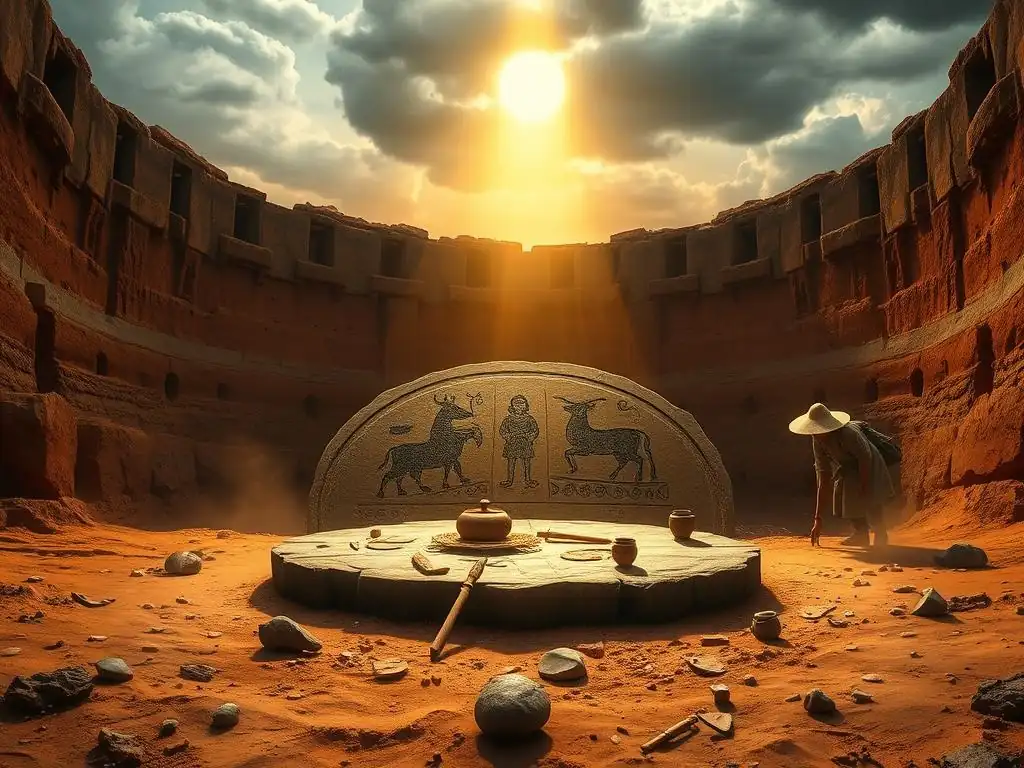
Delve into the intricate tapestry of human history, where every artifact whispers a story. This time, we journey to ancient China to explore a fascinating facet of the Yangshao culture, moving beyond their renowned pottery to uncover a lesser-known, yet equally compelling, form of artistic expression. Are you ready to decipher the secrets held within the Yangshao petroglyphs artistic expression and other artistic endeavors of this fascinating civilization? Let's begin!
- Introduction to Yangshao Art: More Than Just Painted Pottery
- Yangshao Petroglyphs: Rock Art and Symbolic Meanings
- Beyond Pottery and Petroglyphs: Other Artistic Manifestations of Yangshao Culture
- Comparing Yangshao Artistic Expression to Contemporary Neolithic Cultures
- The Cultural Context of Yangshao Artistic Expression
- Interpreting Yangshao Artistic Legacy: What Art Tells Us About Yangshao Society
- Yangshao Art and the Development of Chinese Aesthetic Traditions
- Preserving and Studying Yangshao Artistic Heritage
- Conclusion: A Broader Perspective on Yangshao Artistic Expression
-
Frequently Asked Questions
- What artistic expressions beyond pottery are associated with the Yangshao culture?
- Where are Yangshao petroglyphs typically found and what materials were used?
- What are some common motifs or themes depicted in Yangshao petroglyphs?
- How do Yangshao petroglyphs contribute to our understanding of their artistic expression?
- How does the discovery of Yangshao petroglyphs impact the field of archaeology?
- Final Reflection: Echoes of Yangshao in Stone and Spirit
- Unearth Your Inner Archaeologist!
Introduction to Yangshao Art: More Than Just Painted Pottery
The Significance of Yangshao Culture in Neolithic China
The Yangshao culture, flourishing from approximately 5000 to 3000 BCE, represents a pivotal period in the Neolithic history of China. Spanning across vast areas of the Yellow River basin, including present-day Shaanxi, Shanxi, and Henan provinces, it laid foundational elements for subsequent Chinese civilizations. Characterized by settled agricultural communities, advanced pottery production, and distinctive artistic traditions, Yangshao society offers invaluable insights into the early stages of complex human organization and cultural development in East Asia.
While the vibrant, painted pottery of the Yangshao culture, particularly from sites like Banpo and Miaodigou, is widely recognized and celebrated for its aesthetic appeal and technical sophistication, it represents only one facet of their rich artistic landscape. This ceramic artistry, with its iconic fish, human face, and geometric motifs, has long overshadowed other forms of expression, leading to a somewhat incomplete understanding of Yangshao's creative output.
Unveiling Lesser-Known Facets of Yangshao Artistic Expression
To truly appreciate the breadth of Yangshao creativity, it is essential to delve beyond the familiar realm of painted ceramics and explore the less-documented aspects of their art. This includes the intriguing world of Yangshao petroglyphs artistic expression, which offers unique perspectives on their symbolic universe and interaction with the natural environment. These ancient rock carvings, found in various locations, provide direct evidence of their spiritual beliefs, observational skills, and early forms of visual communication.
Furthermore, Yangshao artistic expression extended to a diverse array of materials and forms, encompassing intricate jade carvings, utilitarian yet often adorned bone and shell ornaments, and even early examples of architectural design and decoration. By examining these varied manifestations, we can construct a more holistic picture of Yangshao society, understanding not just what they created, but why and how these artistic endeavors were integrated into their daily lives, rituals, and burgeoning social structures.
Yangshao Petroglyphs: Rock Art and Symbolic Meanings
Locating Yangshao Petroglyph Sites: A Geographical Overview
The discovery of petroglyphs associated with the broader Neolithic period in regions where Yangshao culture thrived provides crucial evidence of this distinct form of Yangshao petroglyphs artistic expression. While direct attribution to specific Yangshao phases can be challenging due to the difficulty in dating rock art precisely, sites such as those found in the Helan Mountains in Ningxia, or others in the Yellow River valley, showcase rock carvings from the Neolithic era that spatially overlap with Yangshao cultural influence. These locations, often characterized by accessible rock faces or sheltered overhangs, suggest deliberate choices for creating lasting visual records.
For instance, the Damaidi site in Ningxia, though representing a broader timeline of rock art, includes numerous panels with motifs dating back to the Neolithic period, reflecting themes pertinent to early agricultural societies in the region. The geographical distribution of these sites along river systems and within mountainous terrains indicates that early communities, including those linked to Yangshao, engaged with their environment not only for sustenance but also as a canvas for symbolic communication. This widespread engagement highlights that rock art was an integrated part of ancient life, not an isolated phenomenon.
Analysis of Yangshao Petroglyph Motifs: Recurring Symbols and Their Interpretation
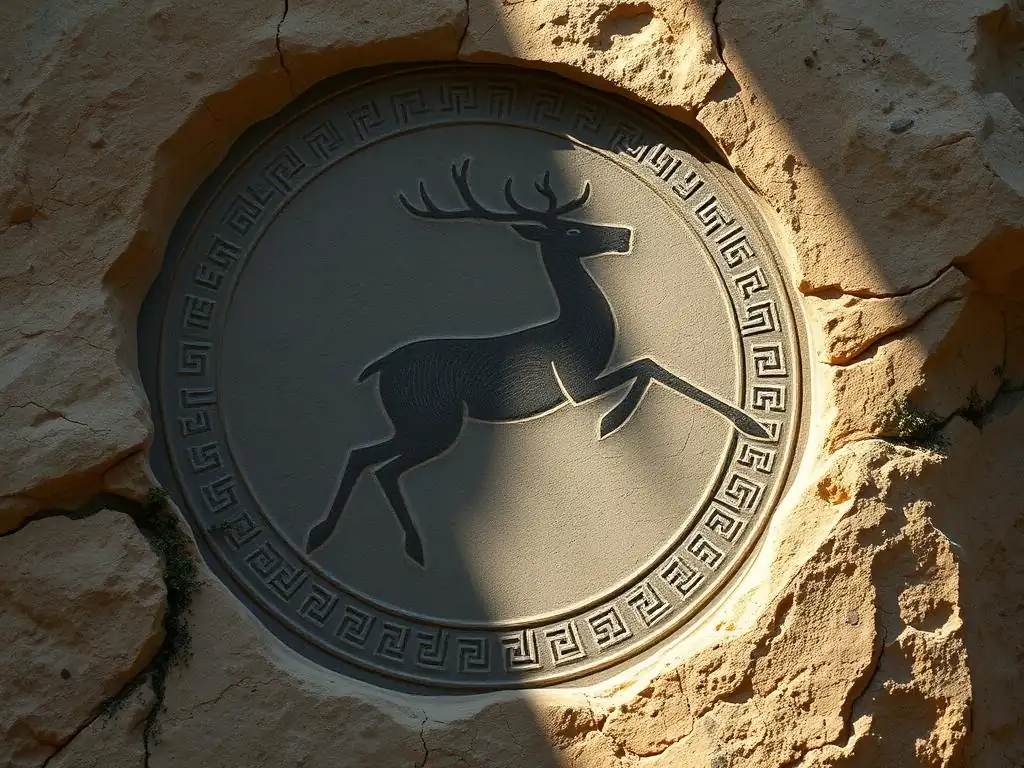
The motifs found within Yangshao petroglyphs artistic expression are diverse, yet recurring patterns suggest shared symbolic meanings across communities. Common themes include anthropomorphic figures, often depicted with exaggerated features or in dynamic poses, which may represent shamans, ancestors, or deities. Zoomorphic motifs frequently appear, featuring animals such as deer, tigers, birds, and fish, likely reflecting the importance of these creatures in their subsistence, mythology, or as totems for various clans.
Geometric patterns, including circles, spirals, sun-like symbols, and intricate linear designs, are also prevalent. These could represent celestial bodies, natural phenomena, or abstract concepts related to cosmology and the spiritual world. The interpretation of these symbols is complex, often drawing parallels with motifs found on Yangshao pottery and other artifacts, suggesting a coherent system of belief. The presence of hunting scenes or agricultural symbols further provides glimpses into their daily activities and the perceived spiritual forces governing them.
Yangshao Rock Carvings: Techniques and Tools Used
The creation of Yangshao rock carvings, a significant component of Yangshao petroglyphs artistic expression, involved labor-intensive techniques and simple yet effective tools available during the Neolithic period. The primary method employed was pecking, where a harder stone tool, such as a hammerstone, was used to strike a point or chisel-like tool against the rock surface, gradually removing small fragments and creating depressions. This process would be repeated to outline figures and fill in areas, forming the desired image.
Evidence suggests that grinding and scratching techniques were also utilized, particularly for finer details or to smooth out pecked surfaces. Abrasive stones, possibly combined with water or sand, could have been employed to polish carved areas, making the figures more prominent or altering their texture. The durability of these petroglyphs over millennia attests to the skill and perseverance of the Yangshao artisans, who, despite lacking metal tools, managed to imbue stone with lasting symbolic significance.
Beyond Pottery and Petroglyphs: Other Artistic Manifestations of Yangshao Culture
Yangshao Jade Carvings: Exploring Ritual and Status
While not as prolific in jade production as later Neolithic cultures like Liangzhu, the Yangshao people did engage in jade carving, providing further evidence of their diverse artistic capabilities. Yangshao jade artifacts, though relatively rare, include simple forms such as rings, small discs (similar to later bi), tubular beads, and occasional small animal effigies. These items were typically crafted from local nephrite jade, a hard and difficult material to work, indicating a significant investment of labor and skill.
The primary function of these jade pieces appears to have been ritualistic or as markers of status within Yangshao society. They are often found in burials, suggesting their importance as grave goods or personal adornments for individuals of high standing. The intrinsic value of jade, combined with the arduous process of its carving, imbued these objects with powerful symbolic meaning, connecting the bearer to spiritual forces or signifying their social prestige. This limited but significant body of work showcases another dimension of Yangshao artistic expression beyond their more famous pottery and petroglyphs.
Bone and Shell Ornaments: Personal Adornment in Yangshao Society
Personal adornment played a vital role in Yangshao society, with artisans skillfully transforming bone and shell into a variety of decorative objects. Common items include exquisitely crafted hairpins, combs, beads, pendants, and bracelets. These ornaments were fashioned from readily available materials such as animal bones, particularly from deer and pigs, and mollusk shells collected from rivers and lakes. The bone pieces often display intricate incised patterns or are highly polished to a smooth finish, demonstrating a keen eye for detail and aesthetic refinement.
Shell ornaments, frequently in the form of small, perforated discs or stylized shapes, were often strung together to create necklaces or bracelets. The discovery of these items in burial contexts suggests their use in daily life as well as their significance in funerary rituals, possibly indicating the status or identity of the deceased. These artifacts offer a tangible connection to the personal aesthetics and social practices of the Yangshao people, illustrating how even functional or personal items were imbued with artistic sensibility.
Architectural Art: Early Examples of Design and Decoration in Yangshao Structures
Beyond portable artifacts, Yangshao artistic expression also manifested in their architectural designs and the decoration of communal structures. Excavations at sites like Banpo village reveal a sophisticated understanding of settlement planning, which can be viewed as a form of spatial art. The deliberate arrangement of communal houses around a central plaza, encircled by a defensive ditch, demonstrates a conscious effort in creating organized and aesthetically pleasing living environments.
Furthermore, evidence suggests that some Yangshao structures incorporated decorative elements. For instance, remnants of painted plaster have been found on the interior walls of some houses at Banpo. While the designs were likely simple, possibly geometric patterns or abstract figures in red or black pigments, their presence indicates an early inclination towards decorating living spaces. This rudimentary architectural art reflects a desire to enhance the aesthetic appeal of their dwellings and communal buildings, suggesting that design and decoration were not limited to smaller, portable artifacts but extended to the very fabric of their settlements.
Comparing Yangshao Artistic Expression to Contemporary Neolithic Cultures
Contrasting Yangshao Art with Majiayao Culture Art
The Yangshao culture, particularly its Miaodigou phase, is renowned for its painted pottery, characterized by elegant, often swirling geometric patterns and stylized zoomorphic motifs, typically in black or reddish-brown pigments on a light background. In contrast, the Majiayao culture (c. 3300-2050 BCE), which succeeded or overlapped with Yangshao in regions like Gansu and Qinghai, also produced painted pottery but with distinct stylistic differences. Majiayao pottery often features more curvilinear and elaborate designs, frequently covering the entire vessel surface with intricate spirals, waves, and interlocking patterns.
Majiayao artists also utilized a wider palette, incorporating white and purple pigments in addition to black and red, and their designs tend to be more dynamic and abstract, sometimes depicting human figures in dance-like poses. While both cultures shared the fundamental technique of painted ceramics, the differences in motif complexity, color usage, and overall composition clearly differentiate their artistic aesthetics.
In terms of rock art, while Majiayao sites have yielded some petroglyphs, the sheer volume and thematic range of Yangshao petroglyphs artistic expression from its broader cultural sphere appear to be more prominent, suggesting a greater emphasis on this medium within the Yangshao tradition.
Similarities and Differences in Artistic Styles Between Yangshao and Dawenkou Cultures
The Dawenkou culture (c. 4100–2600 BCE), situated primarily in Shandong and Jiangsu provinces, represents another significant contemporary Neolithic culture, offering interesting comparisons to Yangshao artistic expression. Unlike Yangshao, Dawenkou pottery placed less emphasis on painted decoration, instead excelling in the diversity of vessel forms and the sophistication of their craftsmanship. Dawenkou pottery often features tall-stemmed cups, tripods ( ding), and elaborate pouring vessels, with surfaces typically plain or adorned with incised patterns rather than painted motifs.
However, both cultures shared a common foundation in basic ceramic technology and the use of certain tool types. Dawenkou also had a strong tradition of crafting elaborate jade, bone, and ivory artifacts, often displaying a higher degree of technical skill and artistic refinement than early Yangshao examples.
Their jade carvings, for instance, include more intricate designs and a wider array of forms, reflecting different aesthetic priorities. While Yangshao petroglyphs artistic expression is a notable feature of its cultural output, rock art is less commonly associated directly with Dawenkou sites, suggesting variations in how these distinct cultures chose to visually manifest their beliefs and societal structures.
The Cultural Context of Yangshao Artistic Expression
The Role of Ritual and Belief in Yangshao Art
Yangshao art was deeply intertwined with the spiritual and ritualistic life of its people, serving as more than mere decoration. Many motifs found on Yangshao pottery, such as the iconic fish and human face designs from Banpo, are believed to have significant symbolic meaning related to fertility cults, totemism, or ancestor worship. The fish motif, for example, is often interpreted as a symbol of abundance and fertility, crucial for an agricultural society. Similarly, the human face designs, sometimes adorned with fish-like features, might represent deities, shamans, or deified ancestors.
The use of specific artifacts in burial contexts further underscores their ritual significance. Finely crafted pottery vessels, jade ornaments, and bone tools were often interred with the deceased, suggesting their role as grave goods intended to accompany individuals into the afterlife or to signify their status.
The Yangshao petroglyphs artistic expression, with its depictions of anthropomorphic figures, animals, and celestial bodies, almost certainly served a ritualistic purpose, perhaps in shamanistic ceremonies, hunting magic, or as a means of communicating with the spirit world. These artistic creations were not just objects of beauty but potent conduits for belief and ritual practice.
While Yangshao society is generally considered to have been relatively egalitarian in its early phases, evidence suggests a gradual emergence of social stratification, which is subtly reflected in their artistic output and artifact distribution. The presence of differential burial goods, where some graves contain a richer array of finely crafted pottery, jade ornaments, or specialized tools compared to others, indicates nascent social distinctions. Individuals buried with more elaborate or rare artifacts likely held higher status within their communities.
Furthermore, the very existence of highly skilled artisans, capable of producing the sophisticated painted pottery or the labor-intensive Yangshao petroglyphs artistic expression, implies a degree of specialization within the society. These artisans might have been supported by the community, or their skills could have conferred a higher social standing. The quality and type of artistic objects found at different residential sites or within various burial contexts thus provide valuable clues about the evolving social hierarchy and the distribution of wealth and influence among the Yangshao people.
The Evolution of Yangshao Artistic Styles Over Time
Yangshao artistic styles, particularly in pottery, underwent a discernible evolution throughout its long history, reflecting cultural shifts and innovations. The early Banpo phase (c. 5000-4000 BCE) is characterized by a relatively naturalistic approach, with motifs like fish, deer, and human faces depicted in a more direct and sometimes simplified manner. The designs are often confined to the upper parts of vessels, typically in black pigment.
The subsequent Miaodigou phase (c. 4000-3500 BCE) witnessed a significant shift towards abstraction and geometricization. This period is considered the pinnacle of Yangshao painted pottery, featuring highly abstract, swirling patterns, interlocking curves, and stylized bird or plant motifs that often cover a larger portion of the vessel. This aesthetic sophistication represents a peak in Yangshao artistic expression.
Towards the late Yangshao period (c. 3500-3000 BCE), there was a general decline in the prevalence and complexity of painted pottery, with plainer wares becoming more common, possibly due to influences from contemporary cultures like Longshan, which emphasized form over painted decoration. This artistic trajectory provides a chronological framework for understanding the development of Yangshao creativity.
Interpreting Yangshao Artistic Legacy: What Art Tells Us About Yangshao Society
Understanding Daily Life Through Yangshao Art and Artifacts
Yangshao art and artifacts serve as invaluable primary sources for reconstructing the daily lives of these ancient people. The ubiquitous pottery, for instance, provides direct evidence of their culinary practices, food storage methods, and serving rituals. The forms of the vessels – bowls for eating, jars for storage, and large basins for mixing – indicate different aspects of their domestic routines. Furthermore, some pottery depicts scenes that might represent hunting, fishing, or agricultural activities, offering glimpses into their subsistence strategies.
Beyond pottery, the discovery of bone and shell ornaments reveals aspects of personal adornment, suggesting insights into their clothing, hairstyles, and perhaps even social identities. The layout of Yangshao villages, such as Banpo, with its communal houses and central plaza, speaks volumes about their community organization and shared living spaces. Even the Yangshao petroglyphs artistic expression, through its depiction of animals and human figures, reflects the environment they inhabited and their interactions within it, providing a visual narrative of their everyday existence and connection to the natural world.
Yangshao Art as a Window into Early Chinese Cosmology
The symbolic richness embedded within Yangshao art offers profound insights into the early cosmological beliefs and worldview of its creators. The consistent appearance of certain motifs, such as the fish, birds, and intricate geometric patterns, suggests a deep connection to nature and its cycles. The fish, often associated with fertility and abundance, points to a concern with agricultural prosperity and the continuation of life. Bird motifs might symbolize the sky, ancestors, or communication with the spiritual realm.
Moreover, the abstract designs, particularly those from the Miaodigou phase, often evoke a sense of movement and interconnectedness, potentially representing the dynamic forces of the cosmos. The human face motifs, sometimes depicted with animalistic features, could be interpreted as representations of ancestral spirits or powerful deities who influenced the natural world. Through these artistic expressions, the Yangshao people articulated their understanding of the universe, their place within it, and the spiritual forces they believed governed their lives, providing a foundational layer for later Chinese cosmological thought.
Yangshao Art and the Development of Chinese Aesthetic Traditions
The Influence of Yangshao Art on Later Chinese Art Forms
The artistic innovations of the Yangshao culture laid crucial groundwork for the development of later Chinese aesthetic traditions, demonstrating a remarkable continuity of certain design principles and motifs. While subsequent dynasties developed vastly different artistic media and styles, echoes of Yangshao can be discerned. For instance, the curvilinear and swirling patterns of Miaodigou pottery, with their emphasis on dynamic movement and balanced composition, anticipate the sophisticated brushwork and fluid lines that would become hallmarks of Chinese calligraphy and painting centuries later.
Furthermore, some scholars argue that the abstract animal forms and symbolic representations found in Yangshao art, including elements from Yangshao petroglyphs artistic expression, contributed to the visual vocabulary that eventually led to the development of early pictographic characters and later, the complex symbolism of Shang and Zhou bronzes. The foundational ceramic technology and the aesthetic sensibility for form and decoration established by the Yangshao people provided a significant legacy upon which later Chinese art forms would build and evolve.
From Yangshao Motifs to Chinese Calligraphy and Painting
The transition from the early artistic expressions of the Yangshao culture to the highly refined traditions of Chinese calligraphy and painting represents a fascinating trajectory of aesthetic development. The abstract geometric patterns, particularly the intricate spirals and wave-like designs on Miaodigou pottery, demonstrate an early appreciation for the expressive power of line and form. This emphasis on linear quality and dynamic composition can be seen as a conceptual precursor to the precise yet fluid brushstrokes that define Chinese calligraphy.
Moreover, some of the stylized animal and human figures observed in Yangshao petroglyphs artistic expression and on their pottery show a nascent form of pictorial representation that shares common ground with the ideographic nature of early Chinese characters. The simplified yet evocative forms, capturing the essence of a subject, resonate with the principles of character formation. Thus, the artistic principles and visual language developed by the Yangshao people, though millennia apart, contributed to the foundational aesthetic sensibilities that would profoundly shape the unique character of later Chinese art forms.
Preserving and Studying Yangshao Artistic Heritage
Archaeological Challenges in Preserving Yangshao Petroglyphs and Artifacts
The preservation of Yangshao artistic heritage, particularly the fragile Yangshao petroglyphs artistic expression and ancient artifacts, presents significant archaeological challenges. Rock carvings are highly susceptible to natural weathering processes such as erosion from wind and rain, temperature fluctuations, and biological growth (lichens, mosses), which can cause fading, cracking, and eventual obliteration of the images. Human activities, including vandalism, uncontrolled tourism, and industrial development near sites, also pose severe threats to these irreplaceable cultural records.
Similarly, excavated pottery and other artifacts are inherently fragile. Ancient ceramics can degrade rapidly when exposed to air and humidity after millennia of burial, while organic materials like bone and shell are prone to decay and fragmentation. The sheer volume of unearthed materials and the delicate nature of their conservation demand specialized knowledge, controlled environments, and substantial resources. Protecting these sites and artifacts requires ongoing vigilance, advanced conservation techniques, and public awareness initiatives to prevent further loss.
Current Research and Discoveries in Yangshao Art
Current research in Yangshao art is continually expanding our understanding of this rich cultural period, driven by new archaeological discoveries and advancements in analytical techniques. Ongoing excavations at various Yangshao sites across the Yellow River basin frequently yield new pottery types, jade artifacts, and bone tools, which offer fresh insights into regional variations and the chronological development of artistic styles.
For instance, recent large-scale findings at the Shuanghuaishu site in Henan, a major Yangshao complex, have uncovered sophisticated urban planning, large ceremonial structures, and significant jade and bone artifacts, pushing the boundaries of our knowledge about Yangshao societal complexity and artistic capabilities.
Beyond new finds, interdisciplinary studies are employing cutting-edge technologies to analyze existing collections. Techniques such as X-ray fluorescence (XRF) and scanning electron microscopy (SEM) are used to identify pigments and materials, revealing details about trade networks and manufacturing processes. LiDAR (Light Detection and Ranging) is increasingly utilized for non-invasive site mapping, aiding in the discovery and contextualization of new petroglyph sites. These advancements are critical for a more nuanced interpretation of Yangshao petroglyphs artistic expression and other art forms, ensuring that future generations can continue to learn from this profound heritage.
Conclusion: A Broader Perspective on Yangshao Artistic Expression
The Enduring Importance of Yangshao Art for Understanding Neolithic China
The art of the Yangshao culture, extending far beyond its renowned painted pottery, holds enduring importance for a comprehensive understanding of Neolithic China. By exploring the full spectrum of Yangshao artistic expression—from the enigmatic Yangshao petroglyphs artistic expression etched into rock faces to the subtle elegance of jade carvings, the functional beauty of bone and shell ornaments, and the deliberate design of their architectural spaces—we gain a much richer and more nuanced perspective on this foundational civilization.
These diverse artistic manifestations serve as invaluable cultural artifacts, offering direct insights into the daily lives, spiritual beliefs, social structures, and technological prowess of the Yangshao people.
This broader view reveals a society deeply engaged with aesthetics and symbolism, utilizing various media to express their worldview, commemorate events, and delineate social roles. The meticulous craftsmanship, the symbolic richness of their motifs, and the sheer variety of their artistic output underscore the complexity and sophistication of Yangshao society, proving that their cultural contributions were far more extensive than previously acknowledged.
Future Directions in Yangshao Art Research
The study of Yangshao art remains a dynamic and evolving field, with several promising directions for future research. Continued archaeological excavations are crucial for unearthing new sites and artifacts, particularly those related to the lesser-explored aspects like Yangshao petroglyphs artistic expression, which still hold many mysteries. The application of advanced imaging techniques, such as 3D scanning and photogrammetry for petroglyphs, will allow for more detailed documentation and analysis, helping to preserve and study these fragile rock art sites without physical disturbance.
Furthermore, interdisciplinary approaches, combining archaeology with anthropology, art history, and material science, will offer deeper interpretations of the cultural context and symbolic meanings behind Yangshao artistic choices. Comparative studies with other contemporary Neolithic cultures, both within and outside China, will also shed light on shared traditions, unique innovations, and the broader diffusion of artistic ideas. Understanding the full scope and significance of Yangshao petroglyphs artistic expression and its accompanying art forms will continue to be a vital endeavor in unraveling the intricate tapestry of early Chinese civilization.
Frequently Asked Questions
What artistic expressions beyond pottery are associated with the Yangshao culture?
Beyond their renowned pottery, the Yangshao culture also produced petroglyphs carved into rock surfaces, as well as evidence of other artistic endeavors such as bone carvings and painted murals.
Where are Yangshao petroglyphs typically found and what materials were used?
Yangshao petroglyphs are often found on rock outcrops and cave walls within the Yellow River valley. The tools used were likely stone implements designed for carving and engraving.
What are some common motifs or themes depicted in Yangshao petroglyphs?
Common themes include geometric patterns, animal representations, and potentially depictions of ritualistic activities. Interpreting the precise meaning remains a subject of ongoing research.
How do Yangshao petroglyphs contribute to our understanding of their artistic expression?
These petroglyphs provide valuable insight into the Yangshao people's symbolic thinking, artistic skills beyond pottery, and potentially their spiritual beliefs and social structures.
How does the discovery of Yangshao petroglyphs impact the field of archaeology?
The petroglyphs expand our knowledge of Yangshao artistic expression. This challenges previous assumptions that focused solely on pottery. This also provides new avenues for research and interpretation of their culture.
Final Reflection: Echoes of Yangshao in Stone and Spirit
The journey through the artistic landscape of the Yangshao culture, extending beyond the familiar pottery to the less-explored realm of petroglyphs and diverse artistic expressions, reveals a profound connection to the past that resonates even today. The intricate patterns etched into stone and the symbolic representations found in various artifacts offer a glimpse into the minds and spirits of a people who lived millennia ago, reminding us that the human impulse to create and communicate transcends time.
This exploration has underscored the enduring power of art to connect us to our ancestors and to illuminate the shared human experience. It's humbling to consider that these ancient artists, working with rudimentary tools, were driven by the same fundamental desires for expression and meaning-making that motivate artists today. Art washes away from the soul the dust of everyday life.
- Pablo Picasso. The Yangshao petroglyphs, in their silent grandeur, continue to whisper stories of a world long gone, inviting us to listen and learn from their enduring legacy.
As we conclude this exploration of Yangshao artistic expression, I invite you to consider the ways in which you, too, can connect with the past and contribute to the ongoing tapestry of human creativity. Let the spirit of the Yangshao artists inspire you to look beyond the obvious, to seek out the hidden beauty in the world around you, and to find your own unique voice to express the depths of your own experience. Embrace the power of art, in all its forms, to enrich your life and to leave your own indelible mark on the world.
Unearth Your Inner Archaeologist!
Thank you for delving into the world of Yangshao art! We hope this exploration has broadened your understanding of early Chinese artistic expression beyond the iconic pottery. Now, it's your turn to engage with this fascinating history.
Here are a few ways you can continue your journey:
- Visit your local museum: Many museums have collections of ancient artifacts, including ceramics and possibly related art forms. See if you can identify any similarities or differences to the Yangshao examples we discussed!
- Explore online archives: Many universities and research institutions have digital collections. Search for articles or images related to Neolithic art in China.
- Discuss with others: Share this article with a friend or family member, or leave a comment below sharing your favorite artistic discovery from the Yangshao period.
What aspect of Yangshao art sparks your curiosity the most, and how might you explore it further?