
Key Archaeological Sites of the Shang Dynasty Beyond the Major Capitals


Welcome to ArchaeologyHub.org, your gateway to unraveling the past! Ever wondered what secrets lie hidden beyond the well-trodden paths of ancient empires? This site serves as a digital encyclopedia for all things archaeology. Join us as we delve deeper than the major capitals and embark on a Shang Dynasty archaeological site tour to uncover lesser-known, yet equally significant, locations that paint a richer picture of this fascinating civilization. Prepare to be amazed by the discoveries that await!
- Introduction: Unveiling Shang Dynasty Archaeological Wonders Beyond the Well-Known Capitals
- Erlitou Culture: A Possible Precursor to the Shang Dynasty and its Archaeological Significance
- Zhengzhou Shang City: An Early Shang Dynasty Capital and its Archaeological Importance
- Panlongcheng: A Significant Shang Dynasty Outpost and its Unique Archaeological Features
- Xingtai: An Emerging Shang Dynasty Site and its Potential Archaeological Contributions
- Gaocheng Site: A Regional Center Reflecting Shang Dynasty Influence and Local Adaptation
- Other Notable Shang Dynasty Archaeological Sites and Their Significance
- The Significance of Regional Shang Dynasty Archaeological Site Tours
- Preserving and Protecting Shang Dynasty Archaeological Sites for Future Generations
- Conclusion: A Richer Understanding of the Shang Dynasty Through Its Archaeological Legacy
-
Frequently Asked Questions
- What makes a Shang Dynasty archaeological site tour unique?
- Where can I find information about non-capital Shang Dynasty archaeological sites?
- What types of artifacts might I see on a Shang Dynasty archaeological site tour?
- What excavation techniques are used at Shang Dynasty archaeological sites?
- How can I learn more about the historical context of the Shang Dynasty before taking a tour?
- Final Reflection: Unearthing the Echoes of the Shang
- Unearth Your Own Shang Dynasty Adventure!
Introduction: Unveiling Shang Dynasty Archaeological Wonders Beyond the Well-Known Capitals
Exploring the Broader Archaeological Landscape of the Shang Dynasty
While the names Anyang (Yin Xu) and Zhengzhou (Erligang) often dominate discussions of the Shang Dynasty, representing its later and early capitals respectively, the true breadth of this ancient civilization extends far beyond these monumental centers. The archaeological record reveals a vast network of regional sites, administrative outposts, resource hubs, and frontier settlements that collectively paint a much richer picture of Shang power, economy, and social structure.
These sites, discovered across present-day Henan, Hubei, Shanxi, and Hebei provinces, demonstrate the dynasty's impressive reach and its sophisticated system of control and resource mobilization. Exploring these diverse locations offers invaluable insights into how the Shang managed its empire, interacted with local cultures, and sustained its complex society for over five centuries.
Understanding the full scope of the Shang Dynasty necessitates looking beyond its primary capitals to appreciate the intricate web of influence it exerted. From strategic military strongholds to specialized production centers, each regional site contributes a unique piece to the historical puzzle. A comprehensive Shang Dynasty archaeological site tour, therefore, should ideally encompass not just the grand capitals but also these lesser-known yet equally significant locations. This broader perspective allows for a more nuanced appreciation of Shang urban planning, craft specialization, resource management, and the integration of diverse communities under a centralized authority.
Why Look Beyond the Capitals for Shang Dynasty Discoveries?
Focusing solely on the major Shang capitals can inadvertently limit our understanding of the dynasty's true nature and impact. Regional sites offer distinct archaeological perspectives that illuminate various facets of Shang society not always evident in the heavily modified capital areas. For instance, sites located near copper mines reveal the logistical challenges and technological prowess involved in acquiring and processing essential bronze-making materials, a cornerstone of Shang power. Others, positioned along trade routes, demonstrate the economic networks and cultural exchanges that facilitated the dynasty's wealth and influence.
Moreover, these peripheral sites often show unique local adaptations and interactions with non-Shang cultures, providing crucial evidence of cultural diffusion and assimilation processes. They reveal how Shang administrative and military control was implemented in varied geographical and cultural contexts, showcasing both the dynasty's adaptability and its methods of asserting dominance.
For anyone planning a thorough Shang Dynasty archaeological site tour, including these regional sites is essential. They offer a deeper dive into the daily lives of ordinary people, the challenges of frontier defense, and the complex interplay between centralized power and local autonomy, enriching the overall narrative of this pivotal period in Chinese history.
Erlitou Culture: A Possible Precursor to the Shang Dynasty and its Archaeological Significance
Erlitou's Influence on Later Shang Dynasty Sites and Practices
The Erlitou culture, flourishing approximately from 1900 to 1500 BCE in the Yiluo River valley of Henan province, is widely considered a key predecessor to the Shang Dynasty, and some scholars even identify it as an early phase of the Shang or the legendary Xia Dynasty. Its architectural innovations and material culture profoundly influenced later Shang Dynasty sites and practices. For example, the large-scale palace foundations at Erlitou, particularly Palace No.
1 which covered an estimated 10,000 square meters, showcased sophisticated rammed-earth construction techniques and enclosed courtyard layouts that became hallmarks of subsequent Shang palatial architecture. The presence of specialized craft workshops, including significant bronze foundries, also set a precedent.
Erlitou's advancements in bronze technology, particularly the development of piece-mold casting, directly paved the way for the elaborate bronze ritual vessels that are synonymous with the Shang Dynasty. The earliest known bronze ritual vessels, such as the jue (tripod wine cup) and jia (tripod vessel for heating wine), were first developed here, establishing forms and functions that persisted throughout the Shang period. Furthermore, the systematic organization of urban space, including elite residential areas, ceremonial platforms, and craft production zones, provided a blueprint for the structured urban planning seen in later Shang capitals like Zhengzhou and Anyang.
Examining Erlitou's Archaeological Evidence and its Connection to Shang Origins
Archaeological excavations at the Erlitou site have yielded compelling evidence of a highly organized, state-level society that exhibited many characteristics later associated with the Shang. Discoveries include a network of palatial complexes, elite burials containing rich grave goods like bronze ritual vessels, jade artifacts, and turquoise-inlaid objects, and extensive craft production areas. For instance, a significant bronze foundry unearthed at Erlitou indicates large-scale production of tools, weapons, and ritual bronzes, demonstrating sophisticated metallurgical knowledge.
The continuity in material culture between Erlitou and early Shang sites, such as the stylistic similarities in bronze vessel types, pottery forms, and jade carvings, strongly suggests a direct lineage or significant cultural exchange. While debates persist regarding Erlitou's precise dynastic affiliation, its archaeological footprint clearly demonstrates the emergence of complex social stratification, specialized labor, and centralized political authority. This evidence makes Erlitou an indispensable stop on any comprehensive Shang Dynasty archaeological site tour, providing critical context for understanding the origins and evolution of early Chinese civilization.
Zhengzhou Shang City: An Early Shang Dynasty Capital and its Archaeological Importance
Zhengzhou's Archaeological Layout: City Walls, Palaces, and Workshops
Zhengzhou Shang City, identified with the Erligang culture, served as an early capital of the Shang Dynasty, likely dating from around 1600 to 1400 BCE. Its most striking feature is its colossal rammed-earth city wall, which once stood approximately 7 kilometers long, with a base width of up to 20 meters and an estimated height of 8-10 meters.
This massive defensive structure enclosed an area of about 3.5 square kilometers, indicating an enormous investment of labor and resources by the early Shang state. Within this inner city, archaeologists have uncovered large palace foundations, administrative buildings, and elite residential areas, signifying a clear political and ritual core.
Beyond the inner walls, the archaeological layout of Zhengzhou reveals a sprawling outer city dotted with specialized industrial workshops. Notable discoveries include the Nanguanwai bronze foundry, covering an area of approximately 1.5 hectares, which produced a vast quantity of bronze ritual vessels, weapons, and tools. Other zones indicate the presence of pottery kilns, bone workshops, and jade-working areas, demonstrating a highly organized and specialized economy. This clear urban planning, with distinct zones for administration, elite residence, and specialized production, showcases the sophisticated organizational capacity of the early Shang state.
Artifacts Unearthed at Zhengzhou: Providing Insights into Early Shang Life
The artifacts recovered from Zhengzhou Shang City provide invaluable insights into the daily life, technology, and social structure of the early Shang Dynasty. The bronzes, characteristic of the Erligang period, are robust and imposing, though generally less ornate than those from the later Anyang period. Examples include large ding tripods, gui food vessels, and jia wine vessels, which demonstrate advanced piece-mold casting techniques. The sheer volume of bronze objects points to a highly developed metallurgical industry and extensive control over copper and tin resources.
Beyond bronzes, archaeologists have unearthed a rich array of pottery, stone tools, and oracle bones, though the latter are less numerous and often undeciphered compared to those from Anyang. Elite burials within the city have yielded significant grave goods, including bronze weapons, jade ornaments, and various ceremonial objects, reflecting the distinct social stratification and the importance of ritual practices. These finds collectively illustrate a powerful and centralized state, capable of mobilizing vast resources and labor, and possessing a sophisticated material culture that laid the groundwork for the later flourishing of Shang civilization.
Panlongcheng: A Significant Shang Dynasty Outpost and its Unique Archaeological Features
The Strategic Importance of Panlongcheng in the Shang Dynasty's Expansion
Panlongcheng, located in Hubei province, approximately 500 kilometers south of Zhengzhou, stands as a premier example of a significant Shang Dynasty outpost. Established during the Erligang period (early Shang), its strategic importance lay in its control over vital resources and trade routes. The site is situated near rich copper deposits in the Tonglüshan area, allowing the Shang to secure a crucial supply of raw materials for their burgeoning bronze industry. Furthermore, its location along the Yangtze River basin provided control over key transportation networks, facilitating the movement of goods and the projection of Shang power into southern territories.
As a major regional administrative and military center, Panlongcheng served as a frontier stronghold, extending Shang influence far beyond its traditional heartland. The site features a substantial rammed-earth wall enclosing an area of about 75 hectares, indicating a significant defensive capability and a permanent military presence. This expansion into new territories demonstrates the Shang Dynasty's ambition and its capacity to establish and maintain control over distant resource-rich regions, a critical aspect of its economic and political dominance.
Panlongcheng's Archaeological Finds: Bronzes, Ceramics, and Burial Practices
Archaeological excavations at Panlongcheng have yielded a wealth of artifacts that highlight its strong connection to the Shang heartland while also showing evidence of local interaction. The site is particularly renowned for its high-quality bronze vessels and weapons, which are stylistically very similar to those found at Zhengzhou, confirming direct cultural and political ties. Notable discoveries include impressive bronze ding vessels and ge dagger-axes, reflecting the elite status of its occupants and the advanced metallurgical skills imported from the Shang core.
The site also features large palace foundations, indicating a significant administrative presence, and elite burials, such as Tomb M2, which contained over 130 artifacts, including numerous bronze ritual vessels, jade ornaments, and other valuable grave goods. This tomb's richness underscores the high status of the individuals stationed at this distant outpost. While Shang influence is dominant, the presence of local ceramic traditions alongside Shang-style pottery suggests cultural interaction and integration with indigenous populations. The burial practices, while reflecting Shang customs, also retained some local elements, providing a fascinating glimpse into cultural assimilation at the fringes of the Shang empire.
Xingtai: An Emerging Shang Dynasty Site and its Potential Archaeological Contributions
Xingtai's Geographical Context and its Role in the Shang Dynasty Network
Xingtai, located in Hebei province, north of the traditional Shang heartland, is an emerging archaeological site that continues to reveal significant insights into the Shang Dynasty. Its geographical position suggests it may have served as an important regional center or even an early capital, playing a crucial role in the Shang network.
The site's location could have been strategic for controlling northern resources, such as jade or other valuable minerals, or for managing trade routes that extended into more northern regions. The ongoing excavations at Xingtai are gradually unveiling its extent and importance, indicating a major administrative and cultural hub.
As archaeological work progresses, Xingtai is proving to be a key location for understanding the northern expansion and influence of the Shang Dynasty. Its development and interaction with other Shang sites provide a unique perspective on the dynasty's broader territorial reach and the mechanisms by which it integrated diverse regions into its political and economic sphere. For those planning a comprehensive Shang Dynasty archaeological site tour, Xingtai represents a dynamic area of discovery, offering fresh perspectives on the geographical scope of Shang civilization.
Preliminary Archaeological Discoveries at Xingtai: Oracle Bones and Bronze Weapons
Preliminary archaeological discoveries at Xingtai have already yielded compelling evidence of a significant Shang presence. Excavations have uncovered large-scale rammed-earth foundations, suggesting substantial architectural complexes, possibly palaces, temples, or administrative buildings, indicative of a well-established urban center. Crucially, inscribed oracle bones have been unearthed, though fewer in number than those from Anyang. These oracle bones provide vital epigraphic evidence of Shang divination practices and potentially historical records, offering direct textual insights into the site's function and the broader Shang belief system.
Furthermore, the discovery of numerous bronze artifacts, including ritual vessels and a notable quantity of bronze weapons such as ge dagger-axes and spears, points to a strong military presence or a center for weapon production. The style and craftsmanship of these bronzes align with typical Shang characteristics, reinforcing the direct link to the dynasty. These preliminary findings suggest that Xingtai was not merely a peripheral settlement but a significant node in the Shang network, with administrative, ritual, and possibly military functions, contributing significantly to our understanding of the Shang Dynasty's northern reach and influence.
Gaocheng Site: A Regional Center Reflecting Shang Dynasty Influence and Local Adaptation
Gaocheng's Archaeological Evidence: A Blend of Shang and Local Cultures
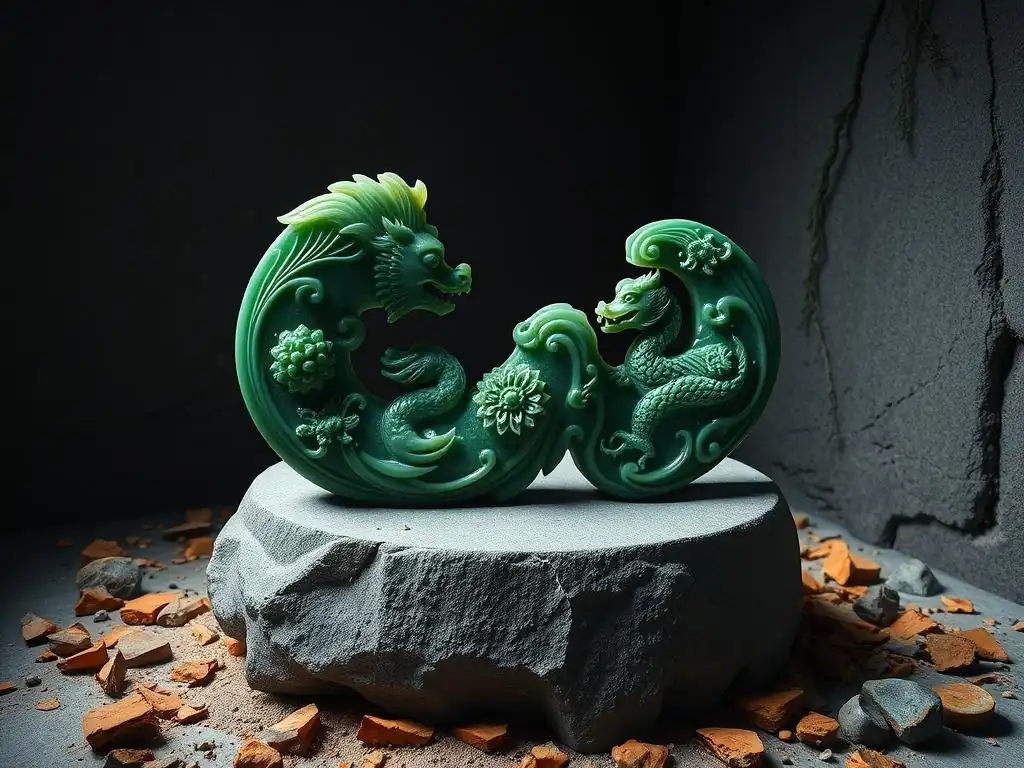
The Gaocheng site, also located in Hebei province, offers compelling archaeological evidence of the dynamic interaction between the dominant Shang culture and local populations. Excavations at Gaocheng have uncovered a fascinating blend of typical Shang artifacts alongside indigenous pottery styles and architectural features.
For instance, while certain bronze vessel types and fragments of oracle bones clearly indicate Shang influence and administrative presence, the pottery assemblages often show distinct local traditions coexisting with or adapting Shang forms. This cultural amalgamation reflects a process of diffusion and assimilation, where local elites likely adopted Shang practices, technologies, and even political structures while retaining aspects of their own cultural identity.
The presence of workshops producing both Shang-style goods and local items further illustrates this cultural synthesis, indicating economic interaction and a blending of craft traditions. This unique blend of material culture makes Gaocheng a vital site for understanding the complexities of cultural exchange and the varied ways in which the Shang Dynasty extended its influence. It provides a nuanced perspective on the extent of Shang control, demonstrating that it was not always a monolithic imposition but often involved a more intricate process of cultural negotiation and adaptation.
The burial customs at Gaocheng provide profound insights into the social structures and the degree of Shang influence in this regional center. While many elite burials exhibit similarities to Shang practices, such as the use of sacrificial pits (though often smaller in scale) and the inclusion of specific types of grave goods like bronze weapons or chariot fittings, they also reveal distinct local variations. The size and richness of certain tombs clearly indicate a stratified society, suggesting the presence of a local elite who likely gained power and prestige through their association with the Shang.
For example, some tombs contain bronze artifacts that are undeniably Shang in style, signifying elite connections to the core Shang state, while other accompanying grave goods might be locally produced or reflect indigenous ritual practices. The presence of these hybrid burial practices helps archaeologists reconstruct the social hierarchy at Gaocheng and understand the extent to which Shang administrative control or cultural influence permeated local societies. This interplay between Shang cultural norms and local traditions, visible in the burial record, offers a unique window into the socio-political dynamics at the periphery of the Shang empire.
Other Notable Shang Dynasty Archaeological Sites and Their Significance
Yanshi Shang City: Archaeological Insights into Early Urban Planning
Yanshi Shang City, located in Henan province, is another crucial early Shang urban center that provides significant archaeological insights into the dynasty's urban planning capabilities. Discovered near the Erlitou site, Yanshi is characterized by two distinct walled cities: an inner city and an outer city. This dual-city layout, with its clear spatial organization, suggests a sophisticated level of urban development and planning during the early Shang period. The inner city likely served as the administrative and elite residential core, while the outer city encompassed broader residential areas and specialized workshops.
Excavations at Yanshi have revealed evidence of well-organized residential areas, various craft workshops (including those for bone and pottery production), and elite burials. The site provides a vital comparative case study for understanding the evolution of early Shang urbanism, offering a different model from that of Zhengzhou or Erlitou. Its complex layout and functional differentiation demonstrate the Shang's advanced ability to organize labor and resources for large-scale urban construction, contributing significantly to our understanding of the dynasty's early state formation.
Yuanqu Site: Uncovering Evidence of Ritual Practices Relevant to the Shang Dynasty
The Yuanqu site, situated in Shanxi province, is particularly significant for the extensive evidence it provides concerning Shang Dynasty ritual practices. This site is renowned for the discovery of numerous sacrificial pits containing human and animal remains, often associated with bronze ritual vessels and jade artifacts. These findings offer direct and compelling insights into the religious beliefs, ancestor worship, and sacrificial ceremonies that were central to Shang society. The scale and nature of these sacrifices indicate a highly organized religious system, integral to the legitimation of Shang rule.
The types of animals sacrificed (cattle, sheep, pigs) and the manner of human sacrifice (often decapitated or dismembered individuals) provide chilling details about Shang ritual procedures and their underlying cosmological beliefs. The presence of specific bronze and jade artifacts within these pits further links these rituals to the material culture of the Shang elite.
Yuanqu's archaeological record thus provides a unique window into the spiritual and ceremonial life of the Shang Dynasty, highlighting the deep integration of ritual into their political and social fabric, and making it a key destination for understanding Shang religious practices on a Shang Dynasty archaeological site tour.
The Significance of Regional Shang Dynasty Archaeological Site Tours
Planning Your Shang Dynasty Archaeological Site Tour: Considerations and Logistics
Embarking on a Shang Dynasty archaeological site tour that extends beyond the well-known capitals requires careful planning, but the rewards are substantial. Many regional sites, while archaeologically significant, are not as developed for mass tourism as major destinations like Anyang's Yin Xu. This often means that visitors might need to arrange for local guides or engage with specialized archaeological tour operators who have expertise in accessing these locations. The sites are spread across several provinces, including Henan, Hubei, Hebei, and Shanxi, necessitating a multi-leg itinerary.
Logistical considerations include travel between sites, which can range from high-speed rail to local transportation. It is advisable to check the current accessibility of sites, as some may be active excavation zones with restricted public access, or their visitor facilities might be rudimentary. Nevertheless, the effort to visit these lesser-known Shang Dynasty sites provides an unparalleled opportunity to engage directly with the physical remnants of this ancient civilization, offering a truly immersive historical experience.
Benefits of Visiting Lesser-Known Shang Dynasty Sites: A Deeper Understanding of Shang Culture
Visiting a diverse range of Shang Dynasty archaeological sites offers a profoundly deeper and more nuanced understanding of Shang culture than simply focusing on the major capitals. These regional sites reveal the complex mechanisms of Shang expansion, administration, and resource control. For instance, seeing the defensive walls of Panlongcheng helps visualize the dynasty's military reach, while exploring the workshops at Zhengzhou illustrates the scale of its industrial production. Such a comprehensive Shang Dynasty archaeological site tour allows visitors to connect the dots between the powerful central state and its far-flung outposts.
Furthermore, these sites often showcase regional variations and local adaptations, demonstrating how Shang culture interacted with and sometimes assimilated indigenous traditions. This provides a more holistic view of the dynasty's vast reach and its complex interactions with diverse populations. By experiencing the different types of archaeological evidence—from mining sites to ceremonial centers—visitors gain a richer appreciation for the ingenuity, resilience, and intricate societal structures of the Shang Dynasty, moving beyond textbook knowledge to a direct encounter with history.
Preserving and Protecting Shang Dynasty Archaeological Sites for Future Generations
The Challenges of Archaeological Conservation in China
The preservation and protection of Shang Dynasty archaeological sites in China face significant challenges, largely due to the immense scale of archaeological discoveries and the rapid pace of modern development. Urban expansion, large-scale infrastructure projects (such as high-speed rail lines and new cities), and agricultural modernization frequently encroach upon historical sites, necessitating costly and time-consuming rescue archaeology. Illegal looting and the black market for antiquities also pose a constant threat, leading to the irreversible loss of invaluable cultural heritage.
Furthermore, the sheer number of unearthed artifacts and the vastness of the sites demand continuous funding, advanced conservation techniques, and a large contingent of trained professionals for their proper excavation, documentation, and long-term preservation. Environmental factors, such as erosion and climate change, also contribute to the degradation of sites. Addressing these challenges requires a concerted effort from government agencies, research institutions, and local communities to ensure that these irreplaceable windows into the Shang Dynasty remain intact for future generations.
Supporting Archaeological Research and Preservation Efforts at Shang Dynasty Sites
Supporting archaeological research and preservation efforts at Shang Dynasty sites is crucial for safeguarding this invaluable heritage. Various initiatives, from government-led projects to international collaborations, are dedicated to the study and protection of these ancient remains. Individuals can contribute by supporting reputable archaeological institutions and museums that house and conserve Shang artifacts. Engaging in responsible cultural tourism, particularly on a well-planned Shang Dynasty archaeological site tour, also plays a role by raising awareness and, indirectly, supporting the local economies that benefit from heritage tourism.
Promoting public education about the importance of archaeological conservation helps foster a greater appreciation for these sites and discourages illicit activities. Contributing to or advocating for sustainable development practices that integrate heritage protection is also vital. By actively supporting these efforts, we ensure that the profound insights offered by Shang Dynasty archaeological sites continue to enrich our understanding of one of the world's earliest and most influential civilizations, allowing future generations to learn from and connect with this remarkable past.
Conclusion: A Richer Understanding of the Shang Dynasty Through Its Archaeological Legacy
The Importance of Continued Archaeological Exploration of the Shang Dynasty
The ongoing archaeological exploration of the Shang Dynasty continues to be a dynamic and transformative field, constantly reshaping our understanding of this pivotal period in Chinese history. Each new excavation, particularly at regional sites beyond the established capitals, adds crucial pieces to the puzzle, challenging existing theories and offering fresh insights into Shang society, politics, economy, and culture. The discoveries at sites like Xingtai and Gaocheng, for instance, demonstrate the complex interplay between centralized power and local adaptation, illustrating a more nuanced picture of Shang influence than previously imagined.
This continuous discovery process underscores the dynamic nature of archaeological knowledge. It highlights that our understanding of the Shang Dynasty is not static but constantly evolving with new evidence. The potential for future breakthroughs, perhaps revealing new urban centers, previously unknown ritual practices, or even new forms of writing, remains immense. Therefore, continued archaeological exploration is not merely about finding more artifacts; it is about deepening our comprehension of one of humanity's foundational civilizations and its enduring legacy.
Further Resources for Exploring Shang Dynasty Archaeology
For those eager to delve deeper into the fascinating world of Shang Dynasty archaeology following a comprehensive Shang Dynasty archaeological site tour, a wealth of resources is available. Academic journals, such as Kaogu (Archaeology) and the Journal of Chinese Archaeology, publish the latest research findings directly from excavation sites. Major museums across China and internationally house extensive collections of Shang artifacts, offering opportunities for direct engagement with the material culture.
Additionally, numerous scholarly publications, including books and monographs by leading archaeologists and historians, provide detailed analyses and interpretations of the archaeological evidence. These resources offer invaluable context and in-depth information for anyone wishing to expand their knowledge beyond the scope of a general article. By engaging with these scholarly materials, enthusiasts can continue their journey into understanding the remarkable achievements and enduring mysteries of the Shang Dynasty, ensuring its rich archaeological legacy continues to inform and inspire.
Frequently Asked Questions
What makes a Shang Dynasty archaeological site tour unique?
A Shang Dynasty archaeological site tour offers a glimpse into one of China's earliest bronze age civilizations. Unlike tours focusing solely on major capitals, these tours often highlight regional variations and lesser-known aspects of Shang culture.
Where can I find information about non-capital Shang Dynasty archaeological sites?
Websites like ArchaeologyHub.org provide detailed profiles of various Shang Dynasty sites, including those beyond the major capitals. These resources often include artifact analyses and historical context.
What types of artifacts might I see on a Shang Dynasty archaeological site tour?
Expect to see a range of artifacts, including bronze ritual vessels, oracle bones used for divination, and pottery shards. The specific artifacts will vary depending on the site's function and significance.
What excavation techniques are used at Shang Dynasty archaeological sites?
Archaeologists employ a variety of techniques, including stratigraphic excavation to understand the layers of occupation. Carbon dating and other methods are used to date the artifacts and the site itself.
How can I learn more about the historical context of the Shang Dynasty before taking a tour?
ArchaeologyHub.org offers extensive timelines and interpretive analyses of ancient civilizations, specifically focusing on the Shang Dynasty's place in Chinese history. This helps provide a deeper understanding before your tour.
Final Reflection: Unearthing the Echoes of the Shang
The journey through the lesser-known archaeological sites of the Shang Dynasty reveals that the true story of a civilization lies not just in its capitals, but in the whispers emanating from its periphery. These sites, often overlooked in favor of the grand palaces and tombs, offer a more nuanced and complete understanding of the Shang’s societal structure, technological advancements, and cultural influence, proving their enduring relevance in understanding early Chinese history.
The exploration of these sites has profoundly shifted our understanding of the Shang Dynasty, moving beyond a focus on elite power to encompass the lives of ordinary people and the spread of Shang culture. To understand the road ahead, one must first understand the road behind.
This ancient wisdom rings true as we contemplate the legacy of the Shang, a legacy etched not only in bronze and jade, but also in the humble remains of villages and workshops scattered across the landscape. These sites serve as a powerful reminder that history is a tapestry woven from countless individual threads.
As you consider the echoes of the Shang Dynasty unearthed in these less-traveled locales, I invite you to reflect on the stories that lie hidden beneath our own feet. What forgotten corners of your own history, your own community, hold the keys to a deeper understanding of the present? Let the spirit of exploration and discovery that guides archaeologists inspire you to seek out these hidden narratives, to unearth the richness and complexity that lies just beyond the well-trodden path.
Unearth Your Own Shang Dynasty Adventure!
Thank you for exploring the hidden wonders of the Shang Dynasty with us. We hope this glimpse beyond the capitals has sparked your curiosity and deepened your appreciation for this ancient civilization. Ready to take your exploration further?
Here's how you can continue your journey:
- Delve Deeper: Research a lesser-known Shang Dynasty artifact mentioned in the article and share your findings in the comments below.
- Explore related cultures: Investigate the archaeological sites of the Sanxingdui culture, which coexisted with the Shang Dynasty and presents unique artistic styles.
- Share the knowledge: Share this article with fellow archaeology enthusiasts on social media and start a conversation about the importance of preserving these historical sites.
Which of these lesser-known Shang Dynasty sites intrigues you the most, and what mysteries do you hope future excavations will reveal?