Osteoarchaeology: The Science of Reading Ancient Bones
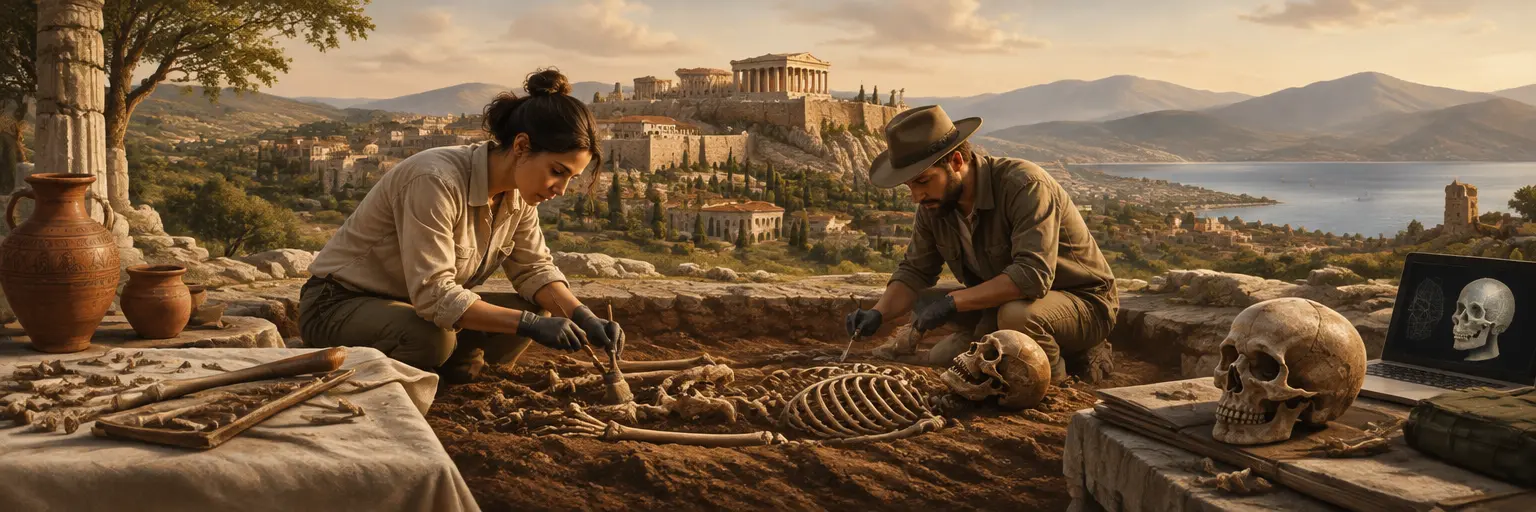
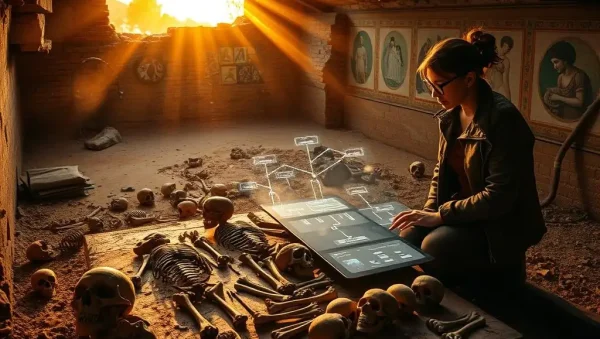
Osteoarchaeology, the specialized study of human skeletal remains from archaeological contexts, is a cornerstone of bioarchaeology and physical anthropology. At ArchaeologyHub.org, this subcategory bridges the gap between forensic science and cultural history, allowing us to reconstruct the lives, deaths, and identities of past populations. By analyzing bone microstructure, pathology, and isotopic signatures, researchers uncover diet, disease, mobility, and even social violence. Whether you are an aspiring archaeologist, a history enthusiast, or a curious reader, this resource transforms dry skeletal fragments into vivid narratives of human resilience and adaptation.
🩻 Fundamentals of Human Osteology
Here, you will master the anatomical vocabulary essential for identifying and recording every bone in the human body. We break down the cranium, axial skeleton, and appendicular skeleton, emphasizing age-at-death estimation and sex determination using standard morphological markers like the pubic symphysis and skull features. This section provides clear, step-by-step guides and visual references, helping you differentiate human remains from animal bones and understand taphonomic changes that alter bone over centuries.
Expect downloadable bone identification charts and practical tips for field documentation. We also address common pitfalls in osteological analysis, such as distinguishing pathological lesions from post-mortem damage. By grounding yourself in these basics, you will be equipped to interpret more complex studies and even assist in museum or lab settings. Accurate skeletal analysis begins here, forming the foundation for all advanced topics in this subcategory.
⚖️ Paleodemography and Population Health
Dive into how osteoarchaeologists estimate population structure, fertility rates, and mortality patterns from skeletal collections. This thematic area covers life tables, juvenile age profiles, and infectious disease epidemics visible in bone, such as tuberculosis or syphilis. We discuss the "osteological paradox," where higher lesion frequencies may actually indicate better survival, and how this challenges simplistic interpretations of ancient health.
Expect case studies from Neolithic European cemeteries to Andean highland burial sites, revealing the impact of agriculture, urbanization, and climate change. You will learn to calculate crude birth rates and assess stress markers like enamel hypoplasia. These insights allow comparisons across regions and time periods, demonstrating how population health reflects social inequality and environmental pressures. This section is vital for anyone interested in long-term human biocultural adaptation.
⚔️ Trauma, Violence, and Surgical Practices
This fascinating topic examines fractures, sharp-force injuries, and healed wounds as direct evidence of interpersonal conflict, accidents, and medical interventions. We explore how peri-mortem versus ante-mortem trauma is distinguished, and how trepanation—the drilling of the skull—reveals sophisticated ancient surgery. You will encounter analysis of weapon wounds from battlefields like Towton and ritualized violence in Mayan sacrificial contexts.
Expect detailed classification systems for fractures and a discussion of injury patterns related to gender roles and occupational hazards. We also consider ethical implications of interpreting violent acts from bones, emphasizing context and cultural relativism. Through real-world examples, you will see how osteoarchaeologists collaborate with forensic pathologists to untangle stories of resilience, care, and brutality, making trauma analysis one of the most compelling facets of this field.
🍞 Diet Reconstruction via Stable Isotopes
Stable isotope analysis (carbon-13 and nitrogen-15) from bone collagen and apatite provides direct biochemical evidence of past diets. This section explains how scientists parse marine versus terrestrial protein sources, C3 versus C4 plant consumption, and breastfeeding weaning patterns. We highlight critical studies from coastal hunter-gatherers, early farmers, and Bronze Age elites, showing how isotope ratios vary with status, age, and geography.
Expect visual graphs and step-by-step examples of isotopic data interpretation. We address confounding factors like diagenesis and collagen degradation, ensuring you understand limitations. Additionally, you will explore how isotope data integrates with dental microwear and plant microfossils for a holistic dietary picture. This approach is central to paleonutrition, revealing both food availability and cultural food choices, from maize-based Mesoamerican diets to fish-rich Scandinavian societies.
🏺 Burial Taphonomy and Mortuary Practices
Investigate how decomposition, scavenging, and intentional modification affect skeletal assemblages. This sub-topic covers primary versus secondary burials, cremation analysis, and the significance of grave goods in rite-of-passage ceremonies. We analyze how post-depositional processes, such as soil acidity or grave disturbance, bias the sample, and how archaeologists mitigate these issues during excavation. Case studies include flexed Neolithic burials and elaborate Moche tombs.
Expect a walkthrough of forensic taphonomy applied to archaeological sites, including scavenger marks and weathering stages. You will learn to reconstruct funeral sequences, from corpse preparation to final deposition, using bone position and articulation. This knowledge is also applied to modern forensic cases, underscoring the practical relevance of osteoarchaeology. Ultimately, this section demonstrates that mortuary context is as revealing as the bones themselves.
Frequently Asked Questions
What is the difference between osteoarchaeology and bioarchaeology?
Osteoarchaeology focuses specifically on the analysis of human skeletal remains from archaeological sites, including bone morphology, pathology, and age/sex estimation. Bioarchaeology is broader, studying all biological materials—bones, teeth, isotopes, and DNA—in their cultural context. In practice, osteoarchaeology is a core skill within bioarchaeology, but bioarchaeologists also integrate faunal remains and plant evidence to interpret human behavior.
Can osteoarchaeology identify the exact cause of death?
No, it rarely identifies cause of death. Instead, osteoarchaeologists identify manner (homicide, natural, etc.) and contributing conditions like healed trauma or infection. Soft tissue causes, such as heart attacks, leave no skeletal traces. However, perimortem fractures or weapon wounds provide strong evidence of violent death, while chronic conditions like severe arthritis or tuberculosis can be confirmed with high confidence.
How do researchers distinguish human from animal bones?
Key differences include overall size, bone density, joint morphology, and the presence of species-specific features like the foramen magnum position or tooth cusp patterns. Human femurs are longer and have a distinct neck angle, while animal bones often have different epiphyseal fusion rates. In fragmented remains, osteologists use histology to observe Haversian systems, which are more organized in humans than most animals.
Is it ethical to display human skeletal remains in museums?
This is a debated topic. Many professionals now advocate for repatriation and respectful storage, especially for indigenous communities. Ethical guidelines prioritize informed consent and cultural sensitivity. Some museums use casts or digital 3D models to convey educational value while preserving dignity. Each case requires consultation with descendant groups, balancing scientific study with moral responsibilities.
How does DNA analysis complement osteoarchaeological studies?
Ancient DNA (aDNA) extracts genetic material from bones or teeth, supplying data on kinship, migration, ancestry, and even pathogens. While osteology provides physical health and lifestyle evidence, aDNA adds molecular precision. For example, isotopic diet data combined with Y-chromosomal haplotypes can reveal patrilocal residence patterns. However, DNA degrades quickly, so osteoarchaeology remains essential for interpreting degraded or contaminated samples.