
The Hillaire Chamber, Chauvet Cave: Layout and Artistic Highlights

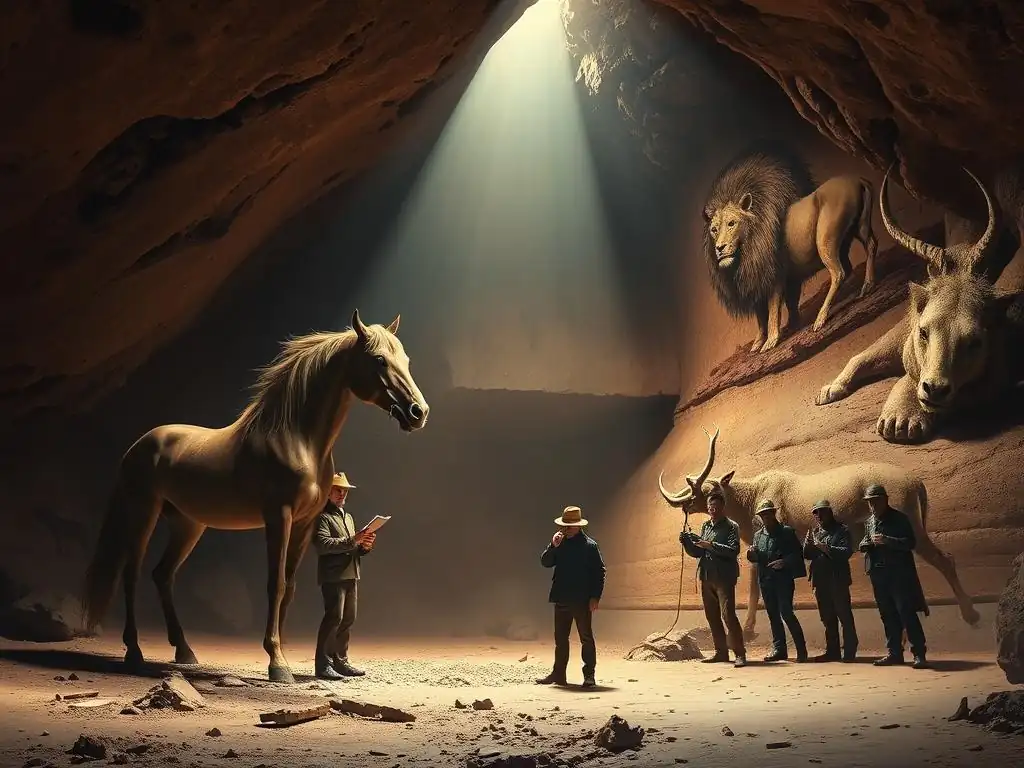
Welcome to ArchaeologyHub.org, your portal to uncovering the past. Delve into the mysteries of ancient civilizations and groundbreaking archaeological discoveries. Ever wondered about the hidden complexities within prehistoric art? Our featured article explores the intricate layout and artistic wonders of the Chauvet Cave's Hillaire Chamber. Join us as we unlock the secrets of this remarkable site and its profound impact on our understanding of early human expression. What stories do the walls whisper? Let's explore.
- Introduction to the Hillaire Chamber in Chauvet Cave
- Exploring the Layout of the Hillaire Chamber
- Artistic Masterpieces of the Hillaire Chamber: A Detailed Overview
- Art Techniques and Materials Used in the Hillaire Chamber
- Interpretation of the Art in the Hillaire Chamber
- Comparison with Other Decorated Caves
- Conservation Efforts and Research in the Hillaire Chamber
- Conclusion: The Enduring Legacy of the Hillaire Chamber
-
Frequently Asked Questions
- What is the Hillaire Chamber within Chauvet Cave, and why is it significant?
- What types of artistic depictions are most prominent in the Hillaire Chamber?
- How does the layout of the Hillaire Chamber contribute to the viewing experience of the artwork?
- What dating methods have been used to determine the age of the art in the Hillaire Chamber?
- Where can I find more detailed information about the Hillaire Chamber and other areas of Chauvet Cave?
- Final Reflection: Echoes of Humanity's Dawn
- Unearth Your Inner Explorer!
Introduction to the Hillaire Chamber in Chauvet Cave
Chauvet Cave: A Paleolithic Art Sanctuary
Chauvet Cave, nestled in the Ardèche region of southern France, stands as an unparalleled testament to Upper Paleolithic artistic genius. Discovered in 1994, this UNESCO World Heritage site revolutionized our understanding of early human creativity, housing over 1,000 depictions of animals and abstract signs.
Radiocarbon dating has placed much of its art within two distinct phases of occupation, roughly 37,000 to 33,500 years ago (Aurignacian period) and 31,000 to 28,000 years ago (Gravettian period), making it one of the oldest and most extensively decorated caves known to humankind. Its pristine condition, largely due to a rockfall that sealed its entrance approximately 23,000 years ago, preserved an astonishing array of images, from powerful lions and rhinoceroses to elegant horses and bears.
The significance of Chauvet Cave extends beyond its age; it showcases a level of artistic sophistication previously thought to have emerged much later in prehistory. The mastery of techniques such as shading, perspective, and composition demonstrates a profound cognitive capacity and artistic intent. Its remote location deep within the limestone massif, far from daylight, suggests a sacred or ritualistic purpose, rather than mere habitation. The cave's discovery fundamentally altered the timeline of Paleolithic art development, proving that early Homo sapiens possessed complex symbolic thought and advanced artistic skills from a very early stage.
Significance of the Hillaire Chamber within Chauvet
The Hillaire Chamber is one of the most remarkable and densely decorated areas within the vast network of Chauvet Cave. Named after one of its discoverers, Eliette Hillaire, this chamber is distinguished by its unique concentration of specific animal species and the extraordinary dynamism of its compositions. It serves as a pivotal space for understanding the Chauvet Cave Hillaire Chamber Layout and the overarching artistic narrative woven throughout the cave. The artistry found here, particularly the large panels, offers crucial insights into the worldview and artistic conventions of the Paleolithic people.
Within the Hillaire Chamber, archaeologists and art historians have identified some of the most iconic and frequently studied artworks of Chauvet. The artistic output here is not merely a collection of individual figures but often complex, multi-layered compositions that interact with the natural contours of the cave walls. The particular selection and arrangement of animals, along with the sophisticated techniques employed, underscore the chamber's profound cultural and symbolic importance to its ancient creators, making it an indispensable component of the cave's archaeological legacy.
Exploring the Layout of the Hillaire Chamber
Topography and Spatial Arrangement of the Hillaire Chamber
The Hillaire Chamber, a significant component of the Chauvet Cave Hillaire Chamber Layout, is characterized by its irregular, somewhat elongated shape, with dimensions estimated to be approximately 30 meters long and up to 15 meters wide in places. Its topography is varied, featuring uneven floors, natural shelves, and large rock formations that the Paleolithic artists ingeniously incorporated into their compositions.
The chamber's walls are predominantly smooth, providing ideal canvases for the intricate drawings and engravings. The natural contours of the rock often define the edges of artistic panels or provide a backdrop that enhances the three-dimensional quality of the animal depictions.
The spatial arrangement within the Hillaire Chamber appears to be deliberate, with specific themes or animal groups concentrated in certain areas. For instance, large panels dedicated to lions and rhinoceroses dominate significant sections, leveraging the expansive wall surfaces. Smaller, more intimate niches or recesses might contain individual figures or abstract signs. This thoughtful use of the natural environment suggests a deep understanding of the chamber's acoustics and visual lines, indicating that the Chauvet Cave Hillaire Chamber Layout was not merely a random canvas but a carefully curated gallery.
Access Points and Internal Divisions of the Chamber
Access to the Hillaire Chamber from other parts of Chauvet Cave involves navigating through relatively narrow passages, reflecting the overall challenging and deep nature of the cave system. This restricted access likely contributed to the chamber's pristine preservation over millennia, as it was not easily disturbed by later human activity. Once inside, the chamber does not feature rigid internal divisions like walls, but rather natural geological formations and the strategic placement of art create distinct zones or "panels" that guide the viewer's experience.
These internal "divisions" are defined by the concentration of specific animal groups or artistic themes. For example, the famous Panel of Horses typically occupies a prominent section, while the Panel of Lions might be found on an adjacent or opposing wall. This thematic clustering within the Chauvet Cave Hillaire Chamber Layout suggests a narrative flow or a specific ritualistic progression intended by the artists. The deliberate arrangement of these artistic zones implies a structured engagement with the art, potentially guiding participants through a sequence of visual experiences.
Environmental Conditions and Preservation Challenges in the Hillaire Chamber
The remarkable preservation of the art within the Hillaire Chamber, and indeed throughout Chauvet Cave, is primarily due to its exceptionally stable microclimate. The chamber maintains a near-constant temperature of approximately 12-13°C (53-55°F) and a humidity level consistently above 95%. This stable environment, coupled with low levels of carbon dioxide and minimal air circulation, has prevented the degradation of the delicate charcoal and ochre pigments, as well as the cave's geological formations. The sealed entrance for millennia acted as a natural protective barrier, isolating the chamber from external climatic fluctuations and human interference.
Despite these ideal natural conditions, ongoing preservation efforts face significant challenges. The mere presence of humans, even a few researchers, can alter the delicate atmospheric balance through respiration and heat. Consequently, access to the Hillaire Chamber is extremely restricted, monitored by sophisticated sensors that track temperature, humidity, and CO2 levels. Preventing the growth of micro-organisms, such as fungi and bacteria, which can thrive in high humidity and potentially damage the artwork, remains a continuous concern. Maintaining the integrity of the Chauvet Cave Hillaire Chamber Layout and its art requires constant vigilance and minimal human intervention.
Artistic Masterpieces of the Hillaire Chamber: A Detailed Overview
The Panel of Horses: Techniques and Symbolism
One of the most celebrated compositions within the Hillaire Chamber is the iconic Panel of Horses, a breathtaking frieze featuring four horses' heads, one of which is depicted with striking anatomical precision and dynamic movement. This panel exemplifies the Paleolithic artists' mastery of perspective and contour. The horses are rendered with a remarkable sense of volume and depth, achieved through the use of shading (chiaroscuro) and the subtle manipulation of charcoal lines. The overlapping heads create an illusion of a moving herd, a sophisticated artistic technique rarely seen in art from this period.
The symbolism of the horses in this panel is a subject of ongoing debate, but their prominent placement and dynamic portrayal suggest profound significance. They might represent the spirit of the hunt, the abundance of game, or perhaps hold a totemic meaning for the ancient people. The meticulous attention to detail, from the flared nostrils to the muscular necks, indicates a deep observational knowledge of these animals, likely derived from their crucial role in the survival and cultural life of the Paleolithic communities who created the Chauvet Cave Hillaire Chamber Layout.
Depictions of Lions and Rhinoceroses in the Hillaire Chamber
The Hillaire Chamber is notably rich in depictions of formidable predators, prominently featuring numerous lions and rhinoceroses, a characteristic that sets Chauvet apart from many other Paleolithic caves where prey animals dominate. The "Panel of Lions," for instance, showcases over 100 lion figures, often depicted in powerful, dynamic poses, suggesting hunting scenes or territorial displays. These lions, often identified as cave lions (an extinct subspecies of lion), are rendered with exceptional realism, capturing their musculature, expressions, and the subtle nuances of their behavior.
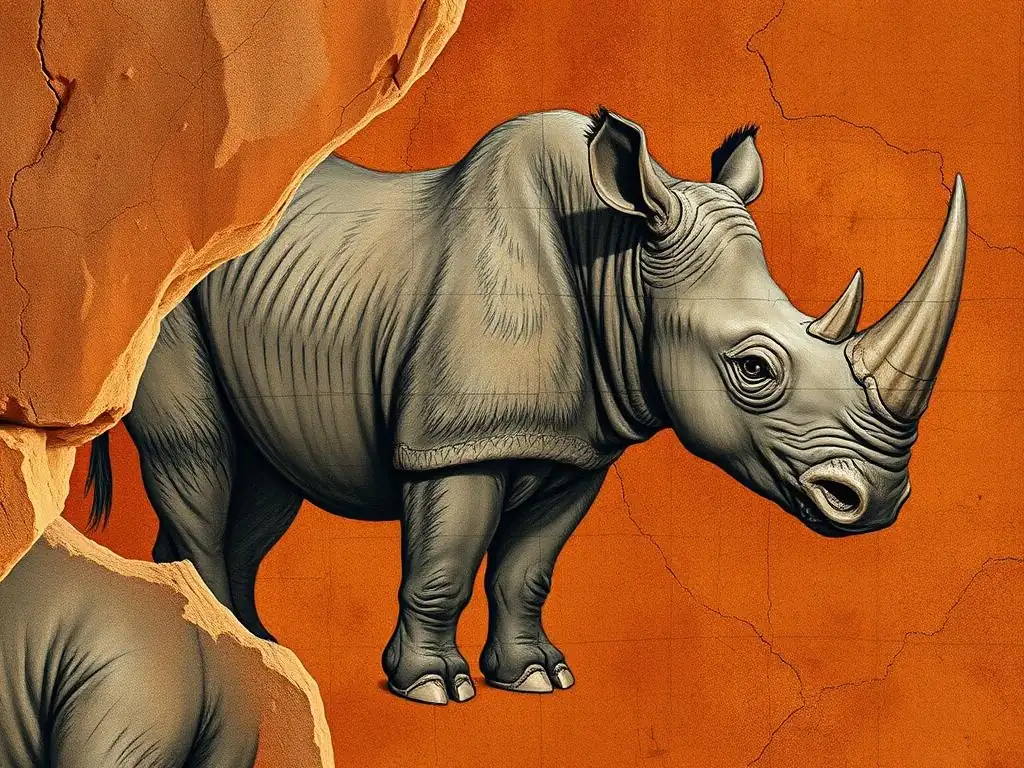
Similarly, the chamber hosts striking depictions of woolly rhinoceroses, some shown charging with remarkable force and aggression. The artists used bold, sweeping lines and extensive charcoal shading to convey the immense power and bulk of these animals. The emphasis on dangerous animals in the Chauvet Cave Hillaire Chamber Layout suggests a different symbolic or ritualistic focus compared to sites like Lascaux. This concentration of predators might reflect a deep respect, fear, or even an attempt to harness their power through artistic representation within the Paleolithic belief system.
Unique Engravings and Abstract Motifs Found in the Chamber
Beyond the grand painted panels, the Hillaire Chamber also contains a fascinating array of engravings and abstract motifs, often subtly integrated into the overall artistic scheme. These engravings, made with sharp tools on the soft limestone surfaces, range from fine, delicate lines outlining animal forms to deeper incisions. Some depict animals not found in the painted repertoire, offering a broader glimpse into the fauna known to the artists. The "Sorcerer" or "Minotaur" figure, a composite human-animal image, is another unique engraved highlight, hinting at complex mythological or shamanistic beliefs.
Abstract motifs, including dots, lines, and geometric patterns, are also present throughout the chamber. While their precise meaning remains elusive, they are often found in conjunction with animal figures or strategically placed within the Chauvet Cave Hillaire Chamber Layout. These non-representational signs could have served as markers, symbols, or components of a larger, as-yet-undeciphered narrative or ritual. Their presence underscores the sophisticated symbolic language employed by the Paleolithic artists, suggesting a rich cognitive landscape beyond mere animal depiction.
Art Techniques and Materials Used in the Hillaire Chamber
Pigment Analysis and Sourcing
The primary pigments used by the Paleolithic artists in the Hillaire Chamber were charcoal for black and various iron oxides (ochre) for red and yellow hues. Scientific analysis, including X-ray diffraction and Raman spectroscopy, has revealed the specific mineral compositions.
The black pigment, often derived from wood charcoal (Pinus sylvestris has been identified) or manganese dioxide, was applied directly, sometimes smudged to create shading. The red and yellow ochres, sourced from local geological deposits within a few kilometers of the cave, were likely ground into fine powders and then mixed with a binder, possibly water, saliva, or animal fat, to create a paint-like consistency.
The choice and preparation of these pigments speak to the artists' knowledge of their environment and their technical ingenuity. The availability of high-quality raw materials close to the cave was crucial for their artistic endeavors. The ability to process these materials into durable pigments that have survived for tens of thousands of years highlights a sophisticated understanding of material science, ensuring the longevity of the art within the Chauvet Cave Hillaire Chamber Layout.
Engraving Tools and Methods
Engravings in the Hillaire Chamber were executed with remarkable precision, indicating the use of specialized tools and a high degree of skill. The artists likely utilized sharp flint tools, readily available in the region, to incise lines into the soft limestone surfaces. The varying depths and widths of the engraved lines suggest a range of tools and techniques, from fine, delicate outlines that barely scratch the surface to deeper, more pronounced cuts that define contours and musculature. Some engravings appear to be made with fingers or blunt tools, particularly in the softer clays found on certain walls.
The interplay between painting and engraving is a notable feature in the Hillaire Chamber. Often, engraved lines reinforce painted contours or add details like fur or mane texture. This dual approach demonstrates the artists' versatility and their ability to combine different artistic methods to achieve desired effects. The evidence of repeated engraving over existing lines also suggests a process of refinement or re-emphasis, contributing to the complex layers of art within the Chauvet Cave Hillaire Chamber Layout.
The Use of Perspective and Shading in Paleolithic Art
Chauvet Cave, and particularly the Hillaire Chamber, showcases an astonishing command of artistic techniques, notably the use of perspective and shading, which were previously thought to have developed much later in art history. The artists employed foreshortening, where elements closer to the viewer are depicted larger or more prominently, to create an illusion of depth and three-dimensionality. This is evident in the dynamic compositions of the Panel of Horses, where overlapping heads and varying sizes contribute to a sense of movement and depth within the herd.
Shading, or chiaroscuro, was masterfully applied using charcoal, often smudged with fingers or pads of material to create gradients of tone. This technique allowed the artists to render the volume and musculature of animals with incredible realism. The deep shadows and highlights give the figures a sculptural quality, making them appear to emerge from the rock surface. This sophisticated understanding of light and shadow demonstrates a highly advanced artistic sensibility, marking the art of the Chauvet Cave Hillaire Chamber Layout as a pinnacle of Paleolithic artistic achievement.
Interpretation of the Art in the Hillaire Chamber
Symbolic Meanings and Ritual Contexts
The art of the Hillaire Chamber, deeply embedded within the Chauvet Cave Hillaire Chamber Layout, is widely believed to hold profound symbolic meanings and to have been created within a ritualistic context. The location of the art deep within the cave, far from natural light, suggests that it was not merely decorative but integral to ceremonies or spiritual practices.
Theories often point towards shamanism, where the cave might have served as a portal to the spirit world, and the animal depictions as representations of animal spirits or guides. The presence of abstract signs alongside animal figures further supports the idea of a complex symbolic system.
The repetitive nature of some motifs, such as the multiple heads of the horses, could indicate a form of animation or a representation of movement within a trance-like state. The choice of specific animals, particularly the dangerous predators prevalent in the Hillaire Chamber, might reflect a focus on power, survival, or a spiritual connection with these formidable creatures. The act of creation itself, in the challenging depths of the cave, could have been a ritualistic endeavor, imbuing the art with sacred significance for the Paleolithic communities.
Animal Representations and their Significance
The predominance of dangerous animals—lions, rhinoceroses, and bears—in the Hillaire Chamber is a striking feature that distinguishes Chauvet from many other well-known Paleolithic cave art sites, where herbivores like bison and horses are more common. This emphasis suggests a particular focus on the powerful and potentially threatening aspects of the natural world. These animals might have been seen as totemic symbols, representing clans or spiritual entities, or perhaps they were invoked for successful hunting, protection, or to embody desired qualities like strength and courage.
The detailed and often aggressive poses of these animals, such as the charging rhinoceroses or the vigilant lions, convey a sense of their raw power and untamed nature. This could reflect a deep respect for these creatures, an attempt to understand and perhaps control them through artistic representation, or even a depiction of mythological narratives. The unique animal repertoire found within the Chauvet Cave Hillaire Chamber Layout offers a rare glimpse into the specific animal-human relationships and spiritual beliefs of the Aurignacian people.
Connecting the Art to Paleolithic Belief Systems
The art of the Hillaire Chamber provides invaluable, albeit indirect, insights into the complex belief systems of Paleolithic societies. The consistent themes of powerful animals, the use of perspective to create lifelike figures, and the deep, inaccessible location of the art all point towards a rich spiritual or mythological framework. It is plausible that the cave served as a sacred sanctuary where individuals or groups engaged in rituals, possibly involving altered states of consciousness, to connect with the spiritual realm or to enact sympathetic magic.
The intricate compositions and the skillful blending of natural rock features with painted forms suggest a profound connection between the artists and their environment, seeing the cave itself as a living entity or a conduit for spiritual forces. While definitive interpretations remain elusive, the sheer sophistication and emotional resonance of the art in the Chauvet Cave Hillaire Chamber Layout underscore the presence of a highly developed symbolic culture, where art was not merely aesthetic but a powerful medium for expressing and engaging with the unseen world.
Comparison with Other Decorated Caves
Hillaire Chamber vs. Other Chambers in Chauvet Cave
While the Hillaire Chamber is a highlight, Chauvet Cave features several other magnificent chambers, each contributing to the overall artistic grandeur. For instance, the End Chamber contains the famous "Panel of the Lions and Bears," and the Panel of the Horses (distinct from the Hillaire Chamber's panel) also exhibits unique characteristics. The Hillaire Chamber stands out for its high density of large, powerful predators, particularly lions and rhinoceroses, often depicted in dynamic, multi-figure compositions. This contrasts somewhat with areas that might feature more solitary figures or different animal groupings.
The Chauvet Cave Hillaire Chamber Layout also showcases a particularly strong emphasis on sophisticated techniques like chiaroscuro and perspective, even when compared to the already advanced art in other parts of the cave. While all of Chauvet demonstrates remarkable skill, the Hillaire Chamber's compositions often feel more narrative and integrated, using the natural contours of the rock with exceptional ingenuity. This subtle variation in emphasis and artistic style across the different chambers contributes to the overall richness and complexity of Chauvet Cave's artistic landscape.
Similarities and Differences with Lascaux and Altamira Caves
When comparing the Hillaire Chamber's art with that of other renowned Paleolithic sites like Lascaux (France, ~17,000 BP) and Altamira (Spain, ~14,000 BP), several key distinctions emerge. Chauvet, including the Hillaire Chamber, is significantly older, predating both Lascaux and Altamira by thousands of years. This challenges previous theories of a linear progression in Paleolithic art, as Chauvet's sophistication rivals or even surpasses that of later caves. Stylistically, Chauvet's art is characterized by its dynamic realism, extensive use of chiaroscuro (shading), and a focus on movement, often using charcoal as the primary medium.
In contrast, Lascaux is famous for its vibrant polychrome paintings, dominated by horses, aurochs, and deer, often depicted with solid blocks of color and less emphasis on three-dimensionality. Altamira, known for its "Great Ceiling," features magnificent bison rendered with bold outlines and rich red and black pigments, often using the natural bulges of the rock to enhance their form.
While all three caves are masterpieces, the Chauvet Cave Hillaire Chamber Layout and its art stand apart for their ancient origins, unique animal repertoire (more predators), and advanced artistic techniques that were thought to be much more recent developments in human art history.
Unique Characteristics of the Hillaire Chamber's Art
The art within the Hillaire Chamber possesses several unique characteristics that solidify its place as a singular achievement in Paleolithic art. Foremost among these is the unparalleled mastery of pictorial depth and movement. The artists achieved a sense of three-dimensionality through sophisticated shading (chiaroscuro) and the ingenious use of foreshortening, techniques that would not be widely rediscovered in art until the Renaissance. The Panel of Horses, with its overlapping heads, is a prime example of this advanced understanding of perspective.
Another distinctive feature is the thematic emphasis on dangerous animals. While most other Paleolithic sites focus on herbivores, the Hillaire Chamber is dominated by powerful depictions of cave lions and woolly rhinoceroses, often shown in aggressive or dynamic poses. This unique animal selection, combined with the exceptional artistic skill evident in every stroke, makes the Chauvet Cave Hillaire Chamber Layout a truly exceptional window into the artistic and symbolic world of the earliest known modern humans, challenging and redefining our understanding of early human creativity.
Conservation Efforts and Research in the Hillaire Chamber
Preservation Strategies and Challenges
The preservation of the Hillaire Chamber, and indeed the entirety of Chauvet Cave, is a monumental undertaking, driven by the cave's extreme fragility and irreplaceable value. The primary strategy involves strict control over the cave's environment. This includes maintaining a stable temperature (around 12.5°C) and humidity (over 95%) by severely restricting human access. An elaborate airlock system at the entrance prevents external air from disturbing the delicate internal microclimate, and sophisticated sensors continuously monitor atmospheric conditions, including CO2 levels, to detect any potential threats.
Despite these stringent measures, challenges persist. Micro-organisms, such as fungi and bacteria, pose a constant threat, as they can potentially colonize the cave surfaces and damage the art. The natural geological processes, such as rockfalls or water infiltration, also require continuous monitoring. To minimize direct human impact on the original site, a full-scale replica, the Grotte Chauvet 2 Ardèche (Pont d'Arc Cavern), was created, allowing the public to experience the art without endangering the fragile originals within the Chauvet Cave Hillaire Chamber Layout.
Ongoing Research and Discoveries
Research within the Hillaire Chamber and the wider Chauvet Cave system is an ongoing, multidisciplinary endeavor involving archaeologists, geologists, climatologists, art historians, and chemists. Scientists continue to employ non-invasive techniques to study the art and its context, such as laser scanning to create highly detailed 3D models of the cave and its surfaces. Advanced pigment analysis is revealing more about the precise composition of the paints and their origins, while further radiocarbon dating refines the chronology of the various artistic phases.
New discoveries, though often subtle, continue to emerge from meticulous examination. These might include previously unnoticed engravings, faint traces of pigment, or insights into the tools used by the artists. Each new piece of information contributes to a more complete understanding of the Paleolithic inhabitants, their artistic practices, and the full narrative embedded within the Chauvet Cave Hillaire Chamber Layout. This continuous research is vital for both preservation and for deepening our appreciation of this ancient masterpiece.
The Future of Chauvet Cave and the Hillaire Chamber
The future of Chauvet Cave and the Hillaire Chamber is firmly focused on long-term preservation and controlled, non-invasive research. The French Ministry of Culture, in collaboration with scientific committees, ensures that the cave remains a protected sanctuary, with access limited to a very small group of scientists and conservationists. The goal is to maintain the cave in its current pristine state for future generations, allowing its secrets to be slowly and carefully unveiled without compromising its integrity.
Technological advancements, such as enhanced remote sensing and environmental monitoring systems, will continue to play a crucial role in safeguarding the cave. While direct public access to the Hillaire Chamber will likely never be permitted, the meticulously crafted replica, Grotte Chauvet 2 Ardèche, will continue to serve as the primary means for the world to experience the cave's extraordinary art. This dual approach ensures both the protection of the original Chauvet Cave Hillaire Chamber Layout and its global accessibility through faithful reproduction.
Conclusion: The Enduring Legacy of the Hillaire Chamber
The Importance of Chauvet Cave for Understanding Paleolithic Art
Chauvet Cave, with its magnificent Hillaire Chamber, stands as an irrefutable monument to the advanced cognitive and artistic capabilities of early modern humans. Its discovery profoundly reshaped our understanding of Paleolithic art, demonstrating that sophisticated techniques like perspective, shading, and dynamic composition were present at least 37,000 years ago, thousands of years earlier than previously believed. The sheer volume, quality, and thematic depth of its artwork establish Chauvet as a foundational site for the study of human creativity and symbolic thought.
The cave's pristine condition offers an unparalleled time capsule, preserving not only the art but also subtle traces of human activity and the ancient environment. It challenges assumptions about the linear progression of artistic development, asserting that early Paleolithic artists were not primitive but masters of their craft. The art of Chauvet, particularly the Chauvet Cave Hillaire Chamber Layout and its compelling depictions, remains a cornerstone for understanding the origins of art and the complex cultural lives of our distant ancestors.
Future Research Directions
Despite decades of intensive study, Chauvet Cave and the Hillaire Chamber continue to hold many mysteries, pointing towards exciting future research directions. One key area involves more precise micro-chronological dating of individual panels and figures to understand the sequence of artistic creation with greater detail. Further non-invasive analysis of pigments and binding agents could reveal more about the artists' material procurement and preparation techniques. Additionally, comparative studies with newly discovered sites or re-evaluations of existing ones in light of Chauvet's revelations will continue to refine our understanding of global Paleolithic art traditions.
The ongoing research also focuses on the broader context of human occupation within the Ardèche region during the Upper Paleolithic, seeking to connect the cave art to the daily lives, subsistence strategies, and social structures of the people who created it. Unraveling the full symbolic narratives and potential ritualistic functions of the art, particularly the unique animal repertoire of the Chauvet Cave Hillaire Chamber Layout, remains a significant intellectual frontier, promising deeper insights into ancient belief systems.
The Hillaire Chamber as a Window into the Past
The Hillaire Chamber, a jewel within Chauvet Cave, serves as an extraordinary window into the distant past, offering a direct, visceral connection to the minds and worldviews of our Paleolithic ancestors. Its breathtaking art, preserved with astounding fidelity for tens of thousands of years, transcends time, speaking to universal human experiences of awe, fear, and creativity. The sophisticated techniques and profound symbolism embedded in its panels demonstrate that our ancient forebears possessed a rich inner life, capable of abstract thought and complex artistic expression.
As a testament to human ingenuity and spiritual depth, the Chauvet Cave Hillaire Chamber Layout and its artistic masterpieces continue to inspire wonder and scientific inquiry. It is not merely an archaeological site but a vibrant, living archive of humanity's earliest artistic expressions, reminding us of the enduring power of art to communicate across vast expanses of time and to illuminate the origins of our own creative and cognitive capacities. Its enduring legacy lies in its ability to continually challenge and expand our understanding of what it means to be human.
Frequently Asked Questions
What is the Hillaire Chamber within Chauvet Cave, and why is it significant?
The Hillaire Chamber is a major section of the Chauvet Cave, renowned for its exceptionally preserved Paleolithic cave paintings. Its significance lies in the diversity and quality of the art found there.
What types of artistic depictions are most prominent in the Hillaire Chamber?
The Hillaire Chamber primarily features depictions of large animals, such as horses, rhinoceroses, lions, and mammoths. These are executed with remarkable skill and often overlap, creating dynamic and complex compositions.
How does the layout of the Hillaire Chamber contribute to the viewing experience of the artwork?
The chamber's layout, with its varying surfaces and alcoves, creates a unique viewing experience. The artists likely utilized these natural features to enhance the visual impact of their paintings, adding depth and perspective.
What dating methods have been used to determine the age of the art in the Hillaire Chamber?
Radiocarbon dating is the primary method used to date the charcoal pigments used in the paintings. This has revealed that the art in the Hillaire Chamber dates back to both the Aurignacian and Gravettian periods.
Where can I find more detailed information about the Hillaire Chamber and other areas of Chauvet Cave?
You can find more detailed information on websites like ArchaeologyHub.org, which offers a digital encyclopedia of archaeological discoveries. Look for articles related to Chauvet Cave and its various chambers.
Final Reflection: Echoes of Humanity's Dawn
The exploration of the Hillaire Chamber within Chauvet Cave, as we've seen, isn't just an archaeological endeavor; it's a profound encounter with the genesis of human expression. The intricate layout and breathtaking artistry of this space offer an unparalleled glimpse into the minds of our ancestors, revealing a sophistication and creativity that challenges conventional notions of early human capabilities. This ancient sanctuary continues to resonate powerfully today, reminding us of the enduring power of art to transcend time and connect us to our shared origins.
The impact of Chauvet Cave, and particularly the Hillaire Chamber, extends far beyond the scientific community. It has reshaped our understanding of human history and artistic development, inspiring artists, historians, and anyone fascinated by the dawn of consciousness. The cave paintings serve as a potent reminder that creativity is not a recent invention, but an intrinsic part of the human spirit. As Jean-Marie Chauvet himself observed: The paintings are not just representations of animals; they are representations of the human spirit.
This sentiment underscores the profound connection we feel when confronted with these ancient masterpieces.
As you reflect on the layout and artistic highlights of the Hillaire Chamber, consider the legacy you wish to create. What stories will you tell? What marks will you leave on the world? Let the echoes of Chauvet Cave inspire you to embrace your own creative potential and to contribute to the ongoing narrative of humanity. Let us all strive to create works, both big and small, that resonate with truth, beauty, and the enduring spirit of human expression.
Unearth Your Inner Explorer!
Thank you for delving into the mysteries of the Chauvet Cave with us. We hope you've enjoyed this journey through its stunning artistry and unique layout. Now, it's time to channel that inspiration into action!
Here's how you can further connect with the world of archaeology and cave art:
- Start Your Own Visual Journal: Sketch or digitally illustrate your favorite images from the Chauvet Cave, focusing on the techniques used by the original artists.
- Explore lesser-known caves, search on the web and visit caves in your region.
- Share this article with fellow art enthusiasts and archaeology buffs to ignite their passion!
What specific animal depiction in the Chauvet Cave resonated most with you, and why? Share your thoughts below!