
The Evolution of Caesarea's Harbor: A Timeline of Construction and Modification

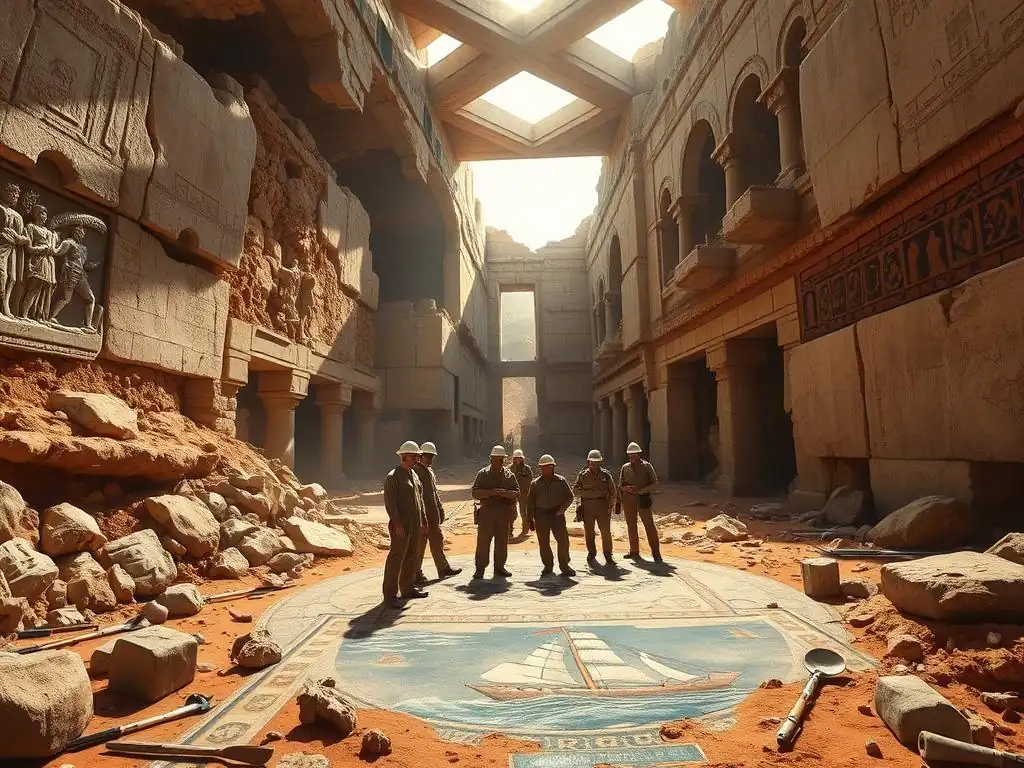
Welcome to ArchaeologyHub.org, your gateway to unraveling the past! Ever wondered how ancient innovations shaped civilizations? Dive into our comprehensive exploration of archaeological wonders. Today, we embark on a journey to the coast of Israel to dissect The Evolution of Caesarea's Harbor. Discover the intricate Caesarea harbor construction timeline and uncover the secrets behind this remarkable feat of ancient engineering. What challenges did the builders face, and how did their solutions impact maritime trade? Prepare to be amazed as we piece together the story of this pivotal port, one construction phase at a time.
- Introduction to Caesarea Maritima and its Strategic Harbor
- Caesarea Harbor Construction Timeline: From Herod the Great to the Byzantine Era
- Key Features and Innovations of Caesarea's Ancient Harbor
- Archaeological Evidence and Discoveries at Caesarea Harbor
- Caesarea Harbor's Impact on Maritime Trade and Regional Development
- Comparing Caesarea's Harbor with Other Ancient Mediterranean Ports
- The Legacy of Caesarea Maritima's Harbor: From Ancient Wonder to Archaeological Site
-
Frequently Asked Questions
- How long did the initial construction of Caesarea's harbor, Sebastos, take?
- What were the primary materials used in the construction of Caesarea's harbor?
- What were some of the main challenges faced during the construction of Caesarea's harbor?
- What caused the eventual decline and partial submergence of Caesarea's harbor?
- Has archaeological research provided a detailed understanding of the harbor's construction timeline?
- Final Reflection: Echoes of Innovation in Caesarea's Waters
- Unearth Caesarea's Secrets: Your Journey Begins Now!
Introduction to Caesarea Maritima and its Strategic Harbor
The Significance of Caesarea's Coastal Location in Antiquity
Caesarea Maritima's coastal location was profoundly significant in antiquity, offering a rare natural indentation along the otherwise straight and harbor-poor Levantine coast. This geographical advantage positioned it as a crucial nexus for both land and sea routes, particularly the Via Maris, an ancient trade route connecting Egypt with Mesopotamia. Its strategic placement made it an ideal site for a major port, bridging the maritime networks of the Mediterranean with the overland trade routes of the Near East.
This unique position transformed Caesarea into a pivotal strategic asset for successive empires. For the Hellenistic rulers, and later the Romans, controlling this stretch of coastline was vital for military logistics, administrative oversight, and economic dominance over Judea and the wider region. The absence of other deep-water natural harbors in the vicinity further amplified Caesarea's importance, making the construction of an artificial port here an ambitious yet indispensable undertaking.
Overview of Caesarea Maritima as a Major Roman Port City
Caesarea Maritima emerged as a major Roman port city through the ambitious vision of Herod the Great, who between 22 and 10 BCE, transformed a modest Phoenician settlement into a magnificent metropolis. Dedicated to Caesar Augustus, the city, along with its grand harbor, Sebastos, was designed to be a showcase of Roman power and engineering prowess. It rapidly became the administrative capital of the Roman province of Judea, serving as the seat of the Roman procurators and later, governors.
As the primary maritime gateway to the province, Caesarea functioned as a vital entry point for goods, military legions, and Roman administrators entering the region. Its well-planned urban layout, featuring an amphitheater, hippodrome, and a sophisticated aqueduct system, supported a diverse and cosmopolitan population of Romans, Greeks, Jews, and other ethnic groups. The harbor was the lifeblood of this thriving city, facilitating extensive trade and cultural exchange across the Mediterranean.
Caesarea Harbor Construction Timeline: From Herod the Great to the Byzantine Era
Phase 1: Herod's Vision - The Initial Construction of Sebastos Harbor (22-15 BCE)
Herod the Great's grand project to build Sebastos harbor commenced around 22 BCE and was largely completed by 15 BCE, a remarkable feat of engineering accomplished in approximately seven years. This artificial deep-water harbor was an unprecedented undertaking in an exposed marine environment, designed to rival the great ports of the Roman world. Josephus, the ancient historian, vividly describes its colossal scale, noting the immense financial investment and the deployment of advanced techniques to overcome natural challenges.
The construction of this artificial harbor, a critical early phase in the Caesarea harbor construction timeline, involved the creation of two massive breakwaters extending into the open sea. These breakwaters enclosed a basin of roughly 200,000 square meters, providing shelter for numerous ships. The sheer volume of material, including massive stone blocks and innovative hydraulic concrete, along with the coordination of a large workforce, underscored the ambition and ingenuity behind Herod's vision.
Engineering Marvels of Herod's Sebastos: Breakwaters and Infrastructure
The engineering marvels of Herod's Sebastos are primarily exemplified by its two colossal breakwaters. The main southern breakwater extended for approximately 500 meters, curving to protect the harbor from the prevailing south-westerly winds and waves. It was up to 70 meters wide in places, constructed from massive ashlar blocks and Roman concrete. A shorter northern breakwater, about 250 meters long, completed the enclosure, creating a secure and spacious inner basin.
Beyond the protective breakwaters, the harbor complex included extensive infrastructure designed for maximum efficiency. Josephus mentions impressive quays, numerous warehouses for storing cargo, and a prominent lighthouse, often referred to as the Drusion, located at the entrance to guide vessels. These integrated structures allowed for efficient loading, unloading, and provisioning, making Sebastos a highly functional and strategically important port in the Roman East.
The Role of Roman Concrete in Caesarea's Harbor Construction
The successful construction of Sebastos harbor in an open marine environment was largely due to the revolutionary application of Roman concrete, or opus caementicium. This material, particularly when combined with pozzolana (a volcanic ash imported from sites like Puteoli in Italy), possessed the unique ability to set underwater. This hydraulic property was critical for laying the foundations of the massive breakwaters directly on the seabed.
Archaeological investigations have revealed the construction method involved sinking large wooden forms or caissons into the sea, which were then filled with a mixture of lime, pozzolana, and aggregates like rubble and broken pottery. This technique allowed for the creation of incredibly strong and durable underwater structures, enabling the rapid and stable construction of the enormous breakwaters that defined the Caesarea harbor construction timeline. The resilience of this concrete is still evident in the submerged remains today.
Phase 2: Modifications and Enhancements Under Roman Rule (1st-3rd Centuries CE)
Following Herod's initial construction, Caesarea's harbor continued to operate under direct Roman provincial rule, serving as a vital logistical and trade hub. While no single large-scale reconstruction comparable to Herod's original vision is extensively documented, the harbor required continuous maintenance and periodic enhancements. The high volume of maritime traffic, combined with natural wear and tear from storms and sedimentation, necessitated ongoing repairs to ensure its functionality.
This phase of the Caesarea harbor construction timeline reflects a period of sustained use and adaptation rather than dramatic expansion. Roman authorities, recognizing the strategic and economic importance of Caesarea, would have invested in keeping the port operational. Such efforts would have included dredging operations to combat silting and reinforcing damaged sections of the breakwaters and quays, ensuring the harbor could continue to accommodate the increasing demands of imperial trade and military movements.
Roman Emperors and Their Contributions to Caesarea's Harbor Development
While specific imperial decrees for major new harbor construction at Caesarea are not as prominent as Herod's initial project, various Roman emperors undoubtedly contributed to its ongoing development and maintenance. As the provincial capital of Judea, and later Palaestina Prima, Caesarea's infrastructure, including its harbor, would have received regular attention from imperial authorities. Emperors such as Vespasian and Titus, who used Caesarea as a primary base during the First Jewish-Roman War (66-73 CE), would have ensured the harbor's operational readiness for troop movements and supplies.
The continuous flow of trade and administrative traffic necessitated a well-maintained port. While direct imperial building projects specifically for the harbor are less explicitly recorded, the general Roman policy of investing in vital infrastructure across the empire would have applied to Caesarea. Imperial funds would have supported necessary repairs, dredging, and possibly minor structural improvements, reflecting a consistent commitment to the harbor's strategic role throughout the Roman period.
Evidence of Repairs and Upgrades: Archaeological Findings
Archaeological investigations, particularly underwater excavations, have provided tangible evidence of repairs and upgrades undertaken during the Roman period. Divers have observed different phases of concrete pours and masonry work within the breakwaters, indicating subsequent efforts to reinforce or patch damaged sections. Variations in the composition of the Roman concrete or the style of stone cutting can sometimes distinguish original Herodian construction from later Roman repairs.
For instance, the discovery of pottery sherds or coins embedded within concrete layers, dating to the 1st, 2nd, or 3rd centuries CE, offers chronological markers for these repair activities. Such findings underscore the dynamic nature of the Caesarea harbor construction timeline, revealing that the port was a living entity requiring constant attention. These archaeological clues help researchers piece together the ongoing efforts to maintain and adapt the harbor to meet the evolving demands of Roman maritime activity.
Phase 3: The Byzantine Period - Harbor Usage and Gradual Decline (4th-7th Centuries CE)
During the Byzantine period, from the 4th to the 7th centuries CE, Caesarea Maritima continued to thrive as a significant urban center, serving as the provincial capital and a prominent Christian hub. The harbor remained active, facilitating extensive trade networks across the Eastern Mediterranean and supporting the city's large population. Grain, olive oil, wine, and manufactured goods flowed through its port, connecting Caesarea to distant lands like Egypt, North Africa, and Constantinople.
However, this period also marked the beginning of the harbor's gradual decline, a slow process influenced by a combination of natural and anthropogenic factors. While the port remained operational, its capacity and efficiency began to diminish. This decline was a critical phase in the long-term Caesarea harbor construction timeline, setting the stage for its eventual disuse as a major deep-water port.
Caesarea's Role as a Byzantine Port: Trade and Naval Activity
Caesarea's role as a Byzantine port was integral to the empire's economic and administrative stability in the Levant. It served as a vital node in the vast Byzantine trade network, connecting the rich agricultural hinterlands of Palestine with imperial markets across the Mediterranean. Archaeological discoveries of Byzantine shipwrecks in and around the harbor, laden with amphorae from Egypt, North Africa, and the Aegean, confirm the extensive reach of its commercial ties.
Beyond its commercial significance, Caesarea's harbor also played a role in Byzantine naval activity, though perhaps less prominently than its trade function. It would have served as a convenient base for the imperial fleet to patrol the Levantine coast, protect trade routes, and facilitate troop movements, especially during periods of conflict. The harbor's strategic location made it an indispensable asset for projecting Byzantine power and maintaining control over the region.
Factors Contributing to the Harbor's Gradual Decline During the Byzantine Era: Sedimentation and Earthquakes
The gradual decline of Caesarea's harbor during the Byzantine era can be attributed primarily to two persistent natural factors: sedimentation and seismic activity. The Qishon River, located to the north, continuously discharged sediment along the coast, which currents gradually carried into the harbor basin. Over centuries, this process led to a significant silting-up of the port, reducing its depth and making it increasingly difficult for larger vessels to navigate or dock.
Compounding the effects of sedimentation were recurrent earthquakes. The Levant is a seismically active region, and major tremors throughout late antiquity, such as those in 363 CE and 551 CE, would have caused structural damage to the breakwaters, quays, and other harbor installations. While repairs were likely attempted, the cumulative effect of these natural disasters, coupled with the ongoing challenge of silting, made the maintenance of such a large artificial harbor increasingly costly and eventually unsustainable, marking a downturn in the Caesarea harbor construction timeline.
Key Features and Innovations of Caesarea's Ancient Harbor
The Design and Functionality of the Breakwaters and Inner Basins
The design of Caesarea's ancient harbor was a testament to Roman ingenuity, featuring two massive breakwaters that created a highly protected inner basin. The main southern breakwater, extending approximately 500 meters into the sea, curved to provide shelter from the prevailing south-westerly winds and waves, which are dominant in this part of the Mediterranean. Its substantial width, reaching up to 70 meters in places, provided a robust barrier against the open sea.
This formidable protective structure enclosed an inner harbor basin of roughly 200,000 square meters, deep enough to accommodate large Roman merchant ships. Within this sheltered area, numerous quays and mooring facilities were strategically positioned to facilitate efficient loading, unloading, and ship maintenance. The meticulous planning of these elements ensured the harbor's functionality as a major commercial and naval hub, a critical aspect of the Caesarea harbor construction timeline.
Advanced Roman Engineering Techniques Employed in Harbor Construction
The construction of Caesarea's harbor showcased advanced Roman engineering techniques, particularly the innovative use of hydraulic concrete ( opus caementicium). Unlike earlier harbors that relied on natural features or simple stone construction, Herod's engineers employed concrete mixed with pozzolana, a volcanic ash, which allowed the material to set underwater. This revolutionary method enabled the creation of massive, stable foundations for the breakwaters directly on the seabed.
In addition to hydraulic concrete, engineers utilized enormous ashlar blocks, some weighing many tons, meticulously quarried and transported to the site. The construction likely involved the use of large wooden caissons or cofferdams, which were floated into position, sunk, and then filled with concrete, creating solid underwater platforms. These sophisticated methods demonstrate the exceptional logistical and technical capabilities of Roman engineers in executing such an ambitious project in the Caesarea harbor construction timeline.
The lighthouse, known as the Drusion or Drusius Tower, played an indispensable role in navigation and maritime trade at Caesarea. Located at the entrance of the southern breakwater, as described by Josephus, this towering structure served as a crucial beacon for ships approaching the harbor, especially at night or during inclement weather. Its light, likely fueled by a large fire, would have guided vessels safely into the sheltered basin, preventing dangerous collisions with the breakwaters or the coastline.
Beyond its practical function, the lighthouse also served as a symbolic landmark, signaling Caesarea's status as a major imperial port and a testament to Roman technological prowess. Similar to the famous Pharos of Alexandria, the Drusion would have been a prominent feature of the cityscape, visible far out at sea. Its presence underscored the sophisticated maritime infrastructure that defined the Caesarea harbor construction timeline and facilitated the bustling trade that sustained the city.
Archaeological Evidence and Discoveries at Caesarea Harbor
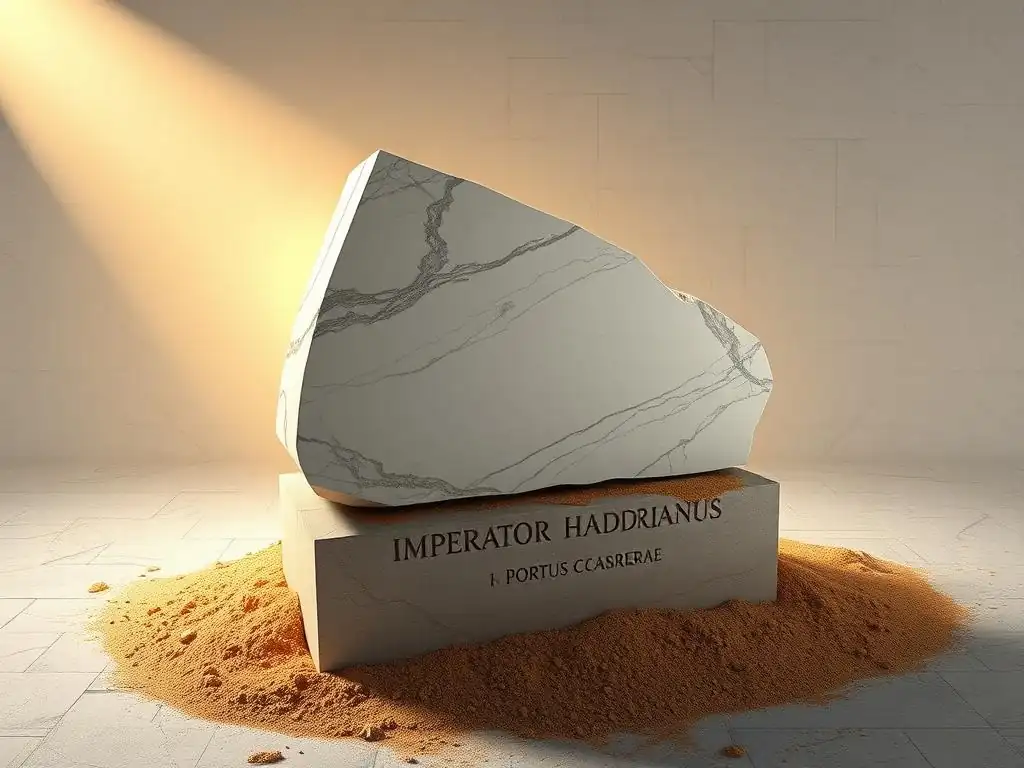
Underwater Archaeology: Uncovering Submerged Structures and Artifacts
Underwater archaeology has been instrumental in uncovering the submerged structures and artifacts of Caesarea's ancient harbor, providing unparalleled insights into its construction and daily life. Pioneering expeditions, such as those led by Edwin Link in the 1960s and later the Caesarea Ancient Harbor Excavation Project (CAHEP), systematically mapped and excavated the extensive underwater remains. Divers meticulously documented sections of the massive breakwaters, remnants of the lighthouse, and the intricate network of quays and mooring stones.
Beyond the architectural elements, a wealth of artifacts has been recovered from the seabed, offering a vivid glimpse into the harbor's bustling activity. These include thousands of pottery sherds, amphorae, coins, glass fragments, and various tools and personal items. Each discovery contributes to a richer understanding of the types of goods traded, the origins of ships, and the lives of those who worked and traveled through this vital port, illuminating the entire Caesarea harbor construction timeline.
Analysis of Building Materials and Construction Techniques
The analysis of building materials and construction techniques at Caesarea harbor has provided critical insights into Roman engineering capabilities. Researchers have meticulously examined the Roman concrete used in the breakwaters, identifying the specific composition of lime, aggregate, and the distinctive reddish-brown pozzolana. The presence of pozzolana, often traced to volcanic regions in Italy like Puteoli, confirms the Roman reliance on specialized imported materials for their advanced hydraulic concrete.
Furthermore, the study of the colossal ashlar blocks, some weighing over 10 tons, reveals the precision of Roman stone cutting and handling. Archaeologists have investigated the methods used to join these blocks, such as lead-filled dowels, and the techniques for placing them underwater. These detailed analyses not only illuminate the ingenious methods employed during the initial Caesarea harbor construction timeline but also help differentiate between original Herodian work and later Roman or Byzantine repairs, providing a layered understanding of the harbor's evolution.
Insights from Shipwrecks and Cargo Recovered from the Harbor
The numerous shipwrecks and their diverse cargo recovered from Caesarea harbor have provided invaluable insights into ancient maritime trade and daily life. To date, dozens of shipwrecks, ranging from the Roman to the Byzantine periods, have been discovered within and around the harbor basin. Each wreck serves as a time capsule, offering direct evidence of the types of vessels that plied the Mediterranean, their construction techniques, and the routes they sailed.
The cargo recovered from these shipwrecks paints a detailed picture of Caesarea's economic connections. Finds include vast quantities of amphorae, which once contained wine, olive oil, or garum, originating from regions such as North Africa, Egypt, the Aegean, and Italy. Other artifacts like fine pottery, glass vessels, metal tools, and even personal effects of the crew provide a rich tapestry of the goods and people transiting through this major port, further enriching our understanding of the Caesarea harbor construction timeline in its active phases.
Caesarea Harbor's Impact on Maritime Trade and Regional Development
Caesarea as a Hub for Trade Routes in the Eastern Mediterranean
Caesarea's harbor quickly established itself as a pivotal hub for trade routes across the Eastern Mediterranean, connecting the Levant with the wider Roman Empire. Its strategic location meant that goods from Egypt, Syria, Asia Minor, Greece, Italy, and North Africa flowed through its port. This extensive network facilitated the exchange of essential commodities such as grain, olive oil, and wine, as well as luxury items, raw materials, and manufactured goods, solidifying its position as a major economic conduit.
The harbor's deep-water capacity, a remarkable achievement in the Caesarea harbor construction timeline, allowed for the docking of large Roman merchant vessels, unlike many shallower natural ports along the Levantine coast. This capability enabled high-volume trade, making Caesarea an indispensable entry and exit point for imperial commerce and ensuring its continued prosperity as a gateway to the Roman East.
The Economic Significance of the Harbor for Caesarea and the Surrounding Region
The economic significance of Caesarea's harbor for the city itself and the surrounding region cannot be overstated. The port was the primary engine of Caesarea's prosperity, transforming a modest settlement into a bustling metropolis of tens of thousands. It attracted merchants, sailors, laborers, and various ancillary industries such as shipbuilding, repairs, warehousing, and provisioning, creating a vibrant and diverse economy that sustained the city's growth and infrastructure.
Beyond the city walls, the harbor served as the main export point for the fertile agricultural produce of the Jezreel Valley and the interior of Judea, including grains, olives, and grapes. Conversely, it was the principal import point for luxury goods, building materials, and manufactured items from across the Roman Empire, enriching the provincial economy and fostering regional development. The Caesarea harbor construction timeline directly correlates with the economic boom experienced by the region.
Influence of Caesarea's Harbor on the Development of Maritime Technology
While Caesarea's harbor did not necessarily initiate entirely new maritime technologies, its sheer scale and the challenging nature of its construction pushed the boundaries of existing Roman engineering and logistical capabilities. The successful deployment of hydraulic concrete on such an unprecedented scale in an exposed marine environment provided invaluable practical experience for Roman engineers, influencing subsequent large-scale maritime projects across the empire.
Furthermore, the continuous operation and maintenance of a complex artificial harbor like Caesarea's would have fostered practical innovations in ship handling, cargo management, and port administration. The need to efficiently manage high volumes of trade and large vessels would have encouraged the refinement of existing techniques and the development of new solutions for docking, loading, and unloading, contributing to the broader evolution of Roman maritime technology and practices throughout the Caesarea harbor construction timeline.
Comparing Caesarea's Harbor with Other Ancient Mediterranean Ports
A Comparative Analysis of Harbor Construction Techniques: Caesarea vs. Alexandria
A comparative analysis of harbor construction techniques between Caesarea and Alexandria reveals distinct approaches to port development in the ancient Mediterranean. Alexandria's Great Harbor and Eunostos Harbor largely utilized naturally protected bays, which were enhanced by structures like the Heptastadion causeway connecting the mainland to the island of Pharos. While impressive, Alexandria's primary challenge was linking existing natural features.
In contrast, Caesarea's Sebastos harbor was almost entirely artificial, constructed on an open, exposed coastline with no significant natural protection. This necessitated the pioneering and large-scale use of hydraulic Roman concrete for its massive breakwaters, a feat of engineering that allowed for the creation of a deep-water port where none naturally existed. While both harbors featured advanced elements like lighthouses (the Pharos of Alexandria and Caesarea's Drusion), the foundational challenge and solution for the Caesarea harbor construction timeline were arguably more innovative in their reliance on manufactured materials and techniques.
The Unique Aspects of Caesarea's Harbor Design and Functionality
The unique aspects of Caesarea's harbor design and functionality set it apart as a marvel of ancient engineering. Its most distinctive feature was its completely artificial nature, a rarity for a deep-water port of its size in the Roman world. Unlike many harbors that exploited natural coves or estuaries, Herod's engineers carved a functional port out of an exposed coastline, demonstrating an unparalleled ambition and technical mastery.
The integrated design, meticulously planned from inception, encompassed not only the massive concrete breakwaters but also a sophisticated system of inner basins, quays, and a prominent lighthouse, all engineered to maximize efficiency and safety. This holistic approach to port development, combined with the innovative application of hydraulic concrete for underwater construction, made Caesarea a paradigm of Roman ingenuity and a pivotal point in the Caesarea harbor construction timeline.
Lessons Learned from Caesarea's Harbor for Modern Maritime Engineering
Caesarea's harbor offers invaluable lessons for modern maritime engineering, particularly regarding the challenges of building and maintaining large-scale infrastructure in dynamic coastal environments. The long-term resilience of Roman concrete, despite its eventual partial collapse due to natural forces, provides a testament to durable marine construction materials. Studying its composition and degradation offers insights for developing long-lasting modern concrete solutions in saltwater environments.
Furthermore, the historical Caesarea harbor construction timeline vividly illustrates the persistent challenges of sedimentation and seismic activity. The gradual silting up of the harbor and the damage from earthquakes highlight the critical need for comprehensive environmental assessments, long-term maintenance strategies, and adaptable designs in modern port planning. Caesarea serves as a compelling case study on the importance of understanding natural processes when constructing coastal infrastructure.
The Legacy of Caesarea Maritima's Harbor: From Ancient Wonder to Archaeological Site
Preservation Efforts and Challenges in Protecting Caesarea's Submerged Heritage
Preservation efforts at Caesarea's submerged harbor are ongoing, driven by the Israel Antiquities Authority (IAA) and various academic institutions. These initiatives focus on documenting, protecting, and conserving the fragile underwater remains, which are susceptible to natural erosion, marine growth, and human activities such as uncontrolled diving or anchoring. The primary challenge lies in the sheer scale of the submerged site and the delicate nature of its structures, particularly the ancient concrete.
Techniques employed include detailed underwater mapping using photogrammetry and 3D modeling, which create precise digital records of the site. In-situ preservation is often preferred to removal, as many artifacts and structures are best left undisturbed in their original context. However, the continuous battle against natural degradation and the need for sustainable tourism practices remain significant hurdles in protecting this invaluable submerged heritage, a testament to the Caesarea harbor construction timeline.
Caesarea Harbor as a Tourist Destination and Archaeological Research Site
Caesarea's harbor stands as a premier tourist destination and an active archaeological research site, drawing visitors and scholars from around the world. Integrated within the Caesarea National Park, visitors can explore the visible remains of the ancient city and harbor, including sections of the breakwaters and quays that are now exposed on land. Uniquely, Caesarea also boasts an underwater archaeological park, allowing snorkelers and certified divers to explore submerged structures and artifacts directly in their ancient context.
For archaeologists, historians, and marine engineers, Caesarea remains a vital living laboratory. Ongoing excavations and surveys continue to uncover new information about Roman engineering, maritime trade, and urban development. The site offers unparalleled opportunities for interdisciplinary research, continuously yielding discoveries that refine our understanding of the Caesarea harbor construction timeline and its broader impact on antiquity.
Future Research Directions and Ongoing Excavations at Caesarea Harbor
Future research directions at Caesarea harbor are poised to leverage new technologies to deepen our understanding of this ancient wonder. One key area involves more extensive mapping and investigation of the northern breakwater, which is less understood than its southern counterpart. Further detailed analysis of the inner harbor structures, including potential ship sheds or additional quays, could also reveal more about the port's daily operations and specialized functions.
Ongoing excavations are increasingly employing advanced remote sensing techniques such as multibeam sonar and LiDAR to create highly accurate 3D models of the entire submerged landscape. These technologies facilitate non-invasive surveys and help identify new areas for targeted excavation. Continued study of the impact of seismic events on the harbor's decline, coupled with environmental studies on sedimentation rates, promises to provide a more complete picture of the long-term Caesarea harbor construction timeline and its remarkable legacy.
Frequently Asked Questions
How long did the initial construction of Caesarea's harbor, Sebastos, take?
The initial construction of Sebastos took approximately 10-12 years. It was a massive undertaking initiated by Herod the Great in the 1st century BCE.
What were the primary materials used in the construction of Caesarea's harbor?
The harbor was built using a combination of Roman concrete, pozzolana (volcanic ash), and locally sourced limestone blocks. These materials were crucial for the harbor's stability and durability.
What were some of the main challenges faced during the construction of Caesarea's harbor?
Challenges included dealing with deep water construction, strong wave action, and the transportation of massive building materials. Roman engineering ingenuity was crucial in overcoming these.
What caused the eventual decline and partial submergence of Caesarea's harbor?
The decline was due to a combination of earthquakes, sea-level rise, and neglect over centuries. This resulted in significant damage and eventual partial submersion.
Has archaeological research provided a detailed understanding of the harbor's construction timeline?
Yes, underwater archaeological excavations have revealed crucial details about the harbor's construction phases, materials, and the engineering techniques employed, allowing for a detailed timeline.
Final Reflection: Echoes of Innovation in Caesarea's Waters
The detailed timeline presented here underscores that Caesarea's harbor was never a static entity, but a dynamic testament to human ingenuity and adaptation. Its construction and subsequent modifications reveal a constant striving for improvement, reflecting the changing needs and ambitions of the civilizations that shaped its destiny. This historical evolution resonates powerfully today, reminding us that even the most impressive feats of engineering are subject to the relentless forces of time and require continuous innovation to remain relevant.
The story of Caesarea's harbor is more than just a chronicle of stones and mortar; it's a reflection of our enduring desire to connect, to trade, and to leave our mark on the world. Witnessing the ebb and flow of its fortunes, the periods of grandeur and the moments of decline, compels us to consider the legacy we are building today. The sea is everything. It covers seven tenths of the terrestrial globe. Its breath is pure and healthy. It is an immense desert, where man is never lonely, for he feels life stirring on all sides. The sea is only the embodiment of a supernatural and wonderful existence. It is nothing but love and emotion; it is the 'Living Infinite'.
- Jules Verne, Twenty Thousand Leagues Under the Sea. This quote encapsulates the enduring allure and power of the sea, a force that both shaped and was shaped by Caesarea's harbor.
As you reflect on the intricate timeline of Caesarea's harbor, consider the enduring lessons it offers. What structures are you building in your own life, and how are you adapting them to meet the challenges of a changing world? Let the story of this ancient port inspire you to embrace innovation, to value resilience, and to strive for a legacy that will endure, just as the echoes of Caesarea's harbor continue to resonate through the centuries.
Unearth Caesarea's Secrets: Your Journey Begins Now!
Thank you for exploring the fascinating history of Caesarea's harbor! We hope this journey through its construction and modifications has sparked your curiosity. Now, it's time to take your newfound knowledge further:
- Visit your local library or search online databases for scholarly articles on Caesarea, delving even deeper into the harbor's intricate past.
- Share this article with fellow history buffs and invite them to start a discussion about the future of underwater archaeological sites like Caesarea's.
- Get creative and design your own reimagining of Caesarea's harbor, incorporating modern technologies and imagining its potential use today.
What overlooked detail from Caesarea's harbor evolution inspires you the most, and how could it influence modern port design?