
Skara Brae's Unique Contribution to Understanding Neolithic Britain

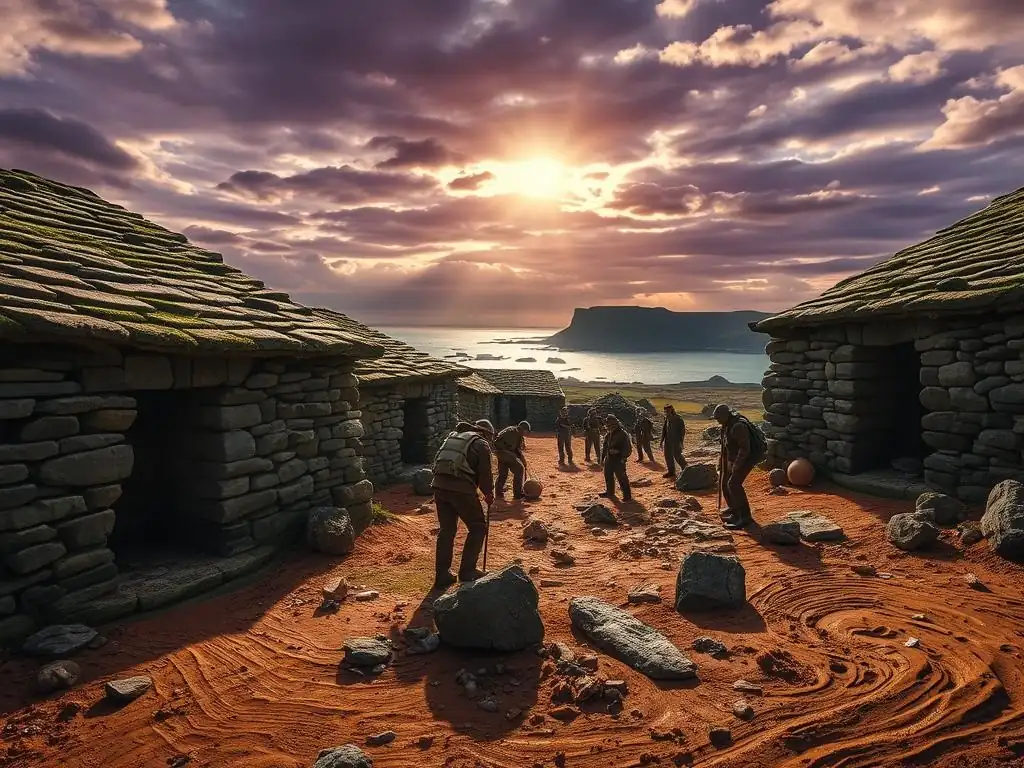
Welcome to ArchaeologyHub.org, your portal to unraveling the mysteries of the past! Ever wondered how a remarkably preserved Neolithic village offers an unparalleled glimpse into life thousands of years ago? Delve into the fascinating world of Skara Brae, and discover its unique contribution to our understanding of Neolithic Britain. Uncover the secrets buried beneath the sands of time and begin your archaeological adventure now.
- Introduction to Skara Brae: A Window into Neolithic Life
- The Discovery and Excavation of Skara Brae
- Skara Brae's Architectural Innovations: Insights into Neolithic Housing
- Skara Brae's Social Structure: Evidence of Neolithic Community
- Skara Brae's Artifacts: Objects that Speak of Neolithic Culture
- Skara Brae in the Context of Neolithic Britain History
- Skara Brae's Preservation and Legacy: Protecting a Neolithic Treasure
- Conclusion: Skara Brae, a Key Site for Understanding Neolithic Britain History
-
Frequently Asked Questions
- How does Skara Brae contribute to our understanding of Neolithic domestic life in Britain?
- What makes Skara Brae significant compared to other Neolithic sites in Britain?
- How does Skara Brae help archaeologists understand the environmental conditions of Neolithic Britain?
- What can Skara Brae tell us about the social organization and beliefs of the people who lived there?
- How does the discovery and preservation of Skara Brae impact the study of Neolithic Britain history?
- Final Reflection: Echoes of Innovation in Stone
- Unearth Your Own Neolithic Adventure!
Introduction to Skara Brae: A Window into Neolithic Life
Unveiling Skara Brae: Preserved Neolithic Settlement in Orkney, Scotland
Skara Brae stands as an extraordinarily well-preserved Neolithic settlement, nestled on the Bay of Skaill on the west coast of Mainland, the largest island in the Orkney archipelago of Scotland. Dating back to approximately 3180 BC to 2500 BC, this remarkable village offers an unparalleled glimpse into the lives of people during the Late Neolithic period, making it a cornerstone for understanding Skara Brae Neolithic Britain history.
Its survival, buried beneath sand dunes for millennia, has allowed archaeologists to uncover not just foundations but intricately furnished stone houses, providing a level of detail rarely seen in prehistoric sites across Europe.
The site comprises eight clustered houses, complete with stone hearths, beds, dressers, and storage alcoves, all linked by a series of low, covered passages. This exceptional state of preservation, largely due to its burial by sand, distinguishes Skara Brae from many other contemporary sites in Neolithic Britain, where only post-holes or faint traces of structures remain. The daily routines, social structures, and technological advancements of its inhabitants are vividly illuminated through its architecture and the thousands of artifacts recovered, painting a comprehensive picture of a thriving prehistoric community.
ArchaeologyHub.org: Exploring Skara Brae within the Context of Neolithic Britain
ArchaeologyHub.org aims to provide a definitive resource on archaeological discoveries, and Skara Brae serves as a prime example of a site that profoundly reshaped our understanding of prehistoric life. Within the vast taxonomy of archaeological sites, Skara Brae is particularly significant for its contribution to our knowledge of Neolithic Britain history, especially regarding domestic life and community organization. Its insights go beyond mere structural remains, offering a tangible connection to the daily existence of our ancestors.
By examining Skara Brae, we can explore key themes such as early agricultural practices, the development of sophisticated building techniques, and the nuances of social interaction within a tightly-knit community. The detailed interpretive analyses available for Skara Brae on platforms like ArchaeologyHub.org allow researchers and enthusiasts alike to delve into specific aspects, from the unique Grooved Ware pottery found on site to the potential ritualistic significance of certain artifacts, all contributing to a richer understanding of this pivotal period in Skara Brae Neolithic Britain history.
The Discovery and Excavation of Skara Brae
From Storm Damage to Archaeological Revelation: The 1850 Discovery
The existence of Skara Brae was revealed not by deliberate archaeological exploration but by the destructive force of nature. In the winter of 1850, a severe gale swept across Orkney, stripping away large sections of the coastal sand dunes at the Bay of Skaill.
This powerful storm exposed the outlines of several ancient stone structures, previously hidden beneath centuries of accumulated sand and turf. Local residents and the laird of Skaill, William Graham Watt, were among the first to witness the unexpected emergence of these remarkably preserved dwellings, marking the accidental genesis of one of the most important archaeological discoveries in Neolithic Britain history.
Initial excavations, though rudimentary by modern standards, began shortly after the storm, led by Watt. Over the next few decades, four houses were partially uncovered. However, it was not until the 1920s, following another storm that damaged the site, that systematic and professional archaeological work truly commenced. This initial accidental exposure underscores the fragility and serendipitous nature of archaeological discovery, highlighting how natural processes can both conceal and reveal the secrets of the past, particularly for sites as ancient as Skara Brae in Neolithic Britain.
Excavation Efforts: Childe's Excavations and Subsequent Research
The most significant archaeological investigations at Skara Brae were undertaken by Professor Vere Gordon Childe from 1928 to 1930. Childe, a highly influential figure in 20th-century archaeology, meticulously excavated the site, uncovering the full extent of the village and its unique stone-built structures. His work provided the first comprehensive understanding of the settlement's layout, its architectural features, and the wealth of artifacts it contained, establishing Skara Brae as a prime example of a well-preserved Neolithic habitation and significantly advancing our understanding of Skara Brae Neolithic Britain history.
Subsequent research and conservation efforts, particularly from the 1970s onwards, have built upon Childe's foundational work. These later investigations, often employing more advanced scientific techniques, have refined the dating of the site, provided deeper insights into the daily lives of its inhabitants, and addressed the critical challenges of preserving this fragile coastal site. The ongoing study of Skara Brae continues to yield new information, ensuring its enduring relevance to the study of prehistoric societies and its central role in the narrative of Neolithic Britain.
Skara Brae's Architectural Innovations: Insights into Neolithic Housing
Stone Built Structures: Design and Functionality of Subterranean Dwellings
Skara Brae's architecture is a testament to the ingenuity of its Neolithic builders, who utilized the readily available local flagstone to construct remarkably durable and sophisticated dwellings. The houses were largely subterranean, built into mounds of midden (household refuse), which provided insulation against the harsh Orkney climate and protection from strong winds. Each dwelling, roughly circular or oval in plan, typically measured between 40 and 50 square meters internally, with thick stone walls that tapered inwards, possibly supporting a corbelled roof or a roof made of turf and whalebone.
The design of these stone-built structures demonstrates a profound understanding of materials and environment. The use of double walls, filled with sand or midden, not only added insulation but also provided structural stability. The uniform layout of the houses, with a single entrance leading into a main chamber, suggests a standardized approach to domestic architecture, reflecting a communal knowledge of construction techniques that endured for centuries at Skara Brae, a unique aspect of Skara Brae Neolithic Britain history.
Furniture and Interior Design: Stone Beds, Dressers, and Hearths
Perhaps the most astonishing aspect of Skara Brae's preservation is the survival of its interior furnishings, all crafted from stone. Each house typically features a large, central stone-lined hearth, which served as the focal point for warmth, cooking, and light.
Around the hearth, archaeologists discovered fixed stone beds, often with recesses that might have held mattresses of heather or animal skins, and some even had small stone cells or cupboards beside them. The larger bed was often positioned on the right side of the entrance, and a smaller one on the left, possibly indicating gendered sleeping arrangements or a distinction between adult and child sleeping areas.
Another iconic feature is the stone dresser, usually positioned directly opposite the entrance. These multi-tiered shelved units, built against the back wall, are thought to have been used for displaying valuable possessions, storing tools, or perhaps for ritualistic purposes. The presence of these integrated furnishings provides an unparalleled insight into the domestic arrangements and daily routines of Neolithic Britain inhabitants, offering a tangible connection to the lives lived within these ancient walls. The meticulous design of these internal elements highlights a level of comfort and organization unexpected for such an early period.
Construction Techniques: Corbelled Roofs and Passage Construction
The construction techniques employed at Skara Brae showcase a sophisticated understanding of drystone masonry, where stones are carefully fitted together without mortar. While the exact roofing method remains a subject of debate, evidence suggests the possibility of corbelled roofs for some smaller structures or passages, where successive courses of stone project inward until they meet at the top, forming a self-supporting dome. For the main dwellings, given their size, it is more likely that a combination of corbelling and a lightweight organic roof (e.g., turf over whalebone or timber, though timber was scarce) was used.
The houses were interconnected by a series of low, narrow, stone-lined passages, often covered with large stone slabs. These passages provided shelter and privacy, protecting inhabitants from the elements as they moved between dwellings. Some passages could be secured by stone doors, reinforcing the sense of a cohesive yet controlled community. The engineering behind these passages, designed to withstand the weight of overlying sand and maintain structural integrity for centuries, further underscores the advanced building skills of the people who shaped Skara Brae Neolithic Britain history.
Family Life and Daily Routines: Evidence from Hearths and Living Spaces
The layout of the individual houses at Skara Brae provides compelling evidence for family life and daily routines within the Neolithic community. The central hearth in each dwelling served as the nucleus of domestic activity, around which families would have cooked, eaten, and socialized.
The presence of specific stone furniture, such as beds and dressers, indicates distinct areas for sleeping and storage, suggesting a degree of organized living. The general uniformity in the size and internal arrangement of the eight main houses implies a relatively egalitarian society, where most households shared similar status and resources, a key insight into Skara Brae Neolithic Britain history.
Archaeological finds within these living spaces, including fragments of pottery, stone tools, and animal bones, further illuminate daily life. The wear patterns on grinding stones suggest the processing of grain, while bone tools indicate activities like hide working or fishing. The accumulation of midden around and between the houses, consisting of domestic waste, also provides a rich archive of the inhabitants' diet and activities. This intimate glimpse into the domestic sphere is a primary reason why Skara Brae is so vital for understanding the social fabric of Neolithic Britain.
While the houses at Skara Brae largely appear uniform, subtle differences offer clues about social organization. House 7, for instance, stands out from the others. It lacks the typical internal furnishings like beds and a dresser, and instead contains a series of small, stone-lined cells or compartments, suggesting it may have served a specialized function, perhaps as a workshop or a communal storehouse rather than a dwelling. This variation hints at some level of task specialization or communal resource management within the village, adding complexity to the perceived egalitarianism.
The distribution of artifacts also provides insights into social dynamics. While utilitarian items like Grooved Ware pottery and flint tools are ubiquitous, certain unique items, such as the carved stone balls, might have been associated with specific individuals or groups, potentially indicating status or ritual roles. The careful planning of the village, with its interconnected passages and shared open spaces, points towards a highly organized community with established social norms and collective decision-making processes, central to the development of Skara Brae Neolithic Britain history.
Diet and Subsistence: Farming, Fishing, and Animal Husbandry
The inhabitants of Skara Brae sustained themselves through a combination of farming, fishing, and animal husbandry, demonstrating a diverse and adaptable subsistence strategy typical of Neolithic Britain. Evidence from faunal remains indicates that cattle and sheep were domesticated and formed a significant part of their diet, providing meat, milk, and hides. The presence of querns (grinding stones) and carbonized grain suggests the cultivation of cereals, likely barley, which would have been a staple food source.
The coastal location of Skara Brae also allowed for the exploitation of marine resources. Fish bones, particularly those of cod and saithe, have been found in abundance, indicating that fishing was a crucial activity. Shellfish were also gathered from the nearby shores. Furthermore, evidence of hunting, though less prominent than farming and fishing, includes bones from deer and seals. This comprehensive approach to food acquisition highlights the resourcefulness of the Skara Brae community and their deep understanding of their local environment, a testament to the sophisticated agricultural practices emerging in Neolithic Britain at the time.
Skara Brae's Artifacts: Objects that Speak of Neolithic Culture
Pottery and Tools: Grooved Ware Pottery and Stone Tools
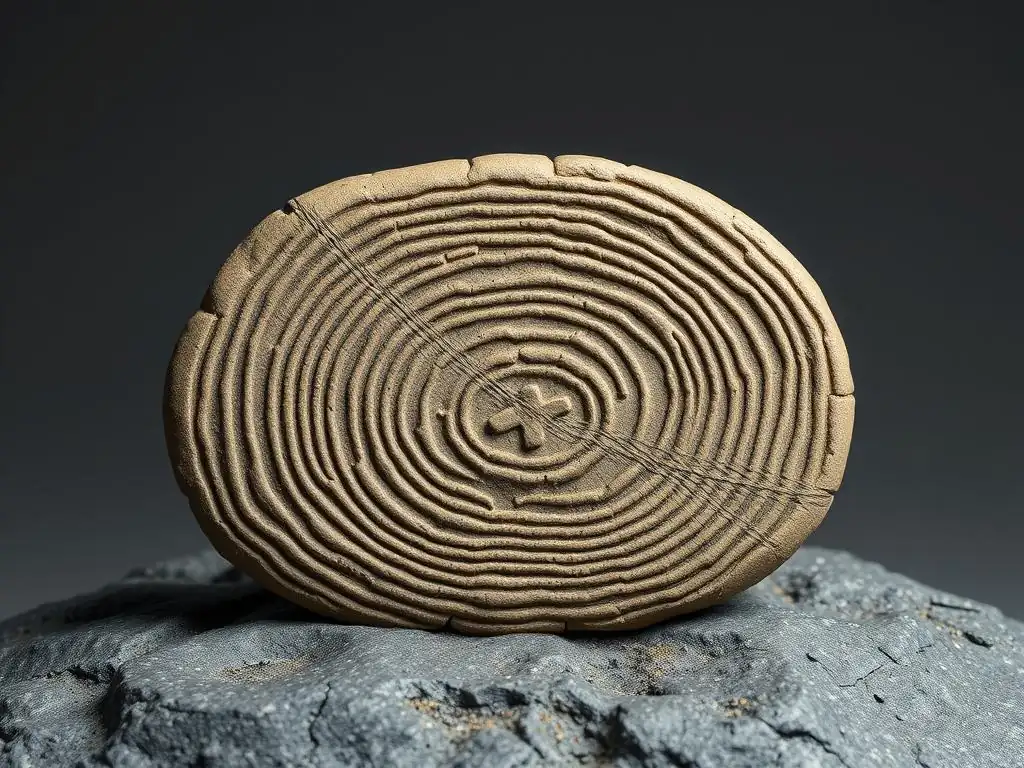
The archaeological excavations at Skara Brae have yielded an impressive array of artifacts, providing invaluable insights into the material culture of its inhabitants. Among the most distinctive finds is Grooved Ware pottery, a unique style of Neolithic ceramics characterized by its distinctive incised or applied decoration, often forming geometric patterns.
Thousands of sherds of Grooved Ware have been recovered from Skara Brae, ranging from large storage vessels to smaller bowls, indicating its widespread use for cooking, storage, and serving. The consistency of this pottery style across the site and other contemporary sites in Neolithic Britain suggests a shared cultural identity.
Alongside pottery, a diverse collection of stone tools has been unearthed. These include flint and chert knives, scrapers for preparing hides, axes for woodworking (though timber was scarce), and hammerstones. Basalt was also used for heavier tools. Bone and antler were fashioned into awls, needles, shovels, and even specialized tools for working seaweed. The sheer volume and variety of these tools speak to a highly practical and skilled community, adept at utilizing local resources to meet their daily needs and contributing significantly to our understanding of the technological capabilities of Skara Brae Neolithic Britain history.
Personal Adornments and Ritual Objects: Beads and Carved Stone Objects
Beyond utilitarian items, Skara Brae has also yielded a fascinating collection of personal adornments and objects with potential ritualistic significance. Numerous beads made from bone, ivory (from walrus or whale), and even jet or lignite have been found, suggesting a desire for personal decoration and perhaps indicating social status. Pins and pendants, similarly crafted, further underscore an appreciation for aesthetics and personal expression within the community.
More enigmatic are the carved stone objects, often small and intricately worked, some resembling phallic symbols or abstract forms. These items, along with the unique "limpet scoops" and other unidentifiable objects, hint at a rich spiritual or symbolic life. While their exact function remains speculative, they strongly suggest the presence of beliefs, rituals, or social practices that extended beyond mere subsistence, offering a rare glimpse into the non-material aspects of Neolithic Britain culture.
The Significance of Carved Stone Balls and Other Unique Finds
Among the most intriguing and unique artifacts discovered at Skara Brae are the elaborately carved stone balls. These spherical objects, typically ranging from 2.7 to 4.5 inches (7 to 11.5 cm) in diameter, are adorned with intricate geometric patterns, often featuring three to six protruding knobs.
While their precise purpose remains unknown, theories range from weights for fishing nets, weapons, or tools, to objects used in rituals or as symbols of power or status. Over 500 such balls have been found across Scotland, but their presence at Skara Brae, within a domestic context, adds to their mystery and importance for Skara Brae Neolithic Britain history.
Other unique finds include small, finely carved objects made from whalebone or animal teeth, some appearing to be gaming pieces or symbolic figures. The remarkable preservation of organic materials, such as a rare piece of rope made from twisted strands of seaweed, further enriches our understanding of the daily lives and resourcefulness of the Skara Brae inhabitants. These singular artifacts elevate Skara Brae from merely a settlement site to a crucial repository of insights into the unique cultural expressions of Neolithic Britain.
Skara Brae in the Context of Neolithic Britain History
Comparing Skara Brae to Other Neolithic Sites in Britain [e.g., Barnhouse Settlement, Maeshowe]
Skara Brae is not an isolated phenomenon but rather a key component in a network of significant Neolithic sites across Orkney and wider Neolithic Britain. Its exceptional preservation allows for valuable comparisons with other contemporary settlements like the Barnhouse Settlement, located just 10 kilometers away, which shares similar architectural principles and Grooved Ware pottery, suggesting close cultural ties. While Barnhouse is less preserved, it provides evidence of larger, more complex structures, possibly indicating communal gathering places or ritualistic functions that complement Skara Brae's domestic focus.
Furthermore, Skara Brae's proximity to monumental sites like the Ring of Brodgar, the Stones of Stenness, and the chambered tomb of Maeshowe (a UNESCO World Heritage Site, like Skara Brae itself) highlights its place within a densely populated and culturally rich Neolithic landscape. Maeshowe, a truly monumental passage grave, dating to around 2800 BC, shares the same skilled drystone masonry techniques seen at Skara Brae, underscoring the advanced architectural capabilities prevalent in Orkney during this period. These connections emphasize that Skara Brae was part of a vibrant, interconnected Skara Brae Neolithic Britain history.
The Wider European Neolithic: Skara Brae's Place in a Broader Historical Narrative
Skara Brae's significance extends beyond Neolithic Britain, placing it firmly within the broader narrative of the European Neolithic period. While many European Neolithic sites are characterized by timber structures or less substantial remains, Skara Brae's stone architecture offers a unique perspective on how early agricultural communities adapted to their local environments and available resources. Its unparalleled preservation provides a level of detail about domestic life that is rare for this period, allowing for cross-cultural comparisons regarding settlement patterns, social organization, and technological innovation.
The distinctive Grooved Ware pottery found at Skara Brae also links it to a wider "Grooved Ware horizon" that spans much of Neolithic Britain and parts of Ireland, suggesting widespread cultural exchange and shared stylistic preferences. This connection indicates that the inhabitants of Skara Brae were not isolated but part of a dynamic, interconnected world where ideas, technologies, and perhaps even people moved across considerable distances, contributing to a continental understanding of Skara Brae Neolithic Britain history.
Skara Brae and the Development of Agriculture in Neolithic Orkney
Skara Brae provides crucial evidence for the development and establishment of agriculture in Neolithic Orkney, a pivotal moment in Neolithic Britain history. The presence of querns and carbonized barley grains within the houses confirms that the inhabitants cultivated cereals, adapting farming practices to the challenging island environment. This transition from a purely hunter-gatherer existence to a settled agricultural lifestyle was fundamental to the establishment of permanent villages like Skara Brae and the subsequent population growth and cultural complexity seen in the region.
The combination of cereal cultivation with animal husbandry, primarily cattle and sheep, indicates a diversified and resilient agricultural economy. This mixed farming strategy allowed the community to exploit various resources, providing a stable food supply even in an environment with limited timber and specific soil conditions. The success of these agricultural endeavors directly underpinned the ability of the Skara Brae community to thrive for centuries, building sophisticated structures and developing a rich material culture, fundamentally shaping Skara Brae Neolithic Britain history.
Skara Brae's Preservation and Legacy: Protecting a Neolithic Treasure
Challenges in Preserving Skara Brae for Future Generations
The preservation of Skara Brae, a site of immense archaeological and historical value, faces significant challenges, primarily due to its coastal location and the effects of climate change. Coastal erosion, driven by increasingly powerful storms and rising sea levels, poses a direct threat to the integrity of the fragile sandstone structures. The relentless action of waves and wind continues to undercut the cliffs and sand dunes protecting the site, exposing previously buried areas and risking damage to the excavated dwellings.
Furthermore, the sheer volume of visitors, while crucial for education and appreciation, also presents a challenge. Foot traffic, the natural oils from human skin, and the general wear and tear associated with tourism necessitate careful management and ongoing conservation efforts to mitigate their impact. Protecting Skara Brae for future generations requires continuous monitoring, proactive conservation measures, and substantial investment to combat the natural and anthropogenic pressures threatening this irreplaceable piece of Skara Brae Neolithic Britain history.
Skara Brae as a Tourist Destination and Educational Resource
Despite the challenges, Skara Brae stands as a highly successful tourist destination and an invaluable educational resource, attracting approximately 80,000 to 100,000 visitors annually from around the world. Its designation as part of the Heart of Neolithic Orkney UNESCO World Heritage Site underscores its global significance and helps to promote its preservation. Visitors can walk among the ancient houses, gaining a tangible connection to the past and a profound appreciation for the ingenuity of its Neolithic inhabitants.
The site also features a visitor centre with interpretive displays, artifacts, and a reconstruction of a Neolithic house, further enhancing the educational experience. This accessible presentation of Skara Brae Neolithic Britain history allows students, researchers, and the general public to engage directly with archaeological evidence, fostering a deeper understanding of prehistoric life and the importance of heritage conservation. Skara Brae thus serves as a living classroom, inspiring future generations to explore and protect our shared human story.
The Enduring Importance of Skara Brae in Understanding Neolithic Britain
Skara Brae's enduring importance in understanding Neolithic Britain cannot be overstated. Its exceptional state of preservation offers an unparalleled window into the daily lives, architectural prowess, and social organization of a prehistoric community that flourished over 5,000 years ago. Unlike many sites where only fragmented evidence remains, Skara Brae provides a holistic picture, from the layout of individual homes to the types of tools used and the food consumed.
The insights gained from Skara Brae have fundamentally reshaped archaeological theories about the sophistication of early societies in northern Europe. It challenges earlier perceptions of Neolithic people as primitive, revealing them instead as skilled builders, organized community members, and adaptable survivors. As a beacon of Skara Brae Neolithic Britain history, it continues to be a focal point for research, conservation, and public engagement, ensuring its legacy as a site of profound significance for generations to come.
Conclusion: Skara Brae, a Key Site for Understanding Neolithic Britain History
Frequently Asked Questions
How does Skara Brae contribute to our understanding of Neolithic domestic life in Britain?
Skara Brae provides an exceptionally well-preserved glimpse into Neolithic daily life. The stone-built houses with their furniture reveal details about their living arrangements and social structure that are rarely available from other sites.
What makes Skara Brae significant compared to other Neolithic sites in Britain?
Unlike many other Neolithic sites, Skara Brae offers an unparalleled level of preservation, allowing for a detailed understanding of architecture, material culture, and daily routines. Its complete, roofed structures showcase advanced building techniques not commonly found elsewhere.
How does Skara Brae help archaeologists understand the environmental conditions of Neolithic Britain?
The site's preservation, due to being sealed by sand, provides insights into the local environment and climate during the Neolithic period. Analysis of plant and animal remains offers clues about diet and resource management.
While direct evidence of beliefs is limited, the uniformity of house design suggests a relatively egalitarian social structure. The presence of carefully crafted stone objects and possible ritualistic arrangements hints at complex belief systems.
How does the discovery and preservation of Skara Brae impact the study of Neolithic Britain history?
Skara Brae dramatically enriches our understanding of Neolithic Britain history by providing a tangible and detailed picture of life. Its unique preservation challenges existing assumptions and opens new avenues for archaeological research and interpretation.
Final Reflection: Echoes of Innovation in Stone
The story of Skara Brae, as we've explored, isn't just a historical account; it's a vibrant testament to the ingenuity and adaptability of Neolithic communities. The remarkably preserved village offers an unparalleled glimpse into their daily lives, challenging conventional narratives and reminding us that even millennia ago, innovation thrived. The lessons learned from Skara Brae resonate powerfully today, urging us to appreciate the resourcefulness inherent in the human spirit and the enduring power of community.
The impact of Skara Brae extends far beyond academic circles. It has profoundly shaped our understanding of Neolithic Britain, influencing archaeological practices, historical interpretations, and even popular culture. The site serves as a poignant reminder that history isn't just about kings and battles, but also about the ordinary people who built their lives, homes, and communities. The past is never dead. It's not even past.
- William Faulkner. This quote encapsulates the enduring relevance of Skara Brae, a place where the past feels remarkably present, offering invaluable insights into our shared human story.
As we conclude this exploration of Skara Brae, let us carry forward the spirit of innovation and community that defined its inhabitants. Consider how you can apply their resourcefulness and collaborative spirit to the challenges you face today. Let the echoes of Skara Brae inspire you to build your own future, brick by metaphorical brick, with ingenuity, resilience, and a deep appreciation for the enduring power of human connection.
Unearth Your Own Neolithic Adventure!
Thank you for diving into the fascinating world of Skara Brae! We hope you’ve enjoyed discovering the unique insights this remarkable site offers into Neolithic life. Now, it’s time to take that knowledge further!
- Visit your local museum to see Neolithic artifacts up close and imagine the hands that crafted them. This primary action allows you to connect directly with the past.
- Research other Neolithic sites around the world, comparing and contrasting their features with Skara Brae to deepen your understanding of the era.
- Share this article with a friend who loves history or archaeology and spark a conversation about the ingenuity of Neolithic people.
What small step will you take today to further explore the wonders of the Neolithic period?