
Paleolithic Britain: Human Occupation, Art, and Adaptation During Ice Age Fluctuations

Welcome to ArchaeologyHub.org, your gateway to the past.
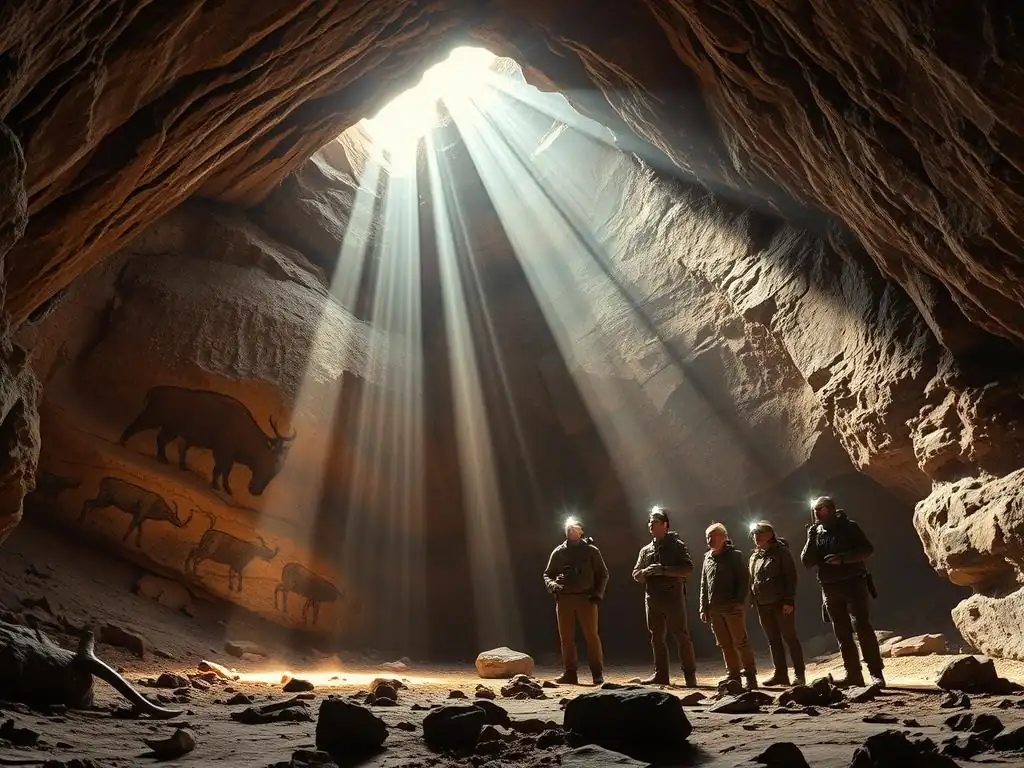
Imagine stepping back tens of thousands of years to Paleolithic Britain, a landscape sculpted by ice and inhabited by resourceful humans. This article delves into the fascinating world of Paleolithic Britain cave art, exploring the remarkable evidence of human occupation, artistic expression, and adaptation during the dramatic climate fluctuations of the Ice Age. What secrets do these ancient paintings hold about the lives and beliefs of our ancestors? Join us as we uncover the stories etched in stone, offering a detailed study of a pivotal period in human history.
- Paleolithic Britain Cave Art: Unveiling the Artistic Expressions of Early Humans
-
Frequently Asked Questions
- ### What is the significance of cave art in understanding Paleolithic Britain?
- ### How did fluctuating ice age conditions impact human occupation in Paleolithic Britain?
- ### What types of archaeological discoveries have been made that shed light on Paleolithic Britain?
- ### Where are the most important Paleolithic sites located in Britain?
- ### How does ArchaeologyHub.org organize information about Paleolithic Britain cave art compared to other historical periods?
- Final Reflection: Echoes of Resilience in Stone
- Unearth Your Own Paleolithic Journey!
Paleolithic Britain Cave Art: Unveiling the Artistic Expressions of Early Humans
Discovering Cave Art Sites in Britain: Creswell Crags and Mendip Hills Caves
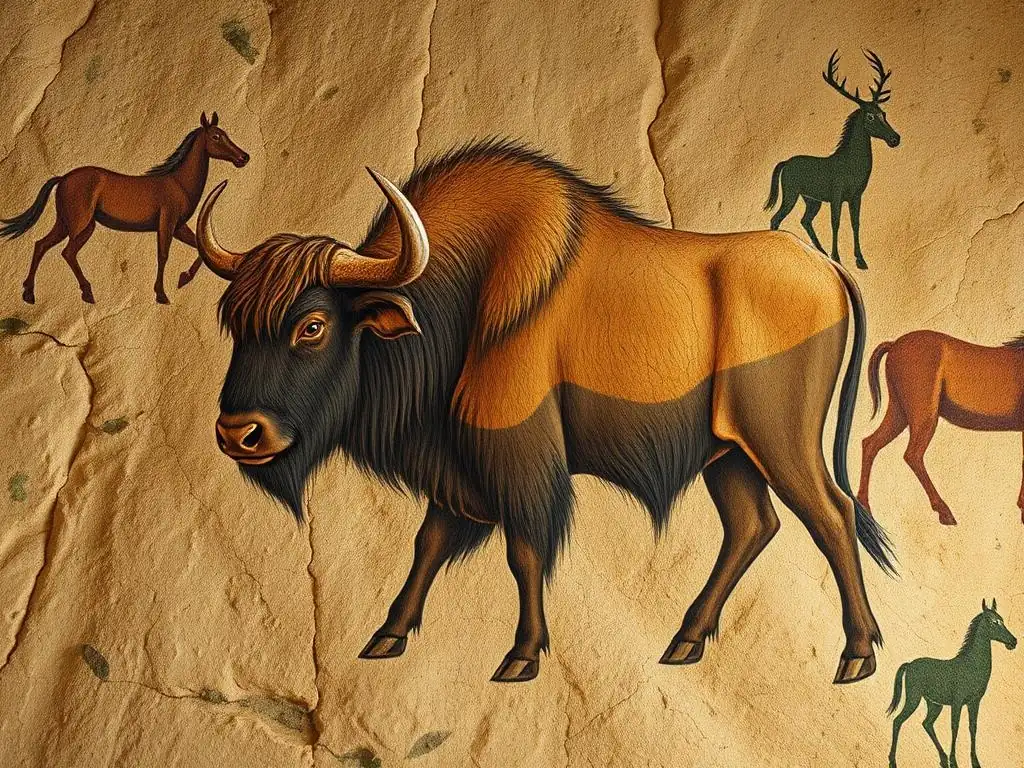
While continental Europe boasts numerous renowned Paleolithic art sites like Lascaux and Altamira, Britain's contribution to this ancient artistic legacy was, for a long time, considered sparse. However, groundbreaking discoveries in the early 21st century significantly altered this perception. The most significant revelation came from Creswell Crags, a limestone gorge straddling the Nottinghamshire and Derbyshire border, which yielded the clearest and most unequivocal examples of Paleolithic Britain cave art. Specifically, in Church Hole cave, engravings dating back approximately 13,000 years were identified in 2003, marking a pivotal moment in British archaeology.
These findings at Creswell Crags place Britain firmly within the Magdalenian artistic tradition of the Late Upper Paleolithic period. Prior to these discoveries, hints of prehistoric art were debated or considered ambiguous. The Mendip Hills in Somerset, particularly sites like Aveline's Hole and Wookey Hole, have also presented tantalizing, albeit less definitive, evidence of early human activity that might include symbolic markings or portable art. While not as rich in parietal art as Creswell Crags, these locations underscore the widespread presence of sophisticated hunter-gatherer societies across Britain capable of artistic expression.
Motifs and Imagery in British Paleolithic Cave Art: Animal Depictions and Linear Markings
The Paleolithic Britain cave art at Creswell Crags offers a fascinating glimpse into the symbolic world of Ice Age inhabitants. The most celebrated engraving found in Church Hole is a detailed depiction of a bird, possibly a crane or a wading bird, rendered with remarkable accuracy. This particular motif is exceptionally rare in European Paleolithic art, making the Creswell Crags bird unique and highly significant. Other figurative representations include a "stag-man" or anthropomorphic figure, blending human and animal characteristics, and several more abstract zoomorphic outlines that suggest horses or bison.
Beyond the recognizable animal figures, the caves at Creswell Crags are also adorned with a variety of geometric and linear markings. These include intricate zigzags, chevrons, cross-hatchings, and sets of parallel lines. While their precise meaning remains a subject of ongoing scholarly debate, such abstract symbols are a common feature of Paleolithic art across Europe. They might represent territorial markers, calendrical notations, or elements of complex belief systems. The combination of detailed animal depictions and enigmatic geometric patterns underscores the multifaceted nature of Paleolithic Britain cave art, reflecting both observational skill and abstract thought.
The Significance of Paleolithic Cave Art: Symbolic Representation and Ritual Practices
The existence of Paleolithic Britain cave art at sites like Creswell Crags profoundly reshapes our understanding of the cognitive abilities and cultural practices of Britain's Ice Age inhabitants. This art is not merely decorative; it represents complex symbolic communication and abstract thought, indicating a sophisticated worldview.
Theories regarding its purpose often revolve around sympathetic magic, where depicting animals might have been believed to aid in successful hunting, or shamanistic rituals, where the art served as a portal to spiritual realms or a record of altered states of consciousness. The location of much of this art deep within dark, often inaccessible caves further suggests a ritualistic or sacred context for its creation and viewing.
Furthermore, the presence of such art provides invaluable insights into the social cohesion and shared belief systems of these early hunter-gatherer groups. The creation of Paleolithic Britain cave art would have required collective knowledge, skill transmission, and perhaps communal rituals, reinforcing social bonds.
The consistent motifs and techniques observed across various sites, even if geographically distant, suggest a degree of cultural connectivity among these dispersed populations. Ultimately, this ancient art serves as a tangible link to the minds of Ice Age people, revealing their capacity for creativity, their deep connection to the natural world, and their engagement with complex symbolic representation.
Frequently Asked Questions
### What is the significance of cave art in understanding Paleolithic Britain?
Cave art provides direct evidence of human cognitive abilities and symbolic thought during the Paleolithic period. Analyzing the themes and techniques used allows archaeologists to infer about their beliefs and environment.
### How did fluctuating ice age conditions impact human occupation in Paleolithic Britain?
The advancing and retreating ice sheets dramatically altered the landscape, forcing Paleolithic inhabitants to adapt their hunting strategies and migration patterns in response to changing resource availability.
### What types of archaeological discoveries have been made that shed light on Paleolithic Britain?
Discoveries include stone tools, animal remains, and, most significantly, cave art depictions. These finds help to reconstruct the daily lives and cultural practices of early humans.
### Where are the most important Paleolithic sites located in Britain?
Key sites are often found in caves, such as Creswell Crags and Gough's Cave, which offered shelter and preserved artifacts. River valleys also yielded evidence of human activity.
### How does ArchaeologyHub.org organize information about Paleolithic Britain cave art compared to other historical periods?
ArchaeologyHub.org categorizes Paleolithic Britain cave art by geographic region and time period. This enables users to easily compare and contrast it with art from other periods and locations, offering a comprehensive overview.
Final Reflection: Echoes of Resilience in Stone
The journey through Paleolithic Britain, as we've explored, reveals a profound narrative of human resilience and adaptation in the face of dramatic environmental shifts. The echoes of these ancient lives, particularly through the lens of Paleolithic Britain cave art, resonate powerfully today, reminding us of our species' enduring capacity to not only survive but also to create beauty and meaning even in the most challenging circumstances. The intricate depictions found within these caves offer a tangible connection to our distant ancestors, bridging the vast expanse of time and revealing shared human experiences.
The enduring fascination with Paleolithic Britain and its cave art underscores its profound influence on our understanding of human origins and artistic expression. This exploration has personally deepened my appreciation for the ingenuity and creativity of early humans, challenging preconceived notions about their capabilities. Art is not what you see, but what you make others see.
- Edgar Degas. This quote perfectly encapsulates the power of Paleolithic cave art; it allows us to see the world through the eyes of those who lived millennia ago, fostering empathy and a deeper understanding of our shared human heritage.
As we conclude this exploration of Paleolithic Britain, I invite you to reflect on the lessons gleaned from these ancient narratives. Consider the adaptability and resourcefulness of our ancestors, their ability to thrive amidst adversity, and their innate drive to create and communicate.
How can we, in our own lives, embrace these qualities to navigate the challenges of our modern world and leave a lasting legacy of resilience and creativity for generations to come? Let the echoes of Paleolithic Britain inspire you to find beauty and meaning in the face of adversity, and to contribute your own unique artistry to the ongoing story of humanity.
Unearth Your Own Paleolithic Journey!
Thank you for exploring the fascinating world of Paleolithic Britain! We hope you’ve gained a deeper appreciation for the resilience and ingenuity of early humans who adapted to dramatic climate changes. Now, it's time to take your understanding a step further.
Here are a few ways to continue your archaeological adventure:
- Visit your local museum to see Paleolithic artifacts and learn more about prehistoric life in your region. Imagine the hands that crafted those tools!
- Share this article with friends and family interested in archaeology and early human history. Spark a conversation about the challenges and triumphs of our ancestors!
- Dive deeper into Paleolithic art by researching cave paintings and portable art objects from around the world. What stories do they tell us?
What aspect of Paleolithic life in Britain resonates most with you, and what further explorations will you undertake to deepen your knowledge?