
The Kition Necropolis, Cyprus: Phoenician Burials and Cultural Syncretism

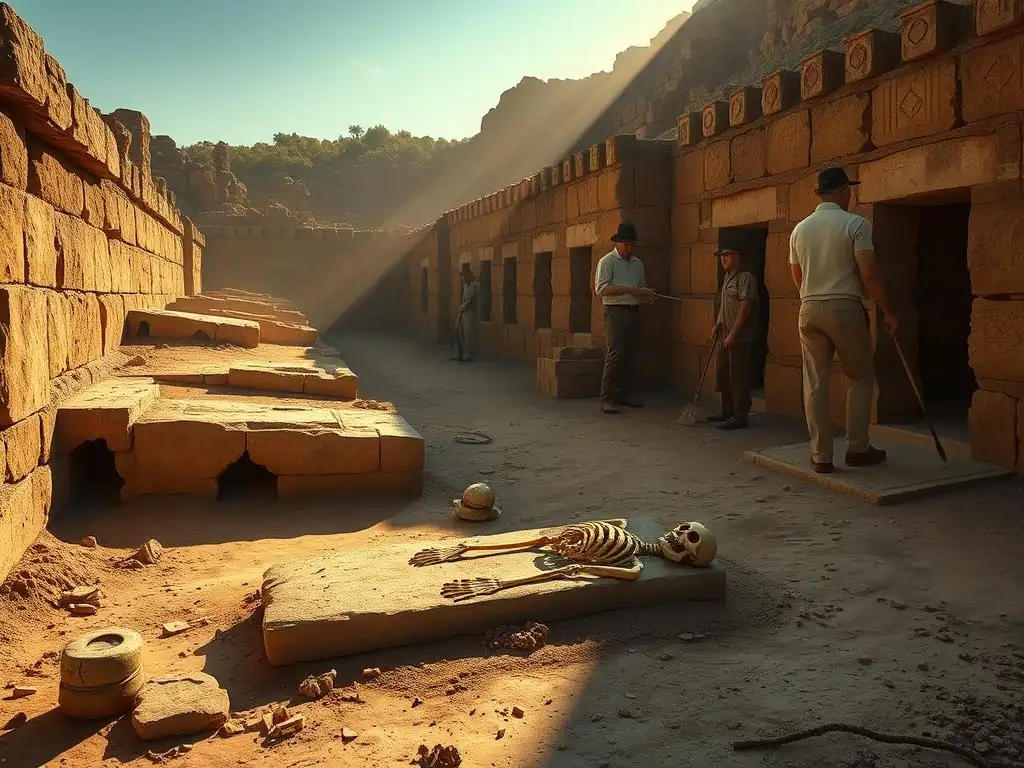
Welcome to ArchaeologyHub.org, your portal to unlocking the secrets of the past.
Delve into the fascinating world of ancient civilizations and groundbreaking discoveries. Ever wondered what burial practices reveal about a culture's beliefs and interactions? Our detailed exploration of Phoenician burials at Kition, Cyprus, offers a compelling glimpse into cultural syncretism and the lives of those who lived millennia ago. Discover the intricate details of the Kition Necropolis and begin your journey through history now!
- Introduction: Unveiling Phoenician Presence in Ancient Kition
- The Discovery and Excavation of the Kition Necropolis
- Phoenician Burial Practices in Kition: A Detailed Examination
- Artifacts from the Kition Necropolis: Material Culture and Trade
- Cultural Syncretism: The Fusion of Phoenician and Cypriot Traditions
- Kition Necropolis: A Window into Phoenician Life in Cyprus
- Conclusion: The Enduring Legacy of Phoenician Burials at Kition
-
Frequently Asked Questions
- How did Phoenician burial practices in Kition, Cyprus, differ from those in Phoenicia?
- What types of artifacts are commonly found in Phoenician burials at the Kition necropolis?
- What does the presence of Phoenician burials in Kition reveal about Phoenician influence on Cyprus?
- How does the Kition necropolis contribute to our understanding of Phoenician history and civilization?
- What excavation techniques are used to uncover and analyze Phoenician burials at the Kition necropolis?
- Final Reflection: Echoes of Kition, Whispers of Tomorrow
- Unearth Your Inner Archaeologist!
Introduction: Unveiling Phoenician Presence in Ancient Kition
The Significance of Kition as a Phoenician Stronghold
Kition, known today as Larnaca, stands as one of the most historically significant ancient city-kingdoms on the island of Cyprus. Its strategic location on the southeastern coast made it an invaluable port, facilitating extensive maritime trade routes across the Eastern Mediterranean.
From as early as the 9th century BCE, Kition developed into a prominent Phoenician stronghold, serving as a vital commercial and cultural nexus for the seafaring people. The city's deep natural harbor and access to copper mines on the island provided considerable economic advantages, attracting Phoenician merchants and settlers who gradually established a dominant presence, transforming Kition into a major hub of Phoenician influence outside their Levantine homeland.
The Phoenician presence in Kition was not merely transient; it was deeply embedded in the city's fabric for centuries, evidenced by monumental architecture, religious sanctuaries, and extensive residential areas. This enduring influence is particularly evident in the archaeological record, which reveals a rich tapestry of Phoenician traditions coexisting and intermingling with indigenous Cypriot customs. Kition's role as a gateway between the Levant and the wider Mediterranean world made it a unique crucible for cultural exchange, profoundly shaping its identity and contributing significantly to our understanding of the broader Phoenician expansion.
The Significance of the Kition Necropolis
The Kition Necropolis represents an archaeological treasure trove, offering unparalleled insights into the lives, beliefs, and societal structures of the ancient inhabitants of Kition, particularly its substantial Phoenician population. As a burial ground, it serves as a primary source of undisturbed archaeological data, preserving a wealth of information that is often lost in habitation sites. The meticulous study of Phoenician burials Cyprus Kition has provided crucial evidence regarding funerary rituals, social stratification, diet, health, and trade networks.
The necropolis's significance lies in its capacity to reveal the complexities of cultural interaction. The array of tomb types, grave goods, and burial practices observed within the Kition Necropolis reflects not only distinct Phoenician traditions but also the fascinating process of cultural syncretism with local Cypriot elements. This makes the necropolis an invaluable resource for understanding how Phoenician culture adapted and influenced indigenous societies on Cyprus, providing a tangible link to the daily lives and spiritual worldviews of a people whose maritime prowess shaped the ancient world.
The Discovery and Excavation of the Kition Necropolis
Early Excavations at Kition: The Swedish Cyprus Expedition
The archaeological exploration of Kition began in earnest during the early 20th century, with the Swedish Cyprus Expedition (SCE) making significant initial contributions. Led by Einar Gjerstad, the SCE conducted systematic excavations across Cyprus between 1927 and 1931. Their work at Kition, particularly in the late 1920s (around 1929-1930), marked a pivotal moment in understanding the city's ancient past. While their primary focus was often on broader chronological sequences and architectural remains, the SCE unearthed several tombs and funerary contexts that hinted at the rich burial practices of Kition's inhabitants, including early indications of Phoenician presence.
These pioneering efforts, though perhaps not exclusively focused on the necropolis as a distinct entity, laid foundational knowledge for subsequent archaeological endeavors. The SCE's detailed recording methods and publication of findings provided a crucial baseline for future researchers. Their work helped to establish Kition as a site of immense archaeological potential, setting the stage for more targeted investigations into its extensive burial grounds and the distinctive Phoenician burials Cyprus Kition would later reveal.
Systematic Excavations and the Unearthing of Phoenician Tombs
The most comprehensive and systematic excavations of the Kition Necropolis commenced in the latter half of the 20th century, predominantly under the auspices of the Department of Antiquities of Cyprus and later, the French Archaeological Mission. From the 1960s onwards, led by prominent archaeologists like Marguerite Yon, these missions meticulously uncovered vast sections of the necropolis, particularly in areas such as Kathari and Pamboula, located to the north and west of the ancient city center.
These sustained efforts led to the discovery of hundreds of tombs spanning several centuries, primarily from the Late Bronze Age through the Cypro-Archaic and Cypro-Classical periods (roughly 13th to 4th century BCE).
The systematic approach allowed archaeologists to map out the necropolis's extensive layout and to document the diverse range of Phoenician burials Cyprus Kition contained. These excavations revealed a wealth of funerary architecture, including elaborate rock-cut chamber tombs, simpler shaft tombs, and cist graves. The sheer volume and variety of grave goods recovered from these contexts provided an unprecedented opportunity to study Phoenician material culture, burial customs, and their interactions with local Cypriot traditions, offering a detailed glimpse into the social and economic lives of Kition's ancient inhabitants.
The Kition Necropolis Site: Location and Layout
The Kition Necropolis is not a single, monolithic burial ground but rather a collection of distinct burial areas spread around the ancient city. Its primary sectors are generally located outside the ancient city walls, particularly to the north, west, and southwest. Key areas include Kathari, where a significant temple complex and residential areas were found alongside tombs, and Pamboula, which yielded a large number of chamber tombs. The placement of these burial grounds typically followed the ancient practice of locating necropoleis along major roads leading out of the city, ensuring visibility and accessibility for funerary processions.
The layout of the necropolis reflects the long history of Kition, with different sectors showing varying concentrations of tomb types and chronological periods. While some areas feature densely packed chamber tombs, others might contain more dispersed shaft or cist graves. This spatial distribution provides clues about the city's demographic growth, social organization, and the evolution of burial practices over time. Understanding this layout is crucial for interpreting the social landscape of ancient Kition, as it allows archaeologists to infer patterns of family burial, community organization, and the development of funerary architecture within the Phoenician-influenced urban environment.
Phoenician Burial Practices in Kition: A Detailed Examination
Types of Tombs Discovered: Shaft Tombs, Chamber Tombs, and Cist Graves
The Kition Necropolis showcases a remarkable diversity in tomb architecture, reflecting different periods, social statuses, and potentially, cultural affiliations within the ancient city. The most common types of Phoenician burials Cyprus Kition revealed include:
- Shaft Tombs: These consist of a vertical shaft, typically ranging from 1.5 to over 3 meters deep, dug into the earth or bedrock. At the bottom, one or more small burial chambers are carved out horizontally. These tombs were often used for individual or successive family burials and could be sealed with stone slabs. They represent a relatively common and adaptable tomb type found across Phoenician sites.
- Chamber Tombs: Predominantly rock-cut, these elaborate tombs are characterized by an entrance dromos (passage) leading into one or more spacious burial chambers. Some chamber tombs at Kition are multi-chambered, featuring benches or niches for multiple interments, often spanning generations of a single family. These larger, more complex structures often housed richer grave goods and suggest a higher social standing for the deceased.
- Cist Graves: These are simpler rectangular pits, typically lined with stone slabs on the sides and bottom, then covered with capstones. Cist graves were usually designed for single interments and are often found alongside more elaborate tombs, suggesting a more humble or perhaps temporary burial solution. While less complex, they still provide valuable anthropological data.
The prevalence of these different tomb types offers insights into the social hierarchy and funerary traditions within Phoenician Kition. Chamber tombs, for instance, often indicate a more settled, prosperous population with established familial burial traditions, while shaft tombs and cist graves might represent a broader demographic.
Burial Rituals and Offerings: Insights into Phoenician Beliefs
The grave goods accompanying Phoenician burials Cyprus Kition provide a tangible window into the beliefs and daily lives of the city's inhabitants. Common offerings include a wide array of pottery, from humble domestic wares to finely crafted Phoenician bichrome and red slip vessels, often containing food and drink for the deceased's journey to the afterlife. Lamps, typically made of terracotta, were frequently placed in tombs, possibly to illuminate the path for the deceased. Personal adornments such as bronze or silver rings, earrings, and necklaces were also common, reflecting the deceased's status and aesthetic preferences.
Beyond material possessions, evidence suggests complex burial rituals. Multiple burials within a single tomb, often over several generations, indicate a strong emphasis on family ties and continuity. The presence of animal bones, particularly from sheep or goats, suggests funerary feasts or sacrifices performed at the tomb site. These practices underscore Phoenician beliefs in an afterlife and the necessity of providing for the deceased's needs. The inclusion of amulets, scarabs, and figurines of deities like Astarte or Reshef further points to a rich spiritual landscape and a desire for protection and blessings in the journey beyond death.
Analysis of Skeletal Remains: Isotopic Analysis and Dietary Reconstruction
The systematic analysis of skeletal remains recovered from the Kition Necropolis has yielded invaluable anthropological data, shedding light on the health, demographics, and even origins of the ancient population. Bioarchaeological studies, including isotopic analysis of carbon, nitrogen, and oxygen from bone collagen and tooth enamel, have provided detailed insights into dietary patterns.
For example, analyses have indicated a diet rich in marine resources, consistent with Kition's coastal location and the Phoenician maritime economy, alongside terrestrial staples like cereals and legumes. Some studies suggest a relatively balanced diet compared to contemporary inland populations, indicating access to diverse food sources through trade.
Furthermore, skeletal remains reveal information about age at death, gender distribution, and the prevalence of certain diseases or physical traumas. While a precise average lifespan is difficult to ascertain from fragmented data, estimates suggest a significant proportion of individuals did not live past their 40s, common for the ancient world, with evidence of childhood mortality.
Pathological conditions like arthritis, dental wear, and occasional signs of nutritional deficiencies or infectious diseases provide a somber yet realistic picture of health challenges faced by the ancient inhabitants. Such detailed bioarchaeological research significantly augments our understanding of daily life and the demographic profile of the people buried in the Phoenician burials Cyprus Kition.
Artifacts from the Kition Necropolis: Material Culture and Trade
Pottery Analysis: Identifying Phoenician and Cypriot Styles
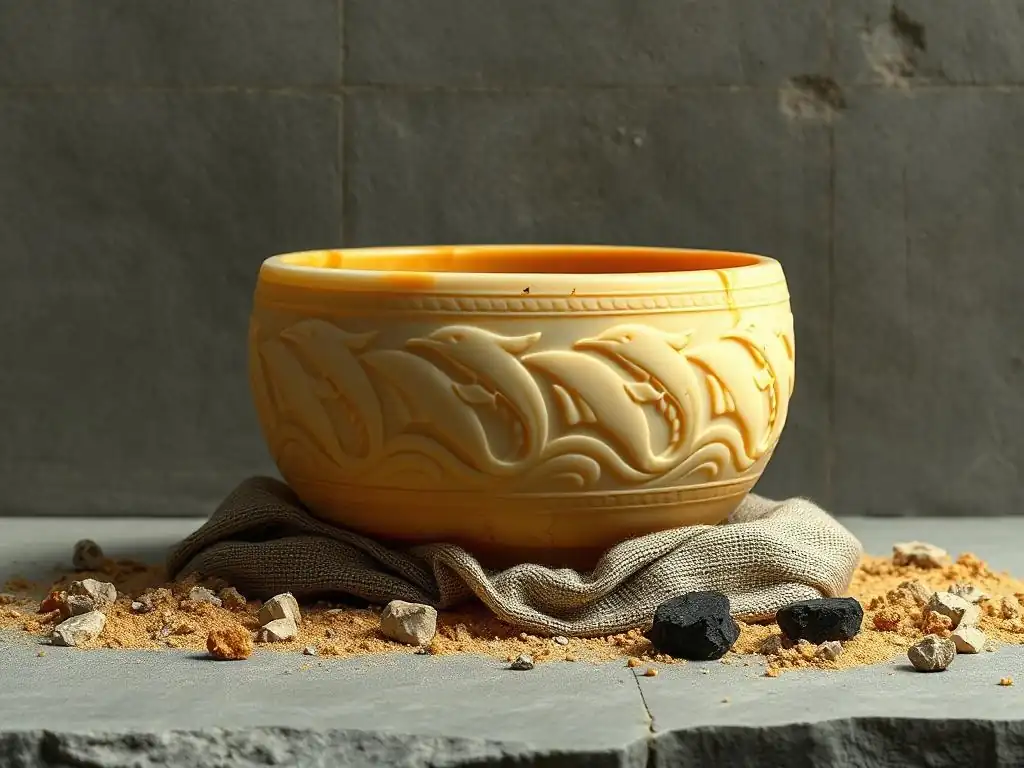
Pottery constitutes the most abundant category of artifacts recovered from the Kition Necropolis, offering critical insights into both local production and extensive trade networks. Archaeologists have distinguished between characteristic Phoenician pottery styles and indigenous Cypriot wares. Phoenician pottery, often associated with the Late Bronze Age and Early Iron Age, includes distinct types such as:
- Red Slip Ware: Characterized by a polished red slip coating, this pottery type is a hallmark of Phoenician ceramic production, found widely across their Mediterranean network.
- Bichrome Ware: Featuring geometric or figurative designs painted in two colors (typically black and red) on a light background, this style is also strongly associated with Phoenician artistic expression.
In contrast, Cypriot pottery styles, like the White Slip and Base-Ring wares, are also prevalent, reflecting the strong indigenous traditions. The co-existence and sometimes stylistic blending of these different pottery types within the same tomb underscore the cultural interplay at Kition. Furthermore, the presence of imported pottery from other regions, such as Aegean (Mycenaean) and later Greek wares, as well as Egyptian and Levantine imports, vividly illustrates Kition's role as a major international trading hub, a testament to the wealth and connectivity brought by Phoenician maritime commerce.
Jewelry and Personal Adornments: Reflecting Status and Beliefs
The Kition Necropolis has yielded a rich collection of jewelry and personal adornments, providing fascinating glimpses into the social status, aesthetic preferences, and belief systems of the deceased. These artifacts, crafted from a variety of materials, include:
- Precious Metals: Gold and silver rings, earrings, and necklaces, often intricately worked with granulation or filigree techniques, highlight the wealth and craftsmanship available to the elite. Some gold ornaments display elaborate designs, including stylized animals or human figures, reflecting Phoenician artistic flair.
- Bronze and Faience: More common items like bronze fibulae (brooches), bracelets, and faience amulets (small charms made from glazed ceramic) were also prevalent. Faience amulets frequently depicted Egyptian deities or symbols, such as scarabs, representing protection, rebirth, or good fortune, indicating a strong influence of Egyptian religious iconography on Phoenician beliefs.
The types, materials, and craftsmanship of these adornments often served as clear indicators of social hierarchy and personal identity. The presence of specific amulets or symbols also suggests the prevalent religious and magical beliefs, underscoring the desire for protection in both life and the afterlife. These items not only reveal the personal possessions of the deceased but also reflect the broader cultural trends and access to specialized artisans in ancient Kition.
The discovery of various metal objects, including tools and weaponry, within the Kition Necropolis offers valuable insights into the technological capabilities, economic activities, and social dynamics of the city. Bronze and iron were the primary metals used, with iron becoming increasingly dominant during the Iron Age. Common finds include bronze bowls, mirrors, and various domestic implements. The presence of weapons, though not universally abundant, is particularly significant. Items such as:
- Daggers and Swords: Often made of iron, these weapons suggest the presence of a warrior class or individuals with military standing. Their inclusion in graves could symbolize the deceased's role in society, or perhaps serve a protective purpose in the afterlife.
- Spearheads and Arrowheads: These functional items indicate the importance of hunting or warfare in the lives of some individuals.
The quality and material of these metal objects could also signify social status. For instance, a finely crafted bronze bowl or an elaborate iron sword likely belonged to a person of considerable means or authority. The analysis of metal compositions also provides clues about trade routes for raw materials and the metallurgical skills of the local artisans, further cementing Kition's position as a significant center for production and trade within the Phoenician network.
Cultural Syncretism: The Fusion of Phoenician and Cypriot Traditions
Kition provides compelling evidence of profound religious syncretism, where Phoenician deities and cultic practices intertwined with indigenous Cypriot traditions. The most striking example is the worship of the Phoenician goddess Astarte, who became closely identified with the Cypriot Aphrodite, particularly at Kition's major temple complexes. Votive offerings and inscriptions found within the city, including some from tomb contexts, demonstrate the veneration of both Phoenician gods like Melqart and Reshef, alongside Cypriot counterparts. For instance, votive stelae might depict a deity with attributes shared by both cultures, or inscriptions might invoke names that blend Phoenician and Cypriot linguistic elements.
This religious blending was not merely superficial; it suggests a deep integration of spiritual beliefs and rituals. Evidence from sanctuaries and possibly from some Phoenician burials Cyprus Kition reveals shared cultic spaces or rituals that incorporated elements from both traditions. The adoption of foreign deities or the reinterpretation of local gods through a Phoenician lens indicates a dynamic process of cultural adaptation and mutual influence, reflecting a society where diverse religious practices coexisted and often merged, fostering a unique spiritual landscape.
Artistic and Architectural Influences: Blending Phoenician and Cypriot Styles
The artistic and architectural expressions found in Kition's necropolis and other archaeological contexts vividly demonstrate the fusion of Phoenician and Cypriot styles. This syncretism is evident in:
- Tomb Architecture: While Phoenician chamber tombs often show parallels with Levantine prototypes, some Kition tombs incorporate features or decorative elements that resonate with Cypriot architectural traditions. The blending of rock-cut techniques with specific burial chamber layouts might reflect this interplay.
- Sculpture and Figurines: Terracotta figurines and stone sculptures found in tombs or votive deposits often display a hybrid iconography. For example, some figurines might exhibit Phoenician stylistic traits (e.g., specific hairstyles or facial features) while depicting Cypriot cultic poses or attire. Conversely, Cypriot artisans might have adopted Phoenician motifs, such as the "tree of life" or specific animal representations, integrating them into local artistic narratives.
This artistic dialogue resulted in a distinctive "Cypro-Phoenician" style that is unique to Kition and other Phoenician-influenced sites on Cyprus. The craftsmanship of jewelry, seals, and pottery also reflects this blend, with local materials often shaped by Phoenician techniques or adorned with motifs that carry dual cultural significance. This creative synthesis underscores the vibrant cultural exchange that characterized ancient Kition, where artistic innovation flourished through the blending of diverse traditions.
The Impact of Phoenician Culture on Kition's Development
The profound impact of Phoenician culture on Kition's development is evident across multiple facets of the city's ancient life. Economically, the Phoenicians transformed Kition into a thriving commercial hub. Their extensive maritime networks facilitated the import of exotic goods and raw materials, and the export of Cypriot copper and other local products, significantly boosting Kition's wealth and influence. This economic prosperity, reflected in the rich grave goods found in Phoenician burials Cyprus Kition, supported a larger, more complex urban society.
Socially, the Phoenician presence led to a more diverse and stratified population. The introduction of the Phoenician alphabet alongside the indigenous Cypro-Minoan syllabary, as seen in bilingual inscriptions, points to a period of linguistic and administrative adaptation.
Furthermore, Phoenician urban planning and architectural styles influenced the construction of Kition's port facilities, temple complexes, and residential areas, shaping the very physical landscape of the city. The enduring legacy of Phoenician culture in Kition is therefore not just an archaeological curiosity but a fundamental chapter in the city's identity, demonstrating how a powerful maritime civilization could integrate and transform a key strategic outpost.
Kition Necropolis: A Window into Phoenician Life in Cyprus
The Kition Necropolis and Phoenician Maritime Expansion
The Phoenician burials Cyprus Kition provide tangible evidence of the broader narrative of Phoenician maritime expansion across the Mediterranean. Kition served as a crucial stepping stone and a major settlement in the Phoenician trade network, connecting the Levantine homeland with markets and resources in the Aegean, North Africa, and the Western Mediterranean. The diverse array of imported artifacts found within the tombs – including pottery from Greece, scarabs from Egypt, and even rare materials from distant lands – directly illustrates the extensive reach of Phoenician trade routes.
The very presence of a substantial Phoenician population, as evidenced by their distinctive burial practices and material culture within the necropolis, underscores the strategic importance of Cyprus for their commercial and colonial ambitions. Kition was not merely a transient stop but a place where Phoenicians settled, established families, and built lasting communities, contributing to the island's economic and cultural landscape. The necropolis thus serves as a powerful testament to the daily lives of these seafarers and merchants, offering a unique perspective on the human element behind one of the ancient world's most impressive maritime empires.
Preserving the Kition Necropolis: Challenges and Conservation Efforts
The preservation of the Kition Necropolis presents significant archaeological and logistical challenges, primarily due to its location within the modern bustling city of Larnaca. Urban development, including construction projects and infrastructure expansion, constantly poses a threat to undiscovered or partially excavated areas of the necropolis. Additionally, natural processes such as erosion and the impact of weather can degrade exposed archaeological remains. The risk of illicit digging or looting, while managed, also remains a constant concern for valuable archaeological sites.
Despite these challenges, the Department of Antiquities of Cyprus, along with international archaeological missions, continues to implement robust conservation strategies. These efforts include:
- Rescue Excavations: Prioritizing archaeological investigations in areas slated for development to salvage and document remains before they are lost.
- Site Protection: Implementing measures to secure excavated areas, sometimes involving backfilling sensitive sites after documentation to protect them from environmental degradation.
- Public Awareness: Educating the local community and visitors about the historical significance of the necropolis to foster a sense of shared responsibility for its preservation.
- Digital Archiving: Creating detailed digital records, 3D models, and databases of findings to ensure that all information is preserved for future research, even if the physical remains are at risk.
These ongoing efforts are crucial to safeguarding the invaluable historical record contained within the Phoenician burials Cyprus Kition for future generations of researchers and the public.
Conclusion: The Enduring Legacy of Phoenician Burials at Kition
Kition's Role in Understanding Phoenician Culture in the Mediterranean
Kition stands as an indispensable site for understanding the broader scope of Phoenician culture and its profound impact across the Mediterranean. The extensive Phoenician burials Cyprus Kition has yielded provide a unique lens through which to examine their societal structures, religious beliefs, and economic prowess. Unlike many Phoenician sites that primarily served as trading posts, Kition was a deeply rooted settlement where Phoenician traditions were not merely imported but actively integrated and adapted within a vibrant Cypriot context.
The detailed archaeological record from the necropolis offers critical insights into the daily lives of Phoenicians living abroad, their health, diet, and interactions with local populations. It allows scholars to trace the evolution of Phoenician material culture outside their Levantine heartland, demonstrating their adaptability and influence. Kition's contribution to Phoenician studies is thus unparalleled, serving as a cornerstone for comprehending the dynamics of cultural expansion, colonization, and interaction in the ancient world.
Further Research and Ongoing Discoveries at Kition
Despite decades of extensive archaeological work, the Kition Necropolis continues to hold immense potential for further research and ongoing discoveries. Large areas of the ancient city and its surrounding burial grounds remain unexplored or only partially excavated, particularly beneath modern Larnaca. Future investigations, potentially utilizing advanced non-invasive techniques such as ground-penetrating radar (GPR) and magnetometry, could reveal entirely new sectors of the necropolis and previously unknown tomb complexes.
Beyond new excavations, ongoing research focuses on applying cutting-edge scientific analyses to existing collections. This includes more extensive isotopic analyses for detailed dietary reconstruction and migration patterns, ancient DNA (aDNA) studies to explore genetic relationships and population movements, and advanced material analysis of artifacts to pinpoint their precise origins and manufacturing techniques. These multidisciplinary approaches promise to unlock even deeper insights from the Phoenician burials Cyprus Kition, continually enriching our understanding of this pivotal ancient city and its enduring Phoenician legacy.
Frequently Asked Questions
How did Phoenician burial practices in Kition, Cyprus, differ from those in Phoenicia?
Phoenician burials in Kition often exhibited a blend of Phoenician traditions with local Cypriot customs. This included variations in grave goods and burial architecture reflecting cultural syncretism.
What types of artifacts are commonly found in Phoenician burials at the Kition necropolis?
Common artifacts include pottery, jewelry (often made of gold and silver), and amulets. These grave goods provide insights into the status and beliefs of the deceased.
What does the presence of Phoenician burials in Kition reveal about Phoenician influence on Cyprus?
The burials demonstrate a significant Phoenician presence and their cultural impact on Cyprus. They suggest a period of trade, settlement, and cultural exchange.
How does the Kition necropolis contribute to our understanding of Phoenician history and civilization?
The Kition necropolis offers valuable insights into Phoenician social structures, religious beliefs, and economic activities outside of their homeland. It allows for a comparative study with other Phoenician settlements.
What excavation techniques are used to uncover and analyze Phoenician burials at the Kition necropolis?
Archaeologists utilize techniques such as stratigraphic excavation, artifact analysis, and osteological studies. These methods help to reconstruct the burial rituals and the lives of the individuals buried there.
Final Reflection: Echoes of Kition, Whispers of Tomorrow
The exploration of the Kition Necropolis reveals more than just ancient burial practices; it unveils a vibrant tapestry of cultural exchange, a testament to the enduring power of Phoenician influence in Cyprus. The artifacts and burial rituals unearthed speak volumes about a society that embraced both its own heritage and the traditions of others, creating a unique and compelling cultural syncretism that resonates even today.
The Kition Necropolis serves as a powerful reminder that cultural boundaries are often fluid, and that the blending of traditions can lead to innovation and richness. The Phoenician presence in Cyprus, as evidenced by these burials, profoundly shaped the island's identity, leaving an indelible mark on its art, religion, and social structures. The past is never dead. It's not even past.
- William Faulkner. This quote encapsulates the enduring legacy of Kition, where the echoes of Phoenician culture continue to resonate in the Cypriot landscape.
As we contemplate the lessons learned from the Kition Necropolis, let us consider how we, too, can embrace cultural exchange and foster understanding in our own lives. Let us strive to appreciate the richness that comes from diverse perspectives and build bridges of connection, just as the Phoenicians and Cypriots did centuries ago. Let the story of Kition inspire you to seek out new perspectives, to celebrate the beauty of cultural fusion, and to contribute to a world where understanding and empathy prevail.
Unearth Your Inner Archaeologist!
Thank you for delving into the fascinating world of the Kition Necropolis! We hope you've enjoyed uncovering the rich tapestry of Phoenician burials and cultural syncretism in Cyprus. Now, it's time to take your exploration further.
Here are a few things you can do:
- Visit your local museum and seek out exhibits focusing on Phoenician culture or Cypriot archaeology. Discover similar artifacts and deepen your understanding through tangible experiences.
- Share this article with a friend who loves history or archaeology and start a conversation about the cultural exchanges evident in the Kition Necropolis.
- Research modern archaeological techniques used to uncover and preserve burial sites. Could you see yourself participating in a dig someday?
What other historical sites spark your interest and what aspects of ancient cultures do you find most intriguing?