
Goguryeo's Shamanistic Traditions: Rituals and Beliefs Depicted in Tomb Art and Artifacts

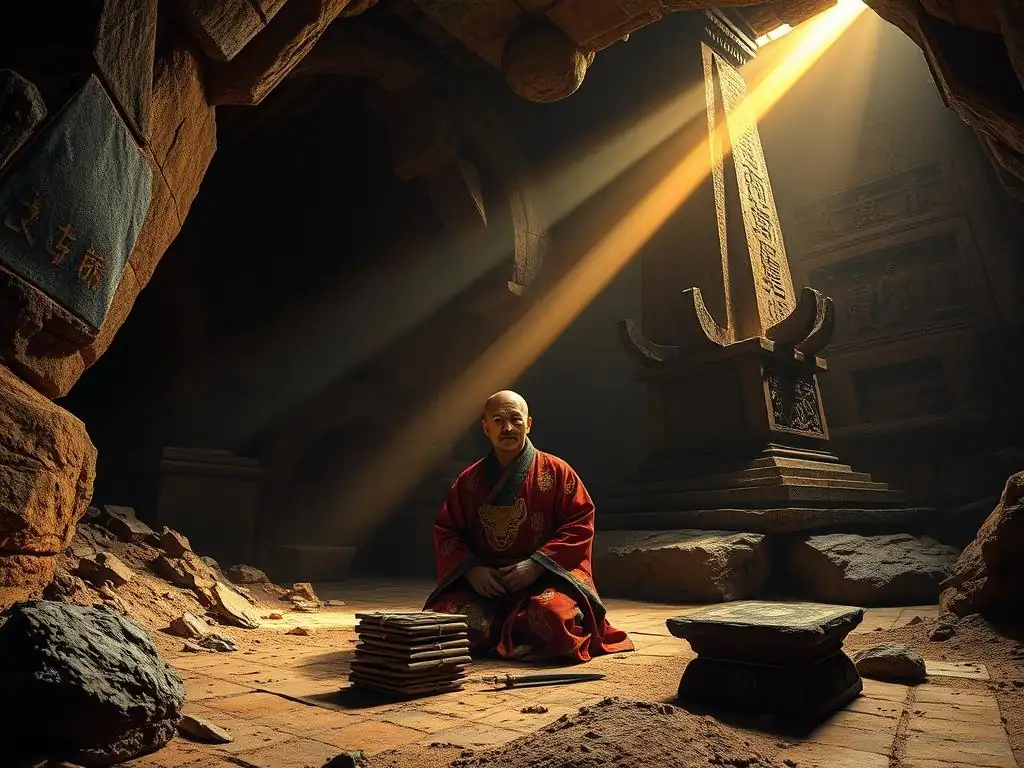
Welcome to ArchaeologyHub.org, your gateway to the past!
Delve into the captivating world of ancient civilizations. Ever wondered how beliefs and rituals shaped the artistry of a bygone era? Prepare to be amazed as we uncover the secrets behind Goguryeo shamanism tomb art. Journey with us to explore the vibrant and symbolic world depicted within these ancient tombs, where rituals and beliefs come to life, offering a unique window into the spiritual heart of the Goguryeo kingdom. What stories do these ancient artworks hold? Explore our detailed analysis and discover the profound connection between art, faith, and the afterlife.
- Introduction: Unveiling Goguryeo Shamanism Through Archaeological Evidence
- Shamanic Rituals in Goguryeo Tomb Murals: Deciphering the Imagery
- Key Shamanic Symbols and Motifs Found in Goguryeo Artifacts
- Notable Goguryeo Tombs and Their Shamanistic Significance
- Goguryeo Shamanism vs. Other Korean Shamanic Traditions
- The Legacy of Goguryeo Shamanism: Its Enduring Impact on Korean Culture
- Conclusion: Goguryeo Shamanism Tomb Art - A Window into Ancient Korean Spirituality
-
Frequently Asked Questions
- What is Goguryeo shamanism tomb art, and why is it significant?
- How does Goguryeo shamanism tomb art help us understand their beliefs?
- Where are the best examples of Goguryeo shamanism tomb art located?
- What types of artifacts are commonly found alongside Goguryeo shamanism tomb art?
- How does Goguryeo shamanism tomb art relate to other forms of Korean art and religion?
- Final Reflection: Echoes of the Spirit World in Goguryeo Art
- Unveil the Mysteries: Journey Deeper into Goguryeo's Spiritual World
Introduction: Unveiling Goguryeo Shamanism Through Archaeological Evidence
Goguryeo's Cultural Landscape: A Context for Shamanic Practices
Goguryeo, a powerful kingdom that flourished from 37 BCE to 668 CE, dominated a vast territory spanning parts of Manchuria and the northern Korean Peninsula. While often celebrated for its military prowess and strategic fortifications, the kingdom also possessed a rich and complex spiritual landscape, deeply rooted in indigenous shamanic practices. These practices, collectively known as Goguryeo shamanism, formed the bedrock of their worldview, influencing everything from daily life and governance to their understanding of the cosmos and the afterlife. The blend of local traditions with subtle influences from neighboring cultures created a unique spiritual identity.
The spiritual beliefs of Goguryeo were not static; they evolved over centuries, incorporating elements while maintaining a core reverence for nature spirits, ancestors, and celestial bodies. This enduring spiritual framework is perhaps best preserved not in written texts, which are scarce, but through the remarkable Goguryeo shamanism tomb art found in hundreds of excavated tombs. These murals and artifacts offer unparalleled insights into the rituals, deities, and cosmology that defined the spiritual lives of the Goguryeo people, providing a tangible connection to their ancient faith.
The Significance of Tomb Art in Understanding Goguryeo Beliefs
Goguryeo tombs, particularly those adorned with elaborate murals, serve as invaluable archives of ancient spiritual life, offering a unique window into Goguryeo shamanism. Unlike perishable documents or oral traditions that fade with time, the paintings and artifacts within these burial chambers were designed to last for eternity, intended to accompany the deceased into the spirit world and ensure their well-being. This deliberate preservation makes them primary sources for understanding the kingdom's indigenous belief systems, rituals, and the symbolic language used to express them.
The visual narratives presented in Goguryeo tomb art depict a wide array of scenes, from daily life and court activities to profound spiritual ceremonies. These images often include figures engaged in ritualistic dances, interactions with spirits, and symbolic representations of the cosmos, all of which are central to Goguryeo shamanism. By meticulously analyzing these artistic expressions, archaeologists and historians can reconstruct aspects of their spiritual practices, identify key deities and symbols, and gain a deeper appreciation for the role of shamanism in shaping Goguryeo society and its perception of the afterlife.
Shamanic Rituals in Goguryeo Tomb Murals: Deciphering the Imagery
Hunting and Fertility Rituals: Depictions in Early Goguryeo Tombs
Early Goguryeo tombs, particularly those located in the Jian (Ji'an) region, offer vivid depictions that hint at ritualistic hunting and fertility practices, central to Goguryeo shamanism. The most famous example is the Tomb of the Dancing Figures, dating to the 5th century CE. Its murals prominently feature dynamic hunting scenes where mounted archers pursue deer and tigers. While appearing as everyday activities, the meticulous detail and the presence of figures in what appear to be ceremonial attire suggest these are more than mere historical records; they likely represent ritual hunts performed to ensure abundance and prosperity, invoking the favor of nature spirits for a successful harvest and plentiful game.
Furthermore, some interpretations suggest that the vigorous movements and poses of the figures, including the eponymous dancers, are not simply entertainment but elements of shamanic rituals aimed at invoking fertility and bountiful resources. These ceremonies were crucial for an agrarian society reliant on the land's generosity. The emphasis on the chase and the vitality of both humans and animals within this Goguryeo tomb art underscores a deep connection to the natural world and a belief in the spiritual power inherent in the cycle of life and death, reflecting core tenets of Goguryeo shamanism.
Ancestor Veneration and Shamanic Mediation: Interpreting Later Tomb Paintings
As Goguryeo society evolved, so did the complexity of its tomb art, with later murals near Pyongyang showcasing more elaborate scenes that strongly suggest ancestor veneration and shamanic mediation. Tombs such as the Tomb of Anak No. 3 (dated to 357 CE) depict large-scale processions and banquets, often interpreted as offerings to the deceased or ancestral spirits. These scenes frequently include figures that appear to be performing ritualistic gestures or holding ceremonial objects, indicating their role as intermediaries between the living and the spirit world, a hallmark of Goguryeo shamanism.
The elaborate nature of these rituals, often involving multiple participants and symbolic elements, emphasizes the profound importance of ancestors in Goguryeo belief. It was believed that deceased ancestors continued to influence the fortunes of their descendants, necessitating regular veneration and communication facilitated by shamans. The detailed portrayal of these ceremonies in Goguryeo shamanism tomb art provides compelling evidence of a sophisticated system of ancestor worship, where the spiritual well-being of the family and kingdom was inextricably linked to the proper performance of rites.
The Role of Shamans (Mudang) in Goguryeo Society: Insights from Tomb Art
The pivotal role of shamans, known as mudang in later Korean tradition, is clearly discernible through various depictions in Goguryeo tomb art, offering insights into their esteemed position in society. While direct identification can be challenging, certain figures are consistently portrayed with distinctive attire, ritual implements, or in poses suggestive of trance or spiritual communication. For instance, some murals show individuals wearing elaborate headgear or holding drums, bells, or fans—tools commonly associated with shamanic practice across Northeast Asia. Their presence in scenes of healing, divination, or communal rituals underscores their function as spiritual guides and healers.
These visual clues suggest that shamans in Goguryeo were not merely performers but integral figures who facilitated interactions between the human and spirit realms. They were likely consulted for a myriad of issues, from predicting the future and curing illnesses to ensuring successful harvests and guiding souls to the afterlife. The prominence of these figures within Goguryeo shamanism tomb art implies a high social standing, reflecting the deep reliance of the population, including the ruling elite, on their spiritual expertise and their ability to maintain harmony between the visible and invisible worlds.
Key Shamanic Symbols and Motifs Found in Goguryeo Artifacts
The Sun, Moon, and Stars: Celestial Deities in Goguryeo Shamanism
Celestial bodies – the sun, moon, and stars – held profound significance in Goguryeo shamanism, frequently appearing as powerful deities and cosmic symbols in tomb art. The sun is often depicted as a bright disk, sometimes inhabited by a three-legged crow (Samjok-o), a symbol of power and life-giving energy, particularly prominent in tomb ceilings. Conversely, the moon is typically represented with a toad or a rabbit pounding elixirs, embodying notions of regeneration and cyclical existence. These dual celestial symbols represent the fundamental balance of Yin and Yang, crucial to the Goguryeo cosmological understanding.
Beyond the sun and moon, entire constellations and stylized star patterns adorn the ceilings of many Goguryeo tombs, such as those in the Gangseo region. These intricate celestial maps were not merely decorative; they were believed to guide the deceased's soul through the cosmos and ensure their peaceful transition into the afterlife. The omnipresence of these celestial motifs in Goguryeo shamanism tomb art underscores the belief that cosmic forces directly influenced human destiny and the spiritual journey, making them central to the kingdom's spiritual architecture.
Animals as Spirit Guides: Symbolic Representations in Tomb Decorations
Animals played a crucial, multi-faceted role as spirit guides, protectors, and symbolic representations in Goguryeo shamanism, extensively featured in tomb art and artifacts. The most iconic examples are the Four Guardian Deities: the Azure Dragon (East), Vermilion Bird (South), White Tiger (West), and Black Tortoise (North). These mythical creatures, often depicted on the walls of the main chamber in tombs like the Tomb of the Four Guardian Deities, symbolize cosmic protection, directional power, and the balance of the universe, safeguarding the deceased and their spiritual journey.
Beyond these primary guardians, other animals frequently appear, each with specific shamanic significance. Phoenixes and auspicious birds often symbolize rebirth and the journey to the heavens, while deer and fish can represent longevity, prosperity, or fertility. Real animals like horses, frequently depicted in hunting or procession scenes, were also revered, possibly as spirit mounts or symbols of martial strength. The detailed and symbolic portrayal of these creatures in Goguryeo shamanism tomb art highlights a deep reverence for the animal kingdom and a belief in their spiritual connections to the human world and the afterlife.
Plants and Natural Elements: Their Shamanic Significance in Goguryeo Culture
Plants and various natural elements were integral to Goguryeo shamanism, imbued with spiritual significance and frequently depicted in their tomb art. The sacred tree, often represented as a stylized tree of life, is a recurring motif, sometimes shown with birds perched on its branches or spirits emerging from its roots. This symbolizes the connection between the earthly realm and the heavens, acting as a conduit for spiritual communication and a source of life and renewal. Such depictions emphasize a profound animistic belief in the spiritual essence residing within nature.
Mountains and water bodies, reflecting Goguryeo's rugged geography, also held significant spiritual meaning. Mountains were perceived as sacred abodes of spirits and deities, places of power and meditation, while rivers and lakes were seen as pathways to the underworld or sources of purification. Stylized clouds, waves, and floral patterns (e.g., lotus flowers, though influenced by Buddhism later, indigenous floral motifs existed earlier) further enrich the symbolic landscape of Goguryeo shamanism tomb art. These natural elements were not merely background scenery but active participants in the spiritual world, embodying the raw power and divine presence of nature in Goguryeo cosmology.
Notable Goguryeo Tombs and Their Shamanistic Significance
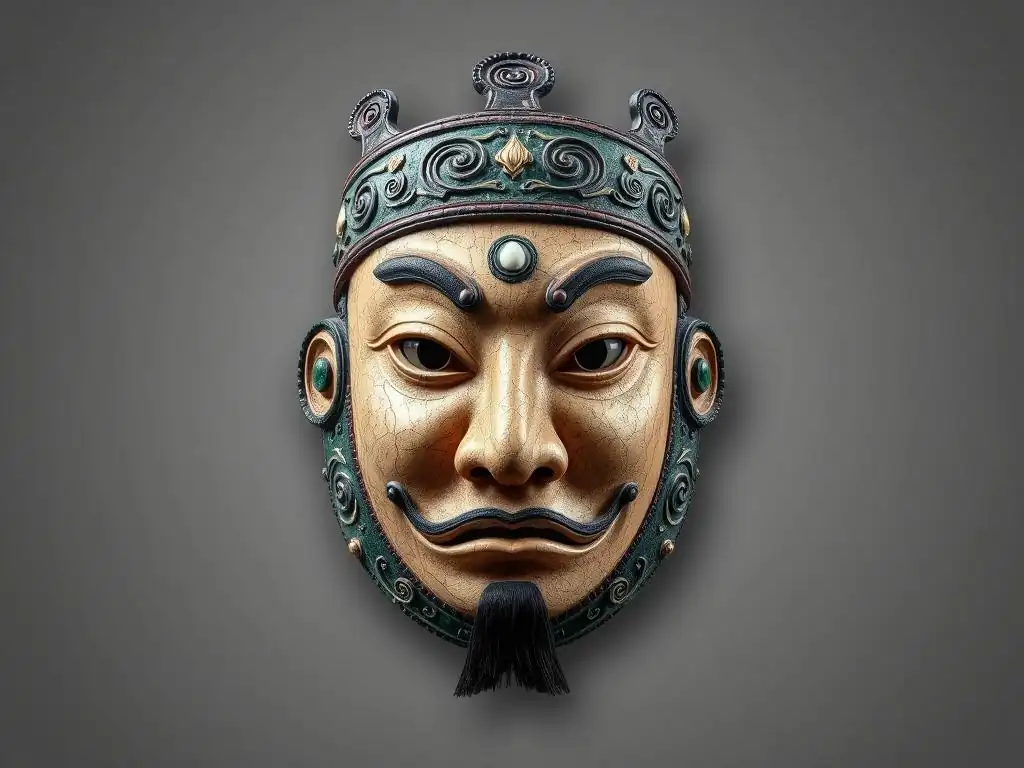
The Tomb of the Dancing Figures: A Vivid Depiction of Ritual Performances
The Tomb of the Dancing Figures, located in Jian (Ji'an), China, stands as one of the most compelling examples of Goguryeo shamanism tomb art, providing a vivid visual record of ancient ritual performances. Dating to the 5th century CE, its murals within the main chamber are renowned for depicting a group of figures engaged in dynamic, expressive dance. While interpretations vary, many scholars believe these figures are performing shamanic rituals or ceremonial dances, possibly to invoke spirits, ensure a bountiful harvest, or celebrate a successful hunt. The energy and fluidity of their movements strongly suggest a spiritual rather than purely recreational purpose.
Beyond the dancing figures, the tomb also features detailed hunting scenes and banquets, which are often interpreted as part of ritualistic offerings or celebrations. The inclusion of such lively and evocative scenes within a burial context underscores the Goguryeo belief in the continuity of life and the importance of spiritual activity even in the afterlife. This tomb's Goguryeo tomb art provides direct visual evidence of ceremonial practices central to Goguryeo shamanism, making it an indispensable site for understanding ancient Korean spirituality.
The Tomb of the Four Guardian Deities: Cosmic Protection and Shamanic Power
Among the most iconic examples of Goguryeo shamanism tomb art are the tombs adorned with the Four Guardian Deities, such as the Great Tomb of Gangseo (Gangseo-daemyo) near Pyongyang, North Korea. These tombs, typically dating to the late 6th or early 7th century CE, feature magnificent murals of the Azure Dragon, Vermilion Bird, White Tiger, and Black Tortoise, each assigned to a cardinal direction. These powerful mythical creatures are not merely decorative; they embody the core cosmological beliefs of Goguryeo shamanism, serving as guardians of the tomb and the deceased.
The detailed and imposing depictions of these deities reflect a sophisticated understanding of cosmic order and protection. They symbolize the harmonious balance of the universe and were believed to ward off evil spirits, ensuring the deceased's peaceful journey and eternal rest. The presence of these guardians in Goguryeo tomb art highlights the profound integration of shamanic cosmology into funerary practices, demonstrating how the Goguryeo people sought to harness cosmic power for spiritual safeguarding in the afterlife.
Anak Tomb No. 3: Further Evidence of Goguryeo Shamanic Beliefs
Anak Tomb No. 3, located in South Hwanghae Province, North Korea, and dated to 357 CE, provides extensive evidence of Goguryeo shamanism through its rich and diverse tomb art. This large, elaborately decorated tomb features detailed murals depicting the daily life of its occupant, believed to be Dong Shou, a Chinese general who served Goguryeo, or a Goguryeo king. While many scenes portray domestic life, official processions, and banquets, distinct elements within the murals suggest underlying shamanic beliefs.
For instance, the procession scenes, often grand and formal, may also carry ritualistic undertones, symbolizing the deceased's journey to the spirit world or a ceremonial display of power linked to spiritual authority. The presence of specific figures in formal or ritualistic attire, and the overall emphasis on the continuity of life and status into the afterlife, align strongly with the principles of Goguryeo shamanism. Anak Tomb No. 3, therefore, not only offers a glimpse into the elite life of the period but also subtly reinforces the pervasive influence of spiritual beliefs on all aspects of Goguryeo existence, as expressed through its remarkable Goguryeo shamanism tomb art.
Goguryeo Shamanism vs. Other Korean Shamanic Traditions
Commonalities and Differences with Buyeo and Other Early Korean Beliefs
Goguryeo shamanism shared significant commonalities with the shamanic traditions of other early Korean states, such as Buyeo, Okjeo, and Dongye, reflecting a shared cultural substratum. A universal thread was the reverence for celestial bodies, particularly the sun and moon, and the worship of nature spirits residing in mountains, rivers, and trees. Ancestor veneration was also a cornerstone across these societies, with beliefs in the continued influence of the deceased on the living. For instance, both Goguryeo and Buyeo held annual "heavenly rituals" (Dongmaeng in Goguryeo, Yeonggo in Buyeo) in the tenth or twelfth lunar month, involving sacrifices to heaven, feasting, and communal dancing, aimed at ensuring prosperity and good harvests.
However, Goguryeo shamanism distinguished itself through its monumental tomb art, which offered an unparalleled visual record of its specific cosmology and rituals. While other states likely practiced similar beliefs, the scale and complexity of Goguryeo's tomb murals provide a detailed narrative not found elsewhere. Furthermore, Goguryeo's long duration and strategic position led to greater cultural exchange, potentially enriching its shamanic practices with unique symbolic elements that evolved over centuries, setting it apart from the more localized or less extensively documented traditions of its neighbors.
The Influence of Goguryeo Shamanism on Later Korean Dynasties
The foundational elements of Goguryeo shamanism exerted a lasting influence on subsequent Korean dynasties, particularly Unified Silla and Goryeo, even as new foreign religions like Buddhism and Confucianism gained prominence. Core beliefs such as ancestor veneration, the importance of nature spirits, and the role of spiritual intermediaries (shamans) persisted and often integrated with the new belief systems. For example, the reverence for specific mountains as sacred sites, a key feature of Goguryeo shamanism, continued throughout Korean history, with temples often built on these very locations.
Stylistic and symbolic elements from Goguryeo shamanism tomb art, such as the Four Guardian Deities, also found continuity in later periods, appearing in Buddhist temple art and royal tombs. While the explicit shamanic rituals might have become less prominent in public life, their underlying principles became deeply embedded in the cultural fabric, influencing folk beliefs, artistic motifs, and even the syncretic nature of Korean Buddhism. The spiritual legacy of Goguryeo, therefore, remained a subtle yet powerful undercurrent in the evolving spiritual landscape of the Korean Peninsula.
Cosmological Influences: Comparison with Silla's Buddhist-Shamanic Syncretism
The cosmological framework of Goguryeo shamanism, as depicted in its tomb art, presents an interesting contrast and point of comparison with Silla's later Buddhist-shamanic syncretism. Early Goguryeo shamanism was largely indigenous, focusing on a pantheon of nature spirits, ancestral veneration, and celestial deities, with its tomb art reflecting these core beliefs through animals, celestial bodies, and ritual scenes. While Buddhism was introduced to Goguryeo in 372 CE, its influence on Goguryeo shamanism tomb art was gradual and less pervasive in the earlier periods compared to later Silla.
In contrast, Silla, particularly after its unification of the peninsula in 668 CE, developed a more pronounced syncretism where shamanic elements were consciously integrated into Buddhist iconography and practice. For example, Buddhist temples in Silla often incorporated shrines dedicated to mountain spirits or figures resembling shamanic deities. While Goguryeo shamanism laid the groundwork for many indigenous beliefs, Silla's approach explicitly blended these with Buddhist principles, creating a unique spiritual hybrid. The Goguryeo tomb art primarily showcases a purer form of indigenous Goguryeo shamanism before the full impact of foreign religions, offering a distinct spiritual snapshot.
The Legacy of Goguryeo Shamanism: Its Enduring Impact on Korean Culture
Shamanic Elements in Modern Korean Traditions: Echoes of Goguryeo
The spiritual bedrock of Goguryeo shamanism continues to resonate in modern Korean traditions, manifesting as enduring echoes of ancient beliefs. Contemporary Korean shamanism, or Muism, retains fundamental elements that can be traced back to the practices depicted in Goguryeo tomb art. The central role of the mudang (shaman) as a mediator between the human and spirit worlds, the veneration of mountain gods (Sanshin), and the performance of elaborate rituals ( gut) to heal, divine, or appease spirits are direct continuations of ancient practices.
Even in largely secular or religiously diverse modern Korea, vestiges of Goguryeo shamanism persist in folk beliefs, seasonal festivals, and everyday customs. The respect for specific trees or rocks as sacred entities, the use of symbolic colors and objects akin to those seen in ancient Goguryeo shamanism tomb art, and the belief in the power of ancestral spirits to influence fortune are deeply ingrained. These enduring practices demonstrate that the spiritual worldview of Goguryeo, first glimpsed in its ancient tombs, has remarkably survived and adapted over more than a millennium.
The Importance of Preserving and Studying Goguryeo Archaeological Sites
The preservation and continued study of Goguryeo archaeological sites, particularly its tomb complexes, are of paramount importance for understanding ancient Korean history and the profound influence of Goguryeo shamanism. These sites, many designated as UNESCO World Heritage, are irreplaceable primary sources, offering visual narratives that complement scarce textual records. The intricate Goguryeo shamanism tomb art within these burial chambers provides direct evidence of spiritual practices, social structures, and artistic achievements that would otherwise be lost to time.
However, these sites face ongoing challenges from natural degradation, climate change, and human activity. Collaborative international efforts are crucial for their conservation, ensuring that future generations can continue to learn from these invaluable cultural assets. The continued excavation, documentation, and analysis of Goguryeo tomb art will undoubtedly yield further insights into the complexities of Goguryeo shamanism, enriching our understanding of ancient Korean spirituality and its broader connections within Northeast Asia.
Future Research Directions: Exploring Unanswered Questions about Goguryeo Shamanism
Despite decades of study, Goguryeo shamanism, particularly as depicted in tomb art, still presents numerous unanswered questions, paving the way for exciting future research directions. One key area involves a deeper analysis of the specific identities and social roles of the individuals depicted as shamans in the murals. Are they kings, queens, or dedicated spiritual practitioners? Further comparative studies with shamanic traditions in neighboring regions (e.g., Siberia, Mongolia, China) could also reveal shared origins or unique developments within Goguryeo shamanism.
Moreover, the application of advanced technologies, such as hyperspectral imaging and AI-powered pattern recognition, could potentially uncover hidden details or symbolic layers within the Goguryeo shamanism tomb art that are invisible to the naked eye. Exploring the regional variations in shamanic motifs across different Goguryeo territories (e.g., Jian vs. Pyongyang) could also provide a more nuanced understanding of the kingdom's spiritual diversity. These avenues of research promise to further illuminate the rich and complex spiritual world of ancient Goguryeo, as profoundly captured in its magnificent Goguryeo shamanism tomb art.
Conclusion: Goguryeo Shamanism Tomb Art - A Window into Ancient Korean Spirituality
Frequently Asked Questions
What is Goguryeo shamanism tomb art, and why is it significant?
Goguryeo shamanism tomb art refers to the murals and artifacts found within ancient Goguryeo tombs (37 BCE – 668 CE) that depict shamanistic rituals and beliefs. Its significance lies in providing crucial insights into the spiritual practices and worldview of the Goguryeo people.
How does Goguryeo shamanism tomb art help us understand their beliefs?
The artwork often illustrates key aspects of shamanistic rituals, such as ancestor worship, communication with spirits, and the belief in a spirit world. By studying these depictions, archaeologists can reconstruct the core beliefs and practices of Goguryeo shamanism.
Where are the best examples of Goguryeo shamanism tomb art located?
Many significant examples are found in tomb complexes located in the Ji'an region of northeastern China and also in North Korea. The murals in these tombs are often remarkably well-preserved, offering a vivid glimpse into the past.
What types of artifacts are commonly found alongside Goguryeo shamanism tomb art?
Besides murals, artifacts like ritualistic tools, pottery, and ornaments are often discovered in Goguryeo tombs. These objects provide additional context and insights into the material culture associated with shamanistic practices.
How does Goguryeo shamanism tomb art relate to other forms of Korean art and religion?
While distinct, Goguryeo shamanism tomb art shares some common themes with other forms of early Korean art and religious practices. It shows the roots of Korean spirituality and provides a foundation for understanding later artistic and religious developments on the peninsula.
Final Reflection: Echoes of the Spirit World in Goguryeo Art
The exploration of Goguryeo shamanism through its tomb art and artifacts reveals more than just historical practices; it unveils a profound connection to the enduring human desire to understand the unseen. The vibrant murals and intricate artifacts, once buried deep within the earth, now speak volumes about a culture deeply intertwined with the spiritual realm, offering invaluable insights into the beliefs and rituals that shaped Goguryeo society.
This glimpse into the past reminds us that the search for meaning and connection to something larger than ourselves is a timeless pursuit. The power of art to transcend time and communicate the essence of a culture, particularly its spiritual beliefs, is truly remarkable. Art washes away from the soul the dust of everyday life.
- Pablo Picasso. This quote resonates deeply when considering the Goguryeo tombs, where art served not only as decoration but as a vital link between the living and the ancestral spirits.
As we reflect on the legacy of Goguryeo shamanism, let us consider how we, too, can cultivate a deeper connection to the world around us and the mysteries it holds. Embrace the spirit of inquiry and appreciation for the artistic expressions that reveal the profound depths of human experience. Let the vibrant echoes of Goguryeo's spirit world inspire you to seek your own understanding of the unseen and to find beauty in the rituals and beliefs that shape our lives.
Unveil the Mysteries: Journey Deeper into Goguryeo's Spiritual World
Thank you for exploring the captivating shamanistic traditions of Goguryeo. Now that you've glimpsed the power of these ancient rituals, it's time to connect with this rich cultural heritage on a personal level.
Here's how you can take the next step:
- Embark on a personal quest to learn more about similar shamanistic practices in your region's history. Uncover the fascinating parallels and differences that resonate with Goguryeo's beliefs.
- Share this article with fellow history enthusiasts and spark a conversation about the role of shamanism in ancient societies. Let's build a community of curious minds!
- Dive into the world of art by exploring online collections of artifacts that showcase shamanistic traditions around the world.
What specific element of Goguryeo's shamanistic rituals resonated most with you, and how does it compare to spiritual practices you're familiar with?