Archaeology of East & South Asian Nations: China, Japan, India, Iran
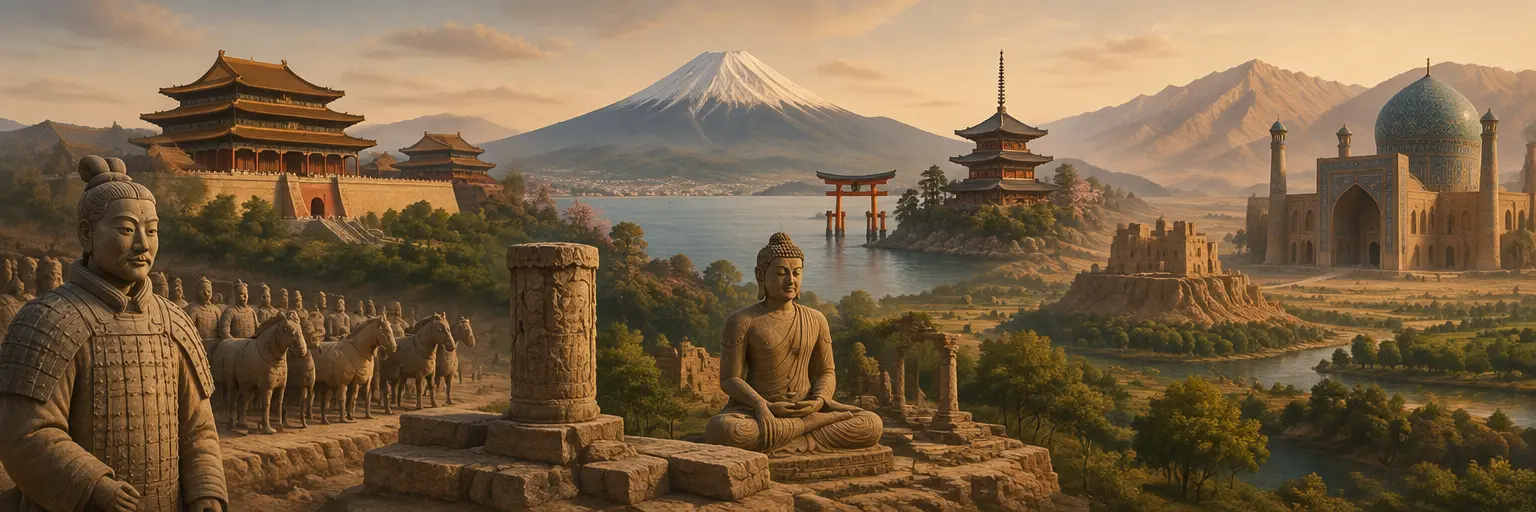
Explore the rich archaeological landscapes of four pivotal Asian civilizations—China, Japan, India, and Iran—where ancient dynasties, trade routes, and spiritual traditions have left enduring imprints. This subcategory within Regional & National Archaeological Overviews on ArchaeologyHub.org delivers comprehensive, region-specific insights, from the Terracotta Army to Persepolis, designed for students, travelers, and history enthusiasts seeking authoritative, SEO-rich knowledge.
🏺 China: Dynastic Tombs, Silk Roads, and Urban Origins
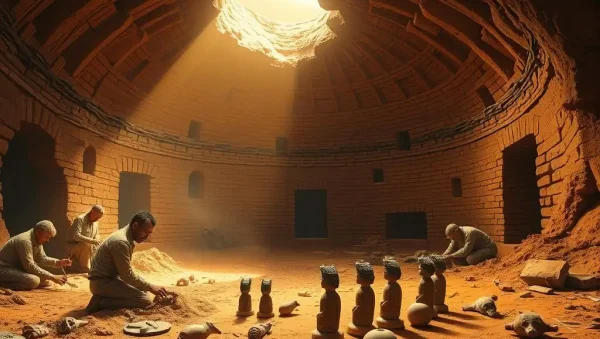
Delve into China’s archaeological record, spanning Neolithic villages, Shang bronzes, and the monumental mausoleums of the Qin and Han empires. Excavations at sites like Sanxingdui reveal advanced Bronze Age cultures, while the Silk Road corridors underscore transcontinental exchange. Expect detailed artifact profiles, stratigraphic timelines, and interpretive studies on early state formation, ritual practices, and imperial burial systems.
Our overviews synthesize recent field reports and academic debates, highlighting how climate data and LiDAR scanning reshape our understanding of ancient Chinese cities. Whether examining oracle bones or the Great Wall’s military outposts, you’ll gain a geospatial context that connects local discoveries to broader civilizational shifts.
⛩️ Japan: From Jōmon Pottery to Kofun Megaliths
Uncover Japan’s unique archaeological narrative, beginning with the world’s earliest pottery in the Jōmon period (c. 14,000 BCE) and evolving through Yayoi rice agriculture, tomb-mound (kofun) keyhole shapes, and Nara-era Buddhist temples. Notable excavations like Yoshinogari and the Fukuoka moat settlements illuminate social hierarchies and continental influences from Korea and China.
Explore underwater archaeology in the Seto Inland Sea, volcanic ash dating for site chronologies, and the preservation of wooden artifacts at waterlogged sites. Our content emphasizes regional variation—from Hokkaidō’s hunter-gatherer traditions to Okinawa’s maritime networks—providing a balanced, non-Tokyo-centric perspective essential for comparative Asian studies.
🕌 India: Indus Valley Cities and Buddhist Monastic Complexes
Journey through India’s archaeological depth, from the meticulously planned Harappan cities (Mohenjo-daro, Dholavira) to the Mauryan pillars and later Chalukyan temples. Key themes include urban sanitation systems, bead-making industries, and long-distance trade with Mesopotamia. Recent excavations at Rakhigarhi and Keezhadi are rewriting early historical chronologies, with radiocarbon and ancient DNA studies offering fresh bioarchaeological insights.
Focus on sacred landscapes—Sanchi’s stupas, Ajanta’s cave murals, and Ellora’s rock-cut shrines—reveals patronage networks and pilgrimage flows. We also cover colonial-era archaeological interventions and current heritage challenges, ensuring a critical, decolonized lens on archaeological practice in South Asia.
🏛️ Iran: Elamite Beginnings, Achaemenid Palaces, and Sasanian Fire Temples
Discover Iran’s pivotal role as a crossroads between Mesopotamia, Central Asia, and the Indus Valley. From the ziggurat of Chogha Zanbil to Persepolis’ reliefs and the Sasanian rock reliefs at Naqsh-e Rustam, our overviews trace imperial ideologies, water management (qanats), and Zoroastrian ritual spaces. Excavations at Tepe Sialk and Susa provide longue-durée sequences linking prehistoric to Islamic-era layers.
Understand contemporary geoarchaeology—multi-spectral drone surveys for looting prevention and sediment core analysis for ancient climate change. We also highlight Iran’s museum collections and repatriation debates, giving you an up-to-date, politically aware perspective on Middle Eastern archaeology beyond populist headlines.
📜 Comparative Asian Connections: Trade, Technology, and Transnational Heritage
This section synthesizes cross-regional patterns: how bronze casting techniques moved from China to Japan, how Buddhist stucco styles spread from India to Iran, and how maritime routes linked all four nations. Comparative timelines and artifact typology tables facilitate side-by-side analysis, essential for educators or advanced researchers seeking integrative frameworks.
Expect thematic essays on nomad-sedentary interactions, the Silk Road’s urban corridors, and the adoption of writing systems. We also tackle heritage management—UNESCO listings, looting crises, and climate threats—encouraging readers to think of these archaeological zones as living, contested cultural resources.
Frequently Asked Questions
What is the oldest known civilization in East and South Asia?
The Indus Valley Civilization (c. 3300–1300 BCE) in modern Pakistan and northwest India is the oldest urbanized society in South Asia. For East Asia, China’s Erlitou culture (c. 1900–1500 BCE) is often cited as the earliest state-level society, while Japan’s Jōmon period predates agriculture but lacks urban centers.
How are archaeological sites dated in these regions?
Radiocarbon dating of organic materials (charcoal, bone) is standard, supplemented by dendrochronology in Japan and China. Archaeomagnetic dating helps with kilns, while tephrochronology uses volcanic ash layers in Japan. For Iranian sites, optically stimulated luminescence (OSL) dates sediments where carbon is scarce.
Are the Terracotta Army and Persepolis safe to visit?
Yes, both are major tourist destinations with protective shelters and visitor management systems. However, access to some excavated trenches at the Terracotta Army may rotate to preserve soil conditions. Persepolis is an open-air site, so wear sturdy shoes and respect barriers around fragile reliefs.
What are the biggest controversies in East and South Asian archaeology?
Topics include the nationalistic interpretation of Chinese Xia dynasty origins, Indian debates on Aryan migration versus indigenous development, and Iranian heritage claims tied to political identity. Also contentious: the role of looting in Afghanistan’s borderlands and the repatriation of Buddhist sculptures from Western museums.
Can amateur enthusiasts participate in archaeological fieldwork in these countries?
Most nations restrict digging to licensed professionals. However, volunteers can join public archaeology programs like Japan’s open excavation days, India’s heritage walks, and China’s guided site tours with archaeologists. Always apply well in advance and follow local permit regulations to support ethical research.