
Sannai Maruyama Site: Reconstructing a LargeScale Jomon Settlement and its Environment

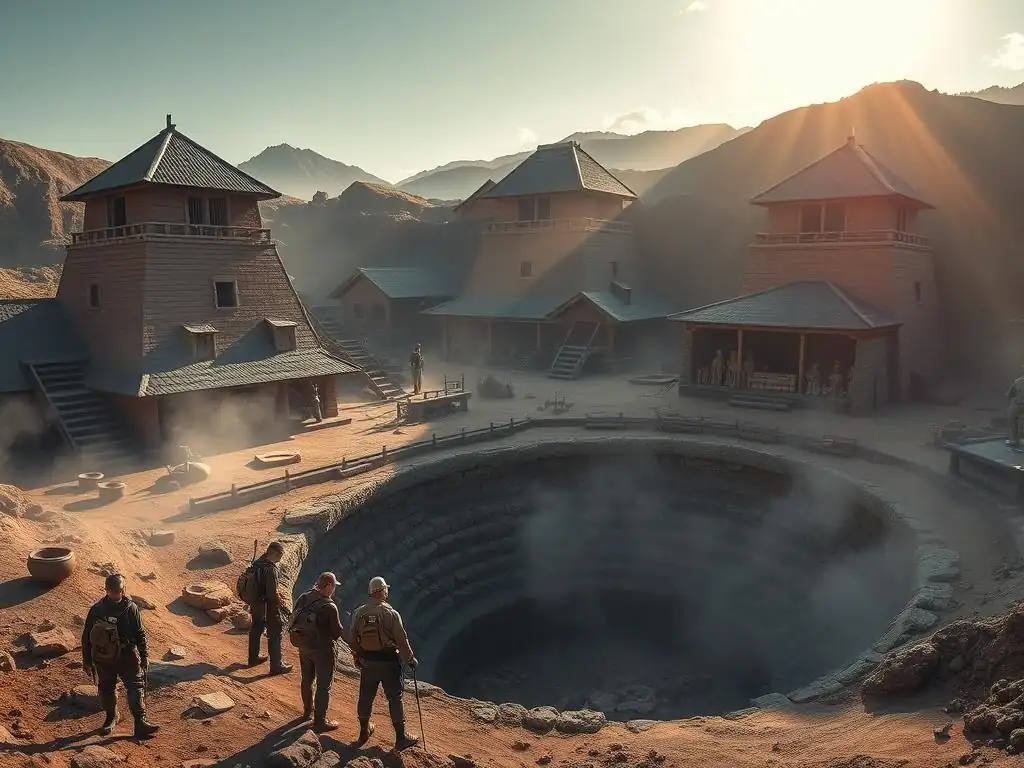
Welcome to ArchaeologyHub.org, your gateway to the world of discovery!
Delve into the fascinating story of humanity's past. Today, we journey to Japan to explore one of its most remarkable archaeological treasures. Ever wondered what daily life looked like millennia ago? Join us as we embark on a journey to reconstruct the Jomon settlement of Sannai Maruyama, unveiling the secrets of a large-scale community and its intricate relationship with its environment. Intrigued? Keep reading to uncover the captivating details of this ancient civilization.
- Introduction to Sannai Maruyama: A Window into Jomon Culture
- Excavation and Discovery at Sannai Maruyama: Unearthing the Past
- Reconstructing the Sannai Maruyama Settlement: Architecture and Community Life
- Environmental Reconstruction: Understanding the Jomon Landscape
- Artifact Analysis: Glimpses into Jomon Technology and Beliefs
- Jomon Settlement Reconstruction: Challenges and Interpretations
- The Sannai Maruyama Site Today: Preservation and Public Engagement
- Sannai Maruyama's Legacy: Its Impact on Understanding the Jomon Period
-
Frequently Asked Questions
- What made the Sannai Maruyama site significant in Jomon period studies?
- How has archaeologyhub.org contributed to understanding the Sannai Maruyama site?
- What are some examples of archaeological discoveries at Sannai Maruyama that helped with the settlement reconstruction?
- What excavation techniques are employed at Sannai Maruyama to preserve artifacts and understand the site's stratigraphy?
- How does the Sannai Maruyama site challenge traditional views of Jomon society as purely hunter-gatherer?
- Final Reflection: Echoes of the Jomon: Reconstructing Our Past, Shaping Our Future
- Ignite Your Inner Archaeologist: Unearth the Secrets of Sannai Maruyama!
Introduction to Sannai Maruyama: A Window into Jomon Culture
Unveiling the Significance of the Sannai Maruyama Archaeological Site
The Sannai Maruyama archaeological site, located in Aomori Prefecture, Japan, stands as one of the most significant discoveries for understanding the prehistoric Jomon period. Spanning over 40 hectares, this sprawling settlement offers an unprecedented glimpse into the lives of people who inhabited Japan approximately 5,900 to 4,300 years ago. Its remarkable state of preservation and the sheer volume of findings, including hundreds of thousands of artifacts and hundreds of structural remains, led to its designation as a Special National Historic Site of Japan in 2000.
Sannai Maruyama has fundamentally reshaped our understanding of Jomon culture, particularly its Middle Jomon phase (c. 3500-2000 BCE). Before its extensive excavation, the Jomon people were often characterized primarily as nomadic hunter-gatherers. However, Sannai Maruyama provides compelling evidence of a large, sedentary community with sophisticated social organization, advanced craftsmanship, and a sustained, complex relationship with its environment, making its Jomon settlement reconstruction Sannai Maruyama a cornerstone of archaeological study.
Sannai Maruyama's Place within Jomon Period Archaeology
Within the broader context of Jomon period archaeology, Sannai Maruyama occupies a pivotal position, challenging long-held assumptions about prehistoric societies in East Asia. Its scale and the clear evidence of long-term occupation demonstrate that complex, settled communities could thrive without extensive agriculture, relying instead on highly efficient resource management and a rich natural environment. This site represents a high point of Jomon cultural development, showcasing a level of societal complexity previously unappreciated.
The comprehensive study and subsequent Jomon settlement reconstruction Sannai Maruyama has provided invaluable data for comparative analyses with other Jomon sites across Japan. It highlights the regional diversity within Jomon culture while also illustrating commonalities in subsistence strategies, material culture, and social practices. The site's meticulous excavation and public presentation have made it a global exemplar for understanding the capabilities of prehistoric affluent foraging societies.
Excavation and Discovery at Sannai Maruyama: Unearthing the Past
The Initial Discoveries and Early Excavation Efforts
The discovery of the Sannai Maruyama site was serendipitous, occurring in 1992 during preliminary surveys for a planned baseball stadium. As construction began, workers unearthed an unexpected trove of pottery fragments and postholes, quickly indicating the presence of a significant archaeological site. Recognizing the immense potential, the Aomori Prefectural Board of Education immediately initiated a full-scale excavation. The initial findings were so profound that the stadium project was ultimately cancelled, and the entire area was designated for archaeological preservation and research.
Early excavation efforts focused on systematic mapping and careful recovery of artifacts and structural remains. The sheer density of features, including numerous pit dwellings, storage pits, and refuse areas, quickly revealed that this was not merely a transient camp but a long-term, substantial settlement. This initial phase of discovery laid the groundwork for the ambitious Jomon settlement reconstruction Sannai Maruyama project, providing the foundational data for interpreting the site's layout and daily life.
Key Archaeological Finds: Artifacts and Structures at Sannai Maruyama
The archaeological finds at Sannai Maruyama are remarkably diverse and well-preserved. Among the most prominent structural discoveries are over 700 pit dwellings, ranging from 4 to 8 meters in diameter, which served as the primary living spaces for the Jomon inhabitants. Additionally, more than 100 large storage pits, some reaching several meters deep, were found, indicating systematic food preservation. Perhaps the most iconic discovery is the "large pillar building," a structure supported by six massive chestnut pillars, each approximately 1 meter in diameter and estimated to have stood 15-20 meters tall.
Beyond structures, the site has yielded an astonishing array of artifacts. These include thousands of pieces of Jomon pottery, showcasing intricate cord-marked and incised designs, as well as functional forms for cooking and storage. Other notable finds encompass lacquered objects, jade ornaments, bone and antler tools (such as harpoons and fishhooks), and numerous clay figurines (dogū). The presence of obsidian from Hokkaido and jade from Itoigawa, Niigata Prefecture, indicates extensive long-distance trade networks, underscoring the connectivity of the Sannai Maruyama Jomon settlement.
Dating the Sannai Maruyama Settlement: Establishing a Chronological Framework
Establishing a precise chronological framework for Sannai Maruyama was crucial for understanding its long history of occupation. Archaeologists primarily employed radiocarbon dating on organic materials like charcoal, wood fragments, and plant remains recovered from various stratigraphic layers. This extensive dating program revealed that the site was continuously occupied for approximately 1,600 years, from around 3900 BCE to 2300 BCE, spanning the latter part of the Early Jomon period and the entirety of the Middle Jomon period.
This extended period of occupation is a testament to the stability and adaptability of the Jomon people at Sannai Maruyama. The detailed chronological data allowed researchers to trace the evolution of settlement patterns, architectural styles, and artifact designs over centuries. Such a long, uninterrupted sequence of occupation is rare for prehistoric sites and provides an unparalleled opportunity for a detailed Jomon settlement reconstruction Sannai Maruyama, illustrating changes and continuities in daily life over many generations.
Reconstructing the Sannai Maruyama Settlement: Architecture and Community Life
The Impressive Structures of Sannai Maruyama: Pit Dwellings and Large Buildings
The architectural remains at Sannai Maruyama provide the clearest evidence for a large-scale, sedentary community. The most common structures were pit dwellings, typically circular or oval, with a sunken floor of about 50-70 cm below ground level. These dwellings, estimated to have housed nuclear families or small extended families, featured central hearths for cooking and warmth, along with a complex arrangement of postholes indicating internal roof supports. The sheer number of these dwellings, found in various phases, suggests a fluctuating but substantial population, potentially numbering in the hundreds at its peak.
Beyond the domestic structures, the site is famous for its large communal buildings. Foremost among these is the six-pillar structure, a monumental construction that required significant communal effort to erect. The massive chestnut pillars, some found preserved, had an estimated height of 15 to 20 meters, suggesting a multi-story building. While its exact function remains debated—theories range from an astronomical observatory, a watchtower, a ritual site, or a communal meeting hall—its existence unequivocally points to a sophisticated level of social organization and engineering capability within the Sannai Maruyama Jomon settlement.
Reconstructing Jomon Architecture: Techniques and Materials Used
The Jomon settlement reconstruction Sannai Maruyama relied heavily on meticulous analysis of archaeological evidence to infer building techniques and materials. Excavations revealed distinct patterns of postholes, indicating the precise placement of structural timbers. The presence of charred wood fragments provided direct evidence of the tree species used, primarily chestnut, known for its durability and resistance to decay. Roof structures were likely constructed from a framework of smaller poles, possibly covered with thick layers of thatch or bark, providing excellent insulation against the elements.
Reconstruction efforts also considered the use of natural earth. The sunken floors of pit dwellings would have provided natural insulation, while excavated soil was likely mounded around the base of the walls for further stability and thermal regulation. The discovery of various tools, such as stone axes and adzes, further illuminates the woodworking techniques employed by the Jomon people. These tools were essential for felling trees, shaping timbers, and preparing building materials, underscoring the practical ingenuity inherent in the Sannai Maruyama site reconstruction.
The layout and scale of Sannai Maruyama offer significant insights into Jomon community organization and social structure. The distribution of pit dwellings, storage pits, and communal structures suggests a planned or at least highly organized settlement. Evidence of specialized areas, such as refuse mounds (shell middens) and areas for craft production, indicates a degree of division of labor within the community. The construction of monumental buildings, like the six-pillar structure, would have required coordinated effort from a large group, implying a leadership structure capable of mobilizing communal resources.
While definitive evidence for strict social hierarchies, such as those found in later agricultural societies, is limited, the sheer size and longevity of the Sannai Maruyama Jomon settlement point to a complex society. The presence of elaborate grave goods in some burials, and the distribution of exotic materials like jade and obsidian, suggest potential differences in status or roles within the community. The sustained occupation over 1,600 years also indicates a robust system for conflict resolution and resource management, essential for maintaining social cohesion in such a large prehistoric population.
Environmental Reconstruction: Understanding the Jomon Landscape
Botanical Remains and Environmental Evidence at Sannai Maruyama
Extensive analysis of botanical remains and other environmental evidence at Sannai Maruyama has provided a detailed picture of the Jomon landscape. Pollen analysis, conducted on soil samples from various layers, reveals a temperate forest environment dominated by deciduous trees such as chestnut, oak, and walnut. Macro-botanical remains, including well-preserved seeds, nuts, and wood fragments, corroborate these findings and indicate a rich diversity of edible plant resources. For instance, large quantities of chestnut shells have been found, suggesting this nut was a primary food source.
The presence of specific plant species not only informs us about the local flora but also about the Jomon people's subsistence strategies. The abundance of nut-bearing trees points to a highly productive forest ecosystem that could support a large, sedentary population. Furthermore, the discovery of specific plant species like gourds and possibly legumes suggests a degree of plant management or early horticulture, adding nuance to the traditional view of Jomon as purely hunter-gatherers. This detailed environmental data is crucial for any comprehensive Jomon settlement reconstruction Sannai Maruyama.
Subsistence Strategies: Hunting, Gathering, and Early Agriculture in the Jomon Period
The Jomon inhabitants of Sannai Maruyama practiced a highly successful and diverse subsistence strategy, primarily centered on intensive foraging. Gathering played a paramount role, with chestnuts being a staple, as evidenced by large caches in storage pits. Other important gathered foods included walnuts, acorns, wild grapes, and various berries. Hunting was also significant, with faunal remains indicating a diet that included deer, wild boar, and various birds. Fishing was equally important, as suggested by the proximity to Mutsu Bay and the discovery of numerous fishing tools like harpoons and fishhooks.
While the Jomon period is generally characterized as pre-agricultural, the evidence at Sannai Maruyama contributes to the ongoing debate about early plant cultivation. The presence of managed plants, such as gourds (used for containers) and possibly some legumes, suggests a transition towards, or at least an experimentation with, limited horticulture alongside intensive foraging. This sophisticated blend of resource exploitation allowed the Sannai Maruyama Jomon settlement to sustain its large population for over a millennium and a half without relying on intensive rice cultivation, a hallmark of later periods.
The Role of the Environment in Shaping Jomon Settlement Patterns
The location and longevity of the Sannai Maruyama site are intrinsically linked to its favorable environmental setting. Situated on a low plateau overlooking the Okidate River, with access to both inland forests and the rich marine resources of Mutsu Bay, the site was ideally positioned for diverse resource exploitation. The confluence of riverine, forest, and coastal ecosystems provided a stable and abundant food supply throughout the year, minimizing the need for seasonal migration and enabling long-term sedentism.
This environmental richness allowed the Jomon people to develop an "affluent forager" lifestyle, a concept that describes societies able to maintain large, settled populations based on highly productive foraging. The availability of durable building materials like chestnut wood, along with abundant food resources, directly facilitated the development of a complex and enduring community at Sannai Maruyama. Understanding this symbiotic relationship between the Jomon inhabitants and their natural surroundings is fundamental to any accurate Jomon settlement reconstruction Sannai Maruyama.
Artifact Analysis: Glimpses into Jomon Technology and Beliefs
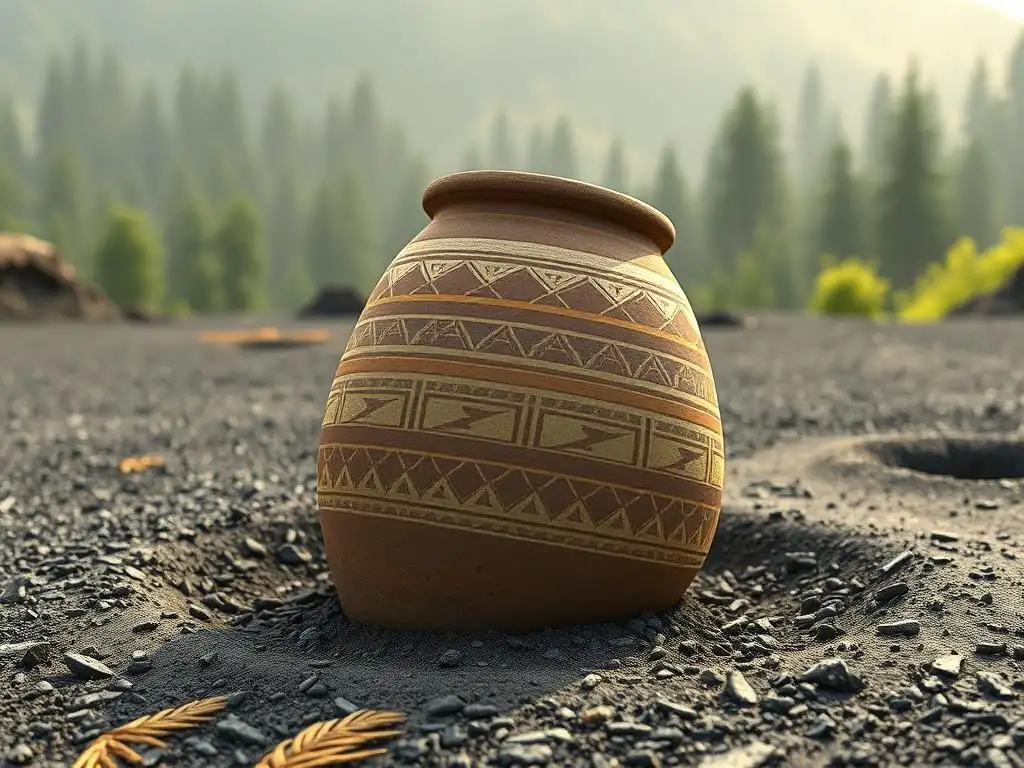
Pottery and Stoneware: Technological Advancements in Jomon Craftsmanship
The pottery assemblage from Sannai Maruyama is exceptionally rich, offering profound insights into Jomon technological advancements and artistic expression. Thousands of pottery fragments and complete vessels have been unearthed, showcasing a remarkable diversity in form, size, and decorative patterns. Styles range from early Jomon types with simple cord-marking to more elaborate Middle Jomon forms featuring intricate incised designs, applied clay strips, and sometimes even painted elements. These vessels served various functions, including cooking pots, storage jars, and ritualistic items.
The craftsmanship evident in Sannai Maruyama pottery speaks to a sophisticated understanding of clay properties and firing techniques. While generally low-fired earthenware, the vessels demonstrate remarkable durability and aesthetic appeal. The sheer volume of pottery found suggests its integral role in daily life, from food preparation and consumption to ceremonial practices. Analyzing the evolution of these pottery styles across the different occupation phases at Sannai Maruyama provides a chronological anchor for the Jomon settlement reconstruction Sannai Maruyama and helps trace cultural shifts over time.
Ritual Objects and Symbolic Artifacts: Unveiling Jomon Spirituality
Beyond utilitarian objects, Sannai Maruyama has yielded a significant number of ritual and symbolic artifacts, offering rare glimpses into the spiritual and belief systems of the Jomon people. Among the most iconic are the numerous dogū (clay figurines). These enigmatic figures, often depicting human or anthropomorphic forms with exaggerated features, large eyes, and sometimes broken limbs, are believed to have played roles in fertility rites, healing rituals, or as representations of deities or spirits. Their deliberate breakage suggests a ritualistic "killing" after their purpose was served.
Other symbolic items include intricately carved lacquered combs, jade beads, and various stone and bone ornaments. The presence of these objects, sometimes found in burials, points to a rich inner world and complex cosmology. The use of exotic materials for some of these items also suggests their high value and potential significance in social or spiritual ceremonies. Understanding these symbolic dimensions is vital for a holistic Jomon settlement reconstruction Sannai Maruyama, moving beyond mere physical structures to encompass the cultural and spiritual fabric of the community.
Analyzing Bone and Antler Tools: Everyday Life in the Jomon Settlement
The discovery of a wide array of bone and antler tools at Sannai Maruyama provides direct evidence of the daily activities and specialized skills of the Jomon inhabitants. These durable organic materials were meticulously crafted into functional implements for various tasks. Common finds include harpoons and fishhooks for fishing in the nearby rivers and bay, awls and needles for sewing and crafting, and spatulas or spoons for food preparation. The excellent preservation of these tools, thanks to the site's soil conditions, allows for detailed analysis of their form and probable function.
The analysis of microscopic wear patterns on these tools can reveal specific uses, such as processing animal hides, weaving baskets, or preparing plant fibers. The diversity of bone and antler artifacts underscores the ingenuity and adaptability of the Jomon people in utilizing all available resources from their environment. These tools are indispensable for understanding the practical aspects of daily life, providing tangible links to the hands-on activities that defined the Sannai Maruyama Jomon settlement.
Jomon Settlement Reconstruction: Challenges and Interpretations
Challenges in Reconstructing Jomon Culture from Archaeological Evidence
Reconstructing Jomon culture from archaeological evidence presents inherent challenges, primarily due to the absence of written records. All interpretations must be inferred from the material remains, which can be subject to preservation biases; organic materials like textiles or uncharred wood rarely survive, leaving gaps in the record. Determining the precise function of every structure or artifact often relies on comparative archaeology and ethnographic parallels, which are not always definitive.
At Sannai Maruyama specifically, the long period of occupation (over 1,600 years) complicates the distinction between synchronous and diachronous features. It is difficult to ascertain how many structures were simultaneously occupied at any given moment, making precise population estimates challenging. Furthermore, understanding complex social dynamics, belief systems, or daily routines requires careful, often speculative, interpretation of fragmented evidence. Despite the wealth of data, the "silent" nature of the past means that any Jomon settlement reconstruction Sannai Maruyama remains an informed approximation.
Different Interpretations of the Sannai Maruyama Site's Purpose and Function
The sheer scale and unique features of Sannai Maruyama have led to various interpretations regarding its primary purpose and function within the Jomon world. While the prevailing view, supported by the extensive evidence of dwellings and storage, is that it was a large, permanent village, some scholars propose alternative or supplementary roles. For instance, the monumental six-pillar building's function remains debated; theories include it being an astronomical observatory, a watchtower, a ritual center, or a communal meeting hall for regional gatherings.
Another point of discussion centers on whether Sannai Maruyama served as a central place for a wider network of smaller Jomon communities, acting as a hub for trade, ceremonies, or resource management. While direct evidence for a hierarchical regional system is scarce, the presence of exotic materials from distant regions lends credence to its importance as a nexus. These ongoing debates highlight the interpretive nature of Jomon settlement reconstruction Sannai Maruyama and the complexity of understanding prehistoric societies.
The Sannai Maruyama Site as a Reflection of Jomon Society
Despite interpretive challenges, the Sannai Maruyama site stands as a powerful reflection of the sophistication and adaptability of Jomon society. Its longevity and the sheer scale of its structures and artifact assemblages demonstrate that the Jomon people were not merely transient hunter-gatherers but capable of establishing complex, sedentary communities without the basis of agriculture. It illustrates an advanced understanding of resource management, environmental adaptation, and communal organization.
Sannai Maruyama has significantly contributed to overturning simplistic views of prehistoric "hunter-gatherer" societies, showing that they could develop high levels of social complexity, technological innovation, and spiritual richness. The Sannai Maruyama site reconstruction efforts have made this complexity tangible, allowing modern audiences to grasp the ingenuity of these ancient inhabitants. The site serves as a testament to the diverse paths human societies have taken in their development.
The Sannai Maruyama Site Today: Preservation and Public Engagement
Preserving the Sannai Maruyama Archaeological Site for Future Generations
The preservation of the Sannai Maruyama archaeological site is a paramount concern, given its immense historical and cultural value. Following its designation as a Special National Historic Site, comprehensive preservation strategies have been implemented. These include careful backfilling of excavated areas that are not on permanent display, to protect them from environmental degradation, and the construction of protective shelters over exposed remains. Climate control measures are employed in exhibition areas to maintain stable conditions for artifacts and fragile structures.
Ongoing monitoring and conservation research are conducted to ensure the long-term integrity of the site. This commitment to preservation ensures that future generations will have the opportunity to study and appreciate this unique window into the Jomon past. The delicate balance between allowing public access and safeguarding the original archaeological context is a continuous effort at the Sannai Maruyama Jomon settlement.
The Sannai Maruyama Jomon Culture Center: A Gateway to Jomon History
To facilitate public understanding and engagement with the archaeological findings, the Sannai Maruyama Jomon Culture Center was established on-site. This modern facility serves as the primary visitor hub, housing a vast collection of excavated artifacts, including pottery, stone tools, lacquered items, and dogū. The center features interactive exhibits, detailed models, and interpretive displays that contextualize the archaeological discoveries and bring the Jomon world to life for visitors of all ages.
The Jomon Culture Center also functions as a research facility, providing resources for ongoing archaeological and anthropological studies. It plays a crucial role in public education, offering workshops, lectures, and guided tours that delve into various aspects of Jomon life, from subsistence strategies to spiritual beliefs. Through its comprehensive programs, the center serves as an essential gateway to understanding the significance of the Jomon settlement reconstruction Sannai Maruyama.
Visiting the Sannai Maruyama Site: Experiencing Jomon Culture Firsthand
Visiting the Sannai Maruyama site offers a unique opportunity to experience Jomon culture firsthand through its impressive full-scale reconstructions. Visitors can walk through meticulously recreated pit dwellings, storage pits, and the iconic large pillar building, gaining a tangible sense of the settlement's layout and scale. These reconstructions are based on extensive archaeological data and scientific interpretation, providing an immersive glimpse into the daily lives of the Jomon inhabitants.
Beyond the reconstructed structures, the site often hosts hands-on activities designed to deepen visitor engagement. These activities might include workshops on Jomon pottery making, fire starting using traditional methods, or crafting with natural materials. Such participatory experiences enhance the educational value of the visit, allowing individuals to connect more directly with the technologies and practices of the ancient inhabitants of the Sannai Maruyama Jomon settlement.
Sannai Maruyama's Legacy: Its Impact on Understanding the Jomon Period
Sannai Maruyama's Contribution to Jomon Archaeology and Research
The Sannai Maruyama site has made an unparalleled contribution to Jomon archaeology and broader prehistoric research. Its discovery and comprehensive study provided definitive evidence for large-scale, long-term sedentary communities during the Jomon period, effectively challenging the long-held paradigm of Jomon people as primarily nomadic hunter-gatherers. This shift in understanding has prompted a re-evaluation of other Jomon sites across Japan and has fostered new theoretical approaches to studying pre-agricultural societies globally.
The detailed data collected from Sannai Maruyama, spanning over 1,600 years of occupation, offers an invaluable chronological and cultural sequence. It has allowed archaeologists to refine their understanding of Jomon subsistence, social organization, technological innovation, and artistic expression. The site has become a benchmark for assessing the complexity and adaptability of prehistoric foraging societies, making the Jomon settlement reconstruction Sannai Maruyama a model for similar efforts worldwide.
Future Research Directions at Sannai Maruyama: Unanswered Questions
Despite the extensive research conducted at Sannai Maruyama, many questions about the site and its inhabitants remain unanswered, pointing to exciting future research directions. Ongoing studies involve more refined environmental reconstruction through advanced paleoecological techniques, detailed analysis of organic residues on pottery to identify specific food items, and further investigation into the precise function of enigmatic structures like the large pillar building.
Genetic studies of human remains, where ethically permissible, could provide insights into population movements, health, and familial relationships within the community. The exact reasons for the site's eventual abandonment around 2300 BCE also present an intriguing area for future inquiry, potentially linked to climate shifts or resource depletion. These unanswered questions ensure that the Sannai Maruyama Jomon settlement will continue to be a fertile ground for archaeological discovery and interpretation for decades to come.
The Enduring Significance of Sannai Maruyama in Japanese Prehistory
The Sannai Maruyama site holds enduring significance in Japanese prehistory, standing as a powerful symbol of the nation's deep and complex ancient roots. It showcases the remarkable ingenuity and adaptability of the Jomon people, who, without agriculture, developed a sophisticated and stable society capable of supporting a large, permanent settlement for over a millennium and a half. Its recognition as a UNESCO World Heritage site further solidifies its global importance.
Beyond its academic contributions, Sannai Maruyama plays a vital role in shaping modern Japanese identity and fostering a sense of connection to its prehistoric past. The Jomon settlement reconstruction Sannai Maruyama and the associated Jomon Culture Center serve as powerful educational tools, inspiring awe and curiosity about the lives of these ancient inhabitants. The site continues to be a source of national pride and a testament to the rich and diverse history of human settlement in Japan.
Frequently Asked Questions
What made the Sannai Maruyama site significant in Jomon period studies?
The Sannai Maruyama site is significant because of its large scale and long occupation period. It provides insights into the complexity of Jomon society, challenging previous assumptions about hunter-gatherer settlements.
How has archaeologyhub.org contributed to understanding the Sannai Maruyama site?
ArchaeologyHub.org offers a detailed profile of the Sannai Maruyama site, including timelines and artifact analyses. This helps researchers and the public to access in-depth information about the Jomon settlement.
What are some examples of archaeological discoveries at Sannai Maruyama that helped with the settlement reconstruction?
Discoveries like large wooden pillars, pit dwellings, and elaborate burial sites helped archaeologists understand the scale and structure of the settlement. These findings were crucial for reconstructing the daily life of the Jomon people.
What excavation techniques are employed at Sannai Maruyama to preserve artifacts and understand the site's stratigraphy?
Excavation techniques include careful documentation, 3D modeling, and soil analysis. These techniques help to preserve fragile artifacts and understand the chronological layers of the site.
How does the Sannai Maruyama site challenge traditional views of Jomon society as purely hunter-gatherer?
The size and complexity of Sannai Maruyama suggest a more settled and organized society than previously thought. The presence of large structures and long-term inhabitation points to sophisticated social and economic systems.
Final Reflection: Echoes of the Jomon: Reconstructing Our Past, Shaping Our Future
The journey through the Sannai Maruyama Site, as we've explored, is more than just an archaeological excavation; it's a powerful testament to human ingenuity and adaptability. The meticulous reconstruction efforts not only illuminate the lives of the Jomon people but also offer invaluable insights into sustainable living and community building, lessons profoundly relevant in our increasingly complex modern world. The sheer scale and sophistication of this ancient settlement challenge preconceived notions about prehistoric societies and force us to reconsider our own relationship with the environment.
The impact of the Sannai Maruyama Site extends far beyond the realm of archaeology. It serves as a potent reminder of the deep roots of Japanese culture and the enduring connection between humanity and nature. The site's ongoing influence on cultural identity and environmental awareness is undeniable. We do not inherit the earth from our ancestors; we borrow it from our children.
This ancient proverb resonates deeply when contemplating the Jomon people's harmonious coexistence with their surroundings, a philosophy we desperately need to rediscover.
As we conclude this exploration of the Sannai Maruyama Site, I invite you to reflect on the lessons learned from the Jomon people. How can we, like them, cultivate a deeper understanding of our environment and build more sustainable communities? Let the echoes of their settlement inspire us to reconstruct not only the past but also a brighter, more harmonious future for generations to come.
Ignite Your Inner Archaeologist: Unearth the Secrets of Sannai Maruyama!
Thanks for diving into the world of Sannai Maruyama! You've now glimpsed the ingenuity and complexity of Jomon life. Ready to connect with the past and make history yourself?
Here's how:
- Take the Plunge: Design your own Jomon dwelling:, incorporating elements of sustainability and community observed at Sannai Maruyama. Share your design with friends and family!
- Delve deeper: Research other Jomon sites and compare their characteristics to Sannai Maruyama. What unique aspects does each settlement reveal about Jomon culture?
- Start a conversation: Share this article with someone who appreciates history or archaeology, and discuss your favorite discoveries about the Jomon period.
What aspect of Jomon life at Sannai Maruyama inspires you the most, and how could you apply that inspiration to modern living?