
Attribute Analysis in Pottery Typology: A Methodological Overview

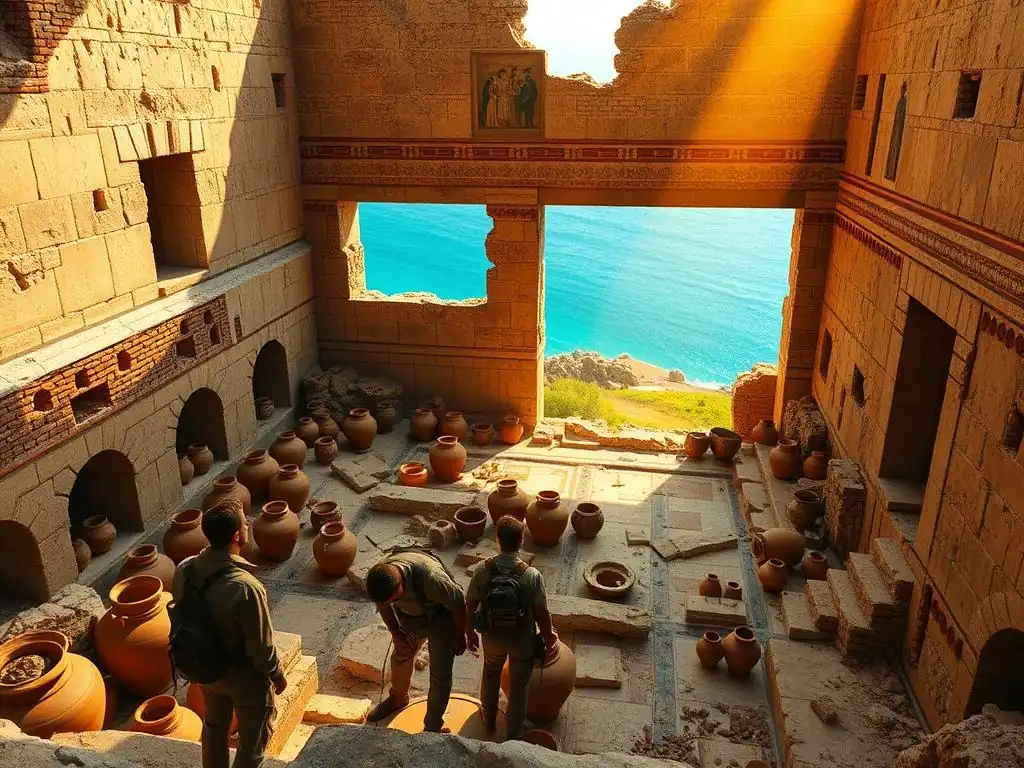
Welcome to ArchaeologyHub.org, your gateway to understanding the intricate tapestry of human history. Ever wondered how seemingly simple fragments of pottery unlock complex narratives of past cultures? Dive into our latest exploration of pottery typology analysis methods, where we unravel the secrets hidden within ceramic shards. Discover how attribute analysis provides crucial insights into ancient trade routes, social structures, and technological advancements. Curious to learn how archaeologists piece together the past, one shard at a time? Let's begin!
- Introduction to Pottery Typology and Attribute Analysis
- Core Principles of Attribute Analysis in Ceramic Studies
- Attribute Analysis Methods: A Detailed Examination
- Implementing Attribute Analysis: A Step-by-Step Guide
- Case Studies: Examples of Attribute Analysis in Archaeological Research
- Challenges and Limitations of Attribute Analysis in Pottery Studies
- Recent Advances and Future Directions in Pottery Attribute Analysis
- Conclusion: The Enduring Value of Attribute Analysis for Understanding Pottery
-
Frequently Asked Questions
- How does attribute analysis contribute to pottery typology?
- What are some common attributes used in pottery typology analysis?
- Why is understanding pottery typology important in archaeology?
- How does attribute analysis relate to the broader field of archaeological research?
- What are some limitations of relying solely on attribute analysis for pottery typology?
- Final Reflection: Unearthing Meaning Through Form
- Unearth Your Insights: Dive Deeper into Pottery Analysis!
Introduction to Pottery Typology and Attribute Analysis
Understanding Pottery Typology: Defining Types and Attributes
Pottery typology is a fundamental classification system in archaeology, crucial for organizing and interpreting vast quantities of ceramic artifacts recovered from excavations. This systematic approach involves grouping pottery fragments or complete vessels into distinct "types" based on shared characteristics. The primary goal is to establish chronological sequences, identify cultural affiliations, and understand technological traditions, providing a framework for analyzing societal changes over time and across regions.
Central to this classification are "types," which are analytical constructs rather than natural categories. These types are defined by recurring combinations of observable characteristics, known as attributes. Attributes are the discrete features of a pottery vessel, such as its shape, the composition of its clay body, the method of its manufacture, or the style of its decoration. By meticulously documenting these attributes, archaeologists can create robust typologies that facilitate comparative studies and deeper historical insights.
The Role of Attribute Analysis in Archaeological Pottery Studies
Attribute analysis represents a systematic and rigorous approach to dissecting pottery into its individual constituent characteristics. It moves beyond intuitive or impressionistic classifications, providing a more objective and replicable methodology for understanding ceramic assemblages. This analytical method is particularly valuable for large datasets, allowing for granular comparisons that reveal subtle yet significant variations in pottery production and use.
By breaking down pottery into its fundamental attributes, researchers can identify patterns related to technological choices, stylistic traditions, and functional adaptations. Attribute analysis enables archaeologists to trace the spread of specific manufacturing techniques, pinpoint regional variations in decorative motifs, and infer the intended use of different vessel forms. It is, therefore, a foundational component of modern pottery typology analysis methods, ensuring that classifications are grounded in empirical evidence and systematic observation.
Core Principles of Attribute Analysis in Ceramic Studies
Defining Attributes: Qualitative vs. Quantitative Characteristics
In ceramic attribute analysis, attributes are broadly categorized into two main types: qualitative and quantitative. Qualitative attributes describe characteristics that are not easily measured numerically but are descriptive in nature. Examples include the texture of the clay fabric (e.g., fine, medium, coarse), the color of the surface (e.g., reddish-brown, gray), the presence of specific decorative motifs (e.g., geometric, zoomorphic), or the type of surface treatment (e.g., burnished, slipped). These attributes often require a standardized vocabulary to ensure consistency across researchers.
Conversely, quantitative attributes are those that can be precisely measured and expressed numerically. These include dimensions such as rim diameter (e.g., 22 cm), vessel height (e.g., 15.3 cm), wall thickness (e.g., 0.8 mm), or the weight of a sherd. Both qualitative and quantitative attributes are indispensable for a comprehensive ceramic analysis. While quantitative data lends itself readily to statistical analysis, offering rigor and precision, qualitative data provides rich contextual detail and nuanced descriptions that capture the aesthetic and technological complexities of pottery.
Attribute Selection: Relevance to Research Questions and Ceramic Assemblages
The effectiveness of attribute analysis heavily depends on the judicious selection of attributes. Not all observable characteristics are equally valuable for every research question. For instance, if the goal is to establish a precise chronology, attributes that show significant change over relatively short periods, such as specific rim forms or evolving decorative patterns, would be prioritized. Conversely, for provenance studies, attributes related to clay composition and temper might be more critical than decorative styles.
Furthermore, attribute selection must consider the nature and preservation of the ceramic assemblage itself. In collections dominated by small, eroded sherds, it might be impractical to record attributes like complete vessel height or intricate decorative details. Researchers must select attributes that are consistently observable and relevant across the majority of the material. For example, in a collection of fragments from cooking pots, the presence and degree of sooting on the exterior surface would be a highly relevant attribute for functional analysis, even if complete vessel forms are rare.
Objectivity and Standardization in Attribute Recording for Pottery
Achieving objectivity in attribute recording is paramount to ensure that pottery typology analysis methods yield replicable and comparable results across different studies and researchers. Subjectivity, if not minimized, can lead to inconsistent classifications and hinder the broader understanding of archaeological assemblages. This necessitates clear, unambiguous definitions for each attribute, reducing the potential for individual interpretation.
Standardization is implemented through various means, such as the use of reference charts (e.g., Munsell Soil Color Charts for fabric and surface color), precise measurement protocols (e.g., always measuring rim diameter at the external edge), and detailed attribute codebooks. Regular training and inter-analyst calibration sessions are also vital to ensure that multiple researchers applying attribute analysis to pottery arrive at consistent descriptions for the same artifacts. This rigorous approach is crucial for building reliable and widely accepted typologies.
Attribute Analysis Methods: A Detailed Examination
Morphological Attributes: Analyzing Form and Shape in Pottery
Morphological attributes describe the overall form and specific shapes of a pottery vessel and its component parts, such as the rim, neck, body, and base. These attributes are often among the most visually striking and are fundamental for initial classification and dating. Changes in vessel form can reflect evolving functional needs, cultural preferences, or technological advancements over time. For instance, the transition from globular to carinated body shapes might signify shifts in serving practices or storage requirements.
The analysis of form also extends to how different parts of the vessel interact and contribute to its overall utility. A wide-mouthed, shallow bowl, for example, suggests a function related to serving or mixing, while a narrow-necked, tall jar is more indicative of liquid storage. Morphological pottery typology analysis methods are highly effective in distinguishing between different chronological phases or cultural groups, as form is often a culturally specific and evolving characteristic.
Measuring Dimensions: Rim Diameter, Vessel Height, and Base Thickness
Quantitative measurements of pottery dimensions provide precise, objective data for morphological analysis. Rim diameter is a particularly important measurement, as it often correlates with vessel function and can be consistently measured even on fragmented sherds. For example, a study of Bronze Age Cypriot pottery might show average rim diameters for drinking cups clustering around 8-12 cm, while storage jars might average 30-50 cm. Vessel height, when complete vessels are available, gives an overall sense of size and capacity.
Base thickness and diameter are also crucial, providing insights into the stability and structural integrity of a vessel. A thick, wide base might indicate a vessel designed for stability during cooking or heavy use, whereas a thin, narrow base could suggest a more delicate, ceremonial object. These precise measurements enable statistical comparisons across different assemblages, helping to identify distinct groups or chronological trends in pottery typology analysis methods.
Describing Form: Vessel Shape, Rim Profile, and Base Style
Beyond quantitative measurements, the qualitative description of form is equally vital. This involves categorizing the overall vessel shape (e.g., globular, cylindrical, biconical, open bowl), which provides a holistic view of its appearance. Detailed descriptions of rim profiles (e.g., everted, inverted, straight, thickened, beveled) are also critical, as rim morphology often changes significantly over time and can be a highly diagnostic attribute for chronological dating.
Similarly, the categorization of base styles (e.g., flat, rounded, ring, pedestal, pointed) offers insights into how vessels were supported and used. For instance, flat bases are common for stable, utilitarian vessels, while pointed bases might indicate vessels designed for insertion into soft ground or specialized stands. These descriptive attributes, combined with quantitative data, form a comprehensive picture of the morphological characteristics essential for robust pottery typology.
Technological Attributes: Investigating Pottery Manufacturing Techniques
Technological attributes reveal the "how" of pottery production, reflecting the choices, skills, and available resources of ancient potters. These characteristics encompass every stage of the manufacturing process, from raw material procurement and preparation to forming techniques and firing. Analyzing technological attributes can shed light on the level of craft specialization within a society, the diffusion of technological knowledge, and adaptations to local environmental conditions.
By meticulously examining these attributes, archaeologists can reconstruct the sequence of actions involved in creating a ceramic vessel. For instance, the presence of specific temper types might indicate local geological resources, while evidence of wheel-throwing versus hand-building points to different levels of technological sophistication. Understanding these aspects is crucial for comprehensive pottery typology analysis methods, as technology often defines fundamental pottery groups.
Fabric Analysis: Examining Clay Composition, Temper, and Firing
Fabric analysis, the examination of the clay body itself, is a cornerstone of technological attribute analysis. This involves identifying the primary clay type and, critically, the non-plastic inclusions or "temper" added to the clay. Temper materials—such as sand, crushed shell, grog (crushed pottery), or organic fibers—were intentionally added to improve workability, reduce shrinkage, and prevent cracking during drying and firing. Identifying these temper types, often through macroscopic observation or microscopic petrography, can link pottery to specific geological sources or cultural traditions.
Furthermore, fabric analysis includes assessing the firing conditions. The color, hardness, and texture of the fired clay body provide clues about the temperature reached during firing and the atmospheric conditions (oxidizing, reducing, or uncontrolled). For example, a red or orange fabric typically indicates firing in an oxygen-rich (oxidizing) environment, while gray or black fabrics often suggest firing in an oxygen-poor (reducing) atmosphere. These insights are vital for understanding the technological capabilities of ancient potters and are a key aspect of pottery typology analysis methods for provenance and technological studies.
Surface Treatment: Analyzing Decoration, Glazes, and Slips
Surface treatments refer to modifications applied to the pottery surface before or after firing, primarily to alter its appearance, texture, or functional properties. Slips, for instance, are thin coatings of fine clay applied to the surface, often of a different color than the vessel body, to create a smooth finish or a uniform background for decoration. Burnishing involves polishing the surface, typically with a smooth stone or tool, before firing to create a lustrous, compacted finish that can reduce porosity.
Glazes are vitreous, glass-like coatings applied to pottery, usually before firing, which vitrify and bond to the ceramic body during firing, creating an impermeable and often decorative surface. The chemical composition and application technique of glazes can be highly diagnostic, indicating specific technological traditions or trade networks. For example, lead glazes were common in Roman pottery, while alkaline glazes became prevalent in later periods in other regions. Analyzing these treatments provides critical data on manufacturing choices and aesthetic preferences, distinguishing them from purely decorative attributes which focus on motifs.
Decorative Attributes: Identifying Motifs and Stylistic Variations in Pottery
Decorative attributes focus on the ornamentation applied to pottery, encompassing the presence, type, placement, and technique of any artistic enhancements. These attributes are often highly culturally specific and can provide rich insights into the aesthetic sensibilities, symbolic systems, and social identities of the potters and users. Decoration can be applied through various techniques, including painting, incising, stamping, impressing, or appliqué.
The analysis of decorative attributes extends beyond mere description; it seeks to understand the meaning and context behind the ornamentation. For example, a recurring spiral motif might represent a cosmological concept, or the depiction of specific animals could relate to subsistence practices or mythological narratives. Decorative attributes are invaluable for establishing chronological sequences, identifying regional stylistic zones, and tracing cultural interactions, making them central to many pottery typology analysis methods.
Motif Analysis: Classifying and Interpreting Decorative Patterns
Motif analysis involves the systematic identification, classification, and interpretation of recurring decorative patterns. A motif is a distinct, repeatable element or design unit, such as a zigzag line, a dotted circle, a stylized bird, or a human figure. Archaeologists meticulously document each motif, noting its form, size, and execution. The frequency and combination of specific motifs can be highly diagnostic, allowing for the differentiation of pottery types and the establishment of relative chronologies.
For example, a particular geometric motif might be characteristic of a specific phase of a culture, while its gradual modification or disappearance could signal a later period. The distribution of certain motifs across different sites can also indicate cultural exchange or shared artistic traditions. A study of pre-Columbian pottery from the American Southwest might reveal a shift from predominantly geometric patterns in earlier periods to more figurative or narrative scenes in later phases, reflecting evolving artistic conventions.
Stylistic Analysis: Relating Pottery Decoration to Cultural Traditions
Stylistic analysis takes motif analysis a step further, examining the overall artistic expression, arrangement, and composition of decorative elements on a vessel. It considers not just individual motifs but how they are combined, their spatial relationship to each other, and their overall visual impact. Style can be seen as the "grammar" of decoration, reflecting the aesthetic rules and preferences of a particular cultural group at a given time.
Changes in stylistic conventions can be powerful indicators of cultural interaction, migration, or internal social transformations. For instance, the introduction of new decorative techniques or the adoption of foreign motifs might suggest trade contacts or population movements. Stylistic analysis of Greek pottery, for example, clearly shows a progression from geometric styles (c. 900-700 BCE) to orientalizing (c. 700-600 BCE) and then to the iconic black-figure and red-figure styles, each reflecting distinct cultural and artistic periods.
Implementing Attribute Analysis: A Step-by-Step Guide
Data Collection: Recording Attributes from Pottery Sherds and Vessels
The initial and most labor-intensive step in attribute analysis is meticulous data collection. This involves systematically examining each pottery fragment or complete vessel and recording its observable attributes. Researchers use a combination of tools and techniques: calipers for precise measurements of dimensions, Munsell Soil Color Charts for standardized color identification, magnifying lenses or microscopes for fabric details, and drawing tools for capturing profiles and decorative patterns. Each attribute must be recorded consistently, following predefined protocols and definitions to ensure data integrity.
For example, when recording rim diameter, the exact point of measurement (e.g., internal diameter, external diameter, or diameter at the mid-point of the rim thickness) must be standardized. Similarly, fabric texture might be classified on a scale (e.g., 1=fine, 2=medium, 3=coarse) based on the size of visible inclusions. This rigorous, piece-by-piece data collection forms the empirical foundation for all subsequent analyses and is critical for effective pottery typology analysis methods.
Data Organization: Creating Databases for Attribute Analysis
Once attributes are recorded, organizing this raw data into a structured and accessible format is essential. This typically involves creating digital databases. Relational databases, built using software like Microsoft Access, MySQL, or more specialized archaeological database tools, are ideal for managing large volumes of attribute data. Each record in the database usually corresponds to a single pottery fragment or vessel, and each field (column) represents a specific attribute.
For instance, a database might have fields for "Site Name," "Context," "Sherd ID," "Rim Diameter (cm)," "Wall Thickness (mm)," "Fabric Color (Munsell)," "Temper Type," "Firing Atmosphere," "Decoration Technique," and "Motif Code." This systematic organization allows for efficient data retrieval, querying, and preparation for statistical analysis. A well-designed database is a powerful tool for modern pottery typology analysis methods, ensuring that data is both comprehensive and easily manageable.
Statistical Analysis: Identifying Patterns and Relationships in Pottery Data
Statistical analysis is a powerful tool for revealing patterns, correlations, and significant relationships within pottery attribute data that might not be apparent through visual inspection alone. By applying various statistical methods, archaeologists can move beyond simple descriptions to identify meaningful groupings, chronological trends, and functional associations. This quantitative approach lends objectivity and rigor to the process of defining pottery types.
Common statistical applications include calculating frequency distributions for individual attributes (e.g., how often a specific rim type appears), performing cross-tabulations to identify co-occurring attributes (e.g., if a certain temper type is consistently found with a particular decoration), and conducting more advanced multivariate analyses to define distinct pottery types based on multiple attributes simultaneously. These methods are at the heart of robust pottery typology analysis methods.
Using Statistical Software for Pottery Attribute Analysis
To effectively perform statistical analysis on large datasets of pottery attributes, specialized software is often employed. Programs such as SPSS, R (a free and open-source statistical computing environment), PAST (Paleontological Statistics), or even advanced functions within spreadsheet software like Microsoft Excel, provide the necessary tools. These platforms enable archaeologists to execute a wide range of statistical tests and analyses, from basic descriptive statistics to complex multivariate techniques.
For instance, cluster analysis can be used to group pottery fragments that share similar attribute profiles, thereby helping to define new pottery types or confirm existing ones. Principal Component Analysis (PCA) can reduce the dimensionality of complex datasets, highlighting the most significant attributes that account for variation within an assemblage. Discriminant analysis can be used to classify new, unassigned fragments into established pottery types based on their attribute values. The use of such software greatly enhances the precision and efficiency of pottery typology analysis methods.
Case Studies: Examples of Attribute Analysis in Archaeological Research
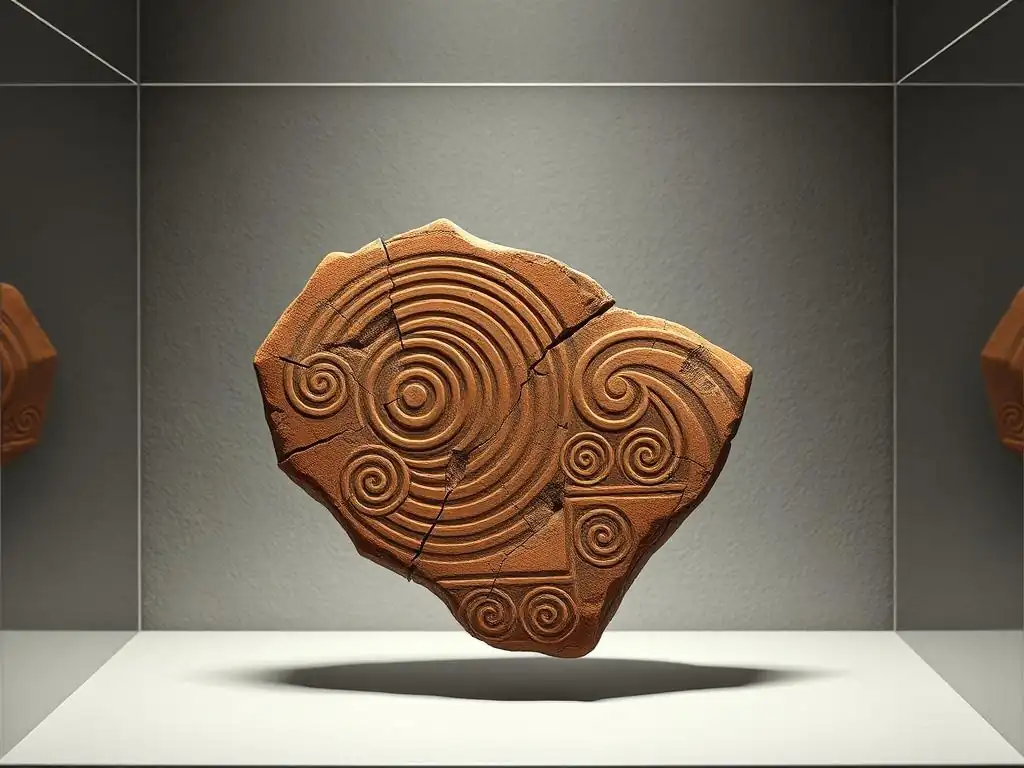
Case Study 1: Attribute Analysis and Chronological Sequencing of La Tène Pottery
Attribute analysis has been instrumental in refining the chronological sequencing of La Tène pottery, characteristic of the European Iron Age (approximately 450 BCE to 50 BCE). Researchers have meticulously analyzed attributes such as rim forms (e.g., sharply everted, rounded, or flanged), base types (e.g., ring bases, flat bases), and the presence and style of painted or incised decoration (e.g., curvilinear designs, compass-drawn circles, stylized animal motifs). These attributes often show distinct evolutionary trends, allowing archaeologists to define specific chronological phases.
For example, a study of over 700 pottery sherds from a La Tène cemetery in Bavaria revealed a clear progression in rim morphology from simple, rounded forms in the early La Tène A period (c. 450-380 BCE) to more complex, sharply everted forms in the La Tène B2 phase (c. 280-190 BCE). Similarly, the introduction of graphite tempering and specific stamped patterns in the later La Tène D phase (c. 150-50 BCE) provided key chronological markers.
This detailed attribute-based pottery typology analysis method has enabled archaeologists to date sites and assemblages with greater precision, enhancing our understanding of Iron Age societies.
Case Study 2: Attribute Analysis and Provenance Studies of Roman Amphorae
Roman amphorae, large ceramic vessels used for transporting commodities like wine, olive oil, and garum across the Roman Empire, are prime subjects for provenance studies using attribute analysis. Key attributes for this research include fabric composition (e.g., specific mineral inclusions like volcanic sands or shell fragments), manufacturing techniques (e.g., wheel-throwing marks, join lines), and morphological features (e.g., specific rim profiles, handle shapes, base types). Handle stamps, often bearing the name of the manufacturer or workshop, are also crucial attributes.
For instance, the distinctive Dressel 20 amphora, commonly used for olive oil, is characterized by its large, squat body, short neck, and two loop handles. Petrographic analysis—a detailed fabric attribute analysis—of Dressel 20 fragments found across the Mediterranean consistently reveals specific quartz and mica inclusions unique to the clay beds of Baetica in southern Spain, particularly around the Guadalquivir valley. This attribute-based evidence, supported by the presence of workshop stamps, confirms the origin and vast distribution network of Roman olive oil from this region, dating primarily from the 1st to 3rd centuries CE.
Case Study 3: Attribute Analysis and Functional Interpretations of Mississippian Pottery
In Mississippian culture (Southeastern US, c. 800-1600 CE), attribute analysis has been highly effective in inferring the function of various pottery forms. Researchers examine attributes such as vessel size, orifice diameter, presence of sooting on exterior surfaces, interior residues, and specific morphological features like handles or lugs. These attributes, when analyzed systematically, provide strong indicators of how vessels were used in daily life or ceremonial contexts.
For example, large, wide-mouthed jars with heavy carbonized residues on their exterior bases and interior surfaces are consistently interpreted as cooking vessels, based on attributes like their size (often 25-40 cm high) and evidence of exposure to fire. Conversely, small, finely made bottles with narrow necks and polished surfaces, often lacking any signs of residue or sooting, are frequently associated with the storage of liquids or ceremonial uses.
A study of Mississippian pottery from the Moundville site in Alabama (c. 1200-1500 CE) utilized these pottery typology analysis methods to differentiate between domestic cooking ware, serving vessels, and specialized ritual containers based on their distinct attribute profiles.
Challenges and Limitations of Attribute Analysis in Pottery Studies
Subjectivity in Attribute Definition and Interpretation
Despite rigorous efforts to standardize and objectify, some degree of subjectivity remains an inherent challenge in attribute analysis. Defining qualitative attributes, such as "fine" versus "medium" texture, or distinguishing between subtle variations in rim profiles (e.g., "slightly everted" vs. "everted"), can still be subject to individual interpretation. While clear definitions and training mitigate this, different researchers may still classify the same characteristic slightly differently, leading to potential inconsistencies in the resulting pottery typology.
This challenge is particularly pronounced when dealing with highly fragmented or eroded material, where diagnostic attributes might be ambiguous. Without consistent application of pottery typology analysis methods, the comparability of data across different projects or research teams can be compromised. Therefore, ongoing communication and calibration among analysts are crucial to minimize subjective bias and ensure the reliability of the collected data.
Data Completeness and Preservation Issues in Ceramic Assemblages
A significant limitation in archaeological pottery studies is the often-fragmentary nature and variable preservation of ceramic assemblages. Rarely are complete vessels recovered; archaeologists typically work with thousands of small sherds. This incompleteness means that many attributes, such as total vessel height, full decorative schemes, or the presence of specific base types, cannot be recorded for every fragment. This can lead to incomplete datasets and limit the scope of attribute analysis, particularly for morphological studies.
Furthermore, post-depositional processes like erosion, soil acidity, or mechanical damage can severely affect the preservation of pottery surfaces and fabrics. Surface treatments may be abraded, decorative elements worn away, or fabric characteristics altered, making accurate attribute identification difficult or impossible. This loss of data due to preservation issues can introduce biases into the analysis, as only the most robust or well-preserved attributes may be consistently recordable, impacting the overall reliability of pottery typology analysis methods.
The Importance of Contextual Data in Interpreting Attribute Analysis Results
While attribute analysis provides a powerful means to systematically describe and classify pottery, its results are not self-interpreting. The patterns and groupings identified through attribute analysis must always be understood and interpreted within their broader archaeological context. Without contextual data—such as the stratigraphic layer from which the pottery was recovered, its association with other artifacts (e.g., tools, architectural features), or its spatial relationship within a site—the full significance of the attribute patterns remains elusive.
For example, a cluster analysis might identify a distinct group of pottery characterized by specific attributes. However, knowing whether this group originated from a domestic kitchen, a ritual offering pit, a burial, or a specialized workshop is critical for inferring its function, social significance, or economic role. The same pottery type might serve different purposes in different contexts. Therefore, integrating the findings of attribute analysis with all available contextual data is paramount for generating meaningful archaeological interpretations and avoiding decontextualized conclusions from pottery typology analysis methods.
Recent Advances and Future Directions in Pottery Attribute Analysis
Digital Imaging and 3D Modeling for Attribute Recording
Recent technological advances in digital imaging and 3D modeling are revolutionizing attribute recording in pottery studies. High-resolution digital photography allows for consistent, detailed capture of surface attributes and decorative elements, providing a permanent visual record. Even more transformative is 3D scanning, which creates precise, measurable digital models of pottery fragments and complete vessels. These models capture intricate morphological details, surface textures, and even slight variations in thickness with remarkable accuracy.
The benefits are manifold: digital models allow for virtual manipulation, measurement, and analysis without handling fragile artifacts, reducing the risk of damage. They facilitate collaboration and data sharing among researchers globally, enabling more comparative studies. Furthermore, 3D models can be used to virtually reconstruct fragmented vessels, providing a more complete picture of their original form. These technologies are enhancing the objectivity and precision of pottery typology analysis methods, offering new avenues for detailed attribute documentation.
Machine Learning Applications in Pottery Typology and Attribute Classification
The burgeoning field of machine learning (ML) is opening exciting new directions for pottery typology and attribute classification. ML algorithms can be trained on large datasets of previously recorded attributes to identify complex patterns and relationships that might be imperceptible to the human eye. Once trained, these models can rapidly and consistently classify new pottery fragments into established types based on their attribute profiles.
Potential applications include automated identification of specific decorative motifs, classification of fabric types based on digital images, or even the prediction of provenance based on a combination of morphological and technological attributes. For instance, a convolutional neural network could be trained on thousands of images of Roman amphora sherds to instantly identify their type (e.g., Dressel 20, Gauloise 4) with high accuracy. While still in its early stages, ML holds immense promise for increasing the efficiency, consistency, and analytical depth of pottery typology analysis methods, freeing up archaeologists to focus on interpretation rather than repetitive classification tasks.
Integrating Attribute Analysis with Other Archaeological Methods
The future of pottery studies lies in increasingly integrated, multi-proxy approaches, where attribute analysis is combined with a suite of other scientific and traditional archaeological methods. This holistic approach provides a more comprehensive understanding of ceramic production, use, and discard. For example, combining morphological and decorative attribute analysis with compositional analysis techniques like X-ray fluorescence (XRF) or neutron activation analysis (NAA) can definitively link specific pottery types to their geological origins, revealing ancient trade networks.
Similarly, integrating attribute analysis with organic residue analysis (e.g., gas chromatography-mass spectrometry) can directly identify the contents of ancient vessels, providing definitive evidence of their function. For instance, a vessel classified as a "cooking pot" based on morphological attributes and sooting can be confirmed by the presence of lipid residues from animal fats. This synergistic approach, where attribute analysis forms the foundational classification, allows for a much richer and more robust interpretation of archaeological pottery and contributes significantly to the evolution of pottery typology analysis methods.
Conclusion: The Enduring Value of Attribute Analysis for Understanding Pottery
Attribute Analysis as a Foundational Method for Pottery Typology
Attribute analysis stands as an indispensable and foundational method in the field of pottery typology. By systematically dissecting ceramic artifacts into their individual, observable characteristics—whether morphological, technological, or decorative—it provides a rigorous and objective basis for classification. This methodical approach allows archaeologists to move beyond subjective impressions, enabling the creation of quantifiable and replicable typologies that are essential for comparative research across sites, regions, and time periods.
The systematic recording and analysis of attributes ensure that pottery classifications are empirically driven, providing a robust framework for understanding the vast and diverse world of ancient ceramics. It underpins all reliable pottery typology analysis methods, allowing researchers to identify distinct groups, trace evolutionary changes, and build comprehensive datasets that form the bedrock of archaeological knowledge concerning material culture.
The Contribution of Attribute Analysis to Archaeological Knowledge and Interpretation
Ultimately, the enduring value of attribute analysis lies in its profound contribution to broader archaeological knowledge and interpretation. By meticulously categorizing and analyzing pottery attributes, archaeologists gain critical insights into various aspects of past human societies. This includes understanding ancient technologies, reconstructing economic systems (e.g., trade routes, production centers), inferring social organization (e.g., craft specialization, social stratification), and illuminating cultural interactions (e.g., migration, diffusion of ideas).
Through detailed attribute analysis, pottery transforms from mere fragments into rich sources of information, allowing researchers to reconstruct daily life, ritual practices, and artistic expressions of ancient peoples. It is through the systematic application of pottery typology analysis methods that the silent stories embedded within ceramic artifacts are brought to life, offering unparalleled windows into the complexities of human history and cultural development.
Frequently Asked Questions
How does attribute analysis contribute to pottery typology?
Attribute analysis allows archaeologists to systematically categorize pottery based on observable physical characteristics. This helps establish a framework for comparison and classification.
What are some common attributes used in pottery typology analysis?
Common attributes include form (shape and size), fabric (clay composition), and decoration (motifs and techniques). These features provide insight into manufacturing processes and cultural influences.
Why is understanding pottery typology important in archaeology?
Pottery typology is crucial because it helps archaeologists date archaeological sites, trace trade routes, and understand cultural interactions. Pottery fragments are often abundant, making them a valuable source of information.
How does attribute analysis relate to the broader field of archaeological research?
Attribute analysis provides a detailed framework for understanding pottery, which then informs broader interpretations of past human behavior and social structures. It contributes to a more holistic understanding of ancient societies.
What are some limitations of relying solely on attribute analysis for pottery typology?
Relying solely on attribute analysis can be limited by subjective interpretations and the potential for convergent evolution. Other methods, such as petrographic analysis, provide complementary data for a more robust understanding.
Okay, here's a final reflection designed for your article "Attribute Analysis in Pottery Typology: A Methodological Overview," optimized for the keyword "Pottery typology analysis methods" and structured as requested:
Final Reflection: Unearthing Meaning Through Form
The journey through pottery typology analysis methods reveals more than just shards of the past; it illuminates the very foundations of human culture and interaction. By meticulously examining attributes, we gain access to the minds and lives of those who shaped these vessels, transforming fragments into narratives. The continued relevance of these methods lies in their ability to provide tangible evidence of cultural exchange, technological innovation, and the evolution of human societies.
This exploration of pottery typology has underscored the profound connection between material culture and human experience. The ability to reconstruct past lifeways through careful analysis of seemingly mundane objects is a testament to the enduring power of archaeological science. Archaeology is the only branch of anthropology which can tell us about the past of all mankind.
- Grahame Clark. This quote encapsulates the significance of pottery typology, as it provides a window into the daily lives and cultural practices of people across time and space.
As we conclude this overview of pottery typology analysis methods, I invite you to consider the broader implications of this work. How can we apply these principles of detailed observation and systematic analysis to understand the complexities of our own world? Let us embrace the challenge of deciphering the stories embedded within the objects around us, fostering a deeper appreciation for the rich tapestry of human history and the enduring legacy of those who came before.
Unearth Your Insights: Dive Deeper into Pottery Analysis!
Thank you for exploring the world of pottery typology with us! We hope this overview has sparked a new appreciation for the power of attribute analysis in archaeological research. Now, it's time to translate that knowledge into action.
Here are a few things you can do next:
- Start your own attribute analysis project: Identify a local pottery collection and begin documenting key attributes.
- Explore advanced statistical methods for analyzing your pottery data. What previously overlooked patterns might emerge?
- Share this article with fellow archaeology enthusiasts and discuss its implications for understanding past cultures.
What surprising insights about pottery analysis have you uncovered today, and how will you apply them in your future research?